

Sepp Blatter's FIFA Presidential Win Sets Stage for Showdown with Investigators
The applause gave the game away. After hours of rumour and counter-rumour—who was voting this way, who was now voting that way—it was the applause in the room that forewarned of Friday's impending, inevitable result.
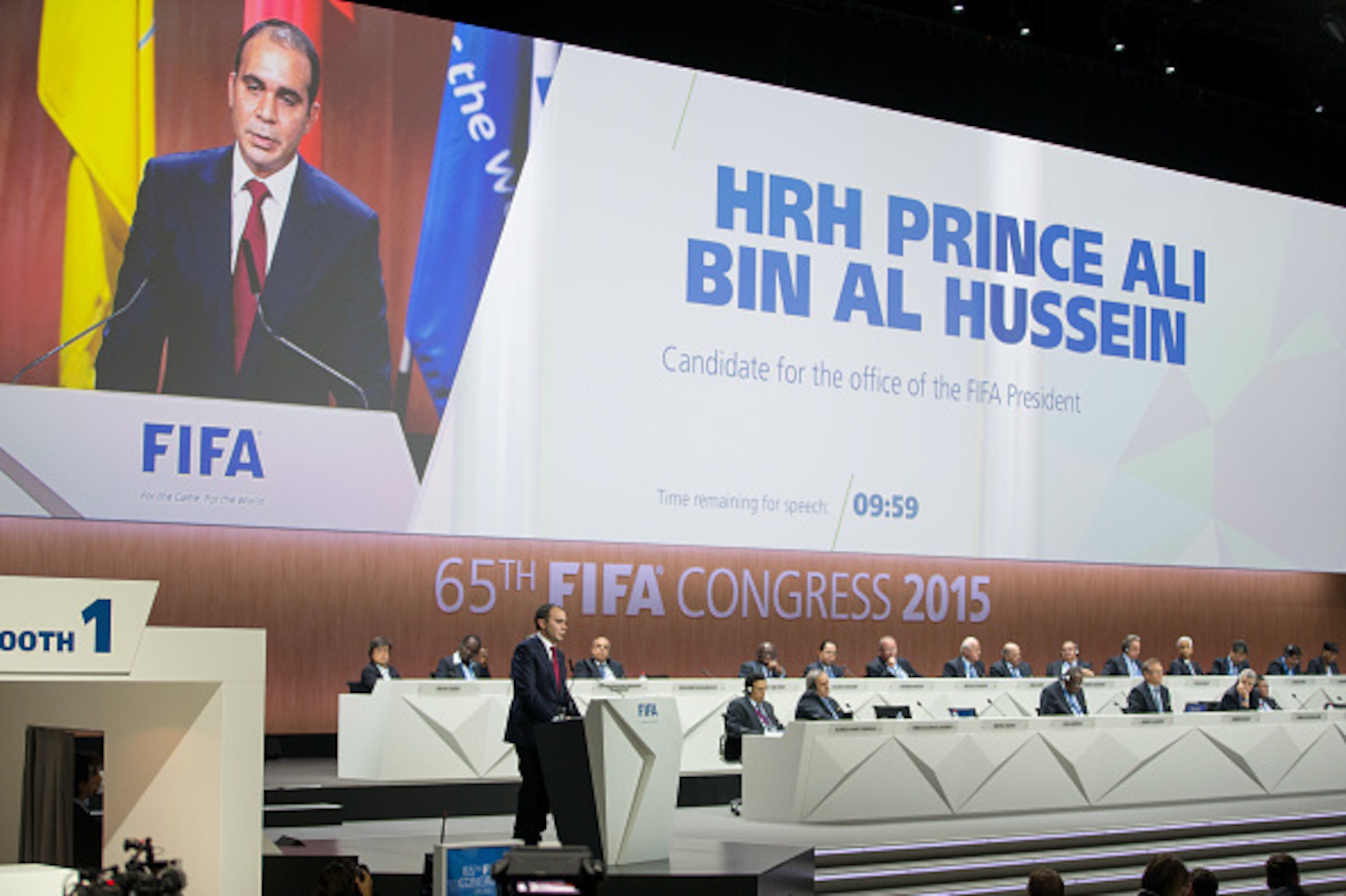
Given 15 minutes to make a final address before voting commenced, the two FIFA presidential candidates struck markedly different tones. The challenger, Prince Ali bin al-Hussein, talked (somewhat opaquely) of reform and redirection, of making FIFA an organisation that served the game of football, rather than one that had let its priorities become skewed the other way around.
TOP NEWS

Final Men's Ballon d'Or Rankings 📊
Highlights and Viral Moments 🍿

J-Dub Suffers Gruesome Injury
“I know FIFA’s not just about one man, and I will not lead it unilaterally,” Prince Ali said in Zurich, per FIFA TV, the implication lying there suggested but not explicitly stated. “FIFA is not a company, it is a service organisation.”
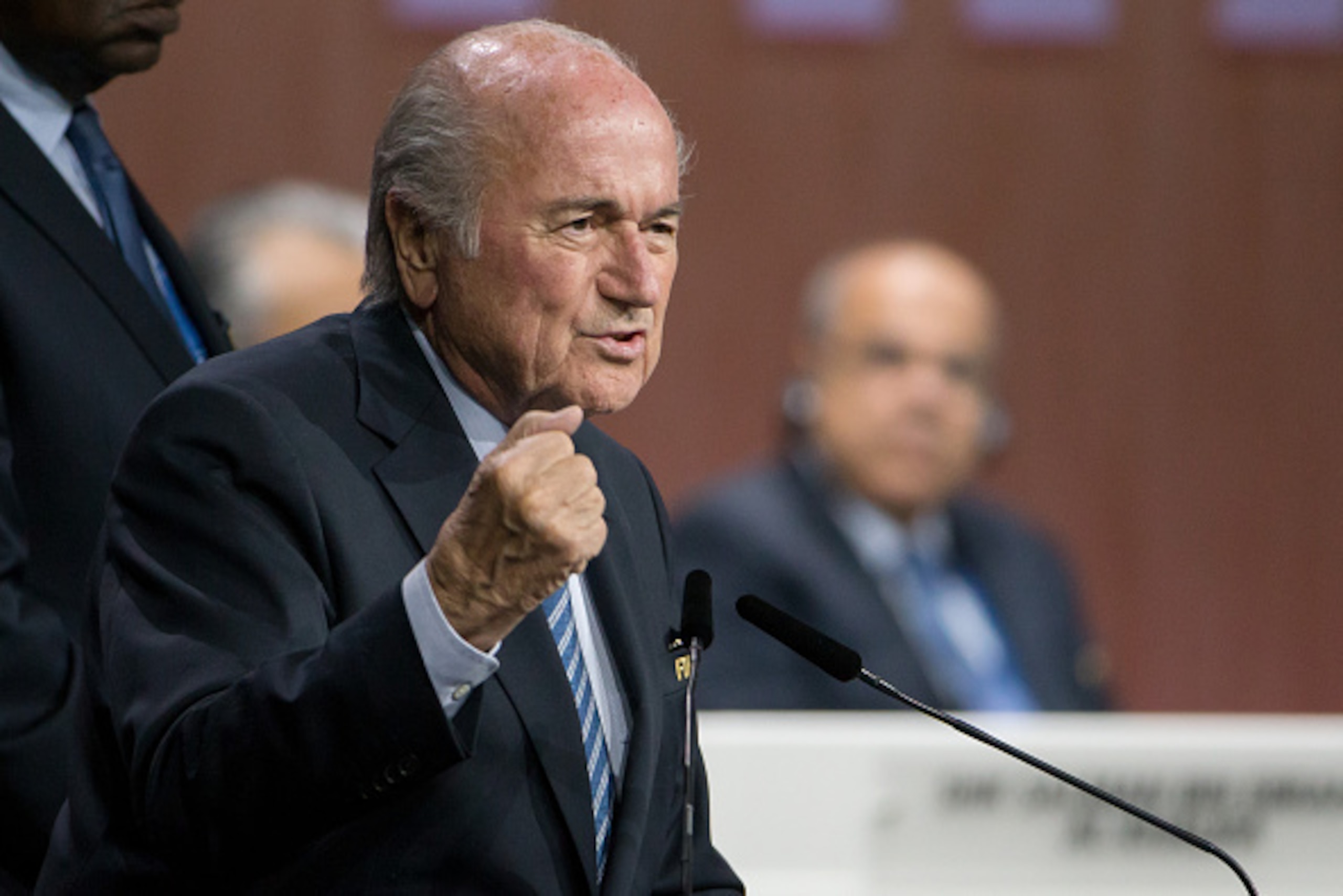
At the end, Ali, who leaned heavily on his prepared notes throughout his speech, received barely a smattering of applause from the floor. The incumbent, Sepp Blatter, then took to the stage for his third speech of the day, as he also proceeded to make vague nods toward the storm at the organisation’s doors.
“You know who you’re dealing with,” Blatter said, addressing the crowd in French, a choice that many perceived as a late move to further secure elements of his African supporter base. “I also know I can count on you. We need to recover our good name. We will start tomorrow morning with this goal in mind.
“The World Cup is the goose of the golden eggs. We must protect that.”
When the Swiss finished, albeit after a brief interlude to ponder on the wonders of time ("What is this notion of time? Time is infinite as we slice it up. I feel the time I have spent at FIFA is short.”), the sounds of enthusiastic clapping filled the arena. After a morning where plenty of reports filtered through of countries, both publicly and privately, fleeing Blatter to vote for Prince Ali, the sounds inside the FIFA congress indicated whatever desertion there was would not change the final outcome on this day.
And so it proved, as Blatter beat Prince Ali by 133 votes to 73 in the opening round of voting. The challenger had scraped enough support to force a second round of voting—an empty victory, if even that—but the writing was firmly on the wall.
Prince Ali duly conceded before voting could recommence, handing Blatter his fifth term in office. The victory came with an honourable moment the Swiss has not exhibited for some time. The 79-year-old immediately insisted this would be his final term, but the public has long since learned to be wary of a promise he has made at least once previously.

“I thank you, you have accepted me for the next four years,” Blatter said in his victory speech. “I will be in command of this boat of FIFA. We will bring it back off shore.”
Signing off, Blatter added: “I was a little bit nervous today, but now I am the president of everybody, I am the president of the whole FIFA.
“This game is important, but more important, enjoy life!”
As he departed the stage, it felt as if Blatter was drunk on his latest success. For observers, however, it was a sobering, if not unexpected conclusion to a week where Prince Ali briefly raised hopes of wholesale changes within the organisation.
Many had reported beforehand that numerous countries were joining those who had gone public—like the United States—in voting for Prince Ali. Nevertheless, Blatter must have always been confident of his stronger hand as he touched base with his reliable backers, otherwise the elections would surely have been postponed to allow for some additional politicking to get to the number he needed.
In the end, the election results were a reminder of how deeply entrenched Blatter really is within FIFA’s administration and how hard he will be to dislodge. While the voting tallies confirmed the fact that a reasonable minority of associations had turned away from Blatter, it further underlined that many more have only drawn closer to their president.
Blatter may be the public face of the problems perceived within football's world governing body, the man wider fans of the game want to see toppled, but it is many of the 209 delegates who voted on Friday who are also looking anxiously over their shoulder at the ongoing investigations.
In many ways, they are in the same boat as Blatter and may well presume their immediate futures are tied to that of the man who leads them.
In that light, a vote for Ali was a vote only for further invasive inquiry into their affairs, not all of which may be above board. A vote for Blatter, who promised to lead them out of this dark time, was at least a vote for some hope of coming through the scandal unscathed.
In that light, the final results were no surprise.
Now the real battle begins. Blatter has asserted his position with this latest victory, reclaiming his power after a week of challenges (even if the scale of the internal resistance will have bloodied his nose slightly).
He may now have to deal with some high-profile antagonists (on Friday, David Gill had promised to resign if Blatter was re-elected) but prospects of a wholesale boycott, most likely from UEFA members, seems increasingly unlikely.
Outside influences will force reform. The FBI have made their arrests and will now begin the long process of interrogating and investigating those charged to build up their cases against them and others. It is a race against time: Blatter will be working to distance himself from those investigations just as authorities work to pin something on him. A battle of wits that may go on for some time.
If there is a positive to be drawn from the situation, it is that Blatter will not be riding off into the sunset anytime soon. This week gave him the perfect opportunity to slip away from FIFA, to retreat from the limelight and, perhaps, negate the value in anyone investigating him—stopping the whole process in his tracks. Instead he stays on, wearing the crown once again, daring all comers to try to topple his regime.
That at least means he is a target still to be shot for. But it also means he is confident he can fend off this, the greatest of threats to his dictatorship, and history has taught us not to underestimate his ability to wriggle out of the tightest of spots.
Perhaps Blatter is Tony Montana, holding on to his empire until the bitterest of ends. Perhaps, like Montana, in the end he will be overwhelmed. Just not today.
.jpg?w=2560 "Rams Raiders Football")


.jpg?w=2560 "Rodgers Iced Out on Plane 💎")

.jpg?w=2560 "🚨 Week 8 AP Top 25 Poll")

.jpg?w=2560 "Packers Safety Slams Refs 🤬")
