
10 Blockbuster Trades That Just Didn't Work out
The "quick fix" is always the perfect solution—in theory. But if the results were always as good as the idea, then there would be no "quick" fix. It would just simply be…fixed. In America, we rarely let a little thing like a terrible track record get in the way of something that qualifies as bold and easy, so the popularity of the quick fix remains as high as ever.
In the major pro sports leagues, the closest thing to a quick fix, besides drafting the next Andrew Luck, Sidney Crosby or LeBron James, is the blockbuster trade. One team sending a ransom in people and/or future draft picks to another in exchange for a franchise savior should be less risky than staking the future in an unknown quantity, but for every draft bust in sports history, there seems to be an equal counterpart in the form of a trade-deal disaster.
But, the fact that it has worked before is much more important than the fact that it often does not. The battle of ideas is rarely a fair fight and no one wants to admit that they aren’t smarter than the other guy—so teams will continue to pull the trigger and mortgage the future on a guy (or guys) who can help them win now and there will always be a team that is more than happy to work out a deal.
These are 10 blockbuster trades that just didn't work out.
Robert Griffin III to Washington Redskins
1 of 10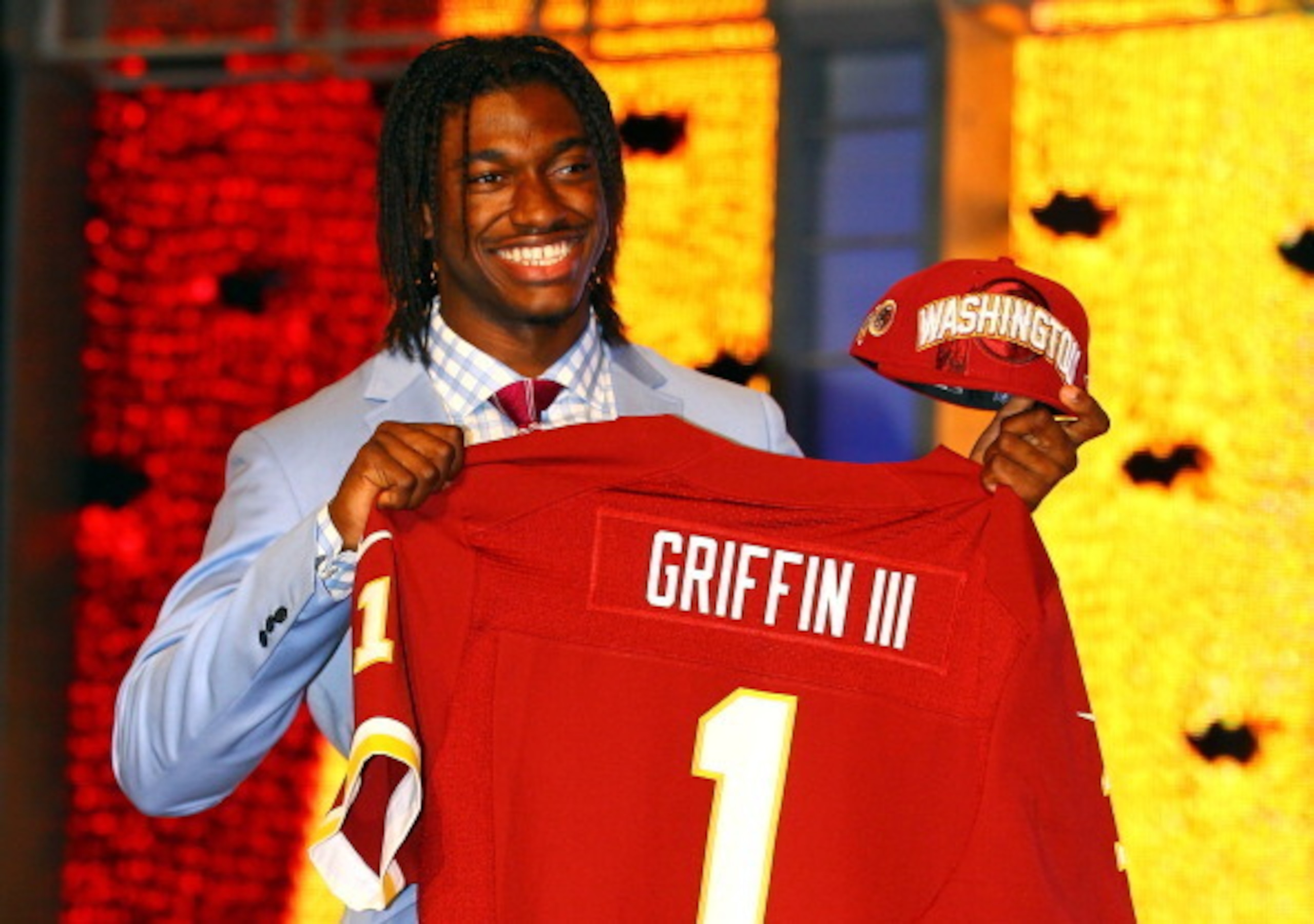
Though it can be argued that the book on quarterback Robert Griffin III’s tenure in Washington is not yet complete, it’s fair to say that the trade with the Rams that ultimately sent RG3 to the Redskins has not paid the dividends that owner Daniel Snyder hoped it would when he traded away three first-round picks (and a second) to St. Louis to move up to select him No. 2 out of Baylor in 2012.
Griffin actually won Rookie of the Year honors in his first year in Washington, leading the Redskins to an unlikely playoff berth. But after sustaining a severe knee injury in January 2013, things started to fall apart. RG3’s strained relationship with coach Mike Shanahan contributed to him being fired following the 2013 season.
Injuries have remained an issue for Griffin, who has also reportedly failed to hit it off with current coach Jay Gruden. He’s missed a number of games over the past two seasons, some due to injury, others just because. Griffin may have been the big name in that trade, but it’s the on-the-rise Rams who really made out like bandits.
This is a fact that has not escaped St. Louis coach Jeff Fisher, who took the opportunity to rub it in and display his sense of humor in December. Fisher sent out the six players the Rams ultimately acquired via their deal for a coin toss against the Redskins. The Rams won the game, 24-0.
Randy Johnson to Houston Astros
2 of 10
Approaching the trade deadline in late July 1998, the Mariners were eager to ship out future Hall of Fame ace Randy Johnson to anyone that would give them anything of worth in return. Despite winning the division a season prior, Johnson was not interested in returning to Seattle, so the time was ticking on his free-agency clock.
The Astros happened to have a hopeful lead in the NL West at the time and decided they were willing to part with who they thought at the time were three minor league nobodies on the off chance they’d be able to make a run that season and maybe have the inside route on signing Johnson as a free agent. At least that’s what they hoped.
Unfortunately for Houston, it didn’t work out according to plan. Although they easily won the NL Central, finishing 12 games ahead of the second-place Cubs with a 102-60 record, they were easily offed by the Padres 3-1 in the NLDS. And two of the prospects they gave up ended up as All-Stars, at least for a few seasons, first with the Mariners, and later with other teams.
The Astros offered Johnson a three-year, $33 million contract following the season, among the many he received—the Angels, Rangers and Dodgers were among the other teams trying to land The Big Unit. In the end, Johnson signed a five-year deal with the Diamondbacks worth over $52 million.
Even though they ended up with nothing in the end, except a disappointing early postseason exit, these days there are more than a few folks in Houston who think 10 wins and the electric atmosphere Johnson generated for the Astros that season was still worth it. Then again, it's probably easy to romanticize when your team hasn't reached the playoffs since 2005.
Alexei Yashin to New York Islanders
3 of 10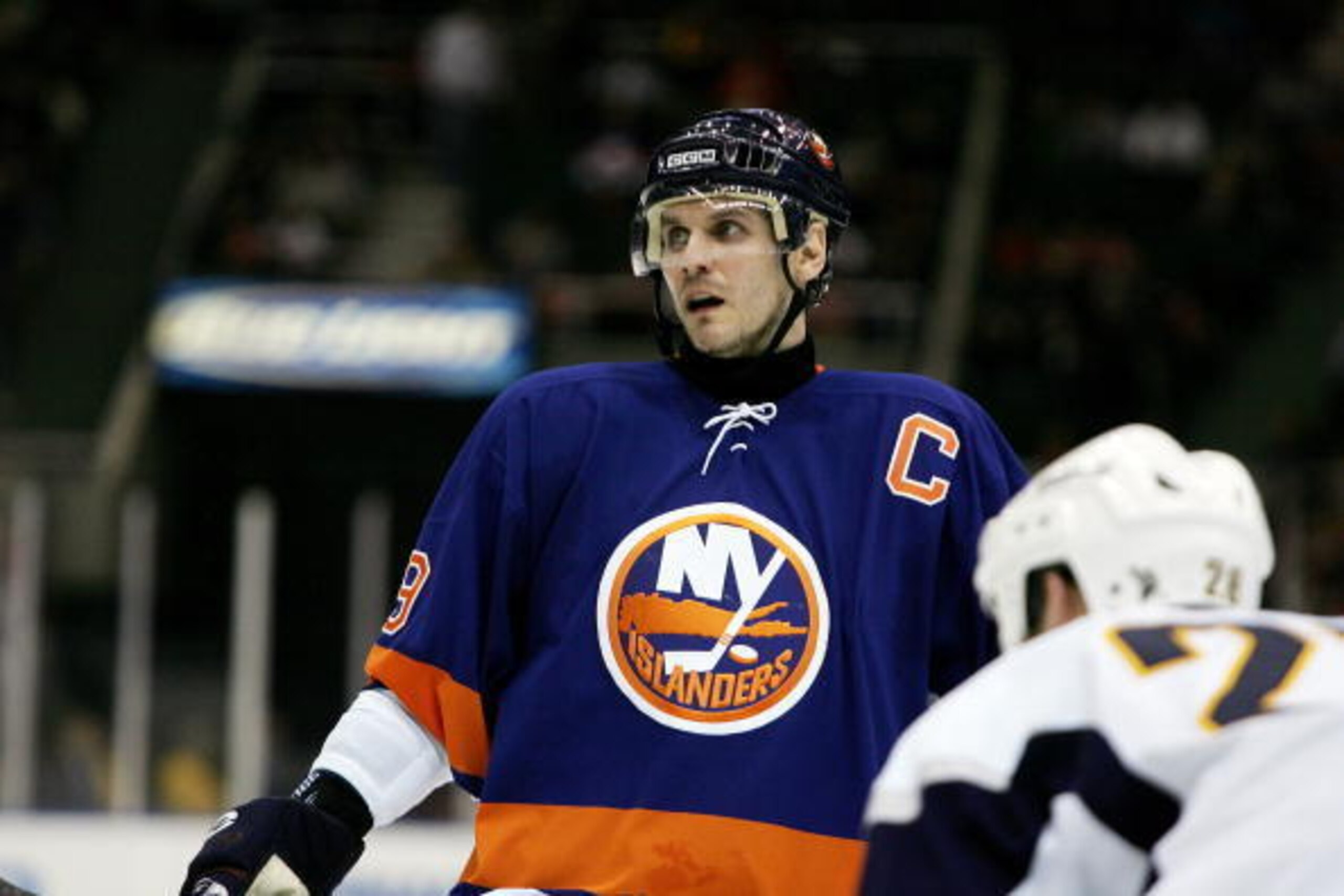
Former Islanders general manager Mike Milbury has the unfortunate distinction of being among the worst, if not the worst, GMs in the history of the NHL. Hired in 1995 and fired in 2006, Milbury’s just over a decade at the helm was nothing short of a reign of terror for Islanders fans.
Although his bad decisions and deals can be measured in the dozens, there is, perhaps, nothing Milbury did worse than trading for Senators center Alexei Yashin in 2001. Bringing in Yashin wasn’t the worst idea, but it sent future Hall of Fame defenseman Zdeno Chara, winger Bill Muckalt and a draft pick that would be used on future superstar center Jason Spezza to Ottawa in return.
Not only did Milbury give up way too much for Yashin, he immediately signed him to a 10-year deal worth $87.5 million. His production immediately began to decline with the Islanders, so much so that five seasons later he was nothing more than a mediocre role player on a team that couldn’t win a postseason series to save their life.
The team finally cried uncle in 2007, deciding to buy out the four years remaining on his contract and release Yashin. The Islanders agreed to pay two-thirds (about $18 million) of the $27 million remaining on his deal just to go away. And go away he did. Yashin never played in the NHL again and retired in 2012.

.jpg?w=2560 "Rams Raiders Football")

Carmelo Anthony to New York Knicks
4 of 10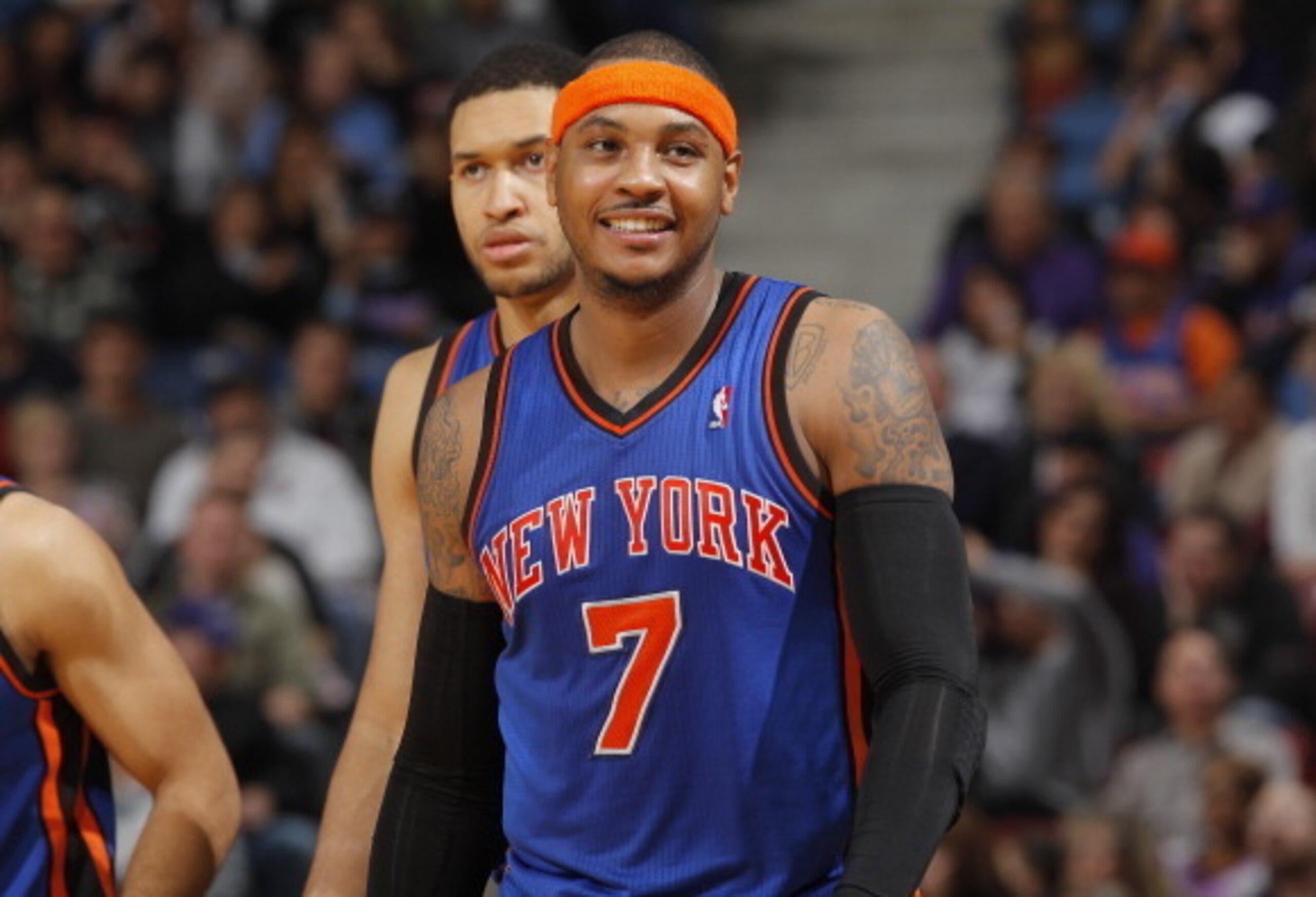
In February 2011, ending months of speculation, the Nuggets finally sent superstar Carmelo Anthony packing to the Knicks via a blockbuster three-team trade. Though a few role players were moved around in Denver and Golden State, the only name that really mattered (and still matters) in the deal was Melo.
With Anthony having seemingly made it clear that he was not going to sign a contract extension with the Nuggets, the team finally relented on the “100 percent” no-trade guarantee they gave the previous July. Anthony quickly signed a three-year, $65 million extension with the Knicks.
Now if you’re wondering how things worked out for the primary parties in this trade, this New York Daily News headline from March pretty much sums it up: “Knicks, Nuggets wallowing in NBA misery four years after Carmelo Anthony trade.” To be fair, the Knicks’ true recent misery predates Melo by almost a decade, but still.
Ricky Williams to New Orleans Saints
5 of 10
With a Hall of Fame career, first as a player then as a coach, in the NFL that spanned just under 40 years, Mike Ditka earned a reputation as an abrasive and cantankerous character with a “my way or the highway" mentality. Though he enjoyed success with the Bears in the 1980s, and miraculously he and Buddy Ryan didn’t kill each other along the way, Ditka’s three-season tenure with the Saints, which began in 1997, was noteworthy for all the wrong reasons.
After going a disappointing 6-10 in his first two years, Ditka was losing patience and decided to go for broke with one of the craziest trades in sports history. In 1999, the Saints traded all eight of their draft picks to the Redskins in order to move up to No. 1 and select running back Ricky Williams. In what would be the last season of his coaching career (New Orleans went 3-13 that year), somehow he managed to reach peak Ditka after nearly four decades in the league.
He happily turned in the team’s pick at the draft and spent the rest of the weekend on the golf course. Ditka was fired following that season because it was a move that was equal parts stupid and lazy, but in 2010 he insisted he’d do it all again if given the chance. Of course he would. Williams lasted just three years with the Saints himself, being traded to the Dolphins after the 2001 season.
Ilya Kovalchuk to New Jersey Devils
6 of 10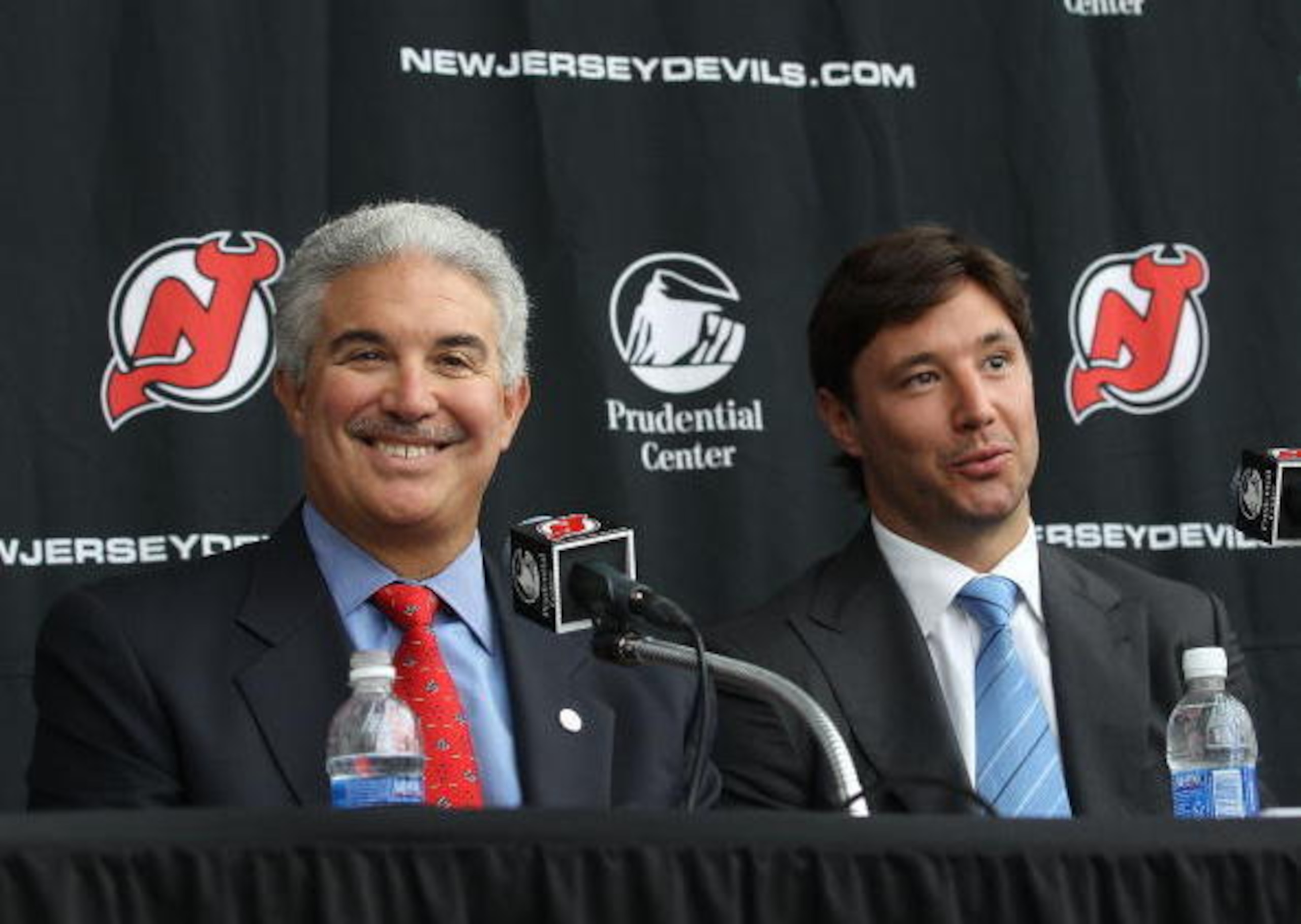
In February 2010, the Devils “won the Ilya Kovalchuk sweepstakes” by trading away “rookie forward Niclas Bergfors, defenseman Johnny Oduya, prospect Patrice Cormier and a first-round pick in [that] year’s draft” to the Thrashers, per ESPN’s Pierre LeBrun.
First of all, the Thrashers no longer exist, so nothing worked out there. Kovalchuk’s $100 million deal was a nightmare for New Jersey initially, and his start there was so painful that he nearly requested a trade within the first year. And although they survived to get iced by the Kings 4-2 in the 2011-12 Stanley Cup Final, the Devils failed to make the playoffs in three of the four seasons Kovalchuk was on the team.
Prior to that, New Jersey had missed the playoffs just twice between 1988 and 2011. As if all that wasn’t bad enough, in July 2013 Kovalchuk suddenly announced his retirement from NHL, walking away from a contract that still had 12 years and $77 million remaining. Not only did the Devils lose their franchise player without warning, it happened weeks into the offseason, limiting New Jersey’s options to replace him.
Two years later and they still haven't replaced him.
Dwight Howard to Los Angeles Lakers
7 of 10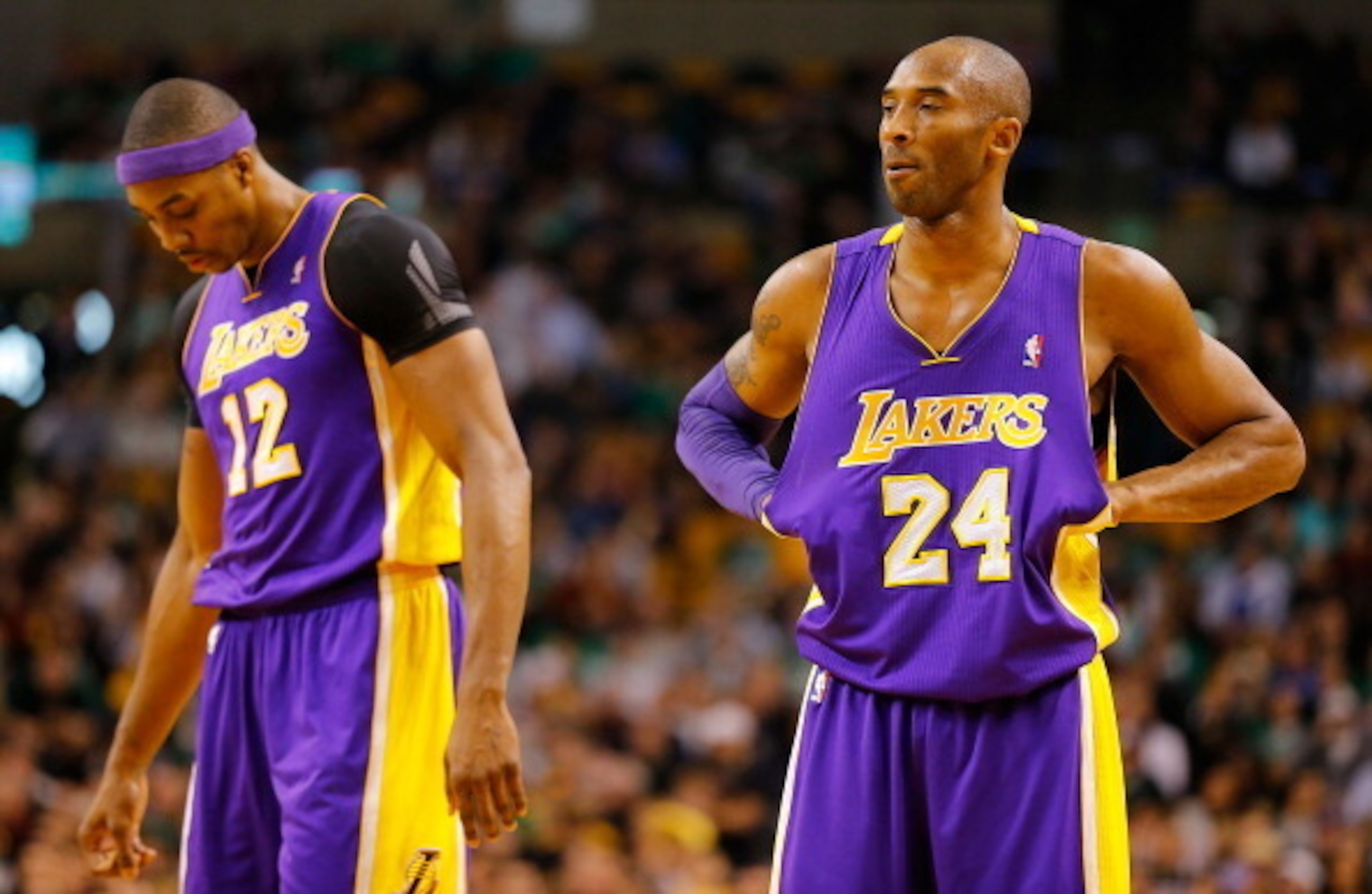
In August 2012, a four-team blockbuster trade that sent the Magic’s Dwight Howard to the Lakers was finalized, mercifully putting an end to 18 months of will-he-or-won’t-he stay speculation about his future in Orlando. The 76ers got Andrew Bynum from the Lakers and Jason Richardson from the Magic, while the Nuggets got Andre Iguodala from the Sixers. The Lakers also got another pair of nobodies from the Magic, who received what looked to be the biggest pile of trash in return.
But looking back, it was such a major suckfest for everyone else involved that Orlando may have actually come out ahead on the deal. An All-Star in Los Angeles, Bynum didn’t play a single game in Philadelphia that season. The 27-year-old dressed for a total of 26 games during the 2013-14 season and hasn’t been seen since. The big get was obviously supposed to be Howard to L.A., but he and Kobe Bryant couldn’t play nice—no surprise there.
The Lakers limped into the playoffs and were immediately swept by the Spurs in the first round. Although they reportedly tried to hold onto the lackluster big man during free agency the following season, Howard quickly bailed for the not-so-bright lights of Houston. The Rockets lost 4-1 to the Golden State Warriors in the Western Conference Finals.
After his ugly 2013 exit, you can’t blame Lakers fans for taking a little pleasure in Howard’s continued lack of postseason success. He remains championship-less after 11 seasons in the NBA, having made the Finals just once. It was with the Magic in 2009 and they were easily offed 4-1 by, you guessed it, the Lakers.
Jaromir Jagr to Washington Capitals
8 of 10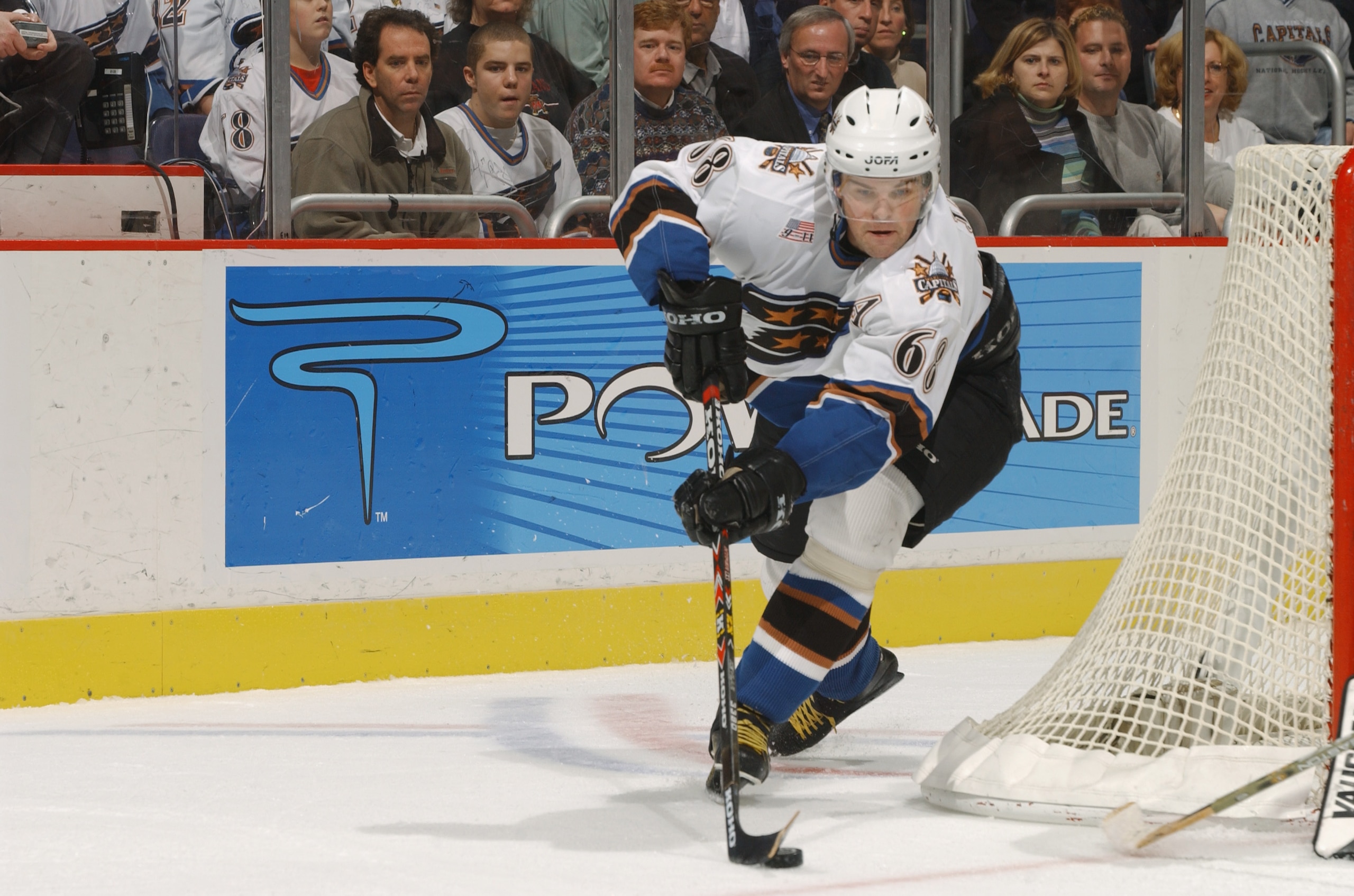
The Penguins looked like a dynasty in the making not long after drafted Czech superstar Jaromir Jagr No. 5 overall in the 1990 NHL draft. Pittsburgh would go on to win the Stanley Cup in 1991 and 1992. They were on pace to repeat in 1993, after a record-setting regular season, before being stunned by the Islanders in a Game 7 overtime loss in the division finals.
Just over a decade later, the cash-strapped franchise was in a tailspin and desperate to unload payroll. In July 2001, the Pens dealt Jagr to the Capitals for three complete nobodies. Seriously, the guys they got were so worthless that Pittsburgh should’ve just asked for a bag of dirty laundry in return—it would have saved even more in payroll and been just as efficient on the ice.
Washington was supposedly the winner, having received one of the most electrifying offensive players in the league and giving up next to nothing in return. But Jagr’s production fell off a cliff the next two seasons, the Caps failed to make the playoffs his first year in Washington and were ousted in the first round 4-2 by the Lightning the following. The move ended up being an abject disaster.
By January 2004, the Capitals, who had spent most of 2003 unsuccessfully shopping Jagr, finally unloaded him on the Rangers. Though they weren’t able to jettison his entire bloated contract, the Caps agreed to pay $20 million of the $44 million remaining on Jagr’s deal.
Paul Pierce, Kevin Garnett and Jason Terry to Brooklyn Nets
9 of 10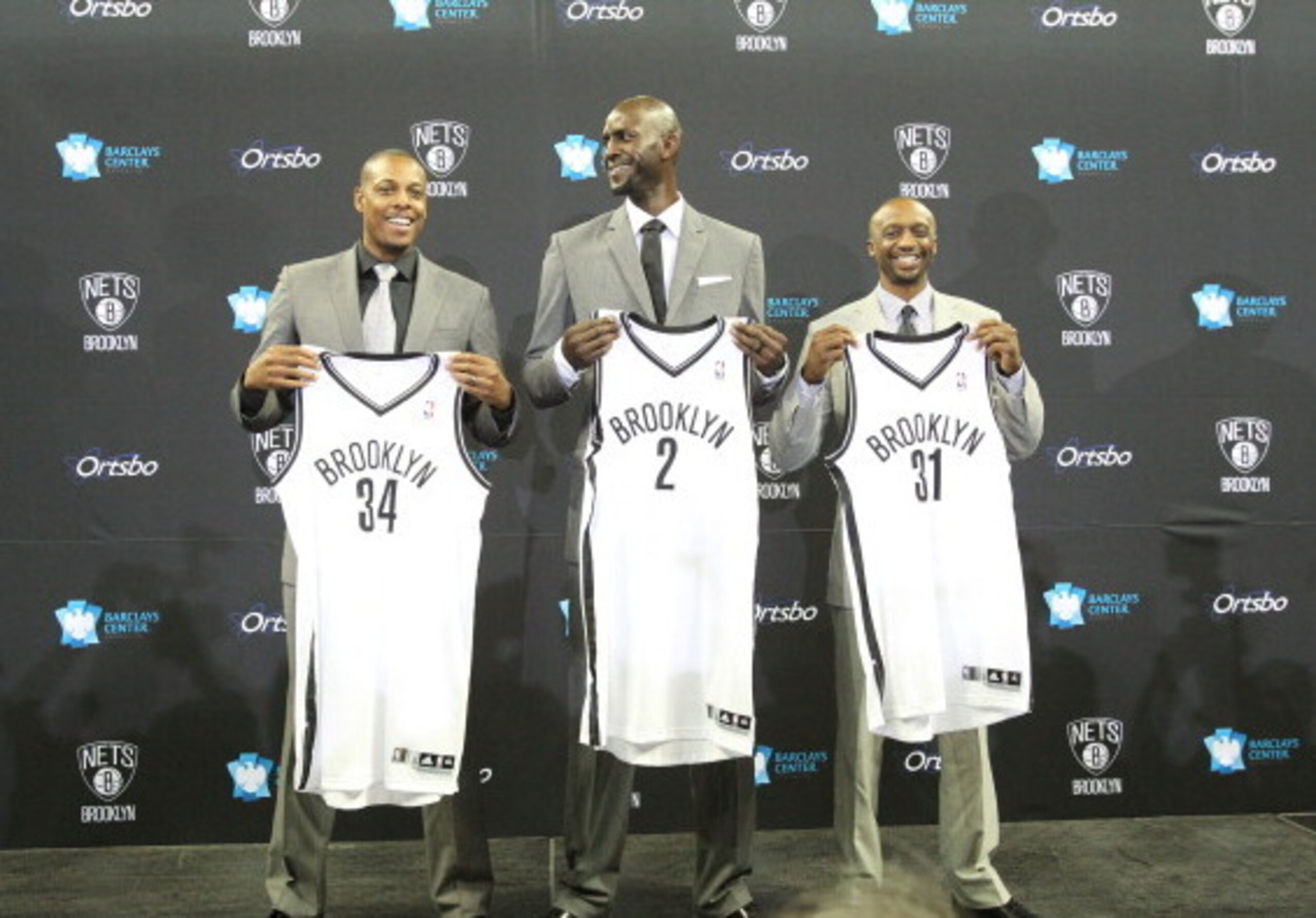
In June 2013, the Celtics officially committed to rebuilding. Four days after trading coach Doc Rivers to the Clippers, Boston sent Kevin Garnett (who waived a no-trade clause), Paul Pierce and Jason Terry to the Nets. They were three big (but aging) names that were supposed to help Brooklyn “win now.”
In return the Celtics received three first-round picks and a big heaping scrap pile of nobodies, including Kris Humphries, Gerald Wallace, Kris Joseph and MarShon Brooks. While Brad Stevens is still building in Boston, everything the Nets thought they put together that summer has already fallen apart.
In his first and only season as Brooklyn’s head coach, Jason Kidd led them to a 44-38 finish, which qualified them for the playoffs, where they lost in the Eastern Conference Semifinals to the Heat 4-1. A year later and Kidd is in Milwaukee, Garnett is in Minnesota, Pierce is in Washington and Terry is in Houston.
Herschel Walker to Minnesota Vikings
10 of 10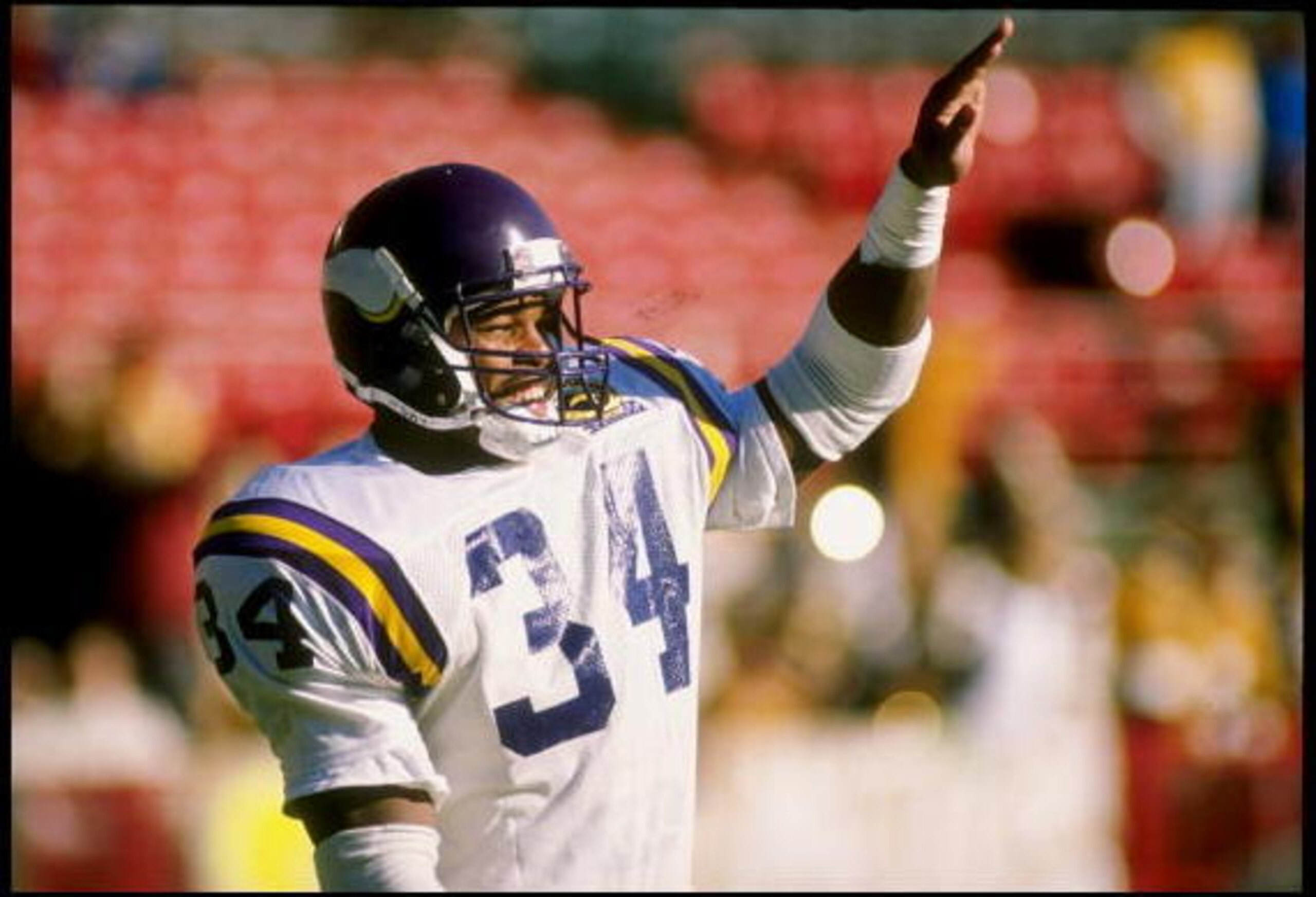
There is absolutely no question that in what is widely considered the worst trade in NFL history, the Cowboys decision to move superstar running back Herschel Walker ultimately paid dividends in Dallas, but for the Minnesota Vikings it was a disaster.
Known as “The Trade” at the time in 1989, the Cowboys were 0-5 with the popular running back, but new coach Jimmy Johnson simply wasn’t impressed with Walker, which led him to orchestrate a stunning deal that would forever alter the course of history in Dallas (for the good) and Minnesota (not for the good).
For reasons that will never be understood by Vikings fans, then-general manager Mike Lynn agreed to a deal that sent five roster players and six conditional (high) draft picks to the Cowboys for Walker. According to the Dallas Morning News, “fuzzy math" estimates that Dallas received between 16 and 18 players in the deal—setting the foundation for a budding dynasty.
In Minnesota they hoped that Walker would be the missing piece to bring them that elusive Super Bowl, but he was average at best, and the impact on the locker room was brutal. The Vikings made the playoffs the year of the trade, but would fail to reach the postseason in the two years that followed. The team questioned his commitment to the game and he was ultimately released after the 1991 season.
More than 25 years later, speculation still abounds about how different things would have been for both sides had Lynn had the good sense to hang up on Johnson. And it’s safe to say that most Vikings fans still think it sucks.

.jpg?w=2560 "Steelers Saints Football")

.jpg?w=2560 "Packers Safety Slams Refs 🤬")
.jpg?w=2560 "🚨 Week 8 AP Top 25 Poll")

