
Ranking the 10 Most Disappointing Performances in French Open History
The second week of the French Open is about inspiring success stories and glorious feats. However, the first week is often about disappointing performances.
Simona Halep's second-round loss to Mirjana Lucic-Baroni at this year's tournament was a major disappointment to Halep and those who believed she was on the verge of a major breakthrough. But it does not make our list of the 10 most disappointing performances in French Open history.
To establish our rankings, we considered the player's showing over an entire tournament and, in one case, over the course of several French Opens. Often a single loss made it a particularly devastating tournament for the player and his fans.
Usually the disappointment results from a failure to live up to high expectations placed on promising players or established stars. Sometimes it occurs when the hopes of fans or a nation are squashed.
We only considered tournaments in the open era, which began in 1968, and hedged a bit on the final selection, picking two performances to tie for the No. 10 slot.
10.= Pete Sampras, 1995
1 of 11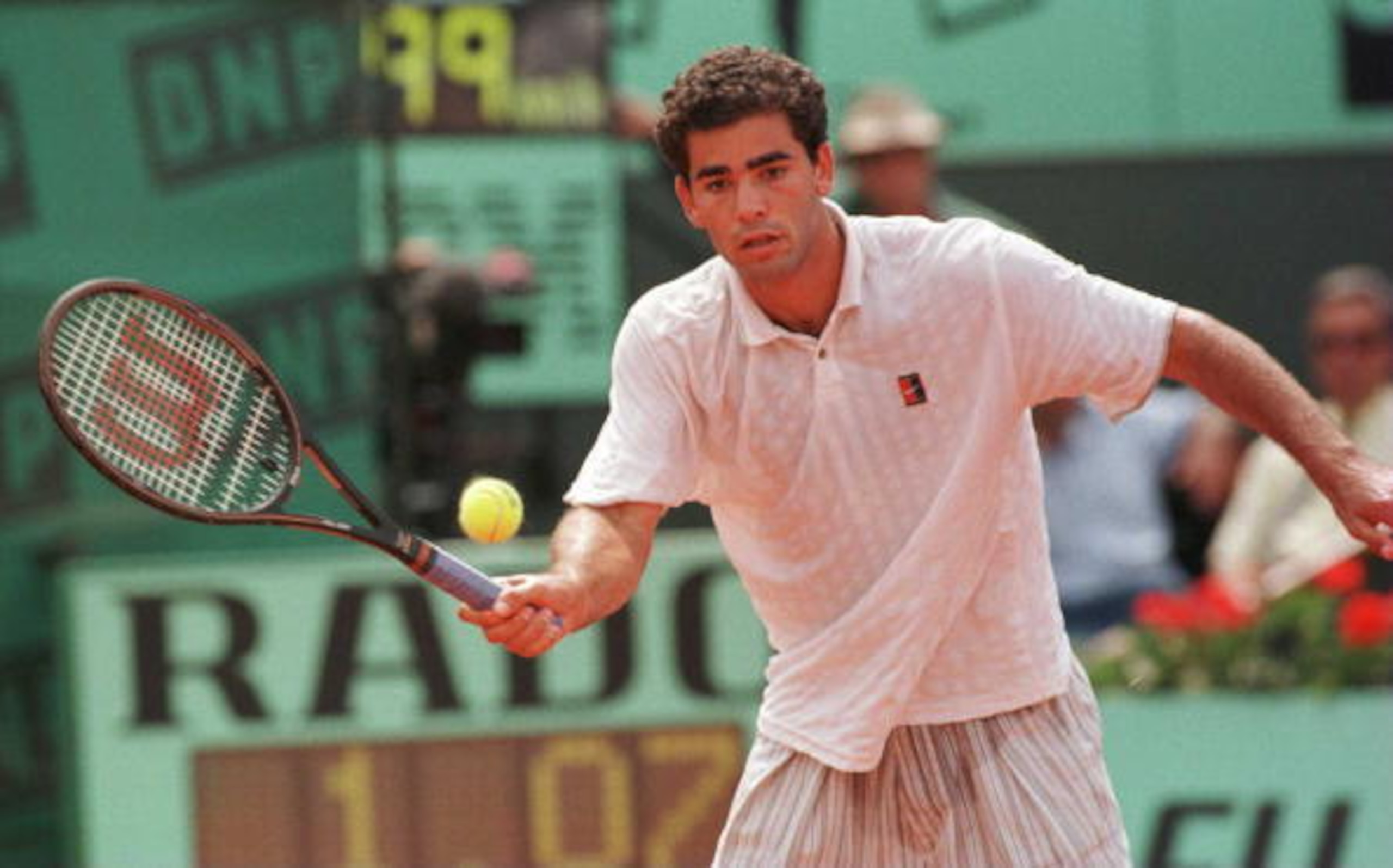
Pete Sampras never won a French Open title. In fact, he never got past the quarterfinals. His big serve-and-volley game was simply not made for the slow clay surface, which required patience and backcourt consistency.
However, if he was ever going to do big things at Roland Garros, 1995 was the year. He had reached the French Open quarterfinals each of the previous three years, and he seemed to be getting the knack of playing on clay. He had taken a set off Sergi Bruguera at Roland Garros in 1993, the year Bruguera won his first French Open title, and he had won a set from two-time French Open champion Jim Courier in the 1994 event.
Sampras won the Australian Open and Wimbledon in 1994 and was finalist at the Australian Open in 1995. He was playing outstanding tennis.
He was certainly not the favorite to win the 1995 French Open, but he was ranked No. 2 in the world and had been No. 1 just a month earlier. Sampras had played more clay-court tuneups in 1995 than he had in previous years, hoping to demonstrate that he could play winning tennis on all surfaces.
Instead he had the worst showing of his prime years. He lost in the first round to Gilbert Schaller 7-6 (7-3), 4-6, 6-7 (4-7), 6-2, 6-4 in a match that took two days to complete because of rain interruptions. When play was halted the first day, Sampras had a 3-1 lead in the third set after splitting the first two. When play resumed the next day, Sampras was no match for Schaller and his clay-court consistency.
A sad Sampras said afterward that this loss would stay with him for "a very long time," according to Diane Pucin, then writing for the Philadelphia Inquirer, who described the outcome as a "bitter loss because Sampras has made winning here a crusade, something that must be done to assure that his career is a complete success."
Schaller then promptly lost in the next round to Scott Draper, who was ranked No. 135.
10.= Justine Henin, 2004
2 of 11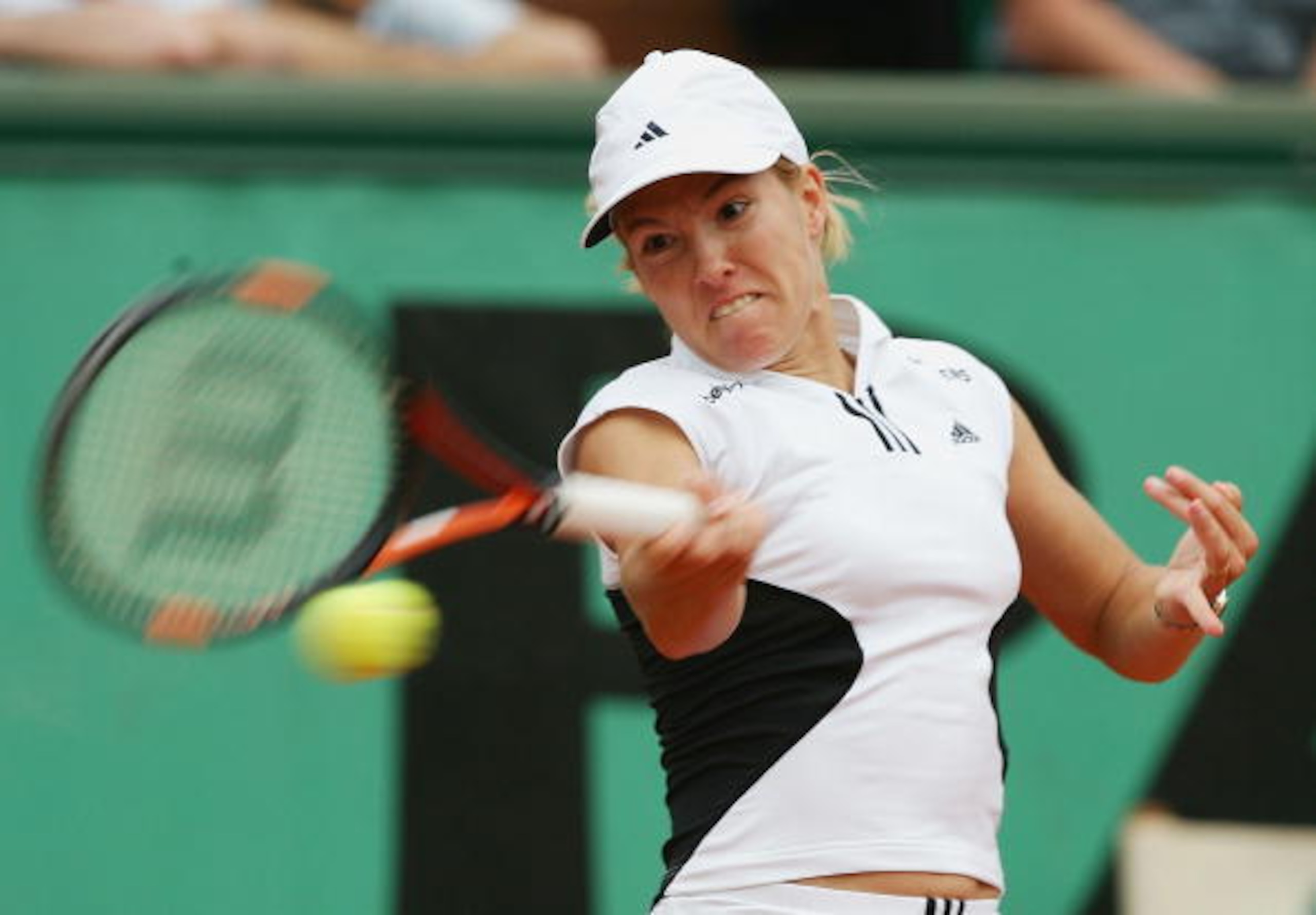
Justin Henin came into the 2004 French Open as the defending champion and the No. 1-ranked player in the world. She had won the previous two Grand Slam events, the 2003 U.S. Open and the 2004 Australian Open. But clay was her best surface, as she proved while winning the French Open three consecutive years from 2005 through 2007.
However, something unexpected occurred in 2004 amid those four French titles: She lost in the second round to Tathiana Garbin, who was ranked No. 86 in the world.
The problem may have been a virus that had kept Henin off court for six weeks prior to the French Open. She had decided just days before the French Open that she was healthy enough to play.
She was less than dominant in a 6-4, 6-4 opening-round win over Sandrine Testud, a wild-card entrant from France ranked No. 310.
Henin (known as Henin-Hardenne at the time) was sluggish and tentative in her second-round match, a 7-5, 6-4 loss to Garbin, who had won just one main-draw match in her four clay-court tournaments leading up to the French Open.
Henin double-faulted 10 times against Garbin, often on critical points, and could never take control of the match.
"I was really nervous," Henin said after the loss, according to USA Today. "I wasn't moving well; I was late all the time. I couldn't play my game. It's frustrating, but it's the choice I made."
This match would be ranked higher on this list were it not for the illness that presumably affected her play.
Henin did not lose another match at Roland Garros until Samantha Stosur beat her in the fourth round in 2010.
9. Stefan Edberg/Boris Becker, 1990
3 of 11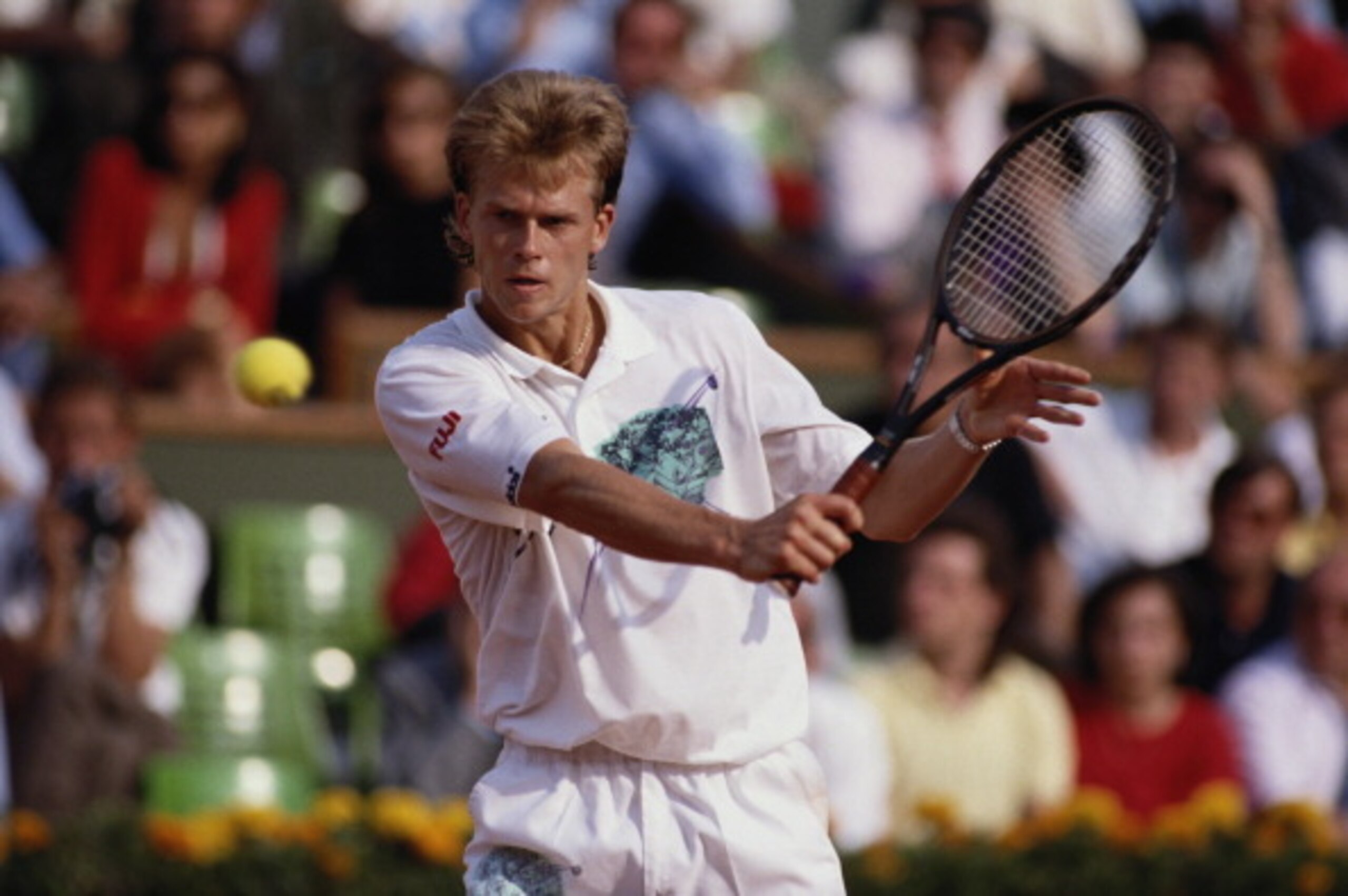
The combined performances of Stefan Edberg and Boris Becker on May 29, 1990, put a damper on the entire French Open in 1990.
The serve-and-volley power games of Edberg and Becker certainly were more effective on fast surfaces, but they had learned to play winning tennis on clay too. Edberg had beaten Becker in a riveting five-set semifinals at the 1989 French Open, and they were the top two seeds for the 1990 French Open.
Nobody expected them to lose in the first round to unseeded and unheralded teenagers, but that is what happened.
The No. 2-seeded Becker was knocked out in four sets by 18-year-old Goran Ivanisevic, who would go on to reach the quarterfinals, providing a preview of his later success.
Even more disappointing was the showing by Edberg earlier that day. Seeded No. 1 at a Grand Slam event for the first time in his career, Edberg went down meekly to 19-year-old Sergi Bruguera 6-4, 6-2, 6-1. Bruguera would win the French Open in 1992 and 1993, but in 1990 he followed his surprisingly easy victory over Edberg with a second-round loss to unseeded Jonas Svensson.
It was the first time in history the top two seeds had both lost in the first round of a Grand Slam event.

.jpg?w=2560 "Rams Raiders Football")

8. Stan Wawrinka, 2014
4 of 11
Stan Wawrinka was one of the hottest names in tennis coming into the 2014 French Open. He had won his first Grand Slam title earlier that year in Australia, beating Novak Djokovic and Rafael Nadal in the process. His ranking had zoomed up to No. 3, putting him ahead of Roger Federer and Andy Murray among others.
Wawrinka's big groundstrokes seemed to be suited to clay, and he had won the clay-court event in Monaco in April, beating both Federer and David Ferrer.
He had won at least three matches in each of his previous four French Opens, losing to a top-five player each time. He was a quarterfinalist in 2013, losing to Nadal, who would go on to win his ninth French Open title.
Wawrinka seemed set up to make another statement about his rise to elite status.
Instead he lost in the first round to Guillermo Garcia-Lopez, a 31-year-old Spaniard ranked No. 41. Garcia-Lopez had lost in the second round in the clay-court event in Madrid the previous week and had lost to a player ranked 179th in the first round of the clay-court tournament the week before that in Portugal. He had lost his previous two matches against Wawrinka in straight sets, including a 6-1, 6-2 defeat on clay in 2013.
Not only did Wawrinka lose to Garcia-Lopez this time, but he went out weakly in the final two sets of his 6-4, 5-7, 6-2, 6-0 loss. Wawrinka committed 62 unforced errors in the match, and he heard boos from the crowd in the final set.
The Telegraph wrote that Wawrinka "played with such unthinking abandon in his opening-round defeat by Guillermo Garcia-López that he could have been watching the England cricket team."
Wawrinka claimed afterward the back problem that had been an issue earlier in the year was not to blame.
"The match wasn’t good at all,” Wawrinka said, according to the Telegraph. “I was trying to find my game, trying to be aggressive. I don’t have all the answers to why I didn’t play so good. I need to take a few days to see why."
7. Martina Navratilova, 1983
5 of 11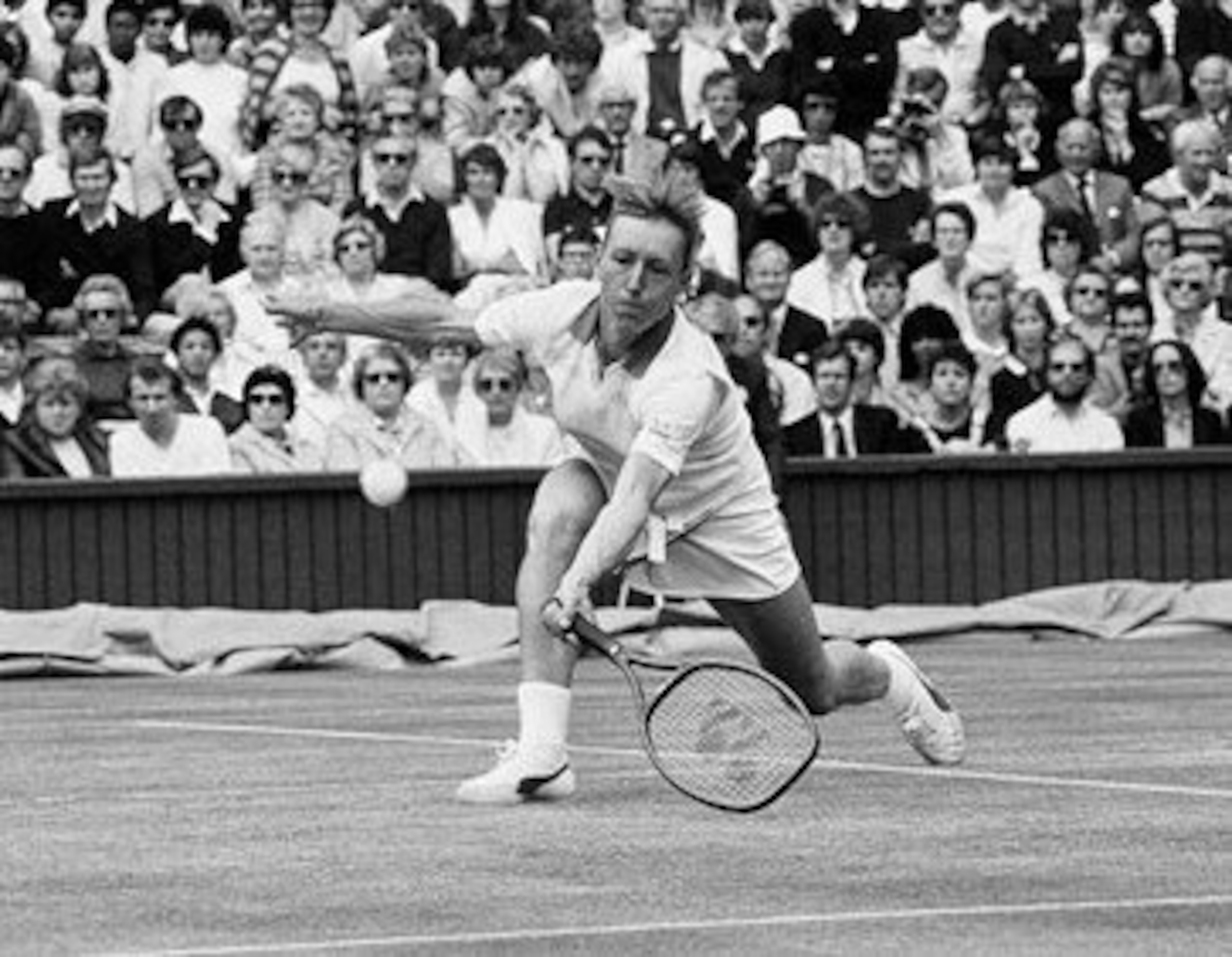
One match in 1983 made Kathy Horvath famous and ruined an otherwise perfect year for Martina Navratilova.
The two faced each other 11 times as pros. Navratilova won 10 of them without the loss of a set. But on May 28, 1983, the 17-year-old, 45th-ranked Horvath pulled off one of the biggest upsets in tennis history, beating Navratilova 6-4, 0-6, 6-3 in the fourth round of the French Open.
It was the only match Navratilova would lose in 1983 while going 86-1, still the best single-season record by a player in the open era.
Navratilova demonstrated her clear superiority in the second set, but in the other two sets she failed to produce the dominating brand of tennis that had made her nearly unbeatable that year.
"Man, I just couldn't relax," Navratilova said in an ESPN.com article looking back at that match. "I couldn't get the ball past the service line. I think if I could have gotten ahead it might have been different. But I couldn't shake her."
On fast surfaces, Navratilova's power overwhelmed everyone, but the slow clay blunted Navratilova's attack, sometimes making her tentative, as it did in this case.
The New York Times described the match this way: "Except for the second set, when Miss Horvath seemed to disappear, Miss Navratilova was shaky. At 5-4 in the first set, she made two forehand errors and double-faulted for triple set point, then mis-hit a backhand."
Certainly Horvath played outstanding tennis, but it was the tight play of Navratilova that facilitated the stunning result.
"I think I played it too conservative at the start, and that's not my game," Navratilova said after the match, according to the New York Times. "Once it gets close, it's hard to go for it.''
Navratilova's coach, Renee Richards, and her trainer, Nancy Lieberman, could be heard arguing in the players' box about strategy during the match, according to the ESPN.com report. Navratilova heard the argument, and that could not have helped Navratilova's confidence in this tense situation.
Horvath took advantage of the situation to complete the upset, then promptly lost to unseeded Mima Jausovec, 6-1, 6-1, in the quarterfinals.
6. Mats Wilander, 1986
6 of 11
Mats Wilander had won the French Open for the second time in 1985, and he had reached the finals in three of his four trips to Roland Garros. His consistent groundstrokes and unshakable temperament seemed perfectly suited for success on the red clay.
The New York Times described Wilander at the time as "the man widely regarded as the best clay-court player in the world."
However, the second-seeded Wilander struggled from the start of the 1986 French Open. He dropped a set before getting past Ricardo Acuna in the first round, then nearly lost to Aaron Krickstein in the second round. The unseeded Krickstein took two of the first three sets before Wilander rallied for a 6-1, 3-6, 5-7, 6-3, 6-4 victory.
In the third round Wilander faced Andrei Chesnokov, who was ranked No. 81 and had lost to Wilander in straight sets on clay two weeks earlier. Not only did Chesnokov beat Wilander this time, but he thoroughly dominated the Swede in a 6-2, 6-3, 6-2 shellacking.
Wilander "was completely baffled" by Chesnokov, according to the New York Times report on the match.
Wilander would get to the French Open finals the next year and win it for a third time in 1988. But his performance in 1986 was a major disappointment.
5. Arantxa Sanchez-Vicario, 1990
7 of 11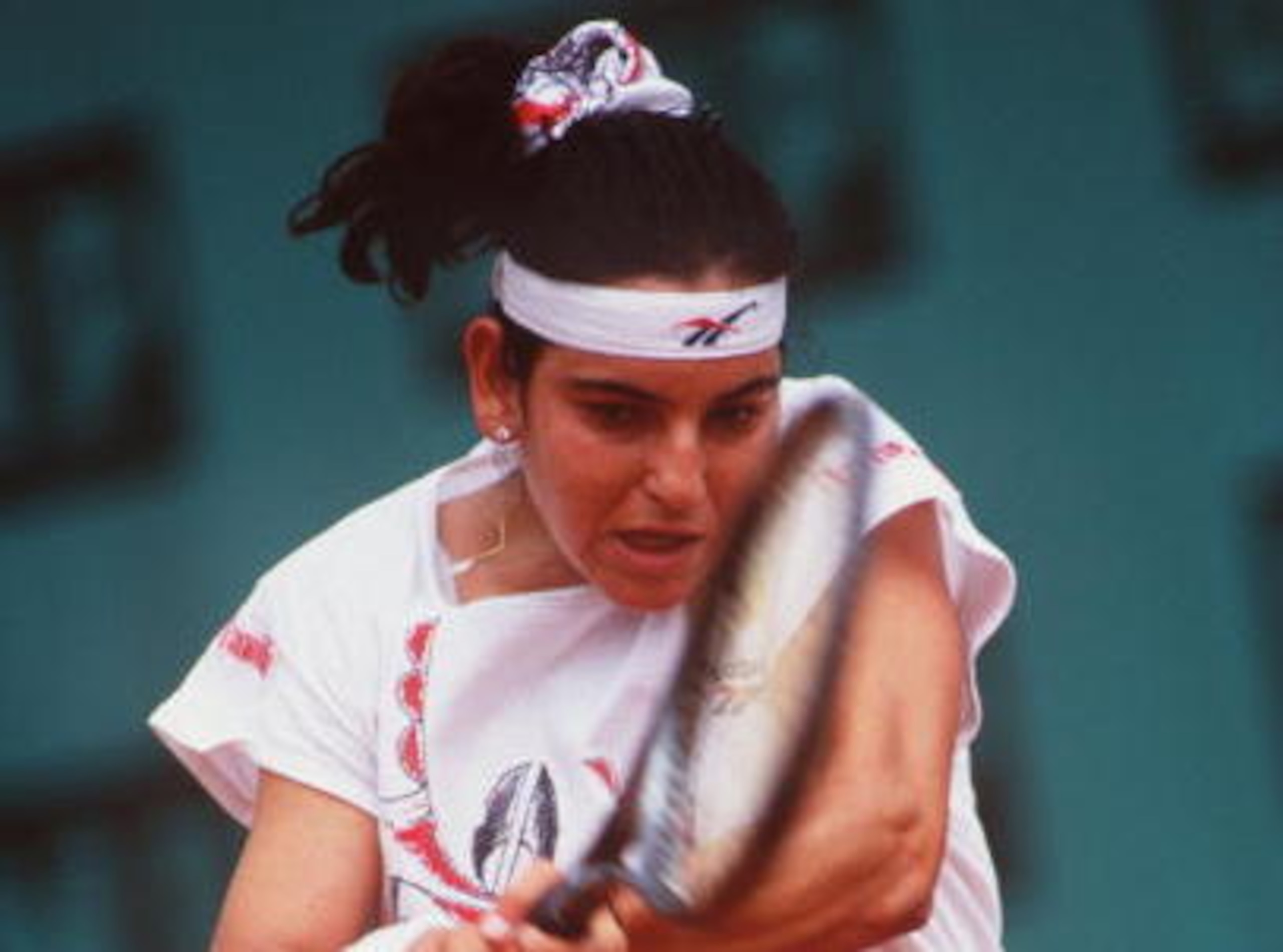
Arantxa Sanchez-Vicario had won the 1989 French Open as a 17-year-old, racing through the draw as the No. 7 seed and beating top-ranked Steffi Graf in the finals. She became the youngest woman to win a French Open title, and it made her an instant star in Spain.
As the defending champ and the No. 3 seed in 1990, Sanchez-Vicario was expected to produce similar results.
She blew by wild-card entrant Noelle Van Lottum in the first round and figured to get past 39th-ranked Mercedes Paz rather easily in the second round. Paz had won a clay-court event the previous week, but it was against lesser competition, and Sanchez-Vicario had beaten Paz by lopsided scores in their only two previous encounters, both on clay.
Paz and Sanchez-Vicario were doubles partners, so there was no mystery about their styles.
The mystery was how Paz was able to upset Sanchez-Vicario 7-5, 3-6, 6-1, in the second round, which, at time, was the earliest exit ever for a defending French Open champ.
''My game was not normal,'' Sanchez-Vicario said after the match, per the New York Times. ''I had a lot of mistakes, unforced errors. I think I've never played like this before.''
Sanchez-Vicario played in the French Open 14 times between 1987 and 2000, and 1990 was the only year in which she failed to reach at least the quarterfinals.
4. Serena Williams, 2014
8 of 11
Serena Williams' three-set loss to 111th-ranked Virginie Razzano in the first round of the 2012 French Open probably rates as a bigger upset than her second-round loss to Garbine Muguruza in 2014. However, Williams' performance in the latter was more disappointing.
Williams was only seeded No. 5 when she lost to Razzano and at least put up a good fight in that one.
In 2014, Williams was ranked No. 1 in the world, and the ranking-points gap between her and No. 2 Li Na was one of the largest in history. Williams had won the French Open for the first time in 11 years in 2013, proving she could dominate on clay as well as hard courts. She was expected to do the same in the 2014 French Open.
Muguruza was an improving player, but she was ranked 35th and had lost to Williams 6-2, 6-0 in their only previous meeting, in 2013. Nobody expected her to beat Williams, much less dominate the match.
Williams looked nothing like the player who had won 17 major titles in a 6-2, 6-2 loss to Muguruza. It took Muguruza just 64 minutes to record her first career victory over a player ranked among the top eight while handing Williams her most lopsided loss in a Grand Slam event.
Williams had 29 unforced errors and only eight winners. She has perhaps the best serve in the history of women's tennis, but she won just 55 percent of her first-serve points and was broken five times. Williams failed to break serve when she had a 0-40 lead with Muguruza serving at 4-1 in the second set, and Muguruza won the final game at love.
"I don't think anything worked for me," said Williams in a report by SI.com. "It was one of those days. You can't be on every day, and, gosh, I hate to be off during a Grand Slam. It happens."
3. Andre Agassi, 2000
9 of 11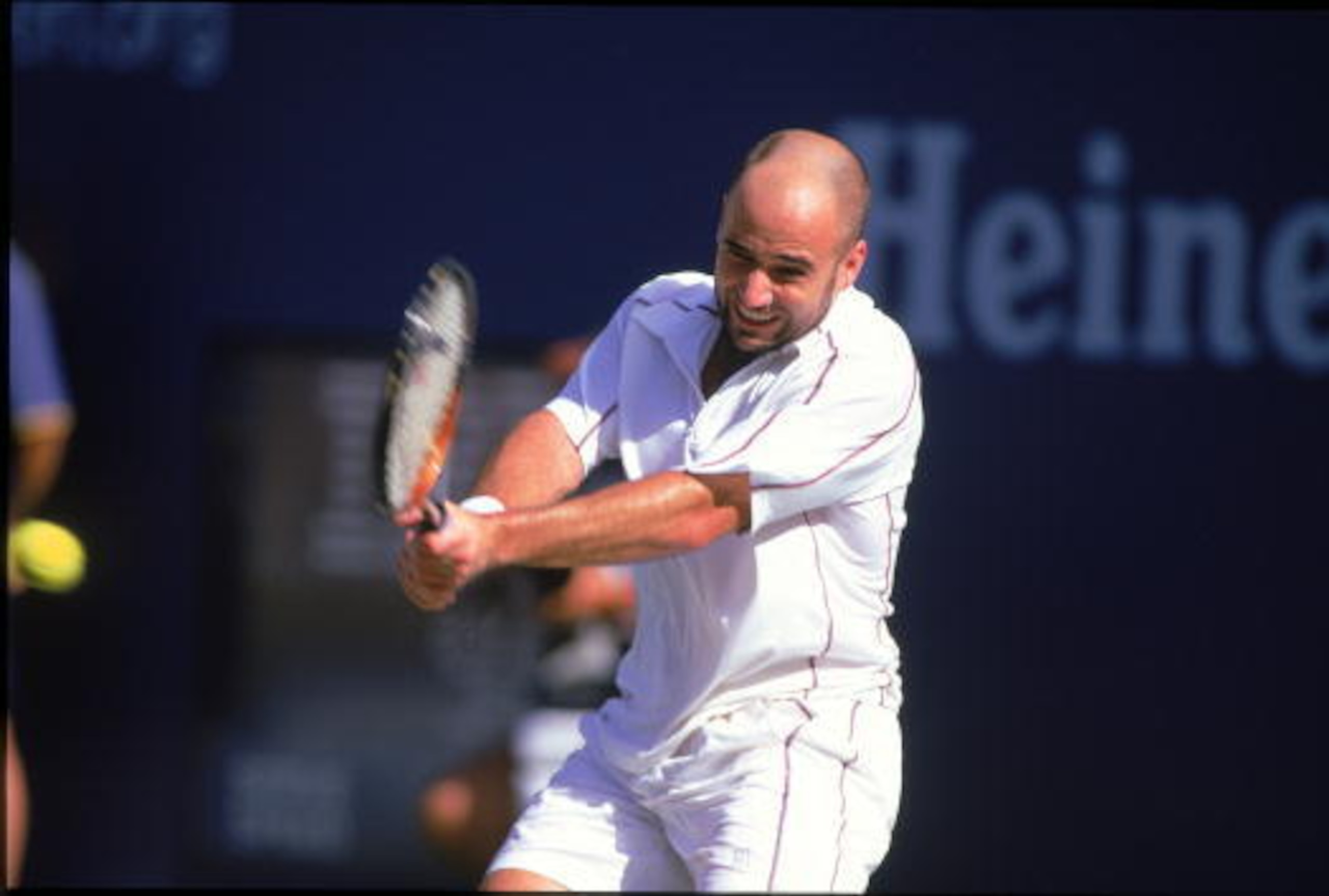
Andre Agassi won the French Open in 1999, the fourth time in 11 years that an American man had won the title that seemed to be off limits to U.S. males.
With Agassi's outstanding groundstrokes and mental toughness, the clay at Roland Garros seemed to suit his game perfectly. Agassi was only seeded No. 13 in 1999 when he took out defending French Open champion Carlos Moya in the fourth round on his way to his fourth major singles title.
Agassi was playing the best tennis of his life heading into the 2000 French Open, having reached the finals of each of the previous four Grand Slam events and winning three of them. He was ranked No. 1 in the world and seemed like a good bet to at least reach the French Open finals for a fourth time.
Two other Americans, Pete Sampras and Lindsay Davenport, both seeded No. 2, lost their first-round matches that year, but Agassi rolled past Antony Dupuis in the first round, giving Americans a solid title contender.
Agassi seemed to be in charge of his second-round match after taking the first set 6-2 from Karol Kucera, a pretty good clay-court player ranked No. 40. Agassi served at 5-4 in the second set, but he played a poor game and lost his serve, starting an epic collapse.
Agassi lost 15 of the next 16 games, including the last 11 in a row, as blisters on his foot and Kucera's consistency doomed him to a humiliating defeat.
Following his 2-6, 7-5, 6-1, 6-0 loss to Kucera, Agassi failed to meet with the media afterward, risking a $10,000 fine and making his showing more disappointing.
Agassi would never again get past the quarterfinals at Roland Garros. His victory in 1999 represents the last French Open title by a U.S. male.
Jimmy Connors, John McEnroe and Pete Sampras are considered among the greatest players in history and Andy Roddick was ranked No. 1 for a time as well. Those four Americans combined to win 30 Grand Slam singles titles, but they won zero French Open crowns. In fact, McEnroe's berth in the 1984 title match was the only time one of those four reached the French Open finals.
After Jim Courier's consecutive French Open titles in 1991 and 1992, Agassi became America's only male hope to take a French Open title. Agassi would win eight Grand Slam singles titles but only one at Roland Garros.
2. Manuel Orantes, 1975
10 of 11
Manuel Orantes was one of the best clay-court players of his era, and there was every reason to believe he could win his first Grand Slam singles title at Roland Garros in 1975.
He had played eight clay-court tournaments before the French Open that year and had reached at least the semifinals of all eight and had won four of them. Two wins over Guillermo Vilas as well as a victory over Ilie Nastase in the final three tuneup events before the French Open suggested Orantes was primed for big things on the clay in Paris.
Orantes, the No. 2 seed at the French Open, figured to breeze past his first-round opponent, Antonio Zugarelli, who was ranked No. 79 and had lost in the first round to players ranked outside the top 80 in all three of his clay-court tuneup events.
However, circumstances conspired against Orantes, who got caught in downtown Paris traffic on his way to the match, delaying his arrival and preventing him from warming up properly. The two were tied 3-3 in the first set when Orantes simply faded away. Zugarelli won nine straight games, not only eliminating Orantes but doing it in humiliating fashion, 6-3, 6-0.
In those days, early-round French Open matches were the best of three sets, but Orantes gave no indication he could have changed the outcome if the match had been longer.
Orantes went on to win the U.S. Open on clay later that year, beating Vilas and Jimmy Connors in successive matches to prove he could win a major on the slow surface. However, his performance that day against Zugarelli was dismal and may have been the worst showing of his career. A traffic jam can't account for that.
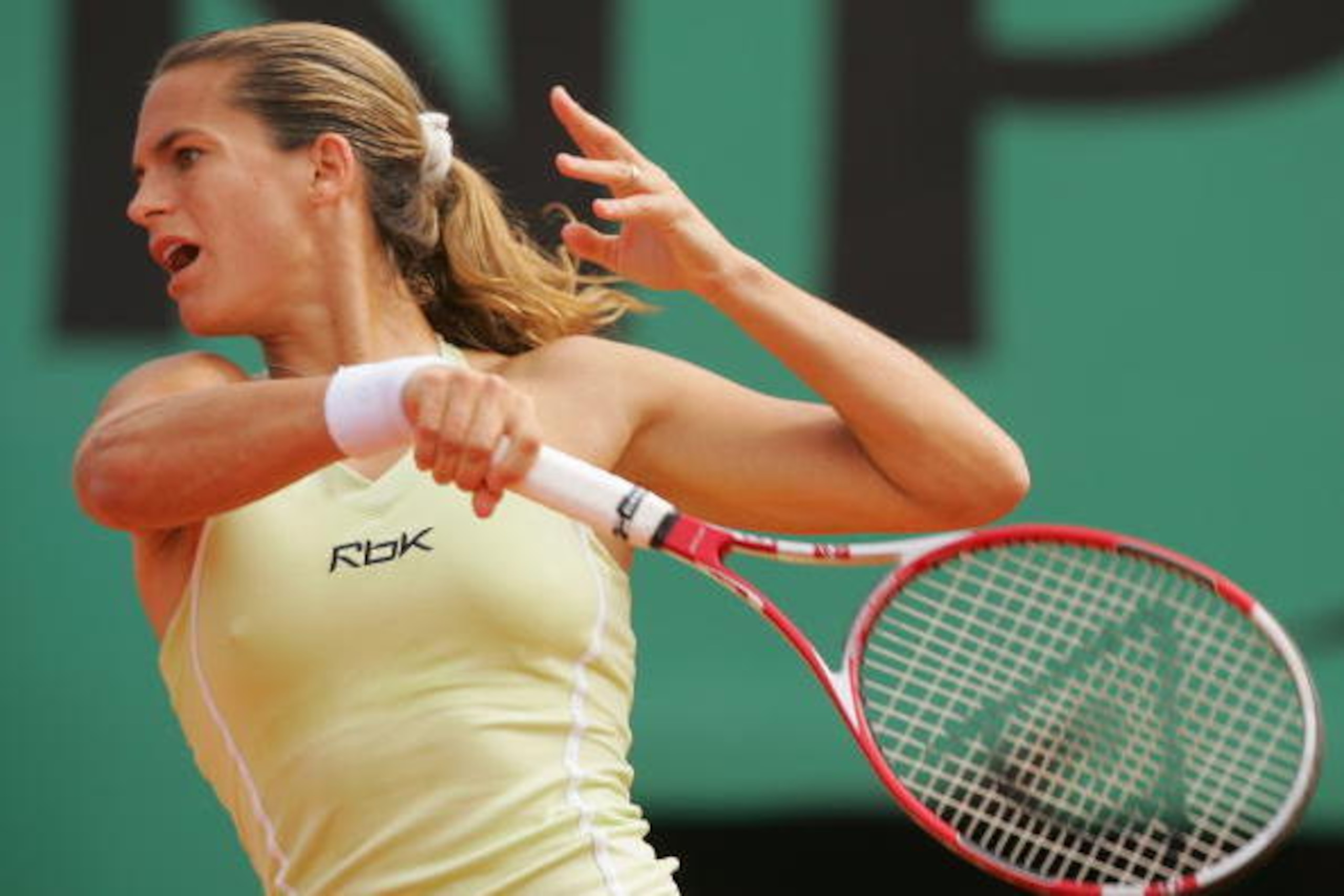
1. Amelie Mauresmo, 2006
11 of 11
The title Amelie Mauresmo of France most treasured was the one she never came close to getting. Inspired by Yannick Noah's 1983 French Open victory, Mauresmo dreamed of winning the Grand Slam event in her home country.
She won two Grand Slam titles in her career and reached at least the semifinals of the U.S. Open, Australian Open and Wimbledon. But she never got past the quarterfinals of the French.
Her feelings about playing the French Open were captured in this 2006 interview with the International Herald Tribune that appeared on the New York Times website shortly before the French Open that year:
"For me, Roland Garros was always, until this year at least, something very uncomfortable, something I'd equate with suffering. It was not a pleasure to find myself on the court with all the fans behind me. Now, I'm taking more pleasure. I really want to be on the court and share something with them. They will be there this year again, and perhaps in a different way, perhaps to celebrate, in a way, what I've done.
[...]
Other years, as soon as I got out there and put my foot on center court, I could feel myself tightening up, could sense that I had a short fuse, getting mad at things very quickly. It's true. Everything bothered me. It was tough. I think I was not ready to handle the expectations.
"
Her first-round loss as the No. 5 seed in the 2001 French Open was disappointing, but her fourth-round defeat in 2006 was probably more devastating.
In 2006, Mauresmo entered the French Open as the No. 1-ranked player in the world and was coming off a victory in the Australian Open, her first major title. In this, her 12th French Open, she hoped to erase past failures at Roland Garros with an impressive showing before the French fans, who were hungry for a hero.
Noah's title in 1983 represented the only crown by a French man at Roland Garros since 1946. Mary Pierce, who won the French Open in 2000, is the only French woman since 1949 to win the French Championships, but Pierce was born in Canada and grew up in the United States.
Mauresmo won her first three matches at Roland Garros in 2006 before facing 16th-seeded Nicole Vaidisova. Mauresmo had beaten Vaidisova in their only two previous meetings, including a 6-1, 6-1 victory in the 2006 Australian Open. But this time the 17-year-old Vaidisova dominated the final two sets on her way to a stunning 6-7, 6-1, 6-2 victory.
Mauresmo jumped out to a 5-2 lead but won just four of the final 20 games. Mauresmo got behind 5-0 in the second set and 4-0 in the third and could do little to break the run despite the support of the French crowd.
"I wasn't able to keep up my end of the bargain," Mauresmo said afterward per USA Today.
Mauresmo would bounce back to win Wimbledon, giving her two major titles that year, but she would never break through at Roland Garros.
Mauresmo ranks atop the list not only because of the disappointment of 2006 but for her career of disappointments at the French Open.
.jpg?w=2560 "Steelers Saints Football")

.jpg?w=2560 "Packers Safety Slams Refs 🤬")
.jpg?w=2560 "🚨 Week 8 AP Top 25 Poll")