
Ranking the Top 10 Men's Players Heading into the 2015 French Open
The 2015 French Open draw is out, and the madness begins. Roland Garros, the seat of red-clay royalty, will feature 128 of the world’s best players serving, sliding and surviving through gruelling conditions, ranging from fickle weather to best-of-five marathons.
Who are the very best contenders of them all?
The following top-10 power rankings do not reflect the ATP Rankings but are adjusted uniquely for the next two weeks of clay-court tennis at Roland Garros. Here are the main factors that justify our rankings:
- Clay-court ability and skills: The top players must have the comfort and footwork to defend as well as patiently attack from the baseline. It will take more than a big serve and quick-strike offense.
- Recent performances and results: Players with momentum and success at venues like Monte Carlo, Barcelona, Madrid and Rome have fewer questions to answer in coming to Paris. Confidence and control are mandatory at Roland Garros.
- Fitness and strength: Best-of-five sets will be exhausting unless there are at least a couple of easy wins that allow easier recovery. That final weekend will demand everything.
- The draw: Which opponents will the favorites find? Cream puffs or dragons? A big server or hot play from an underrated clay-courter could rattle the nerves or sap the energy from a favorite. An easier road to the final, along with some of these obstacles being removed during the tournament, is often important.
- Historical success at Roland Garros and majors: The experience of winning championships and finding success at the French Open could be an important psychological boost and asset. Variables like weather, courts and stage presence could give an edge to those who have done it all before.
Let's unveil the countdown.
Just Missing the Cut
1 of 11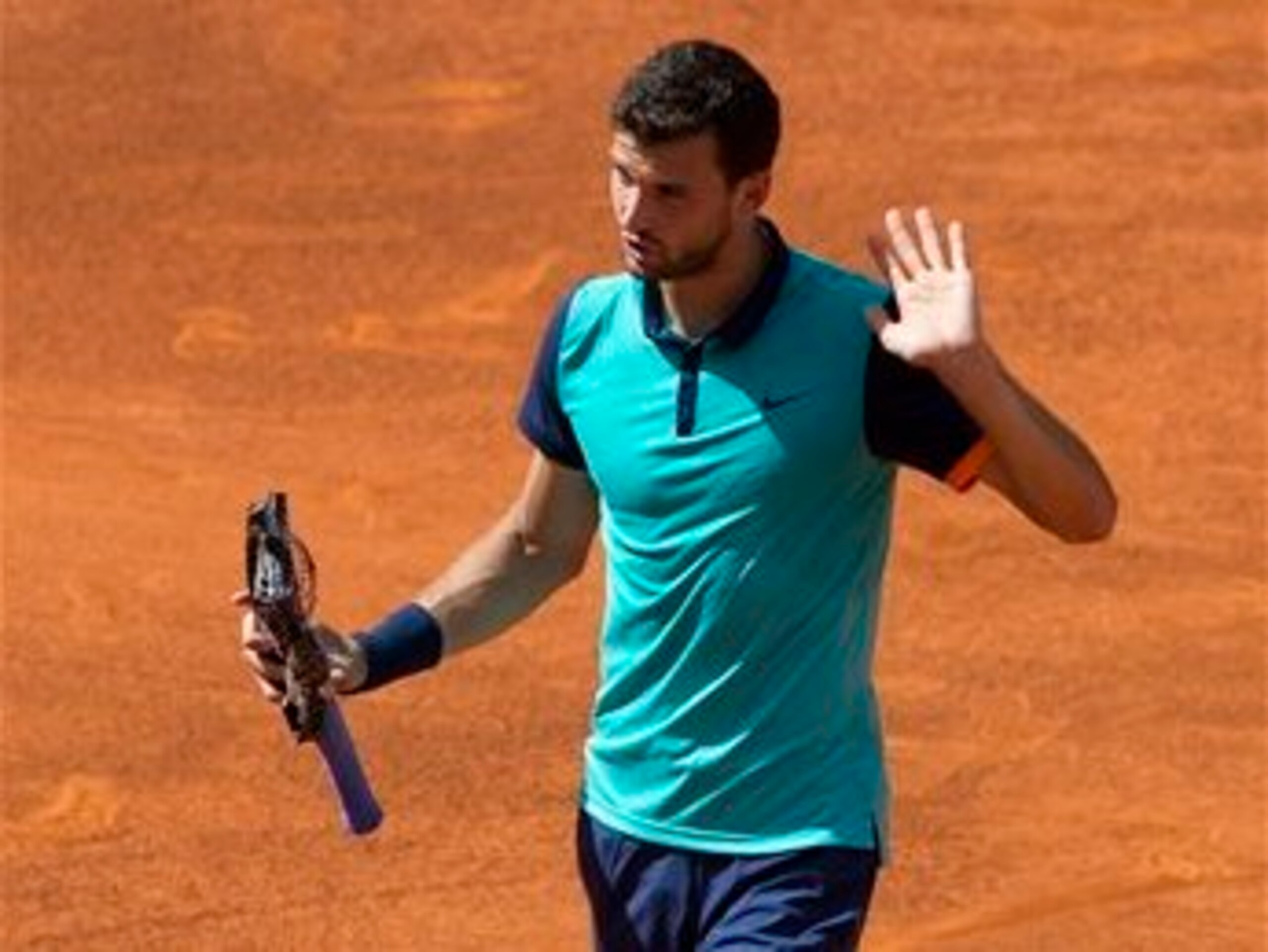
World No. 6 Milos Raonic has had a pinched nerve in his foot, which has led to missed time and surgery. Just before the draw, he pulled out of the French Open. That's one less big-serving dark horse for the other top contenders to worry about.
Grigor Dimitrov has regressed in 2015. Although he has world-class talent, his offensive game is confusing, and he compensates by moving farther back into reactive, defensive baselining.
If he does make it to the fourth round, there's a good chance he would face Rafael Nadal. He was recently bludgeoned by Nadal at Madrid. Surviving that, Andy Murray and Novak Djokovic could follow. It's too much for a breakout major title.
U.S. Open champion Marin Cilic is still not quite right or, if this is his default self, then it’s not good enough. He just dropped a match at Geneva to Santiago Giraldo, and there are plenty of players who pose more of a threat than him.
Feliciano Lopez took a step back during the clay-court season. That’s the wrong momentum.
The three Frenchmen, Gilles Simon, Gael Monfils and Jo-Wilfried Tsonga, could all see second-week action, so it’s not out of line to call them dangerous players. The draw sets up for them to win a few matches each if they are at their best.
A few other tough obstacles include John Isner, Nick Kyrgios, Roberto Bautista Agut, Tommy Robredo, Guillermo Garcia-Lopez and last year’s semifinalist Ernests Gulbis (if he inexplicably returns to playing competitive tennis).
10. David Goffin
2 of 11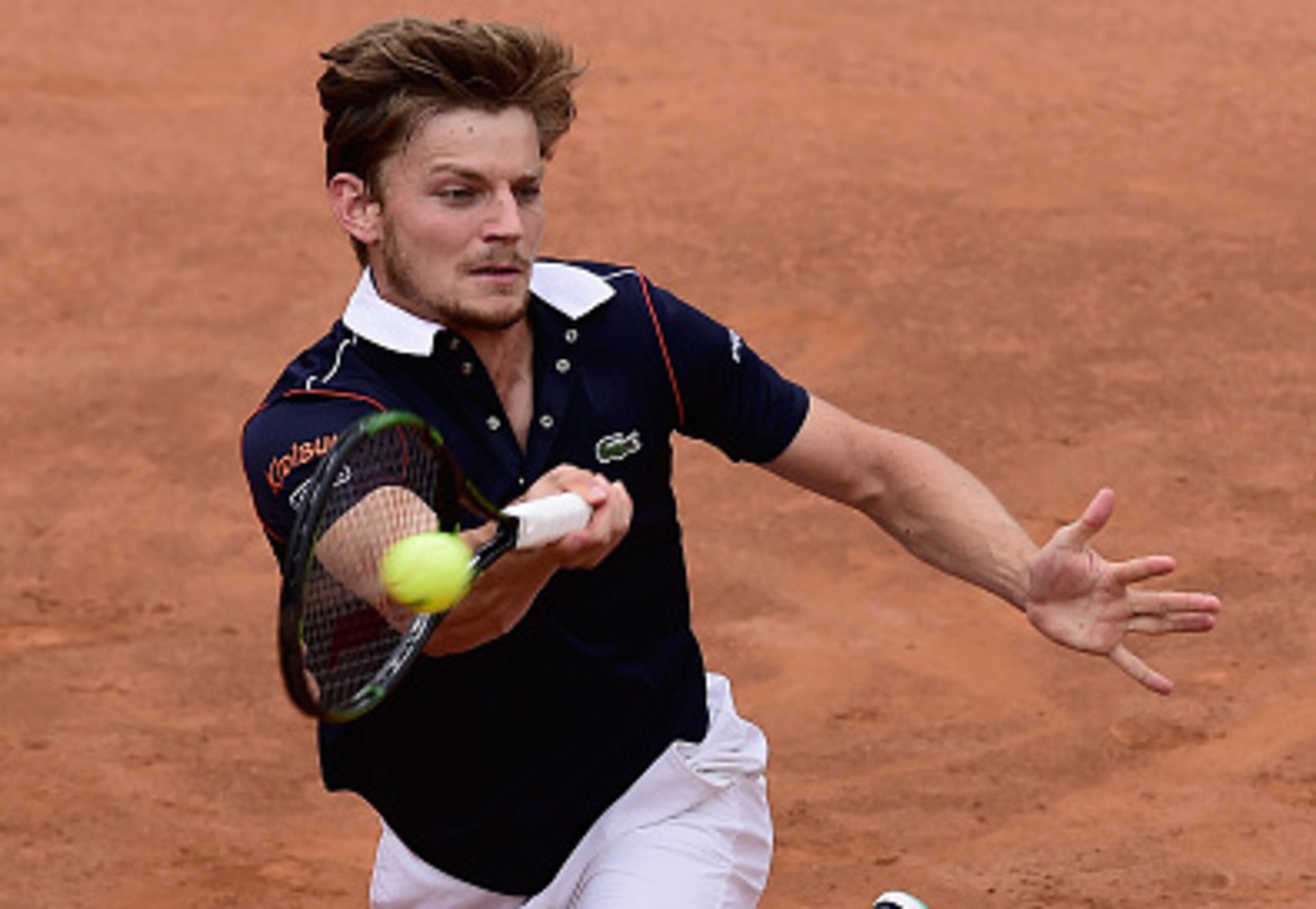
Who is David Goffin? Casual tennis observers might be scratching their heads right now at the No. 17 seed as a top-10 candidate.
A year ago, David Goffin was not even in the top 100. He turned in an impressive summer streak and has quietly been building momentum and rewards for better draws. Maybe he’s ready to build on the flash that he showed at the 2012 French Open, when he took the first set in the fourth round from Roger Federer.
Goffin’s game is a steady, tough throwback array of clay-court skills. Slight and standing less than 6' tall, the Belgian compensates for his lack of power with cerebral persistence that has often seen him survive tight matches or lose a competitive match to someone like Kei Nishikori (which happened at Madrid).
The hard part is his tough draw. Santiago Giraldo is no gimme in the second round, and facing cannon-serving Isner in the third round is another kind of tennis. Still, Goffin should get through to David Ferrer, and that match could be even. He and Ferrer battled hard into a third set at Rome, and Goffin could push through next time.
A quarterfinals reward would be Novak Djokovic, so we will stop the Goffin bandwagon right there. Win or lose, Goffin’s going to return everyone’s shots with interest. He lacks a real weapon but absorbs pace and uses angles, making him difficult to beat.
9. Fabio Fognini
3 of 11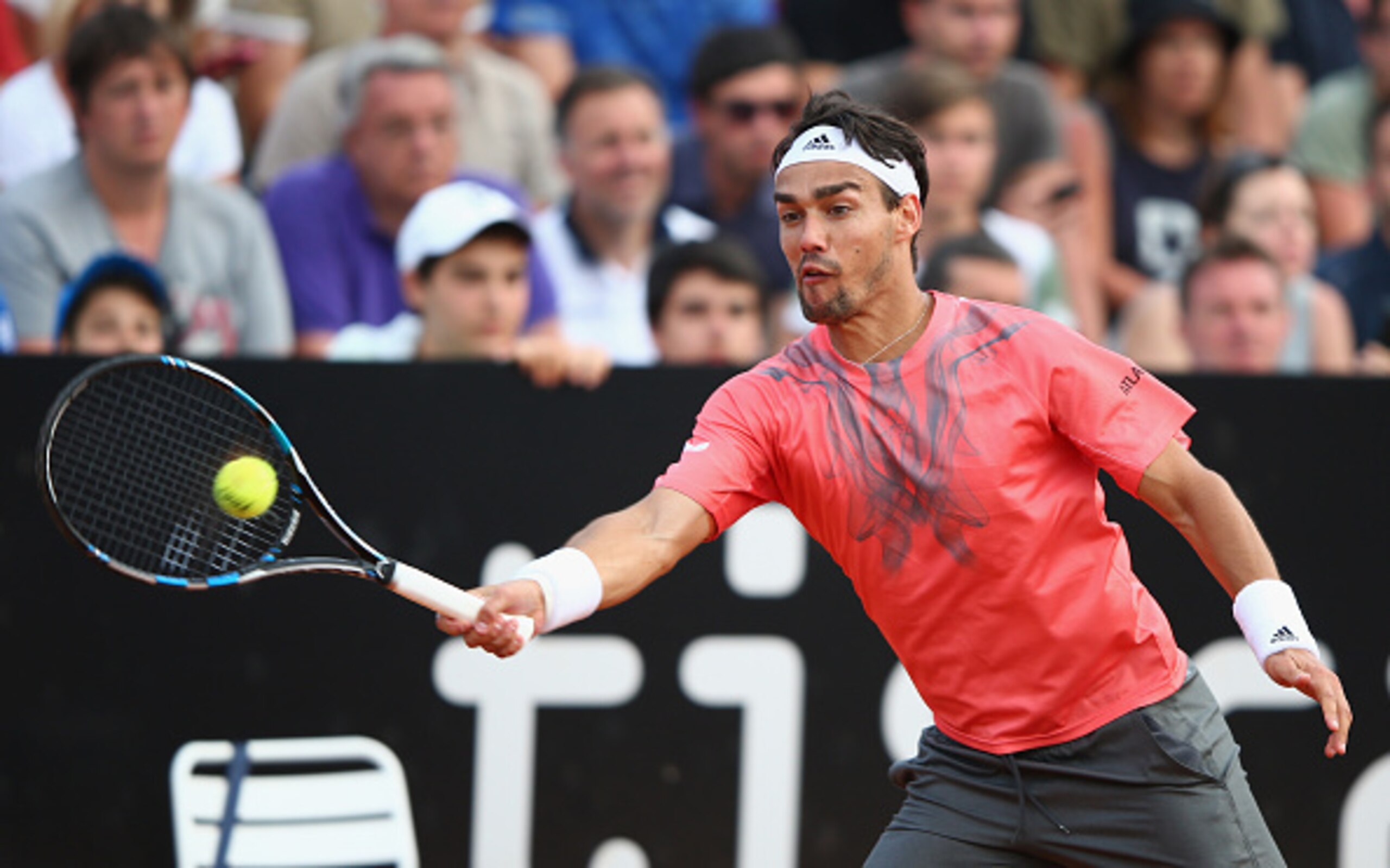
He’s only ranked No. 29 in the world and his Jekyll-Hyde lack of consistency can be truly maddening, but on his best days, Fabio Fognini is one of the great clay-court players.
For starters, he has twice defeated Rafael Nadal on clay (Rio de Janeiro and Barcelona). Last year, he blasted Andy Murray to help the Italians fend off Great Britain in Davis Cup play.
His clay-court skills and occasional success at mid-majors are assets, but he has thus far been a disappointment at Roland Garros since his quarterfinal appearance in 2011, bowing out in the third round every year since.
That could change this fortnight for the Samurai-looking Italian.
Fognini's in the bottom half of the draw, and if he keeps the right blend of hot and cool, he could oust Tomas Berdych (they battled to a third-set tiebreaker in Rome) in the third round, face an easier opponent in the fourth round and potentially duel Kei Nishikori in the quarterfinals.
Fognini is due for a great French Open run, and few players possess better skills on clay. Or he could be out quickly, picking up a smashed racket and losing another year at the one major he is built for.

.jpg?w=2560 "Rams Raiders Football")

No. 8 Tomas Berdych
4 of 11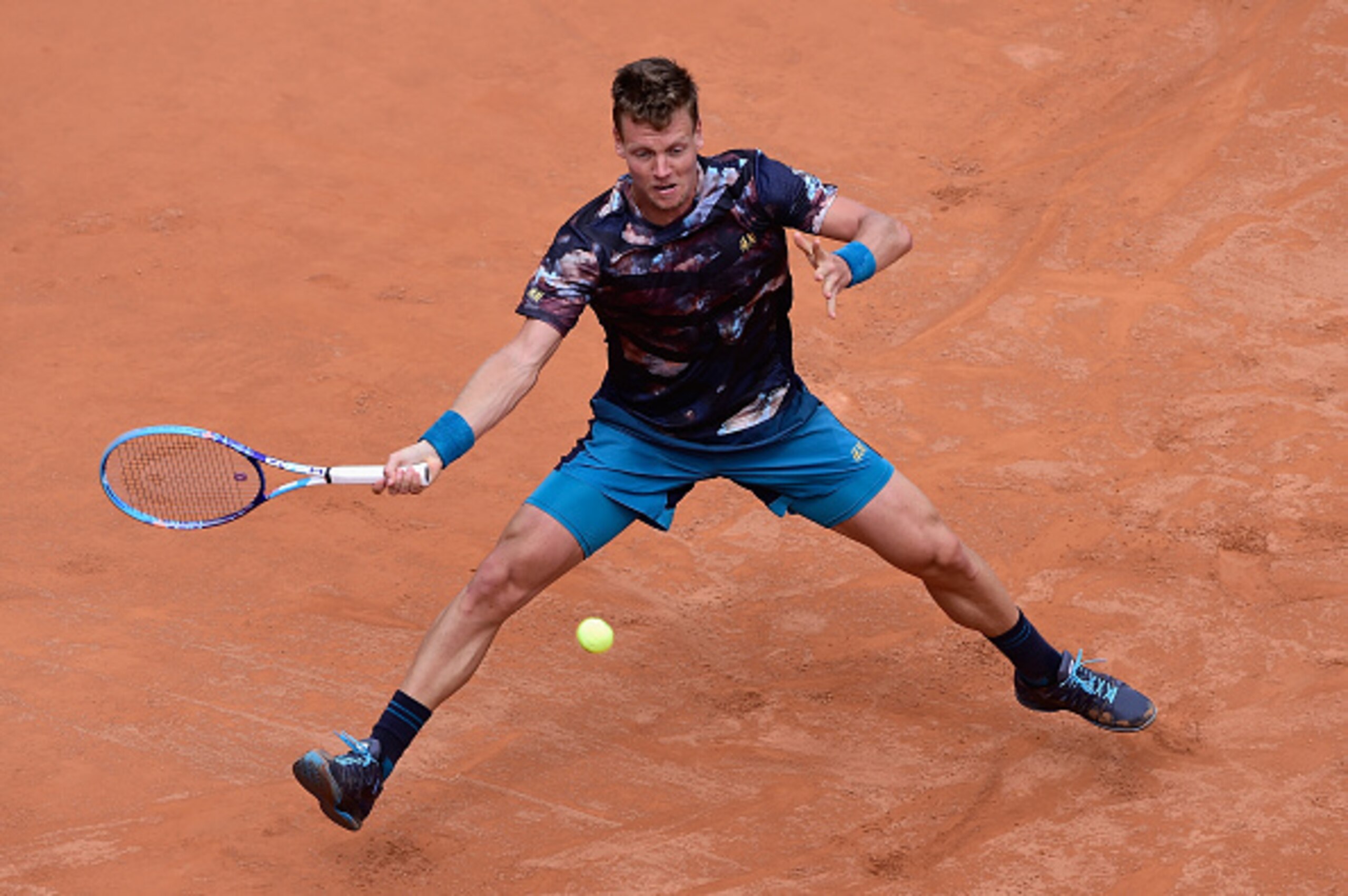
If Fognini flops, Tomas Berdych could avoid him altogether in the third round and be the one to cruise to the quarterfinals.
There are reasons to be optimistic for the big Czech. In 2015, he has shown better energy and smarter attacking behind new coach Daniel Vallverdu. He defeated Nadal at the Australian Open, which must have been a huge psychological boost for a talented perennial top-10 player who has struggled to win big matches in majors.
The same old questions do remain, but Berdych is a surprisingly adept player on clay. His offensive footwork and movement is good for a big man who likes the baseline and hits clean strokes. What he really needs is a few more opportunistic risks to put pressure on the better players.
Beyond that, he must hold his nerve and string together multiple big-match wins. If so, he has the potential to be a French Open finalist. Although he lost to Roger Federer at Rome, he has also defeated Federer several times in the past.
We're only suggesting he might be in line for something similar to his 2010 Wimbledon final appearance.
No. 7 David Ferrer
5 of 11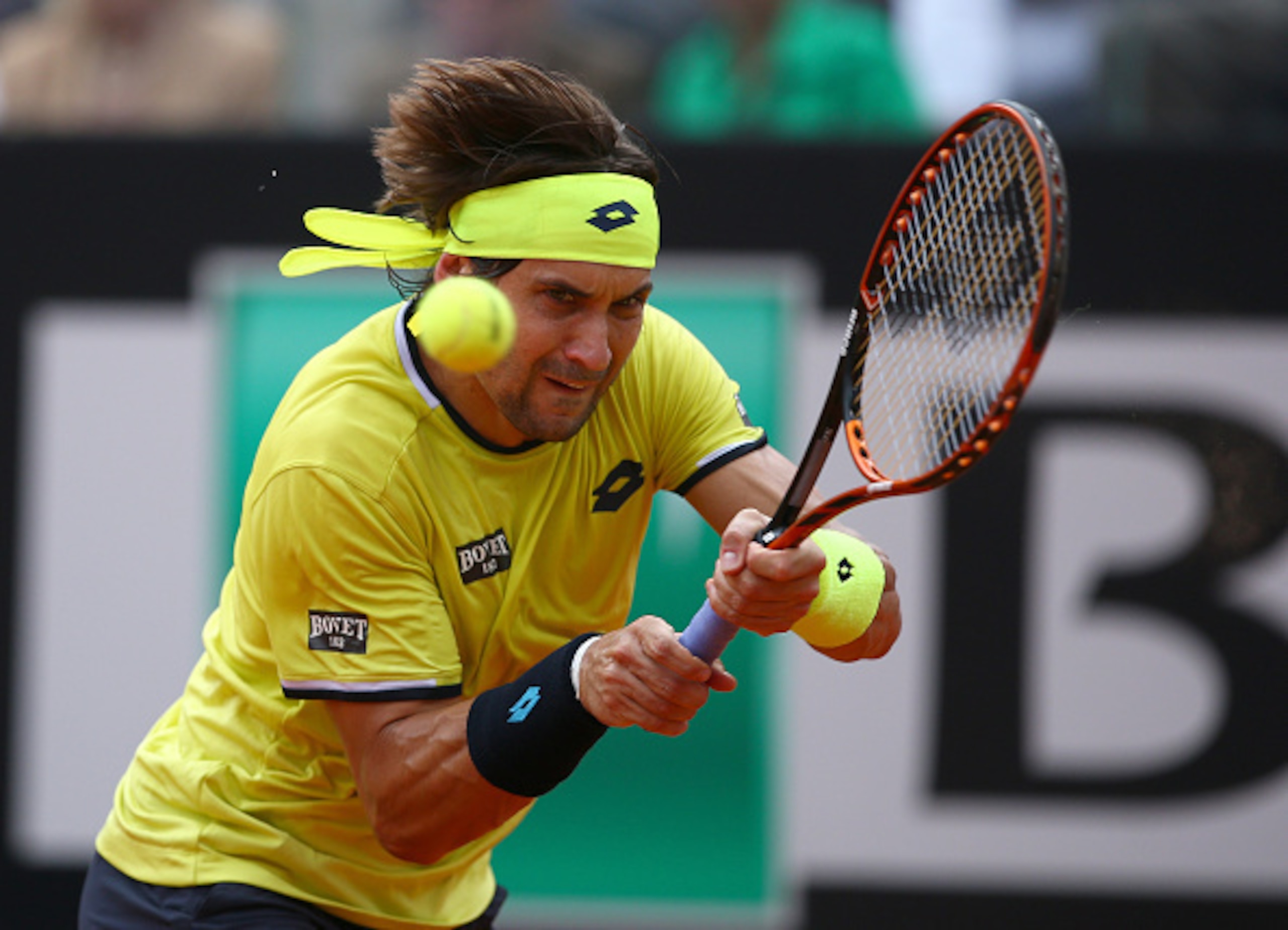
Despite advancing age and the usual concerns about David Ferrer's inability to be a dominant player, he does get high marks for all five of our criteria to be a strong contender at the French Open.
Ferrer is one of the ATP's very consistent players. It's almost automatic to pencil him in to at least the fourth round or quarterfinals at a major, and even though this is where the journey usually ends, he never seems discouraged. Ferrer does not brood over confidence issues the way tennis observers have pegged Nadal, but he is at peace with making himself the perpetual challenger.
He's won three titles in 2015. He has been his usual very good self on clay, reaching the quarterfinals at Monte Carlo and Madrid and arriving in the semifinals at Barcelona and Rome. No other player on tour reached those minimums at those four tournaments.
Ferrer also had his career highlight at the 2013 French Open, going all the way to the final before losing to Nadal.
His draw has pesky tests, including possible third-round opponents in Marin Cilic, Leonardo Mayer or Jiri Vesely, but Ferrer has usually been money as a favorite. David Goffin could potentially give him a mirror match in the fourth round.
Ferrer would not be the favorite to defeat Andy Murray in the quarterfinals, but it's a lot closer than many realize. Ferrer rolled Murray in the 2012 French Open quarterfinals, and the jury is still out on Murray's sudden rise to alleged clay-court prominence.
However, it would take an act of the tennis gods to get out of the semifinals: Novak Djokovic would probably have to roll an ankle or decide to leave Roland Garros for early grass-court tune-ups in Germany or Great Britain. Rafael Nadal would have already punched his ticket for Mallorca.
Both French Open favorites removed for Ferrer is unlikely, but if so, Ferrer would be the man to take advantage of chaos.
No. 6 Stanislas Wawrinka
6 of 11
Don't tell Stan Wawrinka that Guillermo Garcia-Lopez could be waiting for him in the third round. Last year, Garcia-Lopez made Wawrinka the flop of the French Open, sending him out in the first round after the Swiss' racket flubbed away 62 unforced errors. At the 2015 Australian Open, Wawrinka was lucky to get out of their fourth-round, fourth-set tiebreaker.
With Wawrinka, we are never quite sure if he can hold it together in the first week. His best success has come with his high-risk, thunderous strokes when facing titans, such as Nadal (whom he defeated at Rome and the 2014 Australian Open), Djokovic (2014 Australian Open) and Federer (2014 Monte Carlo).
The problem is when Wawrinka becomes too bullheaded and impatient against lesser opponents. He has often self-destructed in the opening rounds, rendering it academic to contemplate deep-draw opportunities, like the quarterfinals against Federer.
But IF Wawrinka is steady and hot, watch out. He has the potential to win it all. He welcomes battles against the very best stars and, unlike Berdych, raises his game rather than shrinks. He has the maturity, will, strength and past success for his pedigree, but he must be at his best.
No. 5 Kei Nishikori
7 of 11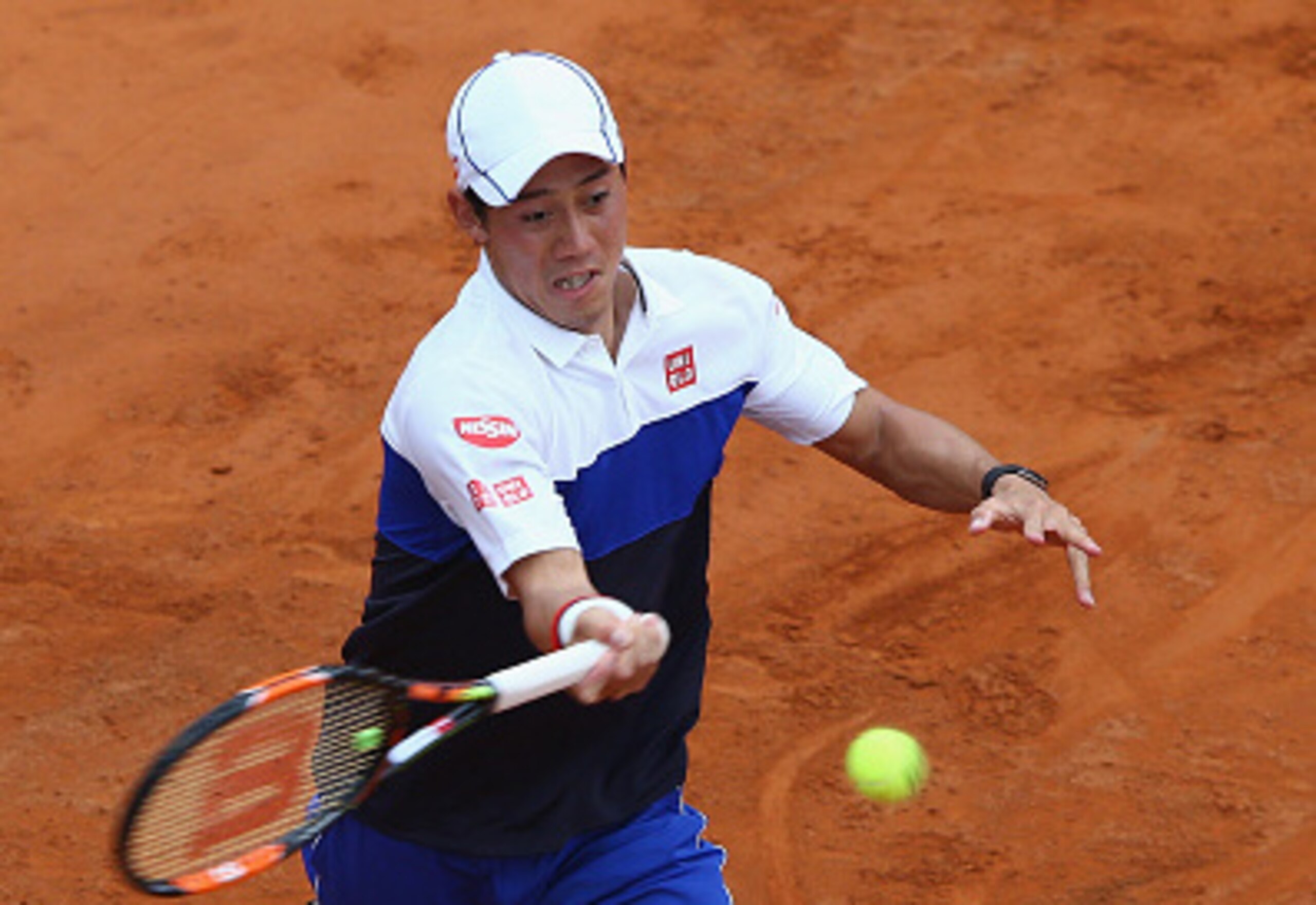
Odds Shark put Nishikori (14-1) ahead of Federer (16-1), which seems insane given the massive disparity of success between the former who has never even won a Masters 1000 title and the latter who has monopolized majors and the No. 1 ranking in his career.
The support for Nishikori is back-to-back titles at clay-court Barcelona and excellent results at Madrid the past two years (finalist and semifinalist respectively). He has excellent retrieval skills, sharp offensive groundstrokes and improved fitness and stamina, as evidenced by his run to the 2014 U.S. Open final.
But has Nishikori stalled? He was unimaginative in a lopsided defeat to Murray at Madrid, unwilling or unable to mix up his tactics for a plan B. He kept hitting cross court on almost all of his shots, refusing to test the Scot up the line. He will need to adjust better to different opponents if he reaches the late stages of the second week.
But the draw shakes out nicely for Nishikori. There are a couple of dangerous Spaniards early on, with Fernando Verdasco and Feliciano Lopez, but Nishikori should be the favorite against Berdych or Fognini in the quarterfinals.
Beyond that, the weaker bottom of the draw puts it all in his hands, even if a bigger attacker such as Wawrinka or Federer is in the way.
No. 4 Roger Federer
8 of 11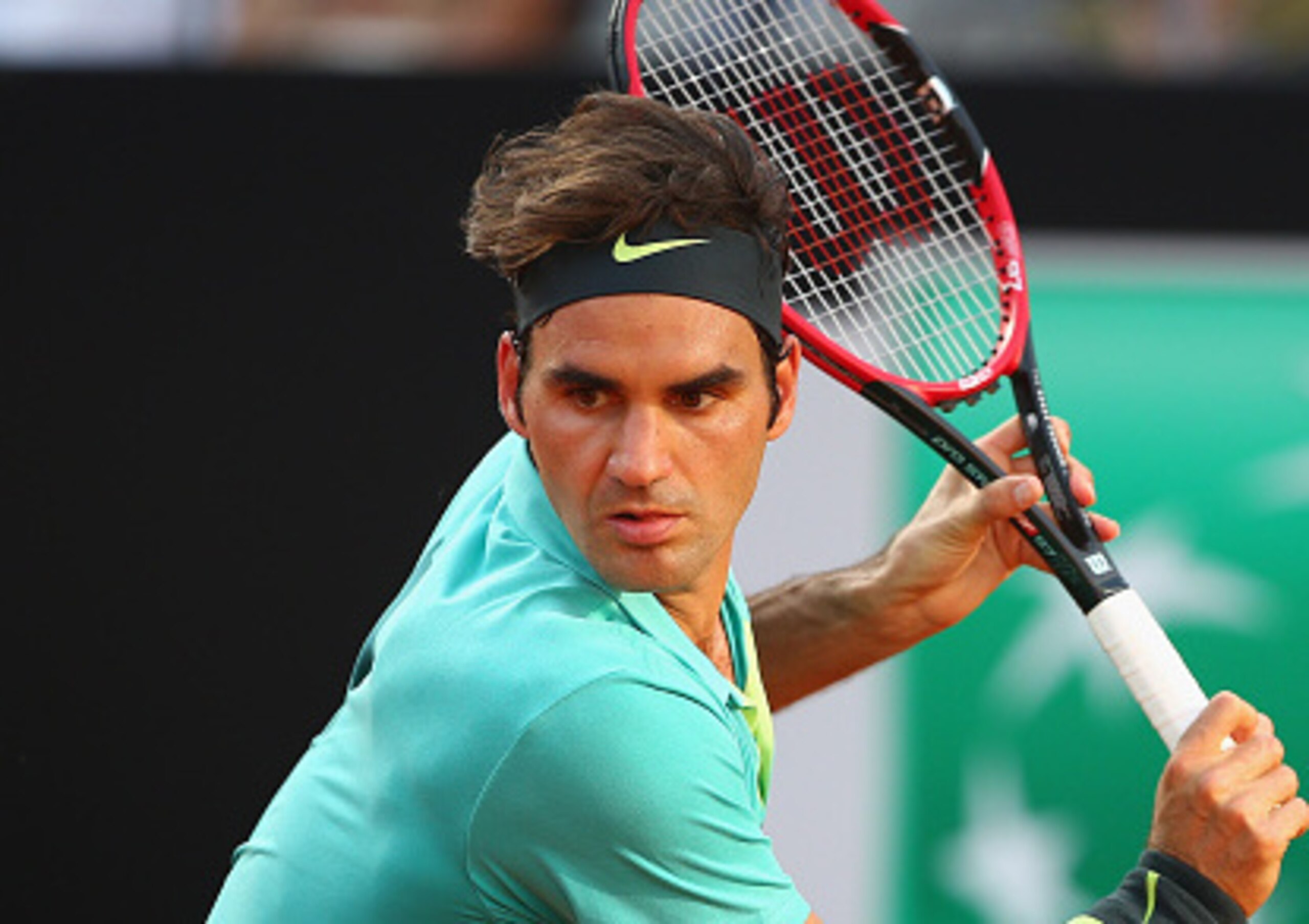
Federer will not have to battle all three of the players ranked ahead of him in these power rankings. He won't have to face two of them. If he does manage to get all the way to the French Open final, it's possible the one standing could be worn down a bit or even a lot.
But that's looking ahead of players such as Gael Monfils, Wawrinka, Berdych and Nishikori, players in his half of the draw who could be close to even money against the Swiss maestro.
The key will be Federer's sustained consistency. He cannot afford to be feeble against nondescript opponents (see Andreas Seppi and the 2015 Australian Open) or falter with his serving game at the wrong time. Last year's French Open saw Federer weaken in the second set and let Ernests Gulbis get on a roll to victory.
The other concern for Federer is that, despite his attacking acumen and all-court intelligence, he's not the same force on the baseline with his forehand. That's particularly important on clay, where he was manhandled by Djokovic in the Rome final.
Federer does have his illustrious history and success, but it's also not 2009 anymore. He's going to need to be perfect enough for each particular opponent, staying patient but aggressive and not having his footwork buckle on clay when the rounds grow later and the matches extend.
That's not to say Federer cannot hold a second Musketeers Cup. The dream is still alive.
No. 3 Andy Murray
9 of 11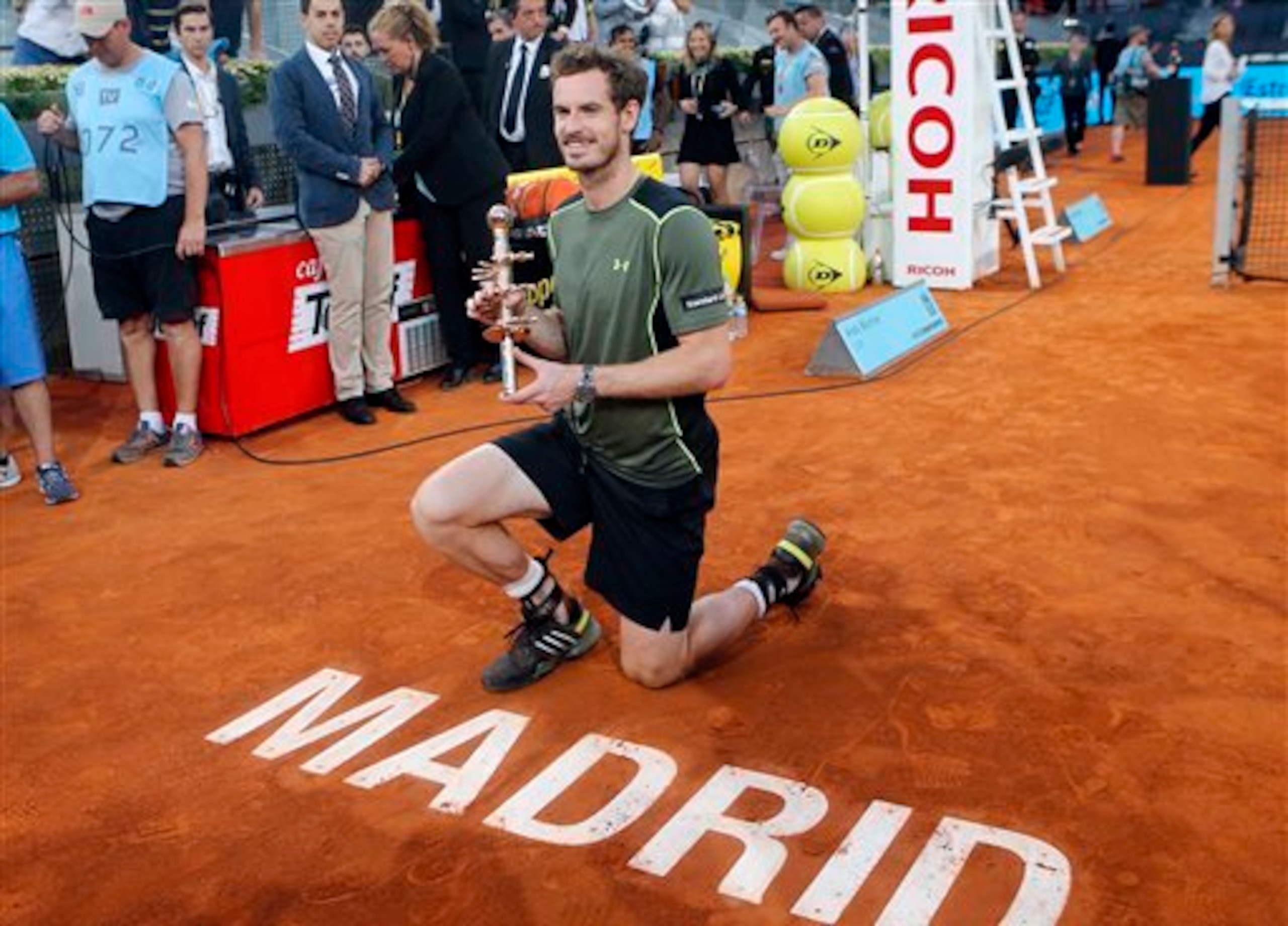
Last week we discussed if Andy Murray would be better off facing world No. 1 Novak Djokovic or King of Clay Rafael Nadal. It looks very likely to happen that he will get one of them in the semifinals.
In a way, this could be ideal for the 2015 Madrid champion. Murray would love nothing more than for those two favorites to put on a war similar to their 2013 French Open semifinal or 2012 Australian Open final. It could perhaps soften them up physically and drain them emotionally. Then Murray would be waiting in the wings for the very next match.
OK, stop.
Murray has a lot of work to do before he should even think about taking on the winner of Djokovic vs. Nadal. He has dangerous, potential star Nick Kyrgios in the third round, although Murray has fared better against him than his other big rivals. Murray could have a lengthy match against Ferrer or Goffin before the semifinal showdown. And maybe Djokovic would be the rested one after not facing Nadal.
Murray has excited tennis fans and observers with two clay-court titles in recent weeks. His defensive work and percentage offense has been his familiar foundation, but there's a little more bite to his variety on offense, going up the line more often and taking advantage of stagnant (see Nishikori) or combustible (Nadal) play.
So he's looking better than ever to compete on clay after achieving some landmark success. Could he truly get through Djokovic or Nadal in the semifinals?
Oh wait, even if he does, he may not be more than a coin-flip winner against the bottom of the bracket. Part of THAT problem would be playing the role as the favorite at Roland Garros. It's probably too much to expect even if there is this possibility.
No. 2 Rafael Nadal
10 of 11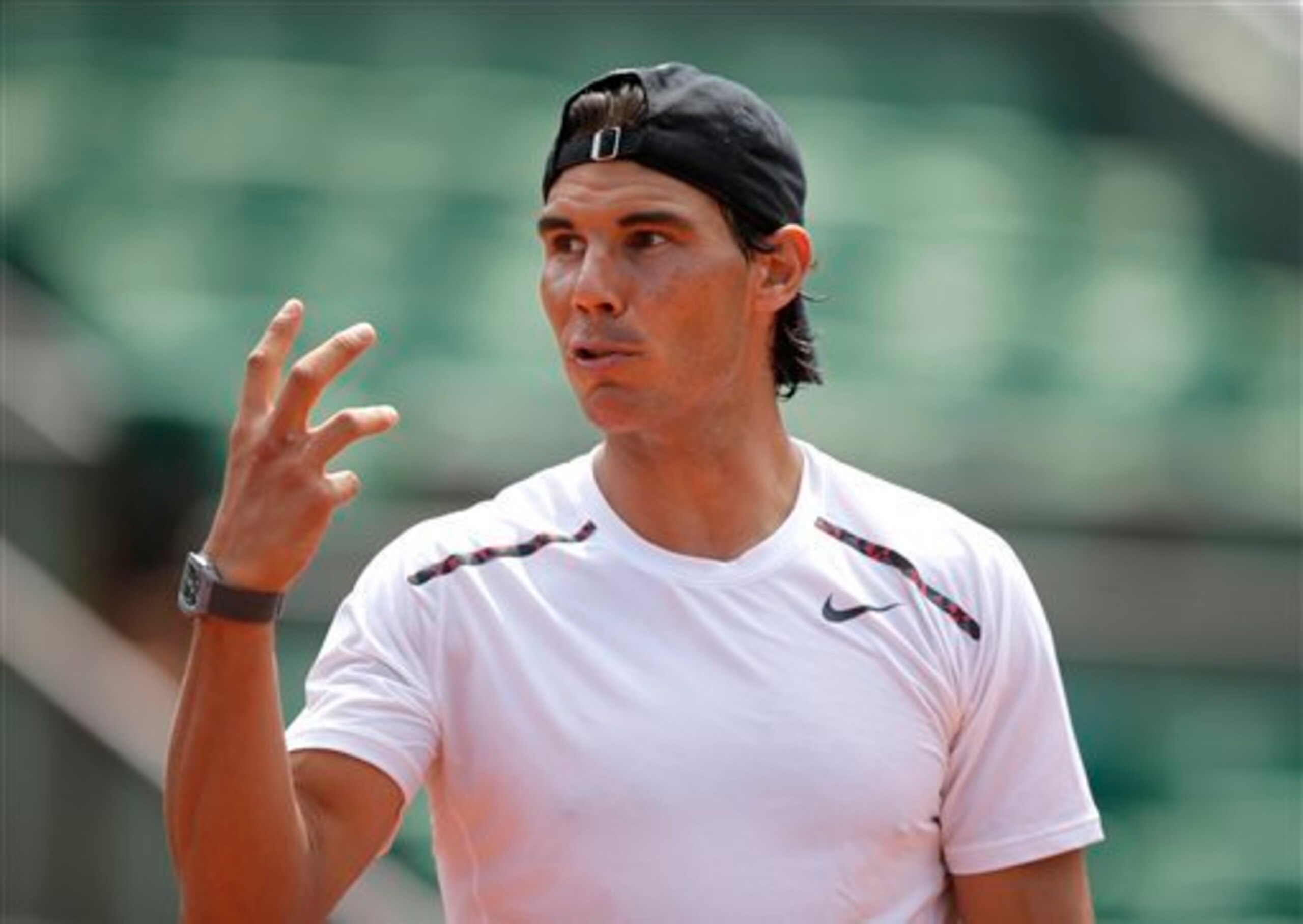
Go back to our criteria and be objective about Rafael Nadal:
- Clay-court ability and skills: No question that he sets the standard for this category. At least the Nadal of the past decade does. He has all the intangibles, footwork and weapons, so the only question is if he can do these things at his highest level for seven straight matches.
- Recent performances and results: This has been the worst stretch of his career for his best surface. There is little to suggest the Nadal at Monte Carlo, Barcelona, Madrid and Rome can win the French Open. This is the reality due to a serious lack of control with his forehand, impatience with offense and less defensive explosiveness. He's been losing to Fognini, Djokovic, Murray and Wawrinka, all top-10 players in our power rankings, but each with enough to press and expose some of Nadal's recent struggles.
- Fitness and strength: The biggest point Nadal supporters make for him regarding the French Open is that he can outlast anyone in five sets at Roland Garros. First, Nadal has been so historically awesome that he's only played two five setters here in a decade (John Isner in 2011 and Djokovic 2013). The problem is Nadal has been wilting so early against the aforementioned opponents that he is not in position to grind, compete and come back. Against Fognini, he blew several big points in their tiebreaker. Wawrinka crushed him in the second set at Rome, and Murray and Djokovic controlled him for fairly easy wins. Best of five? Nadal of 2015 is not coming back from a two-set deficit against these guys. There's been little evidence in 2015 that Nadal can outlast his opponents because he is not grinding. He has looked too much to quick-strike points, and his forehand is not coming through.
- The draw: Another strike. The "Raf'optimist" would say it's better that he face Djokovic in the quarterfinals anyway (assuming Nadal gets through the first four rounds), but there's a price for that as well. Murray and a final match are no easy hoops to jump either. He has a tough road ahead as the No. 6 seed rather than his usual No. 2 or No. 1 seed.
- Historical success at Roland Garros and majors: This is another strong point for Nadal. He has created legendary success at this venue, now looking for a 10th title to add to his 66-1 record at Roland Garros. He absolutely knows how to win big matches and majors. Last year, he was not at his best but found a way to get title No. 9. He above all other players can suddenly turn things around and find magic in Paris.
So we give Nadal high marks for the first and last criteria and wonder about criteria No. 3. The most alarming drawbacks are points No. 2 and No. 4. We can say that where Nadal was usually in position to dominate four or five of these categories, he's down to about 2.5.
That won't be enough to win the French Open unless he becomes more patient on offense, more lethal and less error-prone with his forehand and able to grind away on defense. He must impose his will to let his opponents know they will need to pack a punch and face a retro-version of the King of Clay.
No. 1 Novak Djokovic
11 of 11
There are many differences right now between Novak Djokovic's stellar play and Rafael Nadal's recent struggles, but most telling of all is the following:
With Nadal, tennis observers are trying to find reasons why he can win. With Djokovic, they are trying to find reasons why he can lose.
Yes, Djokovic could turn an ankle, lose to a hot opponent or collapse under pressure. Nothing in tennis is a given. Even Nadal has one loss to show in a decade of dominance at Roland Garros. Nobody thought a third-tier player more suited for the indoors season would defeat Nadal in the 2009 French Open fourth round.
So it's one match at a time for Djokovic, and he must still continue to lock in and play to win. That's not easy, even with, or some might argue especially with, a 22-match winning streak. The top 10 is deep and dangerous. There are the quarterfinals and semifinals looming with Nadal and Andy Murray, respectively.
So let's focus on why Djokovic should win.
Djokovic is the best player in tennis. He has had historically great success on clay, sans the Musketeers Cup at Roland Garros due to the Nadal factor. He's won Monte Carlo twice and Rome four times (Roger Federer does not have a single title at either venue), which are the most simulated conditions to the French Open.
He should be as ready as 1995 Thomas Muster, ready to be a monster and devour this tournament. He's beat everyone and dominated all the important tournaments since last fall.
He is not afraid of Nadal and will likely soar past him in the head-to-head career meetings in the near future. He has the backhand, ball striking, consistency and mental strength to beat Nadal or anyone else. His second serve is now very good. He can finish points at the net more efficiently. He's a veteran of pressure and has seen it all from tough losses to epic wins.
No matter what Nadal's condition is, Djokovic is the player to beat. It's no guarantee, of course, but it's now "Advantage Djokovic" with one more offensive serve to finish the job.

.jpg?w=2560 "Steelers Saints Football")
.jpg?w=2560 "Packers Safety Slams Refs 🤬")

.jpg?w=2560 "🚨 Week 8 AP Top 25 Poll")
