
Why the Premier League Will Fare Better in Europe Next Season
Despite its reputation as Europe's most competitive domestic competition, the Premier League was abysmal in 2014/15's continental skirmishes.
Seven clubs represented England in Europe last season. Manchester City, Liverpool, Chelsea, Arsenal, Everton, Tottenham Hotspur and Hull City earned the right to participate in the 2014/15 UEFA Champions and Europa Leagues to varying degrees based on their 2013/14 performances.
TOP NEWS
Highlights and Viral Moments 🍿

Final Men's Ballon d'Or Rankings 📊

J-Dub Suffers Gruesome Injury
Of the seven, none distinguished themselves as elite contributors—irrespective of expectation.
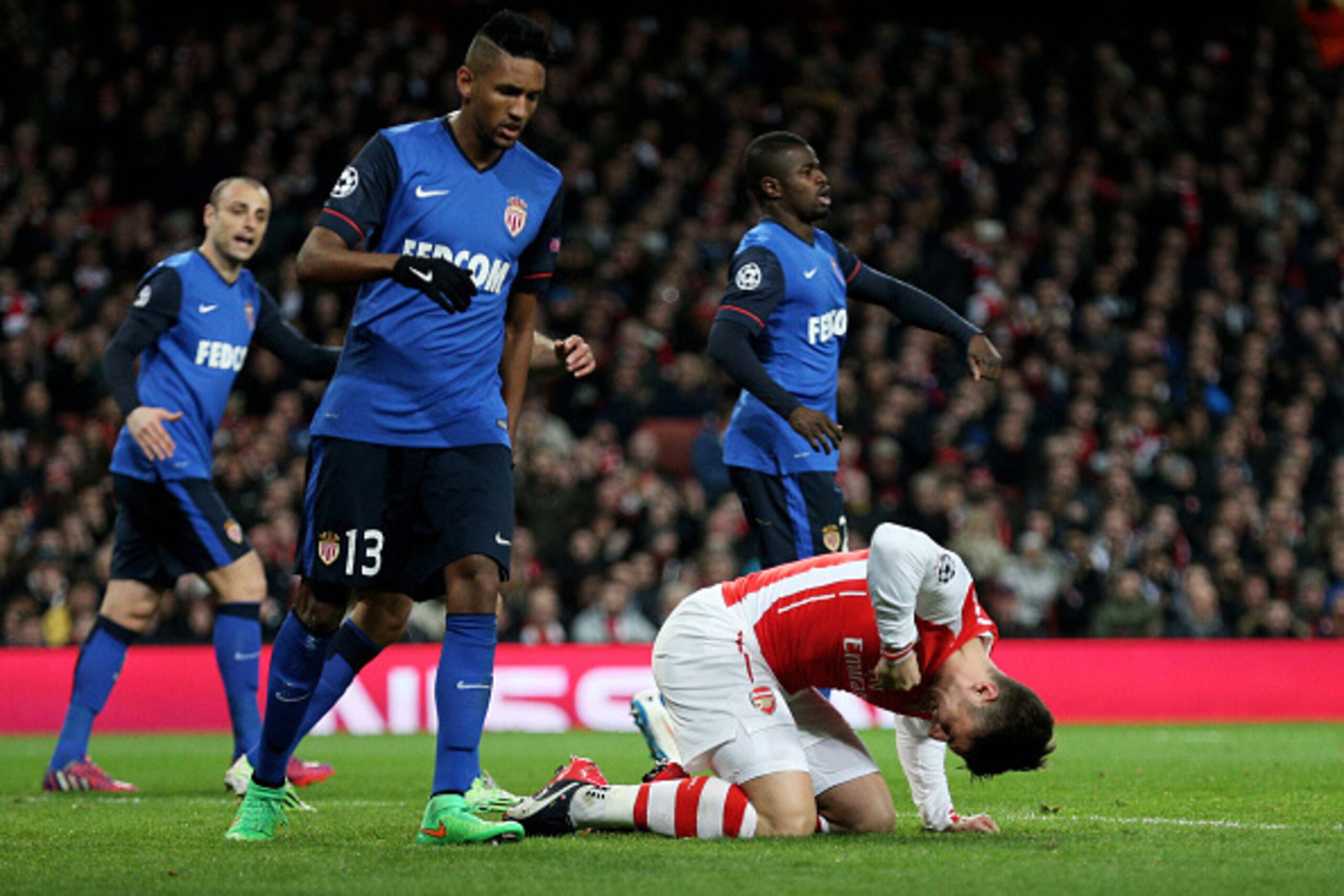
Hull missed the group stages in the Europa League. Spurs exited the same competition at the hands of Fiorentina, likewise Everton by Dynamo Kiev. In the Champions League Manchester City were eliminated by Barcelona, Arsenal could not capitalise on drawing Monaco, Paris Saint-Germain outlasted Chelsea and Liverpool were knocked out of both European cups.
From top to bottom, England's output was contemptible—especially considering the gargantuan amounts of money spent and ravenous support the respective clubs garner around the globe.
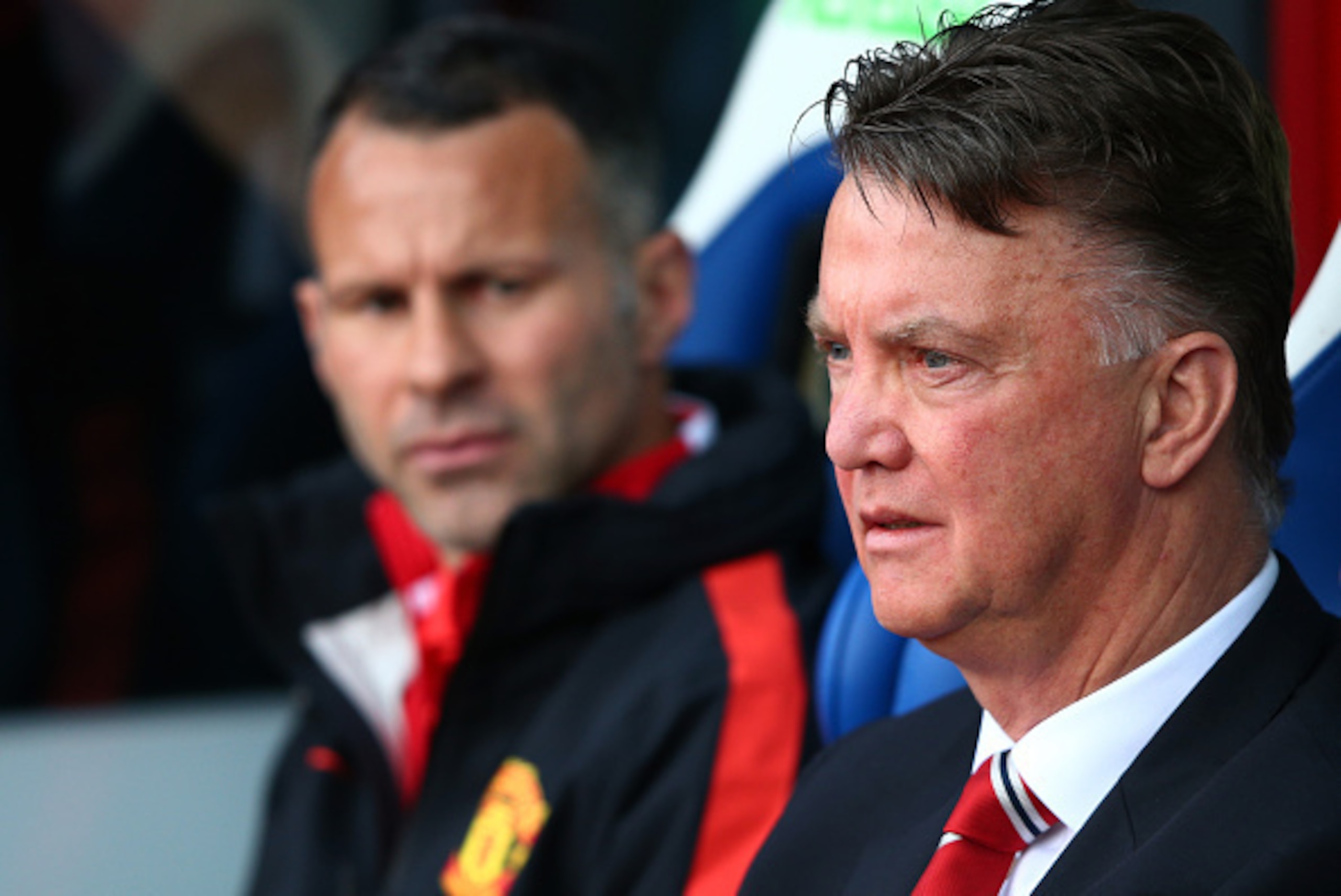
Premier League clubs, however, do not rebuild—they simply reload. If money is the answer to solving English struggles in Europe, one can rest assured the upper echelon will spare no penny pursuing prestigious silverware in 2015/16.
An argument suggests having several excellent clubs in one's league helps sharpen the overall product, which should translate to European success.
This is incorrect; parity is an overrated trait in establishing world-beating squads.
Real Madrid, Barcelona and Bayern Munich are Europe's top-three clubs at present; the Spanish teams primarily battle themselves and Bayern are in a league of their own. Their respective squads are built to crush domestic competition—thereby maximising rest and confidence, which translates into European form.
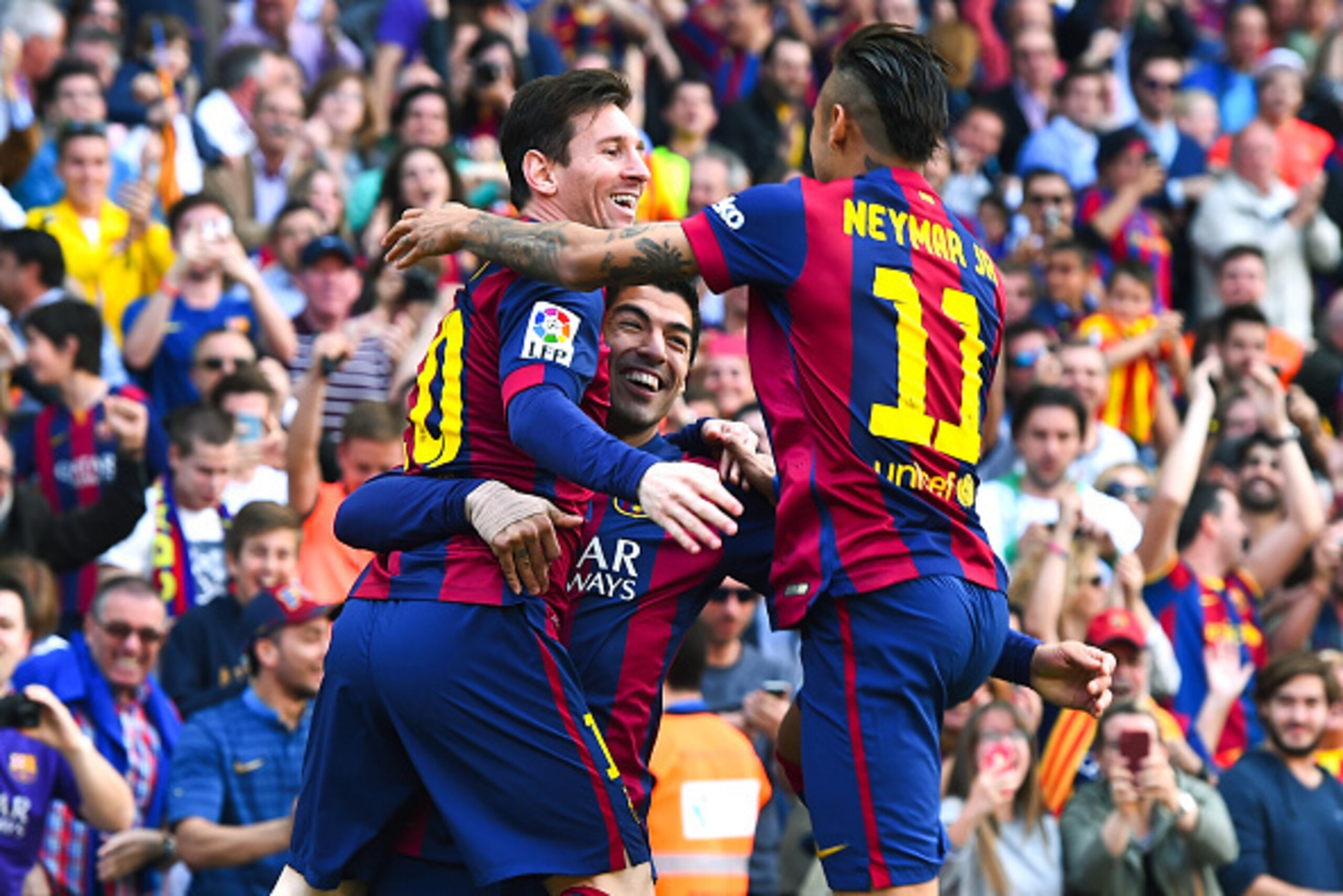
England suffers from the opposite effect. The top teams are generally evenly matched; hence they proceed to beat each other into submission for nine months—leaving little in the tank for continental duty. Real, Barca and Bayern (or even Juventus) can afford to maintain their domestic duties while simultaneously ruling Europe because they outclass the vast majority of their league's opponents.
The argument for English clubs improving in 2015/16 is quite simple—the league's parity may evaporate.
While there will always be several clubs battling for top-four positions, were a superpower to emerge from the quartet of major players (Chelsea, Arsenal, Manchester United and Manchester City)—separating themselves from the pack—they would almost certainly join the Spanish and German giants.
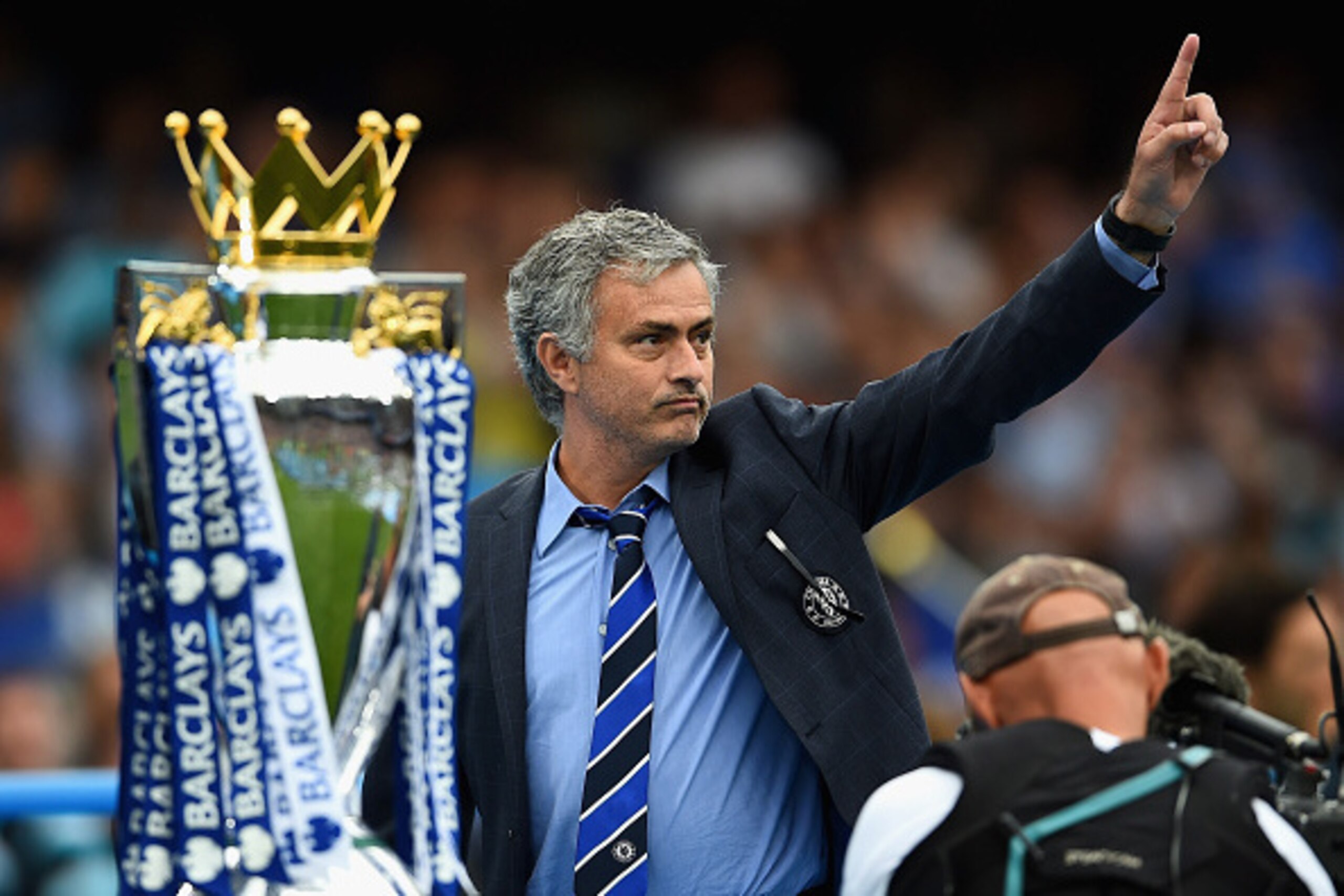
Considering age, level for improvement, managerial strength and an owner willing to spend, Roman Abramovich's Chelsea seem the likely choice for this scenario.
Winning the Premier League by an eight-point margin (with three games in hand), the Blues have signalled their intent to dominate England for the next half-decade should other clubs allow them.
Manchester United, Manchester City and Arsenal will undoubtedly view the west Londoners' threat and venture to stifle their growing momentum.
Parity breeds complacency. When teams compete, they have no need or thought to aspire, but after seeing an eight-point gap between first and second, the likes of City, United and Arsenal must recalibrate their thinking if they wish to avoid being left in Chelsea's wake. Likewise, knowing their competition is coming, the Blues should counter this—strengthening in kind.
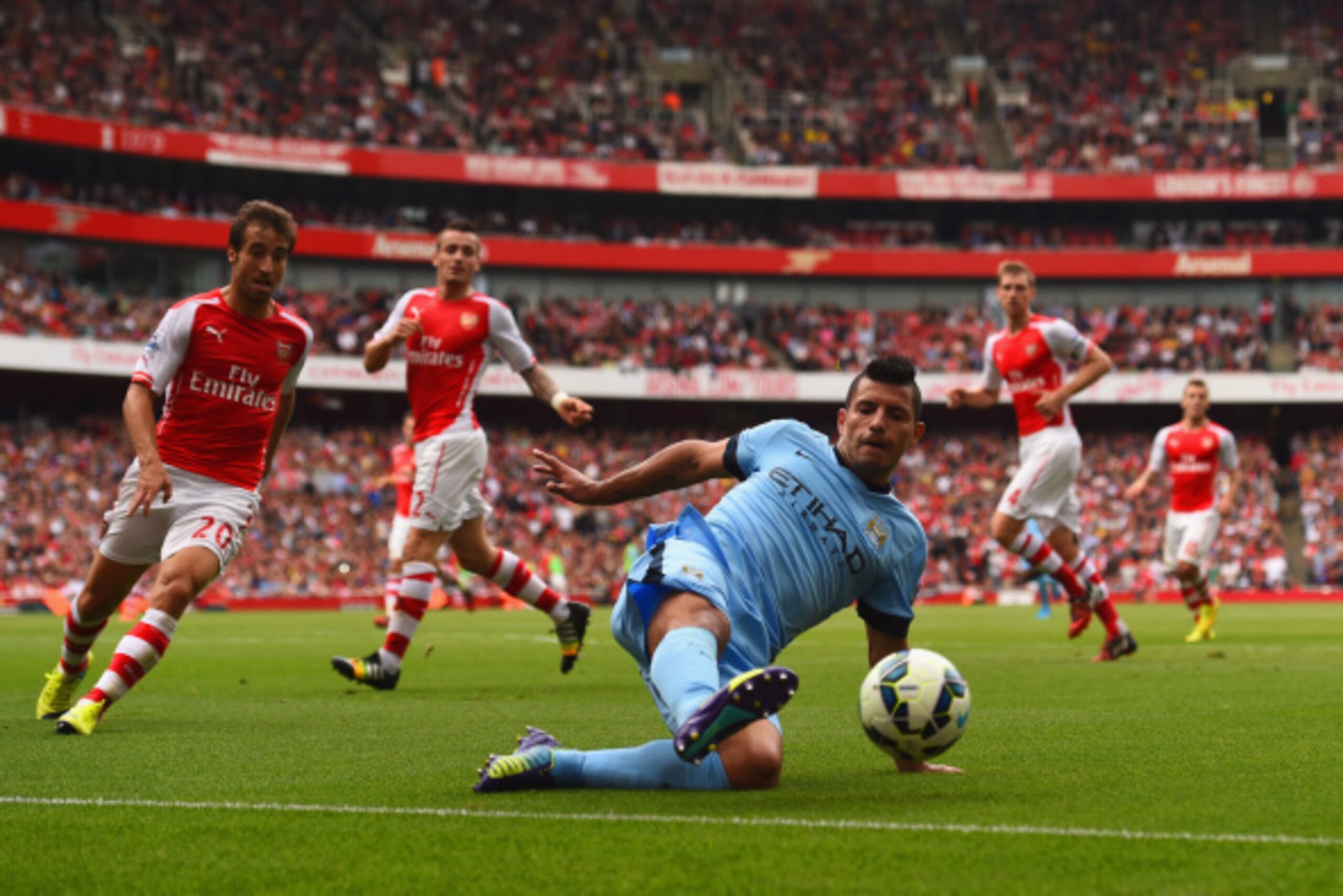
Having the clout and funds to capture nearly any footballer on the planet, Premier League clubs with Champions League football will see the 2015 summer transfer market as an arms race. The defending champions are going to need reinforcements, and the challengers—in an attempt to close the distance—should spend lavishly also.
If the spectre of a domineering club is enough to frighten those with deep pockets into spending their fortunes, there will be no excuse for English clubs struggling in Europe, as the top squads would—at the absolute least—push its best member to represent the Premier League in an honourable, respectable fashion.
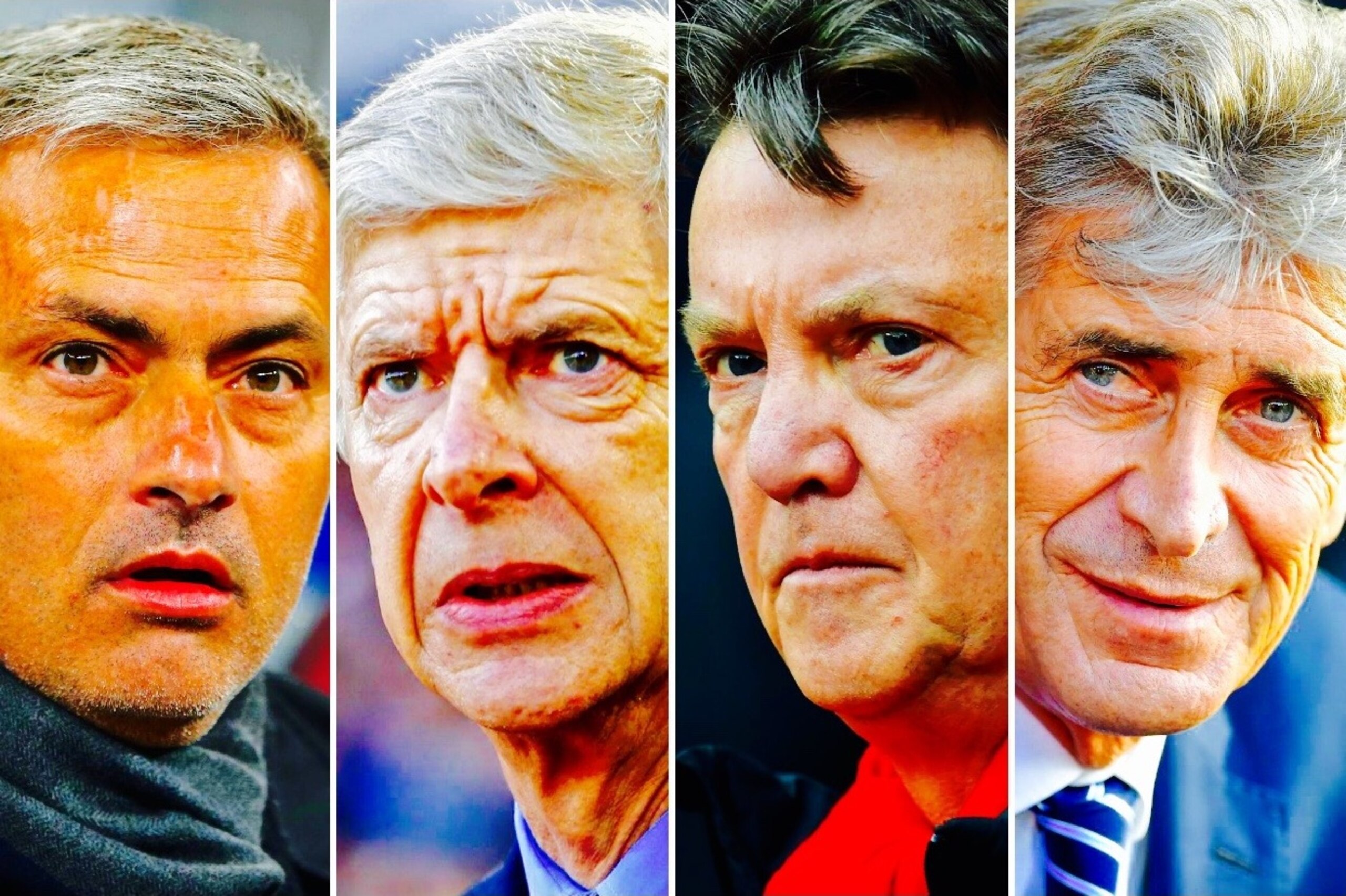
England's 2014/15 European campaign was certainly shambolic, but the 2014/15 Premier League season laid the foundation for an English superpower, which has not existed since Sir Alex Ferguson's Manchester United circa 2006-09. Their push came from Mourinho's first Chelsea squad—only time will tell if the favour will be reciprocated and/or repeated.

Lastly, no matter how far EPL clubs push themselves, European competitions are inherently luck driven. When Liverpool won the Champions League in 2004/05 they finished fifth in the Premier League and when Chelsea won the competition in 2011/12 they finished sixth.
A team starting Jose Bosingwa, Ryan Bertrand, John Obi Mikel, an injured David Luiz and an injured Gary Cahill beat Bayern Munich in their own backyard for a European cup, and a team losing 3-0 to then-vaunted AC Milan at half-time, came back and won the final—you cannot script these things.
Every cup run requires luck.

Draws, refereeing decisions, injuries, suspensions and fixture congestion are all factors one cannot foresee, nor anticipate, so to deny the need for fortuitous bounces along the way is blind.
Could the Premier League suffer another horrific season in Europe next season? Yes.
Could the Premier League have all four of its teams play in the UCL semi-finals? Yes.
Anything is possible.
Anticipate England's top clubs to give better accounts of themselves in 2015/16 after a summer of heavy spending (as the law of averages demands at least one team succeed), but then, Premier League outfits rarely do what is expected—it's the main reason we tune in every week.
*Stats via WhoScored.com; transfer fees via Soccerbase.com where not noted.
.jpg?w=2560 "Rams Raiders Football")

.jpg?w=2560 "Rodgers Iced Out on Plane 💎")

.jpg?w=2560 "Packers Safety Slams Refs 🤬")

.jpg?w=2560 "🚨 Week 8 AP Top 25 Poll")