


The threat of a strike had been very real if it didn't happen. When it did, a strike was planned anyway.
In this case, "it" refers to a law drafted and approved by the Spanish government, mandating collective bargaining for the TV rights of Spanish football.
"We are ready to halt La Liga if this [law] does not come out in one, two or three weeks," Espanyol president Joan Collet had said back in February, per Reuters, insisting the current TV rights model be addressed. "I have already spoken with clubs like Valencia. We would have to hold another assembly, but we are ready [to strike] if the government doesn't get a move on."
TOP NEWS

Final Men's Ballon d'Or Rankings 📊
Highlights and Viral Moments 🍿

J-Dub Suffers Gruesome Injury
It took more than two or three weeks, but get a move on the government did. On April 30, it approved of a law that, if passed through parliament, for the first time will see a centralised TV rights model implemented in Spain in the 2016-17 season, one similar to one in the Premier League.
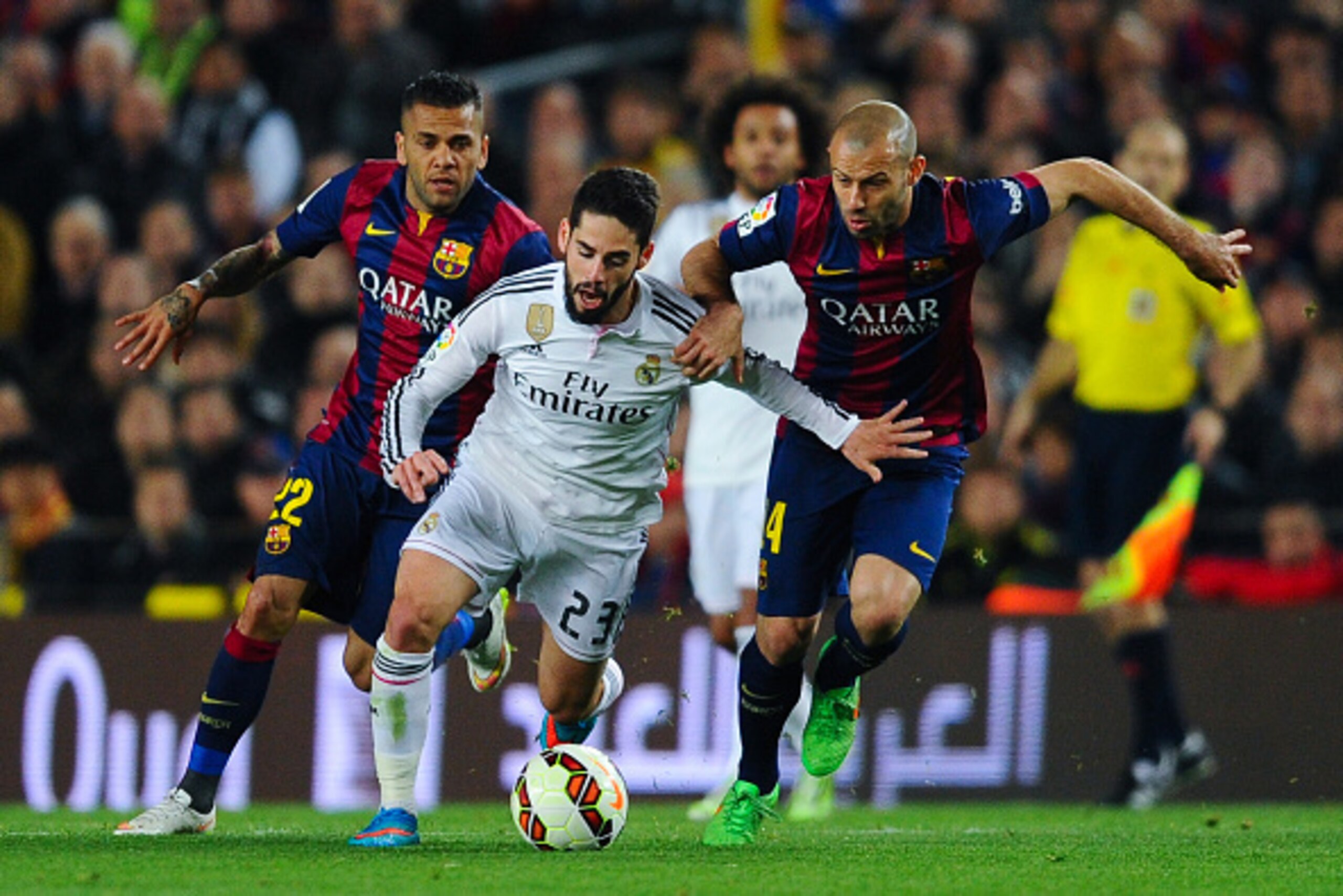
On face value, the move is a positive, designed to erase the vast inequalities created by the current system that sees individual clubs negotiate their own deals with broadcasters. It was supposed to appease the situation; La Liga—and Spanish football more generally—would catch up with the rest of Europe financially. Additionally, the new law has the strong support of the Liga de Futbol Profesional (LFP) and its president, Javier Tebas.
But the fine print of the new law irked the Spanish Football Federation (RFEF) and the players' association (AFE). Perhaps more importantly, it was seen by those bodies as an attempt by the LFP—the body running the country's top two leagues—to seize control of the game in Spain.
Thus, strike action was planned. The final two weeks of the season were put in jeopardy.
"Essentially, the suspension is the result of a power struggle over who runs Spanish football," wrote BBC Sport's Andy West earlier this month.
The same view was expressed by renowned Spanish football journalist Sid Lowe on The Spanish Football Podcast.
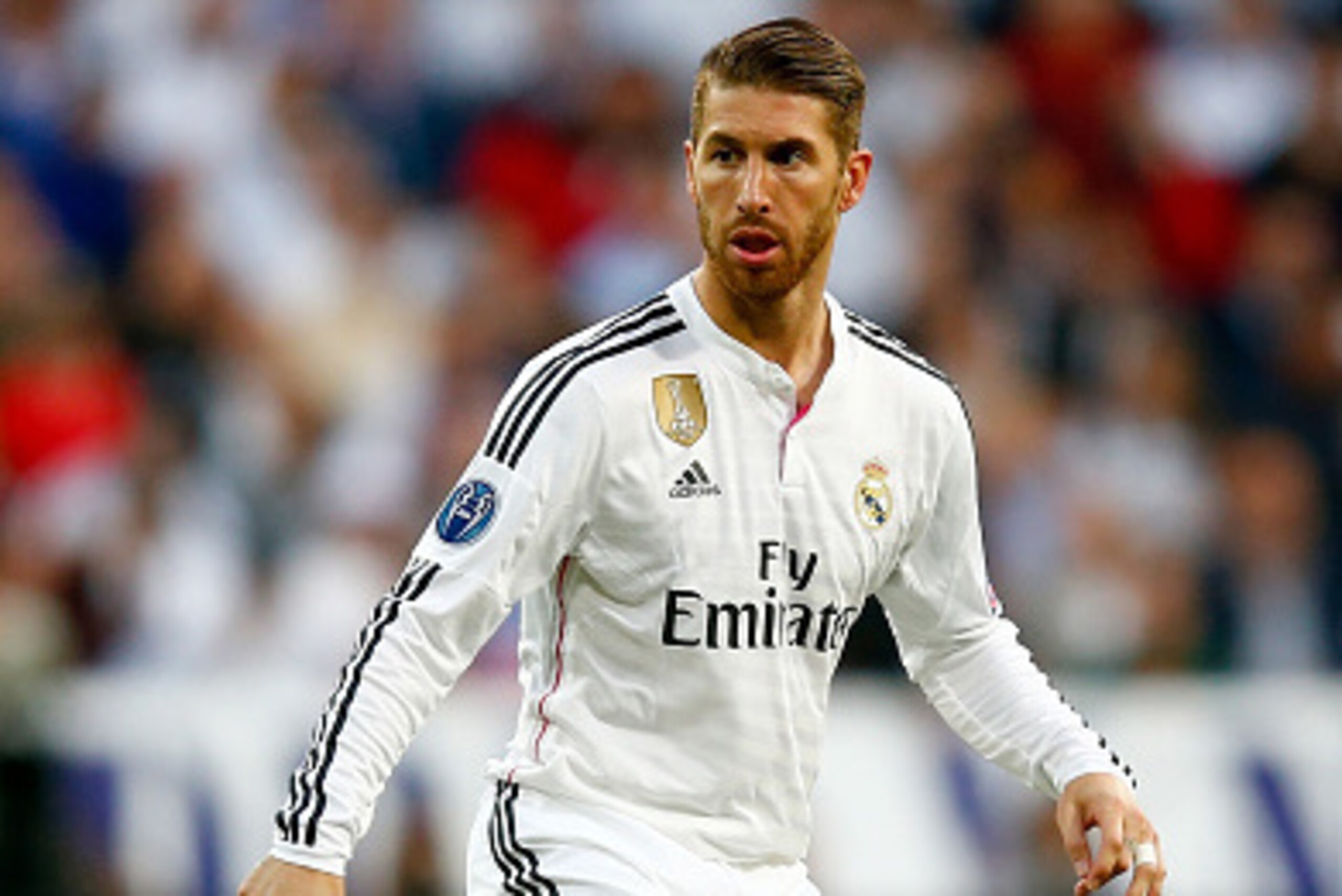
Last week, however, The National Court of Spain provided a "provisional" ruling suspending the planned industrial action, per Sky Sports, allowing the final two weekends of the season to go ahead. Since then, Barcelona, with victory over Atletico Madrid, have clinched the Primera Division title, their fifth in seven seasons.
But the issue hasn't been settled; it's simply been quelled in the short-term. In time, the court will still evaluate the legitimacy of the planned strike.
As noted by West, the RFEF believes it has been "ignored" during the drafting of the new law, taking the stance that the government and the LFP are undermining its authority by planning to award the federation just 4.55 percent of all revenue, per ESPN FC.
But it's the AFE's position that also carries weight.
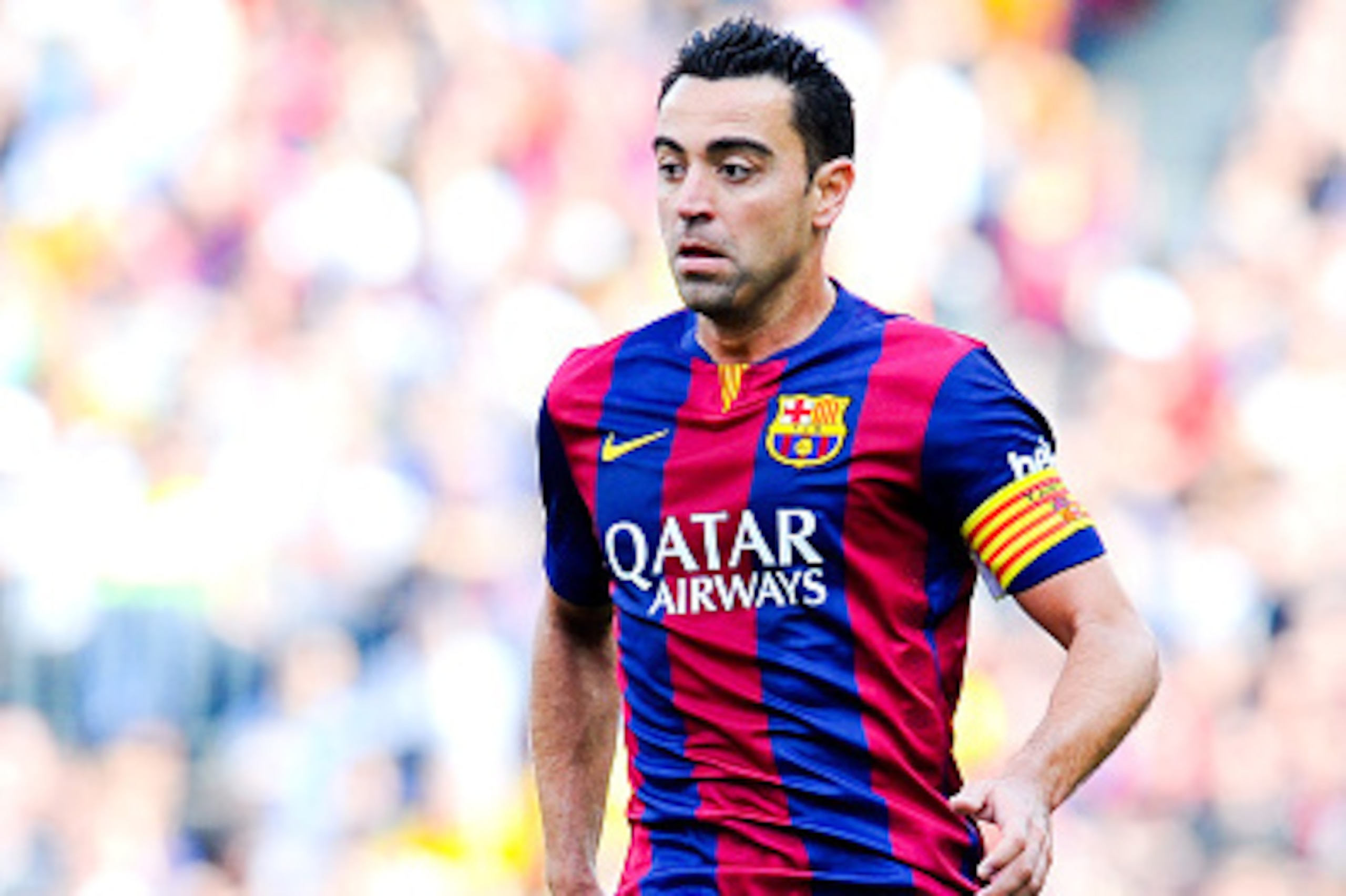
At the beginning of May, according to Sam Wallace of the Independent, players representing clubs across Spain met with Luis Rubiales, the players' association president, to discuss their dissatisfaction with the details of the new law. In attendance were the likes of "Xavi, Iker Casillas, Andres Iniesta, Sergio Ramos, Juanfran and Dani Parejo."
Their disapproval centred on the discrepancy between the cut of the TV revenue allocated to clubs in La Liga and to those in the Segunda Division. According to BBC Sport, top-flight clubs will receive 90 percent of the sale of the TV rights as part of the new deal, leaving just 10 percent for those in the second tier.
In La Liga, 50 percent of the revenue will be divided equally, 25 percent distributed based on results across a five-year period and another 25 percent to be determined by a set a factors yet to be finalised, as noted by Wallace.
Essentially, the disapproval was a show of support from Spain's stars to the country's lesser-paid players. And for good reason.
As explained here at Bleacher Report, countless Spanish clubs, particularly those in the Segunda Division, have—and are—facing financial turmoil, resulting in an alarming amount of cases in which player wages haven't been paid.
These aren't matters to be taken lightly.
For the most part, Spanish football isn't like the Premier League; the majority of players aren't paid a fortune. And the financial constraints are seeing a consistent stream of players head to England, a notable example of which occurred when Derby County signed Eibar's Raul Albentosa in January. Can you image the reaction if the reverse occurred—if a Premier League player was taken to Spain's second division?
A significant factor in that situation has been the inequalities that exist in the revenue drawn from TV rights under the current model, which sees Real Madrid and Barcelona pull in the bulk of the money available, as highlighted by AS:
It's that issue that the new law is supposed to address. The collective bargaining of TV rights and distribution of the revenue through a centralised model is meant to deliver a greater sense of equality to Spanish football.
But, in the case of the new arrangement to come into effect in 2016-17, that's not strictly true, as explained by Wallace:
"The new deal is to start at the beginning of the 2016-17 season in order that clubs can honour existing agreements in place for next season. But the caveat is that for six years from the start of the new agreement no club can earn less from television revenue than it has in the current 2014-15 season. And the only clubs who could potentially earn less are, well, you know who.
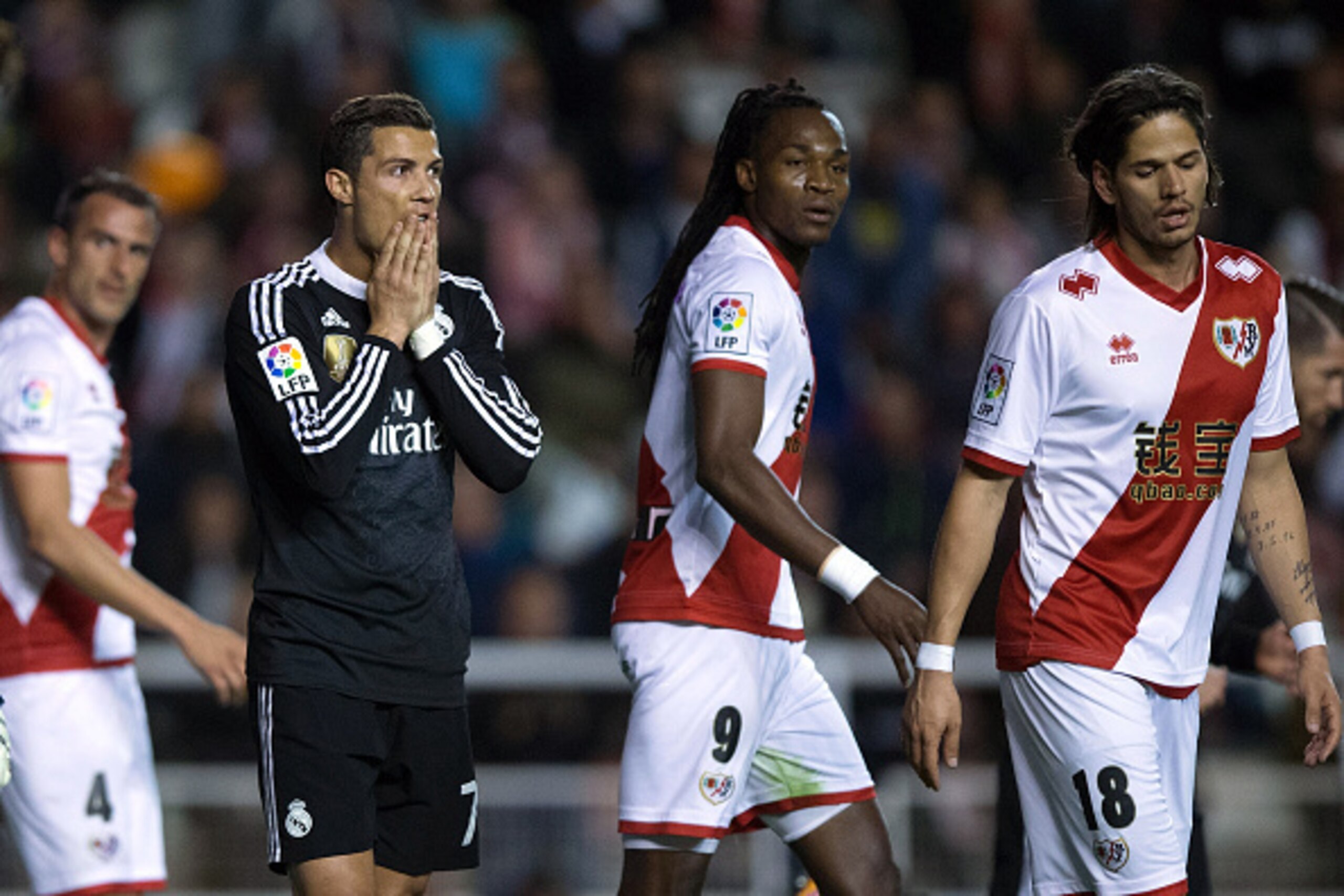
In short, Madrid and Barcelona will not take a hit on their €140m annual television revenue until 2022. And, in the meantime, who will pick up the shortfall imposed on them from 2016 by the new rules? None other than the rest of the La Liga clubs. The switcheroo at the heart of the new law is that the likes of Rayo Vallecano will have to give up a portion of their relatively meagre income, albeit marginally improved, to compensate Madrid and Barcelona.
"
The AFE also is incensed that it will receive next to nothing from the new financial arrangement, given that the Spanish government's Sports Ministry will receive just 0.5 percent of the revenue to distribute to causes and organisations such as it.
For the LFP and Tebas, that oversight could prove to be a sticky issue in this saga. For it's the players' union that represents the very product of the sport—those whom it represents give the LFP the spectacle it governs.
So, how might this play out?
In the short-term situation, the battle has been put to one side to allow the season's final games to go ahead. In his ruling last week, Judge Ricardo Bodas Matin said he'd suspended the strike because "it would provoke a great organisational disorder that would be difficult to resolve."
But in the long-term, it isn't likely to go away; Bodas Matin added that the ruling "could be modified."
Until that final point changes, the debate will likely rage on. On one side, there's the LFP and the Spanish government; on the other, the RFEF and AFE.
It's a genuine power struggle.
.jpg?w=2560 "Rams Raiders Football")



.jpg?w=2560 "Rodgers Iced Out on Plane 💎")

.jpg?w=2560 "🚨 Week 8 AP Top 25 Poll")

.jpg?w=2560 "Packers Safety Slams Refs 🤬")