

Why the Monaco Grand Prix Is Still the Ultimate Test for Formula 1 Drivers
The Monaco Grand Prix is perhaps the most unusual motorsport event in the world.
Thoroughbred Formula One racing machines with 900 horsepower belong on the wide, open, purpose-built circuits they are designed to operate on. The best drivers in the world should be driving on smooth, pristine surfaces laid down in their honour.
But for one weekend every year, those cars and drivers are shoehorned onto the narrow, twisty, barrier-lined streets of one of the world's smallest countries and told to go racing.

.jpg?w=2560 "Rams Raiders Football")

It shouldn't happen, but it does—and it remains the greatest challenge for a driver on the F1 calendar.
If you're lucky enough to live in a country with a broadcaster which shows the practice sessions—and wealthy enough to be able to pay to access them—take the time to watch the start of first practice on Thursday.
When the drivers take their first steps around a circuit like Bahrain, Silverstone or Catalunya, the pace is usually there straight away. The first flying lap will be slow in comparison to the eventual fastest time of the session, but anyone with experience of the car will be "on it" straight away.
Even at other street circuits like Singapore or a hybrid such as the Gilles Villeneuve Circuit in Canada, the drivers can push right out of the box to some degree.
But not in Monaco.
The first few laps of a driver's weekend are spent slowly cruising around, getting a feel for the track conditions. Braking distances are doubled, kerbs are tickled but never attacked and the barriers which line the circuit are treated with the utmost respect.
The times which appear down the side of the screen are almost embarrassingly slow.
Even the best drivers in the world—some of them with 10 or more starts here, most with hours of simulator time behind them—lack the confidence to go out there and attack straight away.
Monaco has to be approached in a different way to the others because it is so unique on the modern calendar.
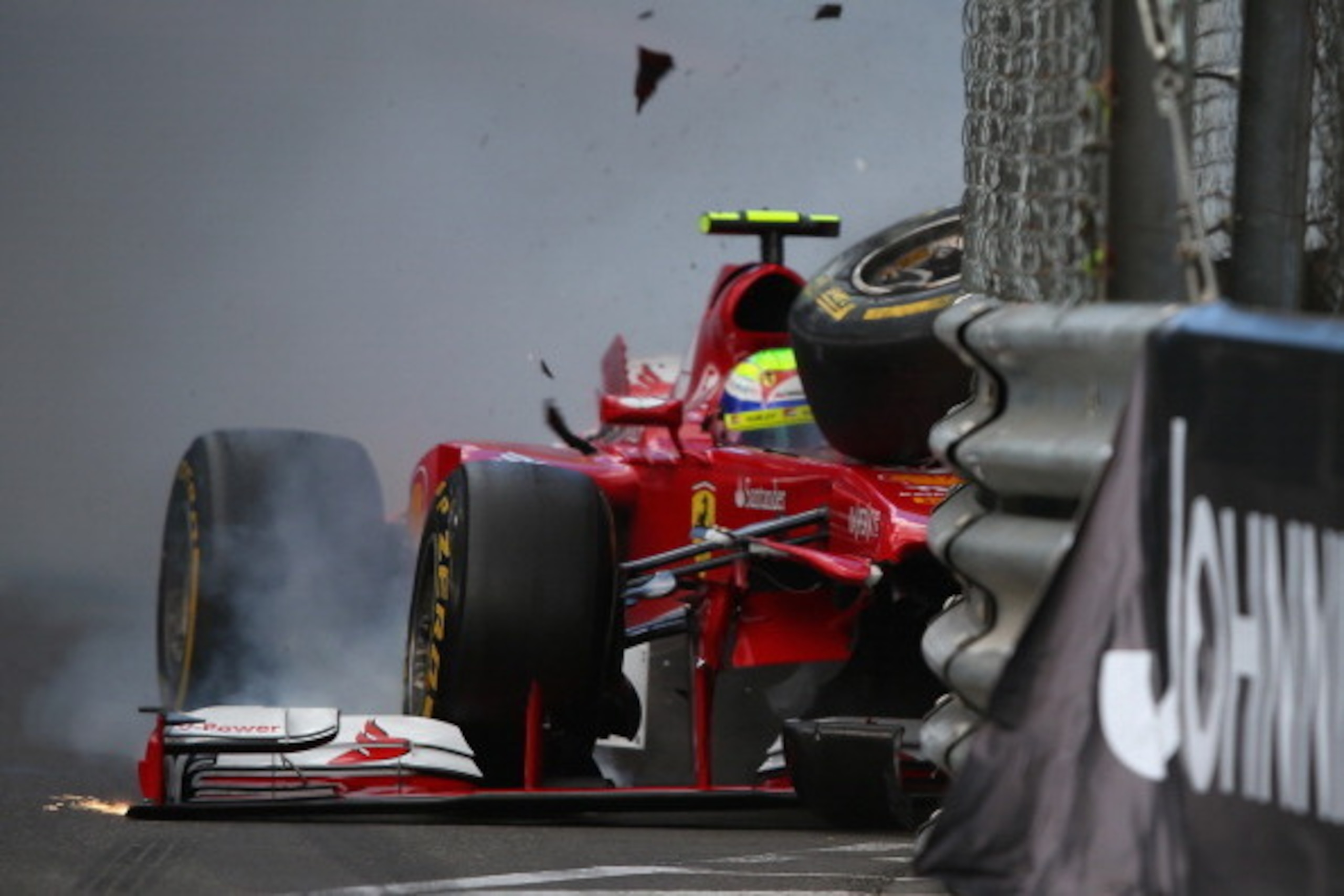
The first and most immediately apparent difference is the barriers. Should a driver make a mistake while on an exploratory lap of Silverstone, Spa or Monza, he can just trundle over a run-off area and rejoin the track.
The same mistake in Monaco would see him in the wall and probably out of the session.
It's true that Singapore is also armco-lined, but many of the turns retain a margin for error. Furthermore, the track at Marina Bay is wider, the corners are very similar to one another and the racing line doesn't often kiss the wall.
At so many of Monaco's turns, the edge of the racing line is the wall and an error equals a crash. For these turns the limit cannot be found by exceeding it and backing off next time around, but by gradually building up toward it.
More than at any other circuit, this "limit" varies from driver to driver. The barriers are not just a physical, "can be crashed into" problem—they also present a huge psychological challenge.

Putting a wheel on a white line bordered by a large, unmoving slab of metal is totally different to putting a wheel on a white line bordered by an open expanse of grass.
We can try this out ourselves with traffic-calming systems. No one slows down if a width-restriction is marked out by paint on the road, but everyone inches through if it's enforced by kerbing and bollards.
The drivers who excel at Monaco are those with the belief and confidence to—as much as possible—treat that bollard the same way they'd treat paint on the road; the ones able to treat the slab of metal the same way they'd treat the expanse of grass.
Not all of them are capable of doing that.
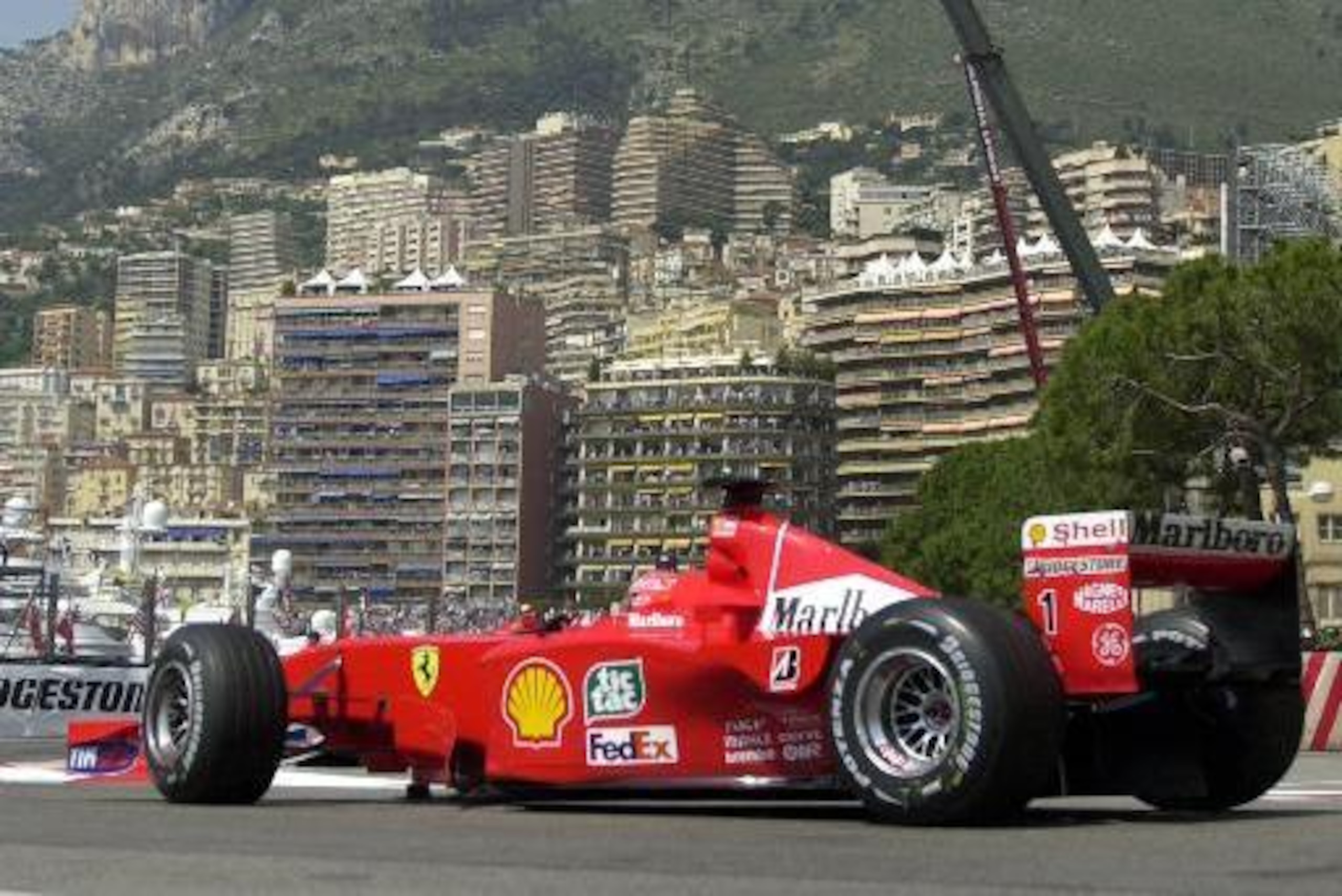
The barriers present a second difficulty, something a first-time viewer may only realise when the TV picture switches to an in-car shot.
At a "normal" circuit, the drivers can see the world around them. The next apex is almost always visible, while the corner entry and exit—and in many places, the next corner—can be spotted well in advance.
But in Monaco they can't really see anything. The barriers and buildings block their line of sight, and for all their talent, the drivers are only human—and our natural response is to hesitate when we can't see where we're going.
At Massenet (Turn 3), the drivers are doing more than 200 kilometres an hour on the entry. At the same time they can only see 30 or so metres of track in front of them. Moving around to Mirabeau (Turn 5), the circuit drops away sharply around a very tight, enclosed bend—the driver can't even see where he'll be half a second into the future.
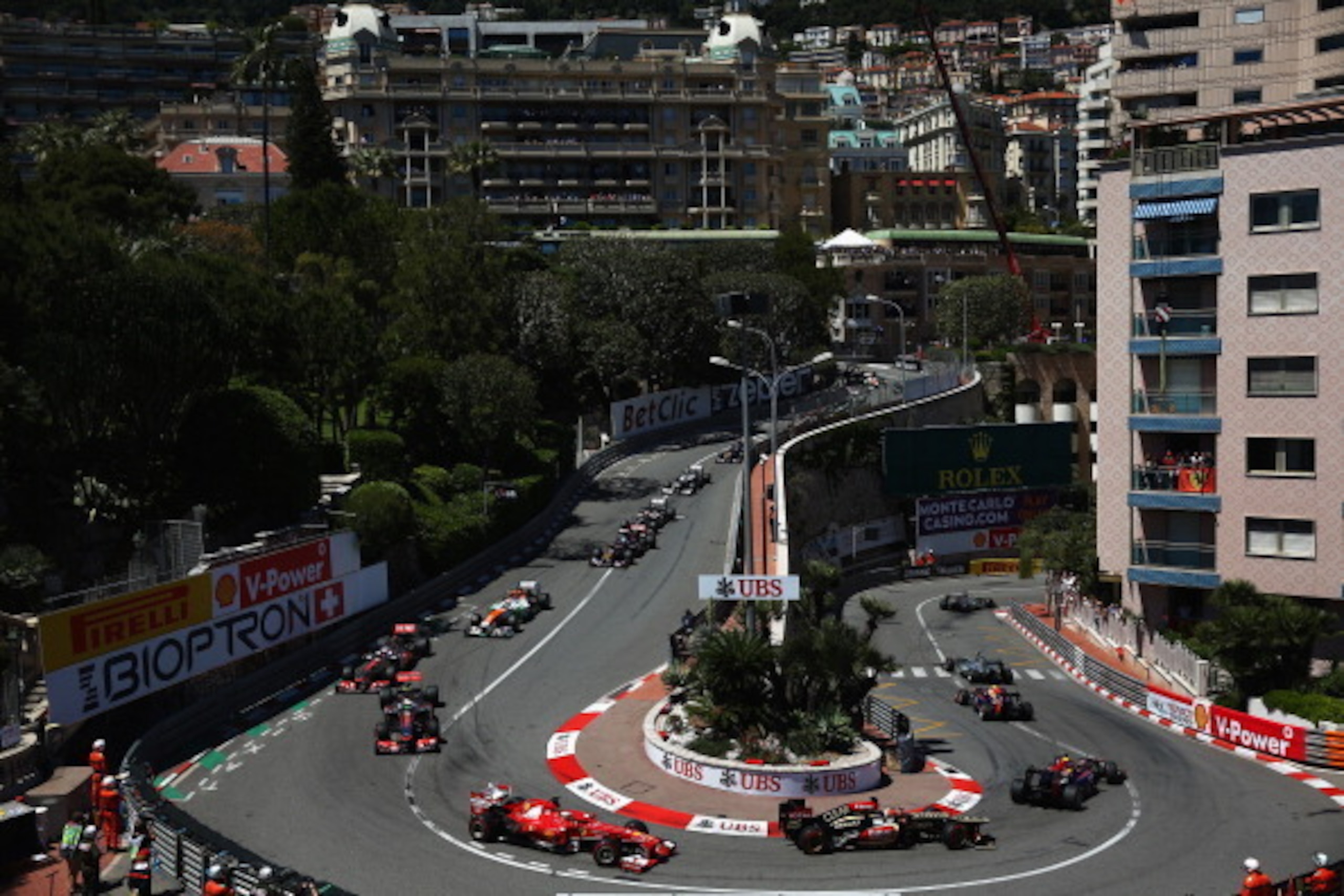
In both of these corners (and in some others), a car two seconds up the road might have crashed and the track might be blocked. There could be anything hiding just out of sight, and if there is, the driver will have so little warning he'll have no way of avoiding it.
But he has to learn to plough through the natural instinct to take care, put his faith in the abilities of his fellow drivers and in the reactions of the track marshals and keep going as fast as he can.
Again, the drivers most able to do this are the ones who will snatch those crucial half-tenths that make all the difference on a hot lap. Drivers like six-time Monaco winner Ayrton Senna.
While the barriers are the No. 1 obstacle to overcome, the solid stuff under the wheels presents its own unique challenges.
As beautiful and glamorous as the Principality looks on a fine spring day, its roads are little different to those anywhere else in the world. Road cars, buses, trucks and vans dump their usual pollutants all over the tarmac while pedestrians leave grime and dirt everywhere they tread.
Litter is blown across the racing line, oil and other liquids soak in, fragments of soil and dust wedge in microscopic cracks and over time, all public roads end up with a thin layer of filth between their original surface and the tyre of a car being driven on it.
A cold, dirty, treaded road tyre on a normal car wouldn't notice this, but a hot, precision-engineered Pirelli slick tyre, attached to a Formula One car, certainly does.

It cannot grip a dirty public road as well as it can the smooth, level, clean racing surfaces it was designed to be driven on.
The cars slide more in the corners, braking distances are longer than they would usually be and managing wheelspin in key traction zones becomes more difficult.
This alone is a significant challenge for the drivers in Monaco—especially with the barriers lining the circuit—but they must also be able to adapt. As the weekend goes by, the passage of the cars "cleans" the racing line and deposits useful Pirelli rubber around the track, changing the way the tyres respond.
Corners can be attacked a little bit faster, braking can be done a little later and a driver's right foot can be a little heavier on the throttle at the exit of slow turns.
Rubbering in happens at every track on the calendar, but nowhere is the effect felt more than at the true street circuits. Coupled with the knowledge that overestimating its effect and pushing a little too hard will result in a trip to the wall, it's another factor which separates the very good from the great.
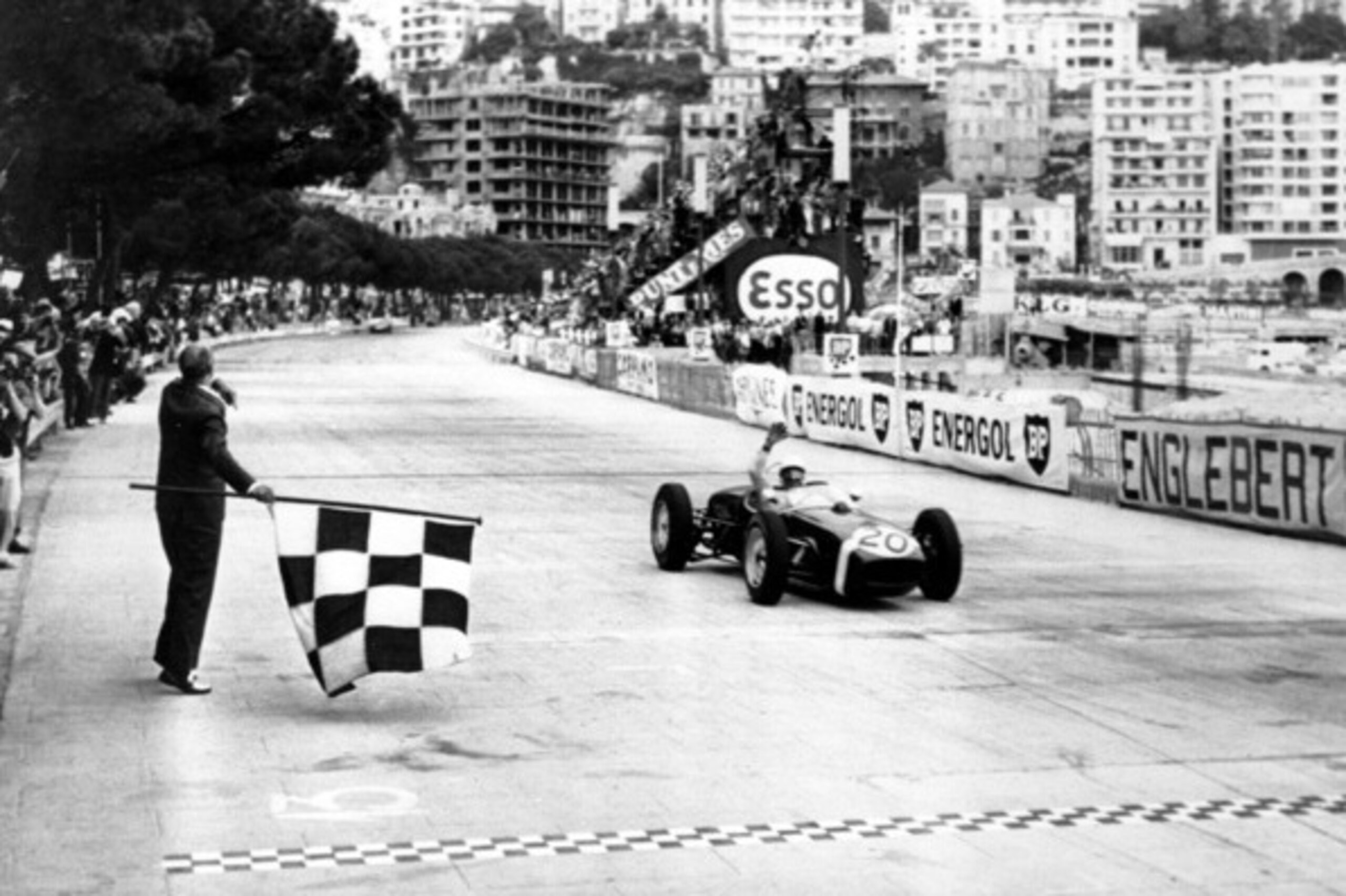
Subtle alterations at certain corners, a little bit of extra run-off and the sheer engineering brilliance that goes into modern cars has seen the challenge of Monaco diminish slightly over time.
But it remains the one circuit still visited by the F1 circus at which driver input can make the most difference.
If you're after overtaking, lead changes and wheel-to-wheel racing, it's not for you. For an attacking driver, this is without question the toughest place in the F1 world to make a move.
But for fans wanting to watch the world's best drivers bouncing through braking zones, sliding through corners, kissing the walls and maintaining superhuman concentration levels for close to two gruelling hours, there's nowhere quite like Monaco.

.jpg?w=2560 "Steelers Saints Football")

.jpg?w=2560 "🚨 Week 8 AP Top 25 Poll")

.jpg?w=2560 "Packers Safety Slams Refs 🤬")
