Millennials Unite: Why Sports Are Much Better Now Than in the 'Old Days'
The K-Zone and instant replay are products of the modern sports era. The good old days were great for many reasons, but that doesn’t mean everything was better then.
Of course, what makes something better or worse is all a matter of opinion. We’ll steer clear of specific rule changes but instead talk more about policy and innovation. Technology has had a major impact on how consumers experience American sports, and the modern sports fan is a spoiled one, indeed.
Let's take a look at a few changes that have made the most impact over the years.
HDTV and DVR
1 of 12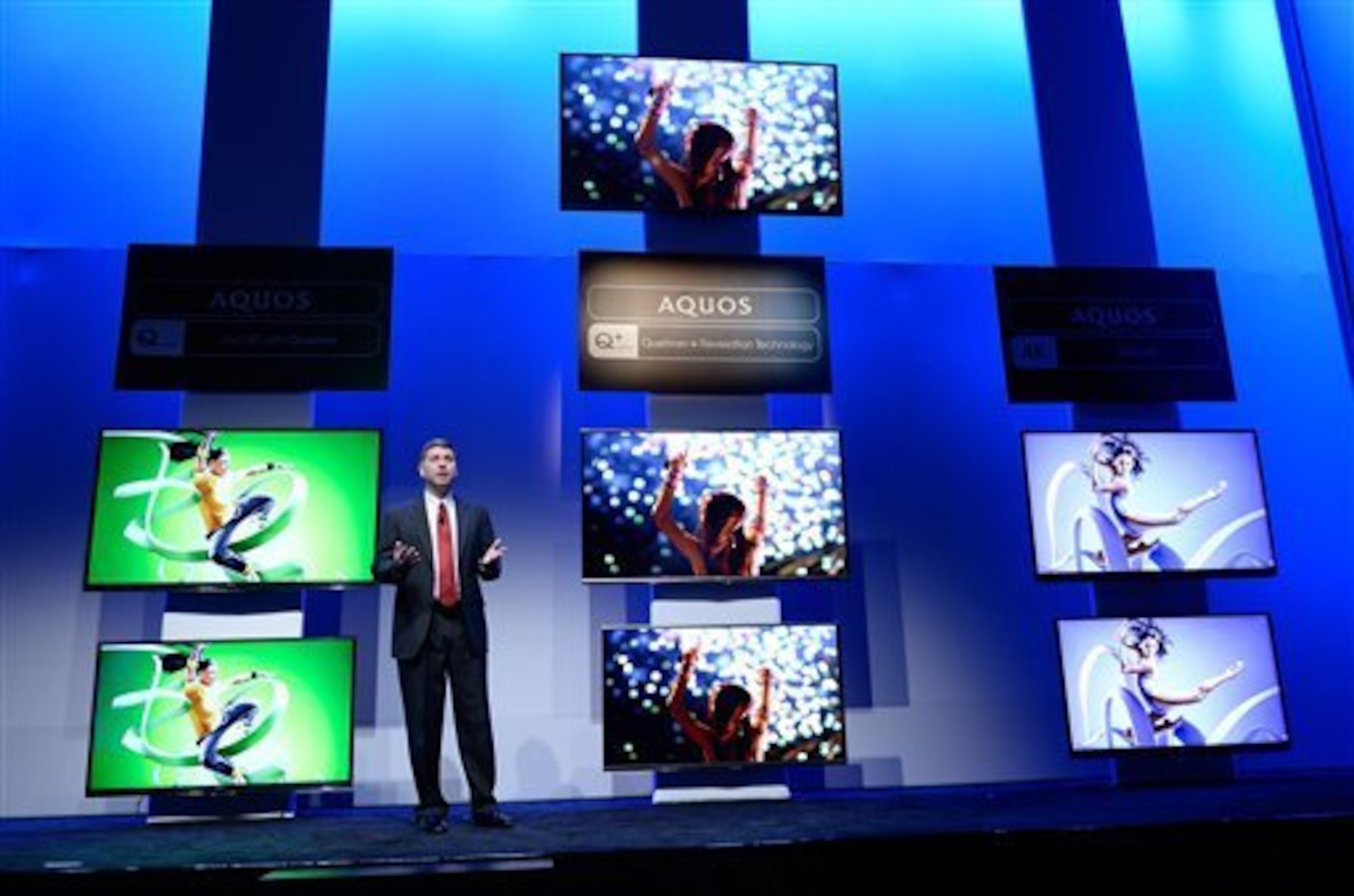
Watching sports on television used to mean black and white and poor picture quality. Advancements in the quality of TVs have led to high-definition picture on LED screens. HDTV has been particularly impactful for sports—the quick action and precise movements of games are far easier to follow with a clearer picture.
In addition, cable features such as TiVo or other digital video recorder (DVR) devices have changed the way people watch TV in general as well as sports. Now, if you can’t make it home in time for tipoff, you can record the game and start it upon your return.
Better Drug Testing
2 of 12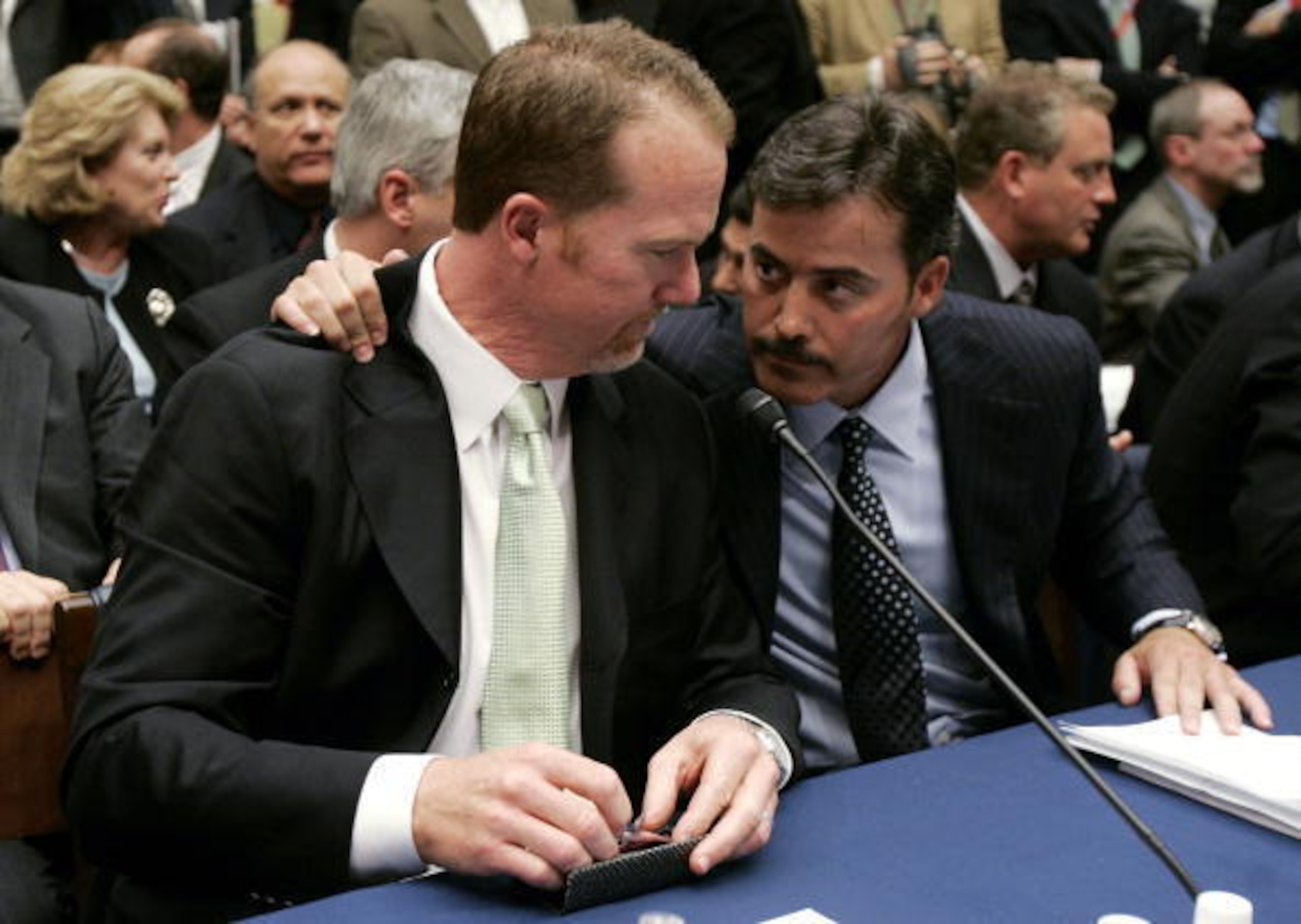
Prior to the 1980s, official drug policies in major sports were pretty much nonexistent. The steroid era in baseball—and the negative publicity it caused—eventually helped lead to stricter drug testing policies in MLB, and sports in general keep a tighter leash on the issue.
Longer Postseasons
3 of 12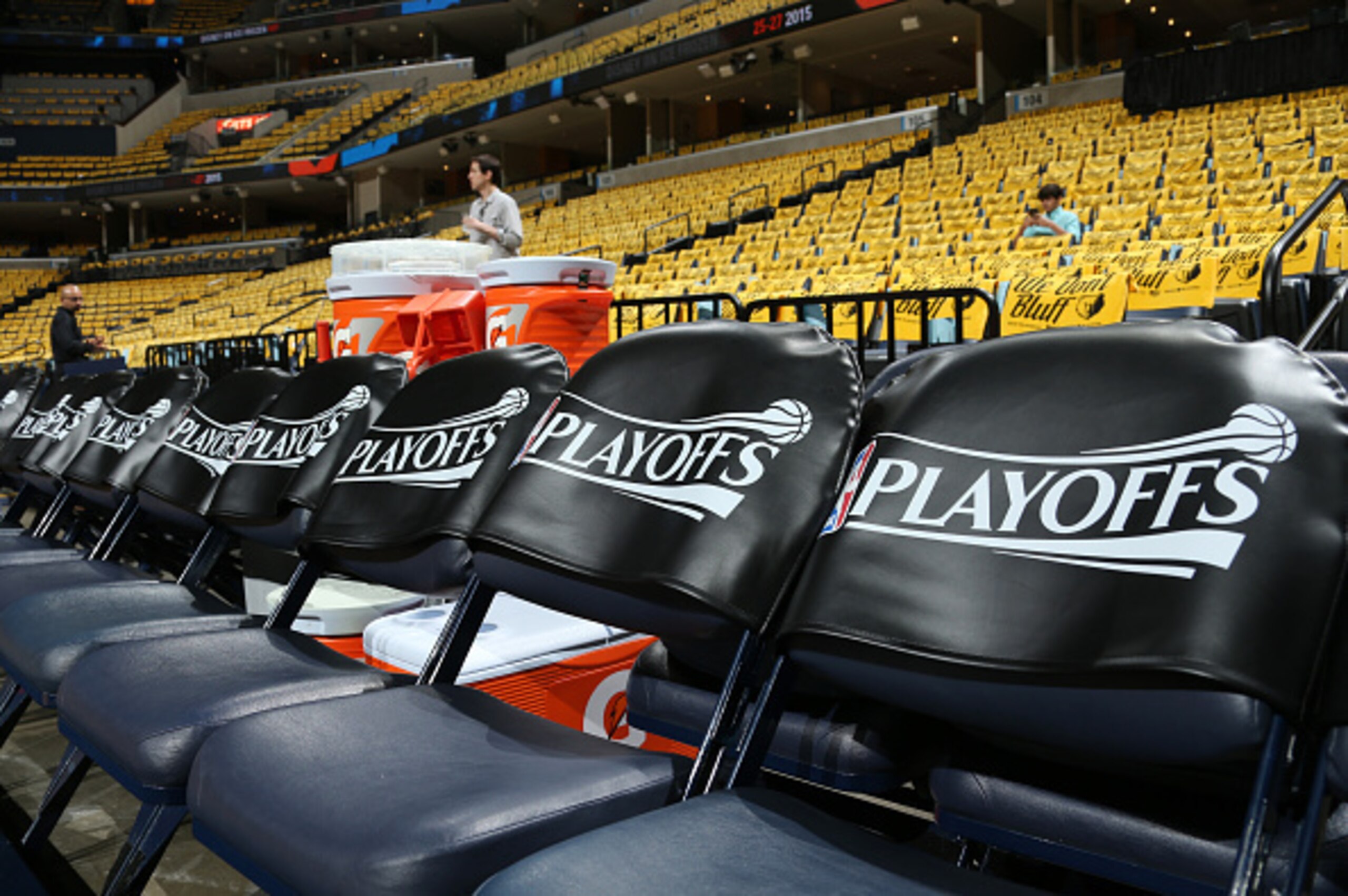
Before 1969, there were no MLB playoffs, just a World Series. The team with the best record in the American League and National League, respectively, won the pennant and competed in the World Series. While there is something appealing about the regular season having such an impact (similar to, say, the old BCS system), the expanded playoffs we enjoy now are so much fun.
And it’s not just baseball. Professional football used to operate the same way, with two division winners playing a championship game at season's end. Sure, longer postseasons mean more money for the leagues and teams, but they also mean more enjoyment for the fans.

.jpg?w=2560 "Steelers Saints Football")
.jpg?w=2560 "Rams Raiders Football")
Cable Packages
4 of 12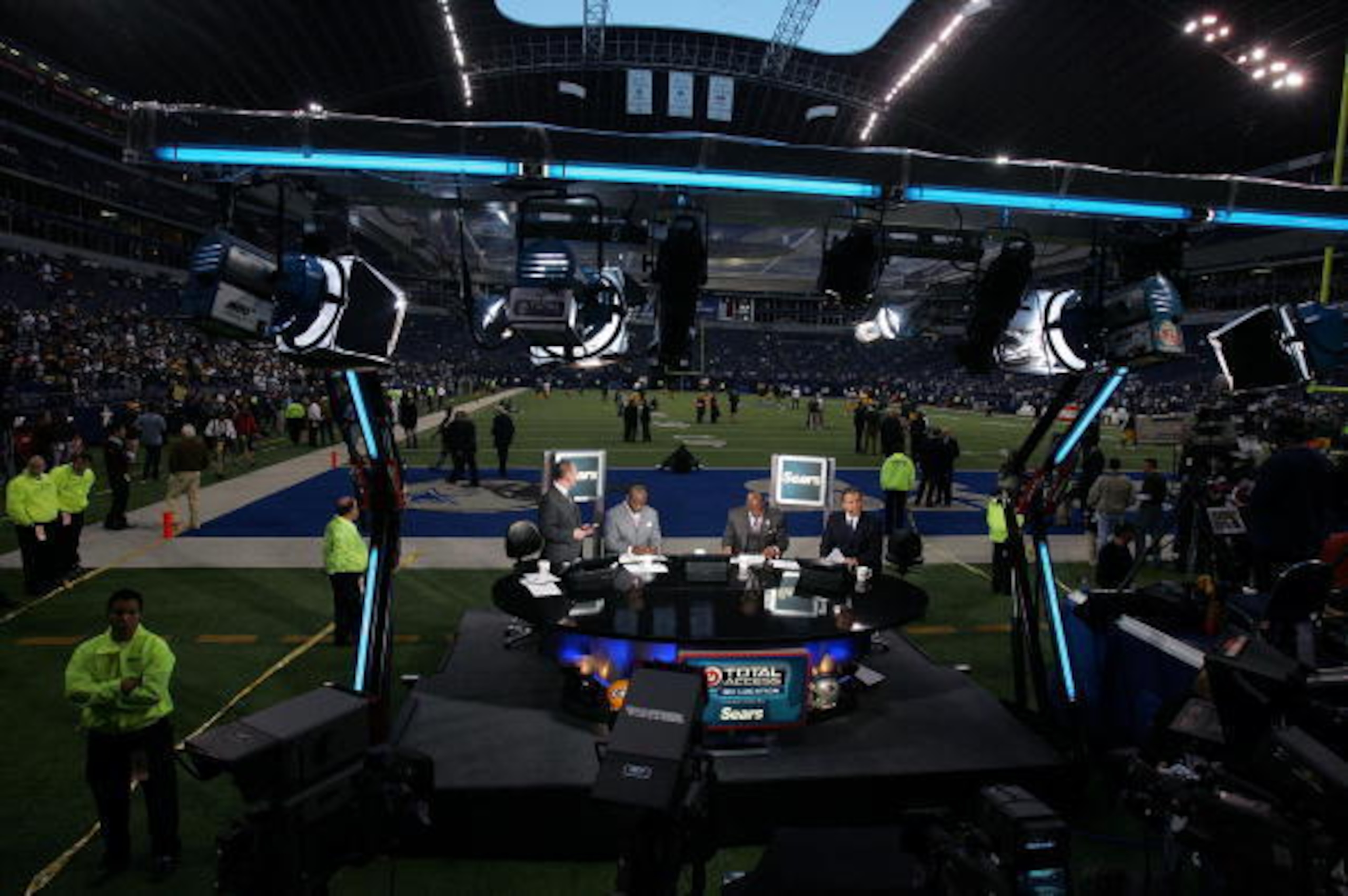
I know what you’re thinking: Cable is a rip-off. True, sports cable packages aren’t exactly cheap, but their existence has greatly increased options when it comes to sports viewing. It used to be if the standard channels weren’t showing your game, you weren’t watching it. You’re a New York Yankees fan who moved to San Francisco? Sorry, out of luck.
Now, with satellite coverage and cable packages, you can watch almost any game you want, at least if you’re willing to pay.
Online Streaming
5 of 12
Not only can you record games on your TV, but you can also watch a lot of them online. Streaming capabilities make it possible to watch live sports on the go, using a mobile device like a phone or tablet. Although, be warned, many of these features require a cable subscription.
Medical Advancements
6 of 12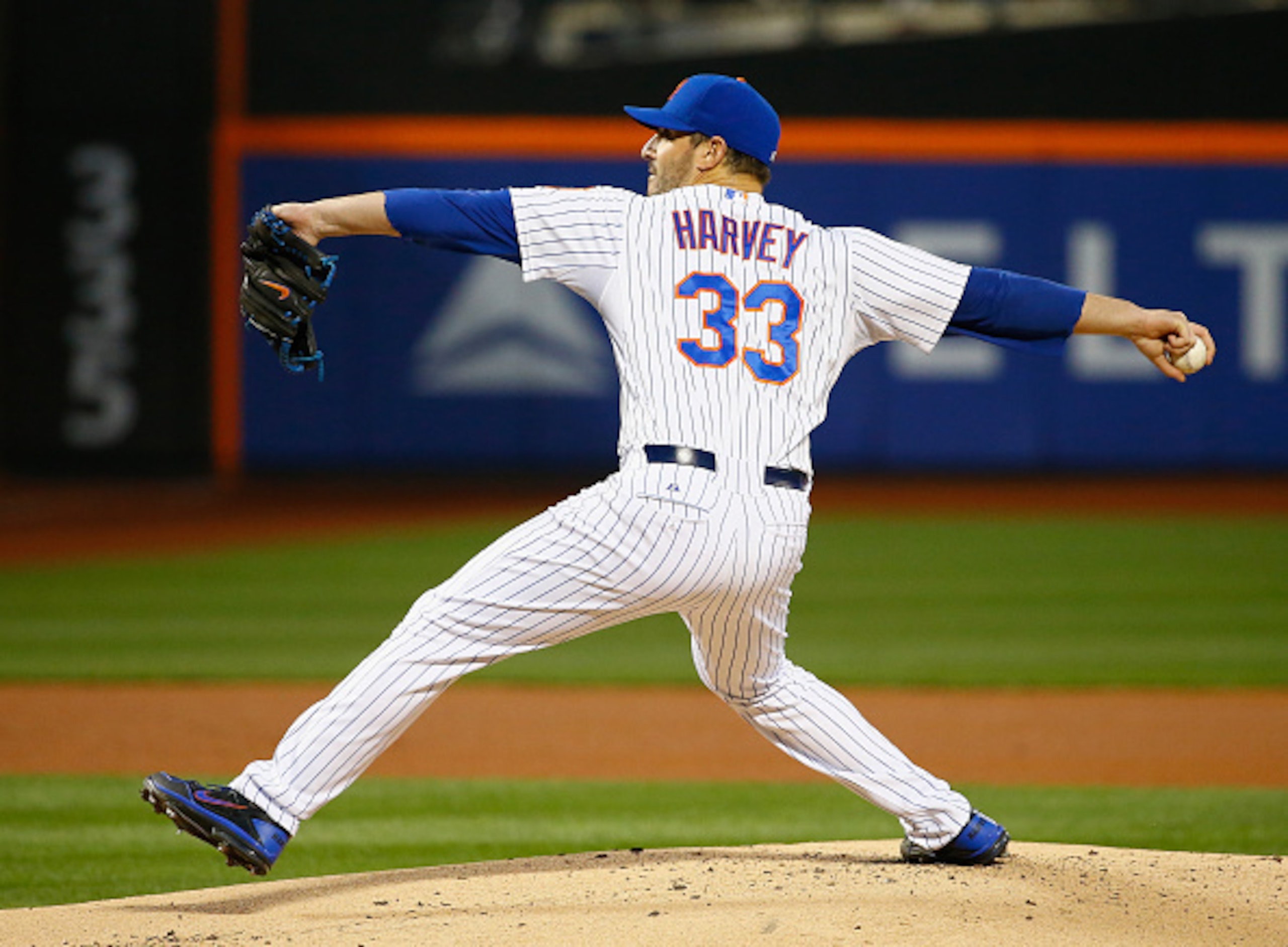
As technological innovations continue to improve sports, so do medical advancements. For instance, a ligament tear in a pitcher's elbow used to be a career-ender, but since the development of Tommy John surgery, hundreds of careers have been extended.
In-Stadium Technology
7 of 12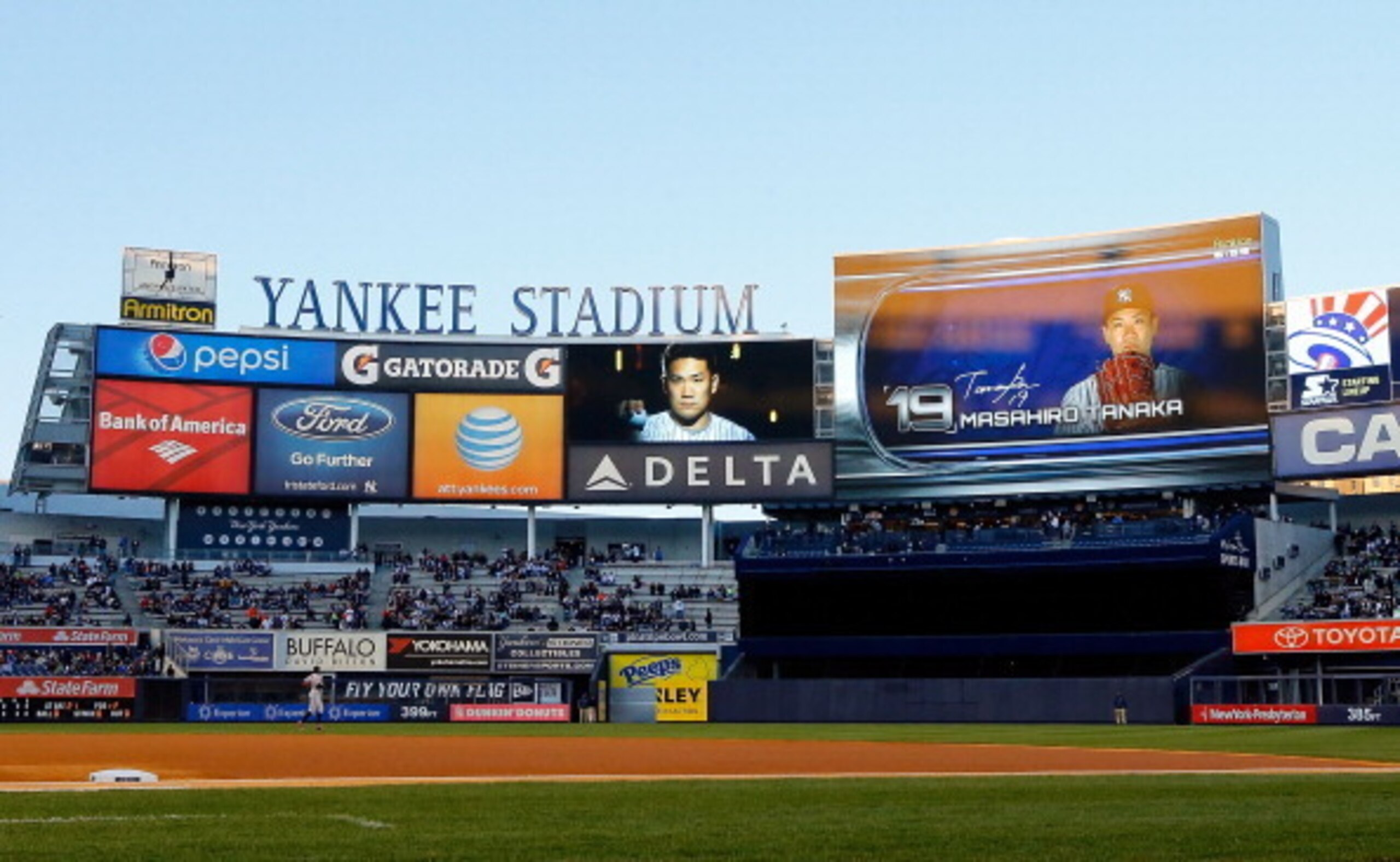
With all the improvements to in-home viewing, leagues have had to make sure the stadiums keep up. Ignore for a moment the high cost of attending some sporting events and realize the in-person experience is being made richer and more convenient every year.
When a play is under review in Major League Baseball, it is actually allowed to be displayed on the in-stadium video screen. Stadiums in general have Jumbotrons and massive digital scoreboards, and some, like Yankee Stadium’s massive LED, even display picture in HD.
More and more, stadiums also have Wi-Fi. At Levi’s Stadium in Santa Clara, California, you can actually order food from your seat and have it delivered to you.
On-Screen Graphics
8 of 12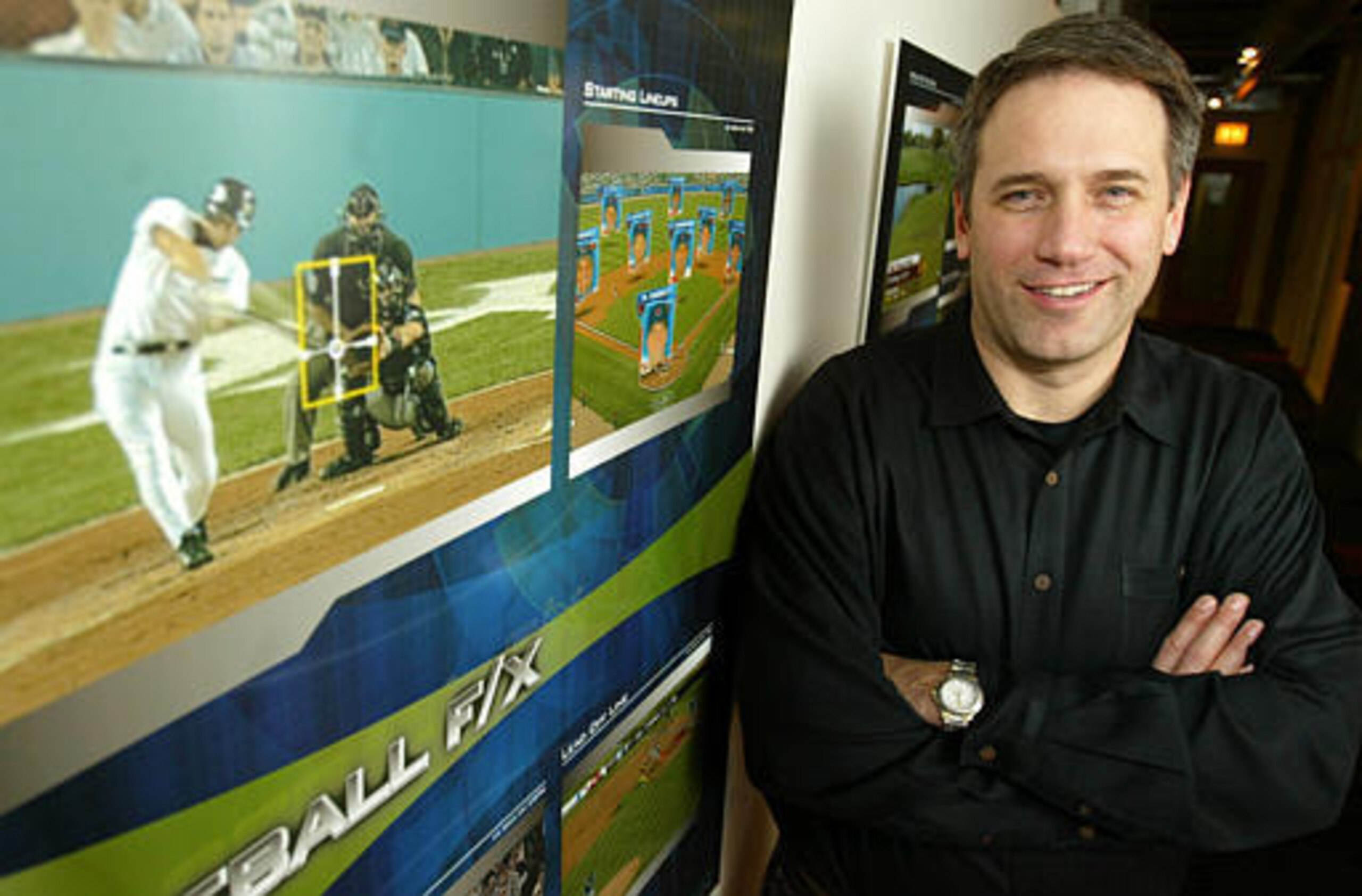
These days, when a fastball drifts outside the unofficial, digital box that is the K-Zone and it’s called a strike anyway, you probably get all up in arms, right? But surely you can think back to before 2001, when the digital box wasn’t even a thing.
On-screen graphics like the K-Zone and first-down line enhance the viewing experience for fans at home, making plays easier to digest and understand in real time. Although, ESPN’s live K-Zone is probably a bit too much.
Constant Coverage
9 of 12
In 1980, ESPN started broadcasting sports coverage 24 hours a day. This round-the-clock access is something we undoubtedly take for granted now, but until then, it wasn’t possible to sit around in your sweats all day and watch sports.
In addition, digital media has completely revolutionized sports consumption for the better. There is more content than ever—news, opinion, analysis, etc. And yes, you can get breaking news on TV, but you can get it even faster thanks to sites like Twitter. You can literally find out what is happening in the sports world as it happens.
More Access
10 of 12
The 24-hour news coverage needs material to fill the time, right? This means more access than ever before. Fans can go inside the locker room, press conferences and even practice.
Social media has also made athletes themselves much more accessible. While the insight into their personal lives may border on too much at times, social media has provided a revolutionary way for fans to connect with their favorite players.
Free Agency
11 of 12
Free agency didn’t exist in MLB until 1976 and not in other major American sports until the 1990s. Players were essentially owned by teams, and they had no say in where they played and how they were compensated.
Marvin Miller and the MLB Players Association paved the way for free agency with legal action and arbitration procedures. Now, free agency is what makes $325 million contracts like Giancarlo Stanton’s possible. Players make obscene amounts of money, yes, but ultimately, free agency has made leagues fairer places of employment.
Instant Replay
12 of 12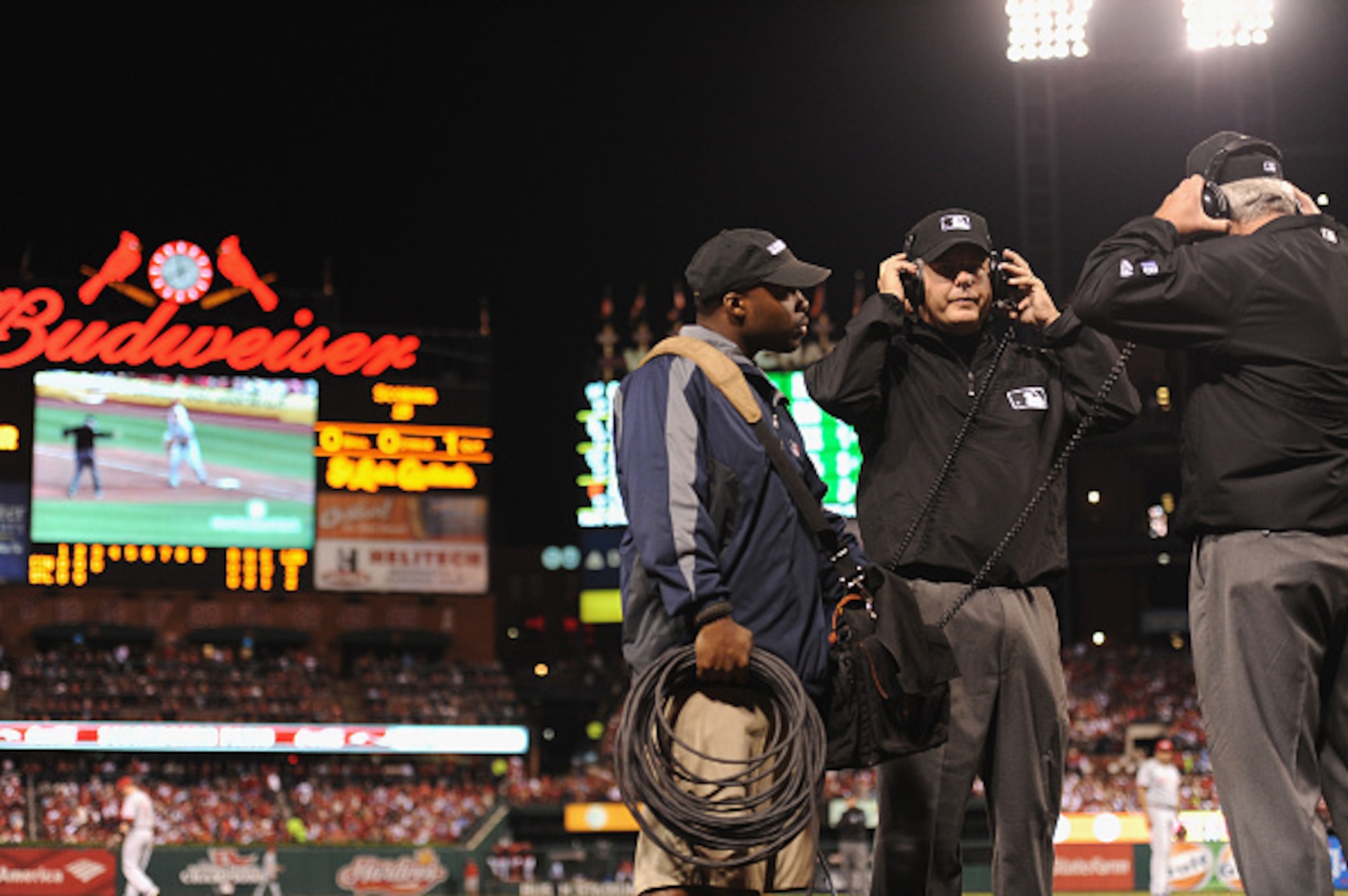
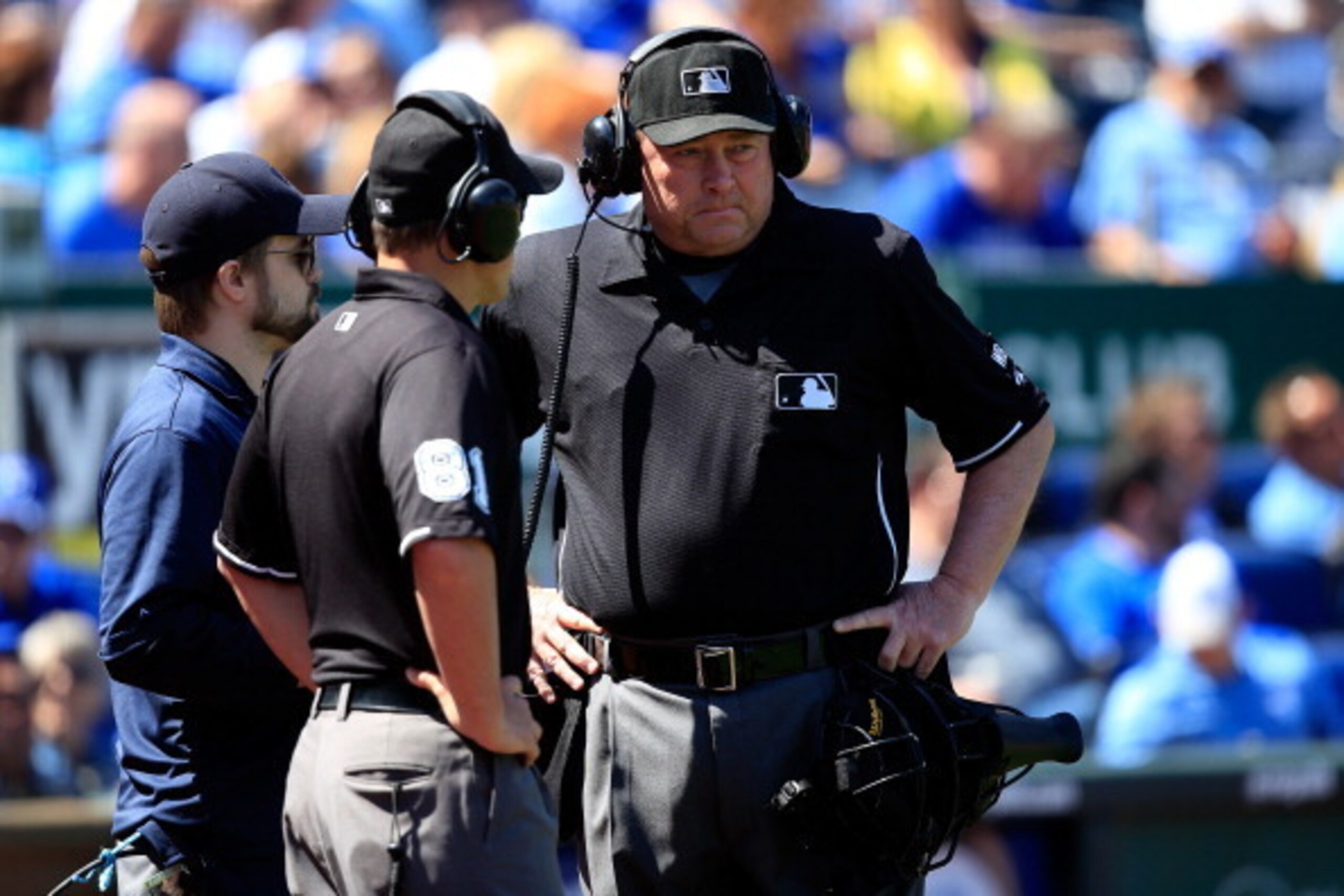
While I personally feel instant replay walks a fine line, there’s no doubt it has made sports more fair. The NFL first used instant replay in 1986, focusing on possession concerns and plays involving sidelines or the goal line, for example. In 1991, the NHL started using replay to review questionable goals, and in 2002, the NBA approved replay for buzzer-beaters. MLB was last to the party, adding relay for fair/foul considerations in 2008.
There is something to be said for the human element of sports—referees and umpires have a real place in the game. However, instances like Goldengate and Armando Galarraga's perfect game that wasn’t proved a need for at least some checks and balances.

.jpg?w=2560 "AP Poll Top Five Week 9")
.jpg?w=2560 "Packers Safety Slams Refs 🤬")
.jpg?w=2560 "Lamar Being Out Shocked Ravens")
.jpg?w=2560 "Mahomes Told Teammate to Leave Meeting")

