
NBA Draft 100 Series: Ranking the Top Small Forwards of the 2015 Class

Teams looking for new wings in the 2015 NBA draft should have plenty of prospects from which to choose. There will be a good one on the board at all times throughout the first round.
Duke's Justise Winslow and Arizona's Stanley Johnson each quickly emerged as standout prospects. It took Kansas' Kelly Oubre a little longer, but he got there as well. Even Sam Dekker started generating lottery buzz following Wisconsin's Final Four run.
Teams seeking perimeter defense should also be pleased with the selection of small forwards.
The NBA Draft 100 metric measures each prospect based on a number of factors that account for everything from athleticism to room for growth. Each position has different criteria related to the traditional responsibilities tied to it. We measured small forwards in five separate categories:
- Size for Position/Athleticism
- Scoring
- Shooting
- Defensive Potential
- Upside
Though some prospects played multiple positions, we assigned each prospect to the position we project him to play most at the next level.
On the next slide, we address how we chose which categories to evaluate for each position, as well as how we came up with each individual score.
Scoring Guide
1 of 21
Five categories were used to evaluate the small forwards. Each category is also assigned a different weight based on significance.
We created a formula to reflect each prospect's performance in a particularly category. For scoring and shooting, the weights are listed below in percentage points.
Size for Position/Athleticism (25 points)
The wing position has evolved over the years. Almost every lineup in today's NBA features a stud athlete at small forward. Being too small or slow will likely prevent a wing from consistently being able to execute in the NBA, regardless of how high that player's skill level is, as the defense at the position is too strong.
Size for Position (10)
Many NBA wings are in the 6'7"-6'9" range these days.
We weighed athleticism slightly more than size, as there is a bigger difference between an above-average athlete and an average athlete than an inch-or-two difference in height.
We also took strength into consideration. We considered any wing under 210 pounds to have a weak body and consequently docked them using the scale below.
For size, any small forward 6'5" or under typically merits a red flag. Prospects 6'5" and under won't be able to receive a score higher than four out of 10.
10 = 6'7"-plus, Strong body
9 = 6'7"-plus, Weak body
8 = 6'6" Strong body
7 = 6'6" Weak body
4 = 6'5"
3 = 6'4"
2 = 6'3"
1 = 6'2"
Athleticism (15)
Athleticism allows small forwards to separate from defenders for jumpers and layups off drives. It also plays a big role in finishing ability at the rim. Physically, athleticism is more important than meeting the traditional height requirements. Above-average athletes were subjectively scored in the 11-15 range. Average athletes were subjectively scored in the 6-10 range. Below-average athletes were subjectively scored in the 1-5 range.
11-15 = Above-average athlete
6-10 = Average athlete
1-5 = Below-average athlete
Scoring (30)
In college, usage rates of small forward prospects are typically lower than usage rates of guards, who do most of the scoring and playmaking. By valuing scoring slightly more than shooting, we rewarded scoring wings, who are rare, as opposed to rewarding shooting wings, who are abundant.
Points per 40 minutes is a strong indicator of how good a scorer a player is. However, it's also important for a prospect not just to be picking up points as a volume three-point shooter, which many college scorers are. Scorers must be able to make shots inside the arc, and do so efficiently.
60 percent: points per 40 minutes
20 percent: two-point field-goal percentage
20 percent: two-pointers made per 40 minutes
Shooting (25)
Very few NBA wings can justify regular minutes without being able to threaten the defense as three-point shooters. Offenses need the small forward to be able to stretch the floor for spacing as well as provide his ball-handlers with a catch-and-shoot target off penetration and kick-outs.
Shooting percentage reflects shooting consistency, which is most important. But some players' percentages are high due to small sample sizes. It's important that a player shows he can make threes with regularity as well, which is why we included three-pointers made per 40 minutes.
60 percent: three-point percentage
40 percent: three-pointers made per 40 minutes
Defense (10)
Strong defensive wings hold plenty of NBA value. A good defensive small forward should be able to offer the versatility to guard at least two positions, from ball-handlers and 2-guards to small forwards and power forwards. On the other hand, wings who struggle on defense can be liabilities due to the offensive talent at the position.
Since steals aren't a great indicator of quality defense, we subjectively scored each prospect based on his defensive potential. When assessing this category, we took into account length (wingspan), lateral foot speed, IQ and college impact.
Prospects graded as below-average defenders won't be able to receive a defensive potential score above five. A defensive liability grades out as a three due to the significant hit his NBA value takes.
10: Lockdown defender potential
9: Above-average defender
8: Average defender
5: Below-average defender
3: Defensive liability
Upside (10)
The upside score projects a player's ceiling or best-case-possible outlook. The projections were set based on Jonathan Wasserman's scouting and collective opinions from scouts and other draft analysts.
10 = MVP
9 = Superstar
8 = Perennial All-Star
7 = All-Star potential
6 = High-End Starter
5 = Low-End Starter
4 = High-end Reserve
3 = Low-end Reserve
2 = High-end benchwarmer
1 = Low-end benchwarmer
Please note that slight adjustments were made for international and mid-major prospects.
If two players received the same total score, we used "Upside" as the tiebreaker. If there was still a tie, we chose the player higher on Jonathan Wasserman's big board.
20. Juan Vaulet, Argentina, 6'6", 1996
2 of 21Physical Tools / Athleticism
At 6'6", 200 pounds, Juan Vaulet's physical tools and athletic ability won't scare anyone away, but they won't win him any additional support either. He can run, jump and slide—he just isn't overly explosive.
Scoring
Vaulet averaged 16.7 points per 40 minutes, threatening most as a face-up driver and cutter off the ball. He lets his athleticism and motor do most of his talking, as opposed to one-on-one ball skills.
Shooting
Vaulet didn't flash much shooting potential, having made just two three-pointers in 34 games. He also shot just 66.7 percent from the charity stripe.
Defensive Potential
He's a high-energy player with long arms, which bodes well for his defensive outlook.
Upside
Vaulet is only 19 years old and still has plenty of time to polish up his offensive game. He's a project with room to grow, though his upside tops out as a low-end bench player.
Overall
Vaulet kept his name in the draft, which makes you wonder if he received a second-round assurances. If he goes undrafted, he could be a sneaky pickup for a summer league team.
19. Sir'Dominic Pointer, St. John's, 6'6", Senior
3 of 21
Physical Tools / Athleticism
Sir'Dominic Pointer is a strong run-and-jump athlete, but at 6'6 "and 192 pounds, he's undersized for a player who also lacks the versatility to play 2-guard.
Scoring
Pointer is coming off his best year as a scorer, having Averaged 15.8 points per 40 minutes. He's dangerous in the open floor and can make plays around the rim as a finisher and cutter. However, his one-on-one game is not particularly threatening.
Shooting
Zero shooting range will really hurt Pointer's NBA chances. He made just two threes as a senior and 21 total in 3,660 career minutes at St. John's. He'll need to show he can knock down jumpers in predraft workouts.
Defensive Potential
Pointer's biggest selling point is His potential defensive. He became a defensive playmaker for St. John's, where he racked up 2.2 steals and 2.8 blocks per 40 minutes as a senior. Pointer covers a lot of ground and can be disruptive from the baseline out to the arc.
Upside
With no current offensive game, Pointer's only chance at making the NBA will be as a defense-minded energizer.
Overall
He'll have a shot at the second round due to his defense and physical tools. A team might feel it can play Pointer if it sticks a stretch 4 next to him for spacing.


18. LeBryan Nash, Oklahoma State, 6'7", Senior
4 of 21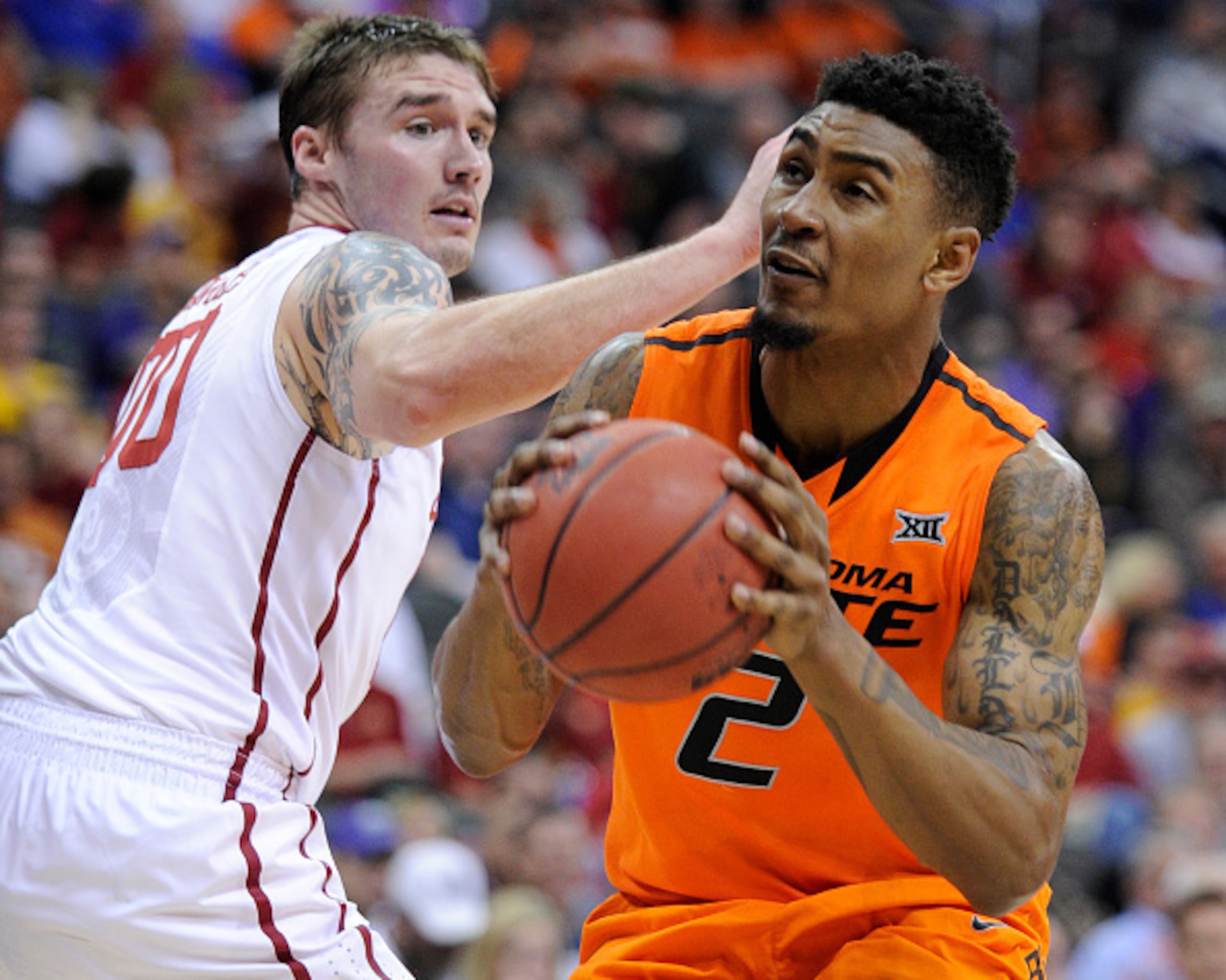
Physical Tools/Athleticism
At 6'7" and 235 pounds, LeBryan Nash has an NBA body for a small forward. He's strong and athletic, though his feet aren't the quickest.
Scoring
Nash is a versatile scorer who can create his own shot out to 18 feet. He prefers to face up and attack, spin off line drives, separate in the post and knock down short- to mid-range jumpers. Per 40 minutes, Nash made 7.2 two-point field goals and averaged 21.7 points. He also got to the line an impressive 9.0 times per 40 minutes. Nash tends to force up bad shots from time to time, but he's a versatile scorer inside the arc.
Shooting
Unfortunately, Nash never developed any shooting range through four years at Oklahoma State. It got to the point where he just stopped taking threes. This past season, he finished 2-of-20 from downtown after failing to make a three his entire junior season. He did make 40.6 percent of his two-point jumpers, per Hoop-Math.com, a good number. But it's tough to ignore his lack of production as a three-point shooter.
Defensive Potential
Nash has decent tools but has been inconsistent on defense. He'd probably be better off defending NBA power forwards, though he'd be giving up a few inches.
Upside
The fact that he'll be 23 years old at the end of June but still hasn't proved much as a shooter is troubling. He also isn't a plus defender or playmaker. Nash may actually be able to make a decent living in Europe, where his scoring ability would hold more value.
Overall
Nash's best shot at getting drafted is by catching fire in a workout and getting coaches to buy the possibility of improvement. Odds are he lands overseas or in the D-League.
17. Sam Thompson, Ohio State, 6'7", Senior
5 of 21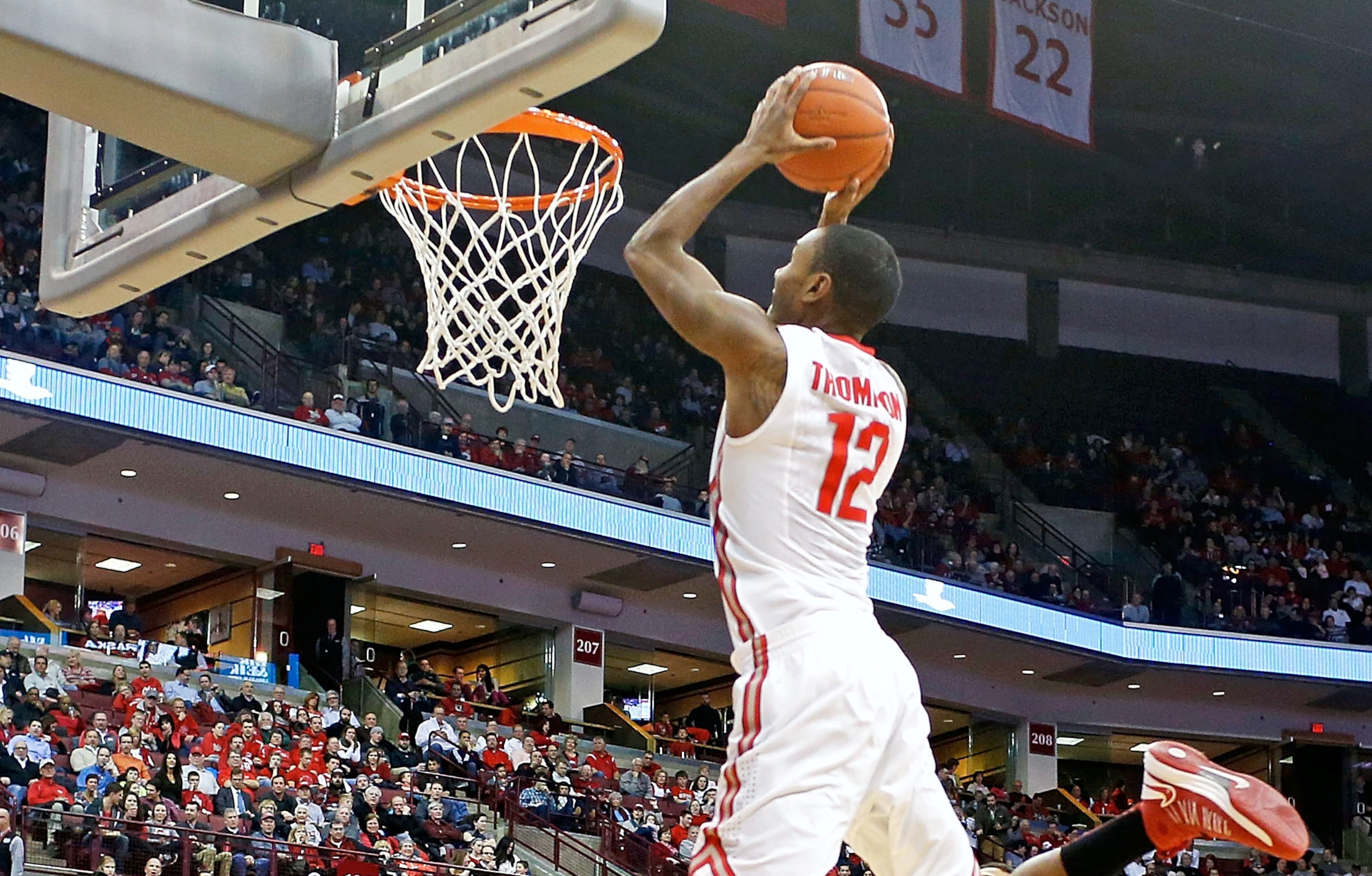
Physical Tools/Athleticism
Sam Thompson just might be one of the top athletes in the 2015 NBA draft class. He can explode off the ground and jump out of the gym. At 6'7" and 200 pounds, he's thin, but his physical tools won't be the issue if he can't find an NBA job.
Scoring
Thompson was never much of a scorer. The 10.2 points per game he averaged as a senior were a career high. Thompson's jumper, handle and shot creativity never quite developed through his four years at Ohio State. He generates most of his offense in the open floor or cutting to the basket.
Shooting
Thompson had a discouraging year as a shooter. He made 22 of 84 three-point attempts (26.2 percent) after converting at an average 35.5 percent clip as a junior and a strong 40.4 percent as a sophomore. The fact that he's never shot above 71 percent from the free-throw line suggests there is a real issue with his stroke.
Defensive Potential
Though mediocre on offense, Thompson was a terrific college defender who guarded multiple positions. He plays with an in-your-face approach and can irritate opposing ball-handlers and scorers.
Upside
Considering his offensive game never developed, it seems unrealistic to think it will suddenly come around as a 23-year-old rookie. He'll get looks based on his elite athleticism and defense but will remain a long shot to crack a roster.
Overall
Thompson simply isn't good enough offensively to attract real NBA attention. He could have a chance to play overseas, where his athleticism may hold more value.
16. Wayne Blackshear, Louisville, 6'5", SF, Senior
6 of 21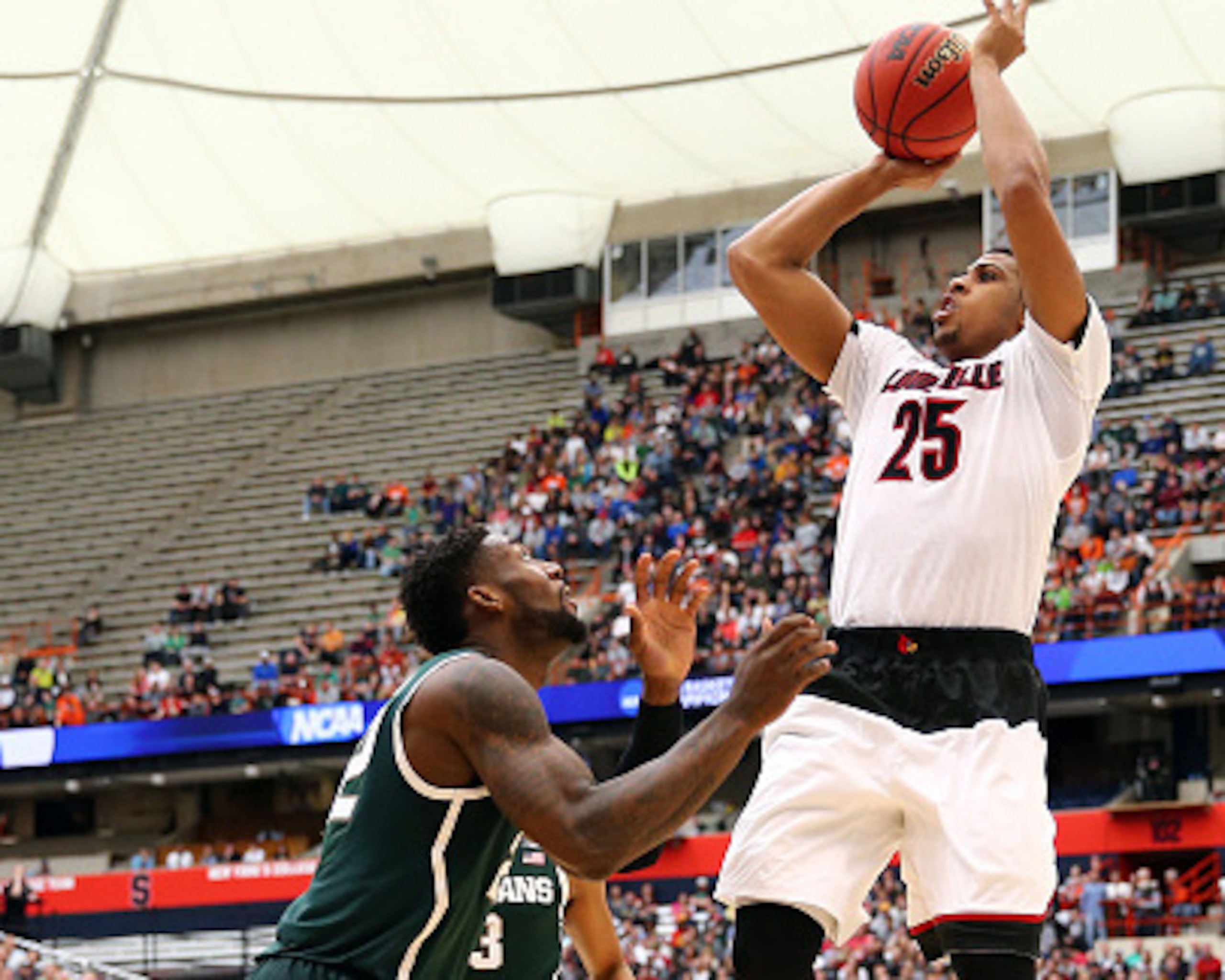
Physical Tools/Athleticism
Wayne Blackshear is slightly undersized for a small forward, a position he's likely to play due to his stiff off-the-dribble game. But he has a strong 215-pound frame and above-average athleticism.
Scoring
Blackshear was somewhat inconsistent in terms of his impact during his four years at Louisville, but he showcased promising shot-making ability. He converted baskets off spot-ups, pull-ups and straight line drives. Playing mostly off the ball, Blackshear averaged 14.7 points and 2.6 made two-point field goals per 40 minutes.
Shooting
Blackshear's shooting stroke passes the eye test, though the consistency just isn't there. He made 2.1 threes per 40 minutes as a senior, but shot just 33.1 percent from deep.
Defensive Potential
Blackshear doesn't have the reputation of being the smartest defender, and he could have trouble on the perimeter against quicker wings. He's capable of holding his own on that end in the Association, but he's not likely to be considered a defensive asset.
Upside
He'll be 24 years old in February, making him one of the older players eligible for the draft. If Blackshear makes it in the NBA, it will be due to his athleticism and shot-making skills. However, his inability to offer much else, as well as his age, keep his ceiling in check.
Overall
Blackshear has been attending workouts, but the chances of him getting drafted seem slim. He's a perimeter scorer with an inconsistent jumper and little defensive potential, likely making him D-League material.
15. Dwayne Polee, San Diego State, 6'7", Senior
7 of 21
Physical Tools / Athleticism
Dwayne Polee is a big-time athlete with NBA explosiveness and hops. He also has solid 6'7" size, though he's on the skinny side at 200 pounds.
Scoring
Polee isn't a dynamic shot creator or scorer off the dribble. He only averaged 15.1 points per 40 minutes and shot an ugly 40.8 percent inside the arc as a senior. Polee is at his best in transition or spotting up, but he struggles finishing or making plays in traffic.
Shooting
He took a major step backward this year, having shot just 29.4 percent from three after shooting 39.1 percent as a junior. On the bright side, he's more than capable of knocking down long-range shots, having made 2.0 threes per 40 minutes.
Defensive Potential
Polee plays with a tremendous motor, and with long arms and quick feet, he has promising defensive potential. He averaged 2.6 steals per 40 minutes.
Upside
Already 23 years old, Polee regressed in 2014-15, which knocked him off the NBA radar. He'll need to prove he can make outside shots in workouts for teams to consider adding him.
Overall
Wings that struggle to shoot and score have very little chance of carving out a long-term role in the Association. He'll likely go undrafted and hope to receive some offers from overseas.
14. Royce O'Neale, Baylor, 6'6", Senior
8 of 21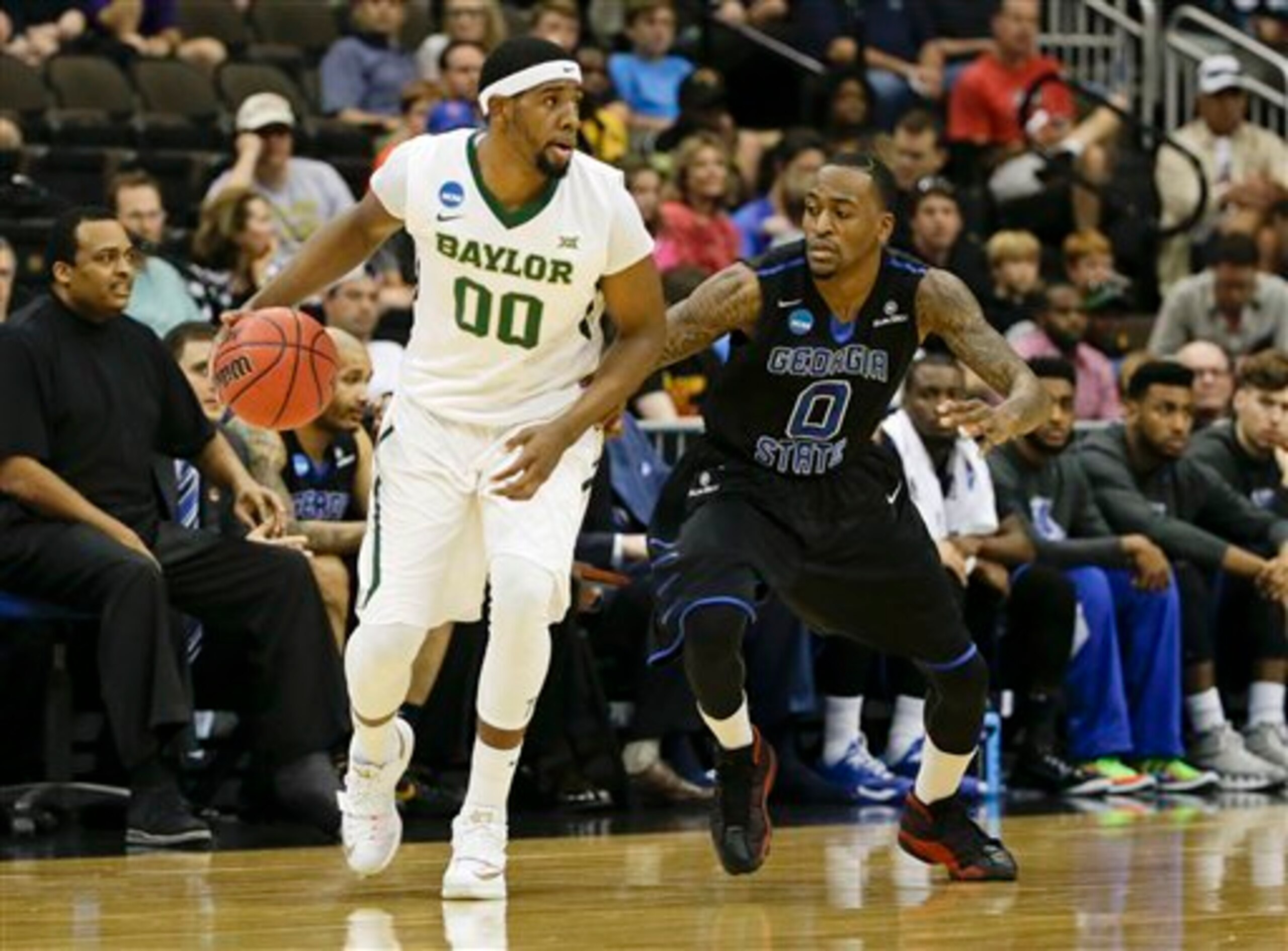
Physical Tools/Athleticism
Royce O'Neale isn't very explosive (25" standing vertical), but he's a fluid athlete. At 6'6", 215 pounds with a 6'10" wingspan, there isn't much to nitpick regarding his physical profile.
Scoring
O'Neale has never been regarded as a scorer. He averaged just 12.6 points and 2.2 made two-point field goals per 40 minutes this past season. O'Neale doesn't project as a player who's going to create his own shot in the half court.
Shooting
O'Neale really improved his shooting stroke over the years, having hit 49 of 112 three-point attempts during his senior season at Baylor. He wasn't a volume shooter, but he capitalized as a spot-up threat and still hit 1.8 threes per 40 minutes.
Defensive Potential
He doesn't project as a lockdown defender, but with strong physical tools, he shouldn't have an issue holding his own as a pro.
Upside
O'Neale is already 22 years old, but if his accurate shooting and above-average passing can carry over, he has some role-player potential to strive for.
Overall
O'Neale has been working out with teams, and if he impresses the right one, he'll have a chance at getting drafted somewhere in the 45-60 range. Expect to see him in the D-League next season, assuming he's willing to go there.
13. Julian Washburn, UTEP, 6'8", Senior
9 of 21
Athleticism/Physical Tools
Julian Washburn checks out physically for a wing with 6'8" size and above-the-rim athleticism. He's on the skinny side at 210 pounds but certainly passes the eye test.
Scoring
Washburn is coming off his least productive offensive season at UTEP, having averaged 12.2 points per 40 minutes. He struggles to create and efficiently finish inside the arc, where he shot 43.3 percent. Washburn also rarely gets to the line for a wing (2.3 free-throw attempts per 40 minutes).
Shooting
Though he regressed as a scorer, Washburn had his best year as a shooter, having made 40 threes at a 38.1 percent clip. He's been erratic from the line and up-and-down from outside throughout his career, but statistically, Washburn's senior season as a shooter was promising.
Defensive Potential
Washburn is a tough, versatile defender who's quick enough laterally to stay in front of wings, guards and ball-handlers. You could argue defense is Washburn's most appealing attribute.
Upside
Washburn is a long shot to make the NBA, but continuing to improve his jumper will improve his odds.
Overall
All it takes is one team to admire his defense and versatility. Even if Washburn doesn't hear his name called, he'll have a chance to make some noise overseas or in the D-League.
12. Treveon Graham, VCU, 6'6", Senior
10 of 21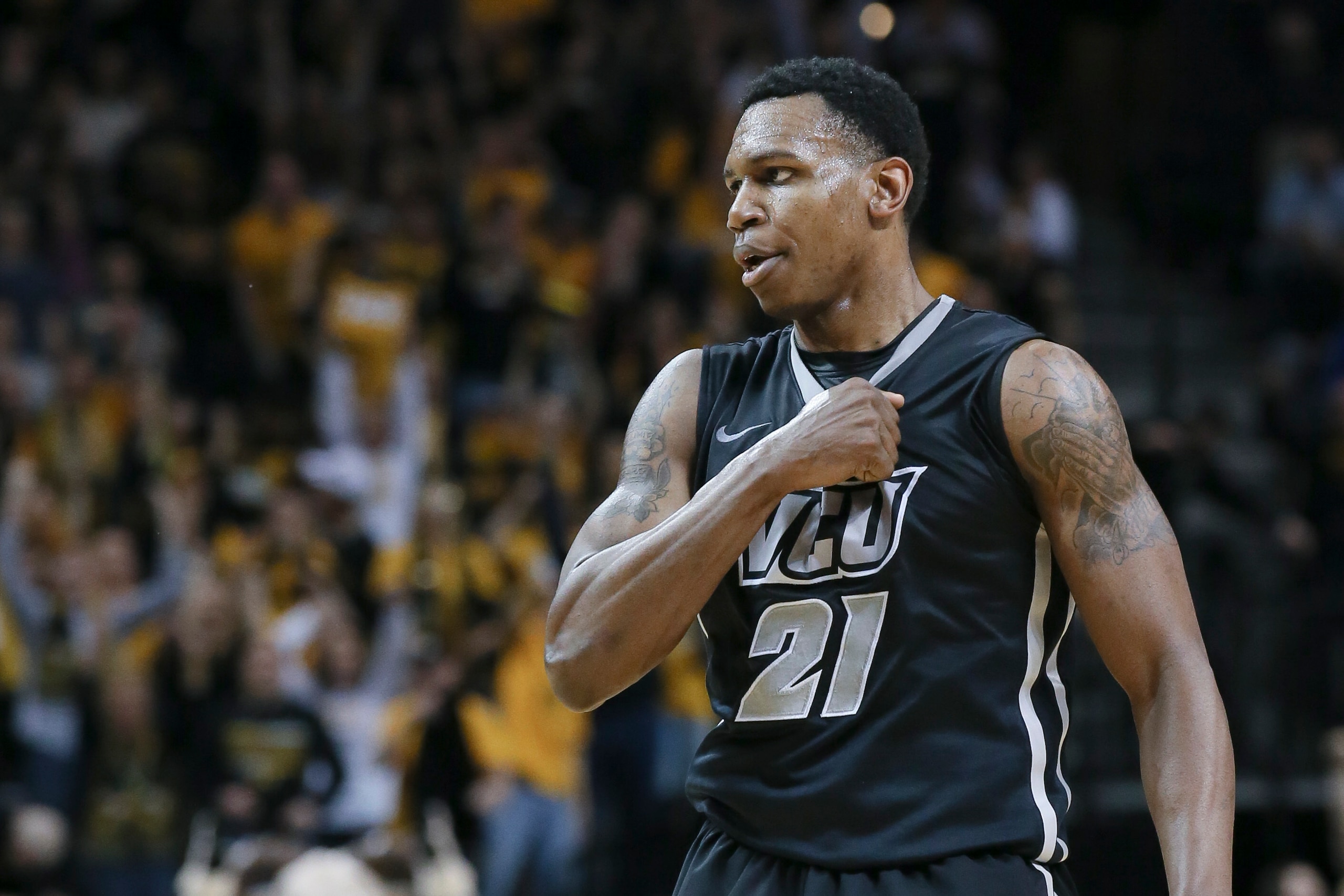
Physical Tools
Treveon Graham has a strong 6'6" frame, but a lack of athleticism and quickness are serious limitations. He shot just 50 percent at the rim, per Hoop-Math.com. Excellent body control off moves like spins and Euro-steps allowed him to score in college, but his inability to explode off the floor will make it difficult for him to separate in the pros.
Scoring
Graham averaged at least 22 points per 40 minutes for the second straight season. He isn't a creative one-on-one scorer but can make shots off pull-ups and curls and is a crafty finisher around the key. However, he only shot 42.8 percent from the floor as a senior. Graham struggles to create high-percentage shots against a set defense.
Shooting
Graham hit 2.6 threes per 40 minutes on 38.1 percent shooting from downtown. He made a nice jump as a shooter after regressing as a junior, when he shot 33.7 percent from three-point range. Graham has a confident release, and if he's able to find an NBA home, he'll likely have his jumper to thank.
Defensive Potential
Though an effective defender in college, Graham's lack of lateral quickness doesn't bode well for his NBA outlook. He projects as an average defender at best.
Upside
There isn't any upside attached to Graham's uninspiring athletic ability. And though he put up a lot of points at VCU, nothing stands out about his game. Graham has the physical build, but whether he makes it as a pro will depend on how reliable he can be as a complementary shot-maker and finisher within an offense.
Overall
He'll get plenty of workouts, but there is no guarantee Graham will get drafted. He'll most likely be in the D-League or overseas next season regardless.
11. Jonathan Holmes, Texas, 6'9", Senior
11 of 21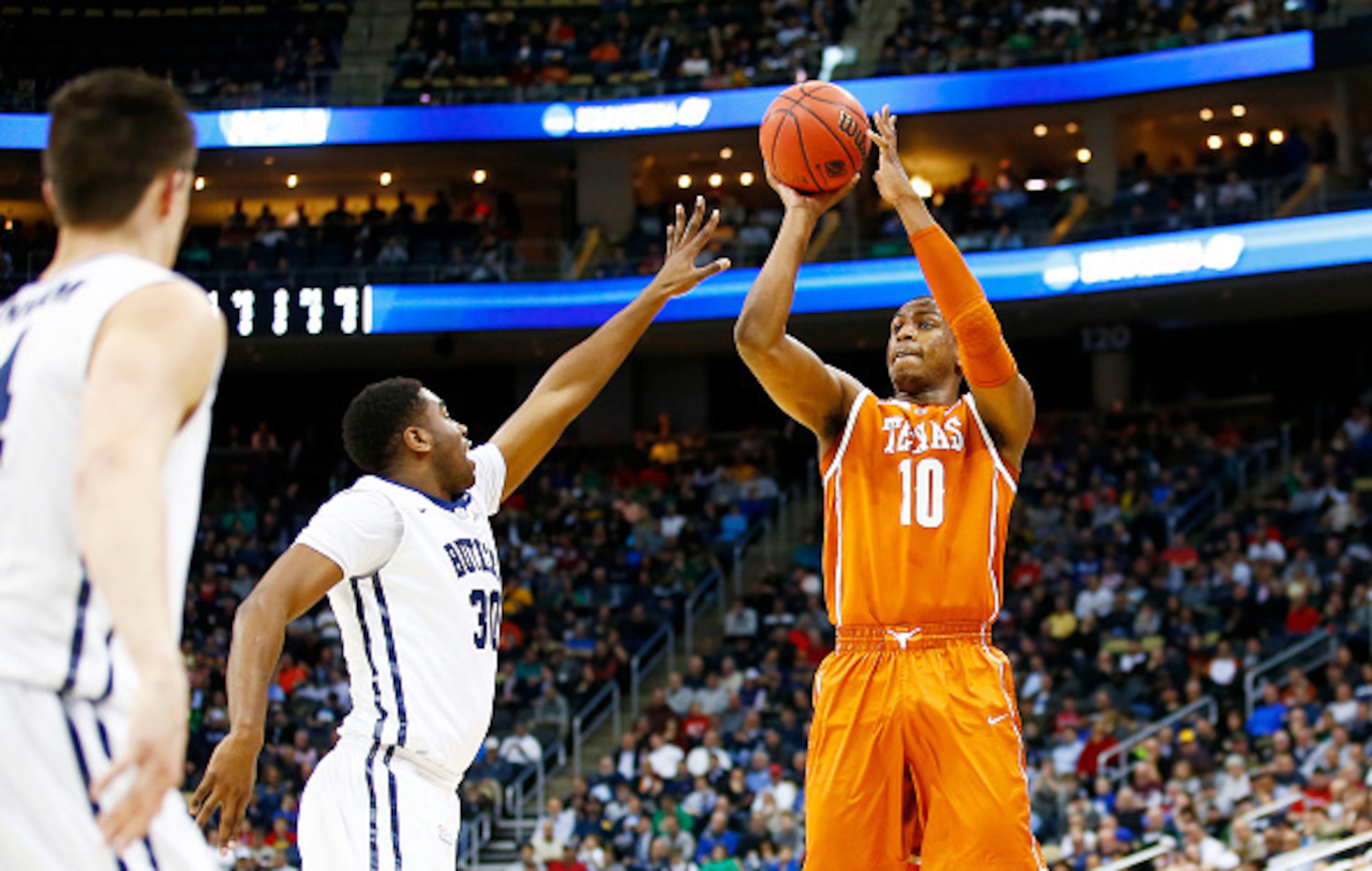
Physical Tools/Athleticism
Jonathan Holmes has a strong 6'9", 242-pound frame for a power forward, though his athleticism (31-inch max vertical) and skill set suggest he can play the 3.
Scoring
Holmes isn't much of a shot-creator. He only made 3.0 two-pointers per 40 minutes and shot just 44.3 percent inside the arc. Holmes also struggled finishing at the rim, shooting 53.3 percent, per Hoop-Math.com.
Shooting
Despite his role as a stretch forward, Holmes only shot 33.1 percent from downtown. And in four years at Texas, he never finished a season above 33.3 percent. He did make 43 threes in 32 games as a senior, and his mechanics look fine. Right now, he's a shot-maker. To stick in the pros, he'll need to evolve into a knockdown shooter.
Defensive Potential
Holmes has the tools to guard both forward positions. He moves well enough laterally, while his size and strength could work against most 4s. He's no lockdown defender, but his versatility and toughness are both big positives.
Upside
If Holmes can become a more reliable shooter, he'll have the chance to stick as a versatile stretch forward off the bench.
Overall
Holmes looks the part, but he's never been a consistent enough shooter for a player who doesn't score one-on-one. Hell be a second-round option for a team that thinks his jumper is better than what the numbers say.
10. Shawn Dawson, Israel, 6'6", 1993
12 of 21Physical Tools/Athleticism
Shawn Dawson is a smooth athlete who can explode for dunks, finish at tough angles and alter his body in midair. Listed at 6'6", 195 pounds, adding strength will be a priority moving forward, especially considering he's already 21 years old.
Scoring
Dawson has improved his ball-handling to the point where he can change directions and get to the rack. He shows impressive shot-making ability off two feet and touch off one on the move. On the year, Dawson is averaging 21.7 points per 40 minutes on an impressive 53.8 percent shooting inside the arc.
Shooting
To date, Dawson is hitting 1.5 threes per 40 minutes, but he isn't quite there yet as a shooter (34.2 percent from three). Still, it's good to see gradual improvement. He'd been below 30 percent from deep the previous two years.
Defensive Potential
Dawson's reputation on defense isn't great, with his awareness and effort having come into question. But in terms of tools and playmaking ability, he's flashed promise.
Upside
A late bloomer, Dawson's name has risen in the draft conversation in 2015, particularly blowing up over the past few months. He would be a senior in college, so it's fair to question how much room he has left to grow. But if he continues to make strides, his athleticism, slashing ability and shot-making skills could hold NBA value.
Overall
With so many international prospects withdrawing at the last minute, Dawson could have a real chance of getting drafted. He'll be a second-round option for teams uninterested in wasting a pick on a college senior with no upside.
9. Anthony Brown, Stanford, 6'6", Senior
13 of 21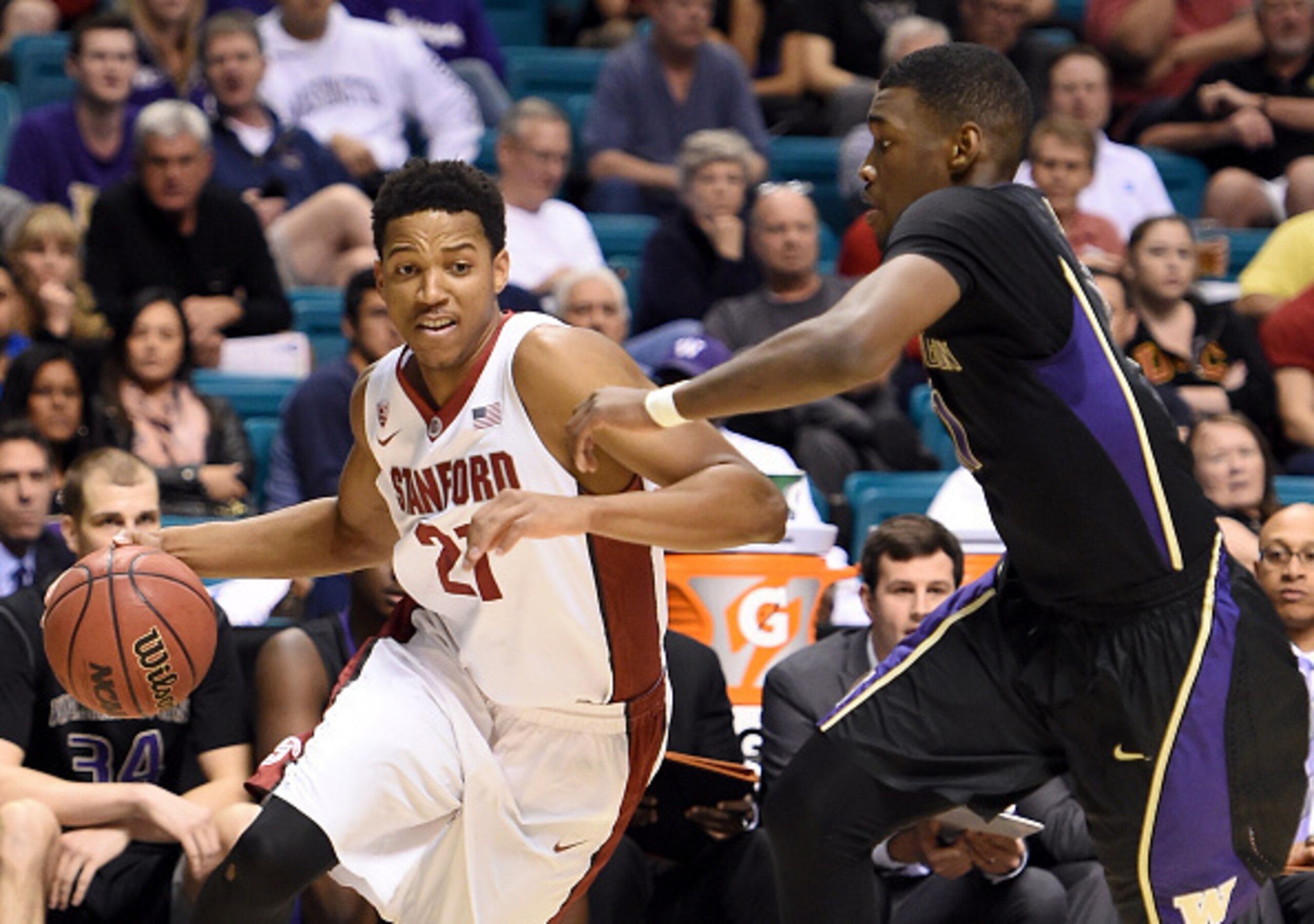
Athleticism/Physical Tools
Anthony Brown has average size for a wing at 6'6" and 215 pounds, though he isn't overly athletic or quick off the dribble. He plays mostly below the rim and out on the perimeter.
Scoring
Brown only made 2.9 two-pointers and averaged 16.6 points per 40 minutes. Brown is a shot-maker—not a scorer. He doesn't project as a player who's going to create his own shot.
Shooting
Brown could be one of the draft's top shooters, having shot at least 44 percent from downtown in back-to-back seasons. His mechanics are clean, and when his feet are set, he doesn't miss too many clean looks from deep.
Defensive Potential
Brown doesn't exactly project as a lockdown or plus defender, but he's not a liability. He has the tools to guard 2s and 3s.
Upside
If Brown gets drafted and finds a way to stick, he'll have his jumper to thank. Best-case scenario, we'll be talking about a shooting specialist whose only job is to knock down threes and hold his own defensively.
Overall
Brown was't overly impressive at the combine. His NBA life will depend on the jumper. Chances are it's good enough for the second round, but he shouldn't be anyone's Plan A.
8. Rondae Hollis-Jefferson, Arizona, 6'7", Sophomore
14 of 21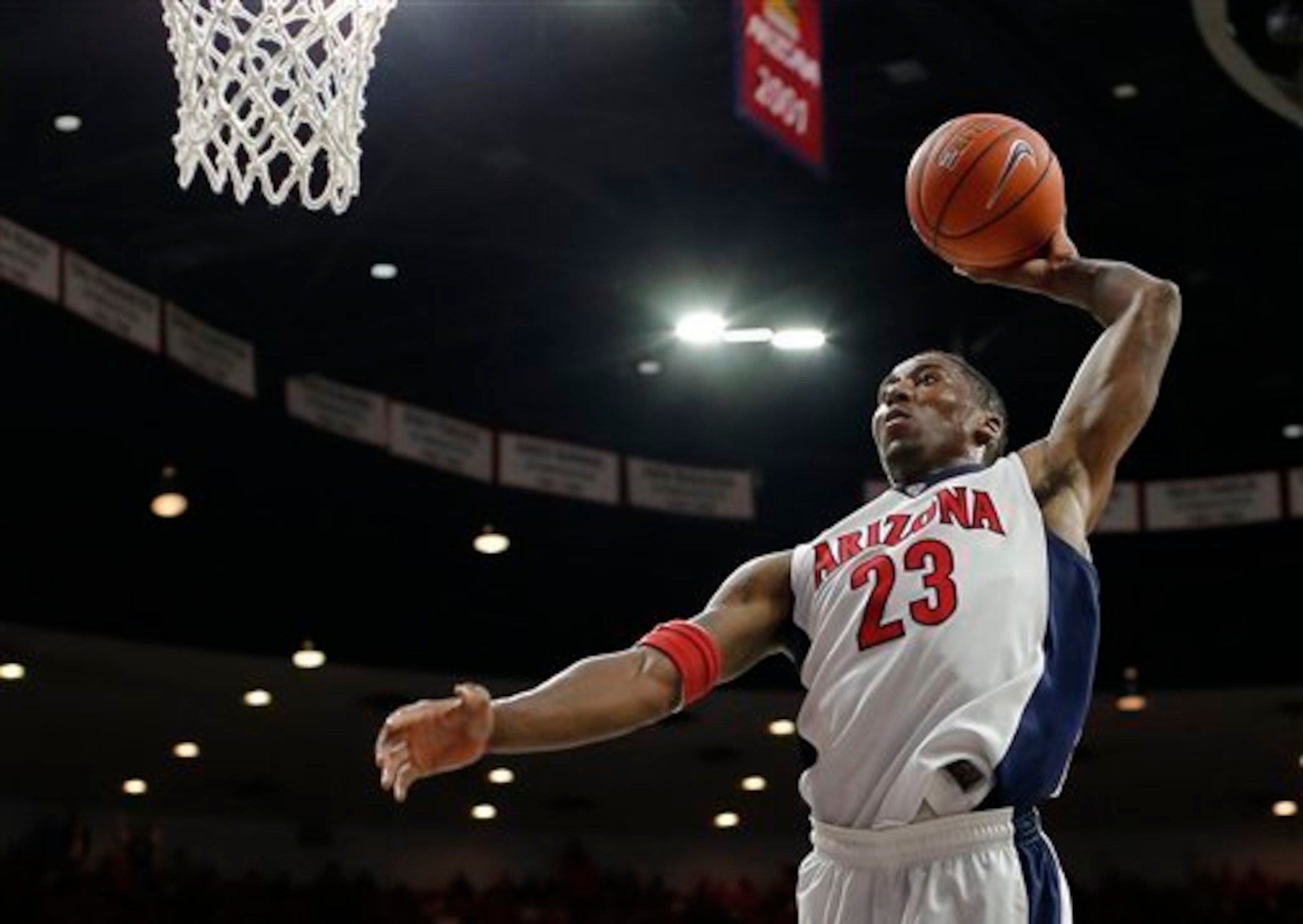
Physical Tools/Athleticism
With 6'7" size, a 7'2" wingspan, quick feet and explosive athleticism, Rondae Hollis-Jefferson checks out physically from every angle.
Scoring
Hollis-Jefferson is at his best offensively in the open floor. In the half court, he can be effective cutting, slashing and driving in straight lines, but he struggles to create his own shot, both as an attacker and perimeter scorer. He averaged 15.7 points per 40 minutes as a sophomore.
Shooting
He'd be a lot higher on most draft boards if only he could shoot. Hollis-Jefferson made a total of eight three-pointers over his two-year career at Arizona, despite averaging at least 25 minutes per game each season. He also shoots poorly from the charity stripe, having knocked down just 70.7 percent of his freebies as a sophomore. This is a major issue for him offensively, as you just don't see many starting wings in the NBA who can't stretch the floor.
Defensive Potential
Hollis-Jefferson will likely go in the first round due to his lockdown defensive potential. He's capable of blanketing three positions, including the opposing team's top perimeter scorer or ball-handler. His lateral quickness and length are both exceptional.
Upside
Without much of an offensive game, team fit could play a big role in Hollis-Jefferson's development and outlook. But his defense should be strong enough to hold value in a specialist role.
Overall
Hollis-Jefferson's NBA Draft 100 grade is low due to his inability to score and shoot. But his lockdown defensive potential should still generate mid-to-late first-round interest. On the other hand, his weaknesses could make him vulnerable to slipping.
7. Daniel Diez, Spain, 6'8", 1993
15 of 21Physical Tools/Athleticism
Daniel Diez has a strong upper body for a wing to go with excellent 6'8" size. He's not overly explosive, but he's agile and plays with a live motor. Diez's activity level and strength also translated to 9.2 rebounds per 40 minutes this season with Gipuzkoa Basket in the Spanish ACB.
Scoring
One of the more productive players in the ACB, Diez averages 12.1 points in 29.6 minutes on an impressive 48.0 percent shooting. He isn't a go-to option, but Diez does a nice job of picking up buckets off spot-ups, slashes, cuts and fast breaks.
Shooting
Diez has become an extremely accurate shooter, having hit 58 of his 140 three-point attempts (41.4 percent) this season. He's made serious strides with his jumper in 2014-15, which has improved his chances of getting drafted.
Defensive Potential
Though not the best athlete, Diez makes up for it with mobility and energy. He doesn't project as a plus defender but should be able to hold his own against other role-playing wings.
Upside
Diez has some interesting role-player potential thanks to his shooting stroke, ability to finish off the ball and rebound. Despite already being 22 years old, he should still receive second-round consideration.
Overall
He'll be a second-round, draft-and-stash option without much upside. However, Diez's promising role-playing potential should be enough to get some team to bite.
6. Darrun Hilliard, Villanova, 6'6", Senior
16 of 21
Physical Tools/Athleticism
Darrun Hilliard has adequate size at 6'6", 215 pounds, but he's fairly average athletically. He can play above the rim when given the momentum to rise up, though he isn't particularly quick or explosive.
Scoring
Hilliard averaged exactly 14.3 points per game for the second straight year, having added little to his offensive repertoire. Still, he can clearly put the ball in the hole. He's a finesse scorer who can handle the ball and knock down difficult shots away from the basket. Hilliard spends most of his time on the perimeter, having averaged just 2.9 free-throw attempts per game as a senior. His field-goal percentage also fell to 44.0, though his .576 true shooting percentage from this past year is still respectable.
Shooting
Hilliard has a good-looking lefty stroke that's become his offensive bread and butter. He hit 3.1 threes per 40 minutes at a convincing 38.7 percent clip.
Defensive Potential
Hilliard was an effective wing-defender at the college level. There is nothing special about his tools, but his defensive IQ is sharp. Defense will be part of the package he offers to NBA teams.
Upside
Hilliard's value comes in the form of shot-making. He's also a smart, capable defender. He'll have the potential to find a role as a low-end, role-playing reserve.
Overall
He didn't receive an NBA combine invite, and he hasn't generated much buzz. But it's impossible to ignore Hilliard's shot-making ability and defense. He'll be a prospect to watch in summer league if he doesn't get picked in June.
5. Sam Dekker, Wisconsin, 6'9", Junior
17 of 21
Athleticism/Physical Tools
In addition to possessing above-average athleticism, Sam Dekker has terrific 6'9" size with a 6'11.5" wingspan. He's also added significant strength to his frame over the years, weighing in at nearly 220 pounds at the combine.
Scoring
Dekker shouldn't be considered a go-to scorer, but he did an excellent job of picking up buckets opportunistically off drives, cuts and spot-ups during his junior year at Wisconsin. He was very efficient inside the arc, knocking down 63.9 percent of his two-point attempts. Dekker averaged 17.9 points per 40 minutes while sporting a .605 true shooting percentage.
Shooting
Dekker was erratic from outside for the second straight year. He made 50 threes, so he's certainly capable, but he finished at 33.1 percent after hitting just 32.6 percent as a sophomore. Becoming consistent as a long-range shooter will be the key to his NBA success.
Defensive Potential
He isn't a lockdown defender, but his size and mobility should allow him to take on the game's bigger wings. Coaches may also be able to stick him on hybrid stretch 4s given his 6'9" height.
Upside
The inability to create lowers his ceiling, but Dekker flashed promising role-player potential stemming from his versatility, shot-making ability and basketball IQ.
Overall
Dekker's NCAA tournament breakout launched him into the lottery conversation. He's more of a safe bet than an upside pick. He'd work well on a team like the Oklahoma City Thunder, who would allow him to play to his strengths and away from his weaknesses as a playmaker.
4. Kelly Oubre, Kansas, 6'7", Freshman
18 of 21
Athleticism/Physical Tools
Kelly Oubre is an electric athlete with above-the-rim bounce and quickness along with a 7'2" wingspan. He will just need to add bulk to his skinny 203-pound frame.
Scoring
At this point, Oubre is more of a shot-maker than a scorer. He isn't a particularly threatening one-on-one player, mostly picking up buckets off spot-ups, slashes and line drives with the game slowed down. He's at his best in transition, where he can slice to the rack and finish.
Shooting
Oubre wasn't overly consistent from outside but has a very promising shooting stroke with a clean, lefty release. He made 34 threes in 36 games at an average 35.8 percent clip. Oubre's jumper should eventually become a major weapon in his offensive arsenal.
Defensive Potential
Oubre struggled at times with defensive awareness and energy, but his natural talent and tools are tough to argue with. He's quick, extremely long, and at 6'7", he'll be able to match up with 2s and 3s. Oubre will just need to improve his motor and IQ.
Upside
Oubre isn't quite ready to make an immediate NBA impact after playing just 21.0 minutes per game as a freshman. But between his physical tools, top-notch athleticism and shot-making ability, he offers starter potential as a two-way wing.
Overall
Oubre is a lottery talent who just doesn't have the production to show for it. If he goes within the top 14, which is possible, it's due to his upside. However, the fact he struggled with shooting inconsistency, shot creativity and effort could result in a mini-slide into the late teens.
3. Justin Anderson, Virginia, 6'6", Junior
19 of 21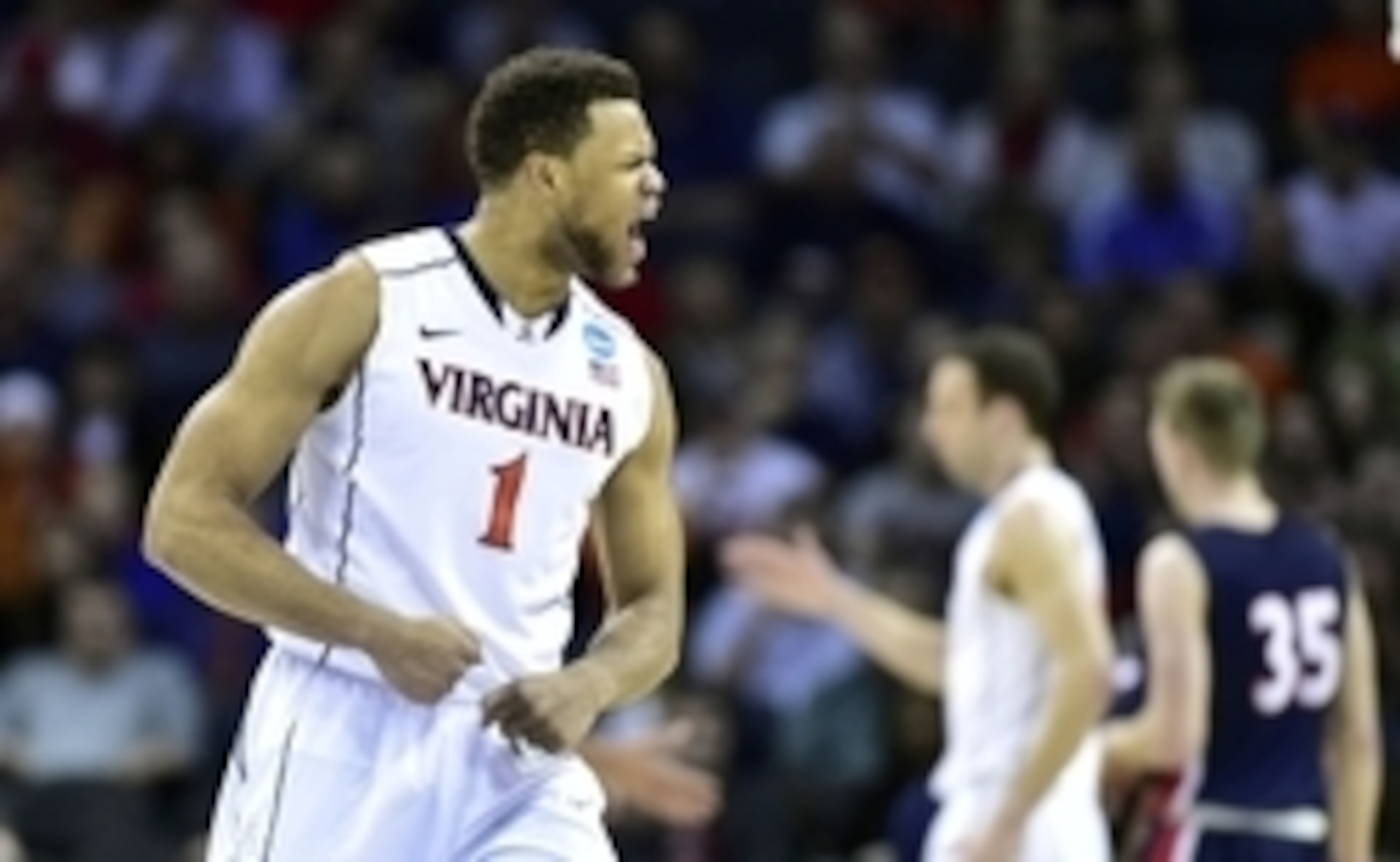
Physical Tools/Athleticism
Justin Anderson has above-the-rim bounce and a diesel 231-pound frame. That combination of strength and athleticism fuels his effectiveness and drives his potential.
Scoring
Anderson is a shot-maker, not a scorer. He doesn't handle the ball or create, having made only 3.1 two-point field goals per 40 minutes as a junior. Anderson did most of his damage as a shooter, cutter and line-driver, which is what he projects to do at the next level, too.
Shooting
After struggling as a shooter through two years at Virginia, everything seemed to click for Anderson in 2014-15. He shot a lights-out 45.2 percent from downtown, made 2.6 threes per 40 minutes and registered an impressive .610 true shooting percentage. In one offseason, he changed the mechanics on his jumper and consequently improved his NBA outlook dramatically.
Defensive Potential
Anderson is a physical defender who can keep his man in front of him. He'll have the ability to give both 2s and 3s trouble on the wing with his strength and relentless motor.
Upside
If it turns out Anderson's three-ball is legitimate, he's a good bet to last and potentially start down the road as a three-and-D wing. But given how limited he is offensively without the jumper, his margin for error as a shooter will be small.
Overall
Anderson has emerged as a first-round prospect. An inability to create will keep him out of the lottery, but for teams seeking out shooting and toughness—perhaps the Chicago Bulls at No. 22—Anderson should receive heavy consideration.
2. Stanley Johnson, Arizona, 6'7", Freshman
20 of 21
Athleticism/Physical Tools
Stanley Johnson already looks the part of an NBA wing with 6'7" size and a 242-pound frame. He has nearly 45 pounds on someone like Andrew Wiggins, who plays the same position. Johnson is also an above-average athlete, though he's isn't overly explosive.
Scoring
As a freshman, Johnson emerged as Arizona's go-to option, averaging 19.4 points per 40 minutes. He can score from all three levels, with the ability to spot up, pull up or attack the basket and get to the line. Moving forward, he'll need to improve his shot selection and creation against a set defense. He also had trouble finishing at the rim, shooting just 52.7 percent, per Hoop-Math.com.
Shooting
Johnson cooled off down the stretch but finished the year shooting a respectable 37.1 percent from downtown. He made 1.6 threes per 40 minutes, looking comfortable and natural as a shooter both off the catch and the dribble. After his freshman season, scouts have to feel good about Johnson's shooting potential.
Defensive Potential
Johnson will be able to match up with any guard or wing in the league. And when he's engaged, the Arizona product can really lock down. He'll just need to stay engaged and aware to maximize his monster defensive potential.
Upside
Johnson is rock solid in almost every facet of the game. He projects as a two-way wing and an overall safe bet thanks to his defensive tools, a promising jumper and developing offensive repertoire.
Overall
With a handful of lottery teams in the market for a wing, Johnson could really go anywhere from Nos. 5-10. He's one of the safest options in this year's field. He'll also become a serious value pick if he ends up going to Charlotte at No. 9 or the Miami Heat right after.
1. Justise Winslow, Duke, 6'6", Freshman
21 of 21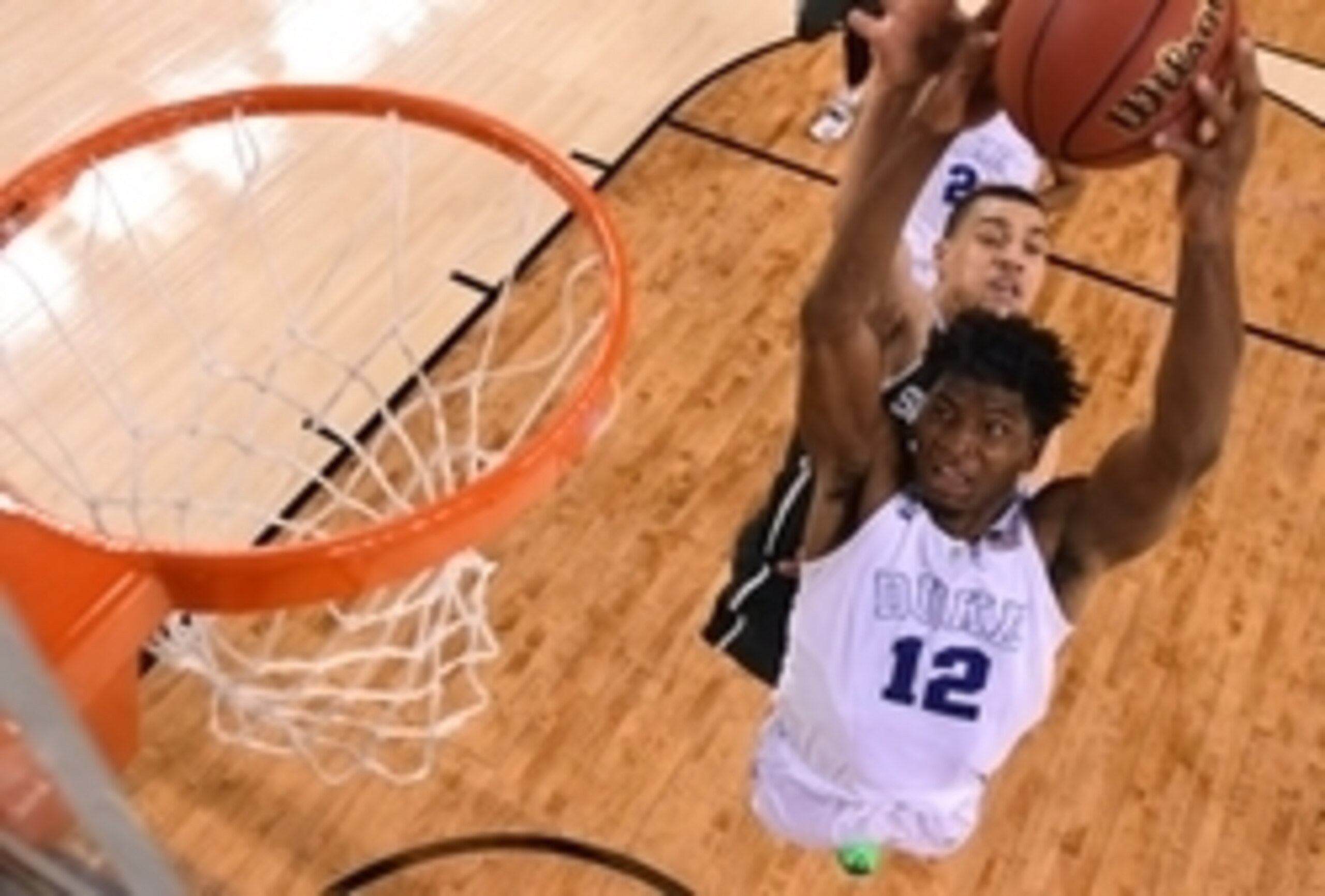
Physical Tools/Athleticism
At 6'6", 225 pounds, Justise Winslow has a terrific physical profile for a small forward and possesses tremendous quickness, strength and athleticism to go with it.
Scoring
Winslow is still a bit raw offensively, as he wasn't a player Duke often isolated or asked to create. Winslow averaged 17.3 points per 40 minutes, doing most of his work slashing, cutting and spotting up off the ball. He'll need to improve his handle and mid-range game, having shot just 26.9 percent on two-point jumpers, per Hoop-Math.com.
Shooting
Winslow actually shot much better than most would have anticipated following his high school career. He made a three in 33 of 39 games, converting 41.8 percent of his attempts. Winslow has a nice, lefty stroke but only shot 64.1 percent from the free-throw line and showed no signs of a pull-up game.
Defensive Potential
Winslow has excellent defensive tools (6'10" wingspan), awesome foot speed and a relentless motor. He forces turnovers and offers the versatility to guard three positions. Winslow has the potential to become a lockdown NBA wing.
Upside
If he can sharpen up his ball skills and continue improving his jumper, we could be talking about a two-way All-Star small forward.
Overall
Winslow will go top-nine in the draft due to his potential. He could even go as early as No. 4 to New York. But like Kawhi Leonard out of San Diego State, Winslow's best chance of succeeding will be on a team that offers him talent to play off of as well as time to develop.
All advanced statistics via Sports-Reference.com, unless otherwise noted. All player measurements via NBA.com, Sports-Reference.com or DraftExpress.




.jpg?w=2560 "Latest Peyton-Colts Rumors")