

Is it better for football managers to leave with their heads held high or tough it out and risk an ignominious exit?
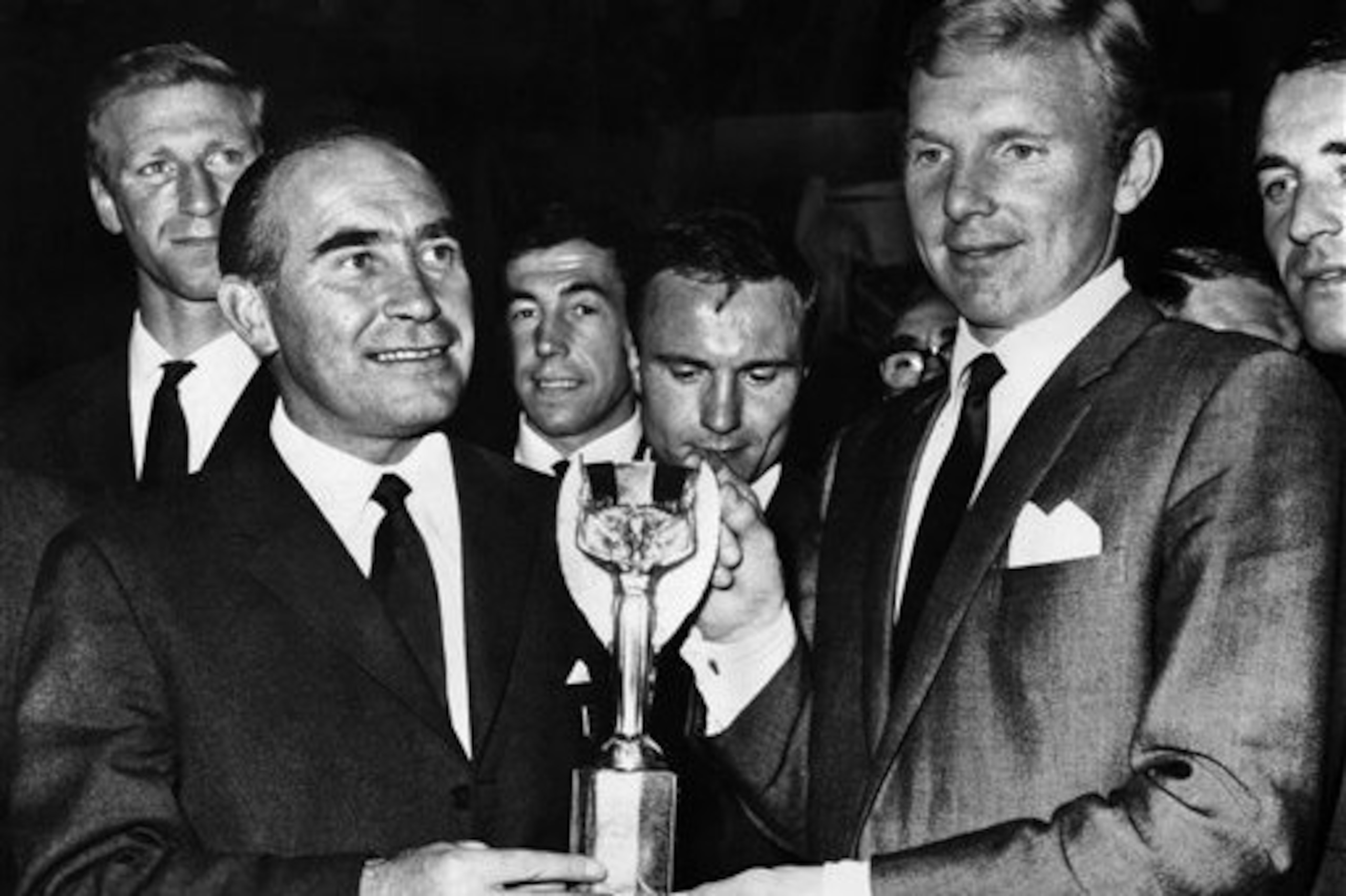
Forty-one years ago in April, England's only World Cup-winning boss, Sir Alf Ramsey, would probably have told you the former. The man who had been on top of the world eight years earlier was sacked for his team's failure to qualify for the 1974 World Cup in West Germany.
Ramsey's 11-year tenure as England boss was over, but he's by no means been the only manager who has gone from hero to zero during his time in charge.
As these examples show, football—particularly international football—can be an exceptionally cruel business.
One minute you're up; the next, you're down.
Luiz Felipe Scolari, Brazil
1 of 20
The Brazil team that went to the 2002 World Cup in Korea and Japan weren't considered a vintage outfit, even by their own fans, especially after a relative struggle to even reach the finals.
But after appointing Luiz Felipe Scolari a year before the tournament, the Brazilians stormed to victory in Asia, beating Germany in the final thanks to a brace from their talisman, a revitalised Ronaldo, with Scolari walking away from the job after the victory.
After stints with the Portugal national team, Chelsea, Uzbek club Bunyodkor and Palmeiras back in Brazil, Scolari returned to the Brazil job a decade after he left with his eyes on winning the 2014 World Cup, which was being hosted by the South American superpower and which Brazilians expected their team to win. It didn't go well.
Brazil managed to get the semi-finals, but their utter humiliation in the 7-1 defeat to Germany meant that Scolari had nowhere to turn. He resigned after the tournament, no doubt wishing that people would remember him for what he did 12 years earlier.
Marcello Lippi, Italy
2 of 20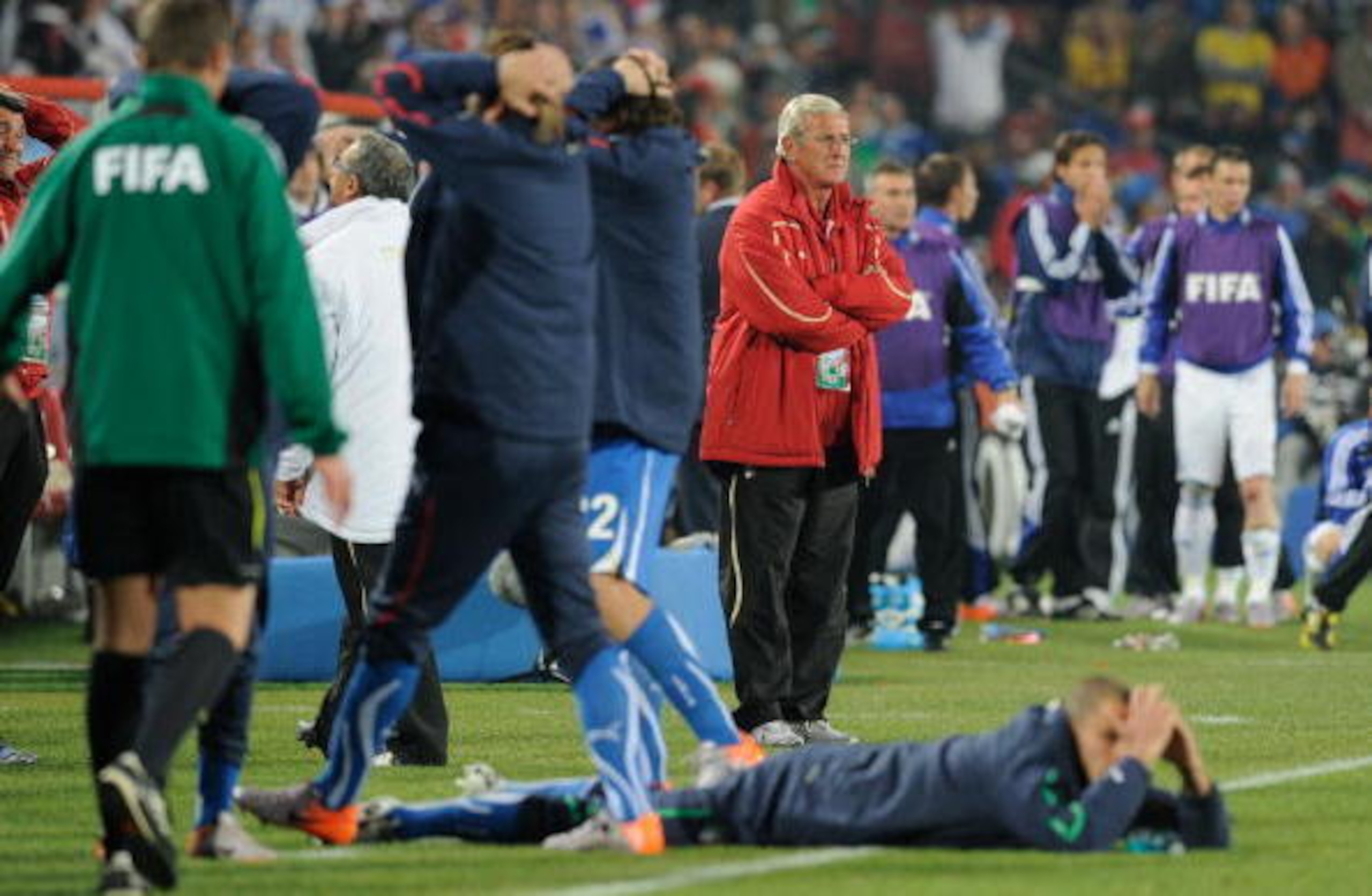
After leading Italy to World Cup glory by beating France on penalties in the 2006 final in Berlin, it seemed as though veteran boss Marcello Lippi—an icon at Juventus and winner of five Serie A titles and the Champions League in 1996—had done it all and could move on to the next challenge.
Sure enough, Lippi opted not to renew his contract with the Azzurri and was replaced by Roberto Donadoni. After the new boss was sacked as a result of a disappointing Euro 2008, the temptation to come back for the 2010 World Cup in South Africa was too great for Lippi.
In a trait that we will see is all too common among our "heroes to zeros," Lippi's decision to stand by the stalwarts responsible for the success in Germany four years earlier proved to be his undoing, and Italy endured a disastrous campaign in what looked a relatively simple group.
Draws with Paraguay and New Zealand and a 3-2 defeat to Slovakia led to them finishing bottom of their group and being knocked out, with the hero of four years previously immediately resigning from his post.
Carlos Alberto Parreira, Brazil
3 of 20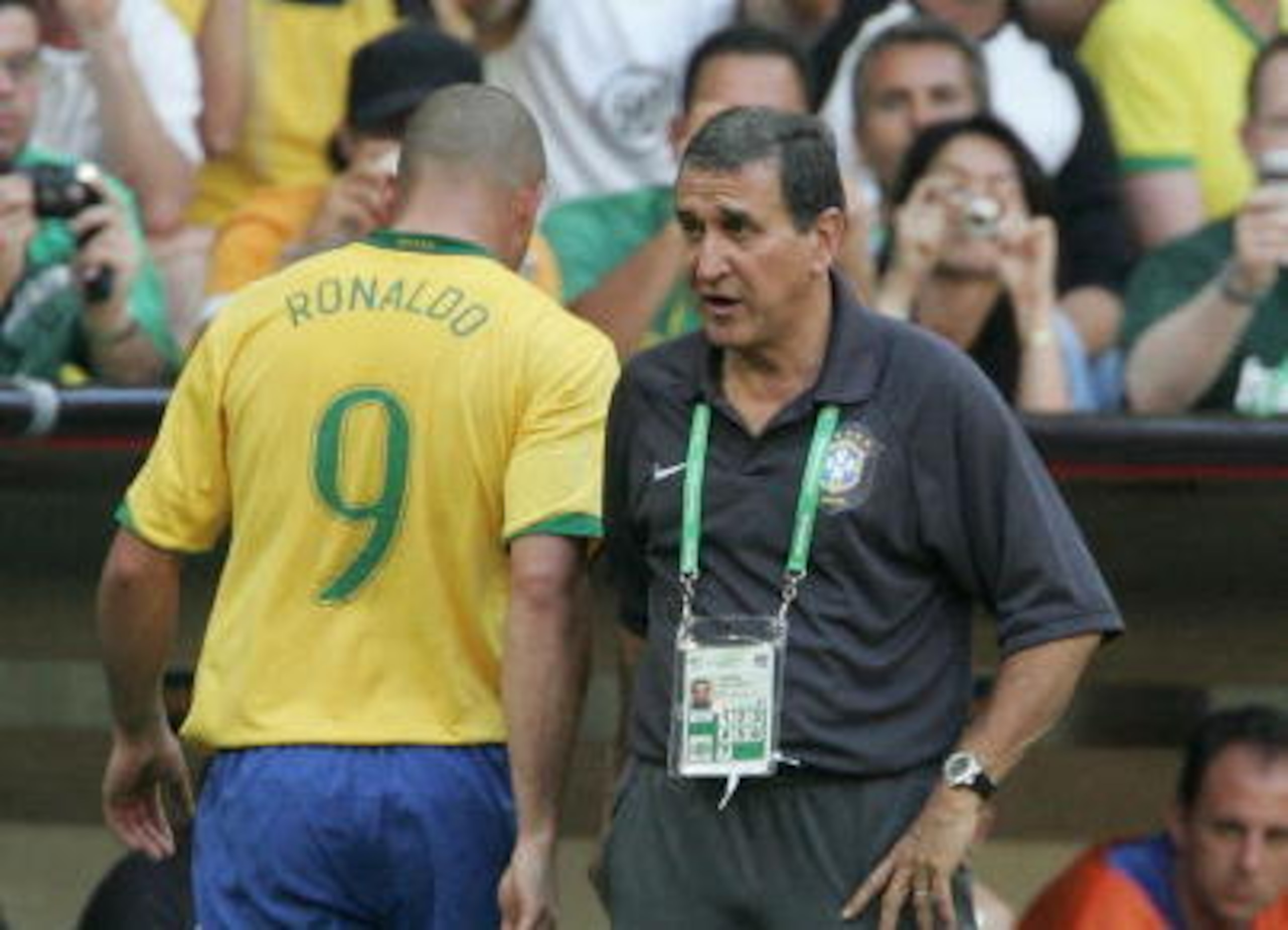
Like Scolari before him, 12 years separated Carlos Alberto Parreira's two World Cups in charge of Brazil, and his experiences at both were very different.
In 1994, the well-travelled boss managed to lead his nation to victory in the USA, where Brazil's penalty-shootout success over Italy in the final in Pasadena secured a fourth world crown for the Selecao and allowed Parreira to experience a couple of lucrative club jobs in Europe at Valencia and Fenerbahce.
Plenty more moves followed—including coaching Saudi Arabia at the 1998 World Cup—before he took the Brazil reins again for the 2006 tournament in Germany.
It was far from a vintage Brazil side, though, and with Ronaldo ageing and less effective, they failed to produce the style of football their followers demand. France knocked them out in the quarter-finals, and Parreira resigned following heavy criticism.

Vicente Del Bosque, Spain
4 of 20
He's still in the job now, so there is plenty of opportunity for Vicente Del Bosque to turn things around, but few World Cup-winning managers have experienced quite the crash down to earth the Spain boss felt at the World Cup last summer.
Four years earlier, Del Bosque and Spain saw all of their hard work come to fruition on a global scale when they lifted the 2010 World Cup in South Africa, following the 1-0 extra-time win over the Netherlands. That was followed up by success at Euro 2012, during which they arguably played better football.
In Brazil in 2014, though, things fell apart.
Del Bosque's side were eliminated after just two matches—an embarrassing 5-1 defeat to the Dutch followed by a 2-0 loss to Chile.
Despite some calls for him to go, the manager has kept his job. The attempt at a recovery is underway during the qualification stages for Euro 2016.
Helmut Schon, West Germany
5 of 20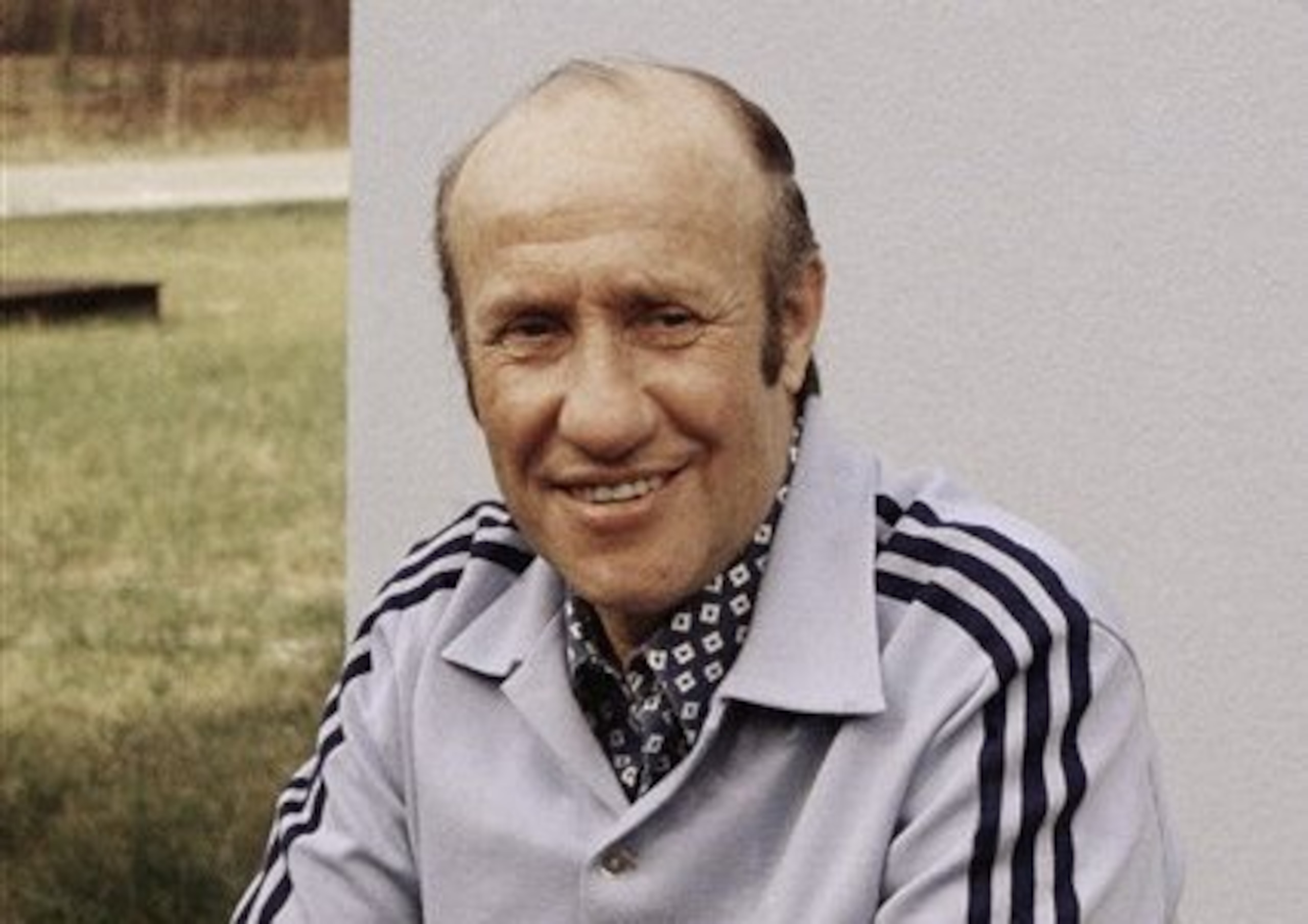
Along with England's Walter Winterbottom, West Germany coach Helmut Schon is one of only two men to manage the same team at four consecutive World Cups, earning legendary status in the process.
After his team were runners-up in 1966 and third place in 1970, Schon—whose West Germany side won the European Championship in 1972—led the West Germans to World Cup glory when they hosted the tournament in 1974, beating the Netherlands in the final.
Despite having captured the holy grail and having been in the job for over 10 years, he just wanted to keep going, but that led to disaster at the 1978 World Cup in Argentina, where West Germany lost out in the second round to an already-eliminated Austria—a result which still ranks high among the worst in the nation's proud football history.
Schon will always be revered for what he did for German football, but this was an undignified way to bow out.
Enzo Bearzot, Italy
6 of 20
Setting a template that was to be followed later by Marcello Lippi, Italy coach Enzo Bearzot ended his reign as with the Azzurri against the backdrop of rising criticism where once there only been praise.
Bearzot was the man who led Italy to their first World Cup triumph since 1938, guiding them to victory at the 1982 tournament in Spain, which ended with a 3-1 victory over West Germany in the final at the Bernabeu in Madrid.
A former Torino defender, Bearzot was praised for instilling discipline in his players and preventing them from talking to the press in order to create a siege mentality, but standards were allowed to slip alarmingly following that World Cup success.
Remarkably, Italy failed to qualify for Euro 1984—one of only two major tournaments they've missed out on in the last 31 years—before a second-round defeat to France at the 1986 World Cup in Mexico led to Bearzot's resignation, with many criticising him for an overreliance on players from four years earlier.
Cesar Luis Menotti, Argentina
7 of 20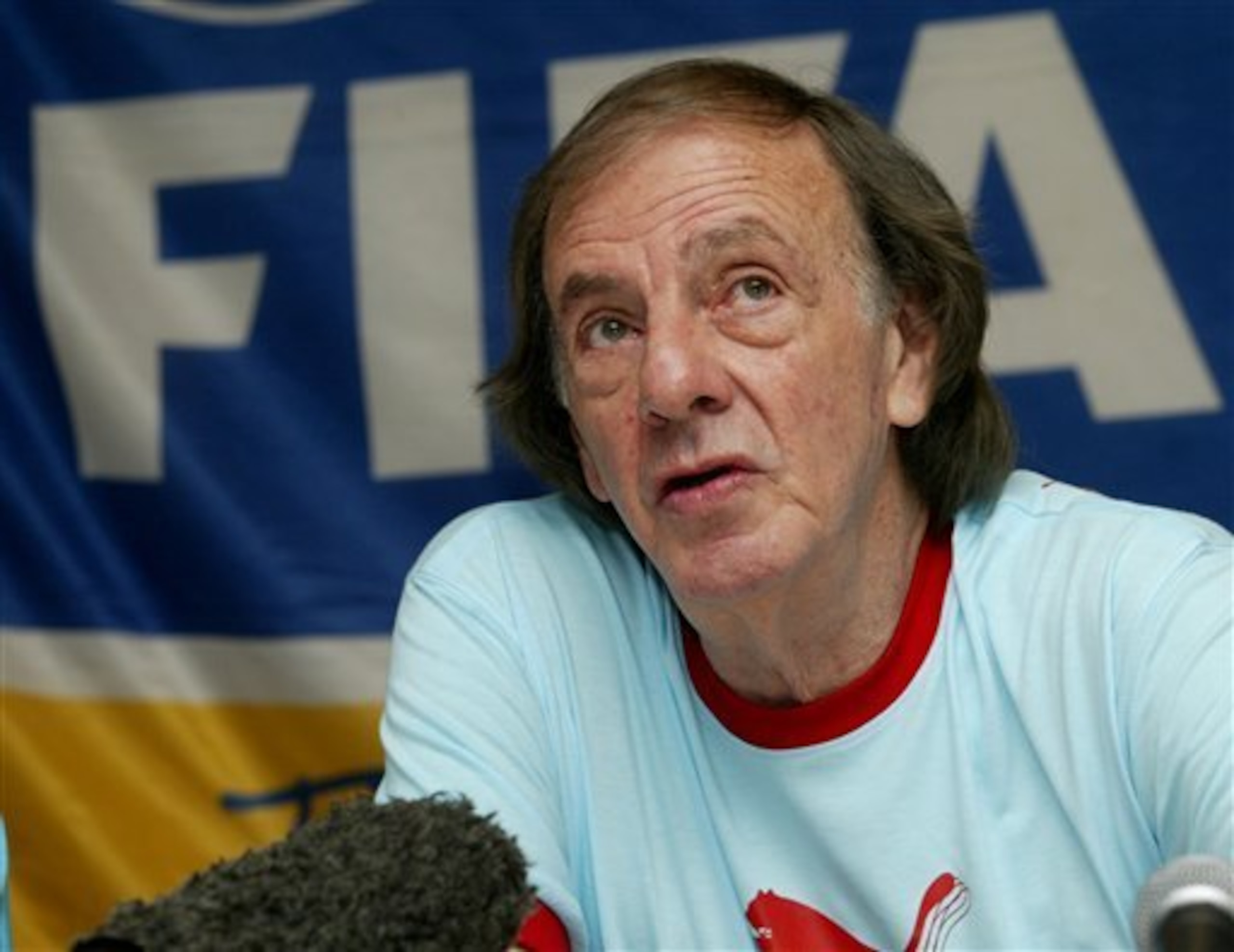
As with most others on this list, you'll struggle to find many people touched by their managerial achievements actively admitting that they ended up as a "zero," but it is true to say that Argentina's 1978 World Cup-winning coach, Cesar Luis Menotti, ultimately had a great deal of regrets.
After leading his team to success at their own World Cup in 1978—in which they beat the Netherlands in the final—Menotti renegotiated his contract with the Argentinian FA and began preparing the team for the 1982 tournament in Spain, by which point a certain Diego Maradona had broken through.
But while Maradona and others revolutionised the way Argentina attacked, Menotti stuck with the same defenders who served him so well four years previously.
The result? A disappointing tournament that started with a shock loss to Belgium and ended with ignominious defeats to Italy and Brazil in the second group stage, at which point Menotti's fate was sealed.
Vicente Feola, Brazil
8 of 20
The first man to bring the World Cup to Brazil didn't look much like a football manager, and by the end of the 1966 tournament, he wasn't Brazil's boss any more.
Short and tubby, Vicente Feola took the Brazilians to the 1958 World Cup in Sweden following various stints as boss of Sao Paulo. It was at that tournament he introduced the world to a 17-year-old Pele as the Brazilians lifted the first of their five world crowns, beating the hosts in the final.
He returned to the job eight years later at the World Cup in England, but an injury to Pele and a loss to Hungary placed his side under extreme pressure. Feola opted to make sweeping changes to his team for the must-win group-stage match against Portugal at Everton's Goodison Park.
They lost 3-1 to their Eusebio-inspired opponents, and Feola never managed again.
Roger Lemerre, France
9 of 20
Aime Jacquet perhaps realised that things could never really get any better after he led a France team riding on a wave of social change to World Cup glory in Paris in 1998, and he promptly resigned. He was replaced by his assistant, Roger Lemerre.
At first, it was a seamless handover, with the French sweeping to victory at Euro 2000 thanks to the prodigious talents of Zinedine Zidane—who probably had his best tournament in the Netherlands and Belgium—as well as the likes of Thierry Henry, Robert Pires and David Trezeguet, who scored the Golden Goal winner in the final against Italy.
Lemerre was riding on the crest of a wave, but it all came crashing down in Seoul on May 31, 2002, when Senegal stunned the world champions by beating them in their opening match of the World Cup.
France couldn't recover. They drew 0-0 with Uruguay and lost 2-0 to Denmark to make a humiliating early exit from the tournament, with Lemerre's sacking not far behind.
Berti Vogts, Germany
10 of 20
The winner of 96 caps as a player for West Germany and then the their under-21 boss for 11 years and the senior team's assistant for four, Berti Vogts was always destined to become his nation's manager.
Vogts took over a unified Germany after Franz Beckenbauer led West Germany to World Cup success in 1990. After a shock defeat to Denmark in the Euro '92 final and being knocked out at the quarter-finals of the 1994 World Cup, Vogts led the Germans to success in the Euro '96 tournament in England, where they avoided a Denmark-like upset to beat the Czech Republic in the final at Wembley.
As we have seen with others on this list, though, Vogts stuck with some of his old faces for too long, and he presided over a disappointing 1998 World Cup tournament, in which the Germans were beaten 3-0 by a young, vibrant Croatia in a quarter-final in Lyon, and he subsequently he resigned.
Stints as the boss of Kuwait, Scotland, Nigeria and Azerbaijan followed, but an enhanced reputation did not.
Jupp Derwall, West Germany
11 of 20
Although he's mentioned in this article, following Helmut Schon was never going to be an easy task for whichever coach came after him, but Jupp Derwall made a pretty impressive start.
The assistant to Schon for eight years, Derwall made changes to the team that flopped at the 1978 World Cup and introduced new players such as Fortuna Dusseldorf forward Klaus Allofs.
The result was a hugely impressive victory at the European Championship in Italy in 1980, in which Belgium were beaten in the final and Allofs ended as the tournament's top goalscorer.
Things began to go sour at the 1982 World Cup in Spain, though. Although Germany reached the final, they did so despite losing to Algeria and playing a highly controversial match against Austria along the way.
Derwall began to lose popularity, which then nosedived after a group-stage exit at the European Championship in France in 1984. His resignation following soon after.
Vaclav Jezek, Czechoslovakia
12 of 20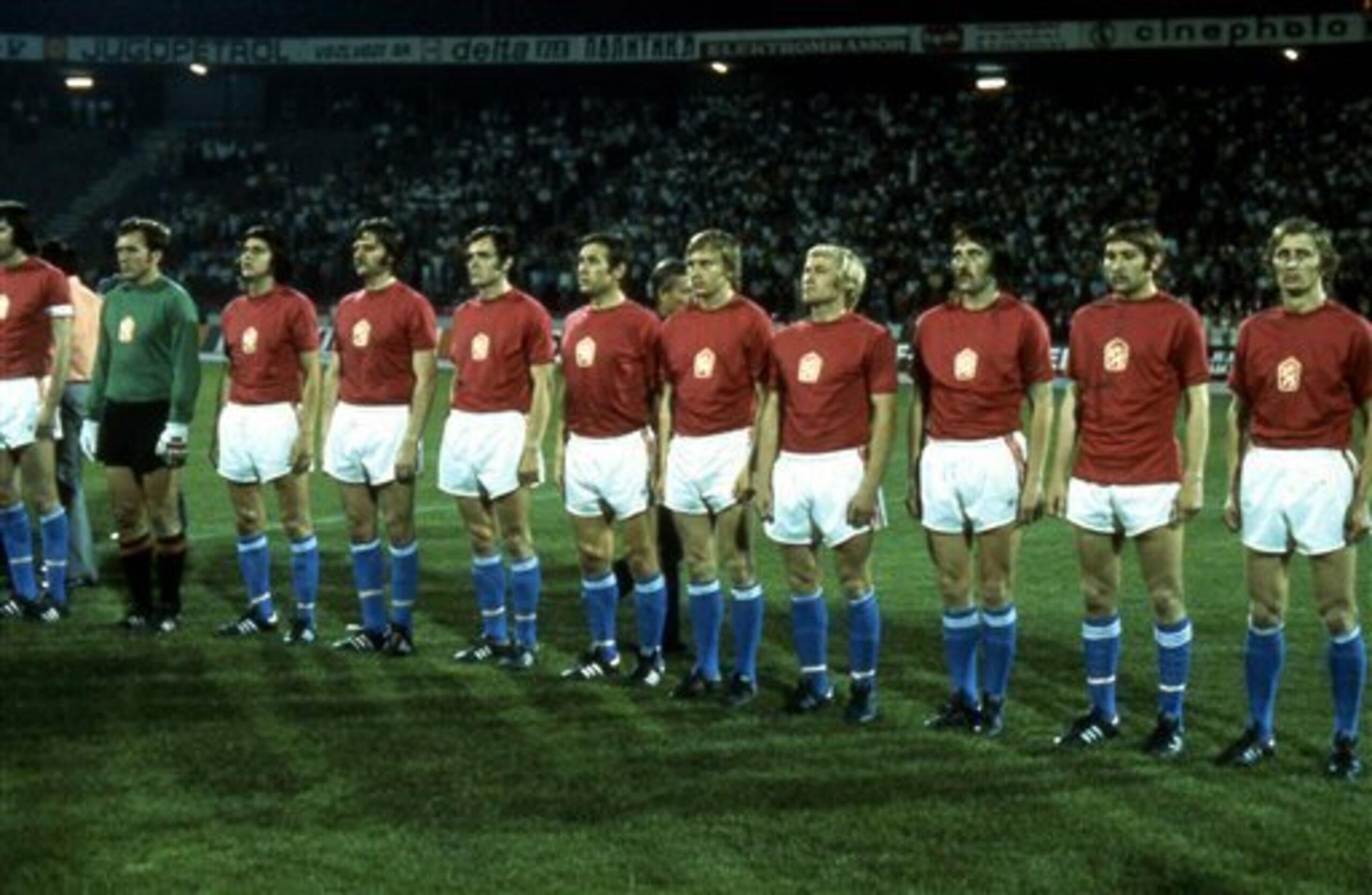
These days, Czechoslovakia's European Championship win in 1976 is almost solely remembered for the manner in which it was achieved: Antonin Panenka's chipped penalty past West Germany goalkeeper Sepp Maier that sealed the shootout and gave birth to a skill we still celebrate today.
The manager of that talented Czech side was Vaclav Jezek, who had moulded his team over six years in the job and would have seen conquering Europe as the perfect springboard from which to make an impact at the World Cup. It didn't happen.
Remarkably, the European champions failed to qualify for the 1978 World Cup in Argentina. Jezek immediately left his post, although he returned briefly in 1993.
Roberto Di Matteo, Chelsea
13 of 20
Given all the millions he's spent on huge contracts and subsequent pay-offs for big-name managers, the greatest irony of the Roman Abramovich era at Chelsea is that the one prize he coveted above all others was delivered by a man he didn't even want to be there.
Assistant boss Roberto Di Matteo stepped into the breach at Stamford Bridge in a caretaker capacity after the Andre Villas-Boas experiment was deemed to have failed in March 2012. That began probably the best two months of Chelsea's existence.
Di Matteo somehow guided them to the Champions League final—beating Napoli, Benfica and Barcelona along the way—and to victory over Liverpool in the FA Cup final before Chelsea's first European Cup was remarkably secured with a shootout victory over Bayern Munich in their own stadium.
Abramovich somewhat begrudgingly gave Di Matteo a permanent two-year contract that June, but the Italian lasted just five months as subpar Premier League form and, crucially, a group-stage exit from the Champions League led to the Russian billionaire pulling the trigger.
Frank Rijkaard, Barcelona
14 of 20
A former manager of the Netherlands national team and Sparta Rotterdam in his homeland, Frank Rijkaard might have been considered a left-field choice when he was appointed Barcelona manager in 2003, but there can be little doubt he started the Catalan giants on their road back to the top of the European game.
After a year spent bedding in, he won successive Liga titles in 2004/05 and 2005/06, adding the Champions League in the second season with a win over Arsenal in the final—only Barcelona's second European Cup in their proud history.
The talents of Ronaldinho and the emergence of Lionel Messi were making Barca the team to watch, but Rijkaard went trophyless in his next two campaigns, with high-profile defeats to Manchester United in the Champions League and Real Madrid in La Liga leading club president Joan Laporta to let him go in 2008.
Rijkaard has since managed Galatasaray and Saudi Arabia with little to no success.
Jupp Heynckes, Real Madrid
15 of 20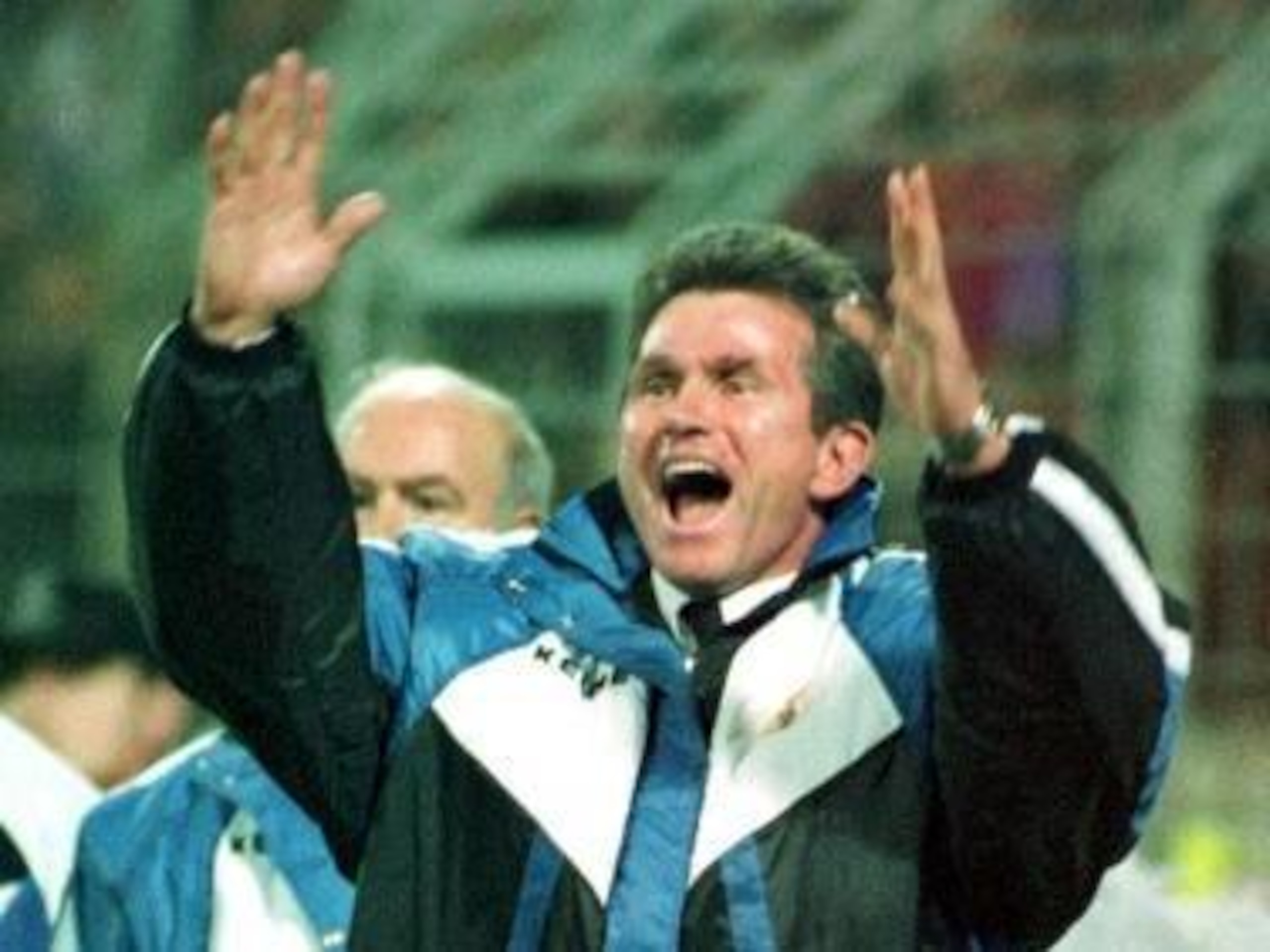
Of all the hero-to-zero stories in club football, few match that of Jupp Heynckes and his one season at Real Madrid in 1997/98.
By masterminding a 1-0 win over Juventus in Amsterdam, the German coach earned Real their seventh European Cup—their first since 1966—only to be almost immediately sacked as a result of the team's disappointing domestic form, which saw them finish in fourth place in La Liga—11 points behind champions Barcelona.
He didn't let that blow get him down, though, and after continuing his managerial career for another 15 years, he eventually became one of the select group of bosses to win a second European Cup when he guided Bayern Munich to success over Borussia Dortmund at Wembley in 2013.
Somewhat wisely, he immediately retired.
Fabio Capello, Real Madrid (Twice)
16 of 20
Another manager to fall foul of the Real Madrid lust for managerial blood is Fabio Capello, who twice had stints at the Liga giants cut short—with the axe falling on him in 1997 and again a decade later.
First, after joining Madrid following five successful years at AC Milan, he was sacked after just one season despite winning the league title, as rows with president Lorenzo Sanz took their toll and supporters failed to take to his defensive style.
Those supporters were 10 years older but still felt the same way when Capello was appointed for a 2006/07 season that followed along the same lines, as rows with high-profile players, including David Beckham and Antonio Cassano, didn't prevent Real from winning the league title but still led to him being dismissed after just one season amid mounting supporter unrest.
Still, that's not a bad 100 per cent record.
Louis van Gaal, Barcelona
17 of 20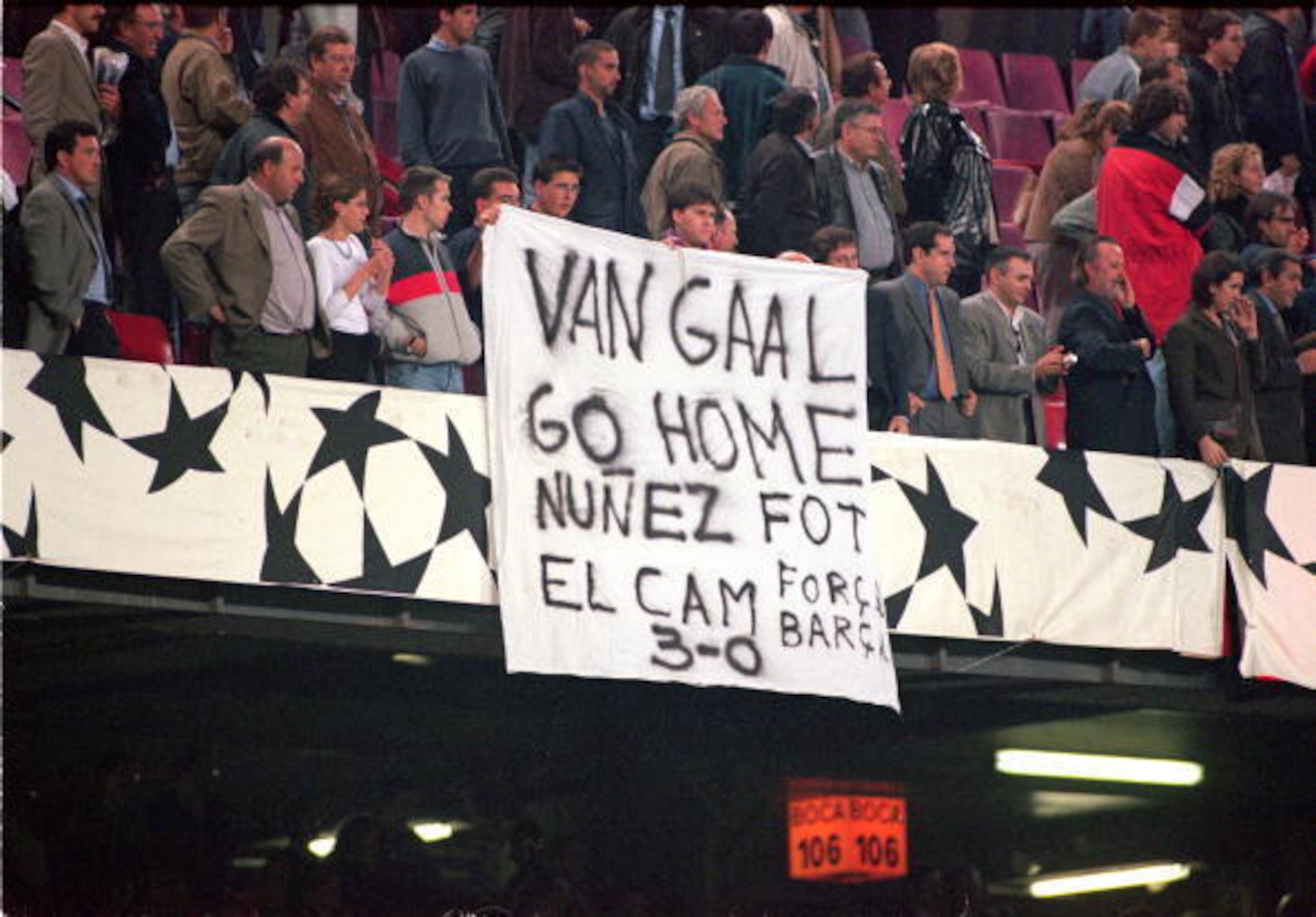
Manchester United fans might currently see Louis van Gaal as the club's robust saviour and the man who is likely to lead them back into the Champions League, but when things tend to go wrong for the Dutchman, they end up going very wrong.
Van Gaal won back-to-back La Liga titles with Barcelona in his first two seasons with the club between 1997 and 1999, but frequent rows with the press and criticism over where he played star man Rivaldo led to bitterness on all sides. Van Gaal pleased many by announcing his resignation after losing out on the league title in 2000.
He made an ill-advised return to the Nou Camp in 2002, but a disastrous start to the season led to him leaving the club after just six months.
Louis van Gaal, Bayern Munich
18 of 20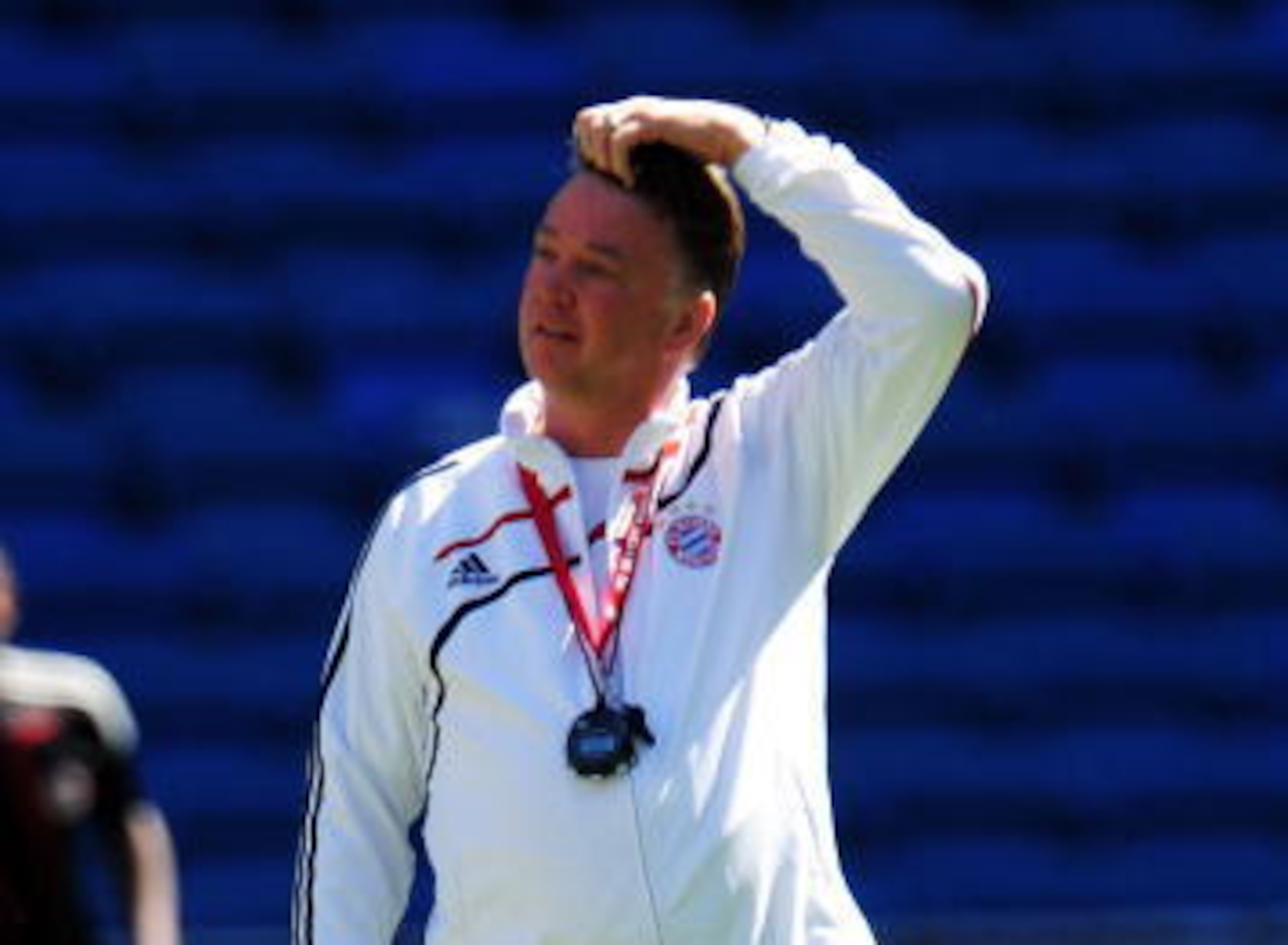
After that brief period back at Barca, Van Gaal took over unfashionable AZ in his homeland, leading them to a surprise Dutch title in 2008/09.
That afforded him a move to Bayern Munich, and sure enough—just as at Barca—the league title was won in his first season, as was the German Cup, although Bayern lost to Jose Mourinho's Inter Milan in the Champions League final.
However, a desperately poor—by Bayern's standards—2010/11 season created resentment all around. Amid mounting rows, he was sacked shortly before the end of the campaign, with Bayern finishing up 10 points behind champions Borussia Dortmund in third.
George Graham, Arsenal
19 of 20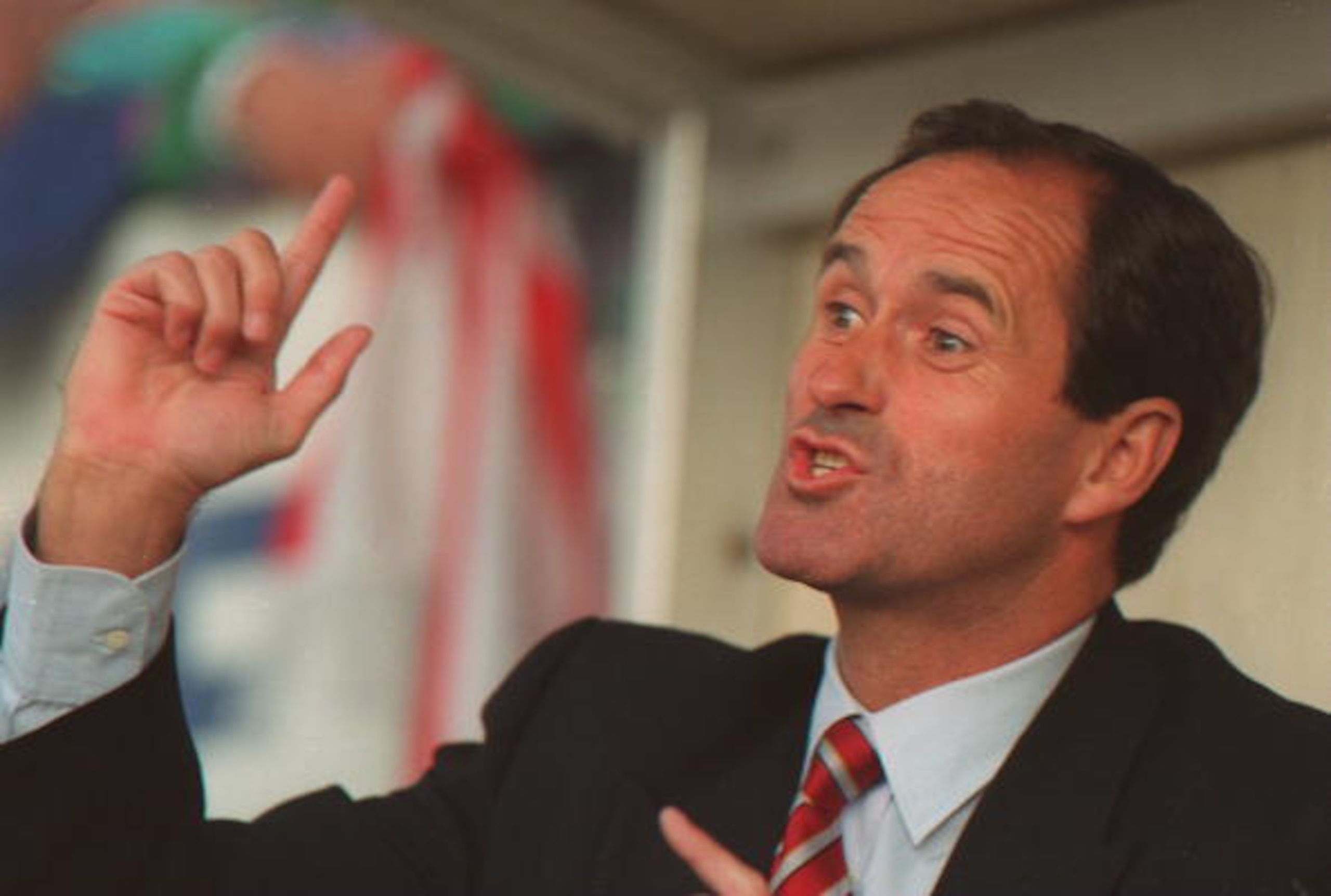
A star at Arsenal as a player, George Graham made the logical move back to the club as manager when he left his job at Millwall in 1986.
Two league titles, two League Cups, the FA Cup and the Cup Winners' Cup were to follow during Graham's hugely successful nine-year tenure at Highbury, which came to a shuddering halt in February 1995 after it was revealed that he had accepted an illegal payment of £425,000 from an agent following Arsenal's signing of two players, John Jensen and Pal Lydersen, in 1992.
This led to Graham being banned for a year, and although he later returned to football with Leeds United and Arsenal's rivals Tottenham Hotspur—with whom he won the League Cup—he would never again enjoy the level success he achieved with the Gunners.
Sir Alf Ramsey, England
20 of 20
We'll end with the reason why we're here, and proof that even a man who can mastermind English football's finest hour isn't immune to the fickle nature of the game.
After the World Cup success in 1966, Sir Alf Ramsey earned his knighthood and seemingly the eternal gratitude of the English FA, who were content with a semi-final appearance at the 1968 European Championship, the quarter-finals at the 1970 World Cup and the last eight of the 1972 Euros.
Placed in a seemingly simple qualification group for 1974 World Cup with Poland and Wales, they expected progression to that tournament too. However, England drew with Wales and lost to Poland in Katowice.
It meant that England needed to beat the Poles at Wembley or face elimination, and with Polish goalkeeper Jan Tomaszewski in fine form, the match ended 1-1, ensuring that England had failed to progress through a World Cup qualification process for the first time in their history.
Ramsey wasn't immediately sacked, but he would never manage England competitively again.
.jpg?w=2560 "Chiefs Giants Football")

.jpg?w=2560 "5 Teams Eyeing Jonathan Taylor")



.jpg?w=2560 "NFL investigating Eagles")
.jpg?w=2560 "Jonathan Taylor Landing Spots 📍")