

Imagining a Modern-Day Formula 1 Race at the Nurburgring Nordschleife
When it was finally confirmed in March that the German Grand Prix was to be cut from the 2015 Formula One calendar, fans likely reacted in one of two possible ways.
The first, and most widespread, reaction would have been one of despair. Despair that a mainstay on the schedule since 1960 had vanished.
Despair that in an era of a four-time world champion from Heppenheim, a Wiesbaden-born title challenger and a championship-winning team from Stuttgart, the likes of Sebastian Vettel, Nico Rosberg, Nico Hulkenberg and Mercedes would be denied the chance to compete on home soil.
TOP NEWS

Brown with an all-time summary of relationship with Tatum

Unranked CFB teams cause chaos in Week 8
.jpg?w=2560 "Titans Colts Football")
5 Teams Eyeing Jonathan Taylor
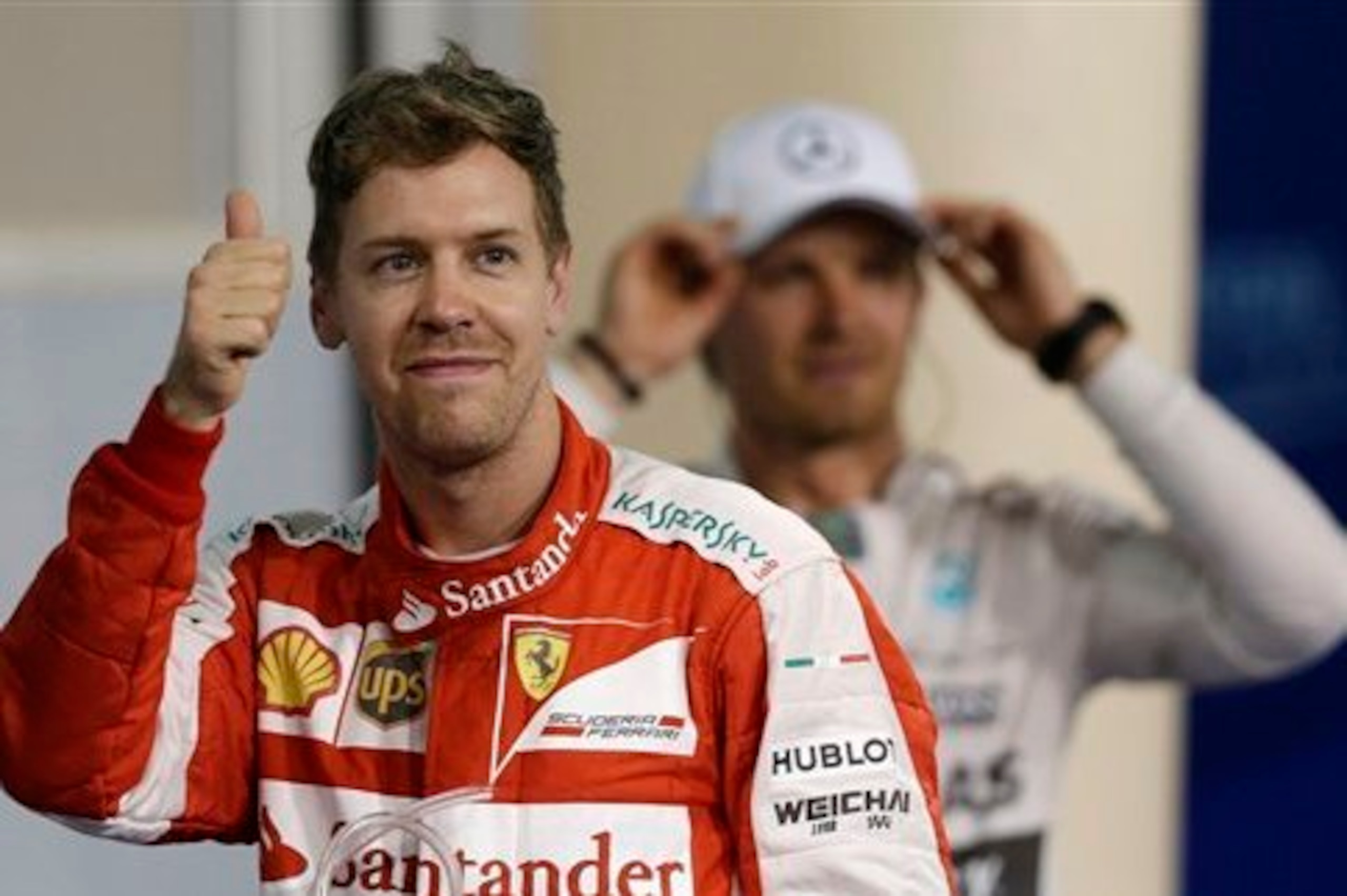
And despair that, at a time when F1 continues to disregard and desert its traditional homes in favour of experimenting with far-flung, new (but unenthusiastic) venues in South Korea and, from 2016, Azerbaijan, Germany was the latest victim following the loss of the French Grand Prix in 2008.
The alternative response, however, would have been relief.
Last year's German GP, after all, was among the most depressing events of the season as the sport's need to address its struggles with fan engagement became a matter of urgency.
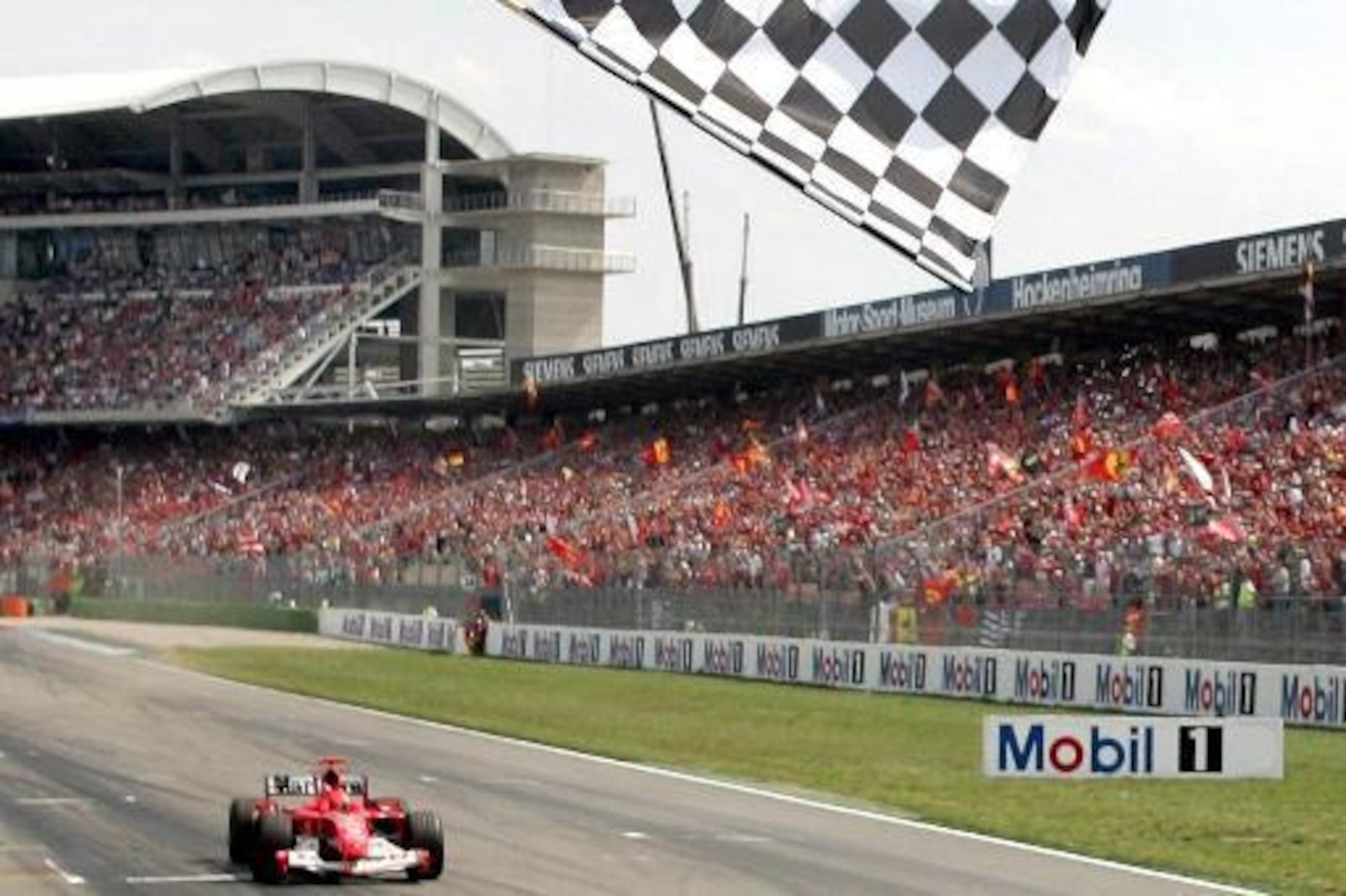
Hockenheim, a circuit painted red at the height of Michael Schumacher's dominance, was reduced to a ghost town as just 52,000 people were in attendance—a 30 per cent decrease on the 2012 race, as per ESPN—on an afternoon when Germany was supposed to unite in support of the seven-time world champion as he continued his recovery from a skiing accident.
For much of the last decade, the Hockenheimring and the race's alternative home, the Nurburgring, which was initially set to host the 2015 event, have produced underwhelming grands prix—the wet European GP of 2007 is a notable exception—which has seen F1 itself falling out of love with Germany.
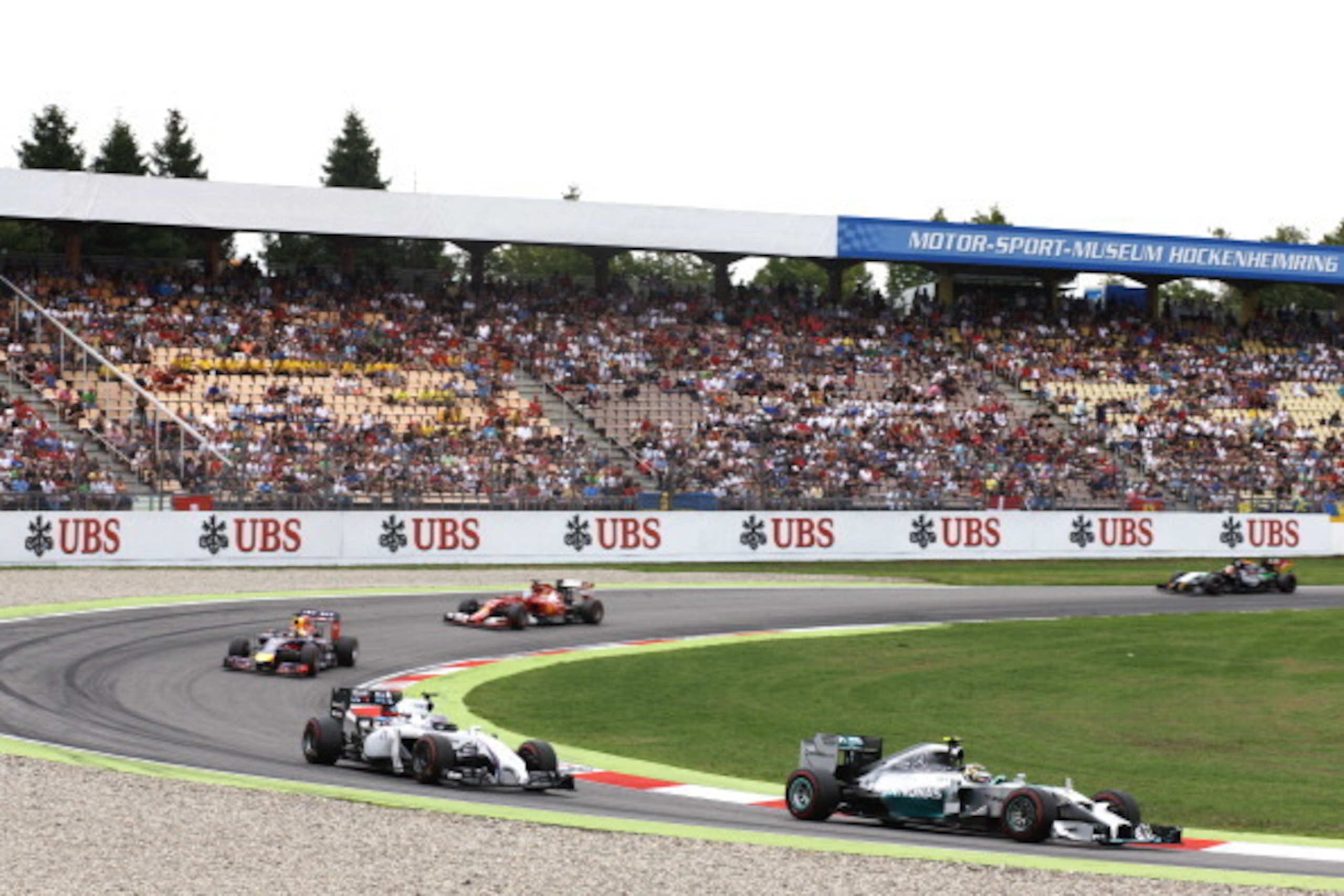
In recent years, the German Grand Prix has bordered on becoming just another race.
Watching the pinnacle of motorsport at the "new" Nurburgring is a particularly uninspiring experience when you know somewhere out there—over the other side of the crash barrier, snaking through the Eifel Mountains, lurking in the shadows of the forest—lies one of the greatest driving challenges of all: the Nordschleife.
The original Nurburgring, a 14-mile bundle of exhilaration, has not hosted a Formula One race since Niki Lauda's near-fatal accident in 1976, but contains characteristics that many modern grand prix venues lack: sweeping bends, dips, banking and, most crucially, soul.
So what would happen if in the weeks between the British and Hungarian grands prix in July, F1 rolled back the years and held a race at the Nordschleife?
Despite the huge technological advancements in F1 over the last 39 years, the 2015-spec cars probably wouldn't require a huge raft of adjustments to take on the "Green Hell," as three-time world champion Jackie Stewart famously nicknamed the track according to McLaren's official website.
When Nick Heidfeld became the first driver in over three decades to get behind the wheel of an F1 car on the track for an exhibition run in 2007, GPUpdate.net reported the German's BMW-Sauber F1.06 chassis required only "unusually hard demonstration tyres and short transmission ratio" to navigate the Nordschleife.
Given Pirelli's habit of producing fast-degrading tyres and the fixed gear ratios introduced for this season, however, there would, in typical F1 style, be a mini-crisis before the race weekend even began, although the show, as always, would go on.
That show would most likely reach its peak in qualifying, which at the Nordschleife would provide a fierce test of the three-part structure.
BMW-Sauber's engineers estimated a lap of five minutes, 15.8 seconds was "theoretically possible" if Heidfeld had pushed to the limit in '07, according to FOX Sports' William Dale. And if we are to presume the current-spec cars would lap in the region of that time, it would mean that drivers would be restricted to very few flying laps across the 18-minute-long Q1, the 15-minute Q2 session and the 12 minutes of Q3.
The pressure to get it right would be unbearable and the consequences of getting it wrong would be drastic, which would only increase the prospect of a surprise result.
The race itself, you suspect, would be one of either chaos or attrition; think Monaco with yachts replaced by trees.
With a narrow track surface and little run-off area, a Nordschleife grand prix would favour the highly focused, shrewd and crafty competitors, including the likes of Fernando Alonso, Kimi Raikkonen, Jenson Button and, perhaps, Daniel Ricciardo.
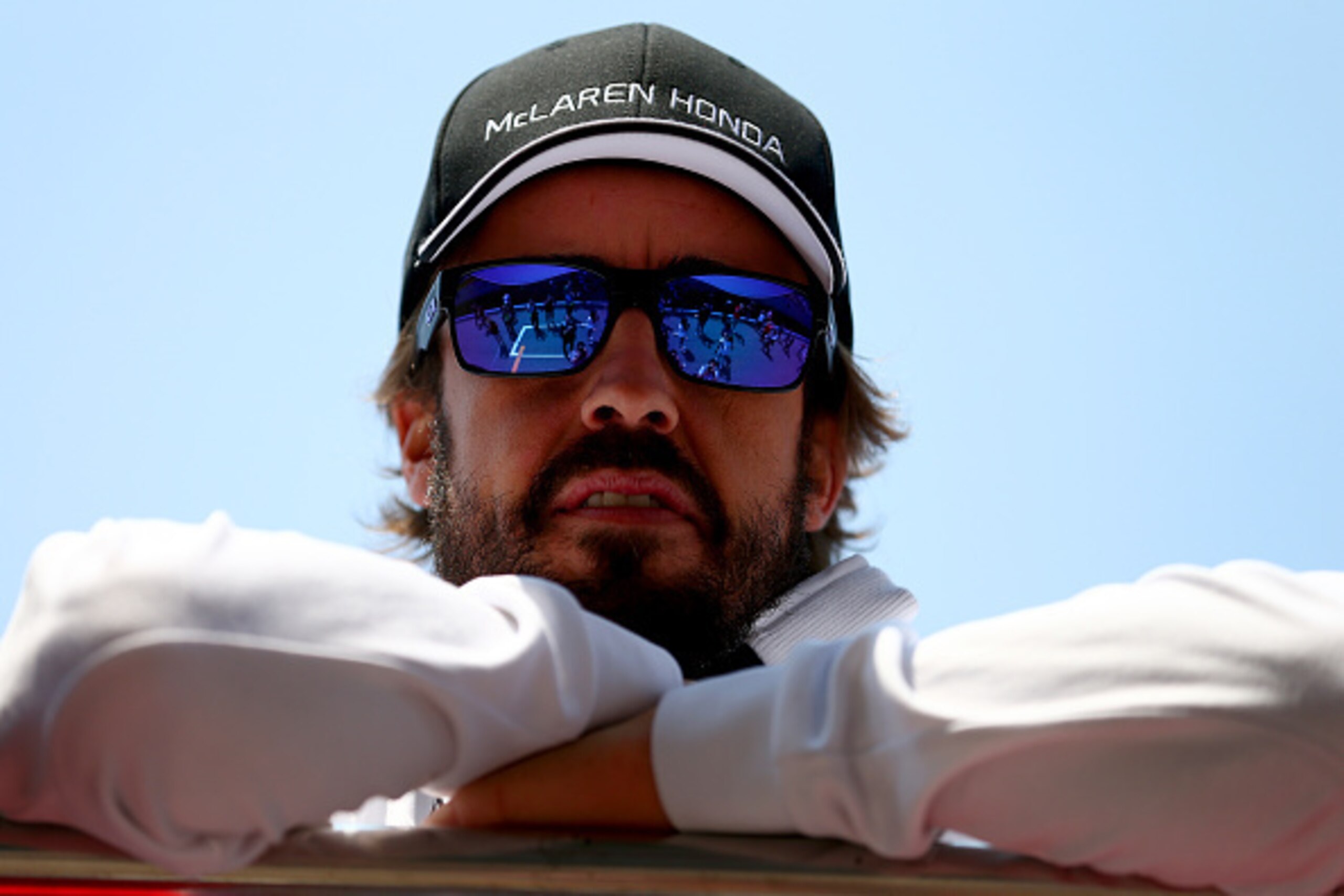
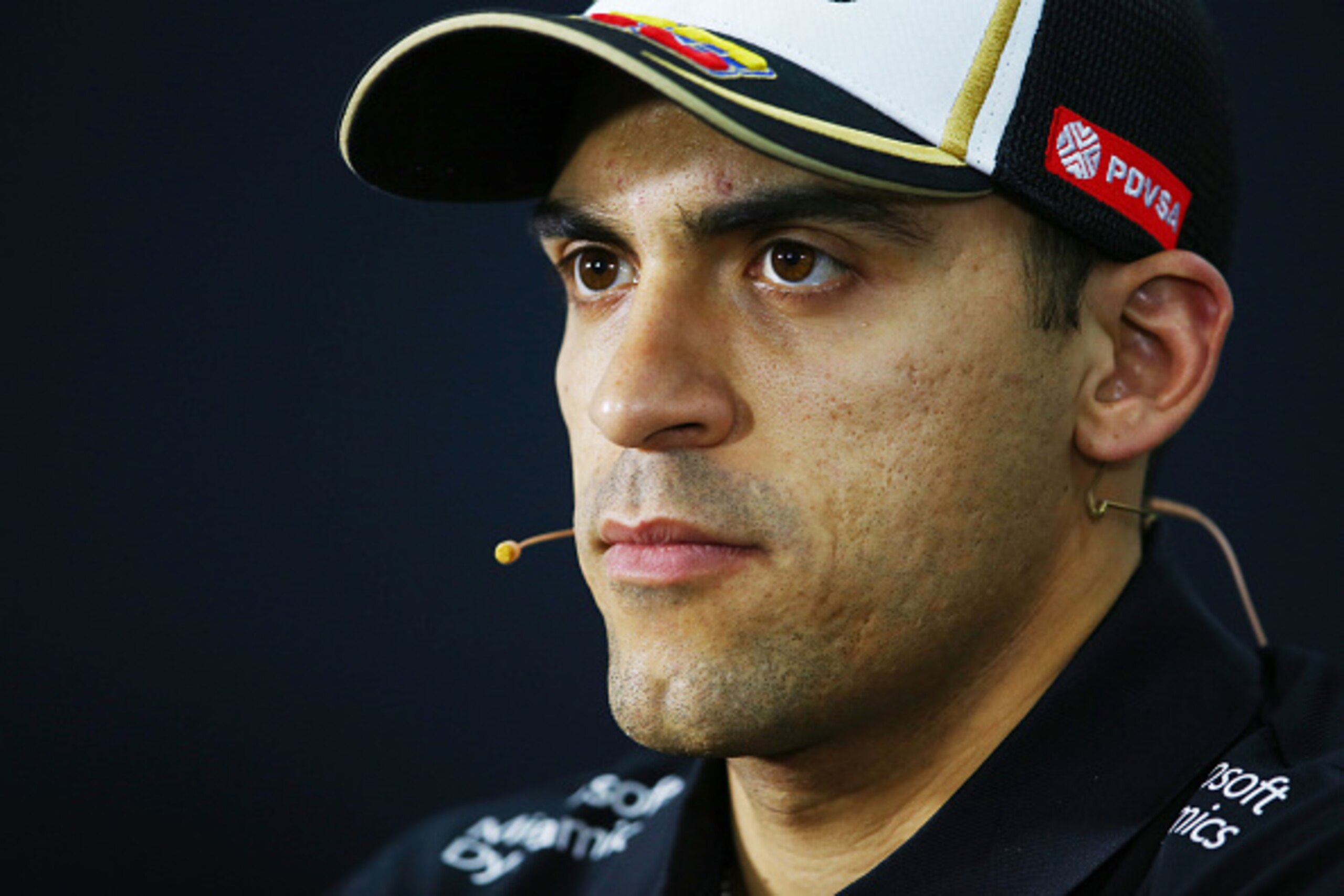
Those who would loiter in the mirrors of the car ahead, maintaining pressure and awaiting a mistake to signal the moment to pounce, would almost certainly triumph over hard-charging drivers, many of whom—we're looking at you, Pastor Maldonado—would do well to avoid a one-way trip to the Armco barriers over the course of a two-hour race.
Indeed, a race at the Nordschleife would highlight the evolution of attitudes over the generations, with today's competitors more likely to make high-risk manoeuvres than drivers who competed at the track on a regular basis in the circuit's heyday, when contact with another car would often lead to serious injury or death.
An F1 event at the track would also allow the sport to celebrate what the Nordschleife has become as well as its past.
Just as diving into a swimming pool has become the accepted way of celebrating a Monaco GP triumph and an Indianapolis 500 victory means nothing without a swig of milk, the winner of the Nordschleife race could immortalise his achievement by spray-painting his signature on the graffiti-covered track surface, literally making his mark on a piece of motorsport history.
The Nurburgring Nordschleife, though, is F1's dormant volcano. Outgrown by the sport many years ago, the chances of a return of the pinnacle of motor racing are non-existent, and it shall forever remain the Green Hell.
Let's face it, though; Germany's other circuits aren't exactly anyone's idea of heaven.
.jpg?w=2560 "Chiefs Giants Football")



.jpg?w=2560 "NFL investigating Eagles")
.jpg?w=2560 "Jonathan Taylor Landing Spots 📍")
