

Torino vs. Juventus: Why the Turin Derby Is Still One of the World's Top Matches
It is a rivalry that spans over many years, with the histories of Turin’s two football clubs interwoven across the decades since both were formed. Juventus were the Piedmontese capital’s first team, formed by students back in 1897, while a break-away faction led by Alfred Dick gave birth to Torino FC just nine years later.
Dick and his cohorts had grown tired of the decision to take Juventus in a more professional direction, forming their own club with help from future Italian national coach Vittorio Pozzo. The very first clash between them came the following year, with the newly formed club emerging victorious at the Velodrome Umberto I.
TOP NEWS

Final Men's Ballon d'Or Rankings 📊
Live Highlights and Viral Moments 🍿
Most to Blame at Man Utd? 😡
From those humble beginnings, two huge clubs would come to prominence, each taking its turn to dominate football on the peninsula and together shaping the early landscape of Serie A. The rivalry between them intensified, taking on increasing significance, as the importance of the city’s two sides also grew more widely known.

Eventually it came to be called the “Derby della Mole,” taking its name from the Mole Antonelliana, a distinctive former synagogue that dominates the Turin skyline. In Italian language, the word mole literally means “size” and is often used to denote a building of lavish proportions, and the match named after this one did indeed become Italy’s biggest game.
Juventus won five consecutive titles in the 1930s, only to see Il Grande Torino repeat that feat in the following decade, and no other side has yet matched that incredible achievement. Sadly the Granata side that accomplished it would perish in the Superga tragedy, the entire team wiped out in the 1949 plane crash.
The Bianconeri would be touched by similar grief much later, with 39 fans losing their lives at the Heysel Stadium disaster of 1985, although supporters sadly seem much more likely to mock the suffering of the other rather than be united by their shared experiences.
Over the 1980s and 90s Turin would lose its place as the capital of Italy’s footballing culture, replaced first by Milan and then Rome. Juventus—who blossomed into one of Europe’s truly giant clubs—began to dominate the derby on a regular basis.
This weekend sees the 231st match between the Turin rivals, with the Old Lady notching 92 wins and 62 draws, leaving Toro with 74 victories. The Granata’s best spell saw them go unbeaten against their crosstown rivals for over five years in the 1970s, while their most impressive result arguably came in the 1938 Italian Cup final, beating Juve by an aggregate score of 5-2.
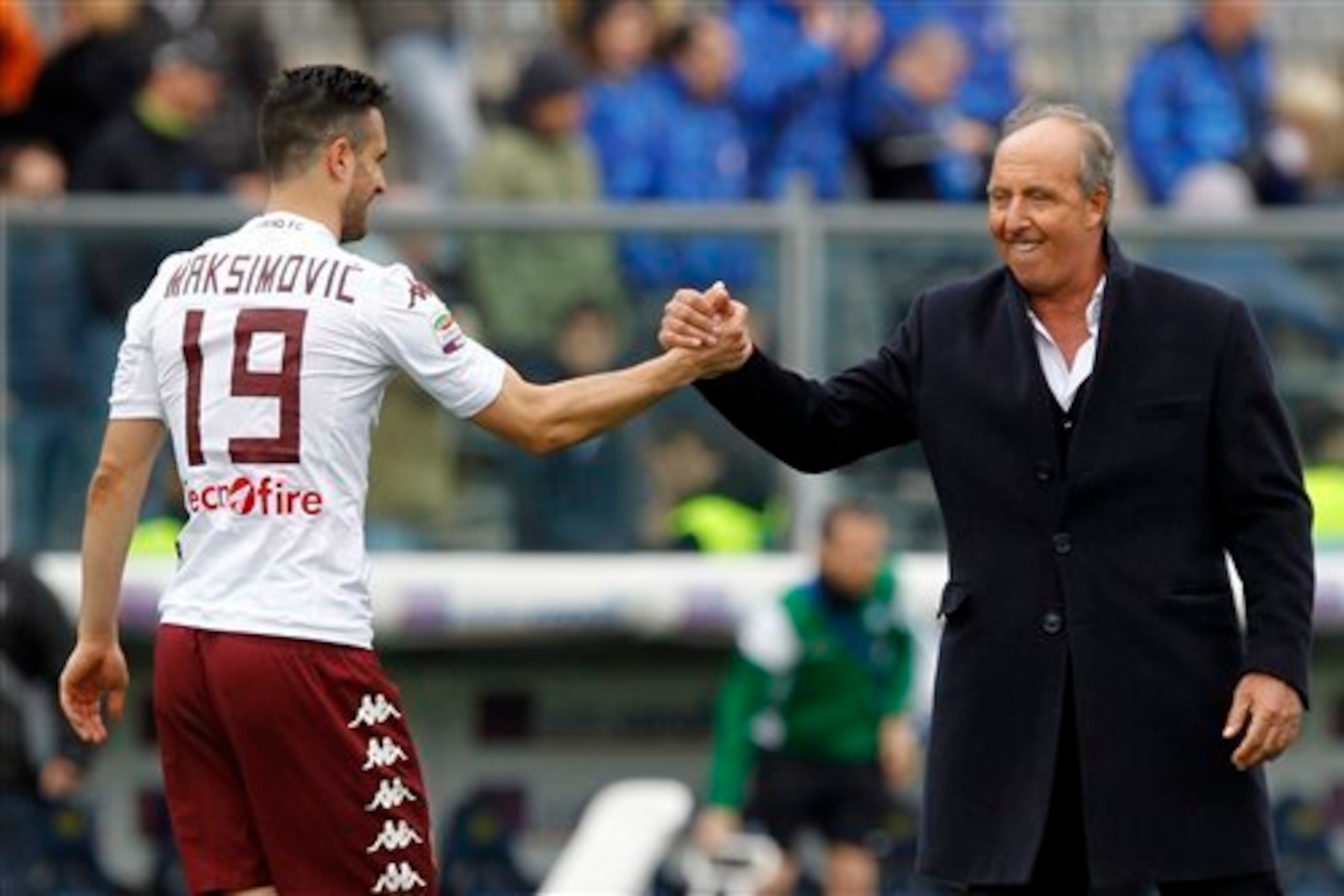
Yet since their last win in April 1995, Torino have repeatedly failed in the derby, registering nine losses and four draws. The Granata have only spent 12 seasons outside the top flight and 10 of those have been in the years since that last derby triumph, and one of the seasons they did make it back to Serie A came in 2006.
That meant they missed out on facing the Bianconeri, relegated as part of their punishment for the Calciopoli scandal, the only time they have been in the second tier. With a stable Torino now enjoying their third consecutive top-flight campaign, they are emerging once again as a force to be reckoned with, catapulting Turin back to the forefront of Italian football.
Giampiero Ventura’s side currently occupy eighth place, and having enjoyed a stellar showing in the Europa League this term, they will hope to qualify for the competition once again this time around. Their domestic results have been equally impressive, holding AS Roma to a draw two weeks ago while boasting wins over Inter, Napoli and Sampdoria.
It might not sizzle with the electricity of the clashes in Rome, Milan or even Madrid, but—to anyone with an interest in the history of the sport—the Turin derby remains one of world football’s most significant.




.jpg?w=2560 "Mahomes Asked OT to Leave Meeting")
.jpg?w=2560 "Jonathan Taylor Landing Spots 📍")
.jpg?w=2560 "5 Teams Eyeing Jonathan Taylor")

