

Might Titles Not Be Enough for Carlo Ancelotti, Luis Enrique at Madrid, Barca?
After Real Madrid's draw with Manchester City at the Etihad Stadium in 2012, Jose Mourinho was asked an interesting question by a member of the English press: "Do you admire the patience Manchester City have with [Roberto] Mancini?"
A day earlier, Chelsea had sacked Roberto Di Matteo just months after lifting the Champions League trophy. City, however, were sticking by their man—well, for the rest of that season at least—who'd won the club its first Premier League title but hadn't been able to steer his domestic champions into Europe's elite 16.
"I think that's good," Mourinho responded after a pause, giving a slow and considered answer when it had initially felt as though he was ready to scoff at the question. "I think a club must support its manager the maximum they can."
TOP NEWS
Billboard Trolls Man City 👀

New NFL contenders starting to emerge after Week 4
.jpg?w=2560 "Cardinals Giants Football")
NFL investigating 2 referees for separate viral exchanges
Throughout Mourinho's tenure at the Bernabeu, a lot of what he said can be dismissed. So much of it was gamesmanship, a necessary evil for the Portuguese—he appears to enjoy existing in a permanent state of conflict.
But there were also things worth listening to from Mourinho, and this was one of them. His answer to the Mancini question continued for more than a minute, at the end of which he said: "Because if it was Real Madrid..."
Mourinho smirked. The smirk became a laugh. Then, he stood up and left the press conference, delighted with his remark.
His point: Job security doesn't exist at the Bernabeu.
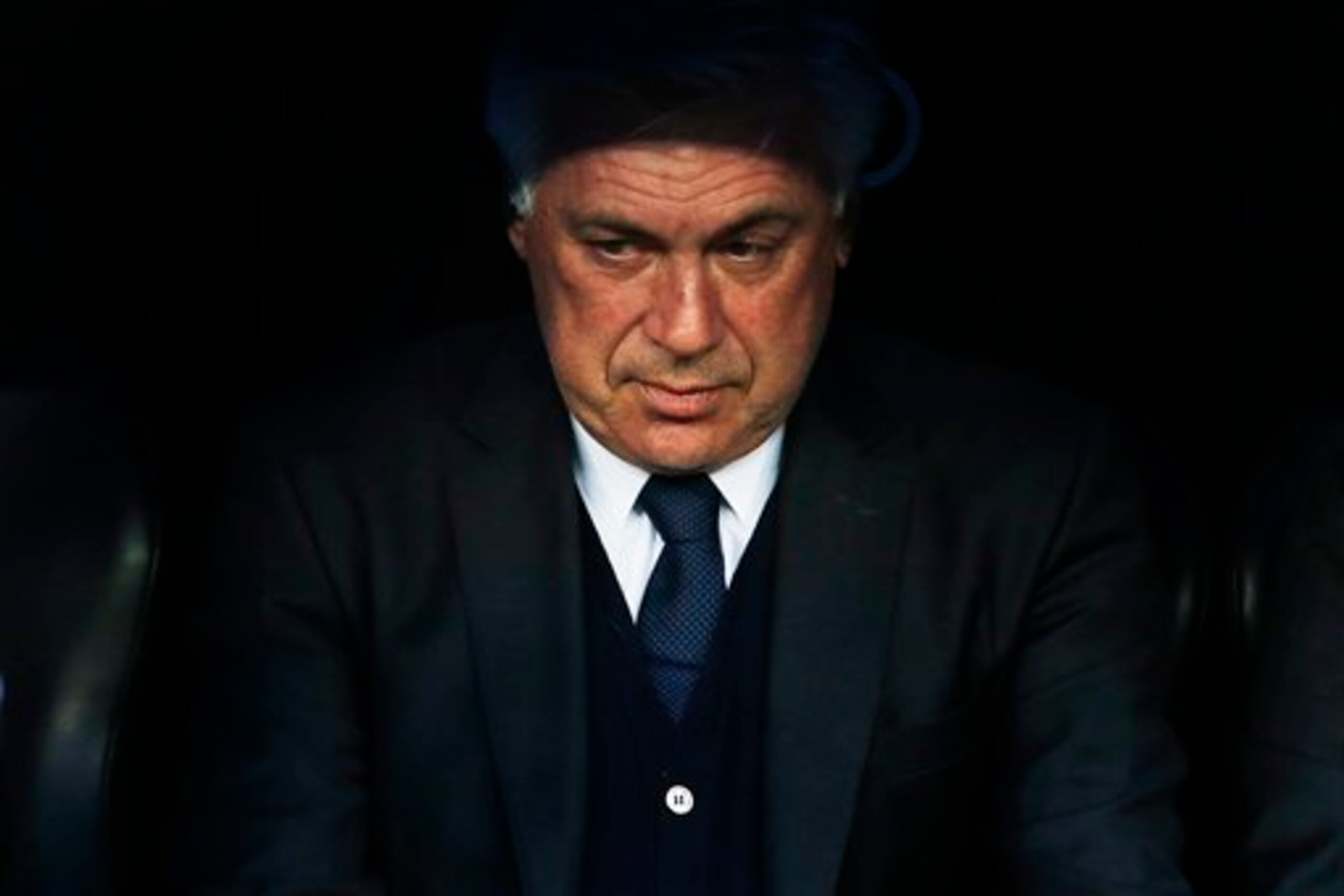
Like him or not, it's hard to argue with the current Chelsea boss on that point. Since the turn of the century, 12 men—permanent managers and caretakers—have stood in the Real Madrid dugout, with Carlo Ancelotti the latest.
Prior to Mourinho's arrival in 2010, 10 men had a turn in charge in seven years. You can find an equally turbulent period between 1989 and 1999 after Leo Beenhakker's three-year stint.
At Barcelona it's been similar, particularly prior to 1988. "Four years is an eternity as Barca coach," Pep Guardiola said when announcing his decision to leave his position in 2012. He's right: His four-year spell in charge is the fourth-longest in the club's 115-year history.
Now, in 2015, we're again in one of those odd but not unpredictable situations.
At Real Madrid, Ancelotti is less than four months removed from a calendar year in which he claimed four titles, one of which was La Decima. He has the highest winning percentage in history among Real Madrid managers. This year, it is still possible he could claim a coveted double.
At Barcelona, Luis Enrique has successfully overseen a shift in the Catalan outfit's play. He's found a way, with a few hiccups, to get three superstar forwards to coexist. In recent weeks, he's guided the Blaugrana through a daunting schedule that could prove decisive. And in less than two months, he might have delivered a treble.
It's enough for both men, surely?
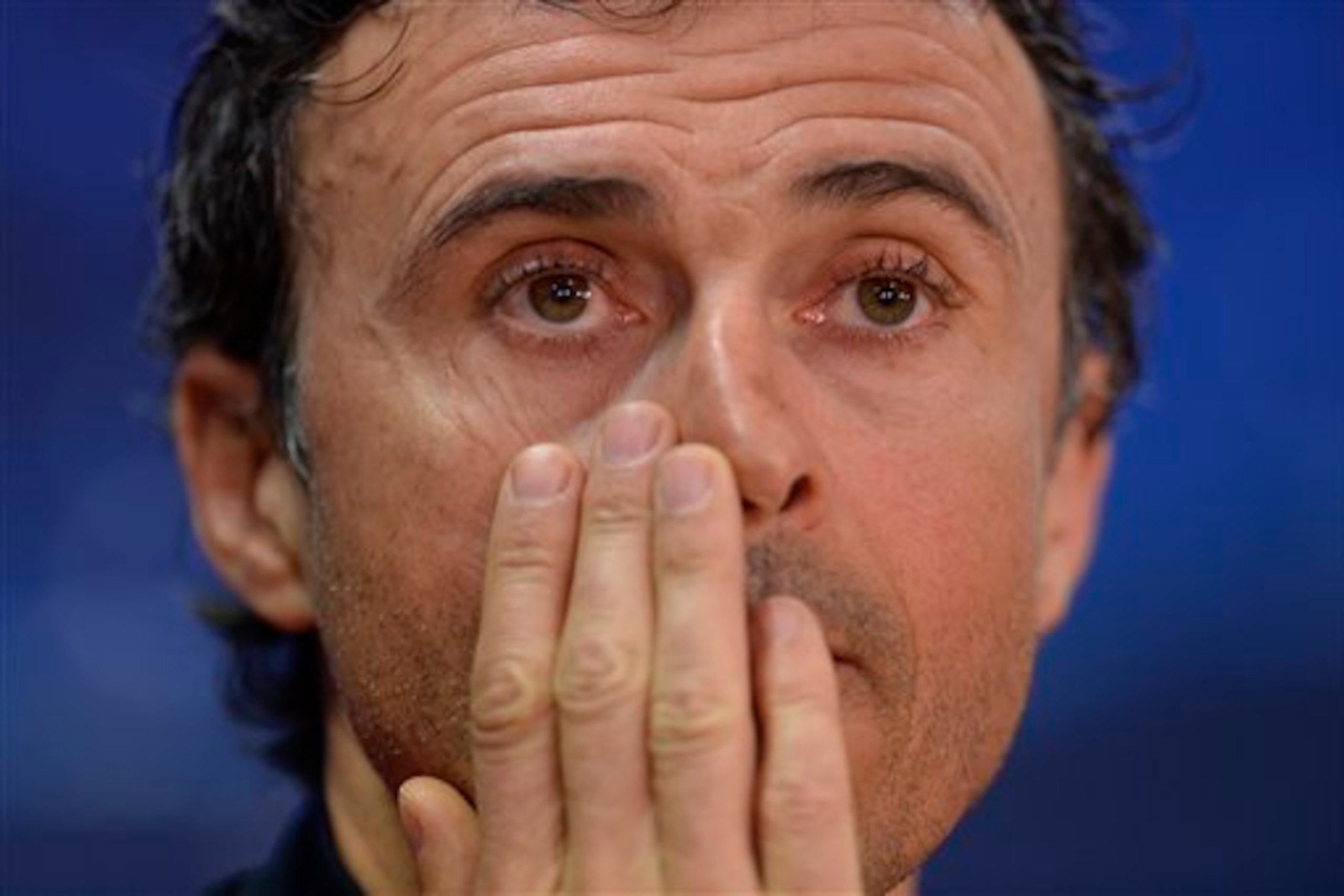
"I think both managers will be gone next year," said Sid Lowe, a renowned journalist covering La Liga, during The Spanish Football Podcast last week with Real Madrid TV's Phil Kitromilides. Lowe then acknowledged that another Champions League title for Ancelotti might get the Italian one more season.
Funnily enough, it's essentially the same situation the former Milan boss found himself in last year. "Florentino [Perez] was not sure of allowing the manager to continue in the Real Madrid dugout until they both sat down with Jose Angel Sanchez five days after the Lisbon final," wrote Marca in December.
Had Sergio Ramos not scored that goal at the Estadio da Luz, Ancelotti was packing his boxes.
What's even more notable is that in the very same article, Marca stated that president Perez had said the club wanted "Carlo to be Real Madrid's [Sir Alex] Ferguson."
Memories are short in Chamartin. And patience, well...
But Ancelotti will be aware of all this. Before he took the job, he knew the deal: win, win, win, and even that might not be enough. And he has won, consistently. Even when given an unbalanced squad by his eccentric president after watching his European-conquering side dismantled...well, you know all that already.
A difficult run in 2015 has seen some familiar criticisms of Ancelotti surface—tactically limited, too easy on the stars, not ruthless enough—that Perez himself cited when he sacked Vicente del Bosque back in 2003.
"Del Bosque's profile is a traditional one," the president said of the Spaniard who shares many traits with Ancelotti. "We're looking for someone with more emphasis on tactics, strategy and physical preparation."
Essentially, like Del Bosque, Ancelotti is accused of possessing a "soft touch" or a "weak arm."
"With this 'weak arm' of mine I have managed to win three Champions Leagues," the Italian reminded everyone in March.
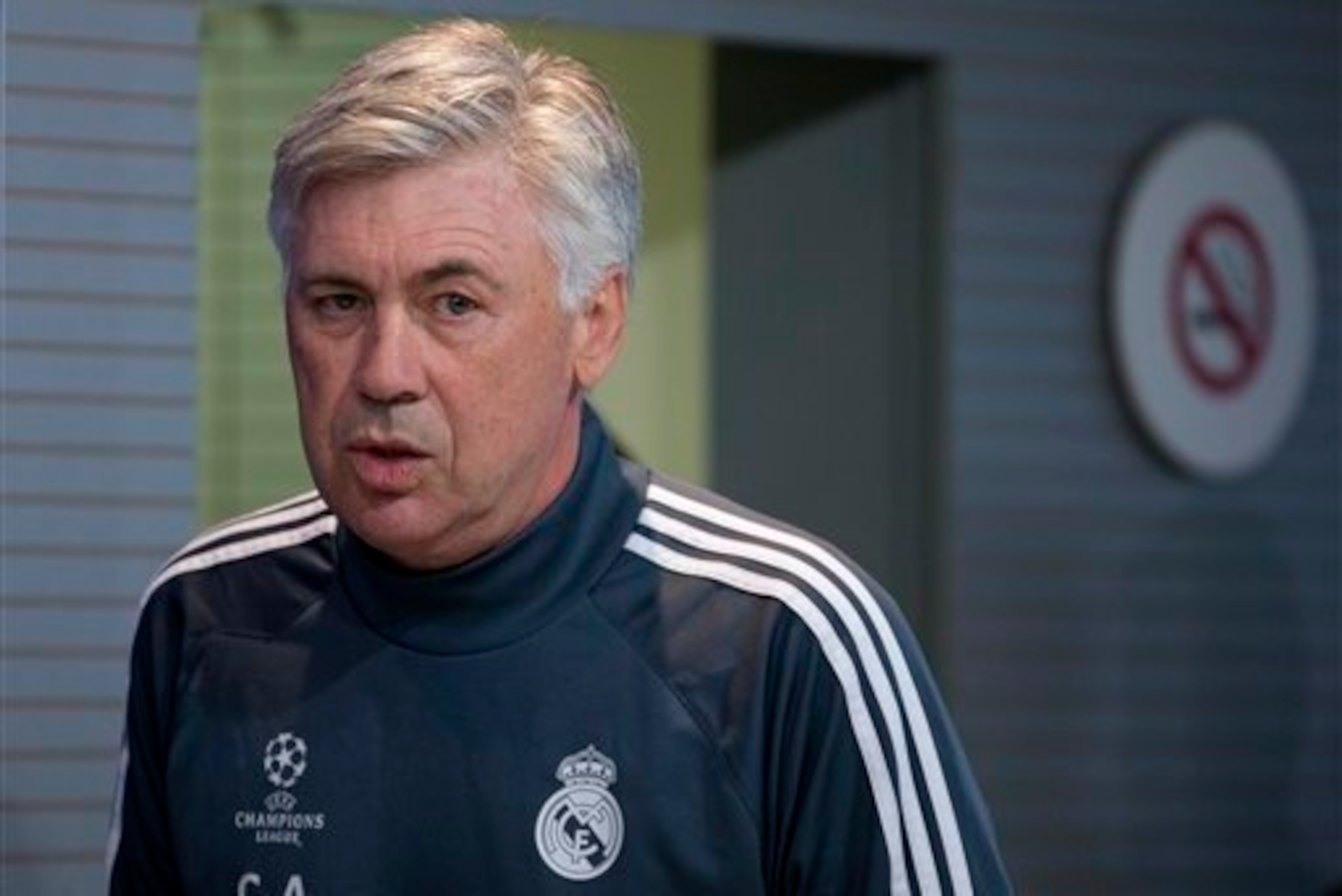
And yet, despite being among the game's most adept diplomats, despite possessing the nous to navigate the political minefield that is the Bernabeu, despite his record at Real Madrid, it outwardly appears that he needs a fourth European title to prolong his stay.
Such a thought leaves behind this odd contradiction: It's barely conceivable, but also kind of expected.
Bonkers.
But for Enrique at Barcelona, the situation might be more extraordinary—or less, depending upon your outlook. It's certainly more complicated, though.
At the end of the current campaign in Catalonia, a new sort of season will begin: election season. Brought forward a year by current president Josep Maria Bartomeu—a move heavily influenced by pressure to have an elected president, not one who simply moved into the position vacated by Sandro Rosell—the elections leave Enrique in a place of uncertainty.
Approximately 160,000 members will vote for the respective candidates (a system which has countless positives and drawbacks), swayed, as always, by everything from promises on transfers and economic strategies to how Barcelona should represent the region.
Candidates will also have their preferences for managers. For example, Victor Font, a man considering running for the presidency, has promised to bring Pep Guardiola back if he were to triumph in the club's elections, according to Sam Borden of The New York Times.
Then there's the matter of style—or more precisely, the argument about style versus substance.

"There are fundamentalists among the Spanish media and very many more among the Barca support, with big angry voices, who are certain we are seeing a betrayal of basic footballing values inherent to the club," wrote Graham Hunter, a journalist with a deep knowledge and understanding of Barcelona, in the Evening Express earlier this month.
It's important here to note that Hunter was defending Enrique.
"Above all there is the complaint that this Barca don't 'control' games," he continued. "The accusation is that Luis Enrique wins via a kind of 'lowest common denominator' football—set-play goals, long-ball passes and shunting the ball to the fabulous front three with a 'There, you go and do something brilliant now, please' mentality."
Like the criticism for Ancelotti in the capital, the results Enrique has achieved—and might go on to achieve—make much of it hard to understand (for the record, this writer believes both men deserve at least another season).
Barcelona are winning. They've won 32 of their last 36 games. They're ahead of a Real Madrid team that was breaking all sorts of records. They're in the Copa del Rey final. They're incredibly close to the Champions League semi-finals.
What's more, Barcelona are winning games they previously might not have.
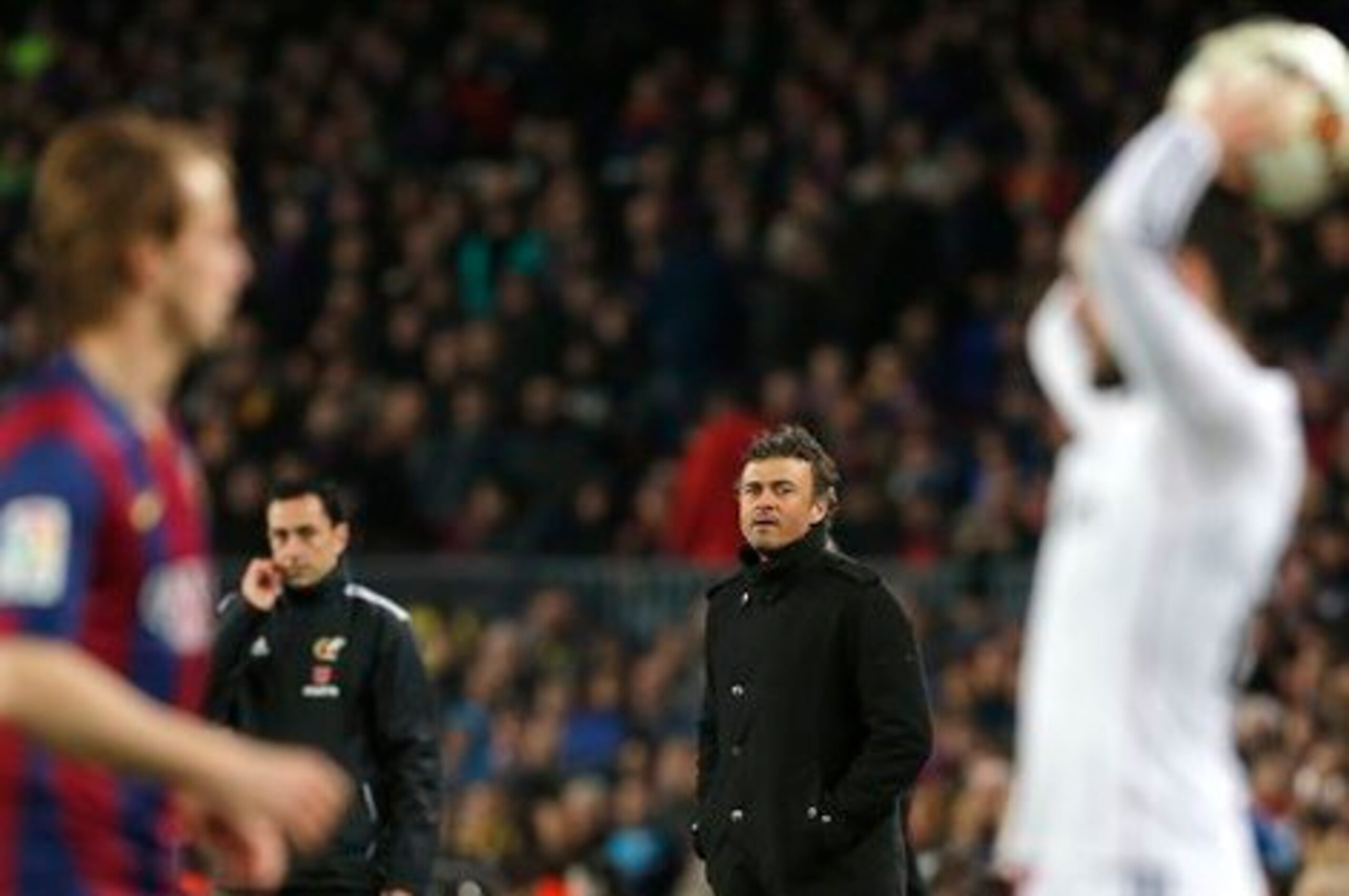
"The performance was not particularly impressive," wrote Lowe in The Guardian after Barcelona's 1-0 victory over Celta Vigo thanks to Jeremy Mathieu's header from a set piece. "But the character and the efficiency is striking; Barcelona are different this year. Last season there is no way they would have won this match."
Enrique has given the Catalans something else, an altered disposition. It might not be better, it might not be worse, but it is working. As such, a treble isn't a pipe dream—it's achievable.
Yet, somehow, those potential titles might not serve as any sort of guarantee for Enrique. In a summer of possible change in Catalonia, the manager carries with him as much uncertainty as anyone.
Winning, it seems, doesn't convince them all.
And in the capital, Ancelotti, understanding the madness, will have empathy for Enrique's plight.

.jpg?w=2560 "Titans Giants Football")

.jpg?w=2560 "Ward Nearly Walks Out of Presser 😳")

.jpg?w=2560 "Buzz: Tyreek Eyeing November Return")