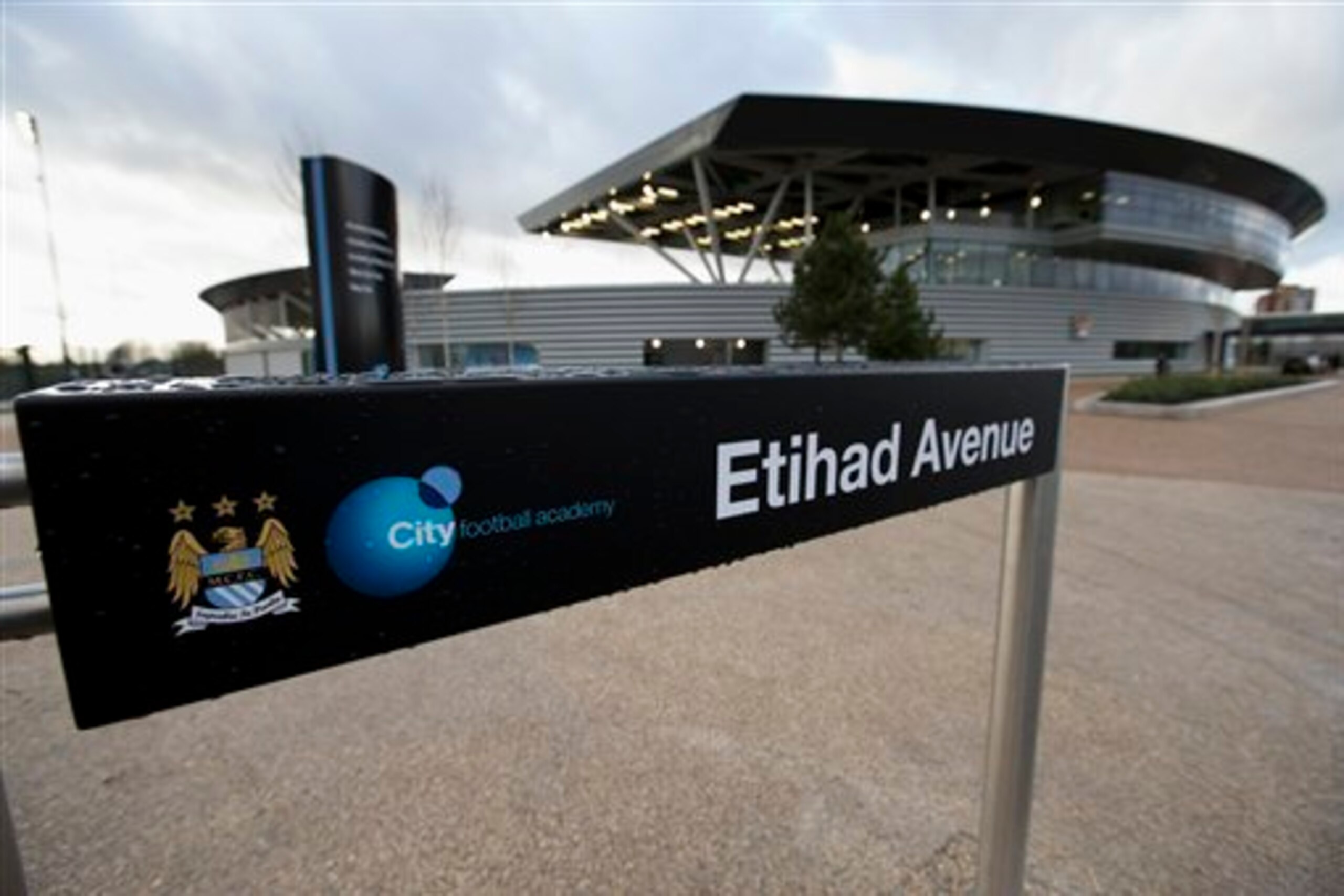

Manchester City vs. Chelsea: Winners and Losers from FA Youth Cup Final
Chelsea took a commanding 3-1 lead over Manchester City in the first leg of the FA Youth Cup final, played at City's Academy Stadium on Monday night.
Tammy Abraham opened the scoring with a fine early half-volley, before Isaac Buckley-Ricketts replied just a few moments later after a fine run by Brandon Barker. Abraham soon restored Chelsea's lead though from close range and Dominic Solanke rifled in the third late in the match.
Here are all our winners and losers from the first leg of the final.
Winner: Tammy Abraham
1 of 5
Chelsea's big threat was a powerful and pacy front three, all of whom linked well and made clever runs off the ball, but it was Tammy Abraham who netted the important brace for the Blues in the first half.
A fantastic piece of control and instant shot into the top corner brought a spectacular opener, while his second was an opportunistic strike which owed as much to Abraham's athleticism as to his finishing prowess.
Fellow forwards Dom Solanke and Izzy Brown also deserve tremendous credit for their work rate, link-up play and selfless off-the-ball running, particularly during the first hour of the match, while Solanke did brilliantly to run through and finish with really his only chance of the match late on.
Losers: Suspect Playing out from the Back Under Pressure
2 of 5
Given the age groups involved and the high stakes, it's certainly unfair to label individuals as losers from the first 90 minutes of a two-legged final, so instead we'll focus on a couple of areas that the teams could work on in general.
One aspect of the match that was notably poor from both teams was playing out from the back. Although the intention to do so was admirable, it certainly didn't work on this occasion.
City 'keeper Kjetil Haug struggled with his clearances and attempts to find his full-backs all night, while Charlie Colkett of Chelsea was guilty of overplaying more than once, notably when he cost a chance after taking a pass from his 'keeper and failing to release quickly enough.
City paid heavily for this tactic as they lost the ball from a goal-kick late on, and Chelsea countered to score their third.
The pass-out-and-retain-possession approach will serve well more often than not, but with experience will come the knowledge of when to play to the second line or be a bit more direct.
Winner: Chelsea Team Shape, on and off the Ball
3 of 5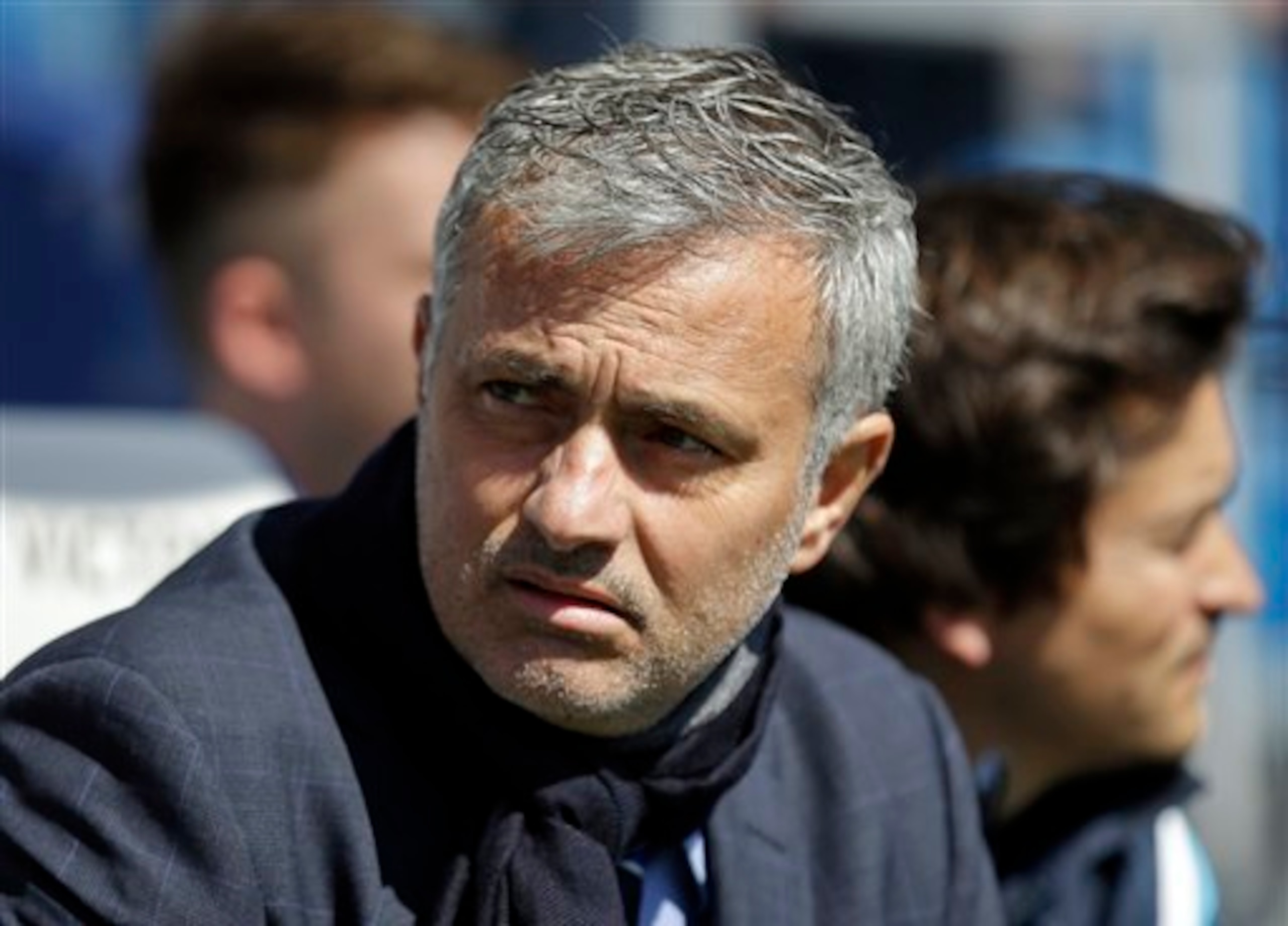
Aside from the last 15 minutes when Manchester City came at them much more regularly and forcefully, Chelsea's team shape was very impressive to watch.
The early stages of the match saw an almost first-team-like rigidity about their 4-2-3-1 shape—something Jose Mourinho will surely be pleased with—though the midfield certainly looked a little more fluid as the game went on. The front three looked very much able to stay further forward than might be expected when out of possession.
Defensively, Chelsea were quick to recover positions, composed on the ball and knew where to look for passes out of the defensive third.


.jpg?w=2560 "Cardinals Giants Football")
Losers: City's Lack of Clear Chances Created
4 of 5
Despite scoring straight after Chelsea's opener, Manchester City failed to create too much inside their opponents' penalty box for much of the game.
Indeed, until the last 15 minutes or so, it was difficult to pick out any chances of note which forced the 'keeper into a save, with just a few low crosses from the right side proving to be City's main method of attack. Later in the game, as they pressed for an equaliser, there was more combination play.
Chelsea didn't have it all their own way in terms of creating clear shooting chances, but they certainly managed to fashion more openings with numbers in attack, runs behind the defence and a willingness to get shots away early.
Winners: Celina and Garcia's Willingness to Be Braver on the Ball
5 of 5
Manchester City's revival did see them come close to levelling the game at 2-2 in the latter stages of the game, and with Chelsea being slightly more powerful throughout the team, it meant City had to be braver on the ball with possession and using space, rather than going man-to-man when Chelsea closed them down.
The impetus stemmed from attacking midfielders Bersant Celina and Manu Garcia. After an hour or so, both players began to exchange passes quickly, took on their direct opponents to attack the space behind them and offered more composure in possession.
Taking their lead from that, wide attackers Brandon Barker and Aaron Nemane started to get in on the act. Most chances eventually came from those two, but City's real driving run in the game began with the central duo of Celina and Garcia.
Unfortunately for them, it didn't translate into getting back into the match—but there is still the second leg to come.

.jpg?w=2560 "Titans Giants Football")

.jpg?w=2560 "Ward Nearly Walks Out of Presser 😳")

.jpg?w=2560 "Buzz: Tyreek Eyeing November Return")