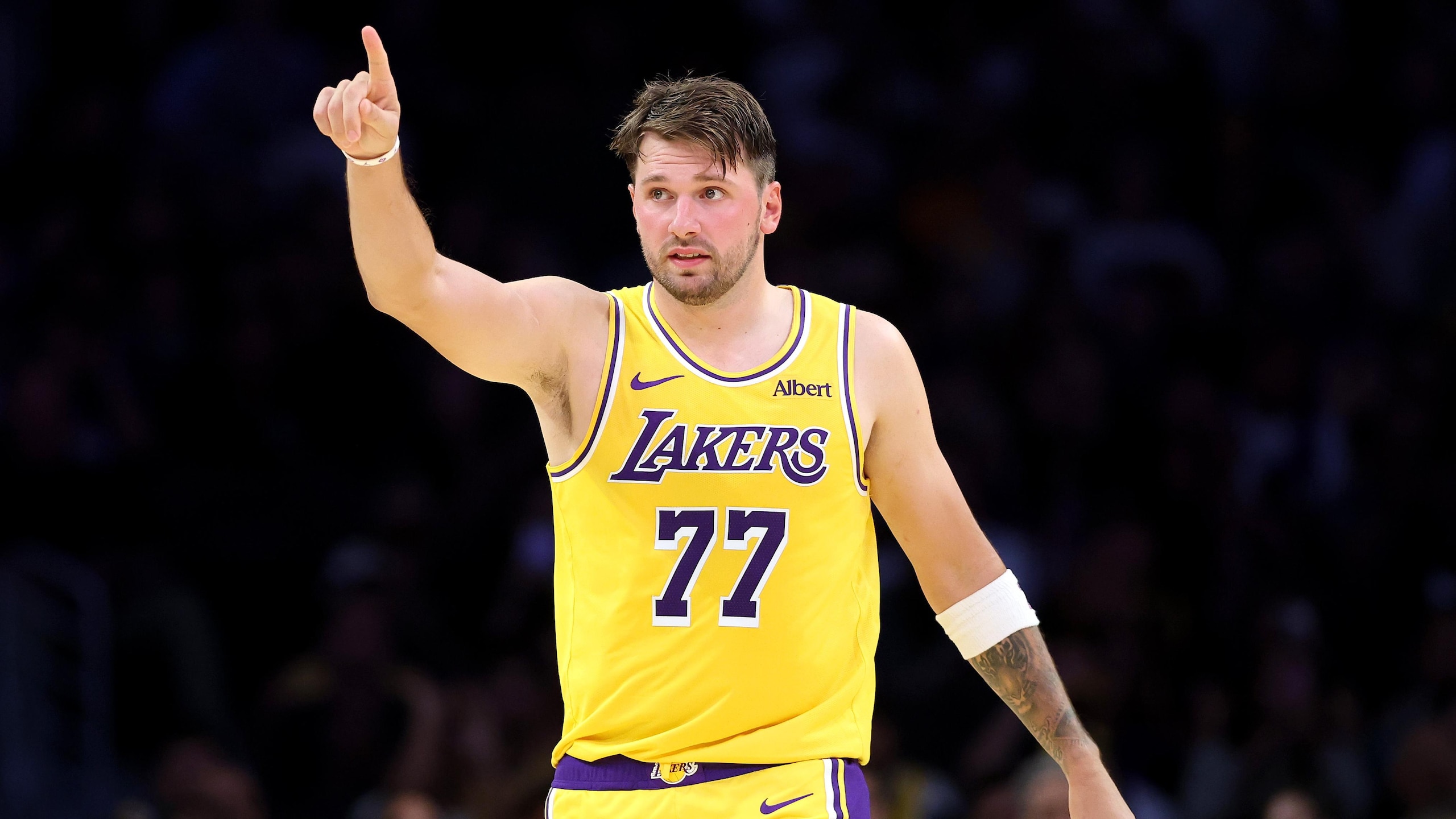
What to Expect from 2015 NFL Draft's Top Pass-Rushers
You'll hear over and over again between now and draft day that this class is loaded in the first round at the pass-rushing position. In what is mostly considered a "weak" class, this unit comes strong.
With Dante Fowler of Florida, Vic Beasley of Clemson, Randy Gregory of Nebraska, Alvin Dupree of Kentucky, Shane Ray of Missouri and Owamagbe Odighizuwa of UCLA, if your team desperately needs to generate more pressure, there's no excuse this season.
Looking at those top six edge players, we'll list what to expect from each individual athlete. Listing what their potential upside and setbacks are, you get a feeling for how they should be valued in this class, as opposed to consensus rankings.
It should be noted that defensive linemen and edge defenders are probably the best athletes on a football field when you account for their size. There are also people out there who believe, like myself, that there's a correlation between the "success rate" of edge defenders at the next level and their combine success.
Using the filters of film, combine numbers and off-field narratives, we'll paint a picture of how these top 4-3 defensive ends and 3-4 outside linebackers should be viewed heading into the draft weekend.
Vic Beasley, Clemson
1 of 6
Vic Beasley is a player I was excited to watch over the past two seasons. At Clemson, he was an All-ACC pass-rusher who showed massive potential. He looked like he played around 235 pounds on film but during the offseason process he must have bulked up, showing up to the combine at 246 pounds.
He also might have had the best combine of any prospect in Indianapolis. According to Mock Draftable, he scored in the top 10 percent in the 40-yard dash, the vertical jump, the broad jump, the three-cone and the 20-yard shuttle. Any questions regarding his size or his potential were instantly thrown out of the window.
Beasley can be a pass-rusher like DeMarcus Ware or Von Miller, but his low end is similar to Bruce Irvin's career. Irvin was drafted early in the first round, but because of his ability in the run game, he's more of a pressure specialist than a true every-down edge defender. With Beasley's new weight, though, we could see his ability at the point of attack drastically improve in the NFL.
If I had the choice of any pass-rusher in the class, I'd hang my hat on Beasley. Edge defenders are paid big money for sacks and pressures, not their stoutness against left tackles. If your issue with Beasley is that he is only a pass-rusher, I would point to plenty of teams who wished they had "only a pass-rusher."
Randy Gregory, Nebraska
2 of 6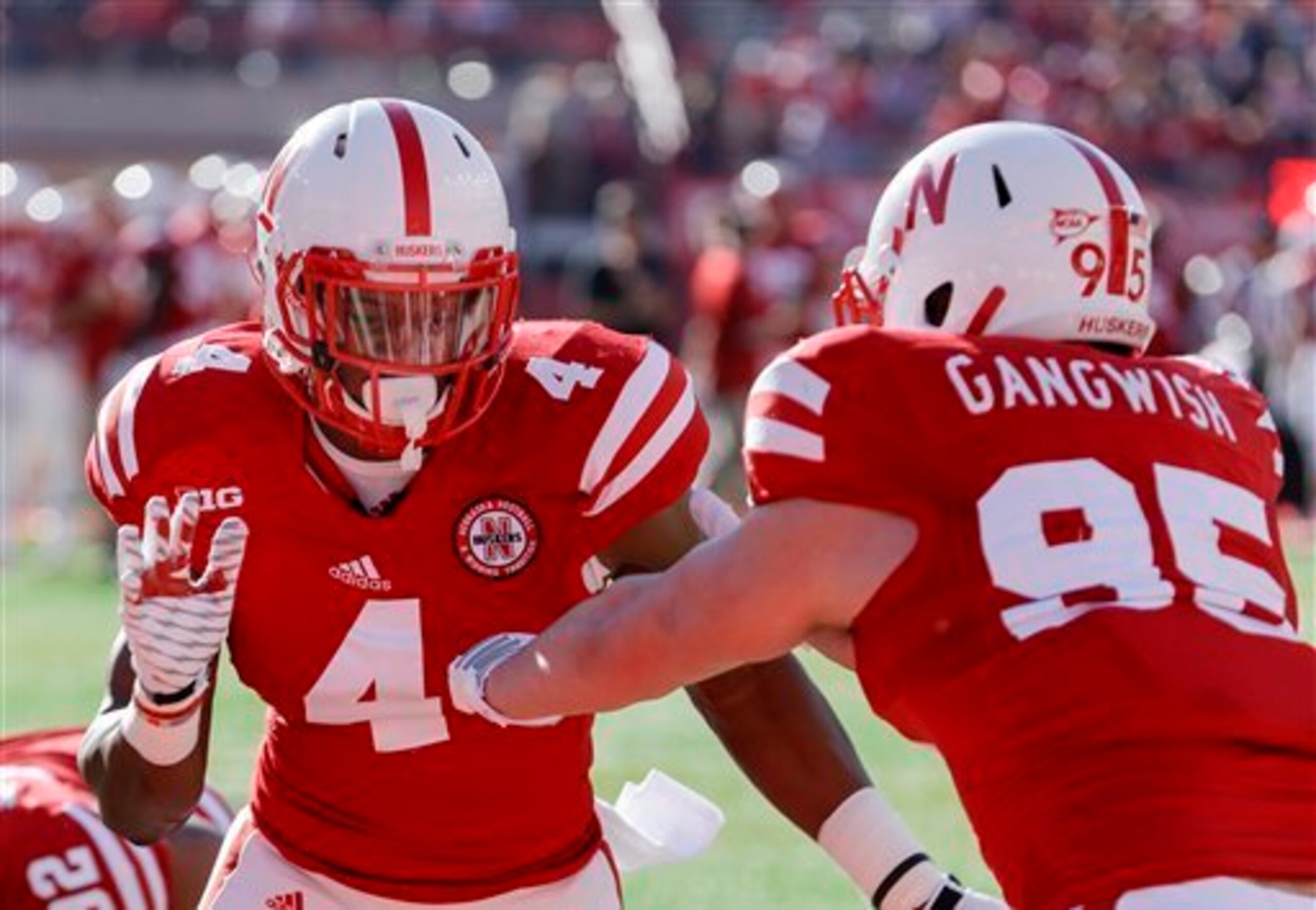
On film, Randy Gregory might be the most talented player in the draft. With his speed, bend and hand usage, it's hard to build a better pass-rusher than the one Nebraska had suiting up for them the last two years. With that being said, Gregory's landing spot may have more to do with his off-field record.
In an interview with NFL.com's Kimberly Jones, Gregory mentioned that he failed a drug test but owned up to his mistake. Still, failing a scheduled drug test has to do with responsibility. If a team can't count on him, how could they draft him in the first round?
Even if he does gain the confidence of a front office, there are still questions about his game as a run defender, since he was very light at the college level. He was listed at 240 pounds by Nebraska's team site, he showed up to the combine at 235 pounds and he gained three pounds between the combine and his pro day, according to Mitch Sherman of ESPN.com.
Overall, he's a quality prospect. To me, he's a top-10 talent in this draft class, potentially even a top-five prospect. With that being said, he's essentially Vic Beasley with a potential drug issue, weight concerns and he only spent two years playing in the FBS. He's as boom or bust as they come. He might be Jason Pierre-Paul when he fills out, but he could also join the likes of Vernon Gholston or Jamaal Anderson.
Alvin Dupree, Kentucky
3 of 6
Alvin Dupree is an interesting prospect for two reasons. The first is the current state of the edge-rusher position. In college, because of the spread game, pass-rushers are becoming smaller and smaller. Vic Beasley and Randy Gregory are good examples of this. They both are more than likely going to be viewed as off-the-ball linebackers in a 4-3 defense because of their size.
Dupree, who played at Kentucky, doesn't fit that mold. At 6'4" and 269 pounds, Dupree looks like an edge-rusher, be it as an end in a 4-3 or an outside linebacker in a 3-4. He's got a body similar to Dante Fowler, the "safe" prospect at the top of this class, and he has the athleticism of the "athletes" in Beasley and Gregory.
At the combine, Dupree scored in the top percentile in both of the jumping drills and in the top three percent in the 40-yard dash for the defensive end position since 1999, per Mock Draftable. It wouldn't be a stretch to say we haven't seen an athlete of his caliber ever to come out of the college landscape, even Jadeveon Clowney, who was regarded as a generational talent when he was picked first overall last season.
Dupree's issue is that he doesn't know how to use his body yet. If he can turn the gear which allows him to change his lane of destruction on the fly, instead of going through predetermined lanes based off pre-snap judgements, he can be a Cameron Wake-level player from that moment on. After that, it's all uphill for him.
His floor, though, is a wide-nine defensive end. He can rush the passer, and lining him wide would allow for his athleticism to thrive, building up speed and power, as he has more time to react to what's in front of him. If miscast, though, he may find himself on the bench, in a similar fashion to Nick Perry, another workout warrior, who is doing so in Green Bay after being drafted in the first round in the 2012 draft.
.jpg?w=2560 "Chiefs Giants Football")
.jpg?w=2560 "Titans Colts Football")
.jpg?w=2560 "Eagles Jaguars Football")
Dante Fowler, Florida
4 of 6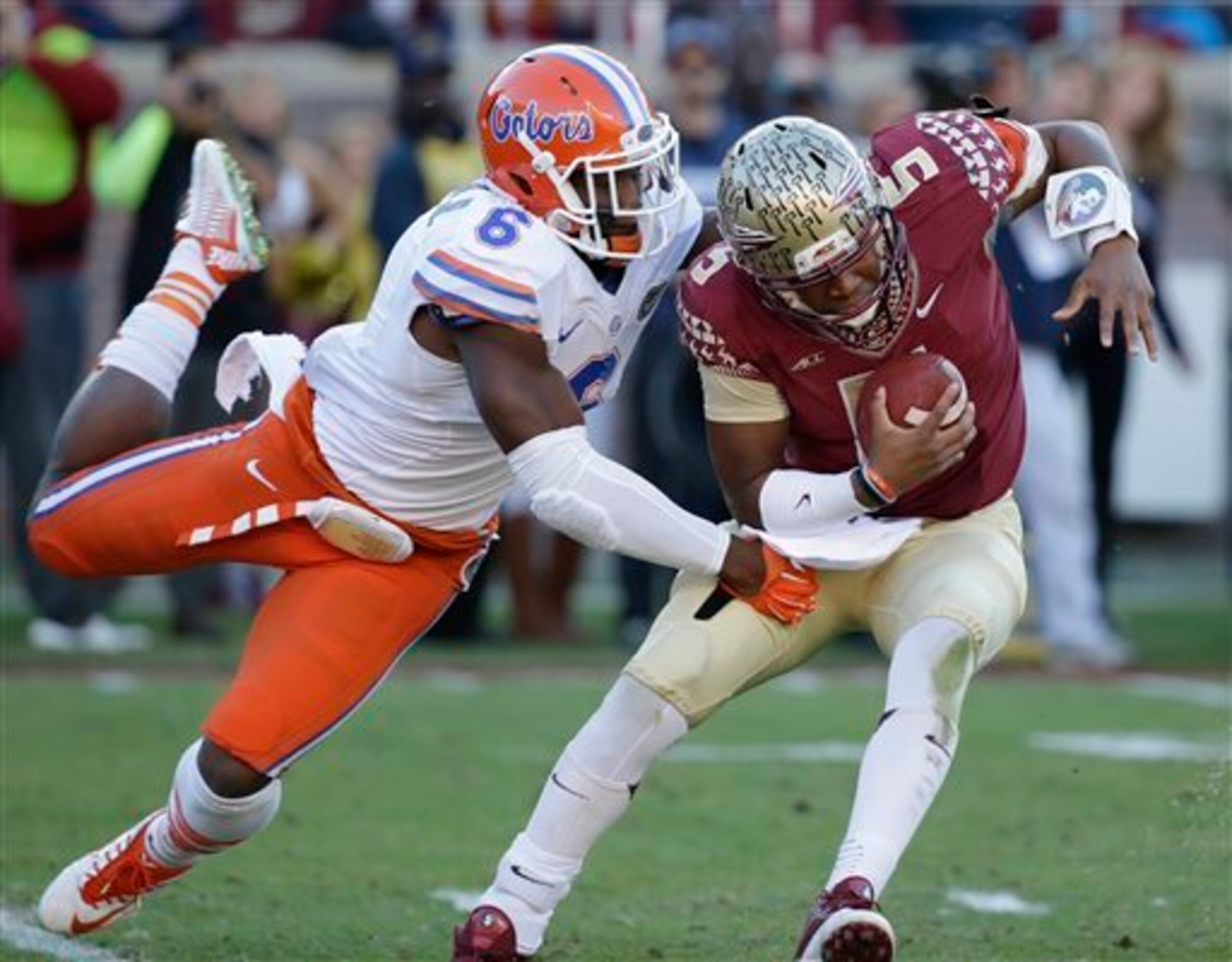
Dante Fowler seems like the highest ranked edge defender across the board. On Play The Draft, a stock market type of prospect game, he's ranked as the third player overall in the class. The only two players ahead of him are Jameis Winston, the quarterback from Florida State, and Leonard Williams, the interior defensive lineman from USC.
The next highest edge defender behind Fowler is Vic Beasley of Clemson, sixth on the list, followed by Shane Ray of Missouri, who is ranked eighth. Fowler, who played collegiality for the Florida Gators, has one advantage over all of those players. While some in this class, like Beasley, are fifth-year seniors, Fowler is just 20 years old.
Some of this value is due to assumed progression. At 20, Beasley was still working his way off the bench. Fowler, who may be drafted as high as third overall by the in-state Jacksonville Jaguars, has a quicker step toward a prosperous career.
With that being said, I think too many people lean on that one attribute. When watching Fowler's film, he's not the blue chip pass-rusher everyone thinks he is. He's a very good run defender and gets to the quarterback fairly well, but I'm not sure he shows the bend or speed-to-power conversion to ever be a Pro Bowl athlete.
His peak to me is a Chandler Jones-type of edge player. Someone who is very good but isn't dominant. His low end is a Jabaal Sheard career, who was just signed this offseason to team up with Jones in New England. Sheard also saw early success in his career, but he's not viewed as a top defender, instead filling in the role of a great rotational player.
Owamagbe Odighizuwa, UCLA
5 of 6
I'm a big fan of Owamagbe Odighizuwa's game but not his college history. As a redshirt senior, he finally put together a season we expected to see out of the former 5-star recruit from Oregon, per 247 Sports. As a one-year wonder for UCLA, the immediate question is, "Why did it take so long?"
The best answer is that Odighizuwa has what seems like chronic hip problems. He only put up his great senior season after missing time due to two hip surgeries. At the combine, he posted a 7.36 three-cone time, showing that the tightness in his hips, which also shows up on film, is present even when out of a game situation.
His ability isn't one of an edge-bender, though. He's a power-rusher through and through. A Brian Orakpo clone, Odighizuwa put up explosion numbers of 39" in the vertical jump, 10'7" in the broad jump and a 4.62 40-yard dash. He's a giant, explosive freak who will run through you with a bull rush, not around you with agility.
In a 3-4 defense, he'll have to drop some weight to make an outside linebacker transition, but Orakpo had to do the same thing coming out of the University of Texas. It looks like all of Odighizuwa's weight is good, which means him losing some pounds just means less work in the weight room for him at the next level.
If Odighizuwa's hips pass through medical clearance, it wouldn't surprise me if he ends up being a top-two edge defender from this loaded class up top. That "if" is a big one, though, and it should be stressed as the unknown factor for why his draft projection can be so scattered.
Shane Ray, Missouri
6 of 6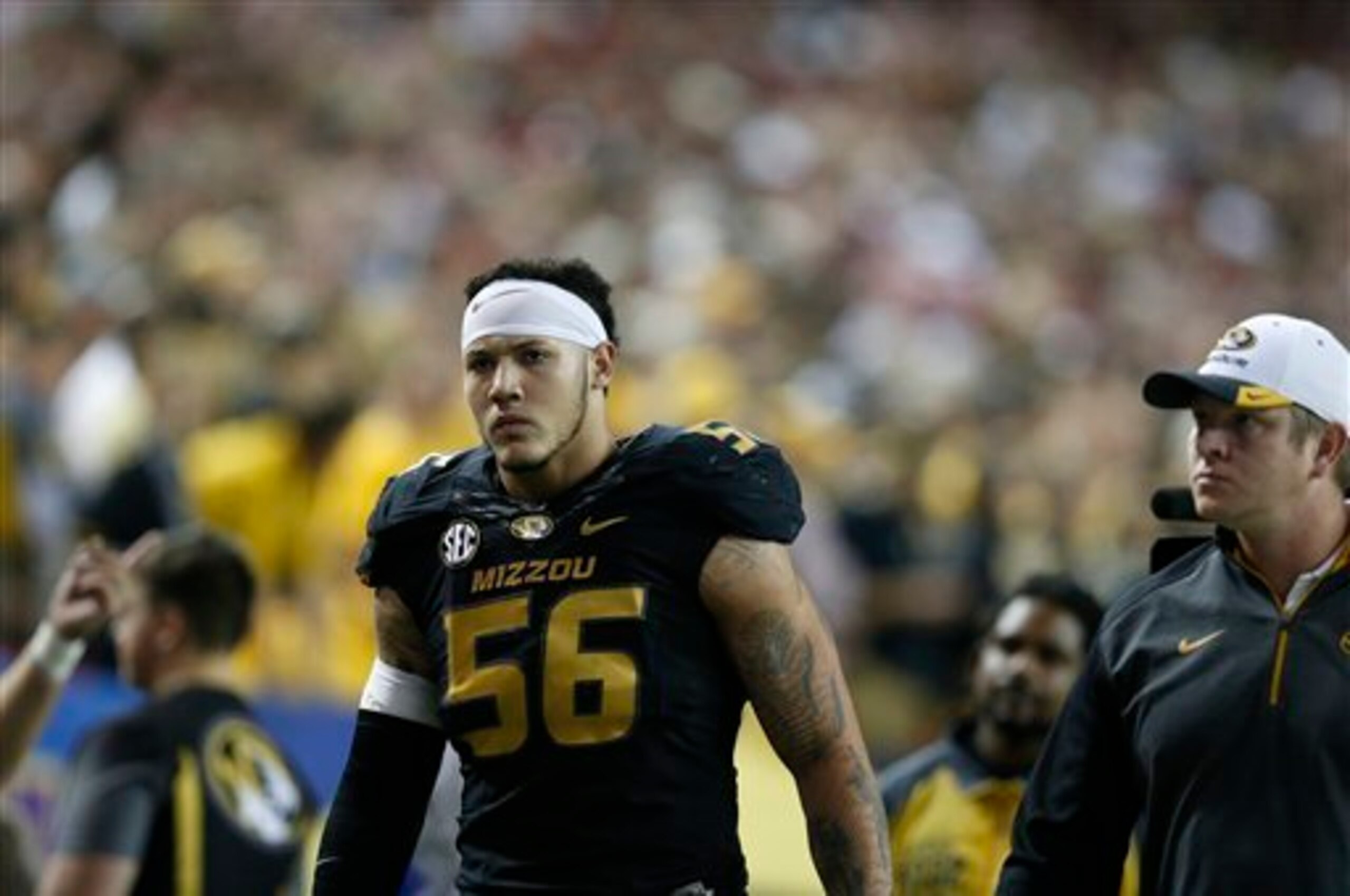
Shane Ray is a concerning prospect to me. For the most part, the people who like him have the opinion that he's a tweener type who is very athletic. Based on his pro day, though, that isn't the case.
When you look at his spiderweb chart on Mock Draftable, you notice how pedestrian he is. Outside of the 40-yard dash, there isn't another drill he did amazingly in. In fact, he mostly did very poorly. He was recovering from a foot injury, but if he put up a 40-yard dash time like a 4.64, shouldn't we assume he was recovered?
Even his 10-yard split was basically in the bottom third for the position since 1999. That's interesting when you consider that his "best trait" is that he's very good off the snap. That begs the question: Is Ray a snap-anticipator?
When you're playing on the defensive line, there's really three ways to read when it's time to go. The first is to move when the ball moves, which is typical of a pass-first defender. The second is to move when the offensive line moves, which is typical for a run-first defender. The last option is a bit of a cheat, to jump the cadence, moving just before the ball is snapped, but not so fast that you're called for offside.
One player who did that often in college was Jerel Worthy at the defensive tackle position. In 2012, he was selected by the Green Bay Packers in the second round. During the 2014 preseason, he was traded to the Patriots for a conditional seventh-round pick, but he was cut before the final roster was announced. During the 2014 regular season, he was on the practice squad for the Kansas City Chiefs.
To put it simply, snap-jumpers don't translate well to the NFL, and the fall can be steep. Ray is a high-effort player, but he's undersized and lacks the athleticism to overcome that flaw at the next level. To me, he's a late Day 2 selection, a third-option rusher who can give a team quality reps if one of their starting defensive ends knocks down to tackle, in a Justin Tuck role.
.jpg?w=2560 "Colts Football")
.jpg?w=2560)