Gordon Taylor, chief executive of the Professional Footballers' Association, once described it as "like trading in human beings." Premier League chief executive Richard Scudamore has compared the practice to "indentured slavery."
But in Madrid last week, at a seminar held on the issue of third-party ownership (TPO), Doyen Sports chief executive Nelio Lucas was adamant that TPO was needed for competitive balance.
"The richest clubs have created tools like financial fair play to protect their position," Lucas said in the Spanish capital, per Dermot Corrigan of ESPN FC. "Now they want to remove mechanisms like TPO which allow poorer clubs to compete at the top level."
TOP NEWS

Final Men's Ballon d'Or Rankings 📊
Live Highlights and Viral Moments 🍿
Most to Blame at Man Utd? 😡
Lucas was pointing to FIFA's plan, backed by UEFA, to ban the practice of TPO across world football (TPO is already banned in England, France and Poland), designed to come into effect after what FIFA president Sepp Blatter described as a "transitional period"—a move the Spanish and Portuguese leagues are contesting in the belief that it's inconsistent with European Union competition law.
"Football is now a mega-business, of many millions of euros," Lucas said.
He continued:
"But unfortunately it is not for all -- just for some clubs. The Premier League is very proud of its strength, for us it is not so funny. Many historic teams are left behind, past European trophy winners like Ajax, PSV Eindhoven and Benfica. The smaller leagues are being strangled, so there is no justice, no fair competition.
"
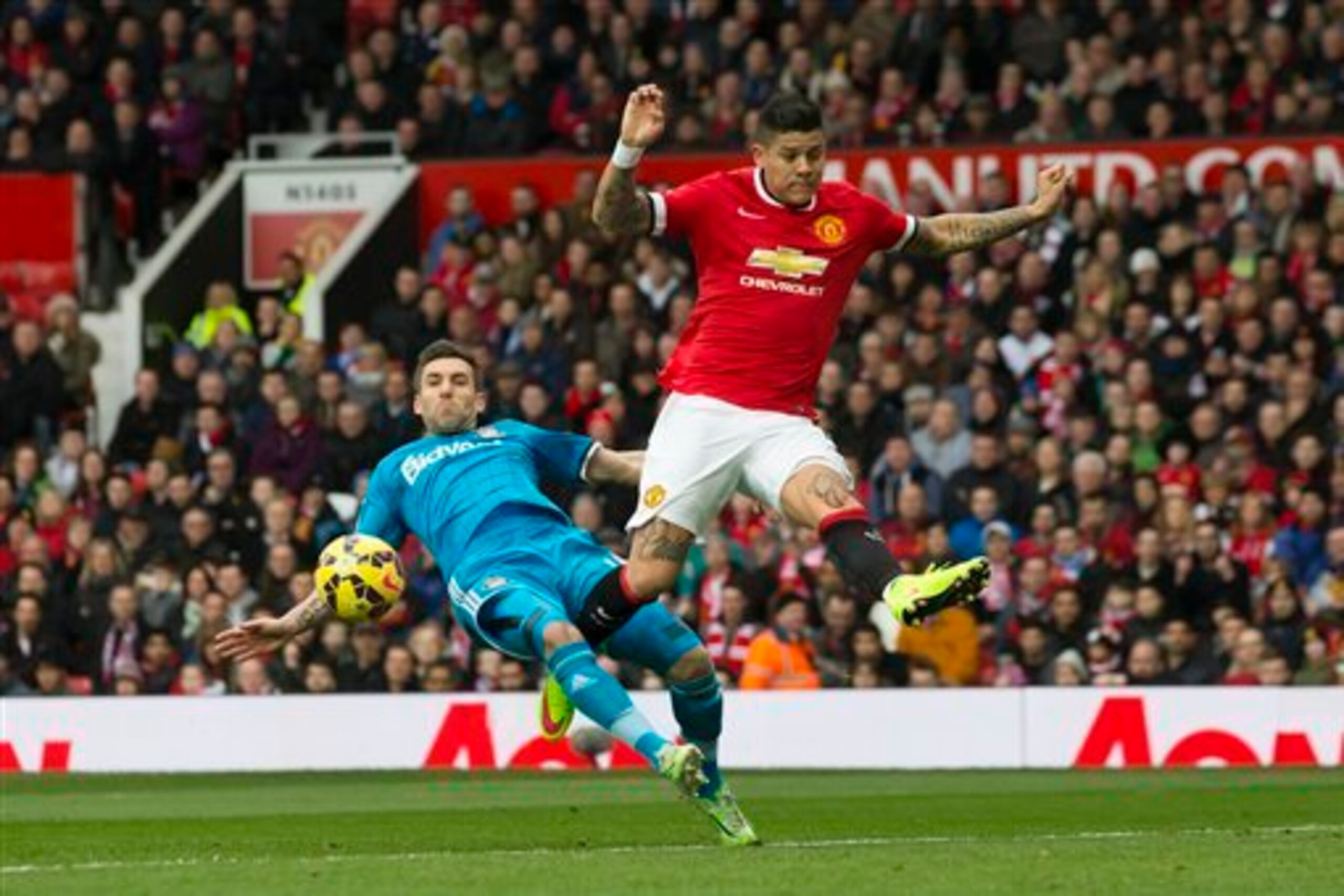
Lucas, of course, works extremely closely to the practice of TPO. Doyen Sports, the private equity fund he heads, was heavily involved in the transfers of Eliaquim Mangala from Porto to Manchester City and Marcos Rojo from Sporting to Manchester United last summer. The organisation's website also indicates it owns investments in more than 20 players, including Radamel Falcao.
At a seminar on the issue held by the Sport Business Centre in late 2013, the process of TPO was succinctly explained:
"Essentially, investors, either individuals or companies, buy a percentage of a player's economic rights in the hope that, if he becomes a successful player in the future, [that percentage, as reflected in the value of the transfer fee] can be sold for a large profit.
The main advantage for clubs acquiring players whose economic rights are, at least in part, owned by a third party, is that they can acquire these players more cheaply, as they do not have to pay the full cost of the player's economic rights which are held by the third party. However, by the same token, when/if the player is transferred on then the club does not receive the full value of the transfer fee which goes to the third party.
"

Doyen Sports supports eight prominent clubs in Europe, according to Corrigan—Atletico Madrid, Sevilla, Granada, Benfica, Porto, FC Twente, Getafe and Sporting Gijon. The first of those clubs, Atletico Madrid, has built a new era of success with the help of TPO, allowing the club to acquire talent normally out of its reach and compete, on the pitch at least, with Real Madrid and Barcelona.
"In 2008, Atletico decided to look for investment from outside, related to players' rights, with Quality [Sports International] and later Doyen," Atletico Madrid chief executive Miguel Angel Gil Marin told those in attendance at the TPO seminar in Madrid last week.
"Thanks to them Atletico has been capable of going in the opposite direction to the Spanish economy, and have won seven trophies in recent years. Today we have increased our revenues, and need less help from the funds."
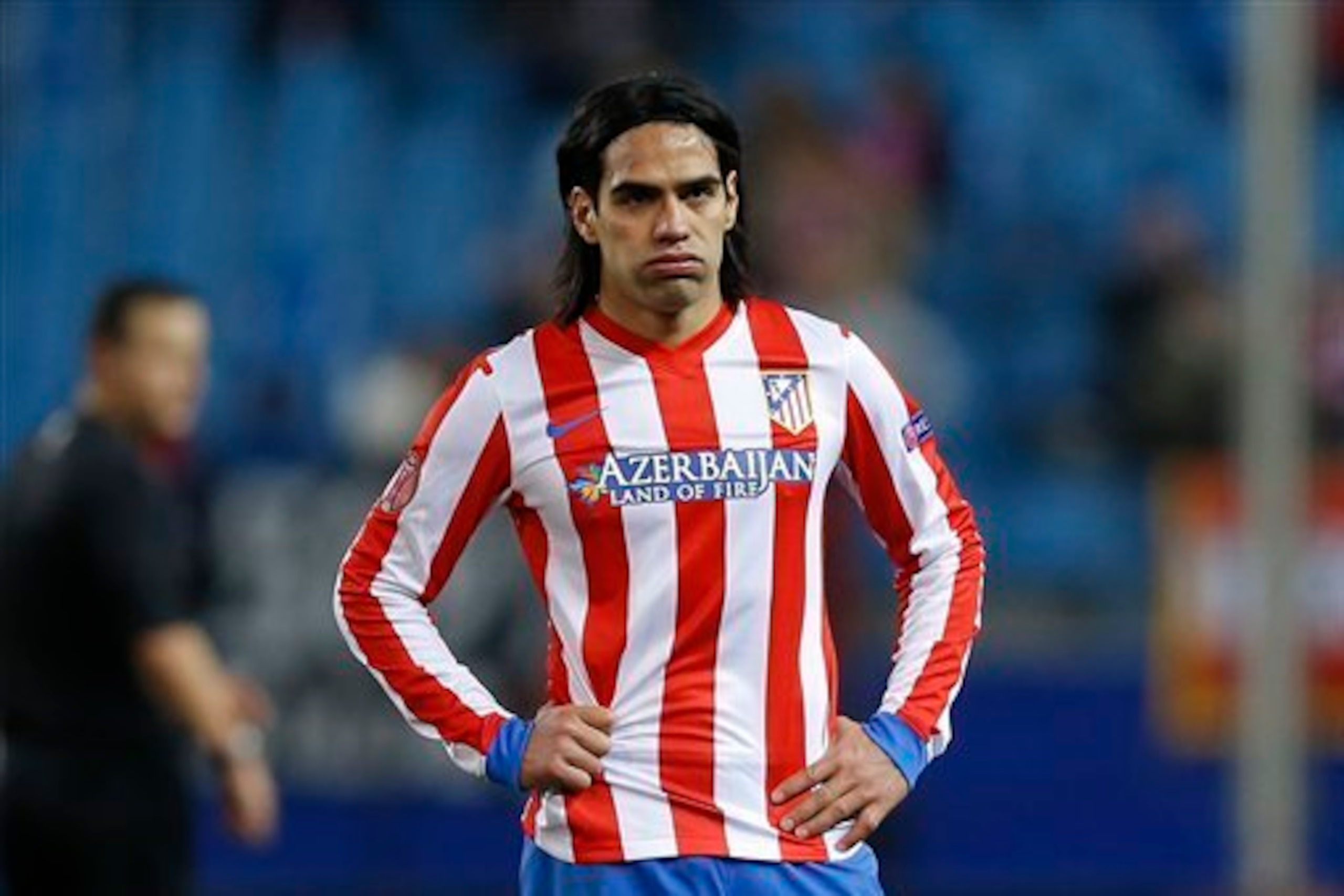
Two of the most high-profile players to have passed through Atleti in that time thanks to TPO are strikers Falcao and Diego Costa, as explained by Kris Voakes of Goal and Ben Rumsby of The Telegraph.
Voakes explained the Falcao deal from Porto to Atletico Madrid:
"The Doyen group was widely reported to have owned at least 55% of Falcao's registration either side of his sale from Porto to Atletico, suggesting that, if the company maintained an interest in the player, the Spanish club's outlay could have been far less than the €40m total fee since they were only paying for Porto's portion of Falcao's rights and Doyen was retaining its share.
"
Such practices are particularly prevalent in Spain, Portugal (hence the objection to the ban) and South America, with the two regions possessing a long and connected history in the football transfer market. The necessity to do so is greatly contributed to by the vast inequalities that exist in TV revenue.
In England, the Premier League recently announced its £5.13 billion TV rights deal, while in Spain, no centralised system exists, leaving individual clubs to negotiate their own deals with broadcasters—a process that results in a enormous chasm between the revenue collected by Real Madrid and Barcelona, and the sums earned by the rest of the league, as illustrated by AS:
So, if a club like Atletico Madrid can benefit from it, what's wrong with TPO?
One of the major arguments against the controversial practice is that it's a short-term measure that doesn't ultimately benefit those who utilise it or address long-standing financial inequalities, instead filling the pockets of individuals and businesses outside football.
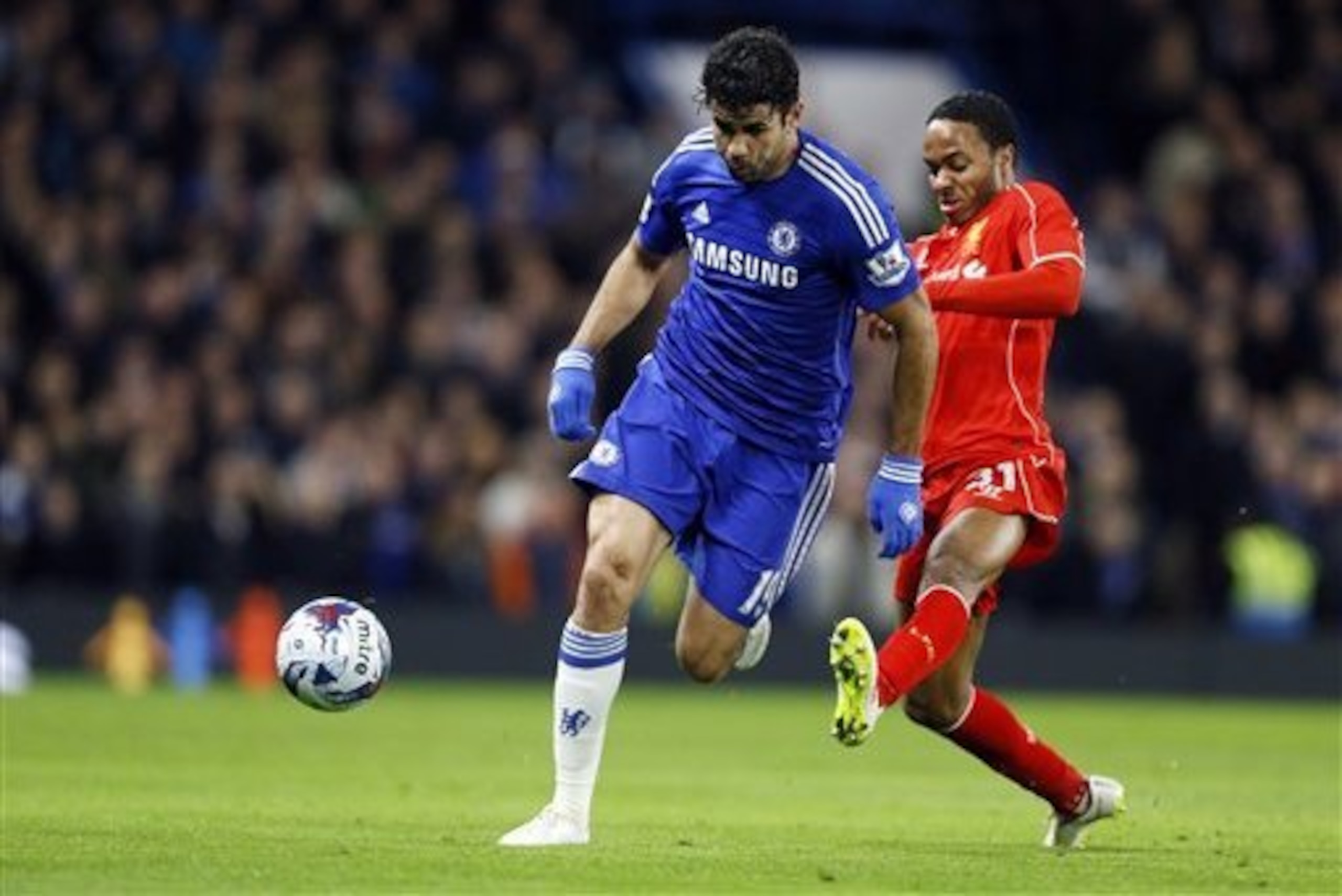
Rumsby highlighted how such circumstances hurt Atleti when the situation was reversed for the departure of Costa to Chelsea, noting that "Atletico netted only 45 percent of Costa's transfer fee, with the rest going to 'investors.'"
For one of the finest strikers in Europe, Atletico received just £14 million—less than the figure Arsenal received from Barcelona for the injury-plagued defender Thomas Vermaelen. (Yet, Costa mightn't have been in Spain at all if not for third-party investment.)
But there are other major concerns regarding TPO, as neatly summarised by the Sports Business Centre seminar:
"It is morally repugnant for anyone to own the economic rights to another person’s labour and be able to trade these rights i.e. that it is a form of slavery;
It interrupts the cascading of transfer fee payments from large “buying” clubs to smaller “selling” developing clubs (the ’Trickle Down’ effect), taking profits out of the football sector which might otherwise serve as a reward to smaller clubs for developing talent;
It undermines the fundamental principle underlying the UEFA Financial Fair Play concept: that clubs should only be able to spend on playing talent what they can generate internally from the business;
It raises particular challenges in terms of protecting the integrity of sporting competitions, as (part) ownership of the economics rights of a player(s) may allow the third party to exercise undue influence over the player, a potential threat exacerbated by the issue of anonymity of third party investors.
It promotes player contractual instability by encouraging frequent transfers of players.
"
It's that fourth point that appears to be at the heart of FIFA's drive to eradicate TPO from football. "Footballers are still treated like commodities, not as human beings," FIFPro president Philippe Piat said earlier this month, per Goal. "TPO opens the door to parasites who manipulate players for profit. They buy and sell in a manner that exposes the failings of the transfer system."
In January, Sporting president Bruno de Carvalho hit out at Doyen Sports over the move of Rojo to Manchester United, accusing the investment fund of infringing FIFA's rules on player transfers and pushing through a deal for its own financial benefit.
But La Liga director general Javier Gomez believes TPO needs regulation, not abolition.
"It is illogical and irrational to stop TPO funds entering into football," Gomez said at last week's event in Madrid that featured Lucas from Doyen.
"It is also illegal in our opinion. The LFP and our friends in the Portuguese league have made our appeal to the European courts. TPO will be vital and fundamental, key for us to keep competing with other leagues, to not become a second level league."
Interestingly, Gomez's point has also been expressed by Richard Berry for LawInSport:
"Rather than prohibition, a better course of action may have been to enforce and enhance the already existing FIFA regulation, Article 18bis, to ensure transparency and continue to give clubs access to the often-vital source of finance provided by TPO.
The ban smacks of over regulation, which may result in previously successful clubs who have made extensive use of TPO falling further behind the traditional powerhouse clubs who do not need to rely on such finance to acquire and maintain their players.
"
As such, a battle is playing out over the fine balance needed to simultaneously ensure transparency, integrity and competitiveness.
And nowhere is the issue more relevant than in Spain, where TV-revenue inequalities, debts, unpaid taxes and austerity measures have driven prominent clubs toward TPO.
.jpg?w=2560 "Chiefs Giants Football")
.jpg?w=2560 "Titans Colts Football")


.jpg?w=2560 "NFL investigating Eagles")
.jpg?w=2560 "Jonathan Taylor Landing Spots 📍")