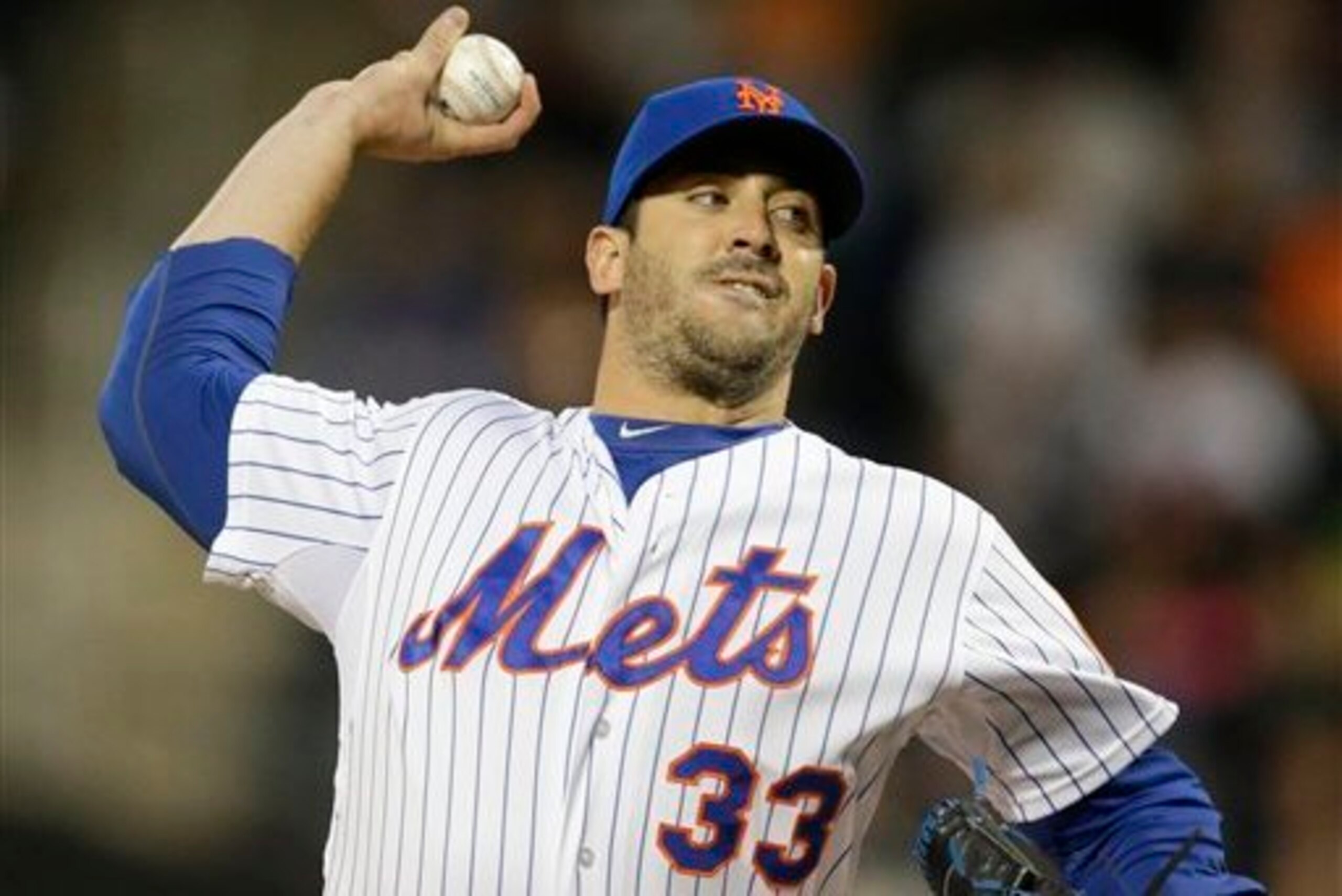

Projecting Dark-Horse Cy Young Candidates for the 2015 Season
Corey Kluber was the ultimate blindside hit.
Few fans knew his name, and none recognized him as a future star a year ago. Going into last season he had made 36 major league starts and was either pretty awful or just good enough to not set the stadium on fire. So, while some of his peripheral numbers might have been decent, nobody believed he was destined to win the American League Cy Young Award come November.
That’s exactly what Kluber did, though, which made the Cleveland Indians’ right-hander one of the all-time dark-horse winners.
Now that we are on alert for such surprises, it's time to peek at early-season results and figure which pitchers could be the 2015 Cy Young dark horses. They do not necessarily have to be players no one has ever heard of, but more like those who are overshadowed or not expected to win the award for one reason or another.
It could be due to no-name status, a recent major injury or poor play lately. Whatever the case, we can find three guys from each league who fit the parameters.
Shane Greene, Detroit Tigers
1 of 6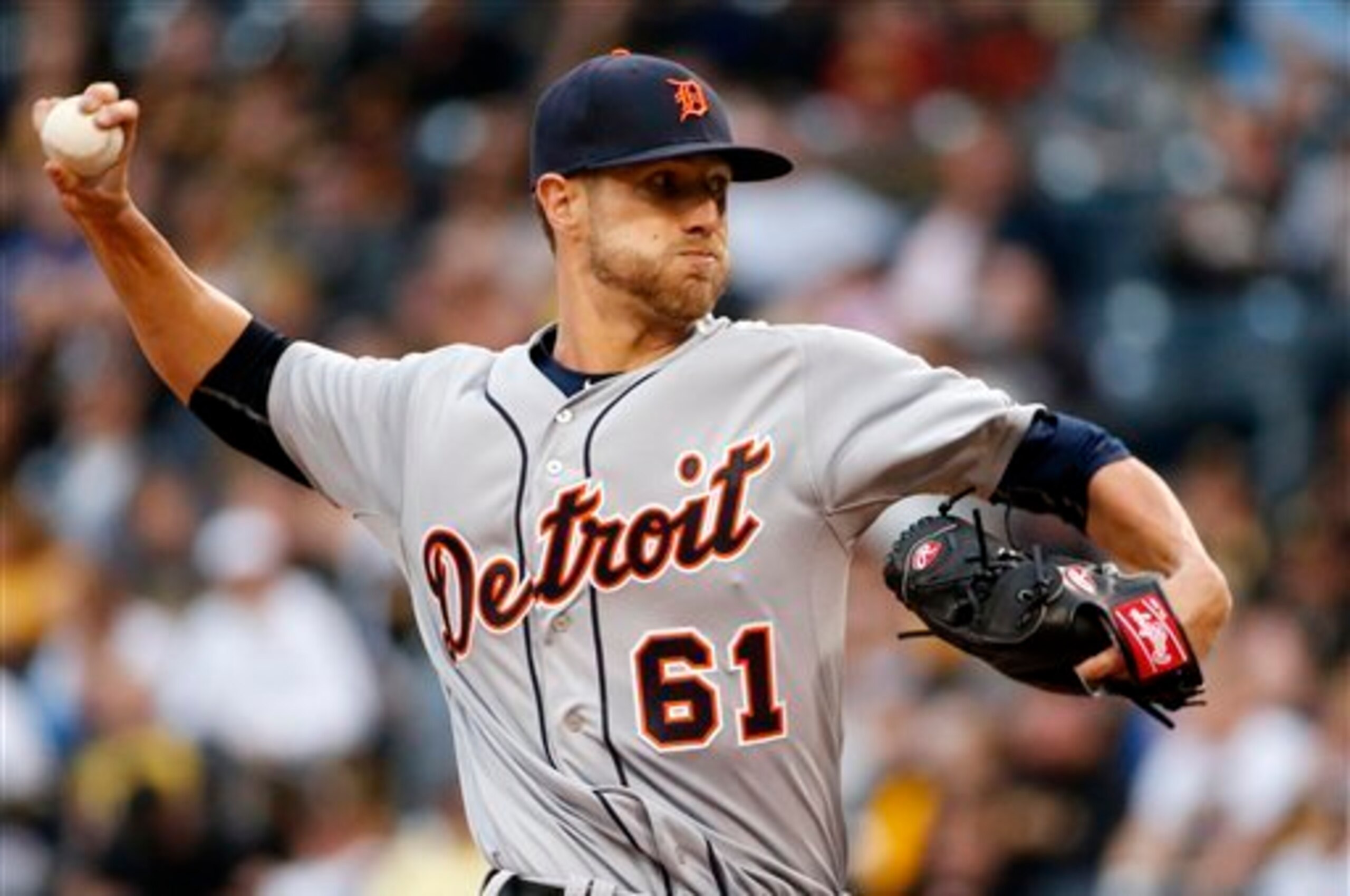
Any time a pitcher is entering his age-26 season with an organization that needs pitching depth but is traded for a shortstop who may or may not figure out how to hit his way through a wet napkin, it's clear that team does not value that pitcher’s upside.
That is the situation Greene found himself in with the New York Yankees last year. He was traded as part of a three-team deal in December that landed the Yankees Didi Gregorius. Greene made only 14 career starts for the Yankees, all of them last season, and put up a 3.78 ERA and 9.3 strikeouts per nine innings.
Typically, that is promising for a guy in his first season, but the Yankees found him expendable.
Greene has made two starts for the Tigers this season. Both of them were eight innings long, and he has only surrendered a single run: 16 innings, 0.00 ERA, eight strikeouts, seven hits, one walk and one run.
Greene is not going to be this outstanding all season. His relatively low strikeout total and the fact that his BABIP is well below .200 scream that a correction is coming. But if he can keep the ball in the park and bump up his strikeout rate, he is capable of being one of this year’s breakout pitchers.
Before the season started, ESPN.com's David Schoenfield wrote this about Greene, last season's performance and his chances to win a Cy Young Award: "He's the longest shot on the board. ... His walk rate was a little high, and Derek Jeter didn't help his BABIP any, but if he improves his command and continues developing his changeup, breakout potential is there--and the Tigers may have stolen a good starter from the Yankees."
Matt Harvey, New York Mets
2 of 6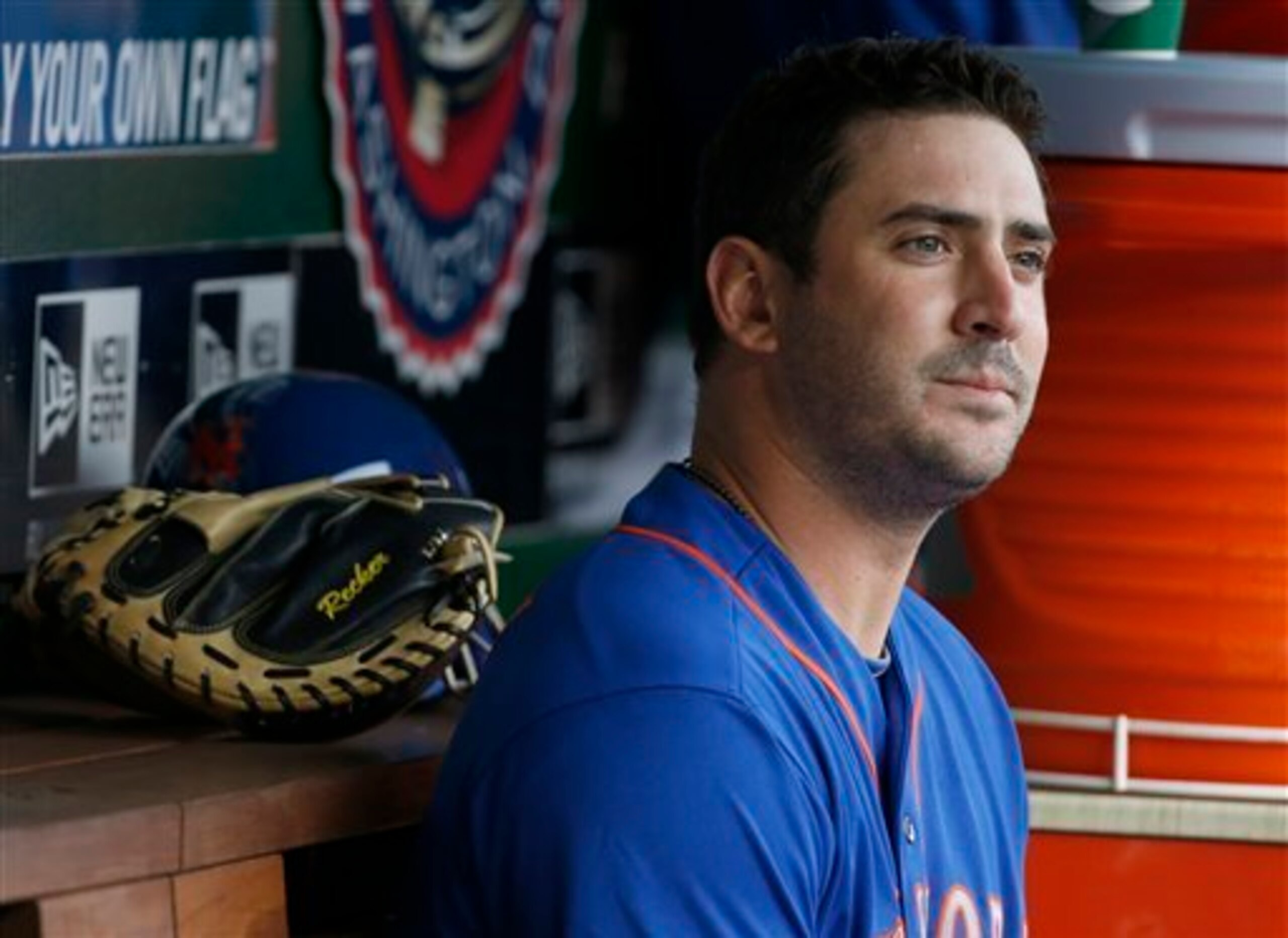
Harvey was well on his way to being a National League Cy Young Award favorite for years to come, but the dreaded Tommy John surgery took away his 2014 season.
He is back and healthy in 2015, and so far he has been solid, if not great. He pitched six shutout innings against the Washington Nationals in his first start, outdueling Stephen Strasburg. Harvey struck out nine and walked one, immediately sparking talk of him being among the best starters in the league once again.
He was less impressive in his second outing, making his home debut against the Philadelphia Phillies on Tuesday. He allowed three runs over six innings, striking out eight without a walk. He also hit Chase Utley in the back, prompting a warning to both benches.
"The situation in the game, I think I got a little over-amped," Harvey told reporters after Tuesday's start. "That one got away."
Under normal circumstances, picking Harvey as a Cy Young winner is a safe prediction. But it is understandable that people will wait and see since he is coming off major elbow surgery.
Now that we’ve done a bit of seeing, Harvey is likely to be back in the conversation come September.
Scott Kazmir, Oakland A’s
3 of 6
When we think of Scott Kazmir, we usually think of injuries and unfulfilled potential. He has, after all, missed 238 career games (about 48 starts) because of injury and has a career ERA+ of 105.
Last season he burst back onto the scene of relevant pitchers by performing like a true ace for the first four months of the season, earning a third career All-Star selection. Through his first 21 starts, Kazmir was good enough for a 2.37 ERA via a .261 BABIP.
After that, Kazmir had a 6.05 ERA and .337 BABIP in his final 11 starts. Thus, he was back to being just another starter.
This year, though, Kazmir is back to being good. He has pitched 13 innings through two starts and has allowed one run while striking out a league-high 18. That K-rate, his 2.35 FIP and .125 BABIP are good indicators that he has not been just lucky but also good.
If Kazmir can avoid whatever brick wall bludgeoned him in the final two months of last year, he will undoubtedly be in the American League Cy Young mix.


Zack Greinke, Los Angeles Dodgers
4 of 6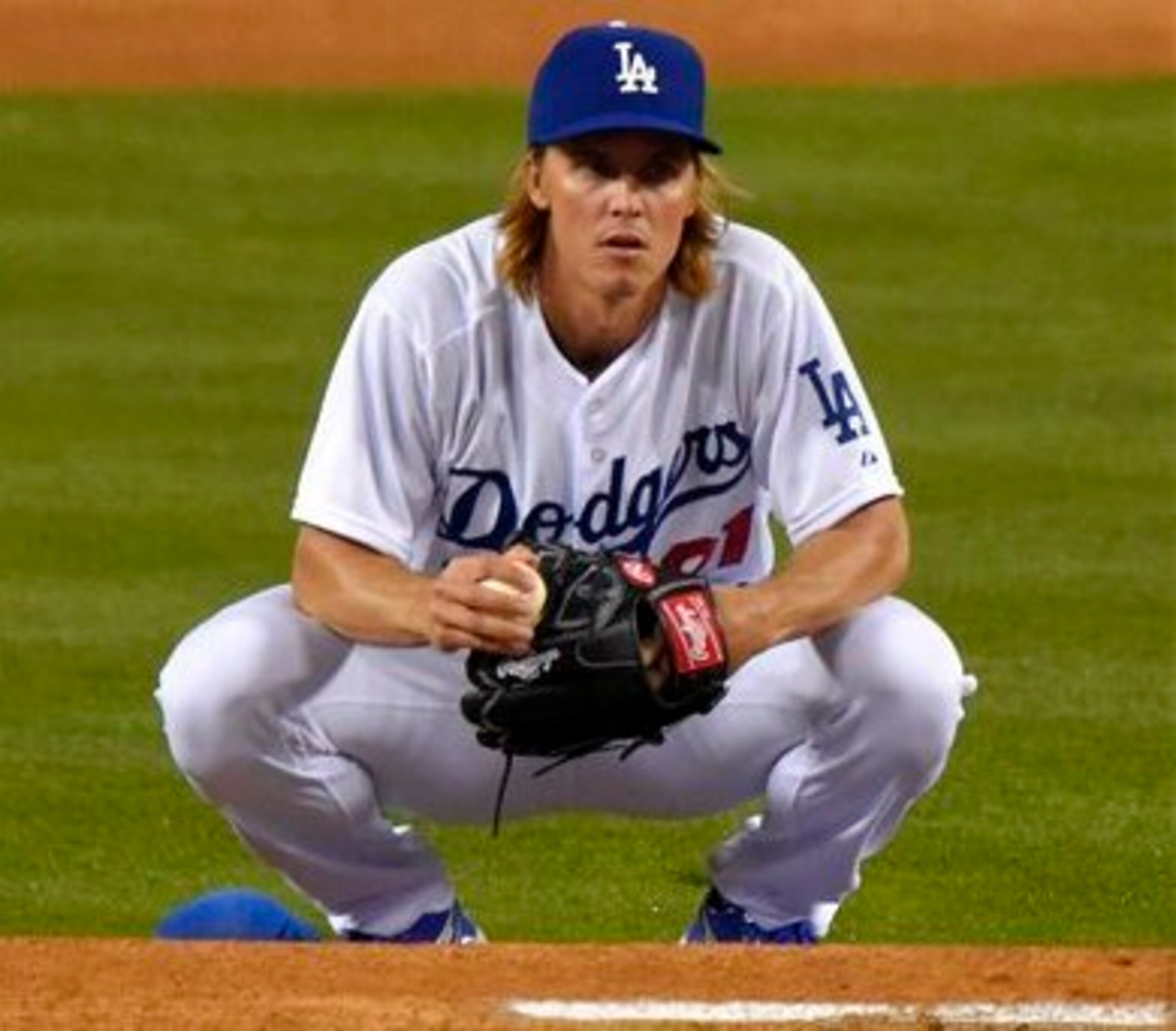
Yes, a pitcher with a Cy Young Award already in his trophy case who has put up sub-3.00 ERAs over the previous two seasons is hardly an outsider trying to crack the award race.
Then again, when you are in the same rotation as Clayton Kershaw, already one of the game’s all-time greats, it is easy to have your own greatness overlooked. That is the reality for Greinke.
Last season, he finished seventh in the National League Cy Young race, but he was probably better than that, posting a FanGraphs WAR (4.3) that was sixth in the league and higher than Cole Hamels' and Madison Bumgarner's. His strikeouts per nine (9.21) were fifth, but of course, he was pitching in Kershaw’s shadow.
This season might be Greinke’s reintroduction.
He has made two starts this season, allowing one run over 13 innings, striking out 11 and walking one. If he can put up another season similar to his previous two—his combined FanGraphs WAR is 7.6, seventh in the NL despite making 60 starts—he could be the Cy Young winner nobody picked.
Jake Odorizzi, Tampa Bay Rays
5 of 6
Odorizzi was the 32nd overall pick by the Milwaukee Brewers in 2008. Since then he has been a piece of two blockbuster trades, the first involving Zack Greinke and the second involving James Shields.
Throughout his major league career, Odorizzi, 25, has been mostly disappointing. In his first 37 career starts, he had a 4.13 ERA, 3.83 FIP and 91 ERA+.
However, he is off to a rousing start in his second full big-league season. Odorizzi has allowed one run, four hits and three walks, and has struck out 10 through 14.2 innings against the Baltimore Orioles and Toronto Blue Jays, two teams expected to score more than their fair share of runs. He is holding opponents to a .085/.157/.128 slash line and .108 BABIP.
But like Kazmir, Odorizzi’s control and ability to strike people out—he struck out 9.3 hitters per nine last year—say he can sustain a high level of success as he settles into his role as a full-time major league starter.
"He has a good arm, pitches up and down," Blue Jays manager John Gibbons told reporters. "Effectively wild you could say. You can't sit there and dig in, he'll run those balls in on you hard and has a good split changeup that he started to develop last year. He's a pretty good pitcher, he really is."
Shelby Miller, Atlanta Braves
6 of 6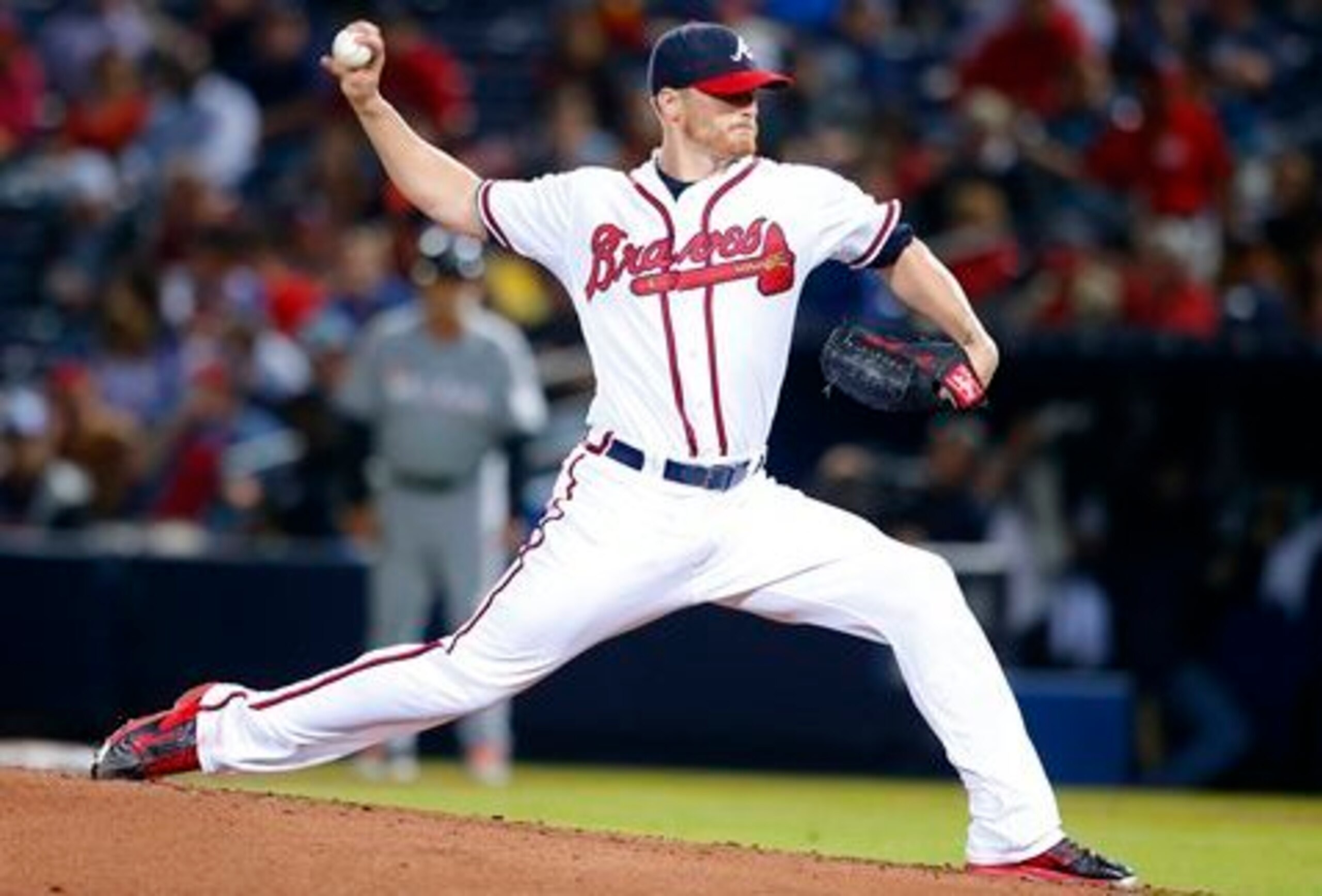
Miller, 24, was one of baseball’s top prospects going into the 2013 season, and he did nothing to disappoint in that rookie season with a 3.06 ERA and 122 ERA+.
Miller plummeted back to Earth in his second season as his strikeout rate dropped dramatically—23.4 percent in 2013 to 16.6 last year. That backslide was a huge factor for Miller considering his BABIP actually dropped from his rookie to sophomore season—.280 to .256.
Partly because of need and partly because the St. Louis Cardinals believed they had enough pitching to do without Miller, they traded him to the Braves for Jason Heyward in one of the bigger deals of the winter.
Through his first two starts with Atlanta, Miller is again looking like a front-line kind of guy.
He has allowed one run through 10 innings, all of them coming against the Miami Marlins. His strikeout-to-walk ratio is only 1.25; it was nearly 3.00 in his rookie year. But if Miller can gain some more control and again find his changeup—FanGraphs says he threw it 6.3 percent of the time in 2013 and just 2.2 percent last year—he can re-establish himself as one of the best young pitchers in the National League.
Advanced stats courtesy of FanGraphs and Baseball-Reference.com.


.jpg?w=2560 "NFL investigating 2 referees for separate viral exchanges")

.jpg?w=2560 "OBJ Calls Out Giants 😳")
.jpg?w=2560 "Ward Nearly Walks Out of Presser 😳")

.jpg?w=2560 "Buzz: Tyreek Eyeing November Return")