Utah WR Dres Anderson Puts NFL Draft Dream on the Line in Personal Pro Day
Life as an injured draft prospect can be a grueling waiting game, as Utah receiver Dres Anderson knows a little too well.
The son of former NFL great Willie "Flipper" Anderson suffered a season-ending knee injury in October of last year. He missed his final six collegiate games and nearly all of the important dates on the predraft calendar, including all-star games, the NFL Scouting Combine and Utah's original pro day.
The end of Anderson's wait finally comes Tuesday, when he will put on a personal pro day workout for teams interested in taking the speedy receiver in the 2015 NFL draft. How he handles the test will likely determine where—or if—he's drafted come the end of the month.
TOP NEWS
.jpg?w=2560 "Chiefs Giants Football")
Mahomes Told Teammate to Leave Meeting
.jpg?w=2560 "Titans Colts Football")
5 Teams Eyeing Jonathan Taylor
.jpg?w=2560 "Eagles Jaguars Football")
NFL investigating Eagles
Anderson currently checks in as a likely mid- to late-round selection.
CBS Sports ranks him as the site's No. 29 overall receiver. Lance Zierlein of NFL.com projects Anderson as a fifth- or sixth-round pick, with an NFL comparison to current St. Louis Rams receiver Chris Givens.
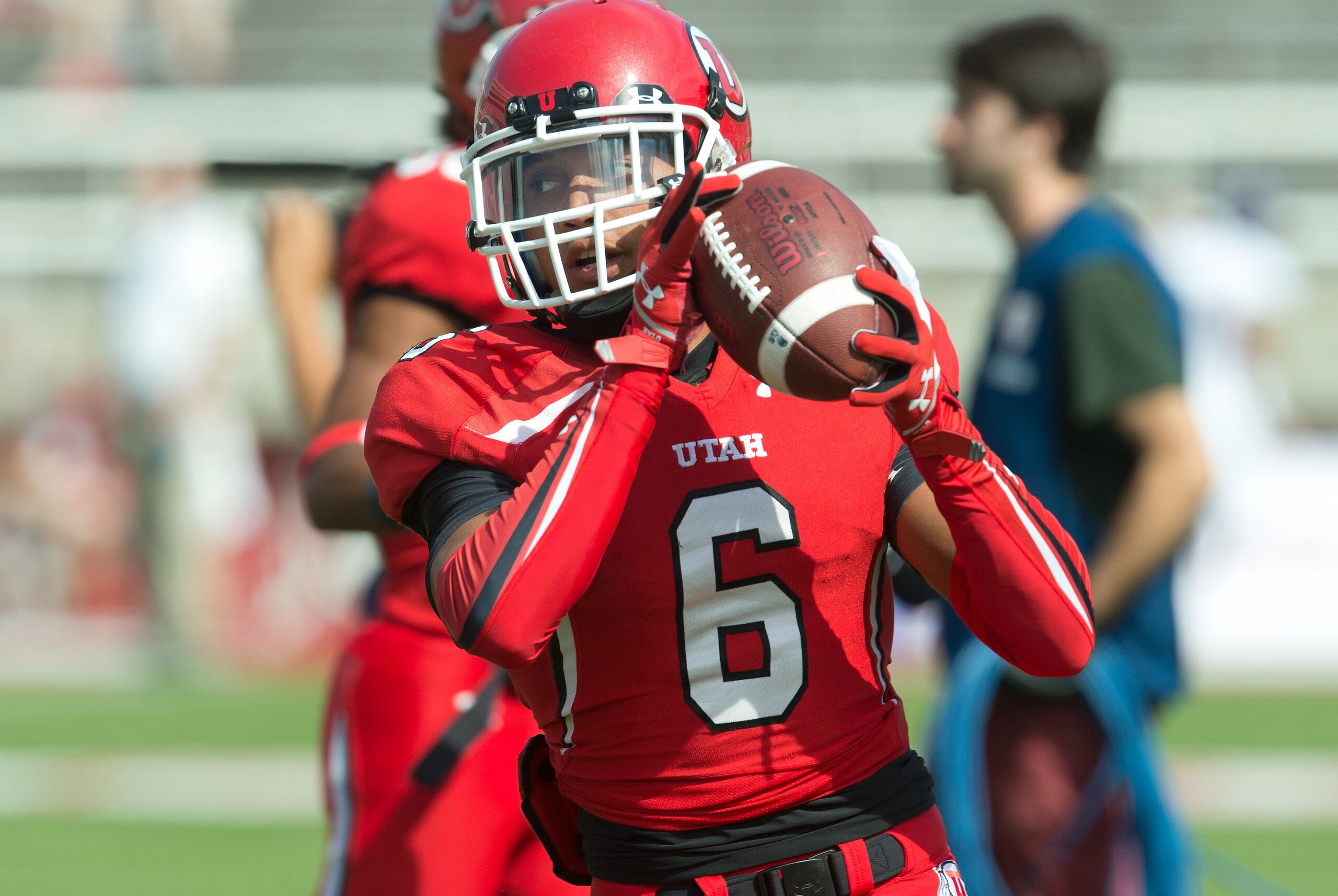
The 6'1", 187-pound receiver can do nothing to alter teams' perception of his four-year career at Utah, where he finished with 2,077 receiving yards (fifth in school history) and 17 touchdowns (sixth). But his pro day Tuesday will be an important step in showing teams he's recovered from the torn meniscus he suffered during Utah's win over USC to end October.
"He's still got that smile and stuff," Utah receiver Kenneth Scott said, via Matthew Piper of the Salt Lake Tribune. "He's still the same Dres. I just told him to keep his head up. This injury is a little bump in his road."
Teams will want to know if Anderson's speed—once an undeniable asset for his father—is still intact.
Over his final two years at Utah, Anderson averaged 18.1 yards per catch—including a Pac-12-leading 18.9-yard mark during a 1,000-yard season as a junior. He finished tied for first in the FBS with seven catches of 50 or more yards in 2013, a testament to his game-breaking abilities down the field.
| 2011 | 13 | 23 | 355 | 15.4 | 3 |
| 2012 | 12 | 36 | 365 | 10.1 | 3 |
| 2013 | 12 | 53 | 1002 | 18.9 | 7 |
| 2014 | 7* | 22 | 355 | 16.1 | 4 |
| Totals | 44 | 134 | 2077 | 15.5 | 17 |
He eventually earned the nicknamed 'Red Rocket,' a moniker that likely put a smile on Flipper's face.
Anderson's football dad was once a game-breaking receiver himself. He played 10 seasons in the NFL and averaged 20.1 yards per catch, including league-high marks in 1989 (26.0) and 1990 (21.5). Flipper also broke the NFL record for receiving yards in a game, catching 10 passes for 355 yards in a win over the New Orleans Saints in 1989. Over a two-year stretch from 1989 to 1990, Anderson totaled 2,243 receiving yards over just 95 receptions.
His father's shoes will be difficult to fill. But if healthy, Anderson has proven himself capable—especially as a vertical threat.
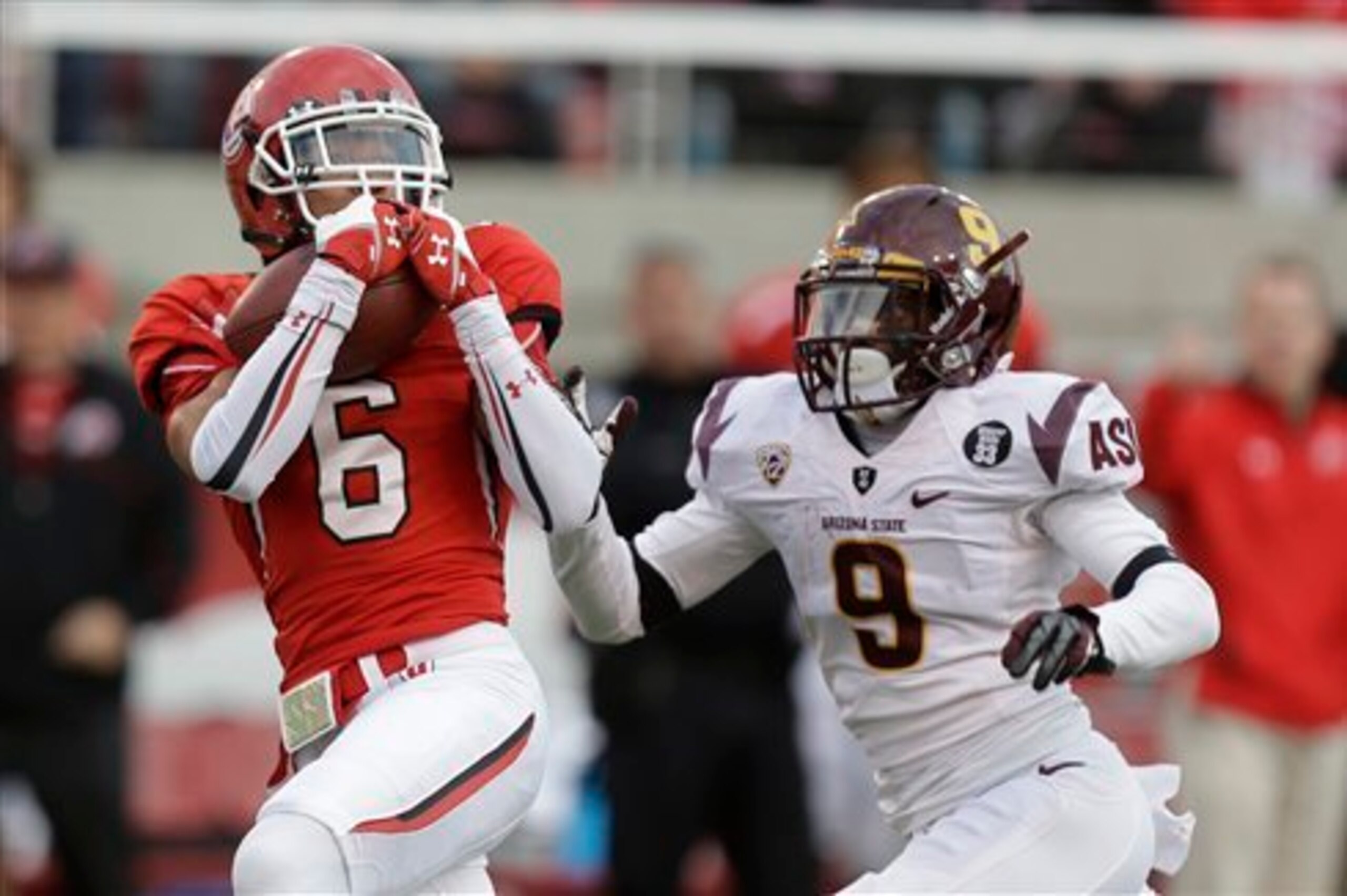
Draft analysts love Anderson's downfield play speed.
"Long, fast strides to eat grass and get to top speed in a hurry, running as if his feet are on fire," Dane Brugler of CBS Sports wrote. "Quick release off the line of scrimmage and shifts gears well in his routes and after the catch with the field awareness to find green."
Brugler views Anderson as a sixth-round prospect, with the potential to rise if he looks healthy Tuesday.
Zierlein views his strengths similarly.
"Long legs that eat up space downfield," Zierlein wrote in his draft profile at NFL.com. "Good enough with downfield route-running. Possesses eye-catching second gear to separate in space."
Anderson's biggest assets revolve around his ability to accelerate and maintain top speed. His junior-year highlight tape is a consistent run of big plays down the field:
Tuesday's pro day will likely reveal if his strengths have remained strengths.
A torn meniscus can be a more devastating injury than an ACL tear. The rehab process has been a slow one for Anderson, who originally planned on participating in last month's Utah pro day. He couldn't go, which necessitated Tuesday's individual workout.
Healthy or not, there are still legitimate concerns for his transition to the next level.
Anderson is lean at under 190 pounds, which will limit his ability to get off the line of scrimmage at the next level. Timing in the NFL is all-important, and receivers can be effectively eliminated from the game if stalled at the line.
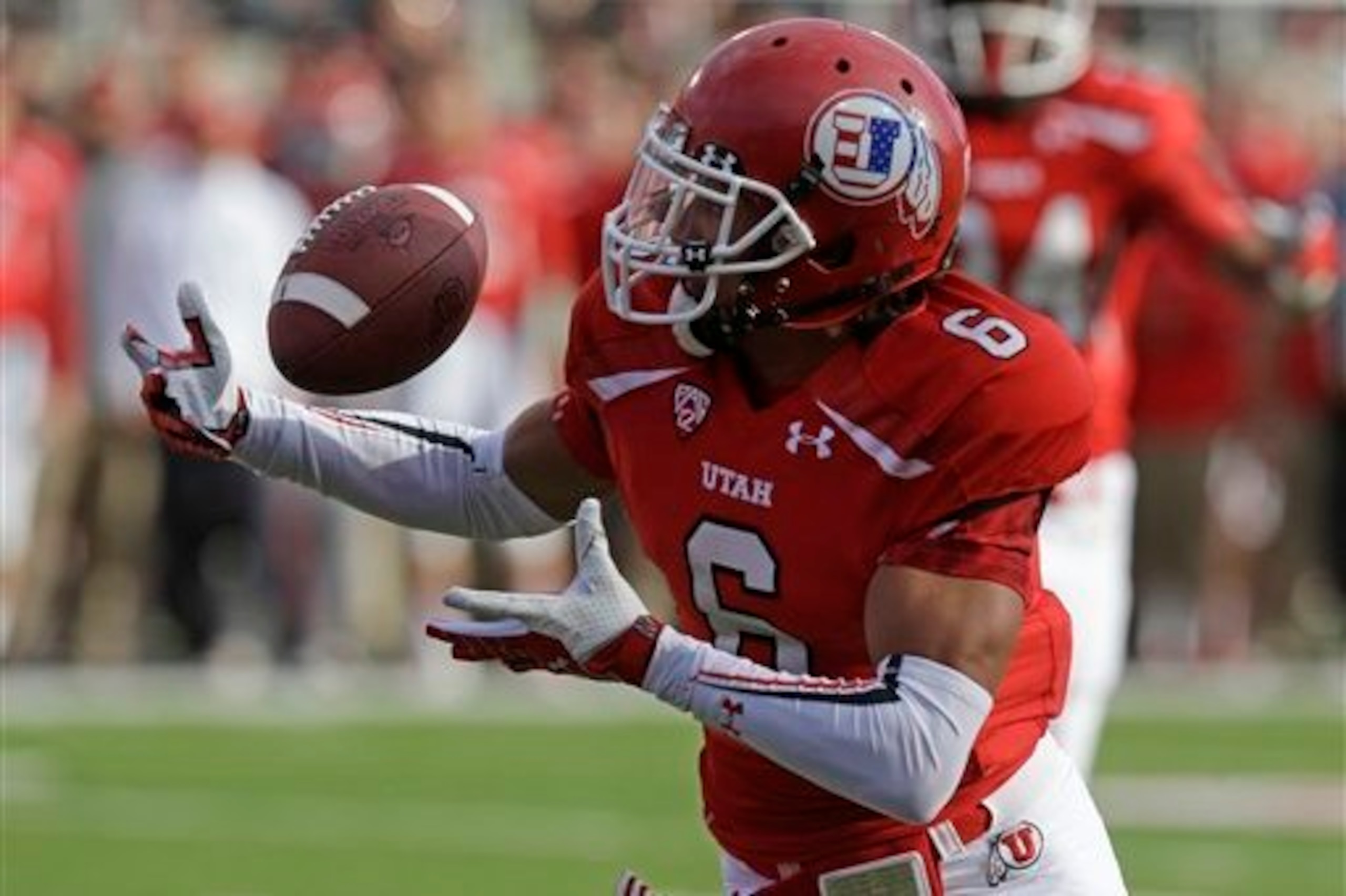
Consistently catching the football remains the life blood of the position, and Anderson has occasionally struggled in this area.
| 128 | D. Byrd | 4 | 24 | 16.7 |
| 129 | J. Jones | 8 | 44 | 18.2 |
| 130 | D. Anderson | 5 | 27 | 18.5 |
| 131 | Q. Dunbar | 6 | 27 | 22.2 |
| 132 | D. Welch | 7 | 30 | 23.3 |
According to Pro Football Focus, Anderson dropped five of his 27 catchable targets last season. While his year was cut short by injury, he still finished among the bottom five of draftable receivers in overall drop rate. In fact, only two receivers were worse.
The issue wasn't isolated to just 2014. Zierlien charted a two-year drop rate above 18 percent, which must be a worrisome number for teams thinking of investing a draft pick in a position dependent on catching the ball.
Then again, Anderson can show off an improved concentration ability when he works out for teams Tuesday.
The workout will likely determine whether he's drafted in a few week's time. If he can prove his knee is healthy and his vertical speed is intact, Anderson will likely hear his name called among a loaded draft class at receiver. If not, his journey to the NFL might become a more laborious one.
Zach Kruse covers the NFL for Bleacher Report.
.jpg?w=2560 "Colts Football")
.jpg?w=2560 "Bills Rams Football")