

5 Technical Changes That Would Make a Huge Impact on World Football
As the most popular sport on the planet, football has a certain responsibility to be the pioneer in leading change for the greater good, a responsibility many might agree it doesn't always live up to.
Football has implemented countless rule changes and alterations to the law both on and off the pitch down the years, but the pursuit of perfection means further metamorphosis is inevitable.
Here, we discuss some of those changes that would transform the sport tremendously, with some tweaks doing more good than others, although all would revolutionise the way the game is played.
Let us know which rule changes you'd like to see introduced in the forum below.
1. Abolishment of Third-Party Ownership
1 of 5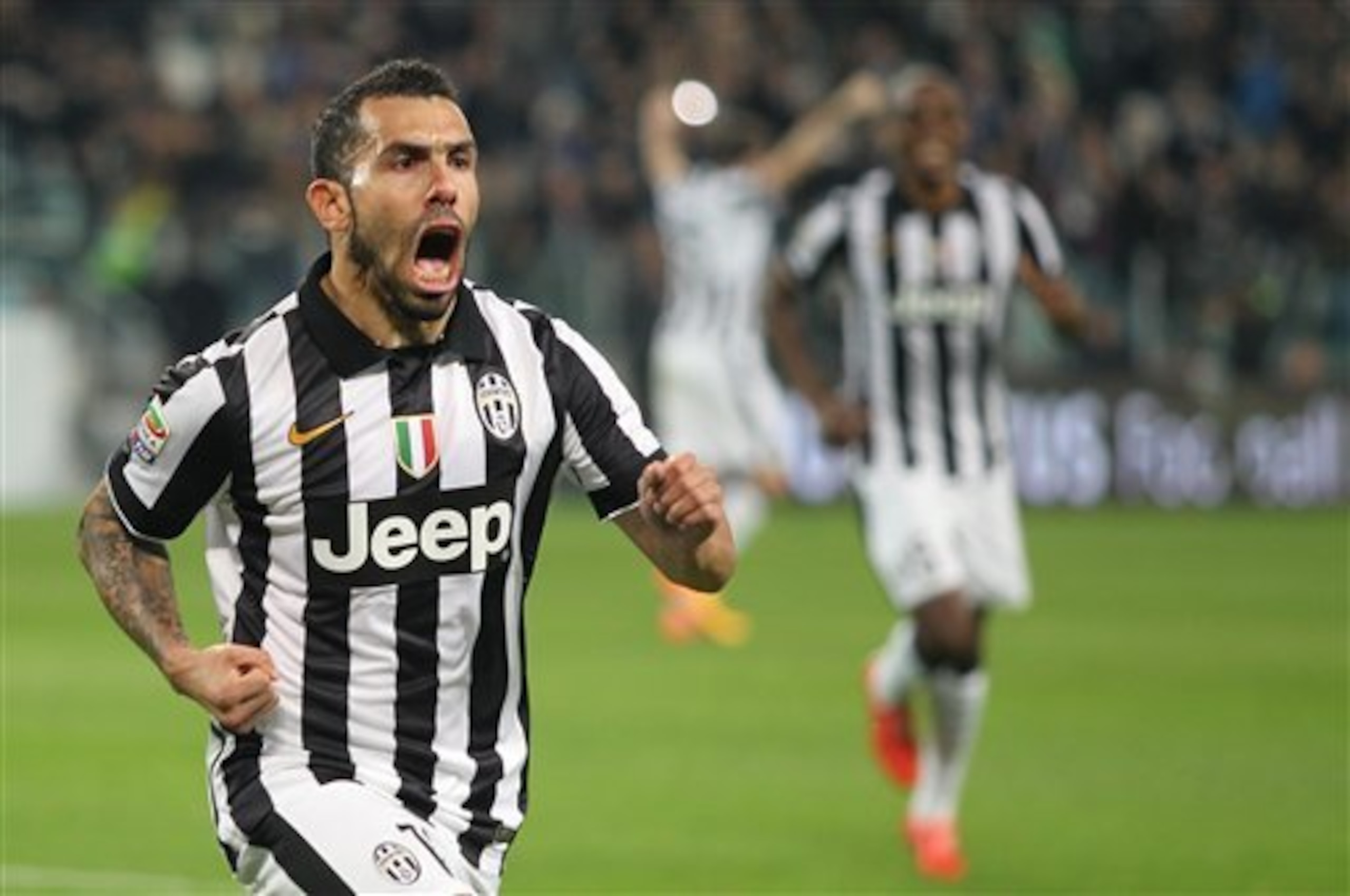
Third-party ownership is a phenomenon to have only entered the general football sphere in over the past decade or so, but it seems the higher powers are already working to eradicate it from the game.
The co-ownership of a player between a club and investor(s) has been argued to benefit smaller clubs that would otherwise not be able to afford a player, but there are potentially massive complications therein.
BBC Sport's Richard Conway reported last September that FIFA were looking into banning third-party ownership, but a three- or four-year transitional window would be required in which to siphon it out of football.
Since then, the case against this means of investment has only grown stronger, with UEFA president Michel Platini quoted by BBC Sport in March as likening the process to modern-day slavery:
"I think we are dealing with a type of slavery that belongs in the past. I have put a lot of pressure on Fifa to stop third-party ownership of players. Today it is shameful to see some players with one of their arms belonging to one person, a leg belonging to a pension fund located who knows where and a third person owning his foot.
So it's about time the world of football wakes up and that the money coming into football remains in football and doesn't disappear right or left or I don't know where.
"
To date, third-party ownership remains most common in South America, Portugal, Italy and other countries on the continent, but has thus far stayed largely out of the Premier League.
Without it, we may come upon a more transparent business model, even if it does mean some clubs having to operate closer to their own means when it comes to purchasing players.
2. Wage Caps in Major Leagues
2 of 5
It's no fresh sentiment that money certainly does make the world of football go around, where rising wages, staggering endorsement deals and lucrative incentives have put more power in the players' hands than ever.
But what if football were to reclaim some of that power? The money in the sport seems too far evolved for a wage cap to be introduced at the drop of a hat, but should the clubs of the Premier League, La Liga, Bundesliga and others be told "here's a wage bill, stick to it"—what then?
The Independent's Jack Pitt-Brooke reported in 2013 that a wage cap was "on the agenda" for the Premier League, but we're still no closer to reaching such an outcome more than two years down the line.
In order for such a structure to work, UEFA would need unanimity across its top leagues, lest one become a particular haven for top players, offering more lucrative deals for the biggest talents. Sound familiar?
Fairness in football is something many, if not all, agree to being an ultimate goal, but player wages is the first growing trend that needs curtailing if that balance is ever to be achieved.
3. Loan Restrictions
3 of 5
In principle, football's loan system seems a most amicable innovation: Clubs have the opportunity to send younger or less experienced assets out for a temporary time, benefiting another team in the process—a win-win situation.
Or so it seemed until the model, like many other dimensions in football, went through a phase of manipulation by those who can afford to let a vast array of less-valued players leave their borders.
The case in point here would be Chelsea, who have built up an army of youngsters in recent seasons through the transfer market, some of whom may have genuinely been intended for a first-team future—others not.
The Blues have a particular rapport with Eredivisie side Vitesse Arnhem, who have courted some controversy due to the relationship their owner, Alexander Chigrinsky, holds with Stamford Bridge equivalent Roman Abramovich.
In April 2014, former Vitesse owner Merab Jordania told Dutch newspaper De Telegraaf (h/t Mirror's Martin Lipton) Chelsea had even ordered Vitesse to start losing games, as they didn't want their farmed-out players in the Champions League:
"I wanted to be the champion with Vitesse, but London would ultimately not allow it. Having ambition is fine, but we were told Vitesse could not be in the Champions League with Chelsea."
It's a case of investment gone mad in football when one's interests should rest exclusively with the club they're involved with and not where a number of their players happened to be plying their trade.
Chelsea aren't the only culprits of this farming technique, which in a way widens the gap between football's upper echelon and the rest even further.
Limiting the number of players that can be loaned out by a club each season to an acceptable figure would continue to promote youth development, while preventing some clubs from tightening an already strong grip.

4. Balanced Broadcasting Revenue
4 of 5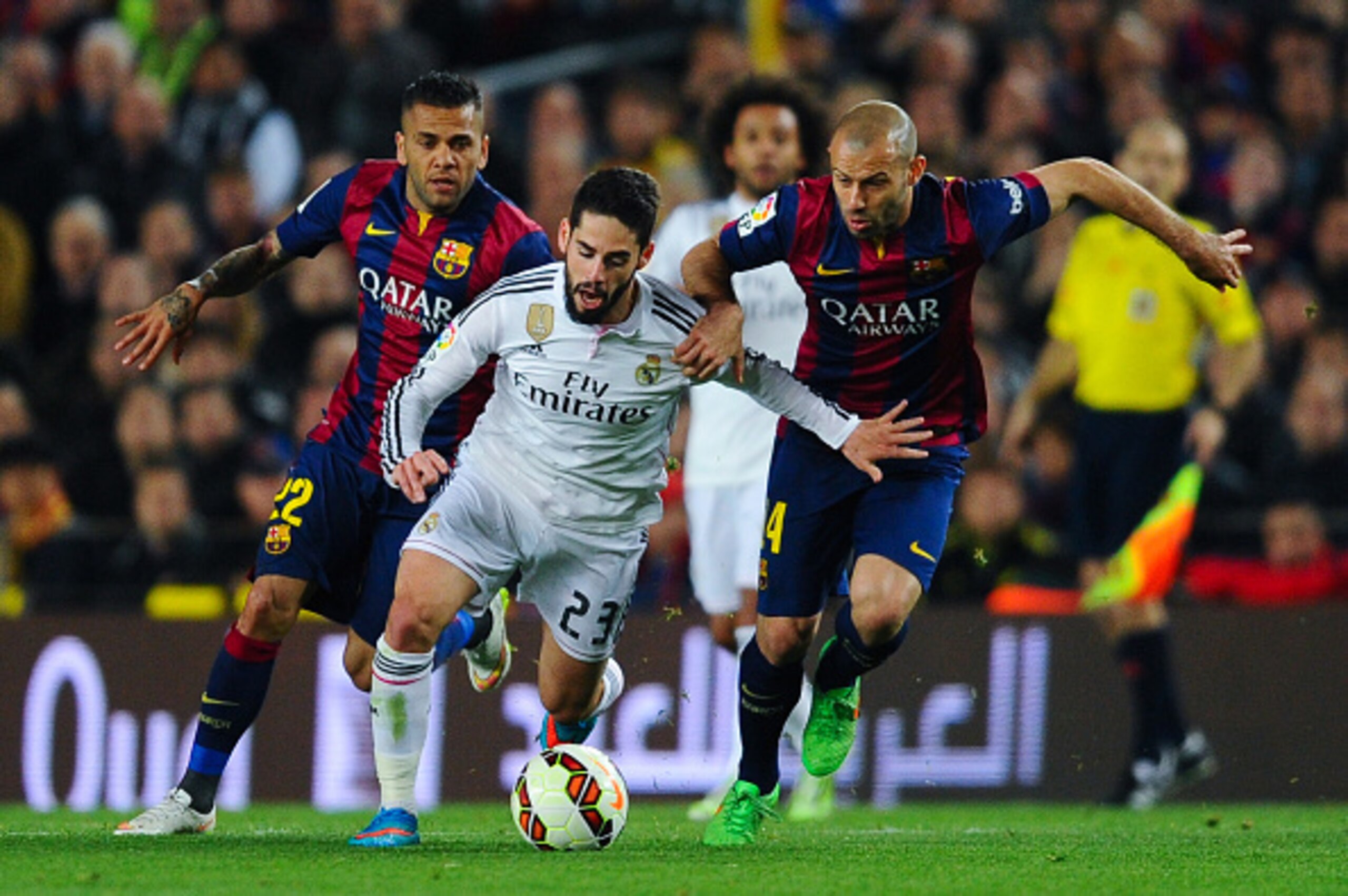
Coming back to the ideology of fairness in football, there's one particularly profitable area of the sport that currently sees the higher powers raking in a vastly superior amount to their lowly peers—television revenue.
Perhaps the most infamous example of sharing gone awry in this instance comes from La Liga, where Real Madrid and Barcelona continue to account for a vast majority of the broadcasting rights.
In February of this year, ESPN FC's Dermot Corrigan reported the El Clasico combatants earned €140 million each from broadcasters for the 2013-14 campaign, while champions Atletico Madrid received just €42 million and the lowest-paid teams got just €18 million.
That's compared to the distribution in England and Germany, where the ratios are far closer between the highest- and lowest-earning teams, making for a more level playing field.
Of course, one need not expect the biggest teams—those regularly competing in elite competitions and winning silverware—to all of a sudden sacrifice their earnings in the name of balance.
However, change is on its way after Bloomberg (h/t Mirror's Jack Lang) reported both Barca and Real had agreed to take a cut from the broadcasting revenue so that smaller teams could receive more.
American football's National Football League takes a more sympathetic approach in the annual draft, where the worst finishers get the first pick on the best emerging talents. It's an ideal football could do with learning from.
5. Video Technology
5 of 5
Finally, we come to a change that has divided opinion in recent years but assuredly has its share of supporters—video technology.
Rugby and American football have benefited immensely from the ability to review footage on the spot and make refereeing decisions in retrospect, changing the face of sport forever, but it's a change football is yet to embrace in its entirety.
Last year's World Cup saw goal-line technology finally make its way onto the highest football stage to great effect, but there's still so much that can be done with the means we have at our disposal.
Football Association chairman Greg Dyke is an advocate for the introduction of video technology, quoted by Refereeing magazine ( h/t The Telegraph's Henry Winter) as saying last summer:
"I am not talking about this year or next, or even in five years’ time but we should not close our eyes to ways to make things better. I am sure there will be a way of embracing change without detracting from the game we know and love.
"
"Referees are incredible athletes these days, with a fantastic understanding of football and access to the best sports science. They are evolving, so why shouldn’t the support around them.
"
Some officials are evidently behind the change, too, after an Argentinian referee was suspended this week for correctly changing his decision after reviewing a replay, per the Guardian's Euclides Montes.
Players still dive and use other underhanded tactics in the modern game even knowing the millions at home are witness to their acts, but if those acts could be punished in real time, we might finally see real change in the sport.
.jpg?w=2560 "Chiefs Giants Football")

.jpg?w=2560 "5 Teams Eyeing Jonathan Taylor")



.jpg?w=2560 "NFL investigating Eagles")

.jpg?w=2560 "Jonathan Taylor Landing Spots 📍")