Best Scheme Fits for Draft's Top Running Backs
Projecting how top collegiate football players will transition to the NFL is a tough endeavor. To make the process of talent evaluation more effective, it’s important to recognize what situation a player performs the best in. That especially rings true for the NFL draft’s top running backs.
The 2015 class boasts eight excellent running backs. But not all of these backs are scheme transcendent with their skill set. It’ll be key for teams to match their running tendencies to how the back best produces.
There are two different run block schemes in the NFL. The first is the zone-blocking scheme. Made famous by former Denver Broncos’ assistant head coach Alex Gibbs, the zone-blocking scheme has been highly successful in the NFL.
Running backs in this scheme must possess great vision and quick feet over distance speed. The goal is to consistently rush four or more yards a play until a big backside hole opens for a chunk gain. This wears down defenses by stretching them out horizontally.
The other major philosophy is the more traditional power (or gap) running scheme. This relies on powerful offensive linemen that create enough space for the runner to go upfield. Athletic linemen aren’t a need, but nasty bulldozers are.
Running backs in a power scheme must be extremely physical but have enough speed to break away from defenders. Their job is to follow the original design of the play when possible, and the ball-carrier creates in the open field.
Some teams incorporate a mixture of both schemes to a certain degree. But it’s not easy to find powerful and athletic linemen capable of running both. Those blockers are a premium in the draft and free agency.
So which schemes do the top eight running backs in the 2015 NFL draft fit best into? We’ll explain why and where these backs fit in the NFL.
Todd Gurley: Balanced Rushing Attack
1 of 8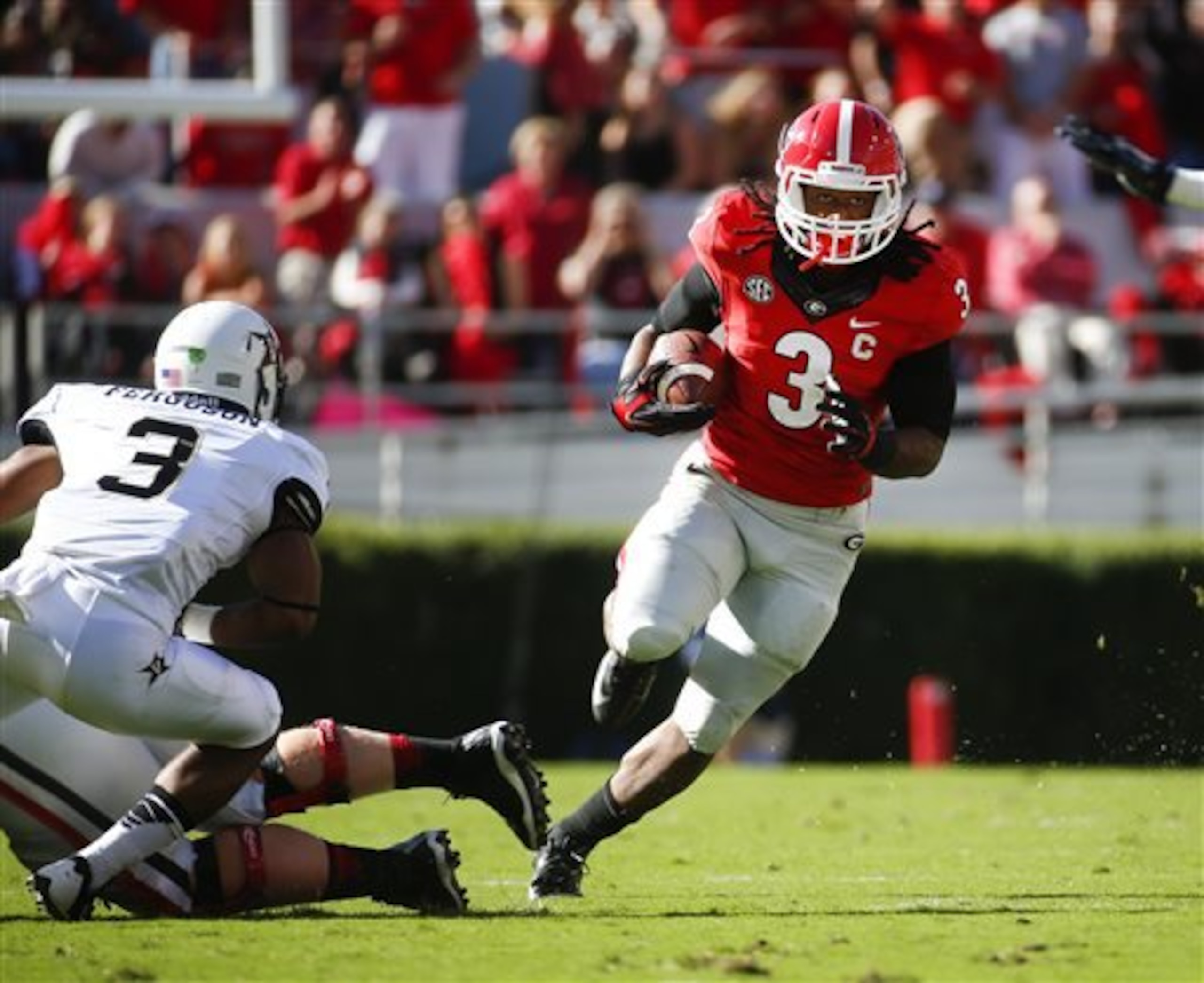
The top running back in the class is Georgia’s Todd Gurley. Gurley has excellent size, standing 6’1”, 222 pounds. But he also has the foot speed and vision to go around tacklers instead of through them.
With his blend of athleticism and ability to cut back to the weak side of the play, Gurley can excel in a balanced attack. His talent will create yardage no matter the scheme. Georgia often ran a mixture of power- and zone-blocking schemes, and Gurley was quite productive in both.
Gurley is able to get skinny through tight rushing lanes, and he’s disciplined enough to follow his fullback. Combined with his power, the gap running scheme shouldn’t be an issue.
But Gurley has great short-area quickness and reads how plays develop well. As his cutback lanes start to open, he’s demonstrated he’s alert enough to jump cut back and hit the hole.
Team Fits: Miami, Dallas and Baltimore
Melvin Gordon: Power-Rushing Attack
2 of 8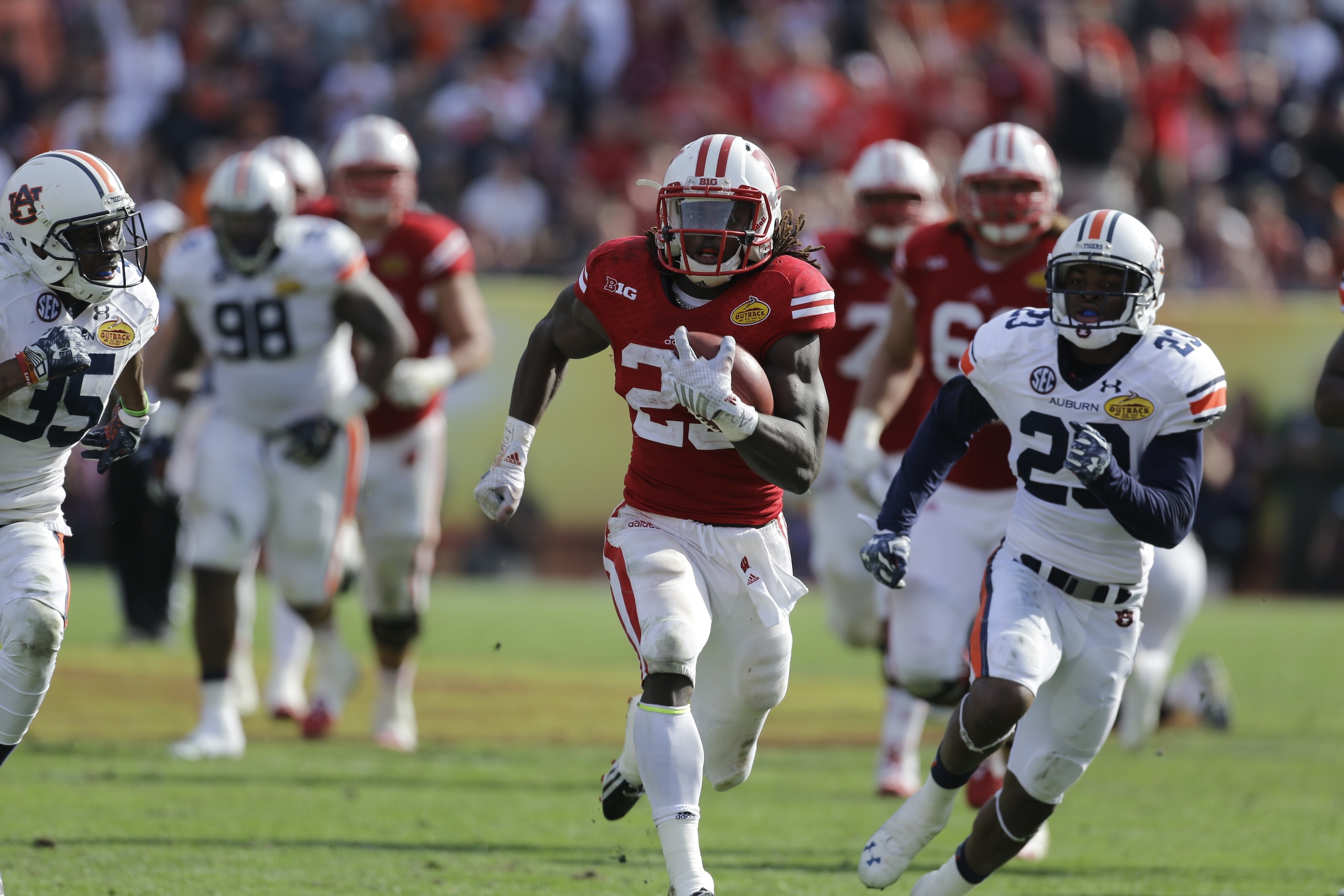
The nation’s leading rusher in 2014 stands right behind Todd Gurley in the class. Wisconsin’s Melvin Gordon is a terrific athlete capable of destroying defenses on a weekly basis. His 2,587 rushing yards in just 2014 has led to first-round talk for the former Badgers’ playmaker.
Fitting Gordon into a specific scheme is difficult because of his skill set. He’s an amazing athlete who was about to out-athlete most defenses. He likes to bounce runs outside of his running path to create extra yardage.
That’s good for college players, but the NFL will be a different challenge since most players are elite athletes. Gordon likely won’t see as much success if he improvises too much. Edge defenders will be able to break down in space much more effectively than what Gordon saw in college.
That all being said, Gordon must be a little more disciplined in his running style in either a zone or power scheme. When he sees the opening, he has to hit the hole immediately. He showed this ability more often than his cutback skill at Wisconsin.
Knowing that he capitalizes off big running lanes because of his incredible open-field talent, Gordon is best fit into a power-rushing attack. As his line opens lanes, Gordon can accelerate extremely well up to top speed and eat chunks of yards at a time.
Team Fits: San Diego, New England and Indianapolis
Duke Johnson: Zone-Blocking Scheme
3 of 8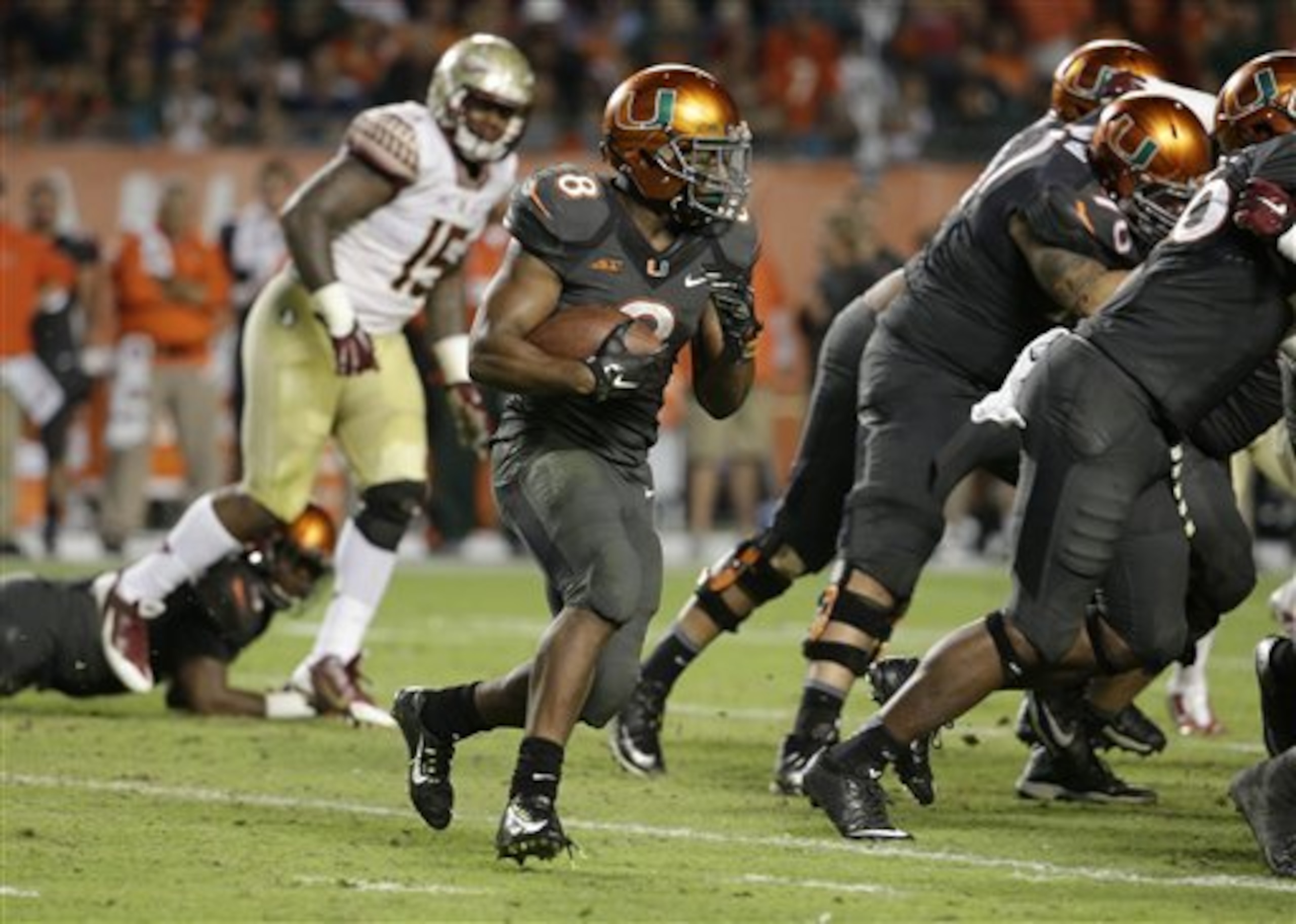
The dynamic running back from the University of Miami is one of the more scheme-dependent talents in this draft class. Duke Johnson is coming from a zone-blocking system, and it’s where he should stay moving forward.
Johnson is explosive as a ball-carrier, averaging 6.8 yards per carry in his career. He has excellent short-area burst and enough distance speed to pull away from second-level defenders. He brings consistency and the big play to an offense.
He has good bulk for his 5’9” frame, weighing 207 pounds. He’s not very powerful, though, instead relying on good angles and efficient movements. On the right team, he could challenge for the Rookie of the Year award.
Team Fits: Dallas, Atlanta and Houston
.jpg?w=2560 "Chiefs Giants Football")
.jpg?w=2560 "Titans Colts Football")
.jpg?w=2560 "Colts Football")
Jay Ajayi: Zone-Blocking Scheme
4 of 8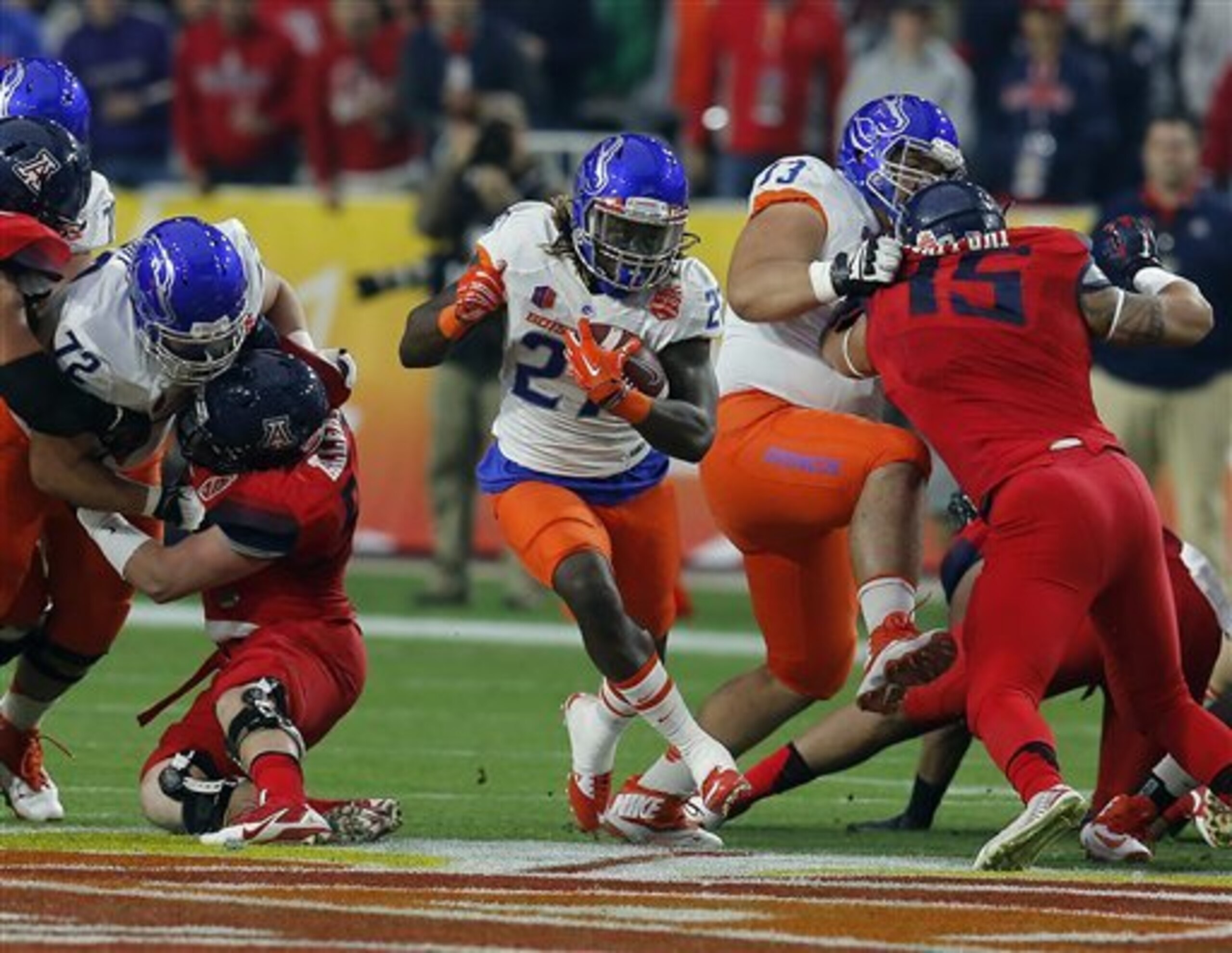
One of the most intriguing athletes at running back has to be Boise State’s Jay Ajayi. He didn’t have much help around in college, so he often had to play one against 11. His physicality, speed and vision are big-time assets.
Boise State got the most out of Ajayi when running outside zone plays. Ajayi has a terrific jump cut to the weak side of plays. He has the athleticism to make those cuts, but also the power to run through any defenders in his way.
Ajayi can certainly be a lead back in the NFL. His back-to-back 1,400-plus-yard seasons that yielded 46 touchdowns are proof he can create for himself.
Team Fits: Philadelphia, Dallas and Jacksonville
Ameer Abdullah: Balanced Rushing Attack
5 of 8
Despite being just 5’9” and 205 pounds, Nebraska running back Ameer Abdullah has the makings of an impact player. He’s an elite athlete despite his size and has great natural running instincts. With his power, quickness and vision, he can play in a balanced rushing attack.
On power plays, Abdullah is disciplined enough to follow his lead blocker upfield. When he gets to the second level, he quickly accelerates around his fullback to create more yards. He forces tough angles for defenders to directly hit him.
When running with zones, Abdullah has elite feet that help him change directions effortlessly. He can get the linebackers to press up toward the line of scrimmage then zoom to the back side of the play for a huge gain.
Team Fits: Baltimore, New Orleans and Carolina
David Cobb: Power-Rushing Attack
6 of 8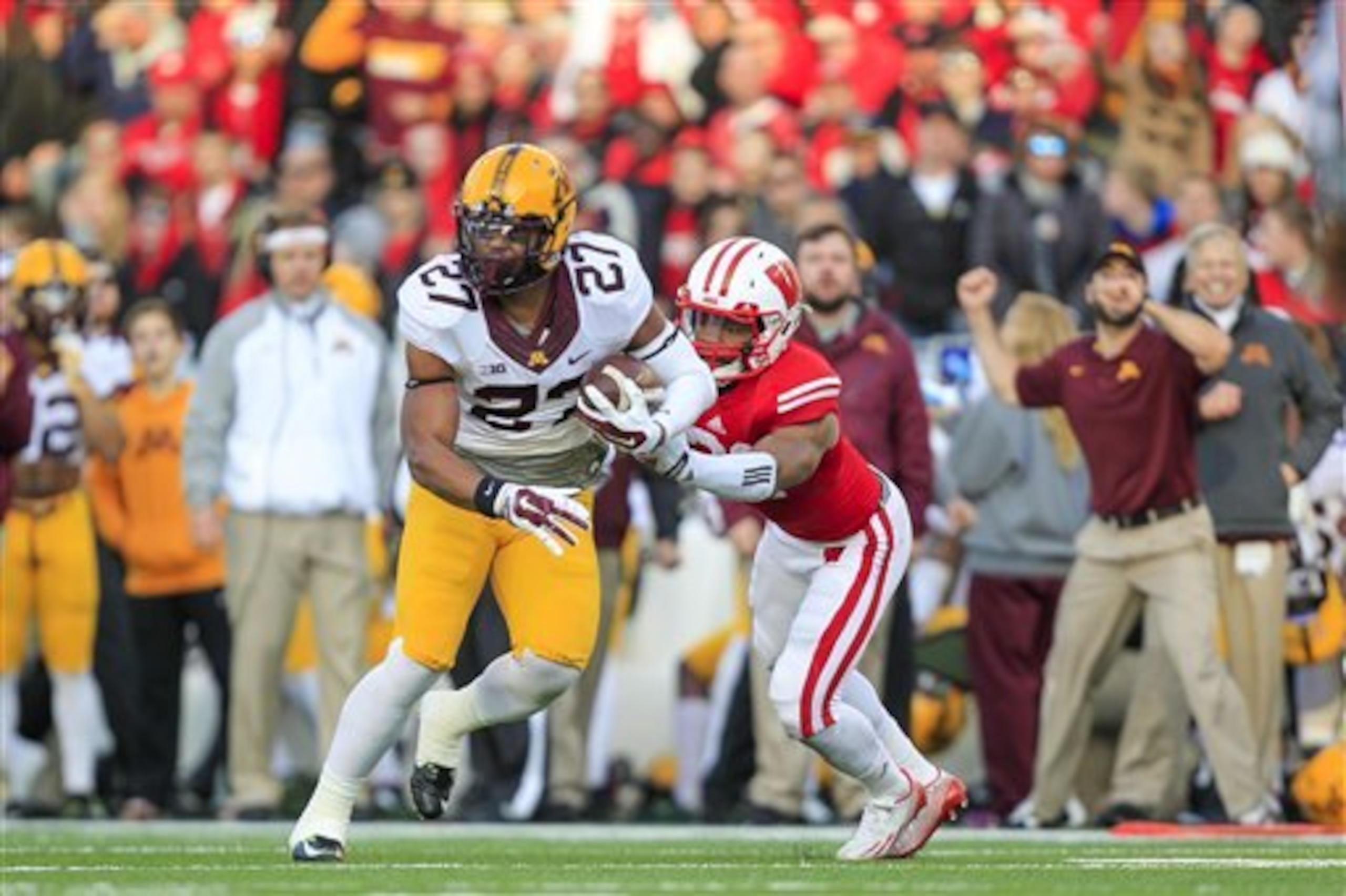
The Minnesota mauler had a wonderful career as a Gophers running back. David Cobb had an incredible 2,828 yards accrued in two starting seasons. Minnesota often ran a power-rushing attack for Cobb.
At 5’11” and 229 pounds, Cobb is a beast to bring down. He doesn’t have plus speed, but he makes defenders wish they hadn’t engaged in contact with him. Cobb keeps his legs churning extremely well for extra yards.
Cobb does show good quickness for a big back. His ability to hit running lanes as they open is very impressive. He has great vision that will continue to help him in the NFL.
Team Fits: Chicago, New York Giants and Tennessee
Tevin Coleman: Power-Rushing Attack
7 of 8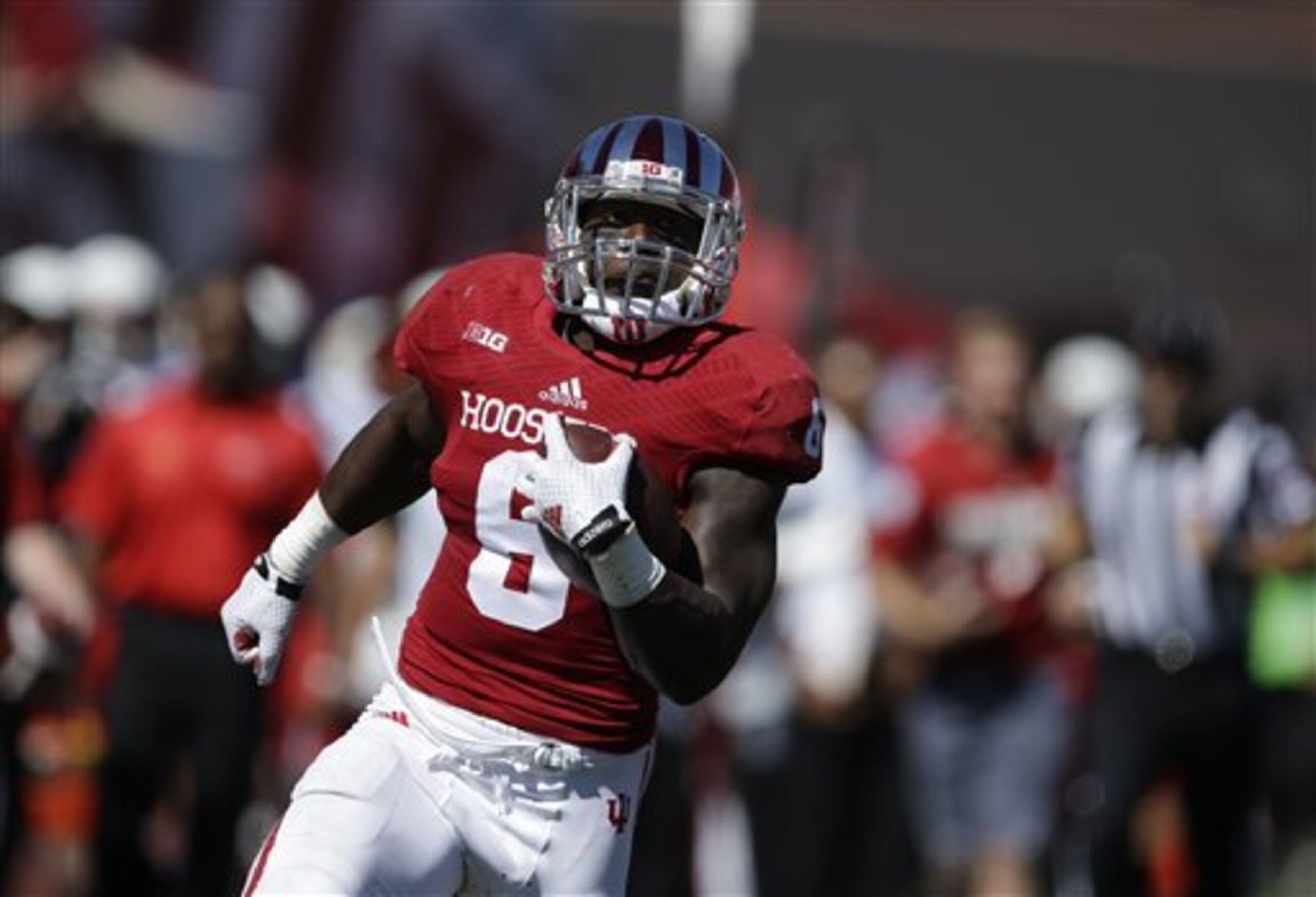
Indiana’s one-year wonder at running back is looking to continue his hot streak in the NFL. Tevin Coleman produced 2,036 yards in 2014, showing the vision and explosiveness needed to average 7.5 yards a carry. His ability to win between the tackles is the reason he should play in a power-rushing attack.
Coleman doesn’t have great power, instead winning with a high-cut frame. If he can drop his pads more when contact is coming, Coleman has the potential to blossom into a top-tier back. Right now, he’s still very good but won’t create much more than his offensive line will allow.
Thus, expect Coleman to work best in a power scheme. His cutback ability and burst isn’t as good as his speed and vision, so zone schemes won’t maximize his abilities.
Team Fits: Oakland, San Francisco and Detroit
T.J. Yeldon: Zone-Blocking Scheme
8 of 8
Alabama running back T.J. Yeldon operated behind a pure power offensive line in college, but he has the skill set to be in a zone scheme. His quick feet for his size are dangerous to opponents looking to bring him down.
Playing at Alabama is a major advantage that can hide flaws for running backs. Their offensive line creates massive running lanes to work with. But any back will produce with that.
Yeldon moves more like a zone back than a power back because he has more lateral agility. The ability to jump cut to the weak side of the play is so important for zone attacks. Power schemes don’t need that skill, so Yeldon would be somewhat wasted in a power running situation.
Team Fits: Washington, Jacksonville and Miami
All stats used are from sports-reference.com.
Ian Wharton is an NFL Draft Featured Columnist for Bleacher Report.
Follow @NFLFilmStudy
.jpg?w=2560 "Steelers Buccaneers Football")
.jpg?w=2560 "Eagles Jaguars Football")