
2015 NFL Draft: Red-Flag Prospects Worth the Gamble
Every draft season, there are prospects who receive criticism for issues other than something which can be found on film. Sometimes, those reasons seem absolutely insane in retrospect. One of those examples is when Nolan Nawrocki, formerly of Pro Football Weekly, listed Cam Newton's "fake smile" as a negative. Teddy Bridgewater last season received "face of the franchise" questions before his very good rookie year.
Outside of personality, some concerns may surround substances. Even then, players like Warren Sapp and Justin Houston wound up becoming massive steals because they dropped from their talent bracket and cleaned up off the field during their playing days. Sometimes those risks do still appear in the NFL, though.
An example of this would be Colt Lyerla, who had multiple suspensions while at Oregon, and fell from being viewed as an elite talent to becoming an undrafted free agent. He signed with the Green Bay Packers, but sustained a lower body injury which ended his rookie season in the summer. He was released on an injury settlement but within two weeks he was arrested back in Oregon with a DUI charge, essentially ending his career.
Nawrocki, who now works for NFL.com, brought Lyerla up before the draft as a player who was "controversial," proving that there is a little something to these "red flag" prospects.
On top of that, there are players who are medical risks. Ted Thompson, the general manager of the Packers, is noted for being one of the best drafters in the league for about a decade stretch. He selected Justin Harrell, who some said was an elite defensive lineman in college, in the first round, but because of his back issues, he busted at the professional level.
There's inherent risk in any draft selection. Handcuffing money and assets to 20-year-olds naturally is not a safe way to assure a preferred result. Still, in this class, there are five talents whose "red flags" might scare teams away from their talents, but their talents should overcome their value in current markets.
Marcus Peters, CB, Washington
1 of 5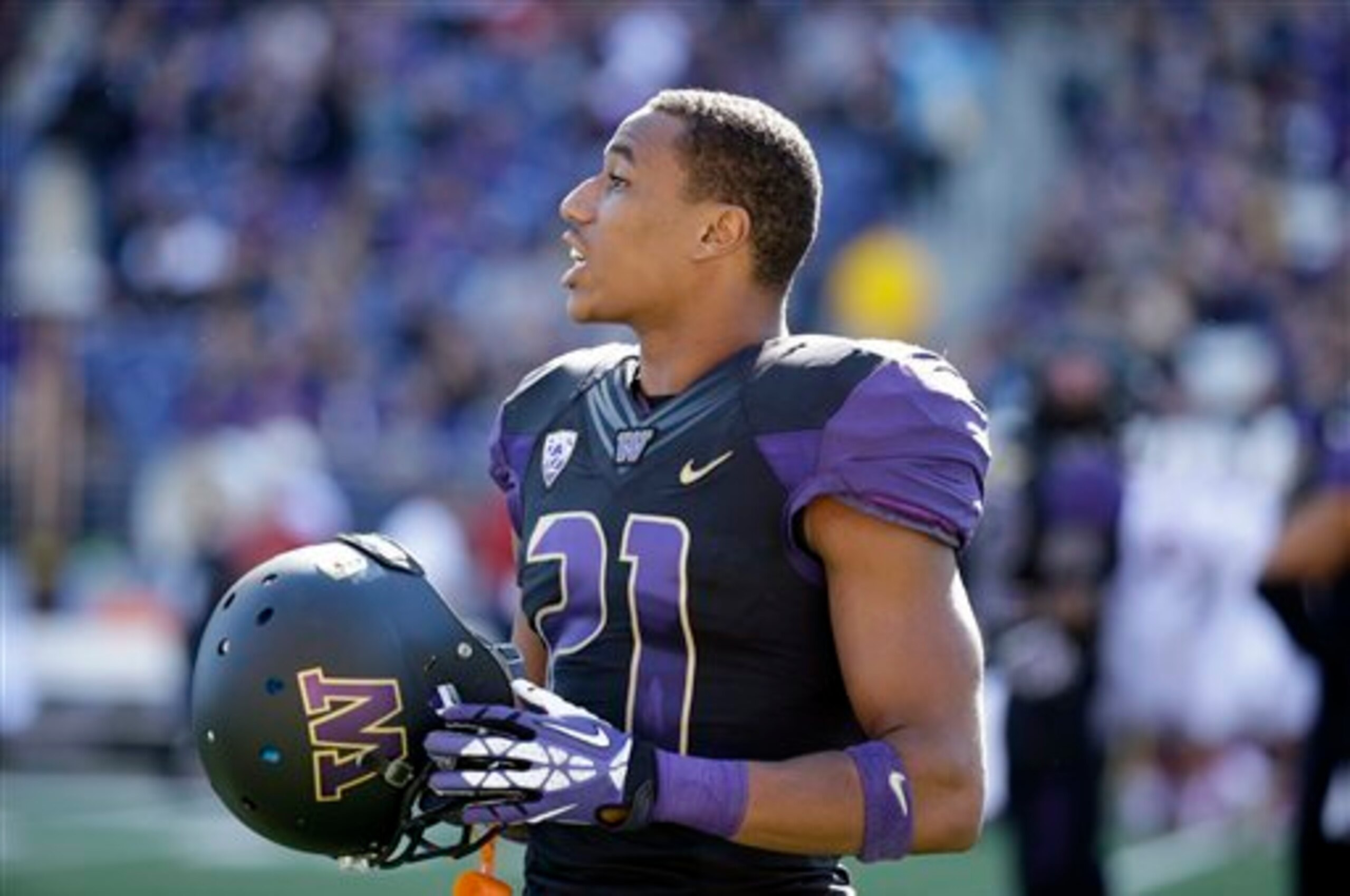
For my money, the best cornerback in this draft class, at least on the field, is Marcus Peters. He has length and recovery speed, which are the two traits press man cornerbacks need when they inevitably lose initially to a receiver. He's also unbelievably violent at the line of scrimmage, possessing the best chuck in college football.
That was, until he wasn't allowed to play anymore. As I covered in a profile of Peters last month, he was kicked off the University of Washington squad without a concrete reason. Peters and the coaching staff haven't been specific about what occurred but both sides denied that it was due to Peters being involved in a physical altercation with a coach, a rumor which had floated around.
In an interview with Tom Pelissero of USA Today, Peters took total responsibility regarding whatever did actually happen.
"I don't blame (Petersen) for anything. All I can blame is myself, because I made those decisions and I have to live with them. Now I'll have to man up and I've got to answer these questions in interviews, and all I can do is sit there and answer truthfully and honestly.
"
Joel Klatt of Fox Sports, a former quarterback for the Colorado Buffaloes, now a Pac-12 team, believes there is more nuance involved in this issue, and that some of the blame can be placed on the coaching staff.
"That isn't consistent with a player that has "red flags" for character. If anything, you could say that Marcus cared too much and wanted to win right away, which was his downfall with a new staff trying to build a new culture.
"
Without definitives, it's hard to say that there's a 100 percent chance that Peters is out of the clear from a character perspective. He was kicked off a football team. There's no public reasoning to why other than rumors. He's taken complete blame for it, and some in the media who would know the non-public story are taking his side. There's too many variables and unknown commodities to feel absolutely sure.
That being said, if that's the difference between finding the next Richard Sherman, who possibly fell in the draft at least in part due to character concerns, then you need to analyze how badly you need a cornerback. This offseason, Byron Maxwell, a one-year starter who played next to three Pro Bowlers in the Seattle secondary, signed a deal worth over $10 million a year. If he's worth that money, Peters is an easy first-round selection.
Ifo Ekpre-Olomu, S, Oregon
2 of 5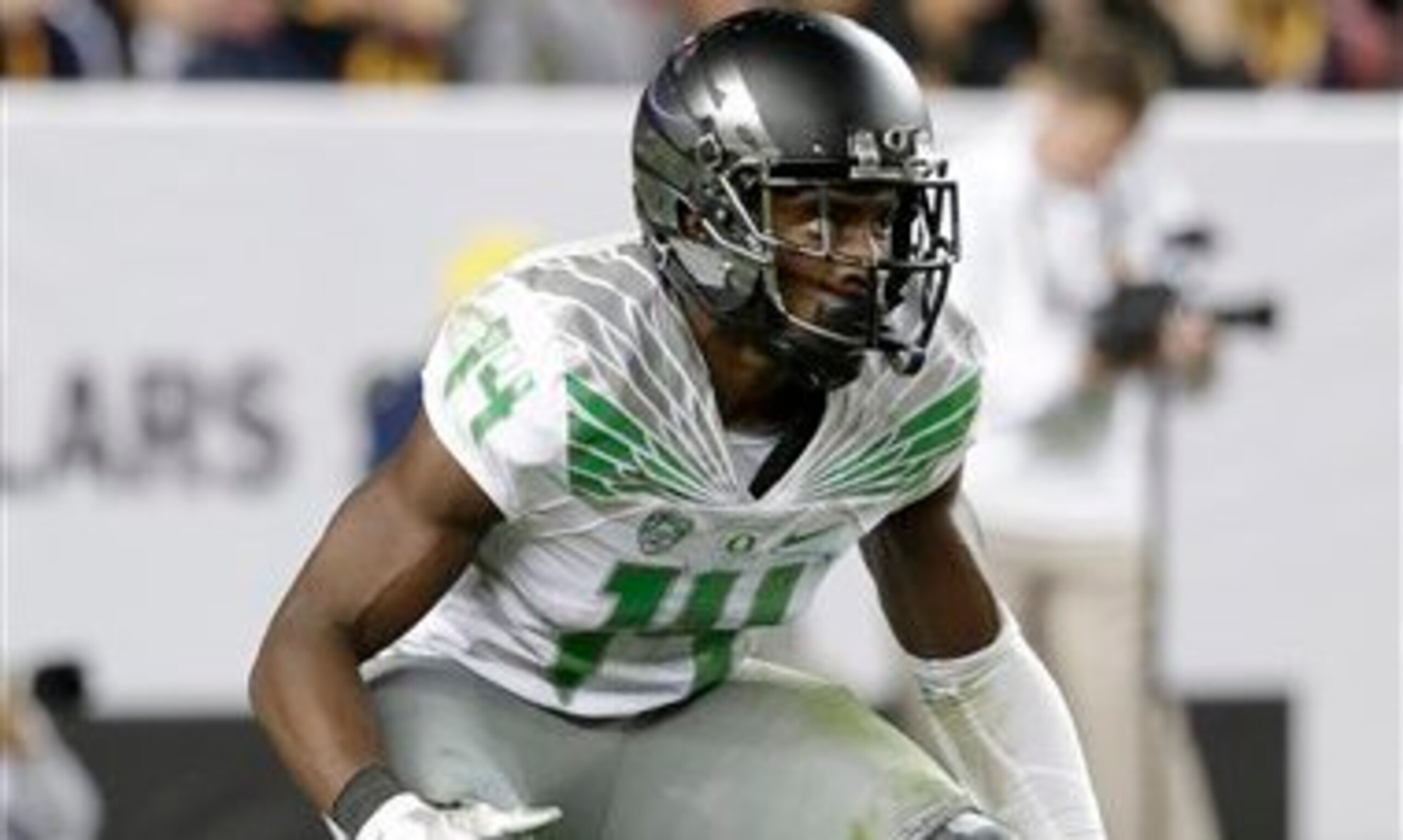
Not all red flags have to come from character concerns. Ifo Ekpre-Olomu of Oregon was a three-time All-Pac-12 cornerback, but he only stands at 5'9", which Mock Draftable states is in the bottom two percent for cornerbacks since 1999. On top of size issues, teams might also red flag him for his medical.
When training in the postseason, Ekpre-Olomu tore his ACL in non-contact fashion, which is going to keep him from running drills during the draft cycle. Though he might be ready for September, that's pushing it, and teams will still lose sleep over his size, unless he's forced into a slot role, where it's rare for healthy prospects to come off the board in the top 100 picks.
Instead, in a league thirsty for safeties, the best move to me is sending him into a single-high free safety role like Earl Thomas, who is 5'10" and has been to four-straight All-Pro teams. At the University of Texas, Thomas played cornerback during his redshirt season, but he moved to safety during his first year of eligible play.
Ekpre-Olomu is small and injured. When he's healthy, if transitioned correctly, he can be a special player. A forward thinking, long-term coach would probably be the one to select him in this situation, as there are so many squads who will draft just for immediate 2015 impact because their jobs are on the line. Ekpre-Olomu can be looked back at as an absolute steal in three or four years, if a team is willing to put in the elbow grease and suffer through some growing pains.
Randy Gregory, EDGE, Nebraska
3 of 5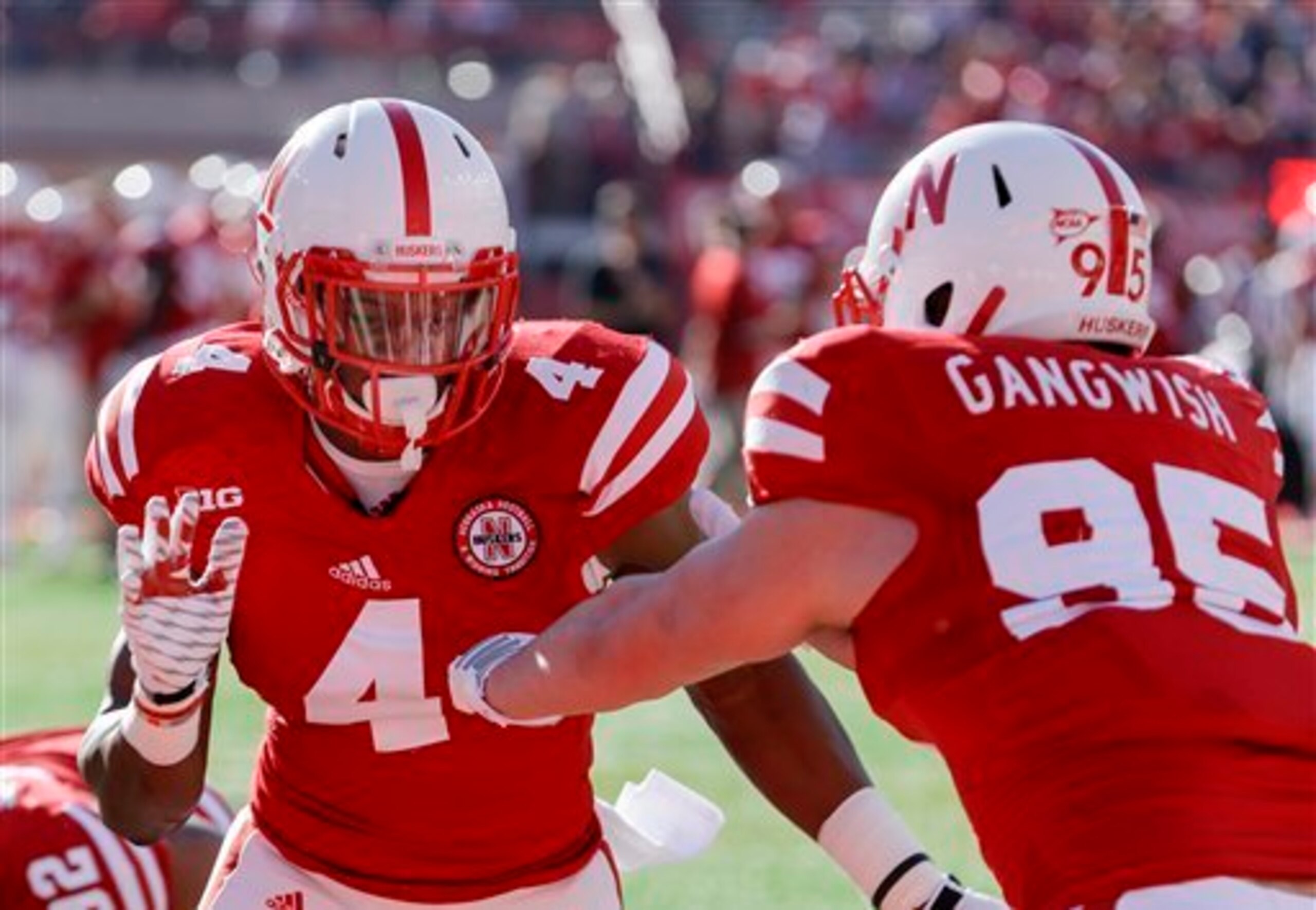
To say there's a lot going on regarding Randy Gregory is an understatement. Enrolling at a junior college out of high school due to grades, he transferred to Nebraska in 2013. After two years there, he declared early for the NFL draft.
With only two seasons under his belt at the major college football level, there are projections which need to go into what his body can look like after a year or two in an NFL weight room. As noted in a previous article, no one in the first through third rounds in the past decade had a density lower than Gregory's, based on height and weight at the combine.
On top of that, he had another issue at the combine: a failed drug test. Reported by Kimberly Jones of NFL.com, Gregory confessed he smoked marijuana in December, and that the February result must have caught lingering traces of that. Some of the information in Jones' article is surprising, though.
"Gregory said he first smoked marijuana after graduating from Hamilton Southeastern High School in Fishers, Ind., and before enrolling at Arizona Western Community College in 2011. He had failed to qualify academically at Purdue, which represented a considerable disappointment to him, and Gregory said he turned to marijuana to cope with the anxiety.
He sat out the 2012 season with a broken leg but was still pursued by major colleges. In 2013 he transferred to Nebraska, where he officially tested positive for marijuana twice, in January 2014 and April 2014. (Gregory said Nebraska officials told him he would be kicked off the team if he were to fail a third test.)
"
Gregory also said he was "worse at Nebraska than [he had] ever been at any other time of [his] life." Still, he sounds like he takes responsibility and genuinely wants to change his lifestyle. NFL teams likely don't care all that much if their player smokes marijuana; they care if he's going to be able to perform on game day.
He's already going to be in Stage 1 of the drug program when he's drafted, which is a red flag, but if that's his only strike, he can be a steal. He's clearly a top-10 pick based on film, but his size, experience and drug concerns might push him just outside of that range, should a team like the Atlanta Falcons not take their swing.
.jpg?w=2560 "Titans Colts Football")
.jpg?w=2560 "Chiefs Giants Football")
.jpg?w=2560 "Colts Football")
Carl Davis, DL, Iowa
4 of 5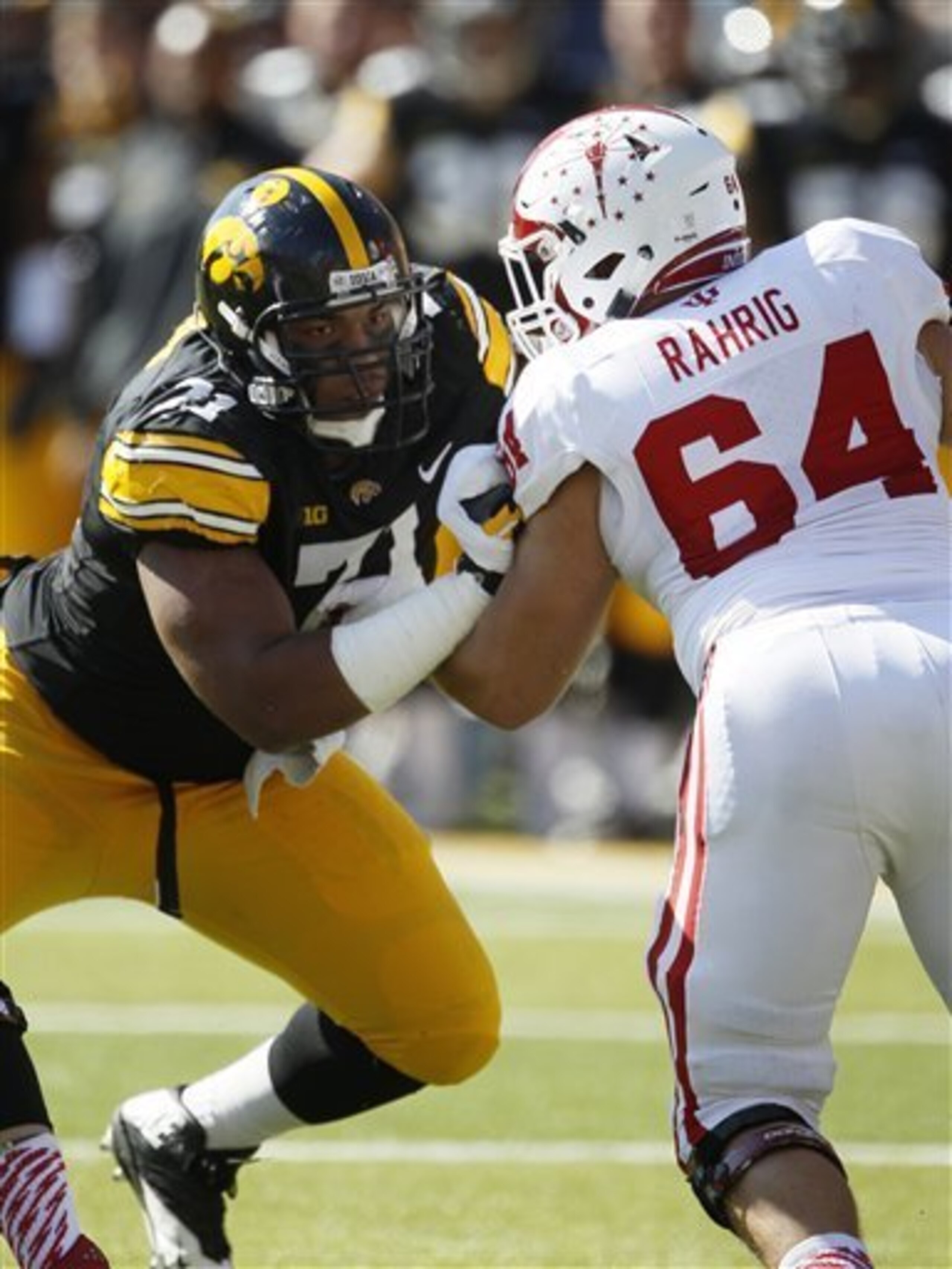
When some players get the deals they have always aspired to net throughout their careers, sometimes they coast. Viewing that contract as their drive, and then obtaining it, the drive then leaves.
At the professional level, the two largest examples of this are probably JaMarcus Russell, who mailed it in after going first overall with the Oakland Raiders in 2007, and Albert Haynesworth, who signed a seven-year $100 million contract with the Washington Redskins in 2009 and was so bad after two years into the deal that they shipped him to New England, where he was cut before the season was finished.
On tape, Carl Davis of Iowa can at times look like an absolute monster. For entire games, like against Nebraska, he re-establishes the line of scrimmage and clubs his way to the quarterback. Other times, he just looks like he's putting out no effort.
On paper, according to Mock Draftable's combine comparisons, the players he's most like since 1999 are Leonard Williams, who might go second overall to the Tennessee Titans, and Ndamukong Suh, who went second overall to the Detroit Lions in 2010 and just signed a $100 million contract with the Miami Dolphins.
Still, Davis is currently being looked at more as an early second-rounder than an elite talent. Why is that? It's hard to say that Davis will be more motivated when he's cashing NFL checks. In what was essentially a contract season, he didn't look like his past self. Still, his upside is tremendous, and he possibly may have been bored with the college game, which happens to physically dominant players who play at that level too long.
There's potential that the defensive lineman sees NFL success as a potential goal, and his last season at Iowa was just a time-killer until then. If the Dolphins weren't afraid of giving up massive upfront money to an outsider after the Haynesworth ordeal, then franchises should in theory be willing to take a risk on a potential All-Pro defensive tackle in the first round.
Tevin McDonald, S, Eastern Washington
5 of 5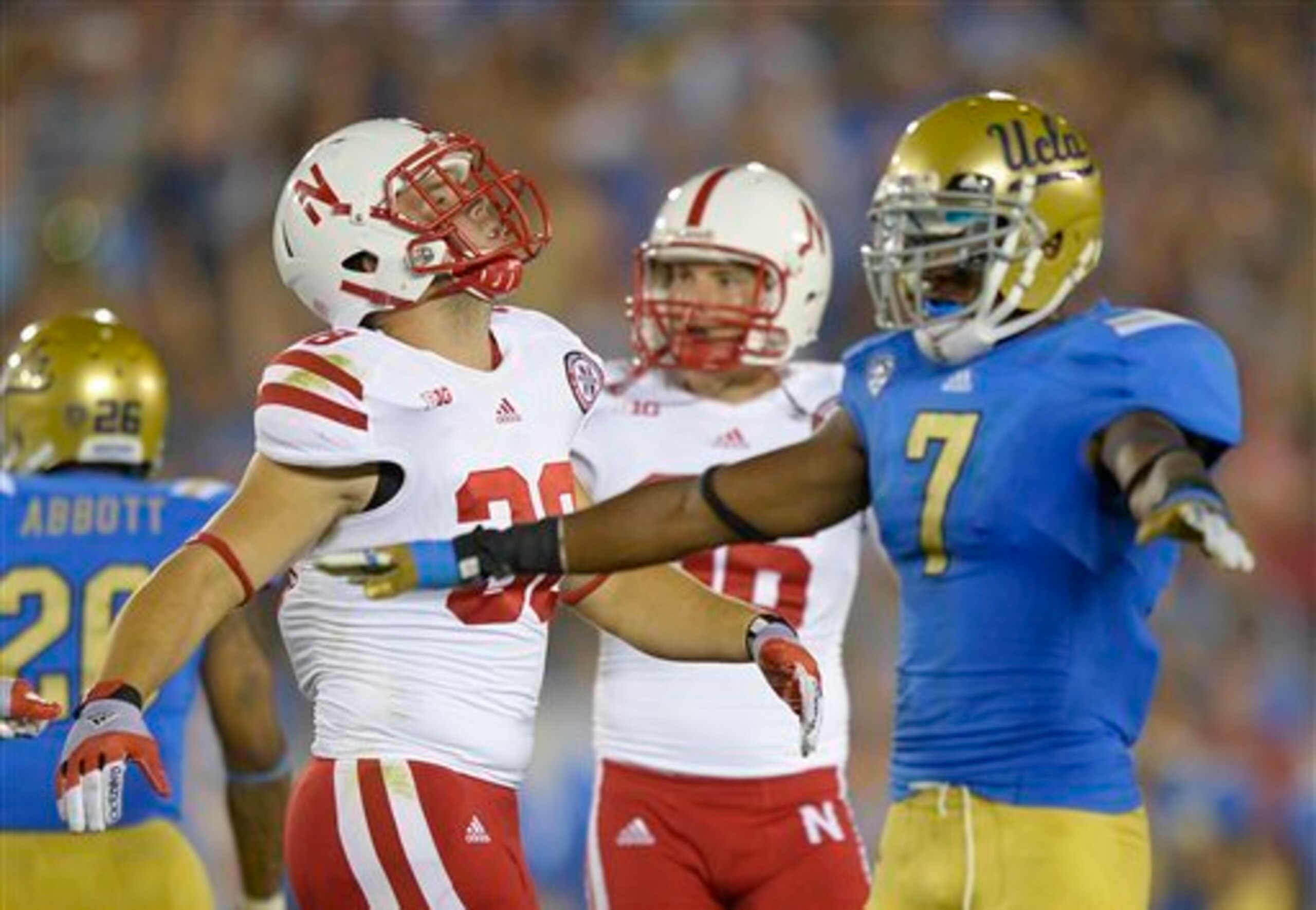
Tevin McDonald was a rising star at UCLA for two seasons. His brother, T.J., and father, Tim, both have spent time in the league, but they went to USC, making his commitment to the crosstown rival a surprise. Nothing was more surprising than when head coach Jim Mora had to kick McDonald off the Bruins squad, though.
Per Chris Foster of the Los Angeles Times, McDonald already had three failed drugs at the time, leading to a suspension, and his fourth would have forced the school to release him. To some extent, there are clues in place which would suggest that he failed yet another drug test.
He then transferred to Eastern Washington, where he started for two years and didn't have a public off-field issue. In a league where there's only really a half dozen or so gifted safeties, holding McDonald down for issues he had a couple of seasons prior seems out of line. If McDonald can perform to half the level of his father, who was a six-time Pro Bowler, then all of McDonald's prior concerns will be thrown out of the window when it's time for him to sign a second contract.
Why wait until 2019 or 2020 to get the defensive back, though? McDonald's seemingly been clean for two seasons and has earned his way back into the draftable conversation.
.jpg?w=2560 "Eagles Jaguars Football")
.jpg?w=2560)