

Steven Gerrard and Diego Costa: Why Were Their Offences Covered Differently?
In the League Cup semi-final vs. Liverpool on 27 January, Chelsea's Diego Costa made a nuisance of himself. Lighting fires in every which direction like an uncontrollable arsonist, the Brazilian-born Spanish international was guilty by most accounts of being an irritant.
These actions culminated in two incidents with Reds defenders Emre Can and Martin Skrtel.


.jpg?w=2560 "Cardinals Giants Football")

The latter went unpunished.
Costa, chasing a ball in the Liverpool box, attempted to hurdle Skrtel's sweeping tackle; when landing, Costa's foot met with the Slovakian—leading many to think the Chelsea striker deliberately made contact.
No doubt reviewed, Jose Mourinho's £32 million forward was not reprimanded for his coming-together with Skrtel, but he was charged by the FA for his interaction with Can.
After meeting on the touchline, Costa clattered into Can from behind, making the German fall. Once Can hit the ground, he kicked the ball into play. Costa regained his balance and saw the ball go infield, and when changing directions he stepped on the Liverpool centre-back's lower right leg while propelling himself.
In real time there looked to be nothing in the action, but when slowed down, it could be argued that Costa purposely placed his boot on Can. The FA saw merit in the slow-motion footage and handed the Spanish forward a three-match ban, which he contested and lost.
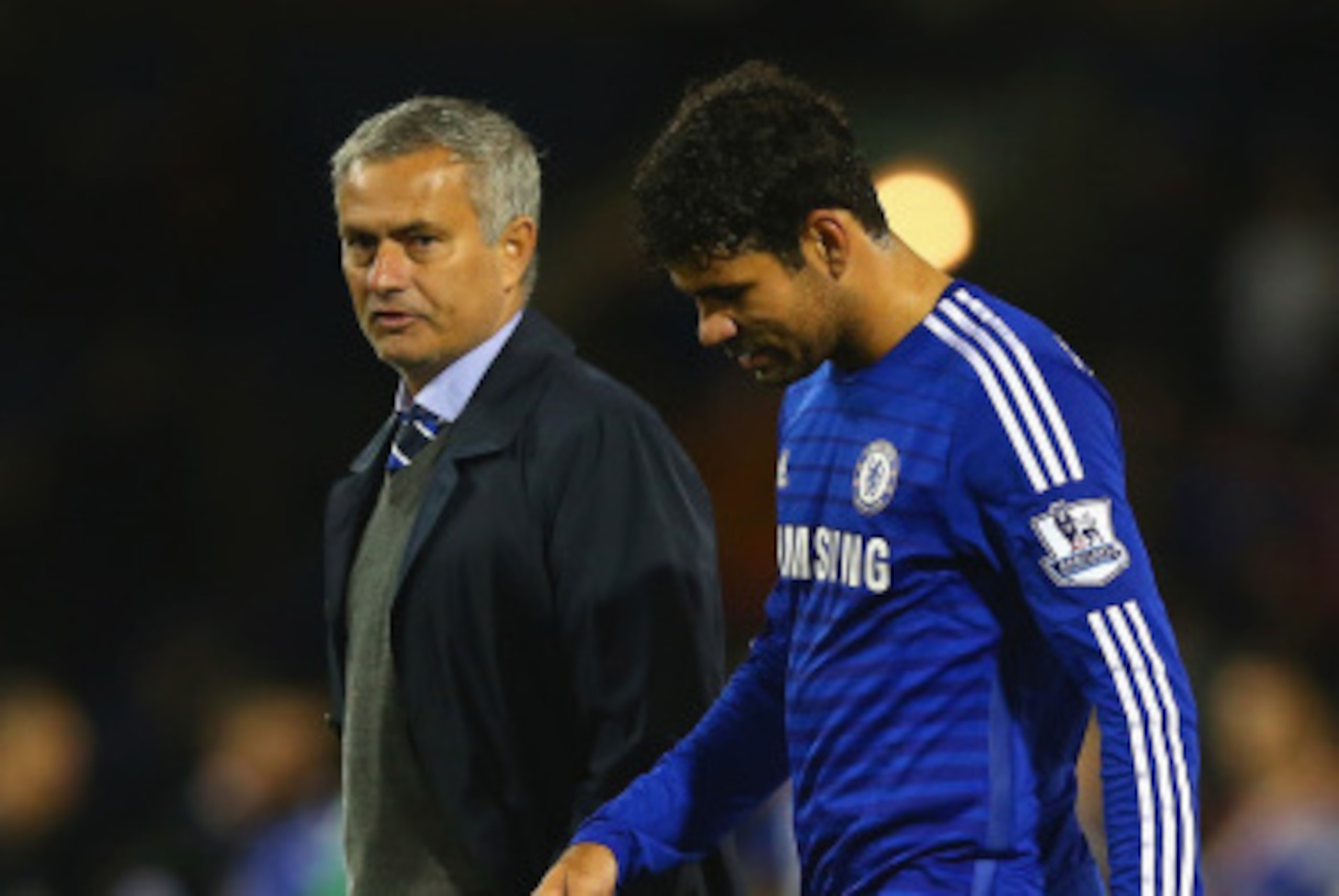
Despite the ambiguous nature of both challenges, papers the following day gave Costa no sympathy nor the benefit of the doubt. Headlines were: "Costa's Shame" from the Star, "Stampford Bridge" from the Mirror, "Headcase" from the Mail, "Dirty Diego" from The Sun and "Costa Crimes" from the Telegraph.
Only Costa knew concretely whether he maliciously stepped on Can and/or Skrtel—as the way they happened could be interpreted as possible missteps—but the incidents were framed in such a manner that no punishment would have been criminal in itself.
The Chelsea striker's narrative was set from his 2014 summer arrival. A brute, powerhouse "No. 9" who possibly loves fighting more than he enjoys scoring goals. Place him in the west Londoners' kit and sprinkle the seasoning of Mourinho on him, and you have a never-ending storyline.

Whenever Costa does something even remotely close to controversial, there are clicks to be had, papers to be sold and money to be made by framing the story in its most visceral light. Costa is not the first footballer to have this predicament in England (see Luis Suarez, Mario Balotelli, etc.), nor will he be the last.
You see contrast only when similar incidents happen that have no ambiguous nature. One such occurrence happened on 22 March when Liverpool hosted Manchester United.
Coming on at half-time for an injured Adam Lallana, Steven Gerrard was not even on the pitch for one minute before he was red carded by Martin Atkinson for stamping on Ander Herrera. Knowing immediately what he had done, a sombre look came across the English legend's face, as he knew he had cost his club dearly.
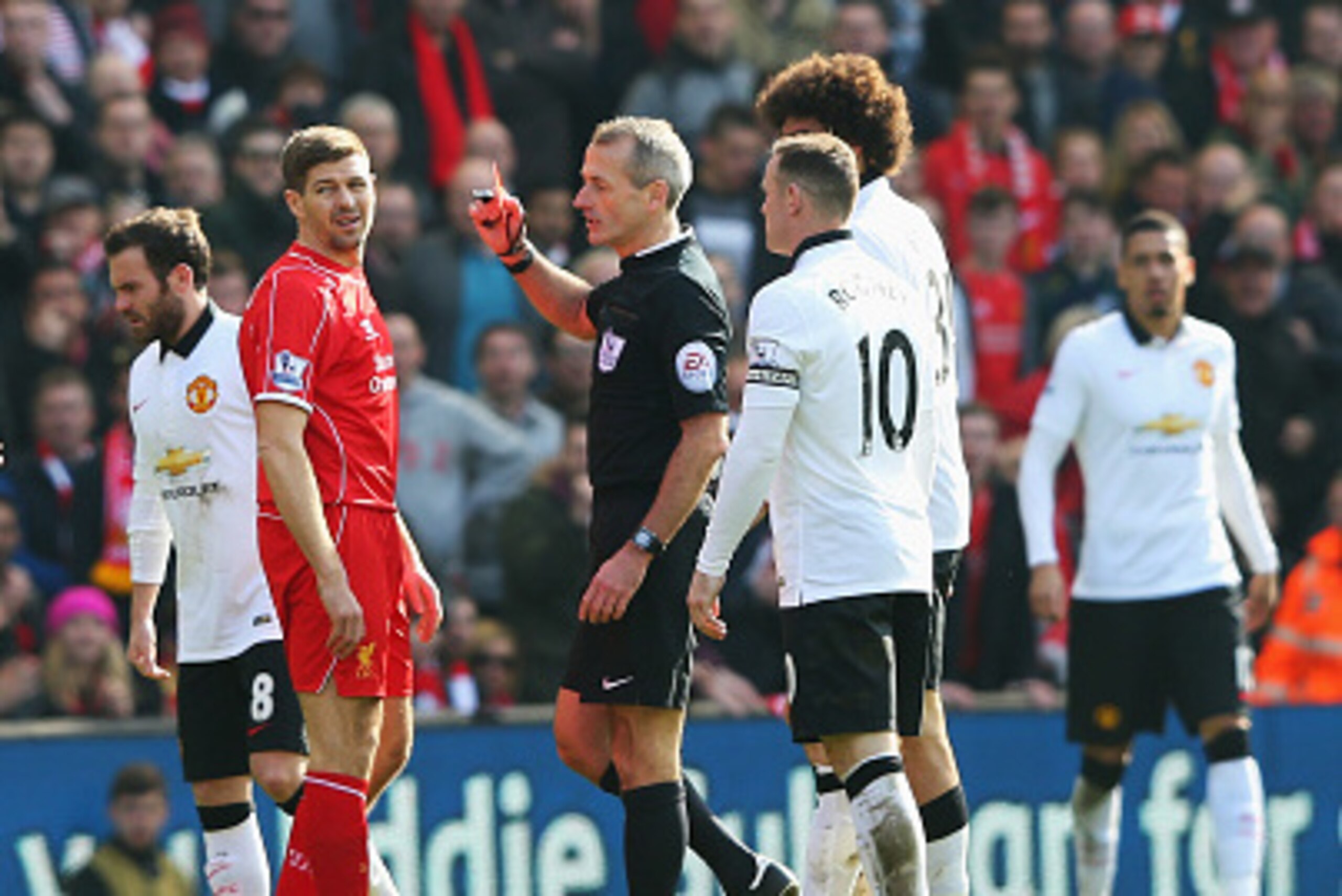
Directly following Liverpool's 2-1 loss, Gerrard issued a timely apology, both privately and publicly to his team-mates and to Reds supporters for his moment of stupidity. This public apology seemed to lend him favour with the media. The same papers which lambasted Costa for subjective challenges, wore relative kid gloves with Gerrard.
Headlines read: "I'm Sorry" from the Star, "I'm So Sorry" from the Mirror, "I'm Sorry" from the Mail and "Gerro: All My Fault" from The Sun.
Whether Blue, Red or somewhere in-between, you must admit there is a stark difference in the way Gerrard's stamp and Costa's steps were covered.
"Industry Rule #4080: English media people are shady... (h/t @ClubLikeChelsea & @ATCQ) pic.twitter.com/GaDfXrcAWJ
— chelseaTALK (@ChelseaTaIk) March 23, 2015"
The reason being: Blasting Liverpool's captain serves no real purpose. To publicly stone him after his moment of funereal honesty, regardless of evidence, would appear callous, mean-spirited and unbecoming. Costa (whether true or false) has an aura of arrogance and recklessness about him—which makes thrashing him an easier, more manageable, palatable proposition.
On its face, this seems unfair.
Were Costa to have English mastered, it is possible he could have defended himself better in the immediate aftermath of the League Cup semi-final, rather than waiting four days to have his story with Jason Burt of the Telegraph published.
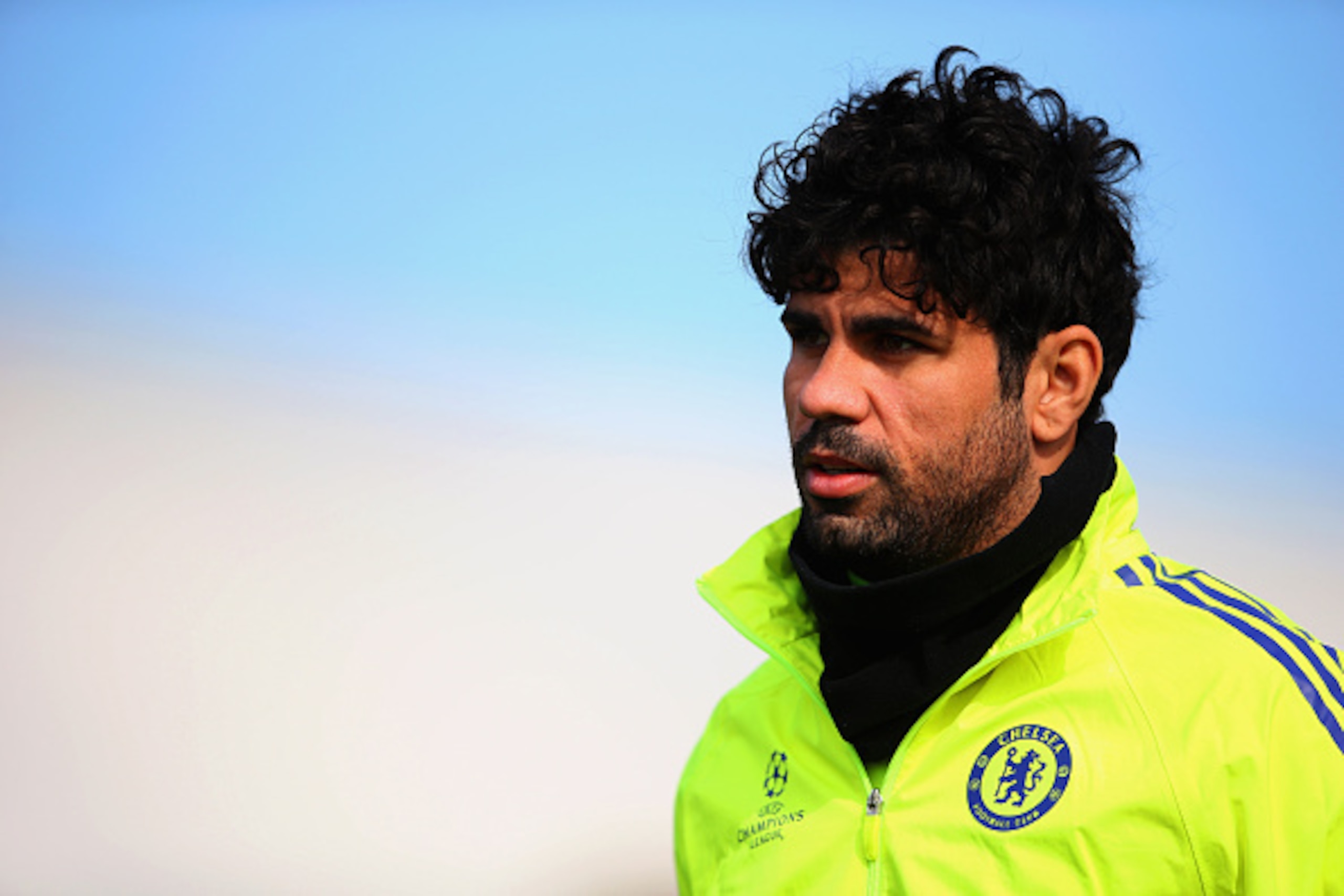
Chelsea's striker told the Telegraph: "I can go to sleep knowing that I’ve not done anything wrong, because I never meant to [step on Can] and it was not on purpose."
After 96 hours, however, the die was cast and Costa's ban (completed rather expeditiously) was already in effect.
The moral of our story: If honesty is the best policy, so is hiring an exceptional public relations manager.
Gerrard, knowing the likely outcome, went ahead of the impending firestorm. A savvy move and nothing short of what an experienced Premier League footballer should do: take control of the narrative and be accountable for their actions—especially when the evidence can be clearly interpreted.
*Stats via WhoScored.com; transfer fees via Soccerbase.com where not noted.
.jpg?w=2560 "Jets Dolphins Football")


.jpg?w=2560 "Ward Nearly Walks Out of Presser ▶️")
