

Raheem Sterling for Liverpool vs. Raheem Sterling for England: Complete Analysis
Raheem Sterling is likely to play a prominent role in England's Friday night European Championship 2016 qualifying clash at home to Lithuania, but how does his international role compare to his role for Liverpool?
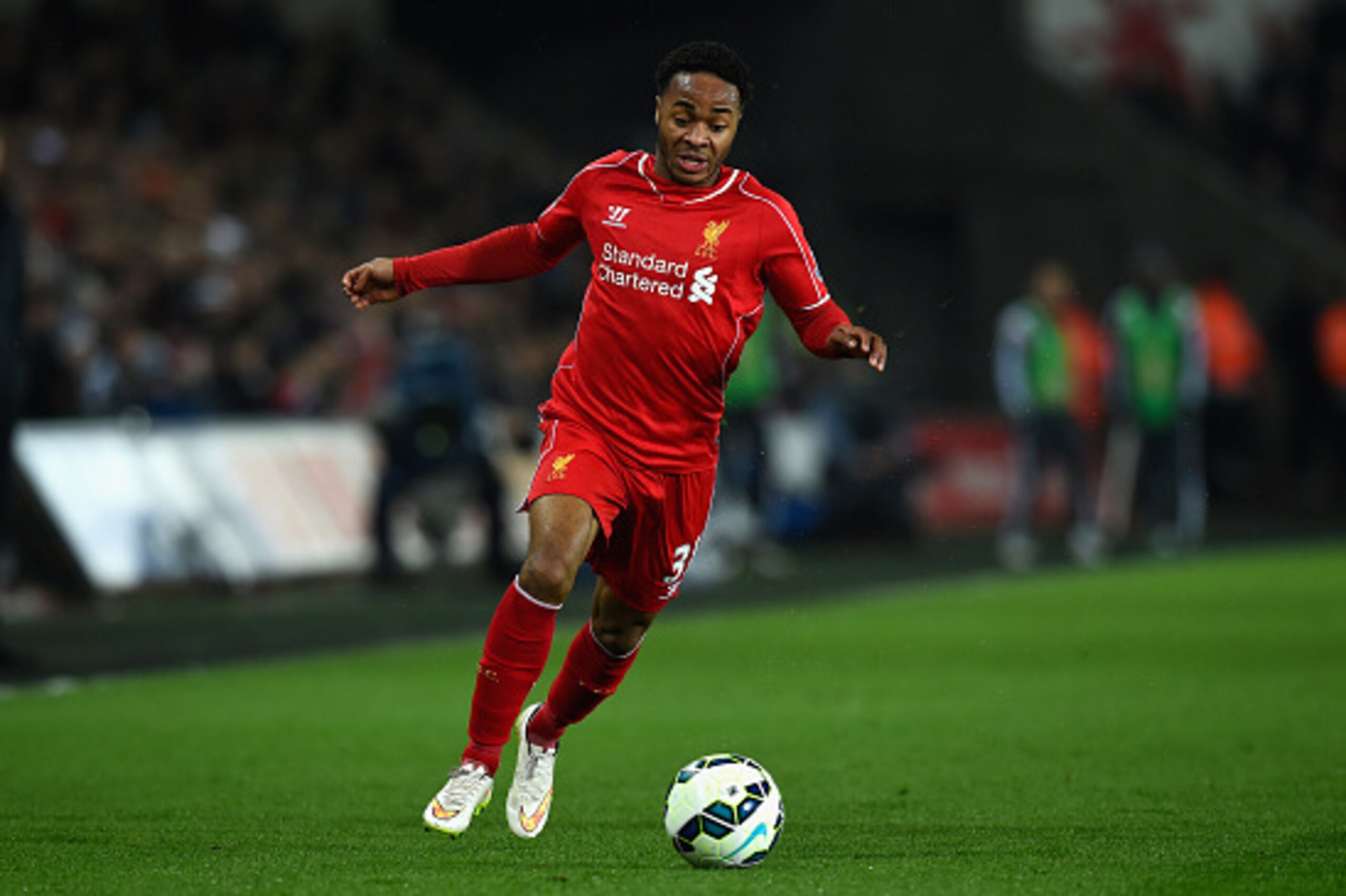
Most forthrightly, Sterling is a hugely important player for both sides; this season so far, the 20-year-old has made 36 appearances for the Reds.
TOP NEWS
Live Highlights and Viral Moments 🍿

Final Men's Ballon d'Or Rankings 📊
Most to Blame at Man Utd? 😡
According to The Guardian's Dominic Fifield, he is being allowed back to Merseyside before England take on Italy in a friendly clash next week—but not before Friday's tie—and this highlights his importance to both Three Lions boss Roy Hodgson and Liverpool manager Brendan Rodgers.
There are many similarities between Sterling's Liverpool and England roles, but there are also a growing handful of key differences.
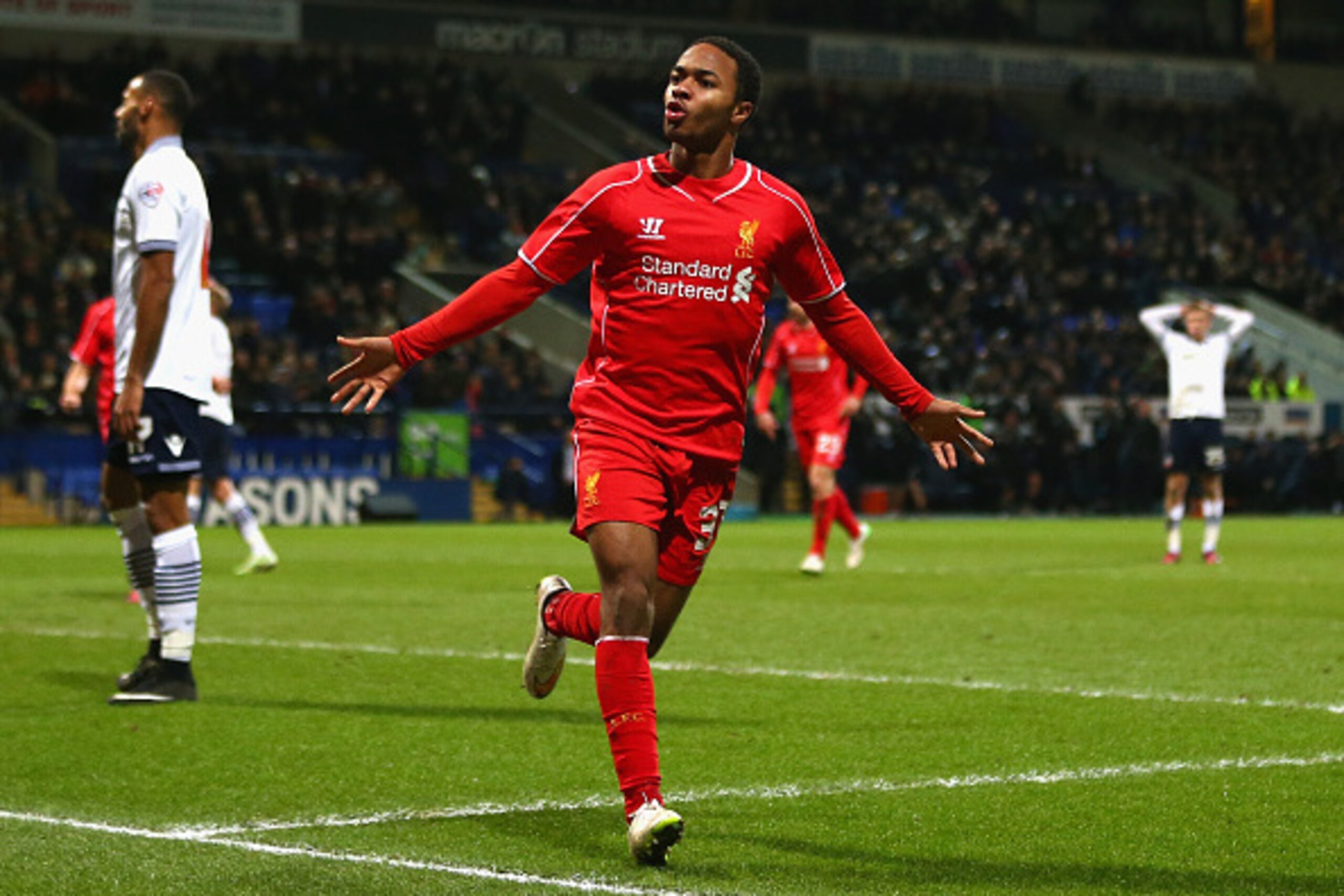
For Liverpool
Sterling officially began his Liverpool first-team career with a substitute appearance in a 2-1 home loss at the hands of Wigan Athletic just over three years ago, with Kenny Dalglish handing the then-17-year-old his league debut.
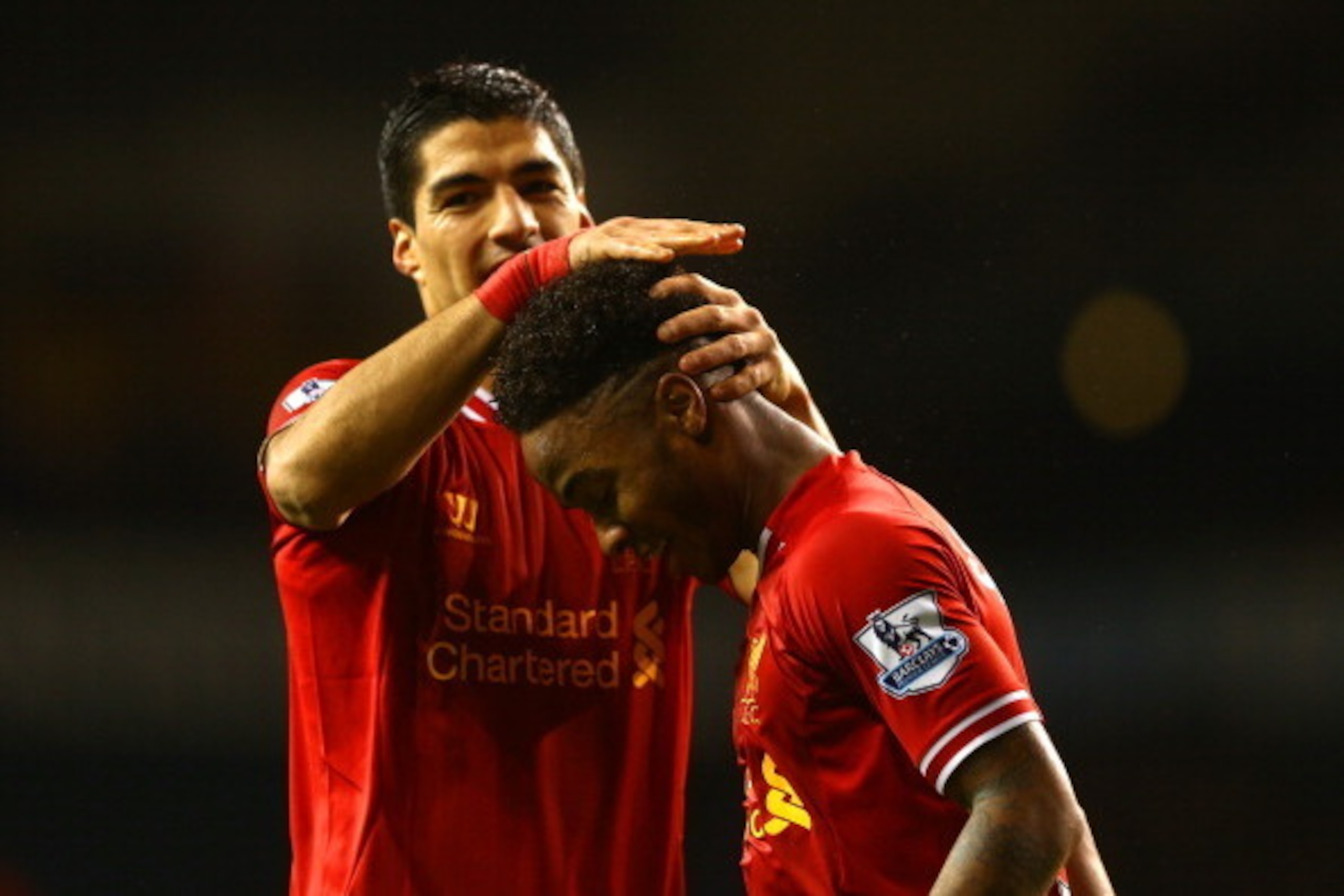
However, it wasn't until Rodgers took over as Reds manager that Sterling began to truly flourish.
Sterling made 24 league appearances for Rodgers in his first season in charge, deployed in wide areas, resulting in two goals and two assists, before being left out for much of the second half the season, with Philippe Coutinho and Daniel Sturridge joining in the January transfer window.
It was 2013/14 where Sterling became an integral player for Rodgers, due to his work in tandem with Sturridge and Luis Suarez.
Sterling made 33 league appearances, scoring nine goals and making five assists—arguably his best game came in April's 3-2 away win over Norwich City, in which he contributed two goals and one assist.
In that game, Rodgers opted for an augmented 4-3-2-1 formation, with Sterling and Coutinho supporting Suarez as the lone striker.

What was archetypal of Sterling's success in this game is that he was deployed in a central role; this allowed the forward to drive at Norwich's defenders, firing shots at goalkeeper John Ruddy and play balls through to the clinical Suarez—Sterling made four dribbles, two key passes and had three shots.
However, what also aided Liverpool to victory in this game was Sterling's defensive contribution, with a tally of one successful tackle and a team-high three interceptions, Sterling pressed from the front in devastating fashion.
Many of Sterling's best performances last season came at the tip of a midfield diamond in Rodgers' 4-4-2 formation.
But how has Rodgers altered his role this term?
Much of this has centred around Rodgers' shifting tactical approach in 2014/15.
Sterling scored Liverpool's first goal of the season in their opening-day victory, in which he was fielded in a wide-left role in a 4-2-3-1.
But with Liverpool stuttering for much of the first half of the season, Rodgers opted for a radical switch to a 3-4-2-1 formation, and this—initially—maximised Sterling's talents.
This came, starting with December's 3-0 loss away to Manchester United, with a conversion to a striker's role; with Sturridge injured, Rodgers needed a swift, aggressive forward able to press from the front.
Arguably Sterling's best performance in this position came in Liverpool's 2-0 January league win at home to West Ham United.
Sterling made seven dribbles, three key passes and had three shots, resulting in one goal, but it was in the forward's movement—off the shoulder off the centre-backs, drifting wide when required—working off the effervescent creative talents of Coutinho that hallmarked a perfect centre-forward's display.

In March of last year Rodgers testified to Sterling's central talents, as reported by James Pearce of the Liverpool Echo.
"Raheem is a clever footballer. For a young boy, tactically he's very good," Rodgers said.
"That’s what we are trying to do, develop footballers, and it gives me more options. I think he could even play on the side of a diamond. When he starts in the centre he offers us penetration with his speed."
However, Rodgers also continued to praise his versatility: "He’s maturing very well. We've seen we have options with him because of his tactical intelligence."

This season, Sterling has started in eight different positions, and he has switched to even more during games.
In recent weeks, Sterling has been fielded as a wing-back in Rodgers' 3-4-2-1 system, and with a performance that heralded no dribbles, no shots, no key passes and just one tackle and one interception in Liverpool's recent 2-1 loss to United, this highlights his misuse in this role.
Rodgers may have reached the point where he is squandering Sterling's quality in order to achieve tactical flexibility—the 20-year-old has proved to be one of Liverpool's very best players, and his best qualities need to be highlighted.

For England
Sterling's Liverpool form in 2013/14 earned him a call-up to Hodgson's 23-man World Cup squad for the 2014 tournament, despite having just two caps to his name for the Three Lions previously.
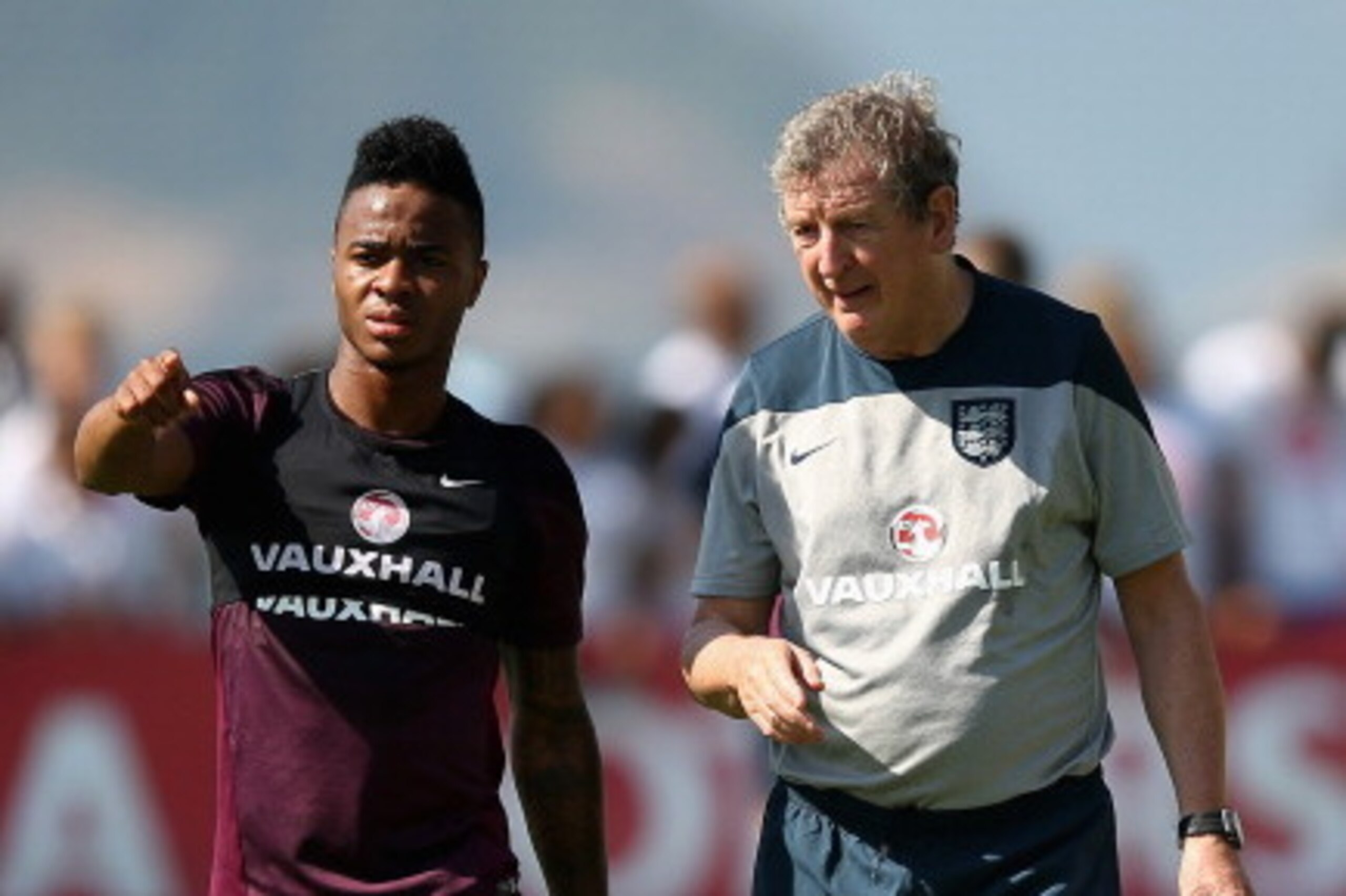
The then-19-year-old joined Everton midfielder Ross Barkley in a youthful selection, on which, according to The Guardian, Hodgson declared that: "They've imposed themselves upon me. They've played so well, done so well, been so effective for their club teams and had such success, they've imposed their ability on my thinking."
Such was Sterling's form that he played a significant part in England's—albeit ill-fated—campaign in Brazil.
Dropping out at the group stage, England played just three games at the World Cup: a 2-1 loss to Italy, a 2-1 loss to Uruguay and a 0-0 draw with group-toppers Costa Rica.
For each game, Hodgson used a 4-2-3-1 formation, with Sterling used in a variety of roles.
Perhaps most unsurprisingly, Sterling was most effective in England's opening loss at the hands of Italy, when he was utilised in a central role behind Sturridge.
Sterling made four successful dribbles, one key pass and had four attempts on goal, including a sensational side-netting strike in the opening stages, and also made two successful tackles.
Used as a right-winger against Uruguay and replacing Adam Lallana at left wing in the draw with Costa Rica, Sterling was wholly ineffective, with his drop in quality reflecting England's overall form.
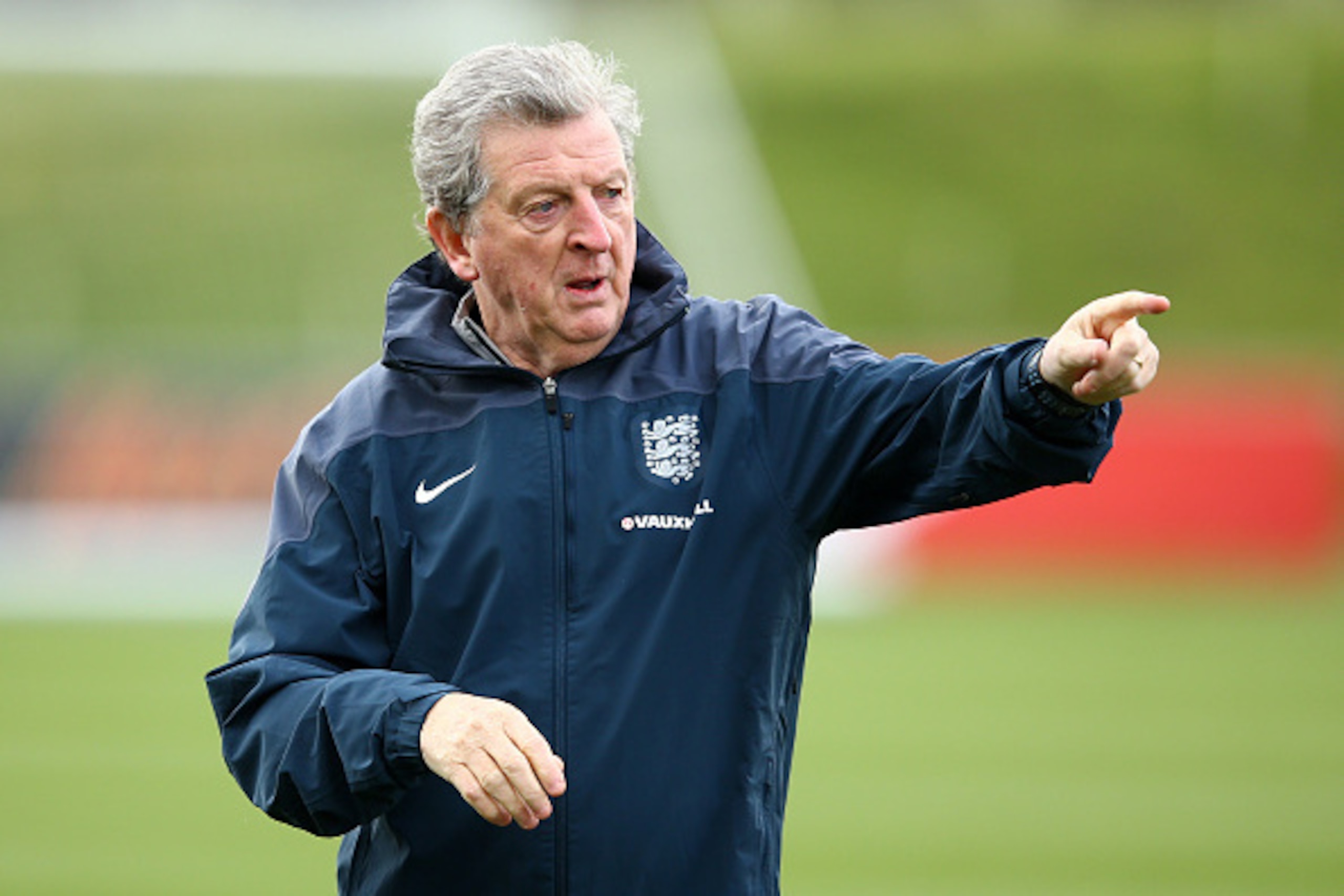
After the disappointment of the World Cup, Hodgson seems to have drawn a line under it and adapted.
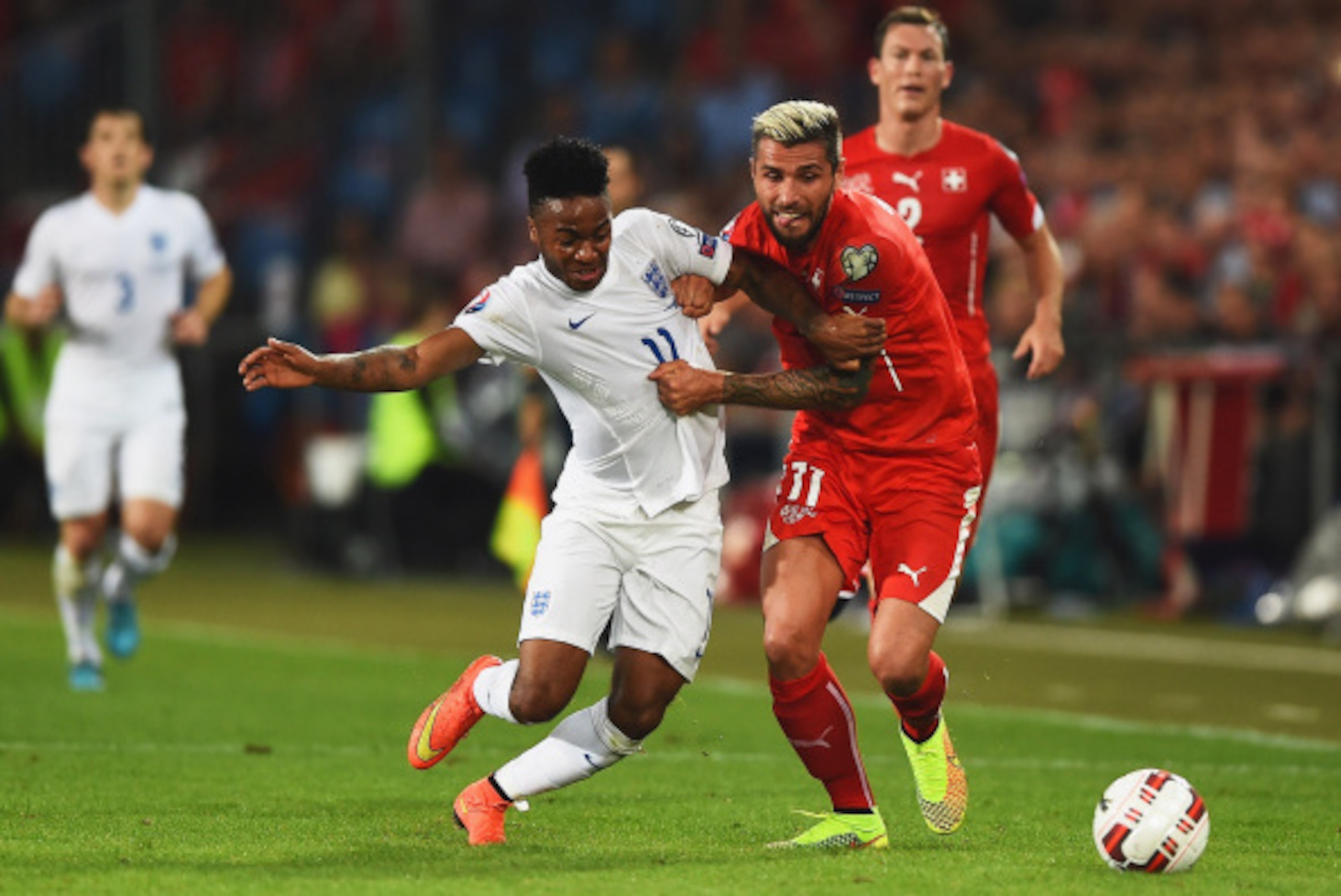
After using a new Rodgers-esque midfield diamond formation in September's 2-0 Euro 2016 qualifier win over Switzerland, Hodgson spoke to a press conference on the merits on this new system, as reported by Dejan Kalinic of Goal.com.
"I have said many times recently that the six players I have got in front of the back four, there is enormous potential in them," Hodgson said.
"They have got youth, energy, talent and they can play in different positions so Sterling can play wide and central."
Using Sterling as a prime example of his young squad's versatility, this seems to point to Rodgers' use of the 20-year-old for Liverpool this season.
However, against Switzerland, Sterling was used again in his best-suited No. 10 role and shone.
Sterling made three successful dribbles, had three shots on goal and made two key passes, one of which resulted in an assist for Danny Welbeck.
England have played four games since that victory at St. Jakob Park: a 5-0 win at home to San Marino, a 1-0 win away to Estonia, a 3-1 win at home to Slovenia and a comfortable 3-1 victory over Scotland.
San Marino, Estonia and Slovenia represented further opportunity to secure progress to Euro 2016, and as such Hodgson opted for his strongest side—Sterling started against San Marino and Slovenia, while he replaced Jordan Henderson in the 63rd minute in Estonia.
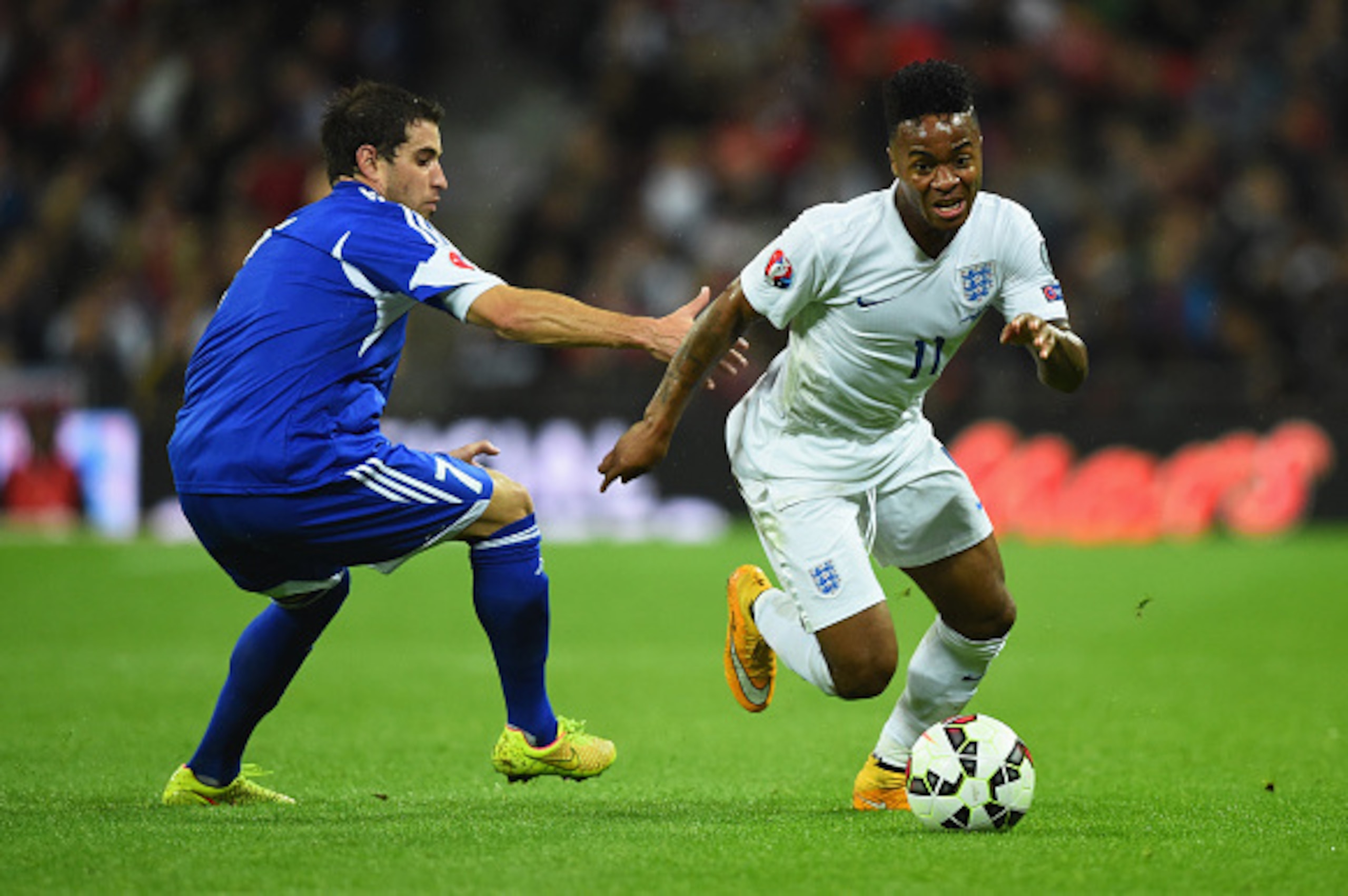
In each of these victories, Sterling played in the No. 10 role in Hodgson's diamond.
In the Wembley victory over San Marino, Sterling was relatively muted, making just one successful dribble before his half-time withdrawal.
This could perhaps have been due to Sterling feeling fatigued, as reported Daniel Taylor of The Guardian, with Hodgson relaying their pre-Estonia conversation: "He came to me and said: 'Look I really am feeling a little tired, I am not in my best form at the moment because I am feeling a bit tired.'"
While perhaps not sensitive to Sterling's reputation, Hodgson was sensitive to his physical demands as a young player, and his substitute's role at Estonia vindicated this.
Sterling made five successful dribbles, had three shots and posted a passing accuracy of 91.3 percent—furthermore, it was Sterling's on-ball ingenuity that won the free-kick with which Wayne Rooney sealed the three points.
Again, against Slovenia, Sterling was devastating in a central role, making five successful dribbles and setting up another goal for Welbeck.
The Celtic Park friendly with Scotland represented Hodgson with a chance to experiment, deviating to a 4-3-3 formation.
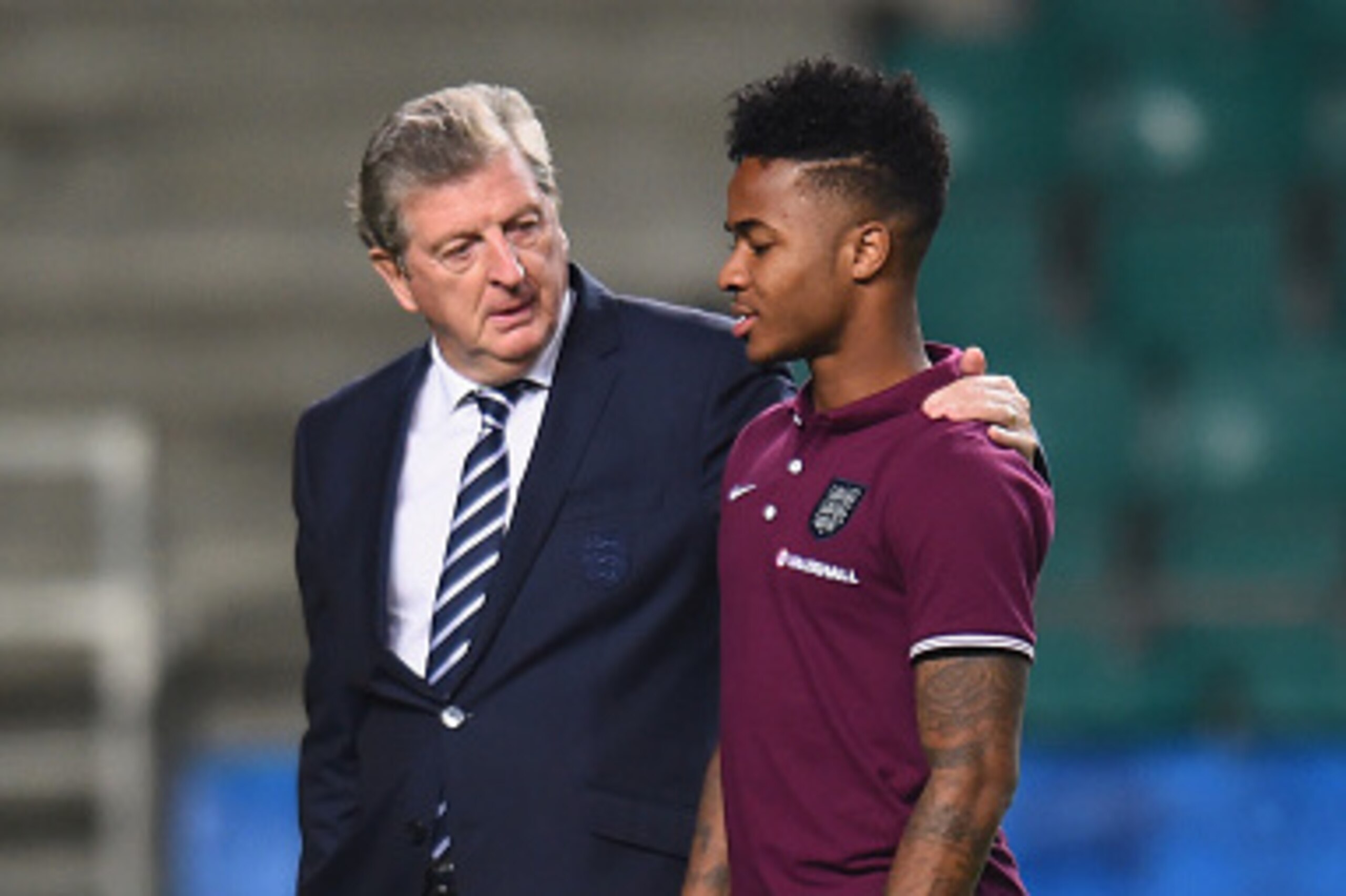
Replacing an injured Welbeck in a wide-left role, Sterling played out a quiet 25 minutes.
It remains to be seen whether Hodgson reverts back to his relatively successful 4-4-2 diamond formation for Friday's important clash at home to Lithuania, but if he does—and Sterling is fit—it will likely be in the No. 10 role that has seen him shine most brightly for the Three Lions.
It would be churlish to suggest that Sterling is a better player for England, but how does his tactical treatment compare on the international and domestic stage?

Where is Sterling More Effective?
According to BBC Sport this week, FA chairman Greg Dyke intends to begin talks with Hodgson "within the next year" regarding an extended spell in charge of England.
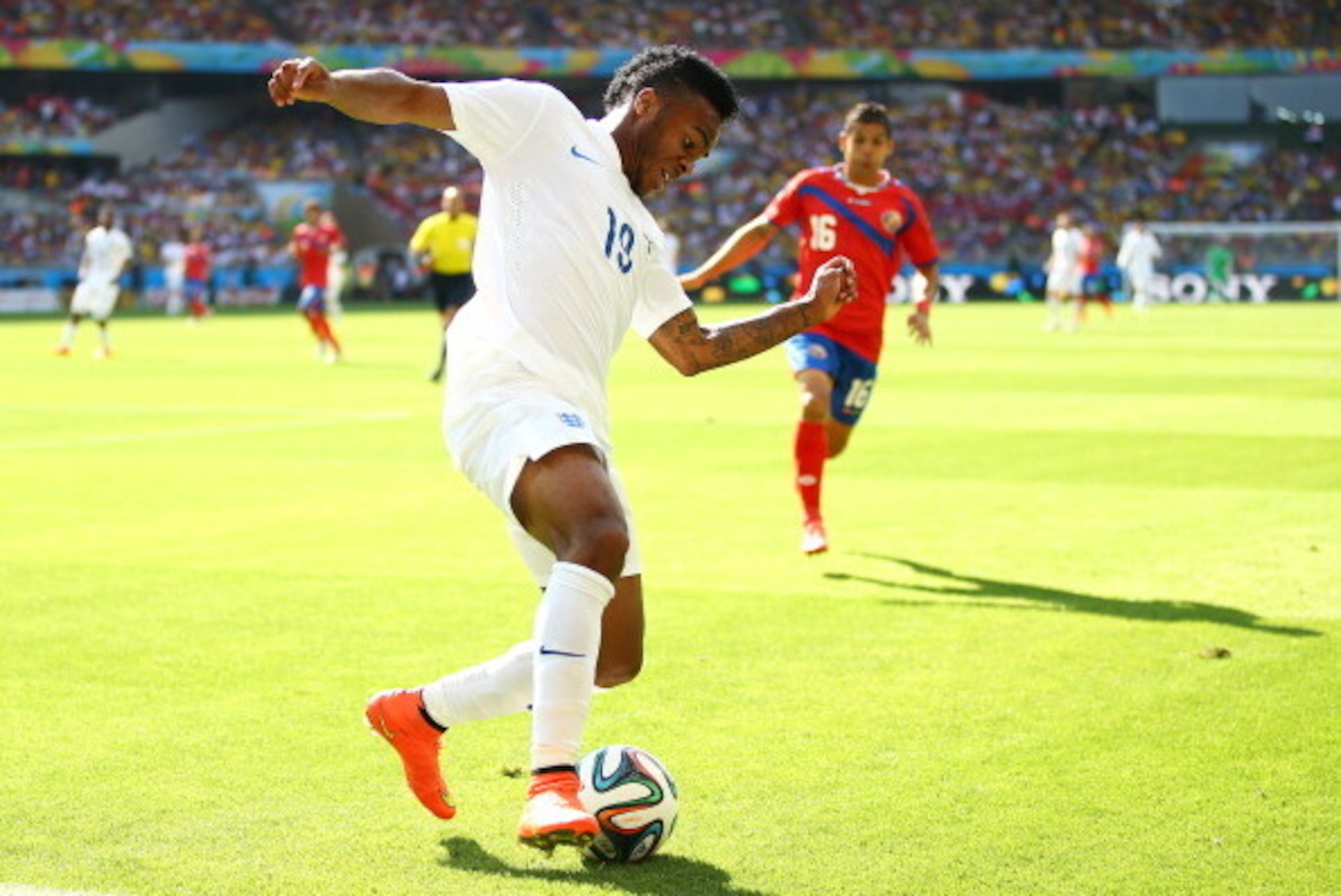
Despite overseeing the country's first group-stage elimination in almost 60 years, Hodgson has become a safe choice for the FA—whether the 67-year-old warrants a longer tenure is highly debatable, but there is some modicum of virtue in managerial continuity.
One positive that can be attributed to Hodgson's England reign is that he has identified Sterling's best position and, more often than not, when it counts, he has solidified this as his enduring role.
In 12 games starting in a central position for the Reds this season—either as a No. 10 or as a striker—Sterling has scored five goals and made two assists; in 24 appearances in various other roles, the 20-year-old as scored one and assisted six.
| Games | Goals (G) | Assists (A) | G+A Per Game | |
| Central Role | 12 | 5 | 2 | 0.58 |
| Other Roles | 24 | 1 | 6 | 0.29 |
By playing Sterling regularly in a central role, Hodgson is maximising his talents.
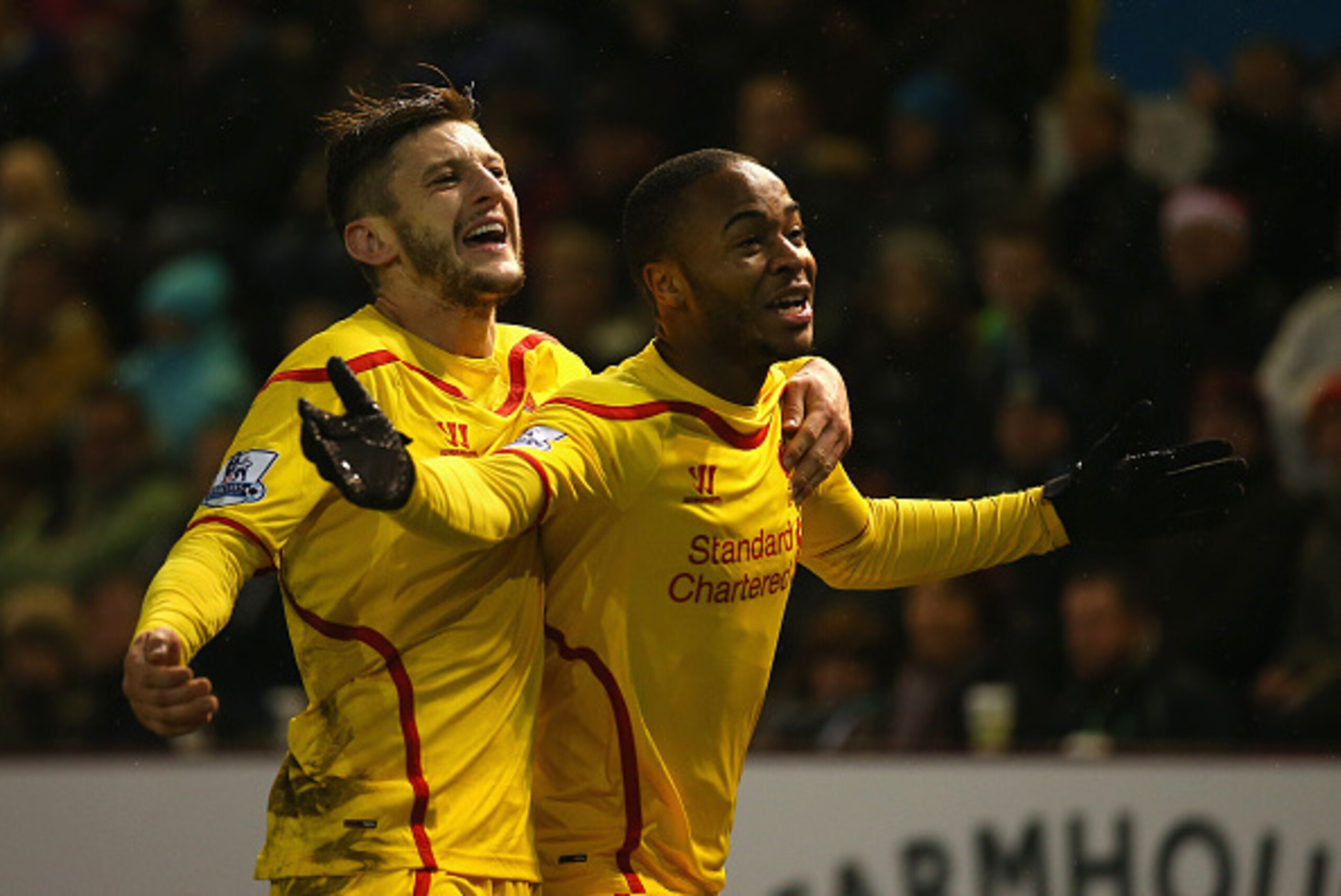
While Hodgson has arguably been significantly informed by Rodgers in terms of tactics and how best to use the many Liverpool players at his disposal, perhaps the latter can now take his cues from how the England manager is deploying Sterling.
Raheem Sterling has made his name at Liverpool largely due to the managerial excellence of Brendan Rodgers, and England manager Roy Hodgson is benefiting from this, but now the Reds boss should study how effective he is for the Three Lions and translate that back to Anfield once more.
Statistics via LFCHistory.net, WhoScored.com and Squawka.com.

.jpg?w=2560 "Chiefs Giants Football")
.jpg?w=2560 "5 Teams Eyeing Jonathan Taylor")


.jpg?w=2560 "Jonathan Taylor Landing Spots 📍")
.jpg?w=2560 "Baker Gets Glove From Rays 🧤")

.jpg?w=2560 "NFL investigating Eagles")

