

NFL Success Doesn't Always Depend on Elite Athletic Ability
In the NFL, every player is a good athlete. At the game’s pinnacle, good athletes are commonplace. Being able to separate yourself from the pack of elites requires a wide range of ability that certainly exceeds the physical variety.
In the movie Little Giants, Steve Entman tells the kids "Just remember, football is 80 percent mental and 40 percent physical," before their big game. No matter how conscious we are of this type of sports cliche, as analysts or scouts we’re rarely able to put it into practice with any consistency.
No matter how good you are at scouting NFL prospects for the draft, mistakes are inevitable. In fact, NFL scouting departments and general managers miss on prospects so often that Sporting News says “only five or six teams will draft a player in the first round” that will go on to be selected to multiple Pro Bowls in their careers.


.jpg?w=2560 "Cardinals Giants Football")
And when you think about it, making it to multiple Pro Bowls is pretty much an expectation for any team drafting a guy in the first round. However, the odds are not in their favor.
According to Datascope Analytics, “picking at the end of the second round only gives your team a 50 percent chance of finding a starter.”
The reasons to explain the low percentage of successful draft picks in the NFL is layered. Part of this is simple numbers. More players come into the league each year than there are positions for them to be starters and stars. But even with this reality, there are starting-caliber prospects to be found in each round of the draft if you’re somehow able to identify them.
This is where the evaluation process gets tricky.
Over the past four years, I’ve been working on a draft project with the goal of combining several key factors regarding prospects that might correlate with career success. One of those factors is a player’s physical tools.
In order to normalize the data for the physical measurables, I created a system that combines everything a prospect brings to the table in terms of physical tools. This data is collected from the scouting combine or pro days such as a player’s height, weight, speed, strength and explosion.
The prospect's measurables are then inserted into a formula and averaged out to create a single athletic score.
What I’ve learned over that time is—it may help to be athletically gifted, but it’s certainly no guarantee for success. On the opposite end, a few players have been able to defy the odds and succeed in the NFL despite having alarmingly limited physical tools. Here are some recent examples of success.
E.J. Gaines was drafted in the sixth round last year but emerged as one of the best rookie defensive backs of the year. According to Pro Football Focus, Gaines was tied for second among all cornerbacks in defensive stops (24) and also tied for fifth in the league in pass deflections (10).
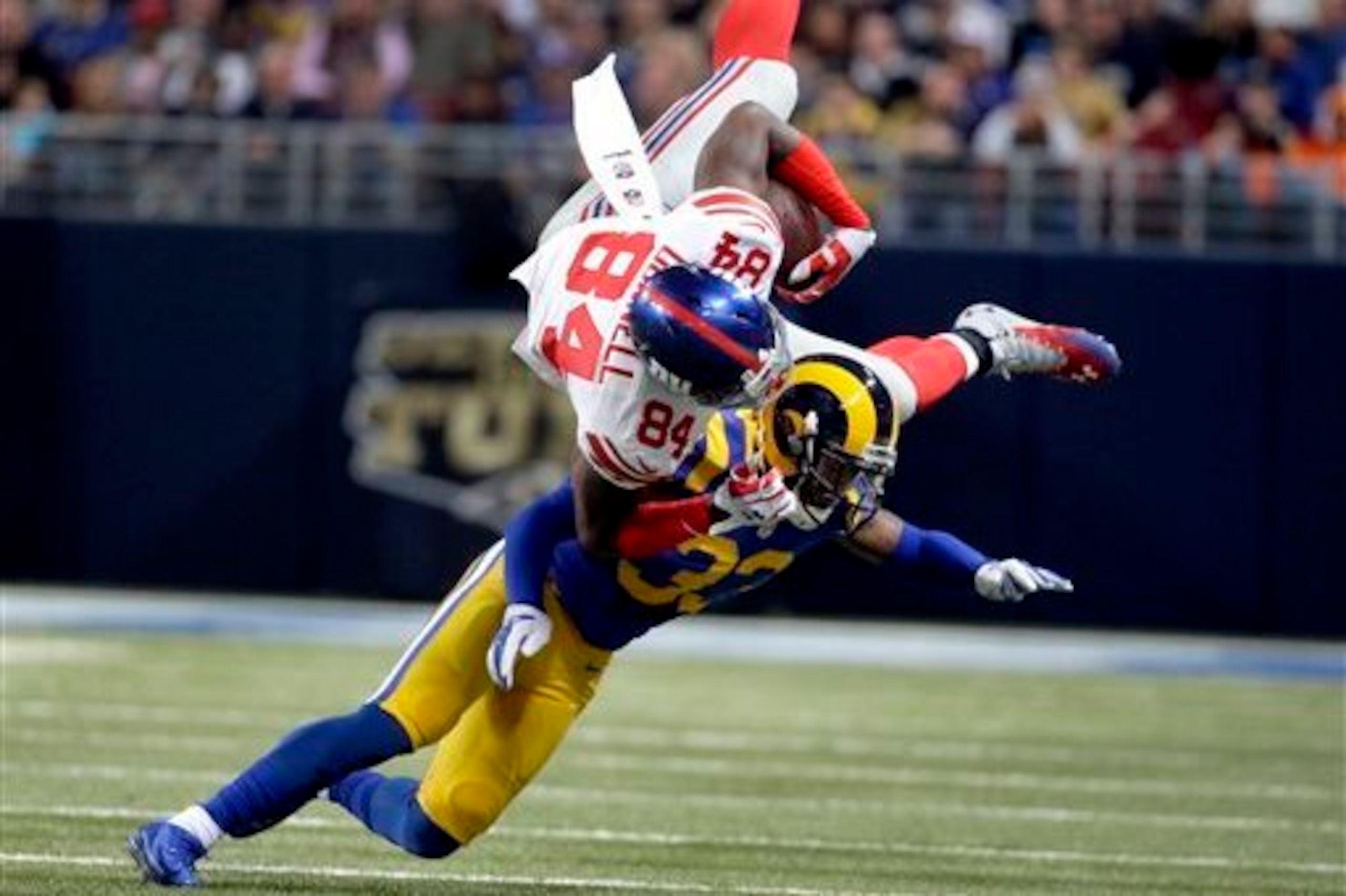
Gaines has a measurable score of 4.84, which ranks 585 out of 679 prospects over three years. The average measurables grade over that time is 5.91.
Sticking to the rookie cornerback theme, Bene Benwikere was another guy who overachieved far beyond his physical endowments.
At 5’11” and 195 pounds, Benwikere ran a 4.63 40-yard dash, benched 10 reps of 225 pounds and ran the short shuttle in 4.38 seconds. Because of this, he was available for the Panthers in the fifth round, where they made him the 148th player drafted. He has since turned into one of the biggest steals of the 2014 draft class.
Bene finished his rookie season ranked as the 18th-best cornerback, per PFF grades, and second among rookies.
Both Benwikere and Gaines were examples of college production trumping athletic measurables. Benwikere entered the draft that year with more career interceptions (14) than any other FBS prospect from 2014 while Gaines was second in tackles per game through his career and fifth in pass breakups. It’s worth noting that Gaines continues to excel as a tackler and in breaking up passes.
These two guys provide great examples of the importance of instincts and having an understanding of the game. This has allowed them to succeed far beyond their draft expectations and limited physical tools.
Pittsburgh Steelers LB Vince Williams has certainly proved that he belongs in this league despite having some of the worst measurables of any prospect in the last three years. His short shuttle (4.67) and three-cone (7.53) times were atrocious. But there is no stopwatch that can quantify his toughness and physical nature on a football field.
Speaking of Steelers linebackers with limited physical tools, there are a couple of other guys on their roster who didn’t pan out so well, like Sean Spence and Jarvis Jones.
Though the crux of this article is meant to emphasize the idea that physical tools are not always the most important feature of a football player, it still should be important enough to drop some positions—like an edge-rusher—out of the first round. Jarvis Jones is a great example here.
Jones did put up great numbers while at Georgia, but he demonstrated worrisome measurables at both the combine and his pro day. His combination of height, weight, arm length, hand size, speed and explosion was so bad that his overall score ranks 602 out of 679 prospects over the last three years, not including the 2015 draft class.
Regardless, the Steelers decided to gamble on Jones in the first round, taking him 17th overall. In his first two years in the league, Jones has played in 21 games and has amassed just three sacks.

Aside from poor testing numbers, I've long had my doubts about Jones' pro potential and felt his Georgia tape was loaded with blemishes. Poor open-field tackling, questionable functional strength, underdeveloped physique and limited pass-rush tools are just a few of the many concerns I had with Jones.
Spence was a third-round draft pick from 2012 who plays with quickness but is undersized (5’11”, 231 lbs), and he doesn’t make up for that with a fearless or physical mentality. Spence is ranked 531 on the list for his size but also because he had poor times in the short shuttle (4.28) and three-cone (7.46).
These issues rarely bode well when combined with egregiously subpar physical tools.
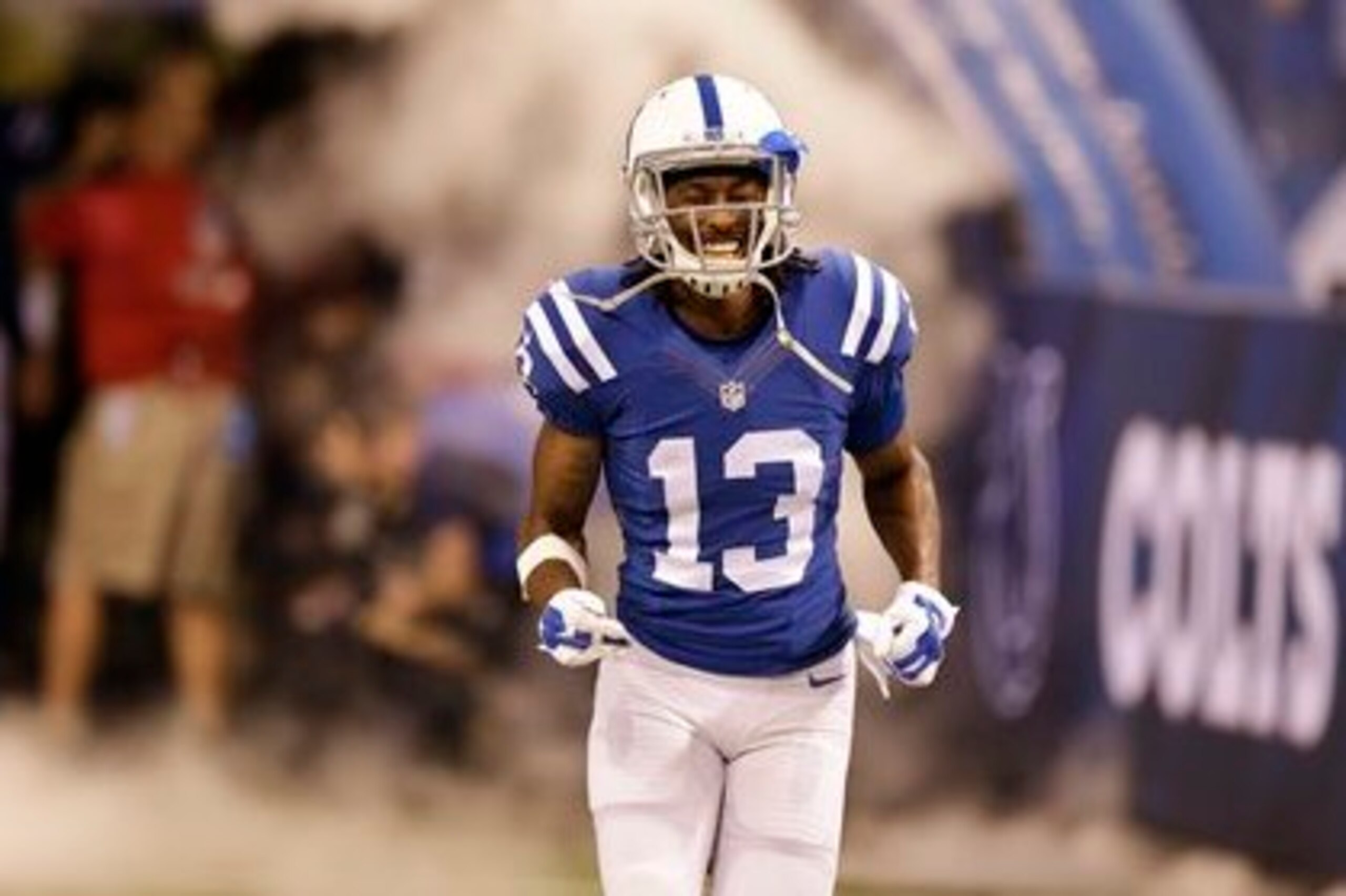
Over the last three drafts, not including the 2015 class, T.Y. Hilton is easily the most successful NFL receiver to fall in the bottom 25 percentile in terms of athletic measurables. Hilton may have impressed with his 4.36 seconds in the 40-yard dash, but he didn’t do nearly as well in his other speed times (7.03 3C and 4.36 SS). He also has small hands (8.5"), is short (5’10”) and weighs just 183 pounds.
Regardless, Hilton has undeniable football speed, which has helped him to become a favorite target for Andrew Luck as a member of the Indianapolis Colts. Hilton already has more than 3,000 receiving yards in his first three seasons, including back-to-back 1,000-yard receiving seasons.
The second-most successful receiver in the bottom 25 percentile (of the 679 prospects factored) just so happened to also be the worst-rated wideout in terms of physical tools. Jarvis Landry ranks 663 on the list after posting a 4.77 in the 40 at the combine and a 4.61-second 40-yard dash at his pro day. That averaged out to 4.68 seconds. Aside from that, Landry was timed at a 7.59-second three-cone and a 4.59-second short shuttle—both terrible times for a receiver, especially one who is 5’11”, 205 pounds.
However, Landry was drafted by the Dolphins in the second round and went on to become the third-best rookie receiver this year, as per PFF. Only Odell Beckham Jr. and Mike Evans graded out higher.
He finished his rookie campaign with 755 receiving yards.
Names to Watch Out for with the 2015 Class
As we edge closer to the 2015 NFL draft, here are a few physically limited prospects to keep an eye on.
At cornerback, Miami of Ohio’s Quinten Rollins struggled at the combine with a 4.57 40-yard dash and a 4.28 short shuttle. He also had incredibly short arms (30”) and hands (9”). Despite this, Rollins is an incredibly instinctual player for a former basketball player who has only played in 12 collegiate football games.
According to another formula I created, Rollins ranks No.1 among draft-eligible, FBS CB prospects in career production per game.
Texas CB Quandre Diggs is another guy to pay attention to. He ranked 22 out of 23 CBs in terms of measurables but then ranked No. 1 at the position when combining production per game and career production.
Diggs excels in two areas when it comes to his approach between the lines. He’s consistent and has incredible instincts for the game.
According to CFBStats.com, Diggs has played in 52 games during his time at Texas and finished second at his position in passes breakups (36) and forced fumbles (four), third in interceptions (11) and first in sacks (5.5).
These guys were chosen in part because CB seems to be the position where instinctual playmakers can have some success even without amazing physical measurables. Examples of this are mentioned earlier with Gaines and Benwikere. Perhaps that trend will continue with Diggs and Rollins.
Another name worth mentioning here is TCU LB Paul Dawson. Dawson struggled to impress at the combine, ranking last among LBs in physical measurables. However, this is by far one of the most instinctual prospects in this draft class. In fact, NFL.com’s Draft Analyst Mike Mayock ranks him as his top-ranked LB for 2015.
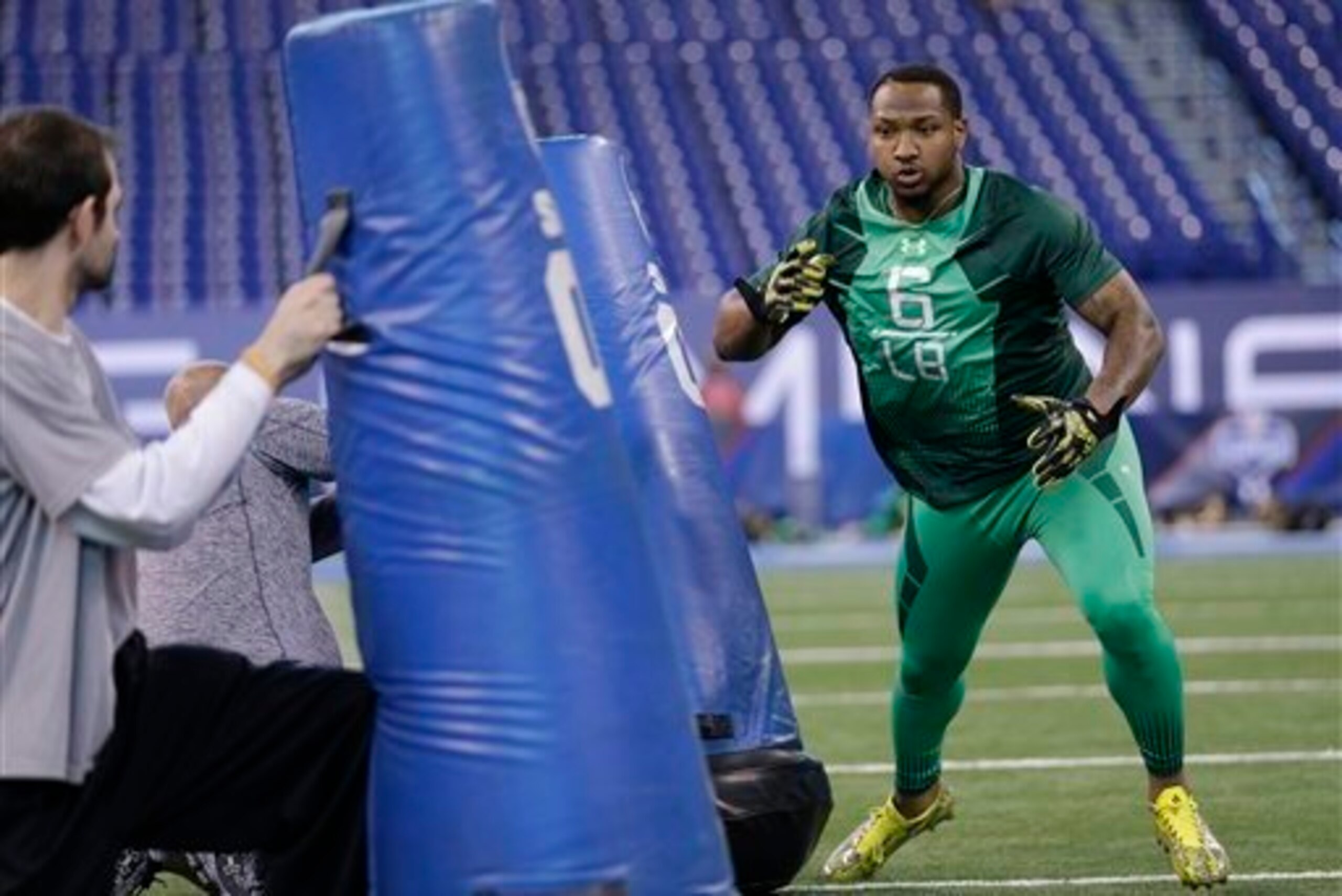
This kid may not wow you with his speed or strength, but he’s one of the best at seeing what’s happening on the field, which makes him a great candidate to defy the odds and succeed in the NFL without great physical tools.
In conclusion, great NFL football players may actually be far more likely to have significant physical limitations than they are to have significant mental ones. Still, evaluators tend to covet impressive physical displays overwhelmingly more than the mental ones. This is largely because the great mental displays, as it pertains to football, are much more challenging to observe and identify.
Jerry Rice is considered one of the greatest football players of all time, if not the greatest. But in terms of his physical tools, Rice was little more than above average by NFL standards.
Ryan Riddle is a former NFL athlete who writes for Bleacher Report.

.jpg?w=2560 "Jets Dolphins Football")

.jpg?w=2560 "Ward Nearly Walks Out of Presser ▶️")
