

Borussia Dortmund vs. Juventus: Tactical Review from Champions League
Juventus produced one of the strongest away performances in recent memory to defeat Borussia Dortmund, 3-0 (5-1 on aggregate), at Signal Iduna Park and progress to the UEFA Champions League quarter-finals. Carlos Tevez (brace) and Alvaro Morata scored the goals to seal the victory.
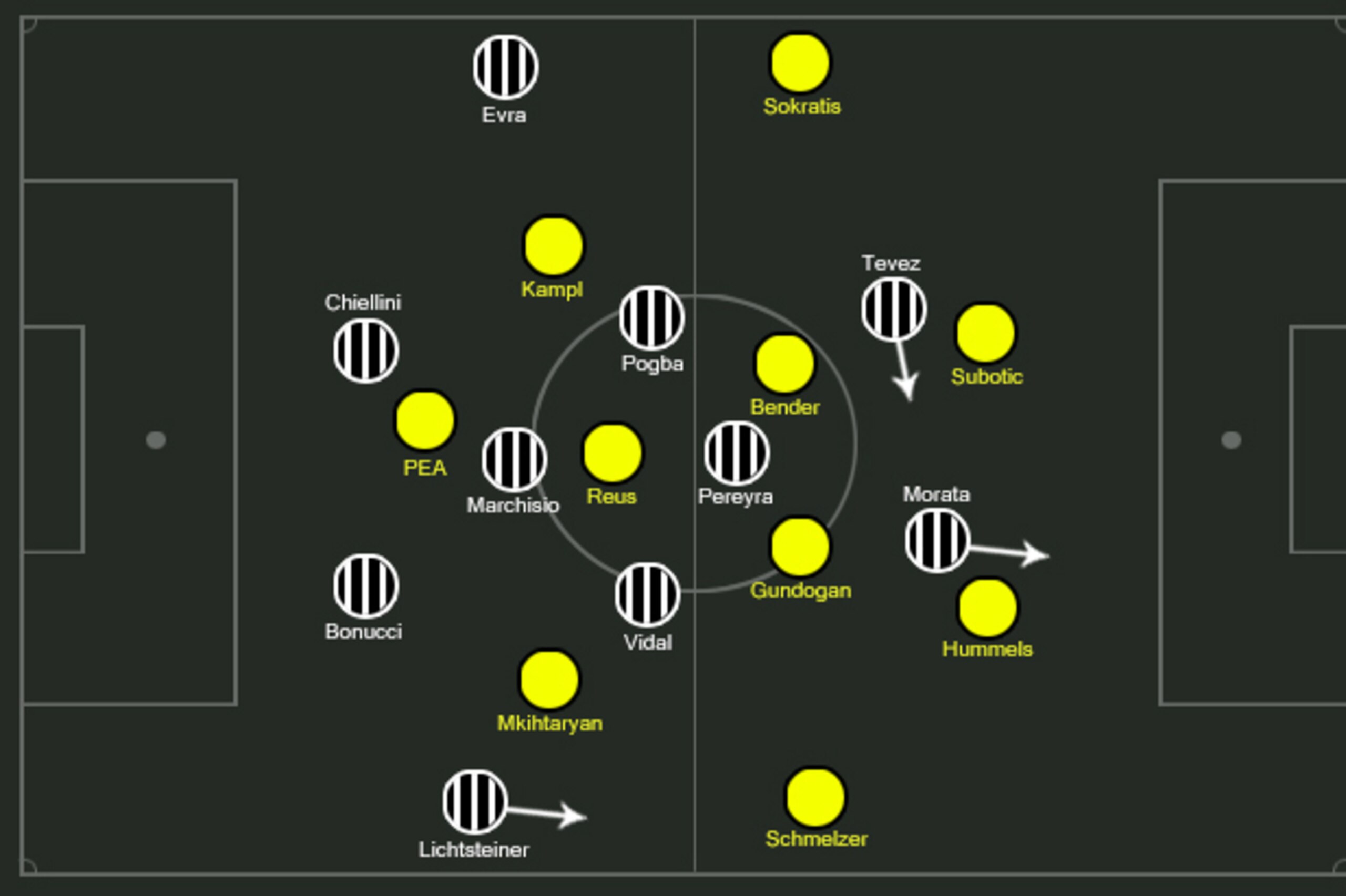
Formations and XIs
TOP NEWS
Live Highlights and Viral Moments 🍿

Final Men's Ballon d'Or Rankings 📊

Carrick Replacement Options 📝
Borussia Dortmund played a 4-2-3-1 with three No. 10s manning the advanced midfield line. Marco Reus was central, Kevin Kampl was to the right and Henrikh Mkhitaryan was to the left. Sokratis Papastathopoulos deputised at right-back due to squad injuries, and Pierre-Emerick Aubameyang started up front.
Juventus began in a 4-4-2 diamond, with Tevez and Morata up front and Roberto Pereyra as a defensive No. 10. Claudio Marchisio stepped in for Andrea Pirlo in the holding role.
1. Early Goal, Space and Width
Tevez's third-minute strike from outside the box more or less ended the game, as Dortmund, we would come to find out, were horrifically ill-equipped to break the visitors down. The goal meant BVB needed two—a feat that simply never looked close to materialising.
It was one hell of a strike from Tevez, but the move just beforehand was rather telling. A quick counter after Dortmund had pushed too many men forward saw Tevez and Morata find space to work in, forcing pressure and a throw-in that Tevez would score from.

The Argentinian continued to find space between the holding midfielders and the defensive line throughout, serving as an excellent first option when trying to avoid BVB's admittedly timid press. The ball stuck to him, and his quick link play with Morata often had the home side's defence falling to pieces within seconds of the ball being moved into threatening positions.
In stark contrast, Dortmund found absolutely no room to play in at the other end, but it was mostly Jurgen Klopp's fault. He fielded no natural wingers but rather a quick striker who can't link play up front. And Sokratis at right-back offered nothing offensively.

If there's a way to beat Juve, it's via the wide areas, which Klopp, for some reason, completely ignored. It allowed the Bianconeri to play a narrow midfield diamond and clog the space in front of the defence, nullifying Reus, Kampl and Mkhitaryan.
Aubemeyang, who is only usable at this level if he has space to run into, was rendered entirely useless.
2. Switch to 3-5-2
Juve were forced into a change in the 26th minute, with Paul Pogba tweaking his hamstring. Massimiliano Allegri made the unusual move of replacing him with Andrea Barzagli—himself returning from a long lay off—and switched to a 3-5-2.
It placed Barzagli at the back and reduced the midfield four to a midfield three. Pereyra spread left of Marchisio and Arturo Vidal right, forgoing the presence of a No. 10 (whose only job was to harass anyway, given that Tevez was the link player).

In truth, it didn't change a thing. Still no space in behind, still no space in front of the defence and an ever greater aerial strength in the box should it be required. Reus and Kampl continued to fumble around, while Aubameyang saw his limited amount of space to work with reduced even further.
Marchisio had a quietly efficient game holding it together and closing off the zones for Reus to play in, while Vidal was aggressive and intimidating when required.
3. Klopp's Subs
Klopp's first sub was not the game-changer we had hoped for—Oliver Kirch on for Marcel Schmelzer at right-back, Sokratis to left-back—but a later flurry did signal intent. Adrian Ramos joined Aubameyang up front to form a partnership, and Jakub Blaszczykowski entered the fray on the right flank to provide some much-needed width.
It was at this point that BVB began to look slightly plausible as an attacking outfit, with Blaszczykowski adding legs to the flank and crossing a few balls into the box. Ramos managed one header that had Gianluigi Buffon back-pedalling.
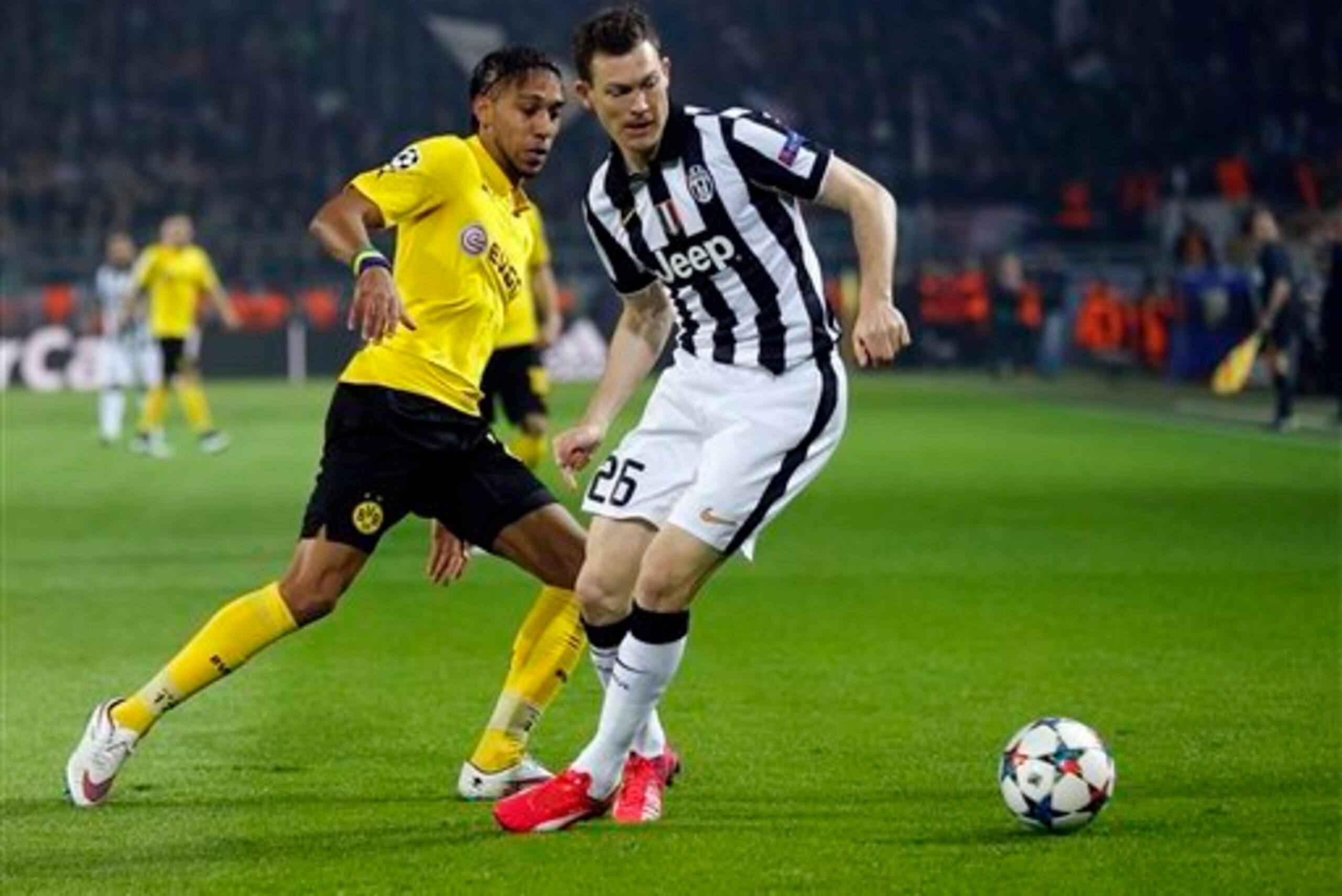
But it also signalled the transition to gung-ho football—a necessary risk, granted—and Juve picked them apart on the counter. Morata missed two one-vs.-one chances in the second half before finally tapping home from a Tevez square ball, and the latter iced the result late on with his second and the team's third.
Juve's strong midfield runners began to stretch their legs with space in front, and that early ball into Tevez became even more lethal, as he had fewer defenders to beat on the way to goal.
Quickfire Takeaways
- A disastrous game for BVB. A poor game plan; no width, no space to play and the wrong personnel on the field. They have injuries, yes, but Blaszczykowski could have started at right-back, and Ciro Immobile would have been a better bet than Aubameyang.
- Juve killed it. An incredible European away performance. Analysts will dig this tape out for years to come when outlining their own game plans for their own teams.
- Morata makes incredible runs into the channels and takes superb angles. That part of his game is reminiscent of the old Radamel Falcao.
- Dortmund lost yet another game sans Nuri Sahin. He's such an important presence to them, whereas Sven Bender leaves a lot to be desired right now.
.jpg?w=2560 "Chiefs Giants Football")
.jpg?w=2560 "🚨 Week 8 AP Top 25 Poll")
.jpg?w=2560 "Baker Gets Glove From Rays 🧤")
.jpg?w=2560 "Steelers Roll Saints in Paris")

.jpg?w=2560 "NFL investigating Eagles")
.jpg?w=2560 "5 Teams Eyeing Jonathan Taylor")
.jpg?w=2560 "Updates from EVERY Game")