

Is There Anything Wrong with How Footballers Treat Referees?
"It felt like I had 11 babies around me."
Zlatan Ibrahimovic said these words, as noted by Stephen Darwin of Goal, after his contentious sending off in the Champions League round of 16 between Chelsea and Paris Saint-Germain on 11 March. The Swedish striker was alluding to vehement protests from Chelsea players in the wake of his thunderous coming together with Brazilian Oscar.
Swarming Bjorn Kuipers like bees, Jose Mourinho's men—whether they failed or accomplished—appeared to influence the referee's decision, leading to an uproar from pundits, supporters and players that clubs need to better control how players interact with match officials.
TOP NEWS
Live Highlights and Viral Moments 🍿

Final Men's Ballon d'Or Rankings 📊

Carrick Replacement Options 📝

An honourable pursuit, for sure, ensuring respectful dialogue exists between governors and constituents, but the notion “when players change, the problem will immediately vanish” is myopic.
Week after week, the same pundits, supporters and players who would like to see harsher dealings with referee confrontations are the same ones lambasting referees for missed or ill-advised penalties, fouls, bookings and offside decisions. The same individuals, who need goal-line technology and possibly more help, should be given the benefit of the doubt by participants in the game, who are thoroughly invested in the matches' outcome.
This seems paradoxical.
If players thought referees were going to make the correct call, it stands to reason they would not lobby, confront and surround referees so fervently.
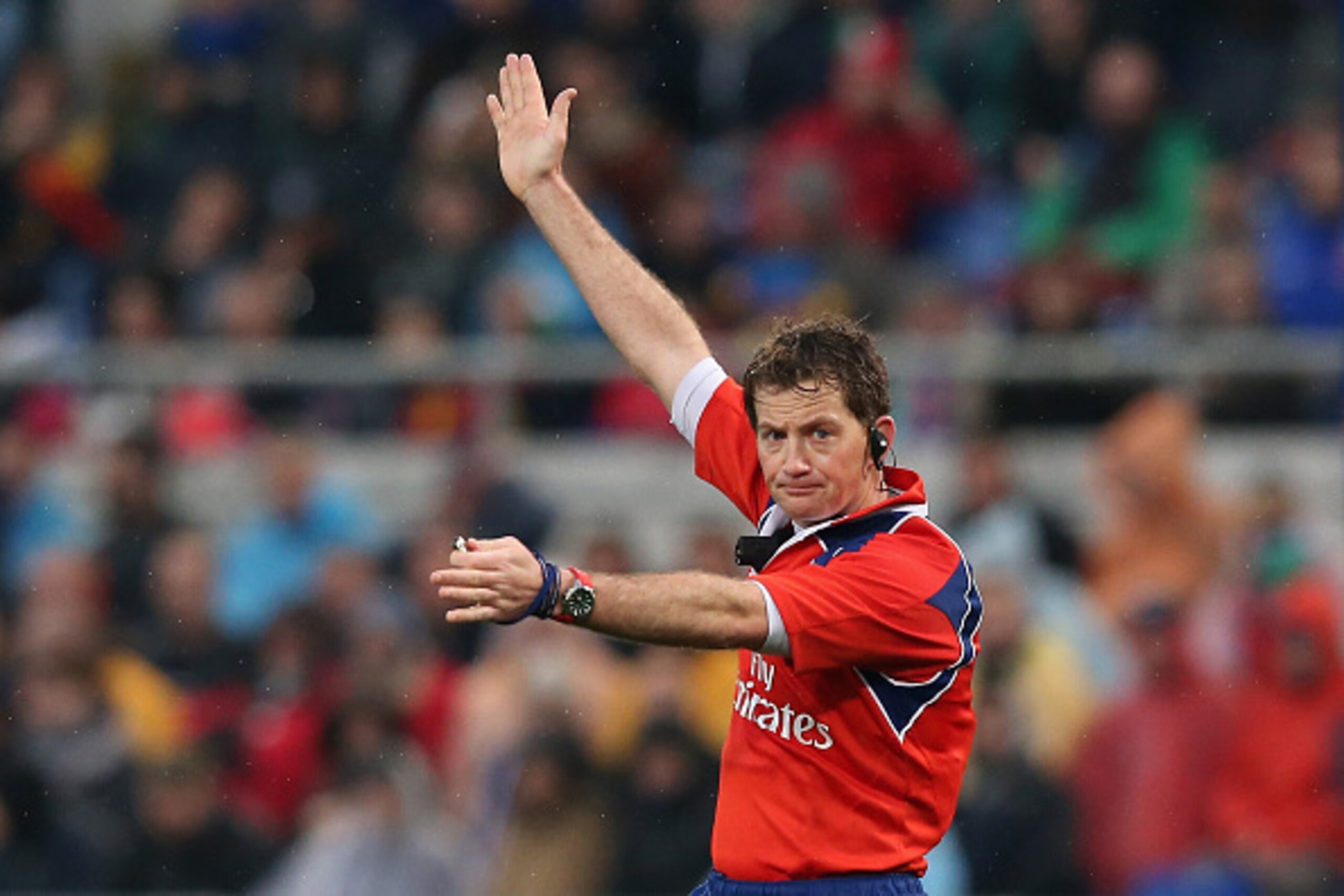
Rugby is habitually mentioned as an idealistic sport in terms of how athletes treat match officials. The relationship between players and referees is normally respectful, but to compare football and rugby is generally illogical. When players berate rugby officials, the option to cede teams' territory is given to referees.
NBA players and coaches know accosting referees can gift the ball and one point to their opponents, via technical foul, and the possibility of ejection also is conceivable.
In both instances, the penalty for such actions has little bearing on the game (dependent on timing, of course), because both basketball and rugby have many points in deciding their outcome. Losing yardage is not an option in football, and the equivalent of a free throw in basketball might be a penalty, which appears too punitive, given the limited scoring football provides.
The only recourse a referee possesses is brandishing their yellow card, which in many cases is too severe for simply talking. Knowing this, footballers receive confidence to plead their team's case.
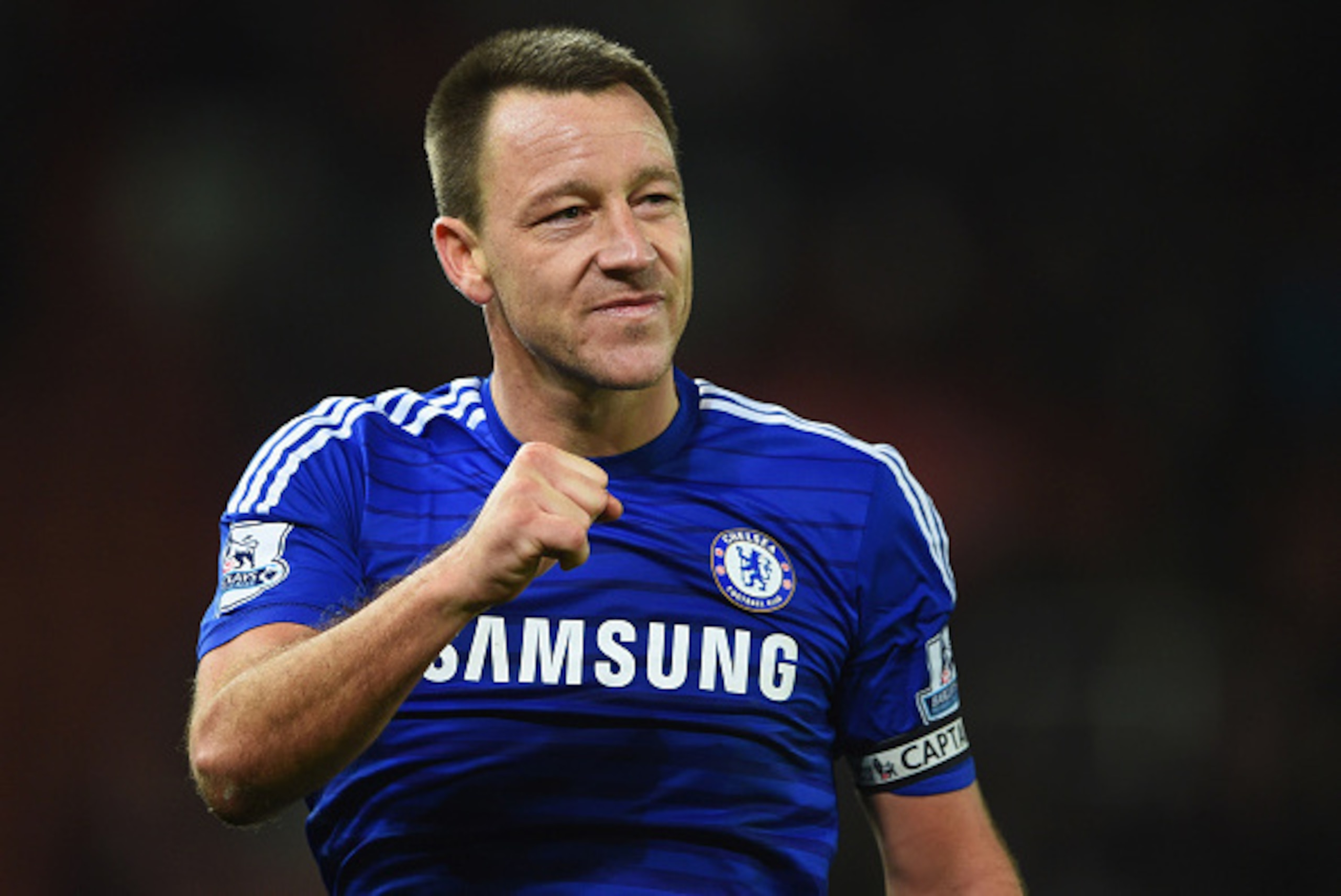
An argument exists that only captains should be permitted dialogue with match officials. On paper, the idea is concrete. As elected leader by the club's manager, captains should have enough experience to be judicious in their approach and be lawyerlike in their ability to debate situations—but the familial, almost militaristic nature of team sport makes this notion difficult.
Playing a game often decided by thin margins—where one set piece, one corner, one penalty decision or one booking can irreparably sway proceedings—should the captain go toward the referee, as the leader, it makes sense their "subordinates" follow suit.
According to Sky Sports, Chelsea captain John Terry believes as much, telling reporters:
"For me, if I have to run 20, 30 yards, it doesn't look great. But when you're standing back and seeing five or six of their players surrounding the ref, for me I think: ‘I support my team-mates.’
And once I go, four or five go with me, it doesn't look good at all—but that's part of the game.
"
If the issue is about optics, eradication becomes arduous. It's not attractive to have players surrounding referees, nor is flocking around people in positions of power respectable in everyday society. Imagine students surrounding teachers to intimidate them from giving homework, or employees surrounding their boss for pay rises—the world would become chaotic and ruled by mob mentality.
That being said, football pitches are hardly analogous to actual workplaces.
One cannot adequately compare the intensity of a Champions League or Premier League football match to a telemarketing firm or World Civilization 201.
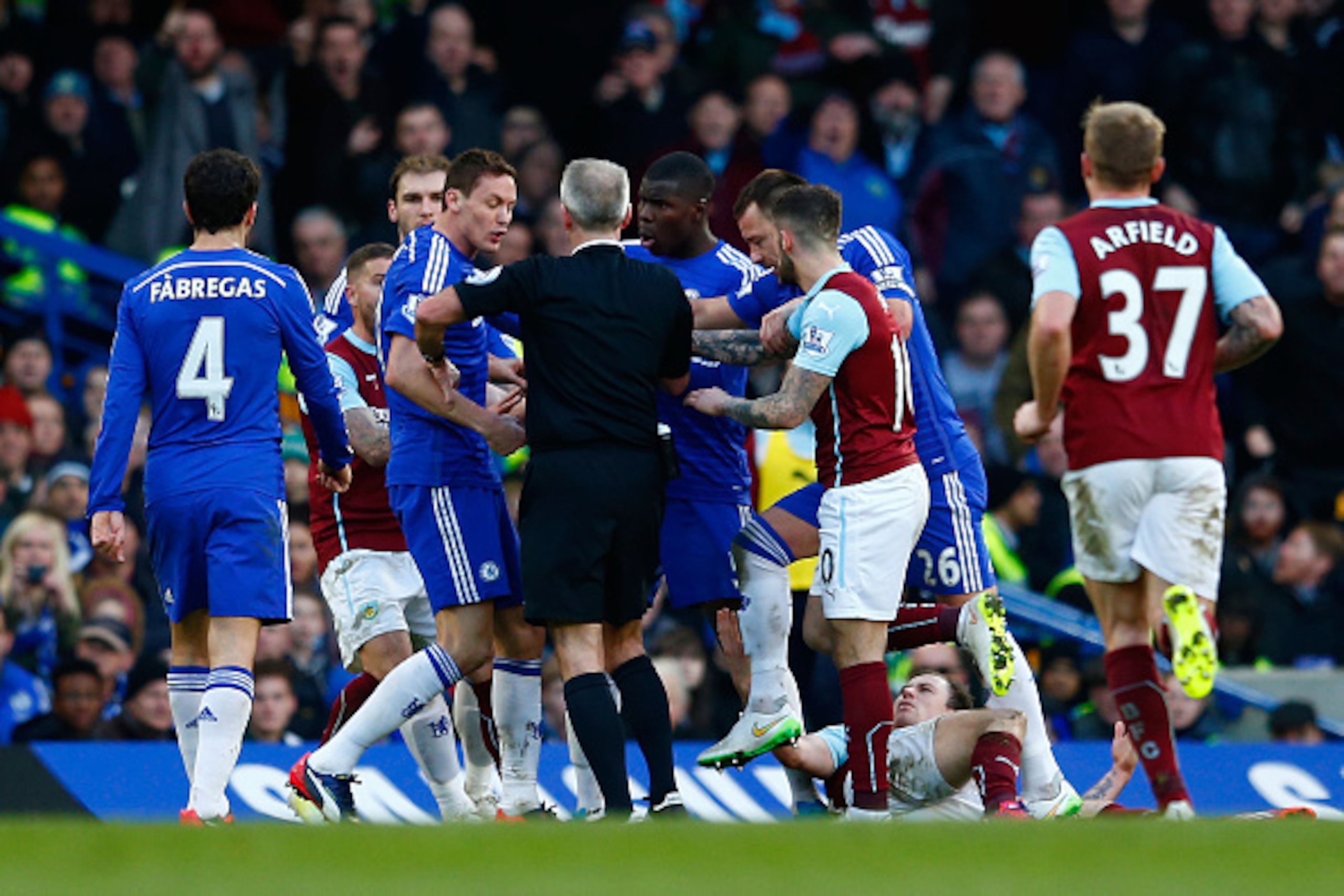
More fascinating, condemnation only surfaces when players surround refs and they are perceived to be incorrect by talking heads.
When players are correct in their appeals, rarely is intimidation the subject matter, rather the players' unwillingness to protest or refereeing ineptitude.
Ibrahimovic's red card was an incorrect decision, as he pulled out of the 50-50 challenge; the worst he should have received was a caution. When Chelsea players came furiously at Kuipers and the red was shown, the narrative started rolling.
When players correctly appeal for handballs, bookings or fouls, not a word is heard about respecting officials (except maybe from supporters of the bereaved party).
If participants come at the referee, regardless of their mentality, the interpretation by those observing depends on the actual play—nothing else. Many can accept the idea of remonstrating on the side of the angels, but once disrespectful protests are observed, and compounded by misinformation, then issues arise.

Should footballers be more cordial and less insolent with referees? Of course, they should.
Again, while not analogous with "real life," impressionable individuals (e.g. children) do take cues from sporting entertainment, and if anything can be done to refine visual stimuli—crowding, swearing, gesticulating, etc.—then it should be investigated. Having referees fitted with microphones is an idea that might be vetted, but whether they would enjoy conversations displaying their possible incompetence on record is another set of complications altogether.
At its core, the reason players protest is intensity wrapped in cynicism.
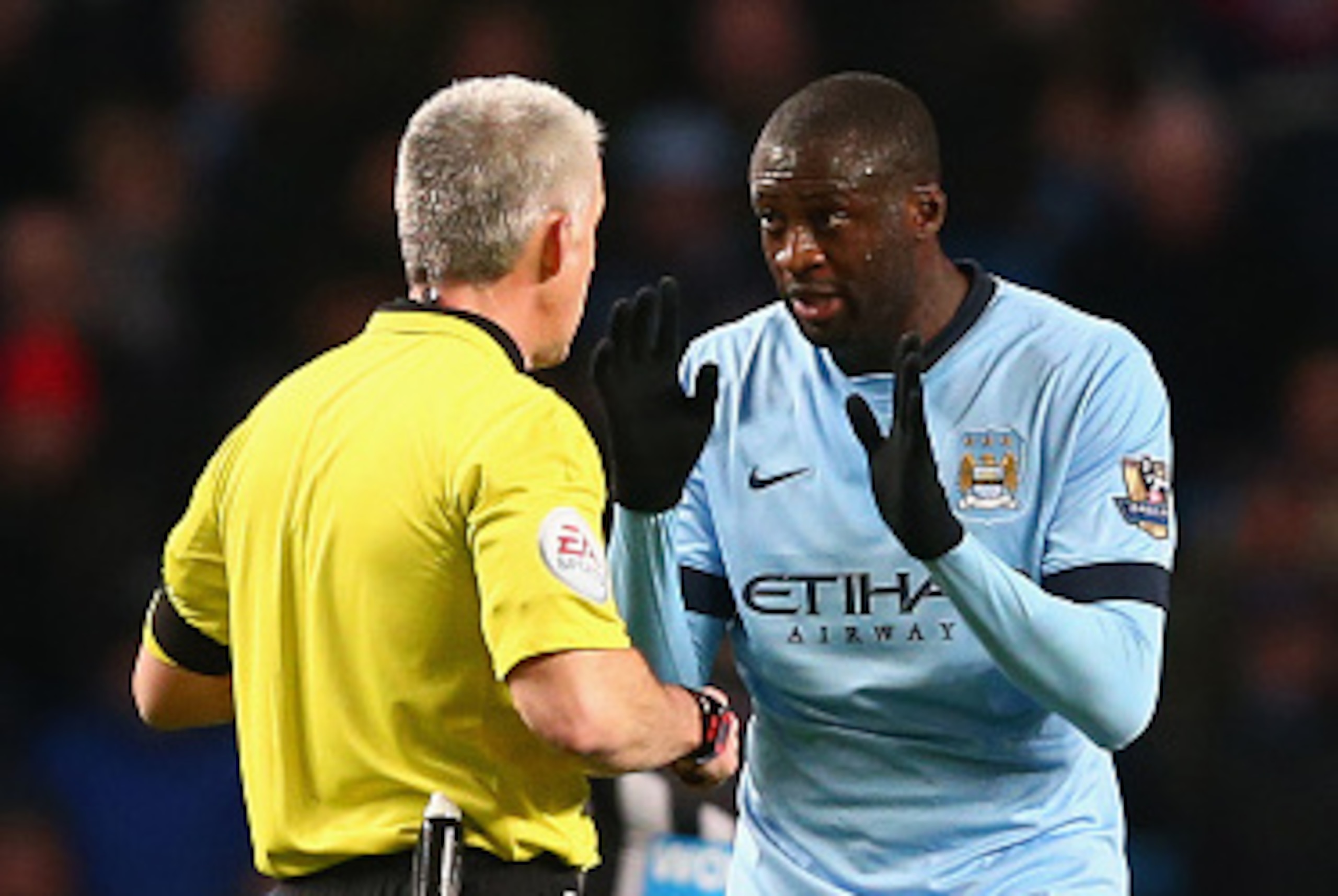
Were they confident, items of significance would be handled equitably and impartially, 22 players and managers would not, at a moment's notice, prepare themselves for verbal warfare with match officials—they would merely wait for, and accept, decisions.
That, however, is a pipe dream.
Until the standard of refereeing is elevated (whether by education, technology or both) and players en masse are educated about and reprimanded for their dealings with match officials, little will change.
For better or worse, Terry was precise in his assessment, lobbying—in its current form—is simply "part of the game."
*Stats via WhoScored.com; transfer fees via Soccerbase.com where not noted.
.jpg?w=2560 "Chiefs Giants Football")
.jpg?w=2560 "5 Teams Eyeing Jonathan Taylor")
.jpg?w=2560 "Baker Gets Glove From Rays 🧤")
.jpg?w=2560 "NFL investigating Eagles")
.jpg?w=2560 "🚨 Week 8 AP Top 25 Poll")
.jpg?w=2560 "Steelers Roll Saints in Paris")
.jpg?w=2560 "Jonathan Taylor Landing Spots 📍")