

Time for Manchester United to Admit the Radamel Falcao Experiment Has Failed
Over-experimentation is typically problematic when football clubs search for trophies.
Employing numerous formations to the point of confusion, using an excess of players rendering continuity impossible and spending wishfully in the transfer market are a few experiments which have the capability to backfire.
Manchester United have issues with all three in 2014/15.



So far during his first Premier League campaign, Louis van Gaal has tried seven different formations—with 31 players receiving at least one opportunity to impress.
In the 2014 summer transfer market, the English giants spent nearly £150 million on Angel Di Maria (£59.7 million), Ander Herrera (£29 million), Luke Shaw (£27 million), Marcos Rojo (£16 million) and Daley Blind (£13.8 million); as these deals are in their formative stages, many have been hesitant to name any of them flops, but United's last noteworthy deal—which came on summer transfer deadline day—looks all but destitute.
Radamel Falcao's season-long loan from AS Monaco to Manchester United was supposed to give the Red Devils another deadly weapon in the final third. Joining Monaco before the 2013/14 season—with pit stops at FC Porto (2009-11) and Atletico Madrid (2011-13)—the Colombian striker was simply prolific; Falcao scored 155 goals in 199 matches over five seasons.
Given his magnificent goalscoring record, a loan fee of £6 million in September looked a relative steal for Manchester United, the deal included an option of £43.5 million at season's end—per BBC Sport's Simon Stone.
Sure things, though, rarely ever are.
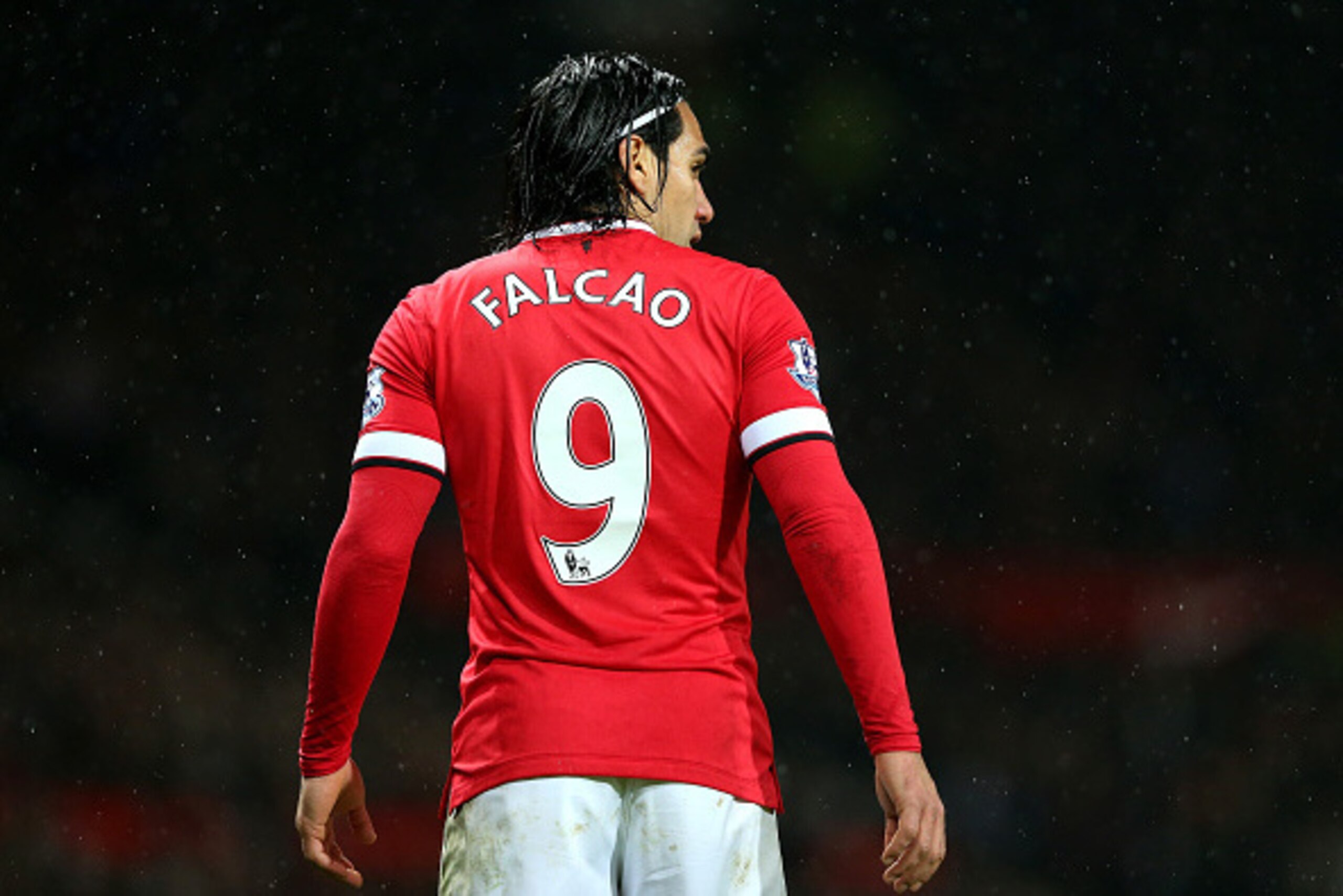
Falcao in 17 EPL appearances has scored just four goals; playing slightly over 1,000 minutes, the 29-year-old is averaging one goal per every 250 minutes—hardly breathing on his previous, rampant history.
More intriguing was the Colombian's recent inclusion—along with Victor Valdes, Rafael and James Wilson—in Manchester United's Tuesday U21 match vs. Tottenham Hotspur U21. Substituted after 72 minutes, Falcao's drop from an all-conquering Europa League/UEFA Super Cup Goliath to playing U21 football on loan is rather precipitous.
Reasons for this "slump" are threefold.
Firstly, with all of Van Gaal’s tinkering and mad-scientist-like tendencies, the Monaco loanee has failed to hold a starting position longer than four consecutive matches. Though not abundantly clear given England's struggles in Europe this season, the Premier League's intensity (and simply moving to England) takes time to adjust to. Some players—specifically strikers in this case—take longer than others.
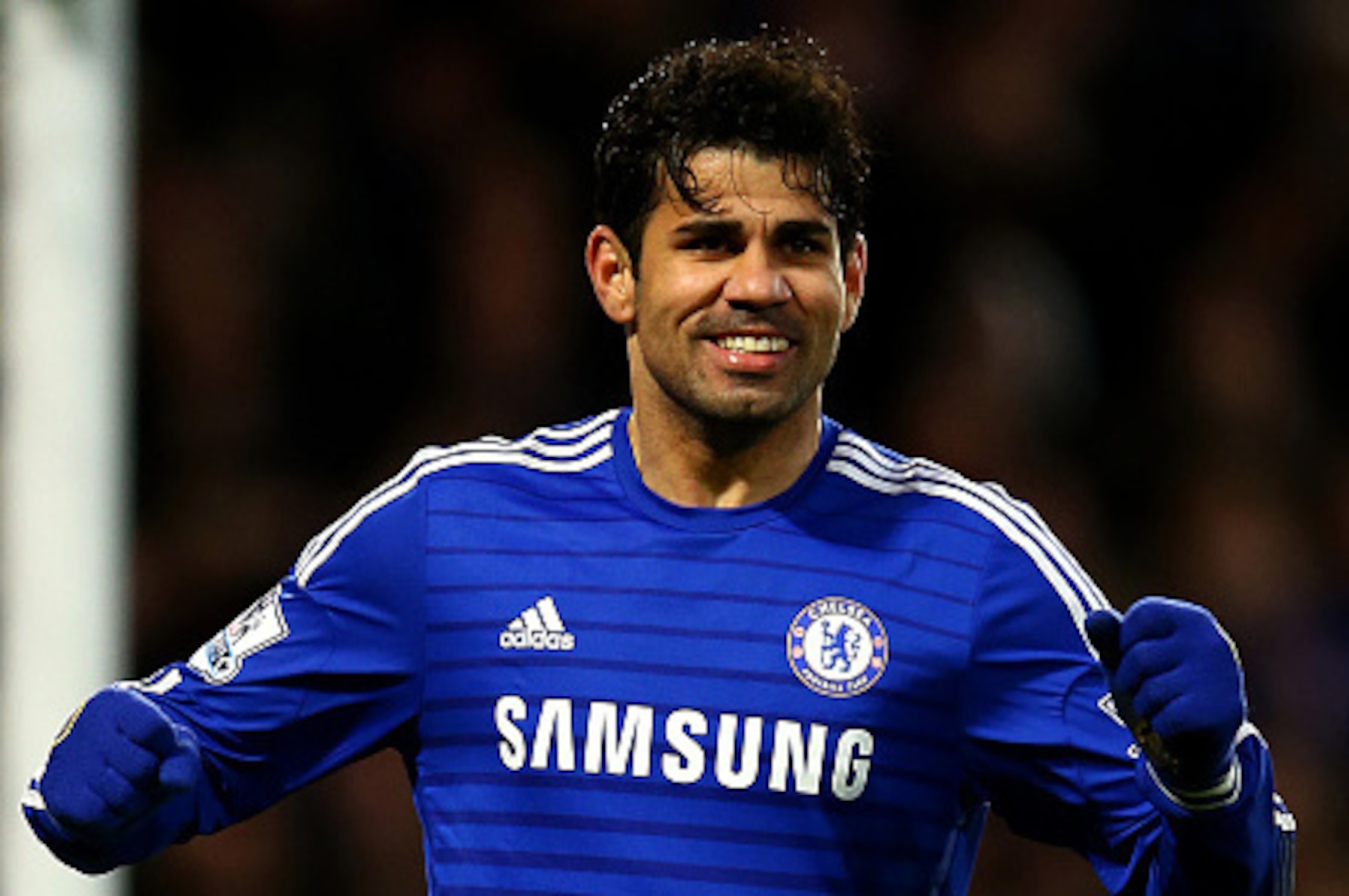
While Diego Costa, for instance, hit the ground running for Chelsea this season (scoring 17 goals in his first 19 games), players like Luis Suarez—after Liverpool bought him January 2011—needed an acclimation period (scoring 15 goals in 44 matches through 2011/12) before exploding.
Expecting Falcao to boss England upon his arrival was folly.
Secondly, Robin van Persie and Wayne Rooney are staples in the Manchester United attack. While the Dutchman needed rest after the World Cup, his place with compatriot Van Gaal was a virtual certainty. Rooney can play a host of positions, but his best spot on the pitch is as a forward, so give-and-take existed with Falcao on both accounts.
Third, and most importantly, Falcao tore his anterior cruciate ligament in January 2014.
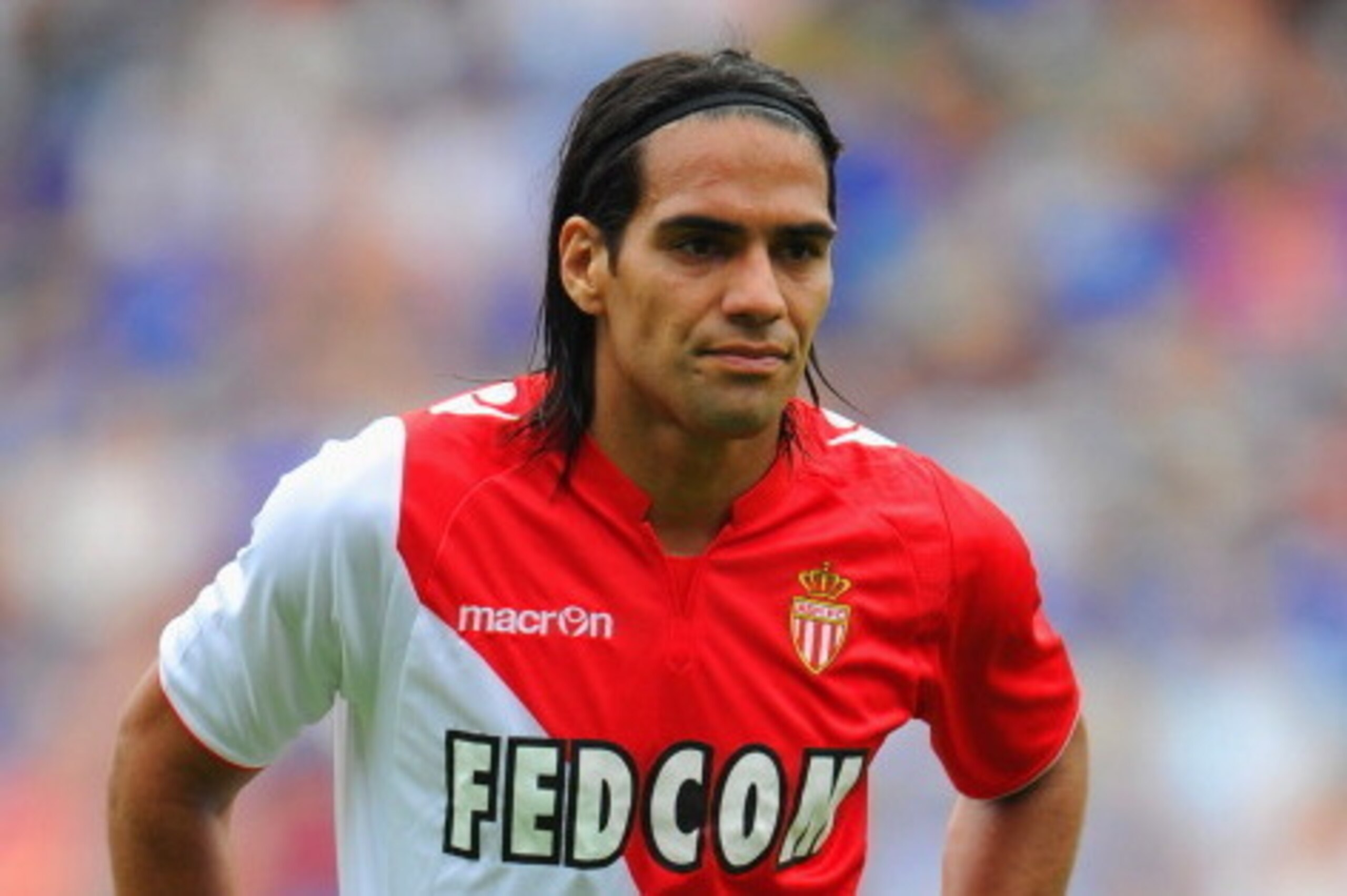
Absent 20 games for Monaco last season and missing the World Cup with Colombia, Manchester United took a risk on an unknown quantity. The Old Trafford brass surely knew statistics from the striker's previous clubs but could hardly predict how Falcao's knee would react to full-time use—much less to rigours of Premier League football.
United should have evaluated each factor beforehand and thought twice. The transaction was an unquestionable gamble, and with 10 games left to compete its cycle, the Old Trafford side have a major decision to make: Pay the £43.5 million or let Falcao return to French football.
The he-can-only-get-better/he-cannot-be-any-worse argument does exist and carries weight; but for £43.5 million—and potentially missing Champions League football for the second straight year—United have greater areas to improve/maintain.
Demanding a central defender and central midfielder, the funds could be used elsewhere. Likewise, David De Gea has become, arguably, the Premier League's best goalkeeper and should expect a new-and-improved contract; these funds could be allocated in the Spaniard's direction.
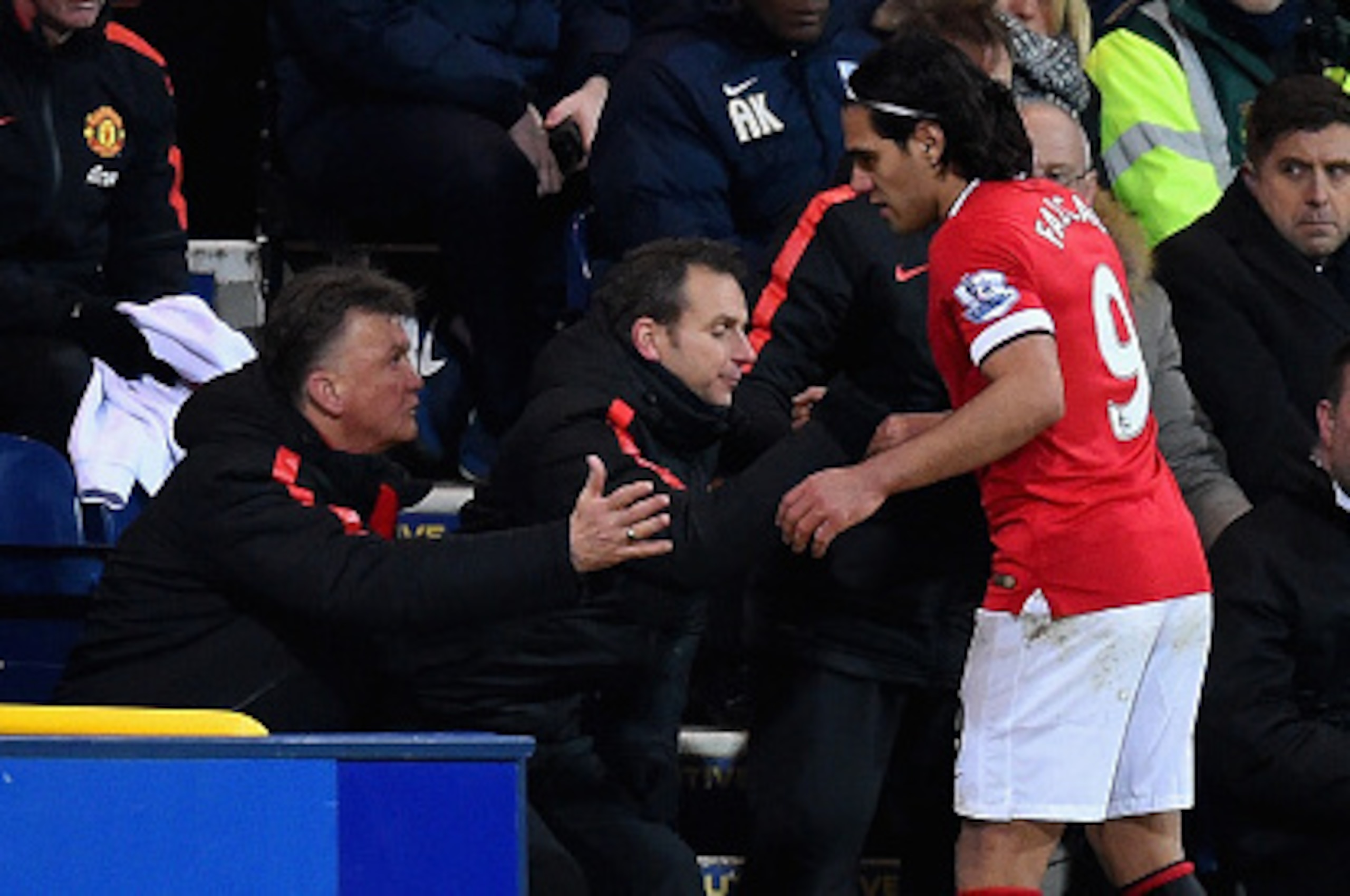
Therefore—on current form and the price imprinted—the answer appears simple: Cancel the Falcao experiment and allow the player his Ligue 1 revival.
Receiving £265,000 per week—per BBC Sport's Chris Bevan—Falcao's Manchester excursion could be classed an individual success in monetary terms, and returning from severe injury, there cannot be excessive blame cast on the Colombian for his on-pitch performances.
As a silver lining, however, other clubs have bought high stock and received nowhere close to equal compensation—Chelsea's £50 million and the case of Fernando Torres seems an apt example.
In loaning Falcao—at the cost of £6 million—Manchester United gave themselves a testing period, a warranty of sorts. The Red Devils should take advantage of their clever business strategy and be as ruthless in their decision to cut bait as they were in greenlighting the deal last September.
*Stats via WhoScored.com; transfer fees via Soccerbase.com where not noted.
.jpg?w=2560 "Cardinals Giants Football")


.jpg?w=2560 "Tyreek Deal May Come Soon")
.jpg?w=2560 "Mahomes' Wife Trolls Kubiak 💀")