

The Long-Ball Game Is Nothing for the Premier League to Be Ashamed of
In his 1989 biography, Bolton Wanderers' legendary captain Nat Lofthouse remembered—somewhat sheepishly—the South American tour he undertook with the England national team in 1953.
An eye-opening experience, he seems slightly embarrassed that England were able to better Chile and "only" lost 2-1 to world champions Uruguay.
The principle cause of Lofthouse's diffidence was the difference in playing styles of the teams. The South Americans employed a short passing game—even, to Lofthouse's surprise, between the goalkeepers and defenders when strikers were bearing down—which was completely at odds with England's more functional brand of football, aiming to hit either Lofthouse or strike partner Tommy Taylor and then work the ball out to the wing.

.jpg?w=2560)

Some 60 years on and little has changed. Lofthouse's squeamishness has been magnified as the Premier League has attracted an ever-increasing television audience and transmitted to generations of English football players and fans since.
Sam Allardyce is a manager who knows more than most about the stigma attached to the long-ball game. His achievements at Bolton were consistently played down and mitigated in the media due to his use of direct tactics. It's a reputation that’s dogged him since.
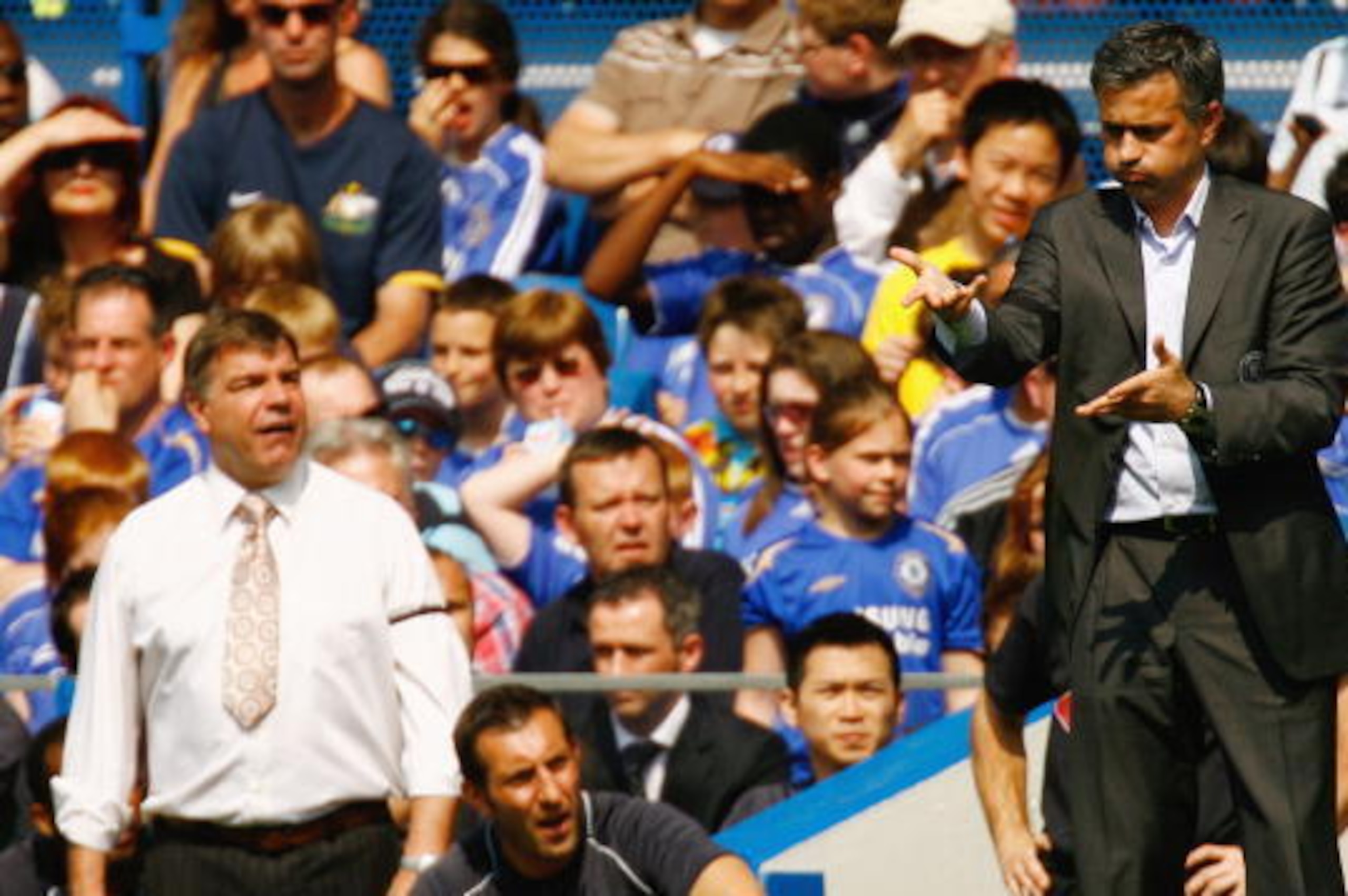
As recently as last season, Allardyce was criticised by his own fans, as well as Chelsea boss Jose Mourinho, who branded West Ham’s football as belonging in the "19th century," per the Guardian.
Mourinho himself has had to guard his teams from similar accusations relating to the perceived negativity of his playing style.
So it was no real surprise that when Manchester United eked out a 1-1 draw at Upton Park, largely via the use of long passes hit toward the head of Marouane Fellaini, that Allardyce simply couldn't resist making the point.
He described United's style as "lump it forward and see what they could get," per BBC Sport.
Louis van Gaal, about whose tactical philosophies much has been made, responded in kind, producing a dossier for his media briefing which attempted to illustrate the difference between long balls and wide passes, without much success:
The question is, why is there such a collective shame about long-ball tactics? Van Gaal's offence, and Lofthouse's awkwardness, are borne of the same idea; that the long ball is a vile scourge on the game that players, managers and fans alike should be ashamed of.
It's true that, if executed poorly, there are few spectacles worse than the long game. It looks aimless, tactless and is hopelessly ineffectual. However, when done well, it is still a devastating—and entirely legitimate—tactic.
Allardyce has found success with the approach for more than a decade in the Premier League, and Van Gaal—for all his experience—has been reverting to the style more and more.
Although his Manchester United side currently sit third in the league, they have rarely impressed to the extent that most expected his team would. The much-maligned Fellaini has been vital in plugging the gap left by Falcao's extremely disappointing form.
United fans would no doubt love to see the team's attacking talents blending with the same mesmeric cohesion that the 2007/08 triumvirate of Wayne Rooney, Carlos Tevez and Cristiano Ronaldo did.
However, while the Fellaini system—whether it's intricate sideways passing or simply long punts upfield—is paying dividends, there's little sense in changing it. It's hard to imagine the United fans present at Deepdale—where Fellaini scored the equaliser and led the fightback—complaining too much.
Ultimately, the best football is winning football. There have been plenty of managers who have sent their teams down playing exciting, free-flowing football.
Arsene Wenger, perhaps the greatest proponent for the beautiful version of the beautiful game, made the point, per the Manchester Evening News: "A big club has a responsibility to win and try to win with style - but first try to win.”
.jpg?w=2560 "Falcons Saints Football")
.jpg?w=2560 "Rams Eagles Football")
.jpg?w=2560 "Injury-stricken Seahawks signing veteran RB")


.jpg?w=2560 "2 NFL Officials Suspended")
