
Andy Murray's Post-Australian Open Comment and Winners and Losers of Tennis
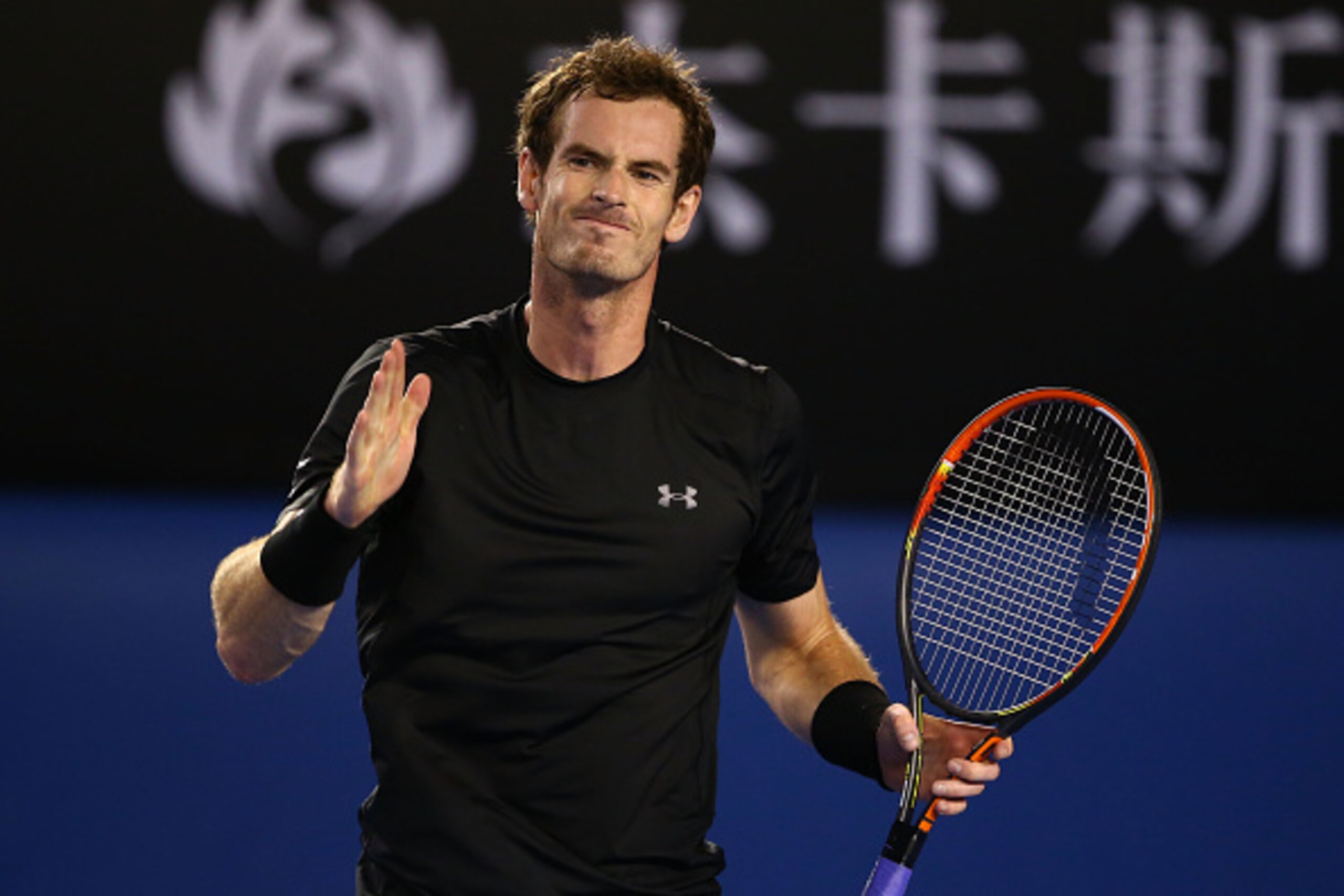
Andy Murray talked about his third-set collapse at the 2015 Australian Open, and Novak Djokovic responded. Much ado about nothing, or did the Scottish champion allude to gamesmanship?
There was other action around the globe at Ecuador, France and Croatia. The heavyweights were missing, but there were opportunities seized and lost in the perpetual shifting on the ATP tour. We also look at a possible solution to change the direction of Davis and Fed Cups tennis.
The following is our intermittent Winners and Losers column, detailing some of the unusual, disappointing and triumphant happenings in professional tennis.
Loser: Andy Murray's Complaints About Distractions
1 of 8
A week has passed since Novak Djokovic's four-set win against Andy Murray at the Australian Open, but there are still a couple of interesting comments from both players to mull over.
The match was deadlocked at one set apiece, Murray up a break and Djokovic reeling. The Serbian looked fatigued and had trouble keeping his footing a few times. Then he gathered himself and found the zone, sprinting away with 12 of 13 games to claim the trophy.
Murray claimed he was distracted, according to his comments on Tennis.com:
"I got distracted in the third set. (Djokovic) fell on the ground after a couple of shots. It appeared that he was cramping, and then I let that distract me a little bit.
He (Djokovic) obviously looked like he was in quite a bad way at the beginning of the third set and came back unbelievable at the end of that set. Then obviously the way he was hitting the ball in the fourth and moving was impressive. So, yeah, I don't know exactly what the issue was for him.
"
No doubt reporters and media made it difficult for Murray to avoid commenting on his collapse and Djokovic's remarkable turnaround. Unfortunately, Murray's explanation comes across as an indictment on himself for not being able to handle this critical turn in the final.
Was he also implying gamesmanship by Djokovic?
The comment didn't help, and it's really a lose-lose explanation. Murray probably did not intend to admit that he was mentally unprepared or weak in that situation. It's similar to when a player cites injury. It's part of the explanation, sure, but it also discredits the opponent.
Had he refused to address this altogether, it may have become an even bigger focal point. Sometimes there's just no way out.
Loser: Novak Djokovic's Response
2 of 8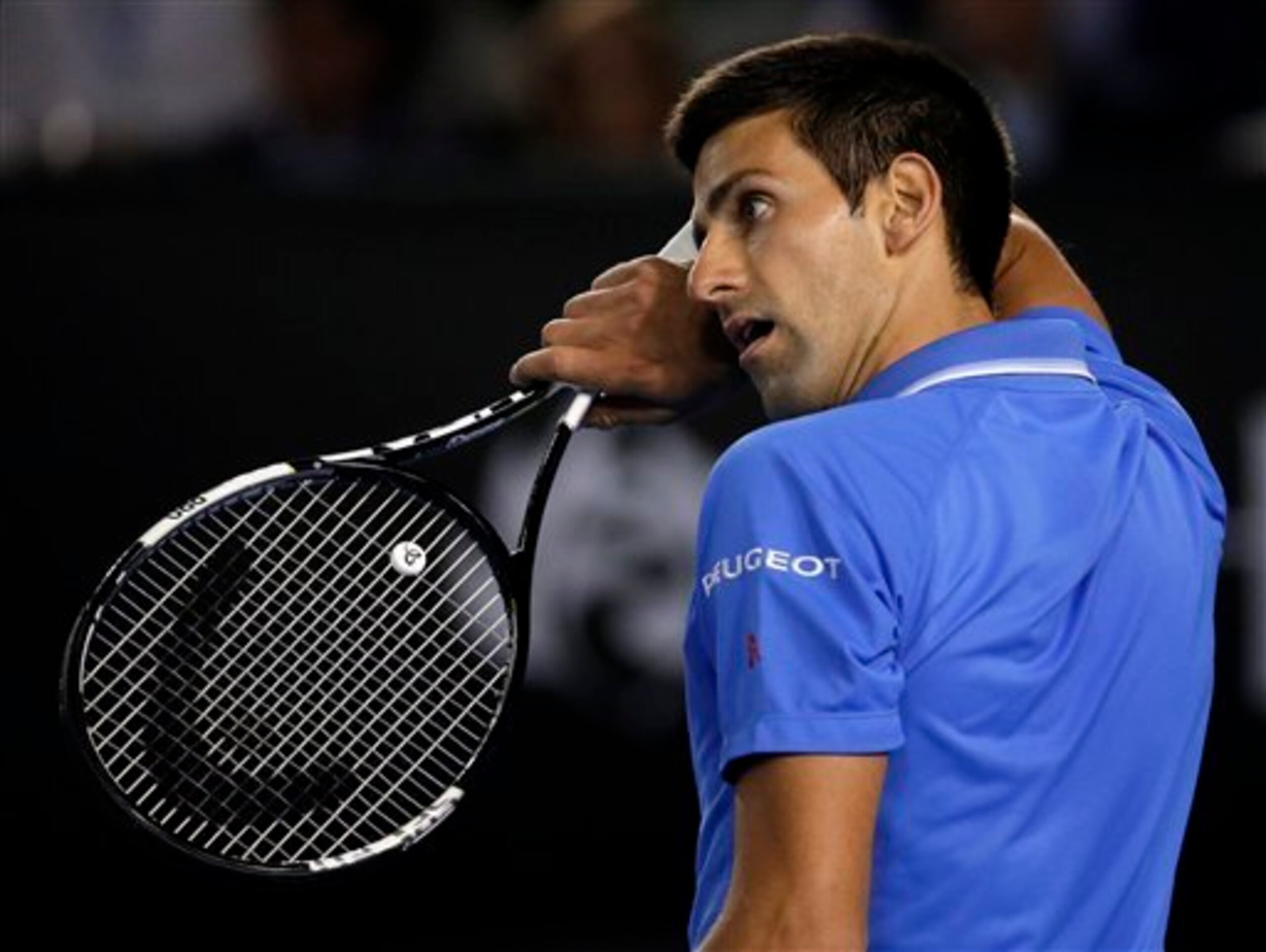
Even more curious than Murray's comments about being distracted was Djokovic's reply. Two days later, the champion said that he wanted to get together with Murray to clear up any communication or bad feelings in a followup article in Tennis.com:
"If there is a chance, if he's willing to talk, I'll talk, no problem. I have nothing to hide. I'm not the sort of guy who is pretending, who is trying to do something behind anyone's back or is saying bad things about anybody, especially about him, someone I have known for a long time.
"
Understand that Djokovic is a very genuine and stand-up person. He does care about his rivals, even as they fight each other for historical and monetary prizes.
But Djokovic owes no apologies.
He fought through a trying time in the third set of the final. He had slipped a couple of times, looked labored and then surged back. Any champion or competitor would look to regroup and get back in the match. Sports are about breaking an opponent's momentum as much as finding ways to gather oneself.
The Australian Open was on the line. If he walked around to catch his breath or if he looked ill, it was his job to slow down and refocus. Djokovic did not even create time violations or call for a medical timeout.
Djokovic then got on a roll and proved he was the better player that day.
There's no problem if he wants to discuss how he regathered his form or found the zone. But to tell the media he needs to talk to Murray about it is really something he does not need to say publicly at all.
Winner: Richard Gasquet
3 of 8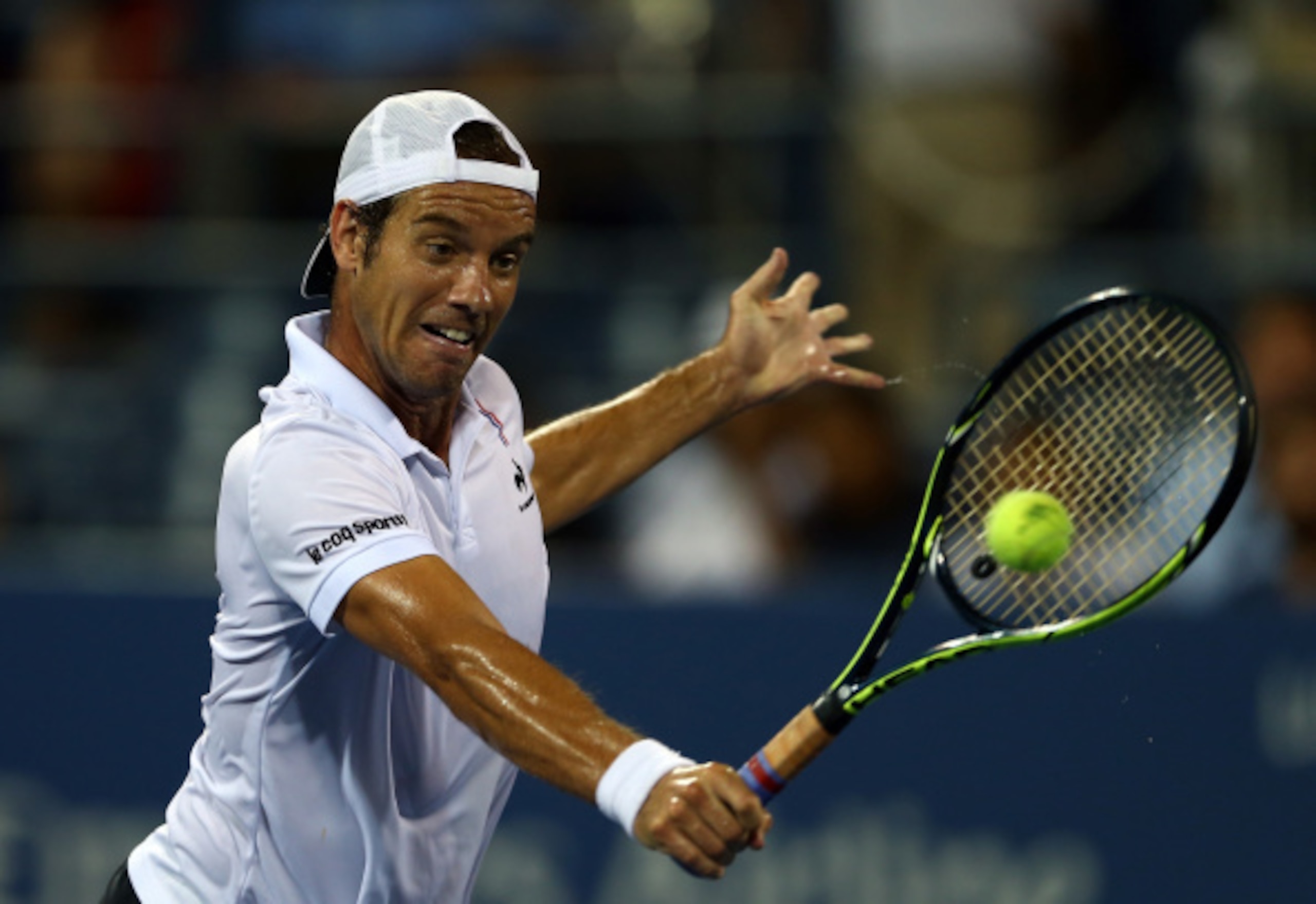
Maybe the Andy Murray comment has already influenced the ATP Tour. Richard Gasquet won the Open Sud de France title with a 3-0 first-set lead and win over Jerzy Janowicz, who had to retire after those three games due to illness.
Gasquet made it clear that he was not going to let up even though he watched the ailing Janowicz warm up in practice. Per ATP World Tour, he said, "I knew he was sick when we were warming up. I saw very quickly at the beginning of the match that he couldn’t play at all. Anything can happen, so even though I knew he was sick, I stayed focused."
Yes, the proper approach against a sick opponent is to stay focused (not distracted) and play hard.
Murray is probably not laughing.


Loser: Gael Monfils
4 of 8
The Open Sud de France title, it turns out, was actually won in the semifinals between Frenchman Richard Gasquet and Gael Monfils. No. 1 seed Monfils, one of the 15 most dangerous tennis players in the world, dropped his chance for the title, 6-4, 6-3.
OK, so Gasquet is a former Top 10 player and still a solid journeyman with a variety of good strokes and a level head, if not exactly a topflight assassin in winning big matches. But Monfils blew an easy chance at a title, something that could have galvanized him moving into the new year.
Winner: Guillermo Garcia-Lopez vs. Andreas Seppi
5 of 8
It's easy to surmise that Guillermo Garcia-Lopez and Andrea Seppi drove to the final of Croatia's PBZ Zagreb Indoors Open because they had played so well at the Australian Open. Seppi had defeated Roger Federer, and Garcia-Lopez nearly sent Stanislas Wawrinka to a fifth set in the fourth round.
Of course if they had both been rolled in the first round at Zagreb, it would have been easy to say that they had been fatigued or burnt out from a tough major and long flight. It's an example of what perspective we choose to adopt when players succeed or fall short.
Oh, yeah, congratulations to Garcia-Lopez for holding off Seppi 7-6(4), 6-3 and collecting his fourth career title.
Loser: Ivo Karlovic
6 of 8
One month ago, big-serving Ivo Karlovic blasted past world No. 1 Novak Djokovic at Doha. He fell in three grueling semifinal sets to eventual winner David Ferrer.
He came into his home country Croatia as the No. 1 seed the past week, and he had a first-round bye and every opportunity to win a mediocre bracket and bag a title. His opponent, veteran Marcos Baghdatis, had battled three tough sets in his first-round affair.
Naturally, the script was burned and Karlovic's pole position was left in a smoldering heap, a 3-6, 7-6(5), 7-6(7) victory for Baghdatis.
Like the appraisal of Gael Monfils, players like Karlovic often do not have the consistency to live up to their seedings, even when the draw and levels of competition are in their favor. There are world-class players throughout the top 200 players, and the gap is very slim between world 25th-ranked Karlovic and No. 57 Baghdatis.
There are many reasons only a handful of players have shown the greatness and consistency to win majors over the past decade. Champions do not grow on trees.
Winner: More Stars Competing in Upcoming Tournaments
7 of 8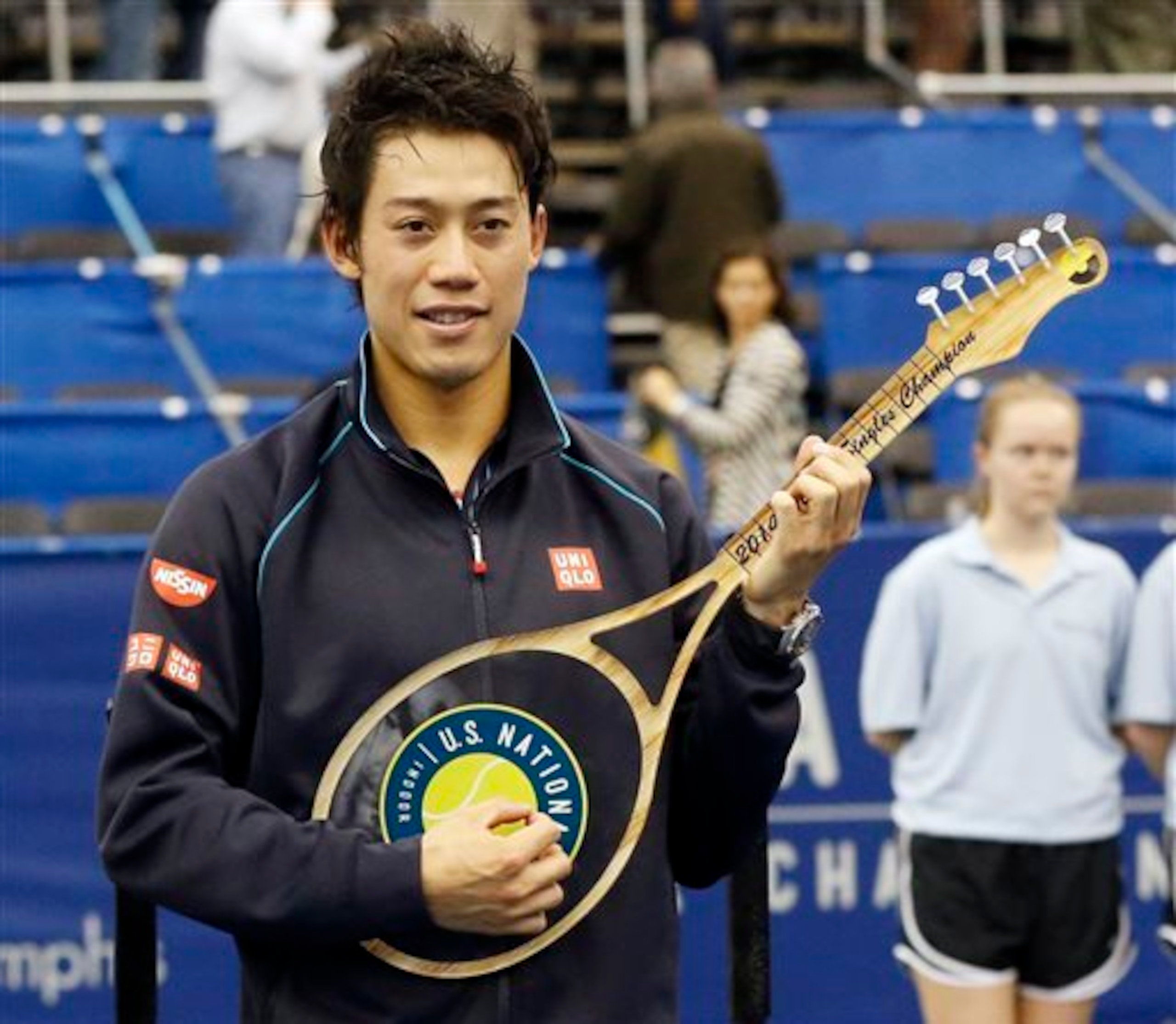
Kei Nishikori will be looking for his third straight title in Memphis, Tennessee, during its indoors championship.
Half if the field at clay-court Brazil will be filled with either Spaniards or South Americans. Yes, this is the time of the year when players fly to their favorite mid-major opportunity to grab whatever matches they can find on their favorite surfaces.
The biggest collection of stars will congregate at Rotterdam in a bracket that has no easy outs. It features Andy Murray, Stanislas Wawrinka, Tomas Berdych, Milos Raonic, Grigor Dimitrov and Ernests Gulbis. There are talented players in every match, and the competition will be balanced and fierce, one of the most concentrated fields a tennis fan will find anywhere this year.
Plenty of good warm-ups until Masters 1000 Indian Wells comes around in early March.
Loser: Fed Cup and Davis Cup Must Go
8 of 8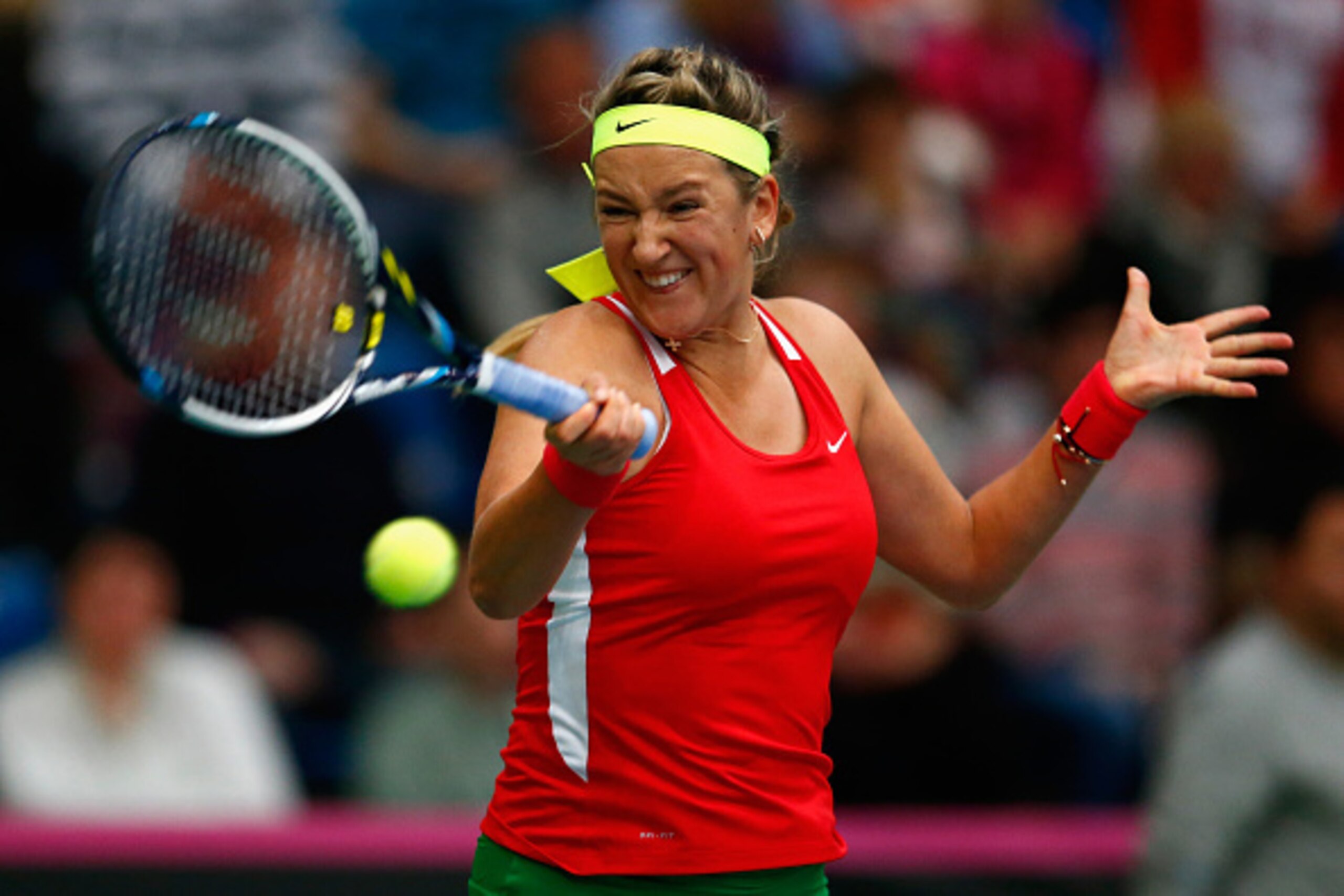
I've written in the past that Davis Cup and Fed Cup competitions between countries does not generate the same kind of interest for tennis fans that it once did. It's a tradition that has not merely grown long in the tooth, but also should have been buried long ago.
The top professionals play grueling schedules, and they have invested themselves into individual careers. Novak Djokovic, for instance, sprained his ankle in 2013 Davis Cup action against the United States, and had he not come back quickly, he could have lost his chance to finally claim Monte Carlo and snap Rafael Nadal's streak there. That matters.
Roger Federer finally has a Davis Cup title for Switzerland. We don't need Serena Williams getting hurt and hampering her bids for more majors. So, this is a great time to change everything. If there are tennis fans who still appreciate Davis Cup and Fed Cup, why not feature it as a different kind of competition between countries?
Forget about the stars and top-level professional tennis players. Why not make this a "Future Stars" event, a gala showcase for hungry young players who want to represent their country and make names for themselves? They could restrict it to professional players between ages 18-22, at a time before most players hit the demanding stretches of their careers.
These days, players in that age group are having a hard time breaking into the ATP with top-flight success, and this could give them world-stage experience and a way to compete among their age-related peers as a sort of career preview. The climate of country pride might mean something to the youngsters and to those who care about international team competitions.
It would also release the current top veteran players on tour from awkward decommitments. They have enough matches as it is.
Barring that, we could go the other way and drag the likes of John McEnroe, Jimmy Connors and Bjorn Borg into a legends series. (No, McEnroe, we are not serious.)
.jpg?w=2560)
.jpg?w=2560 "Rams Eagles Football")
.jpg?w=2560 "Bijan's INSANE 1st Half 🤩")

.jpg?w=2560 "Injury-stricken Seahawks signing veteran RB")

.jpg?w=2560 "2 NFL Officials Suspended")
