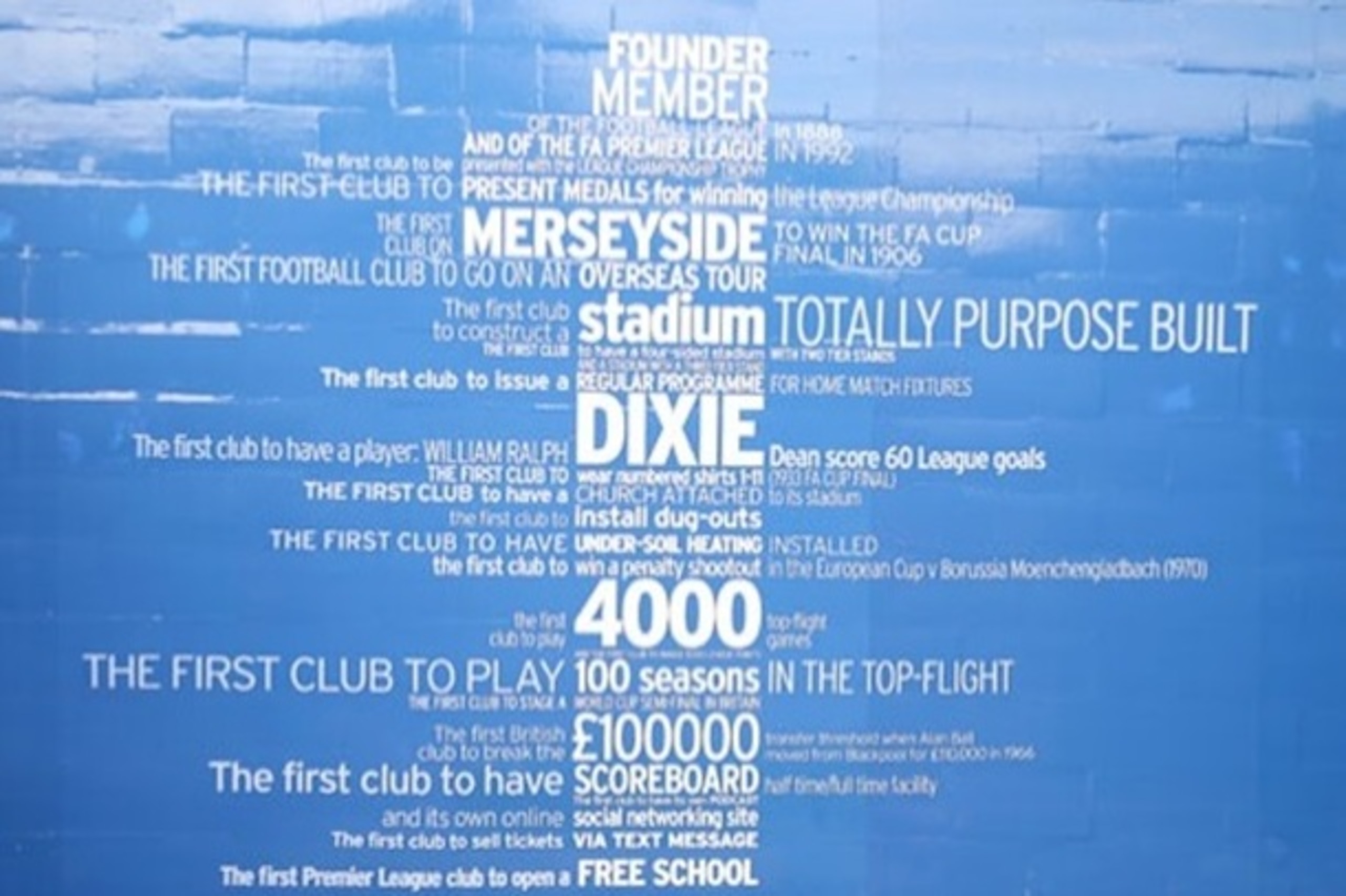

Why Everton, 'The People's Club,' Has Always Been an Innovator in Its Field
It's "Inside Everton" week on Bleacher Report. Click here for our exclusive Q&A with the club's three ambassadors, Graeme Sharp, Ian Snodin and Graham Stuart.
FINCH FARM, Halewood — As far as football club mottos go, Everton Football Club’s—"Nil satis nisi optimum" (“Nothing but the best is good enough”)—is among the more emphatic.
One of the oldest clubs in English football, since its foundation in 1878 the Merseyside club has forged a unique identity, one that blends a historic level of success with unashamedly close ties to the local community and a voracious appetite for both innovation and improvement.



Those traits, forged over more than a century in the heart of Liverpool, seem to be a recipe for both a loyalty and a passion that few other clubs can match. The club’s two most famous monikers, “The People’s Club” and “The School of Science,” would hardly seem to be immediately compatible, but they perhaps speak to the rare breadth of its approach.
Certainly, many of the players who walk through the doors at Goodison Park never forget their experience, with a remarkable percentage of them coming back to be involved in the club in one capacity or another when their playing days are over.
"Once Everton has touched you, nothing will be the same," as Alan Ball, who signed for the club after winning the World Cup with England in 1966, famously said.
“Once it gets a hold of you, and you realise what it means to the supporters ... people say football is a matter of life and death but it really is here,” Graeme Sharp, a club ambassador who won the title twice while at the club, said. “You’re born a blue or a red, everything involved with your life—births, marriages, funerals—all revolve around the club as well, so it grabs a hold of you. There’s just a little bit about it that makes it that bit special.”
The club might be hugely important to the city it resides in, but it also has a track record of innovation on a much larger scale. The first football club in England to plan and build a football-specific stadium, Goodison Park, it was also the pioneer of many elements of the game we now take for granted; the club was the first to put dugouts and undersoil heating at its ground, the first to go on an overseas tour and indeed the first to feature in a televised match.
Every professional club in England nowadays publishes a matchday programme, but Everton were the first to do so, while they were also the first to present medals to their players for winning the championship.
Trophies, of course, have been another key element of the club’s identity. A founder member of the Football League, Everton have spent more seasons in the top flight than any other club (110 in their 137-year history), including the last 61 in a row (a record second only to Arsenal).
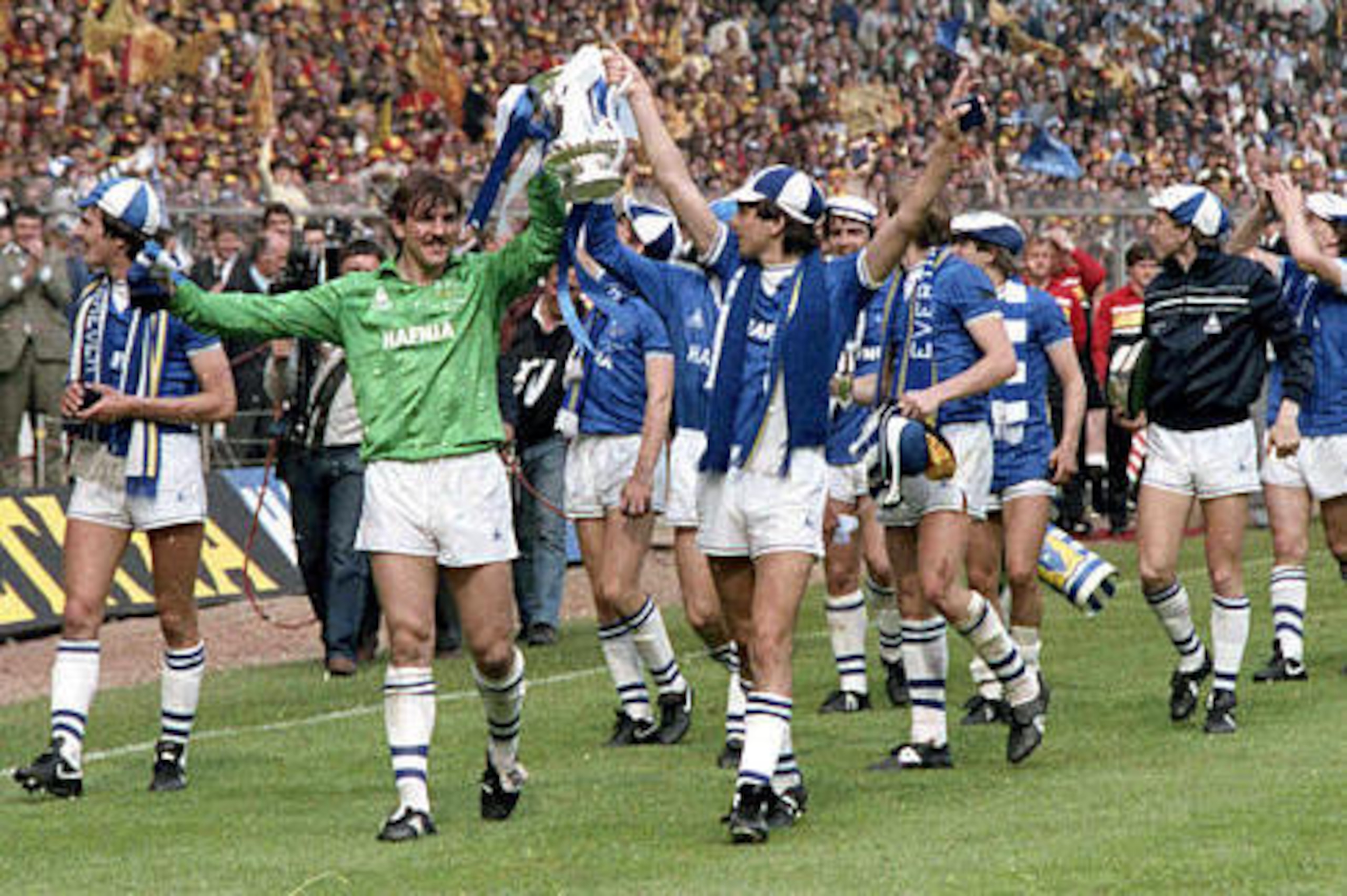
During that period, they have won the title nine times (most recently in 1987), making them the fourth-most successful in English football, and lifted the FA Cup on five occasions—the last of them coming in 1995. A European Cup Winners’ Cup title in 1985, beating Rapid Vienna, means Everton have also tasted continental success.
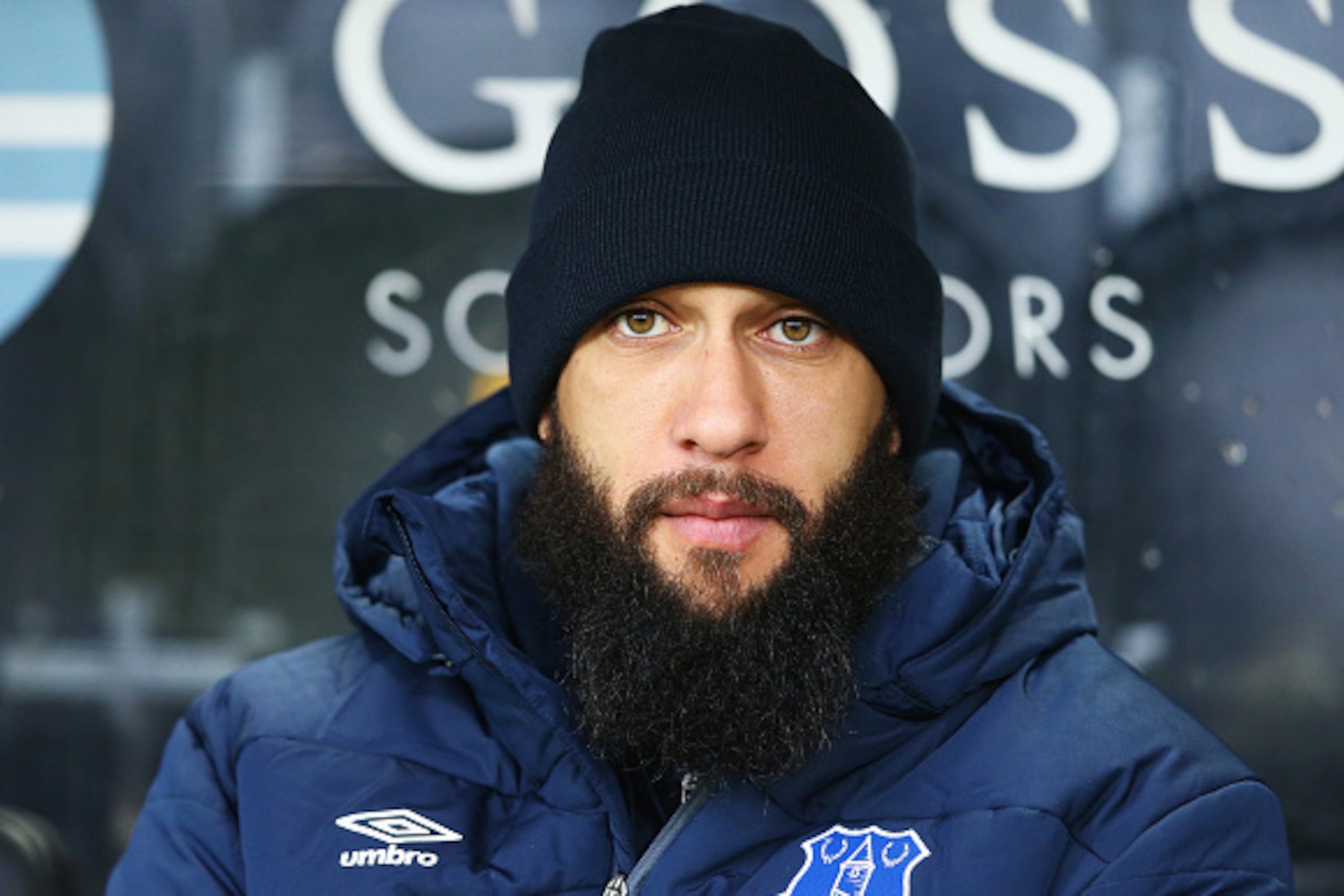
Bringing such success back to the club is now the task handed to manager Roberto Martinez and his current playing squad, cheered on by a growing global fanbase—particularly in the United States, thanks in part to past and present Americans to have represented the club, including Tim Howard, Brian McBride, Landon Donovan and Joe-Max Moore.
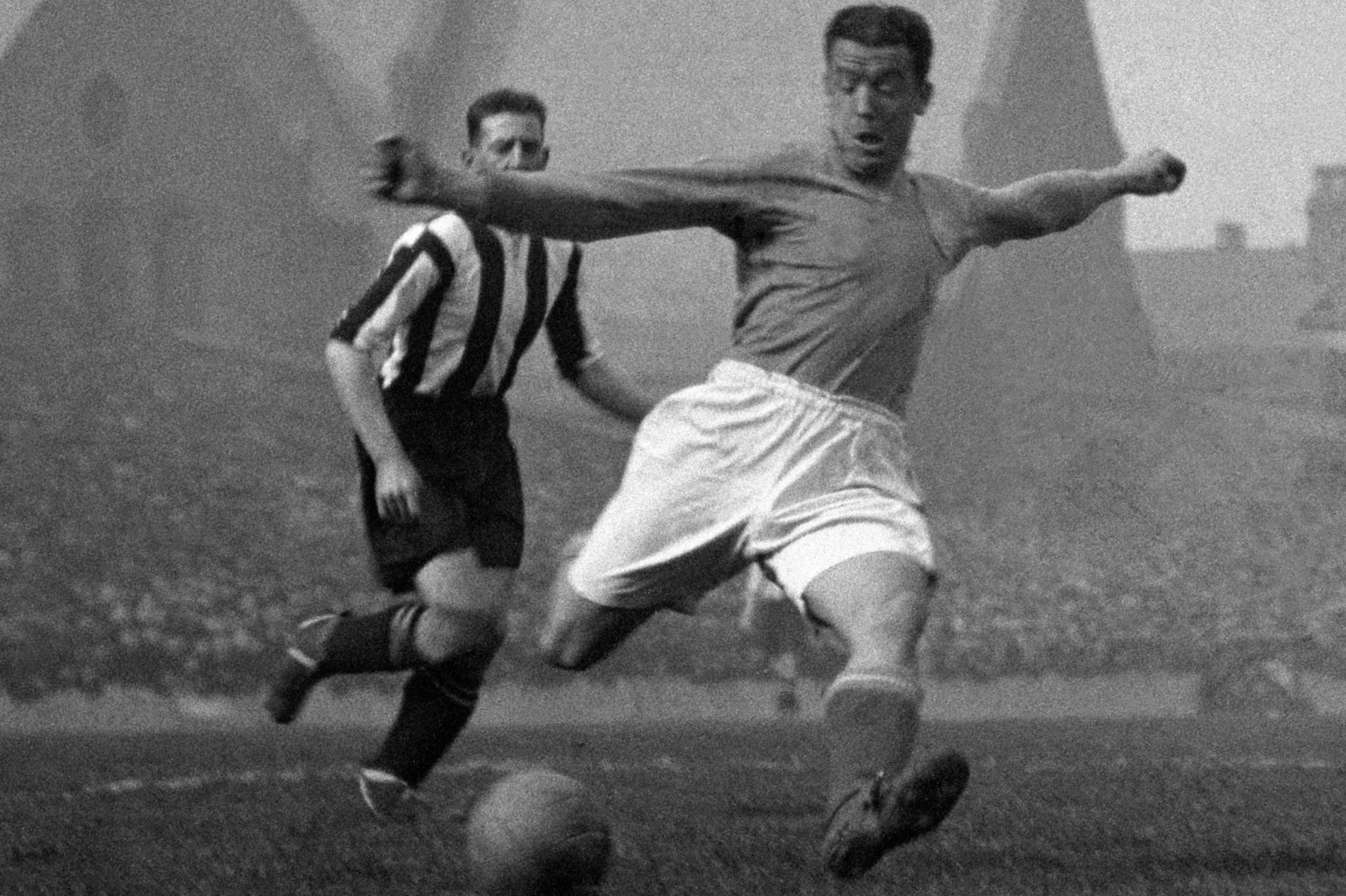
As successful as the club has been, however, it has always prided itself on its local roots; a key element of which is the number of local players that have turned out for the club, many of them to great acclaim. Birkenhead-born Dixie Dean, the only player ever to score 60 goals in a season in English football, was one such local lad, while more recently two of the finest prospects in English football, Wayne Rooney and Ross Barkley, have come through the Everton academy and gone on to receive national-team recognition.
“I think the city, it’s a working-class city that loves its football,” Sharp says. “The city of Liverpool thrives on football and it’s a hotbed for young talent. They play all over the country but I think on Merseyside they perhaps want it a little bit more.”
Everton ensure they are well placed to take advantage of that pipeline, with one room at the club’s Finch Farm training ground adorned with photos of the academy players who have gone on to appear for the first team. Everything is geared toward allowing the academy youngsters the best possible chance to realise their ambitions at the club, with the club and its fans getting a special sense of pride whenever a local lad makes his Toffees debut.
“At our academy players know that if they do well here, they will get a chance,” Graham Stuart, another club ambassador, adds. “If you look at all the academy players who have gone on to make a debut for Everton, then it’s impressive.
“Everton have that reputation of giving young players a chance ... If you show the ability and work ethic, you will get one.”
The club is not solely focused on local players with talent, however. Its charity arm, Everton In The Community, is recognised around the country as being one of the most proactive and extensive philanthropic operations of any Premier League club, indeed of any club around the world. Everton put a particular focus on working with local children of school age who may be drifting away from the education system, helping to teach important skills to youngsters in a city not without its welfare issues. Recently, it became the first football club to open its own free school, just one of many projects it is heavily invested in.
Current and former players often help out with different events, with defender John Stones recently praised by the Professional Footballers' Association for his many charitable involvements.
“We don’t do community because we should be seen to do it, we do it because we want to and because it’s needed,’’ as Dr Denise Barrett-Baxendale, the chief executive of Everton In The Community, told Henry Winter of The Telegraph recently. “We service over 2,000 charitable requests per season.”
Around 140 staff work for the club’s charity arm alone, a figure nearly doubled when volunteers and part-time contributors are included, focusing on a whole range of important issues. That includes schemes involving disability sports (the club hopes to have some members of its 26 disability teams compete at the 2016 Paralympic Games) and extensive programmes addressing issues of equality, health and crime.
"We get letters from people saying we’ve changed their life,’’ Barrett-Baxendale added. “I can get in a taxi, or be out for a meal, and people say: 'I don’t wear a blue shirt but I respect your club for what you do in the community and what you stand for.'"
It is such work that helps elevate the club further in the eyes of the community it serves and, when combined with the club’s history of success and innovation, you get a club of special meaning to those who support it—and those who were and are fortunate enough to play for it.
"I'd have broken every bone in my body for any club I played for," as Dave Hickson, another revered player, famously said. "But I'd have died for Everton."
All contemporary quotes obtained firsthand unless otherwise stated.
.jpg?w=2560)



.jpg?w=2560 "Viral Rams Coach Vid 🖕")
.jpg?w=2560 "2 NFL Officials Suspended")
