2015 MLB Mock Draft: Fresh 1st-Round Projections, Winter Edition
It’s never too early to start looking at the MLB draft.
This year's class is especially deep on the mound, with college pitchers such as right-hander Mike Matuella (Duke), right-hander Kyle Funkhouser (Louisville), righty Walker Buehler (Vanderbilt) and left-hander Nathan Kirby (Virginia) expected to come off the board early in the first round. Prep left-handers Brady Aiken, Kolby Allard and Justin Hooper are also in the mix.
However, impact hitters once again are few and far between in this year's class, as shortstop Brendan Rodgers and middle infielder Dansby Swanson (Vanderbilt) represent the top prep and college bats, respectively, and will likely be selected within the top 10 picks.
But with that said, endless changes are guaranteed in the class’ player rankings between now and June, as countless names will fall out of consideration and be replaced by other up-and-coming draft prospects.
While this is technically a mock draft, it’s admittedly near-impossible to get a feel for which teams are interested in certain players this early in the process. Therefore, using MLB’s set first-round draft order for 2015, I designed this draft on the assumption that each team will be interested in the best player still on the board or one who fits organization’s usual drafting strategy. Simply put, I’m more concerned with getting the key names to know out there than predicting the order they come off the board.
Here's a look at Prospect Pipeline’s latest first-round projections for the 2015 draft.
Teams Without a 1st-Round Pick
1 of 28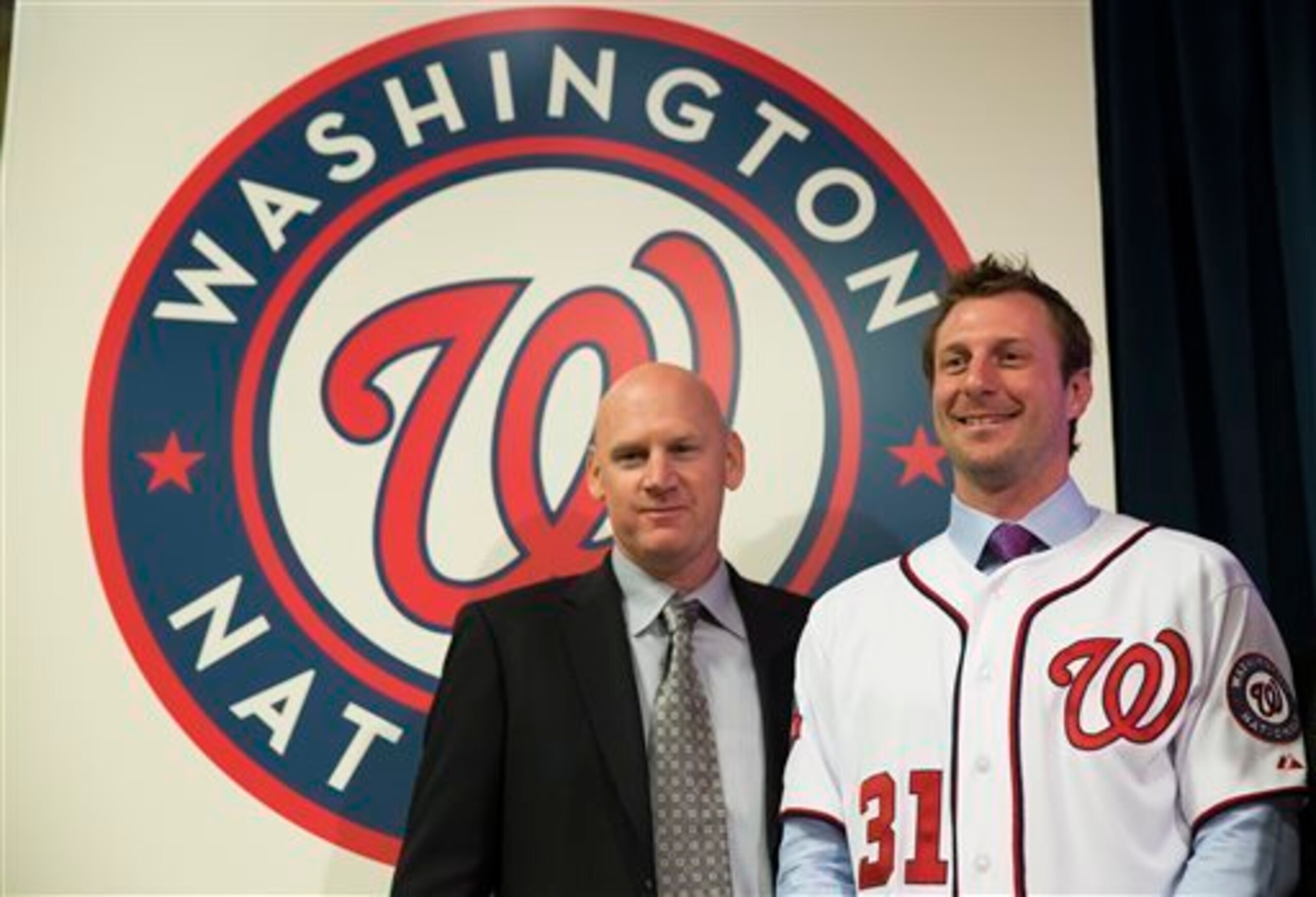
- New York Mets (for signing Michael Cuddyer)
- Toronto Blue Jays (for signing Russell Martin)
- Seattle Mariners (for signing Nelson Cruz)
- Washington Nationals (for signing Max Scherzer)
1. Arizona Diamondbacks
2 of 281.1: Brendan Rodgers, SS, Lake Mary HS (Fla.)
The Diamondbacks will have the chance to make a splash with the No. 1 pick, and with the lack of impact up-the-middle talent in this year’s class, I don’t see them passing on Florida prep shortstop Brendan Rodgers.
The 6'1", 180-pound Rodgers shows plus raw power from the right side of the plate thanks to his present strength and excellent bat speed, and he's likely to develop even more thump as he matures. Defensively, he has the athleticism, fluid actions, slick glove and arm strength to stick at shortstop, which makes his power potential all the more intriguing.
He put up monster numbers in 2013 at Lake Mary High, batting .397/.488/.823 with five doubles and eight home runs in 22 games.
College Commitment: Florida State
2. Houston Astros
3 of 28(Compensation pick after failing to sign 2014 No. 1 overall pick)
1.2: Brady Aiken, LHP (No school)
Remember this guy? Well, you should, because it was only last year when the Astros selected him with the No. 1 overall pick. The two sides famously were unable to reach an agreement before the July signing deadline, as the Astros cut his offered bonus from $6.5 million to $5 million due to concerns about Aiken’s elbow, and so the left-hander is back into the mix for the 2015 draft. Now, it’s looking like the Astros might be able to get him after all.
Aiken was arguably the top prospect in the 2014 draft class, and he’ll be among the best—if not the best—this time around. At 6’3”, 210 pounds, the 19-year-old projects as a front-line starter with the potential for three above-average or better offerings and an outstanding feel for his craft.
Aiken isn’t currently enrolled in a college program, but he’s expected to sign on with a junior college and once again be eligible for the draft. If that turns out to be the case, the Astros might end up with him.


3. Colorado Rockies
4 of 281.3: Michael Matuella, RHP, Duke
In the last three drafts, the Rockies have targeted pitchers with at least plus velocity and good enough secondary pitches to consistently miss bats at the highest level. And with the No. 3 overall pick in the 2015 draft, they will almost definitely land one of the premier arms in the class.
Duke’s Michael Matuella has the makings of a potential No. 1 overall pick and front-of-the-rotation force, as he's a 6'6", 225-pound right-hander with a present command of an electric four-pitch mix. In addition to a fastball that works in the mid-90s, he throws two breaking balls in a 12-to-6—a knee-buckling curveball with good depth and a tight slider in the low-to-mid-80s with late bite—both of which will flash plus. His changeup projects to be at least average, though right now it's less advanced than his three other offerings.
Matuella was limited this summer as he learned how to deal with a back condition (spondylolysis), though he reportedly looked strong in his return to the mound last week during a scrimmage, per Hudson Belinsky of Baseball America.
4. Texas Rangers
5 of 281.3: Justin Hooper, LHP, Del La Salle HS (Calif.)
The Rangers are known for targeting young, high-ceiling talent early in the draft. So, it’ll be interesting to see exactly how bold they’re willing to go with the No. 4 overall pick.
If we’re talking pure upside, then left-hander Justin Hooper might be their most attractive option. A UCLA commit, Hopper has a durable, 6'7", 230-pound build and already generates mid-90s velocity thanks to his explosive delivery, quick arm and tremendous extension toward the plate. His control and secondary offerings have a ways to go, but the total package offers something to dream on.
College Commitment: UCLA
5. Houston Astros
6 of 28
Pick 1.5: Kyle Funkhouser, RHP, Louisville
If the Astros gamble on a high school player with the No. 2 overall pick, then there’s a good chance the organization might try to save some bonus pool money at this slot by drafting a college pitcher.
Louisville’s Kyle Funkhouser could be an option here, as the projectable 6'3", 205-pound right-hander already sits in the 92-94 mph range and has shown the ability to reach back for 96-97. His secondary offerings lag behind his fastball (though they still generate a high number of whiffs), while his fringy command causes him to fall behind too many hitters.
That said, Funkhouser’s outstanding summer pitching for the U.S. collegiate national team has his stock soaring heading into the spring.
6. Minnesota Twins
7 of 28
Pick 1.6: Dansby Swanson, SS/2B, Vanderbilt
Years of strong drafts have left the Twins with one of baseball’s top farm systems—a system that stands out for its high-upside talent as well as its overall depth. However, it's still thin on infield prospects, even after taking Nick Gordon in the first round of the 2014 draft.
Swanson spent his incredibly successful 2014 season as a second baseman, but he’s set to move over to shortstop for his junior campaign. The 20-year-old possesses the plus speed, quick feet, glove and arm strength for the position, though only time will tell whether how he might project there as a professional.
Regardless of his long-term position, Swanson’s bat, on-base skills and speed should make him a top-of-the-order hitter in the major leagues.
7. Boston Red Sox
8 of 28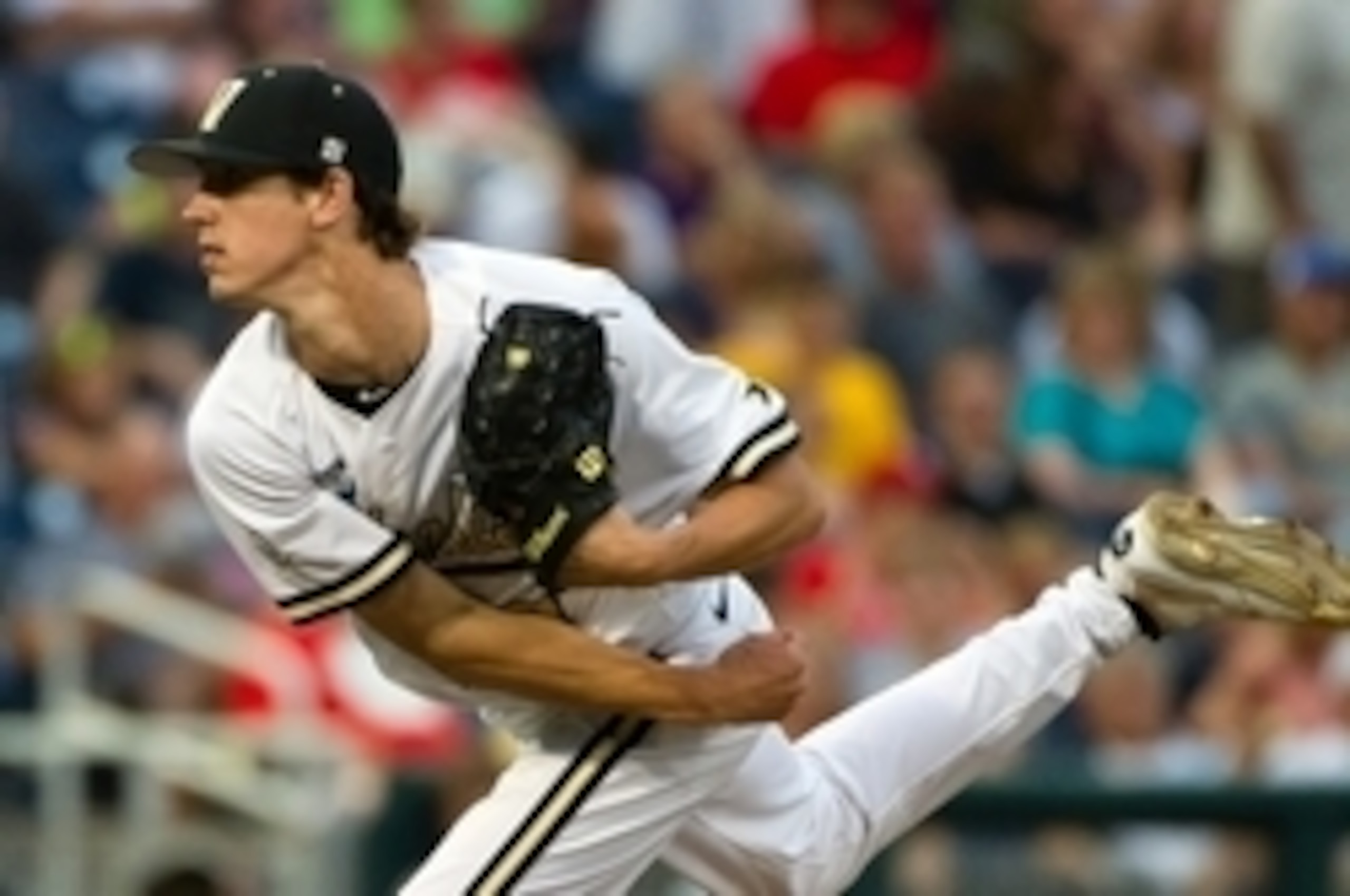
1.7: Walker Buehler, RHP, Vanderbilt
The Red Sox can take several different routes with this pick, but if they target experienced pitching, then Vanderbilt’s Walker Buehler, the anchor of the team’s College World Series-winning rotation in 2014, could be a perfect fit.
At 6'1", 170 pounds, Buehler features a fastball in the low 90s that bumps 94 with decent run, and it's easy to envision him adding a few more ticks with physical development. His curveball is his best secondary pitch at present, but he also made noticeable strides with his changeup and slider during the summer in the Cape Cod League.
8. Chicago White Sox
9 of 281.8: Kolby Allard, LHP, San Clemente HS (Calif.)
Without a pick in the second or third round this year, the White Sox and general manager Rick Hahn are likely to make a splash with the No. 8 overall pick. However, that will depend on which players fall down the board to them.
Seventeen-year-old prep left-hander Kolby Allard would be a huge get for the South Siders here, though I wouldn’t be surprised if he’s in the mix for a top-three selection come early June. Regardless, Allard projects as a No. 2 starter at maturity with plus command of a three-pitch mix that includes a 92-94 mph fastball and plus curveball. He’s going to be the guy everyone is talking about in the spring.
College Commitment: UCLA
9. Chicago Cubs
10 of 28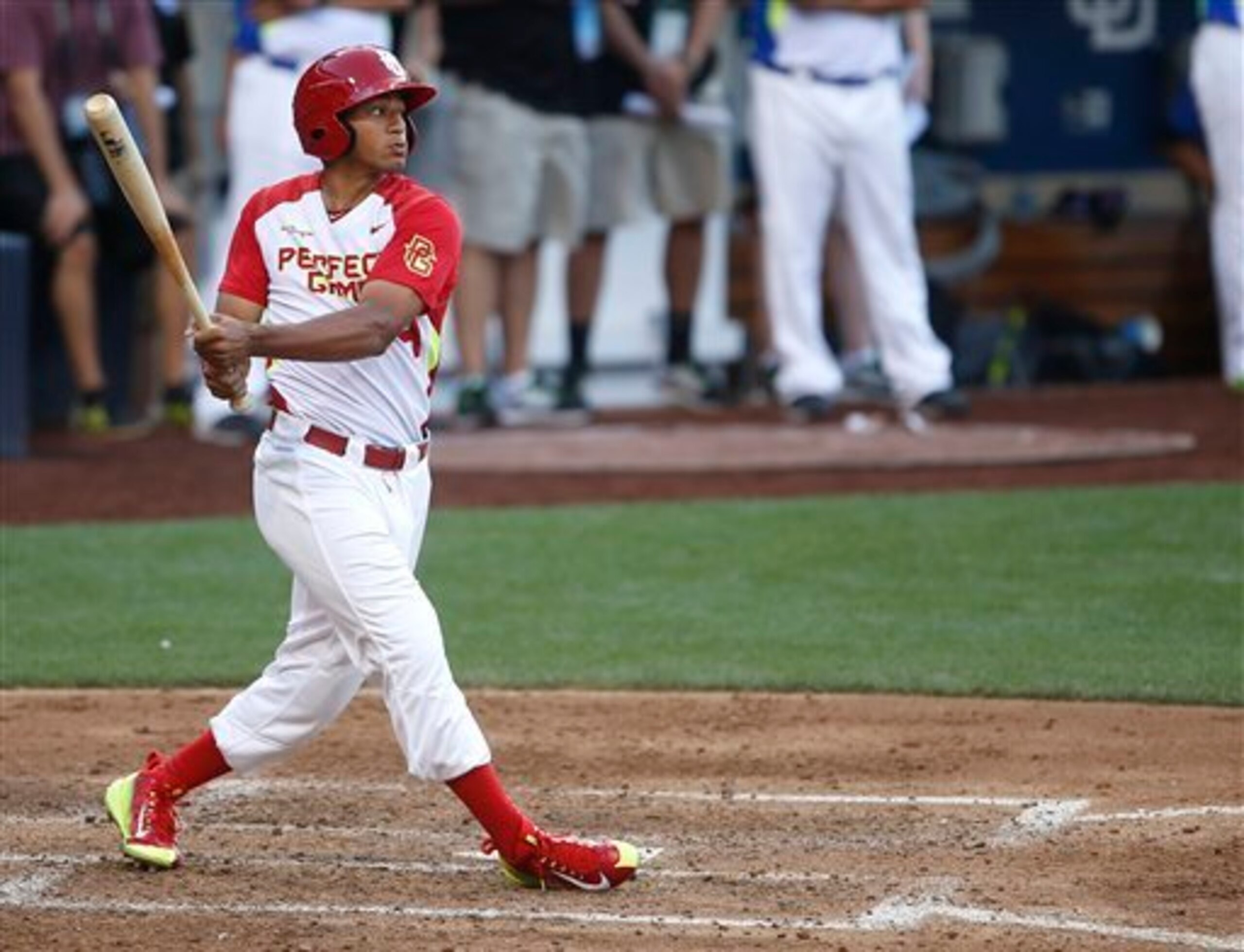
Pick 1.9: Trenton Clark, OF, Richland HS (Texas)
The Cubs' decision to target hitters in the first round of the last two drafts led to the selections of Kris Bryant and Kyle Schwarber in 2013 and 2014, respectively. While they won’t have a top-five pick this year, the up-and-coming Cubbies should still land a high-end talent at No. 9, perhaps even outfielder Trenton Clark.
A left-handed hitting outfielder, Clark makes consistently hard contact with his clean stroke and above-average bat speed, while his impressive strength should help him generate at least average power. Clark’s solid-average speed and range aren’t clean fits in center field, but he might be able to remain at the position on the merits of his instincts and general feel for the game.
10. Philadelphia Phillies
11 of 28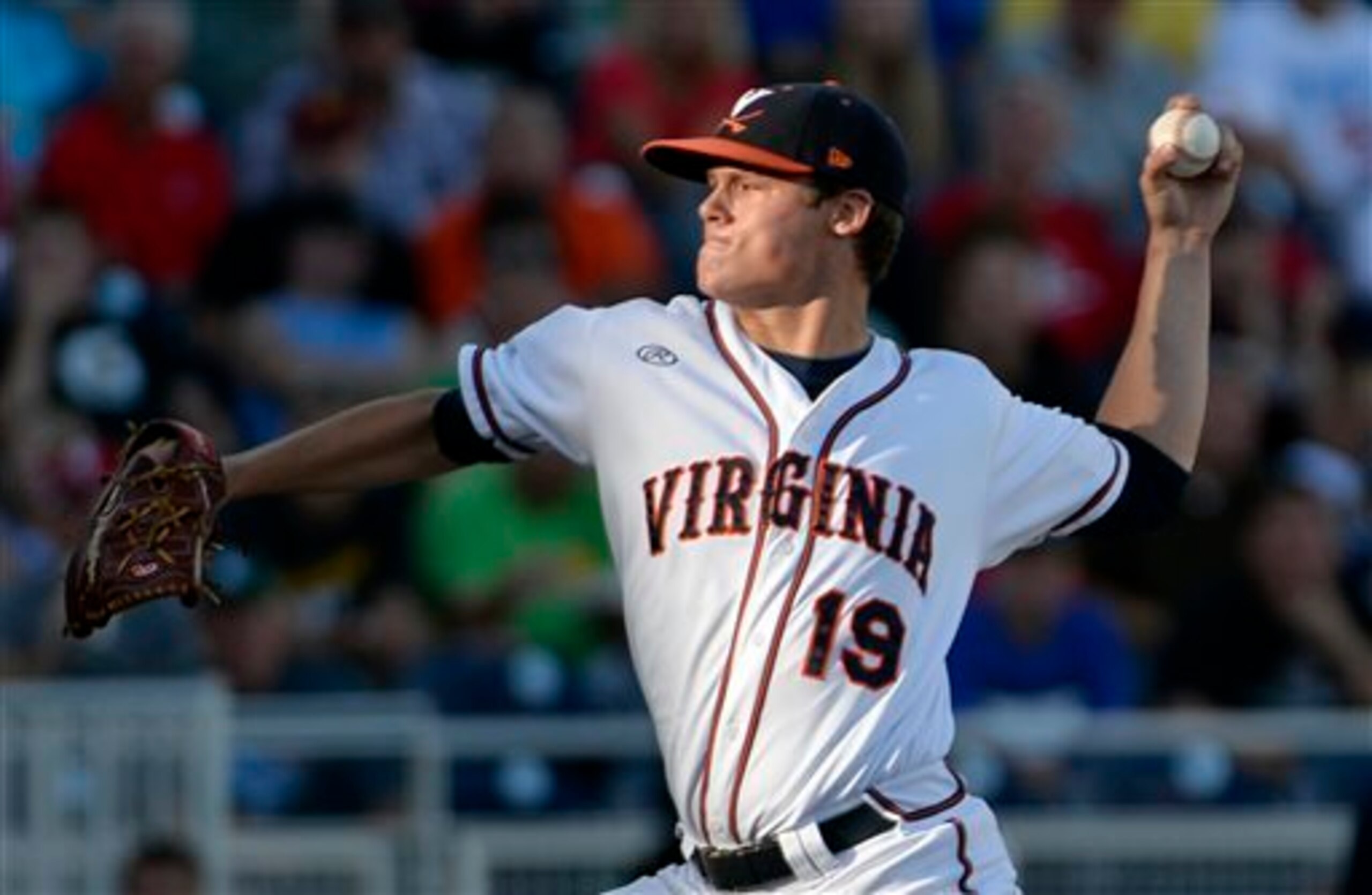
1.10: Nathan Kirby, LHP, Virginia
After a pitching-heavy draft in 2014, the Phillies quietly have added even more promising arms this offseason through trades for right-handers Zach Eflin and Ben Lively and lefty Tom Windle. However, the 2015 draft should offer the Phillies another opportunity to load up on young pitchers.
Virginia’s Nathan Kirby, a 6'3", 190-pound left-hander, has advanced command of a low-90s fastball with late arm-side life, a slider with excellent depth and downer action, and a changeup that naturally plays up due to his arm speed. All three of his pitches project as at least solid-average at maturity and are likely to play up thanks to his command, giving Kirby the potential to be a No. 3 starter in the major leagues.
11. Cincinnati Reds
12 of 281.11: Nick Plummer, OF, Brother Rice HS (Mich.)
The Reds have fared well when drafting pitchers in recent years, whether it be Robert Stephenson, Michael Lorenzen or Nick Howard. However, many of the hitters drafted during that time have been slow to develop, save for Jesse Winker, and as a result, the team’s farm system has become top-heavy with arms.
However, the Reds have the potential to reverse that trend in June with the No. 11 pick, as prep outfielder Nick Plummer could be high on the organization’s list. Hailing from Michigan, the 5’11”, 190-pound Plummer stands out for his left-handed bat, as he projects to hit for a high average and solid-average power while consistently reaching base.
The 18-year-old is currently a center fielder, but his average speed as well as the likelihood of him losing a step should eventually push him to left field, where his arm strength is a clean fit.
College Commitment: Kentucky
12. Miami Marlins
13 of 281.12: Dazmon Cameron, OF, Eagle’s Landing Christian Academy (Ga.)
The Marlins selected one of the top pitching prospects in last year’s draft class in Texas prep Tyler Kolek (No. 2 overall), owner of arguably the best velocity among preps headed into the draft. This year, after trading several top prospects over the offseason, it’s possible that Miami once again targets pure, undeniable upside.
The son of former MLB veteran Mike Cameron, Dazmon is a top-flight athlete with the necessary plus speed, outstanding range and instincts to enjoy a long career in center field. At the plate, the right-handed hitter's quick-twitch strength translates to plus bat speed and hints at his potential to develop usable power.
Cameron will need time in the minor leagues to sharpen his baseball skills, but the 18-year-old has the makings of a first-division center fielder in his prime.
College Commitment: Florida State
13. San Diego Padres
14 of 28
1.13: Alex Bregman, SS, LSU
The Padres have been trying to develop a shortstop for what seems like an eternity. It looked as though they had finally found their guy in Trea Turner, the No. 13 pick in last year’s draft, at least until the Padres traded him this offseason as part of the three-team deal for Wil Myers. Now, it’s back to the drawing board for the 2015 draft.
After a remarkable freshman season in 2013, LSU shortstop Alex Bregman overcame a slow start last spring to hit for average and some power and get on base at a high clip. The 6'0", 190-pounder projects as a plus hitter who is capable of playing plus defense at a premium position, while his high baseball IQ and tremendous instincts will always make his tools play up.
14. Tampa Bay Rays
15 of 281.14: Ashe Russell, RHP, Cathedral HS (Ind.)
The Rays addressed their lack of middle infielders by acquiring Willy Adames, Andrew Velazquez and, most recently, Daniel Robertson within the last seven months. Meanwhile, the moves place the organization in a position to focus on pitching in the 2015 draft, and there will be plenty of potential impact arms still on the board.
At 6’4", 195 pounds, Ashe Russell is an athletic and projectable prep right-hander with two plus pitches (fastball/slider) from a lower arm slot. The 18-year-old has some effort to his delivery, but it also adds to his deception and makes him stand out from the field. It's possible that Ashe will already be off the board by the mid-first round, although that obviously will depend on his performance this spring back at Cathedral Catholic High.
College Commitment: Texas A&M
15. Atlanta Braves
16 of 28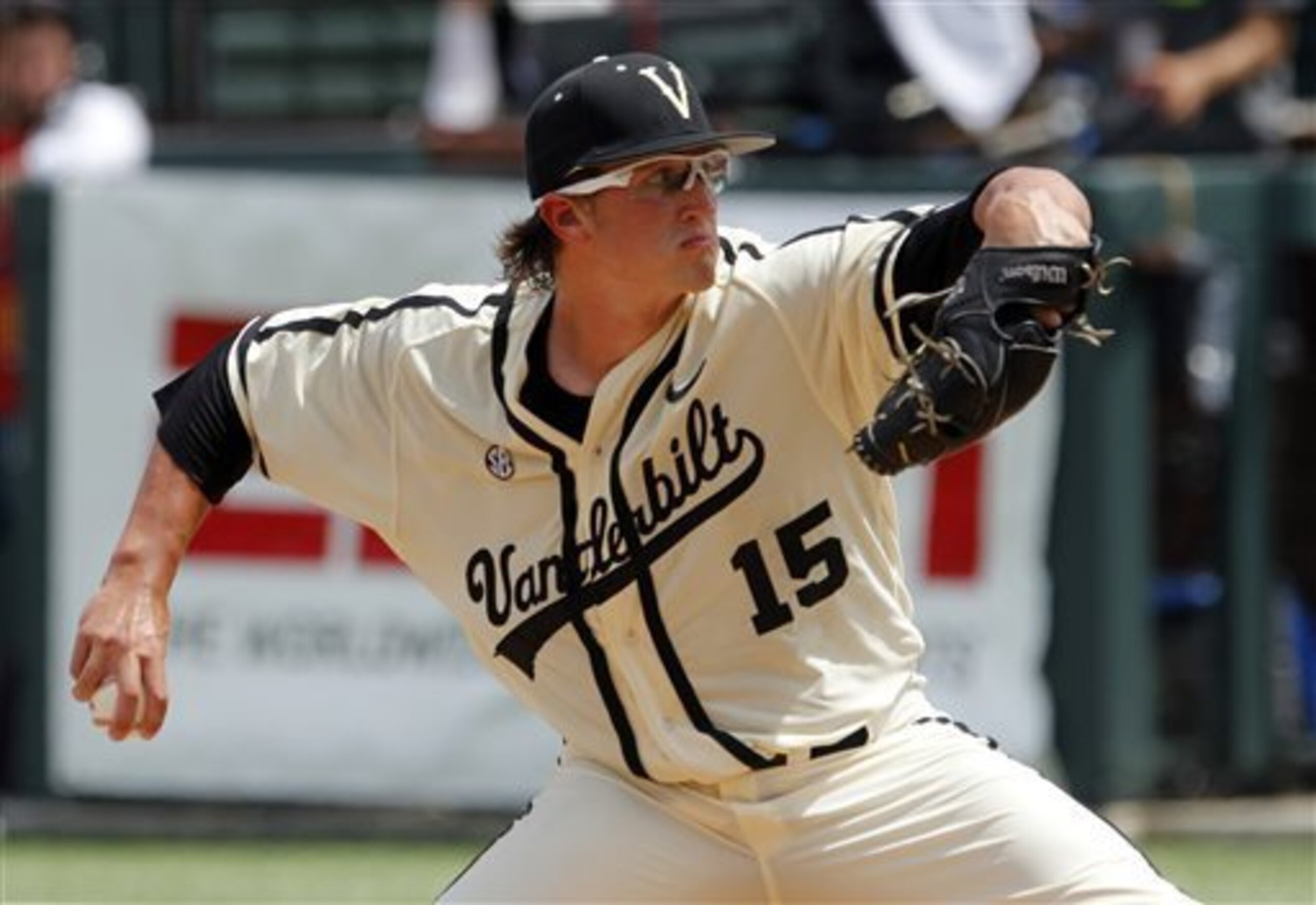
1.15: Carson Fulmer, RHP, Vanderbilt
After adding a fresh crop of young arms this offseason via trades, the Braves will have another opportunity to do so in June with the No. 15 overall pick.
Vanderbilt right-hander Carson Fulmer will always have doubters as a 6'0" right-hander with considerable effort in his delivery, but it's hard to discount his ability to hold mid-90s velocity deep in games as a starter while consistently missing bats with a plus slider. The 21-year-old dominated over the summer for the U.S. collegiate national team, and he’s likely to improve his draft stock even more this spring back at Vandy.
16. Milwaukee Brewers
17 of 281.16: Ian Happ, OF/2B, Cincinnati
The Brewers were all-in on upside in the 2014 draft, selecting preps left-hander Kodi Medeiros, shortstop Jacob Gatewood and outfielder Monte Harrison with their first three picks. This year, however, I could see the Crew targeting a high-probability bat such as Cincinnati’s Ian Happ.
The switch-hitting Happ shows an advanced feel for hitting from both sides of the plate, consistently working counts and utilizing the entire field, and his above-average bat speed suggests he has untapped power.
Meanwhile, he is a plus runner who knows how to steal bases, and his athleticism and arm strength are both clean fits in left field. He played second base as well as some shortstop for the Bearcats in 2014, so there's a chance his drafting organization at least ponders a move back to the infield.
17. New York Yankees
18 of 281.17: Beau Burrows, RHP, Weatherford HS (Texas)
The Yankees were without a first-round pick last June as a result of the team’s offseason signings, but this year, with the No. 17 pick, they’ll likely have several promising young arms from which to choose, including right-hander Beau Burrows.
At 6’1”, 200-pound right-hander, Burrows has good strength to his frame to go along with a lightning-quick arm that produces fastballs in the mid-90s. His curveball and changeup both project as at least solid-average offerings at maturity, while his full arsenal has the potential to play up due to his strike-throwing ability.
College Commitment: Texas A&M
18. Cleveland Indians
19 of 28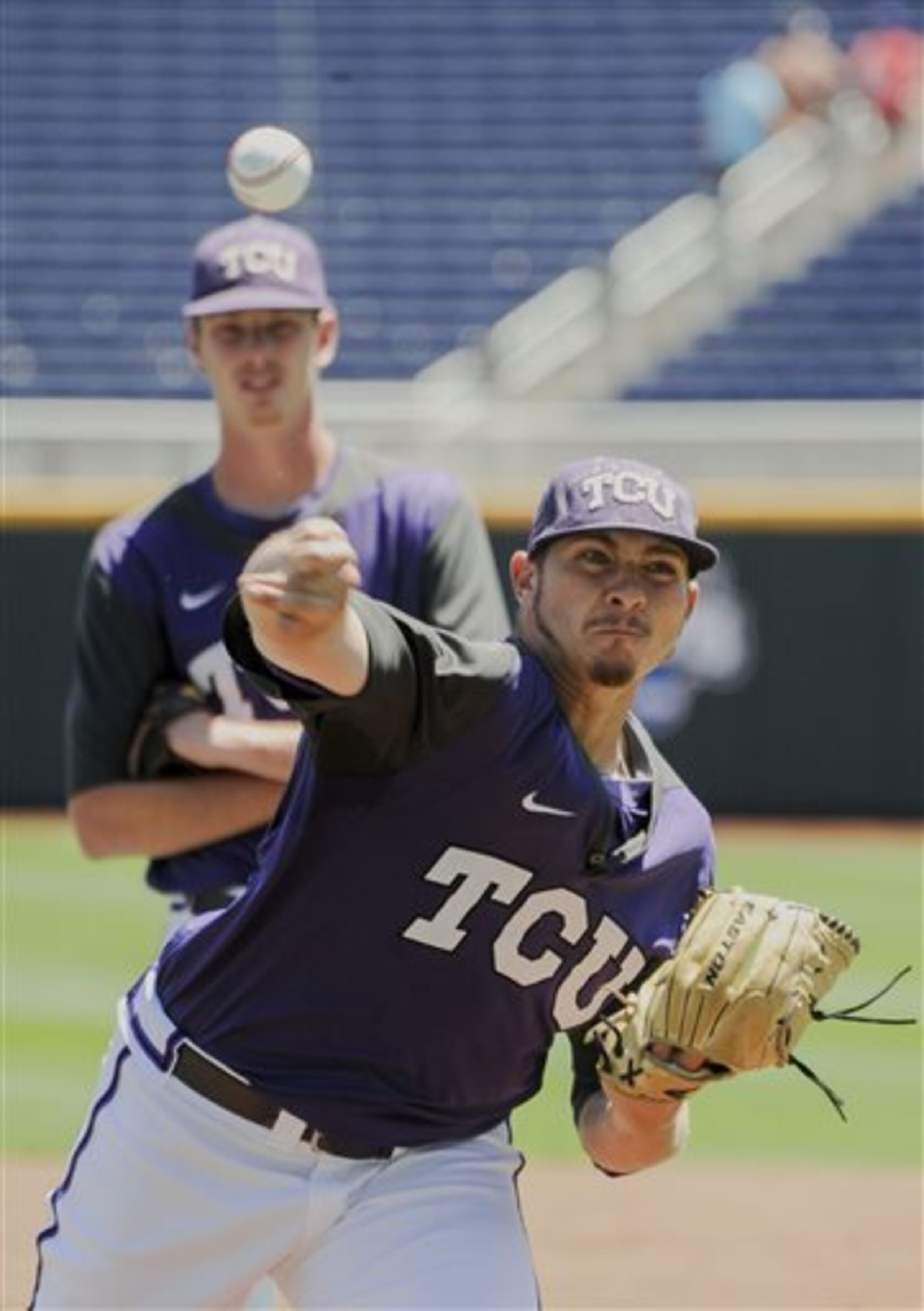
1.18: Riley Ferrell, RHP, TCU
The Indians added a variety of talent in the first three rounds of the 2014 draft, selecting college outfielder Bradley Zimmer and prep left-hander Justus Sheffield in the first round and then adding left-handed hitters Mike Papi and Bobby Bradley. With a prospect pool that’s loaded with impact hitters, the Indians could use their first-round pick in 2015 to get one of the better arms still on the board.
TCU's Riley Ferrell’s velocity is among the best in the class, as the 6'1", 200-pound right-hander uses his strong lower half and core to produce an explosive fastball at 95-98 mph. Though he served as TCU's closer last spring, Ferrell’s feel for both his breaking ball and changeup should help him make him a smooth transition to the rotation this year.
If he’s as successful in that role for the Horned Frogs as he was in the ninth inning, there’s a good chance Ferrell might be off the board at this point in the first round.
19. San Francisco Giants
20 of 281.19: Chris Betts, C, Wilson HS (Calif.)
The Giants used their first two picks last year on Vanderbilt right-hander Tyler Beede and Florida Atlantic catcher Aramis Garcia. With the No. 19 pick in the 2015 draft, it wouldn’t be a terrible idea to add another catcher to the system—and there’s no better option in the class than Chris Betts.
A 6'2", 220-pound left-handed hitter, Betts stands out for his quick bat and plus raw power. He has an advanced feel for hitting for a high school player, and he’s still learning how to consistently apply his power in games. Betts’ defense behind the plate will need some work, though he is a good athlete with plenty of arm strength for the position.
College Commitment: Tennessee
20. Pittsburgh Pirates
21 of 281.20: Phil Bickford, RHP, CC of Southern Nevada
The Pirates don’t have the luxury of selecting four times within the first two rounds as they did in 2014, which means the club is likely to go big here with the No. 20 pick.
Southern Nevada Community College right-hander Phil Bickford, who pitched at Cal State Fullerton last season, could be an interesting option if he’s still on the board. The 19-year-old improved his draft stock in a big way over the summer in the Cape Cod League, where he used a consistent mid-90s fastball, sharp slider and raw changeup to fan 42 batters in 27.2 innings.
Overall, Bickford projects as a No. 3 pitcher at maturity thanks to his ability to throw strikes with three average or better offerings.
21. Oakland Athletics
22 of 28
1.21: D.J. Stewart, OF, Florida State
The A’s, as they always do, will target overlooked value with their first-round pick, which means they’re likely to pass on upside in favor of a player with a high probability for success.
Enter D.J. Stewart.
The 6'0", 230-pound Stewart has a real chance to be a plus hitter as a professional, as the left-handed batter has a ridiculously advanced approach to go along with above-average power and an innate feel for hitting. He's likely to handle left field at the next level and should offer more than enough production to hold down a corner position in the long term.
In his two years at Florida State, he owns a career .358/.470/.558 batting line to go along with 44 doubles, 12 home runs, 109 RBI and more walks (78) than strikeouts (70).
22. Kansas City Royals
23 of 281.22: Kyle Tucker, OF, Gulf Coast HS (Fla.)
The Royals’ highly successful 2014 draft netted the organization an immediate big leaguer in TCU left-hander Brandon Finnegan, as well as three high-upside preps in left-hander Foster Griffin, right-hander Scott Blewett and catcher Chase Vallot. And with a collection of mostly upper-level talents currently headlining the team’s prospect pool, the Royals can afford to gamble on upside once again in 2015.
A 6'4" left-handed batter, Tucker is one of the more projectable prep hitters in the 2015 class, thanks to his promising hit tool, mature approach and power potential. On the other side of the ball, he is a strong and instinctual defender in the outfield with a legitimate chance to stick in center field at the next level.
College Commitment: Florida
23. Detroit Tigers
24 of 28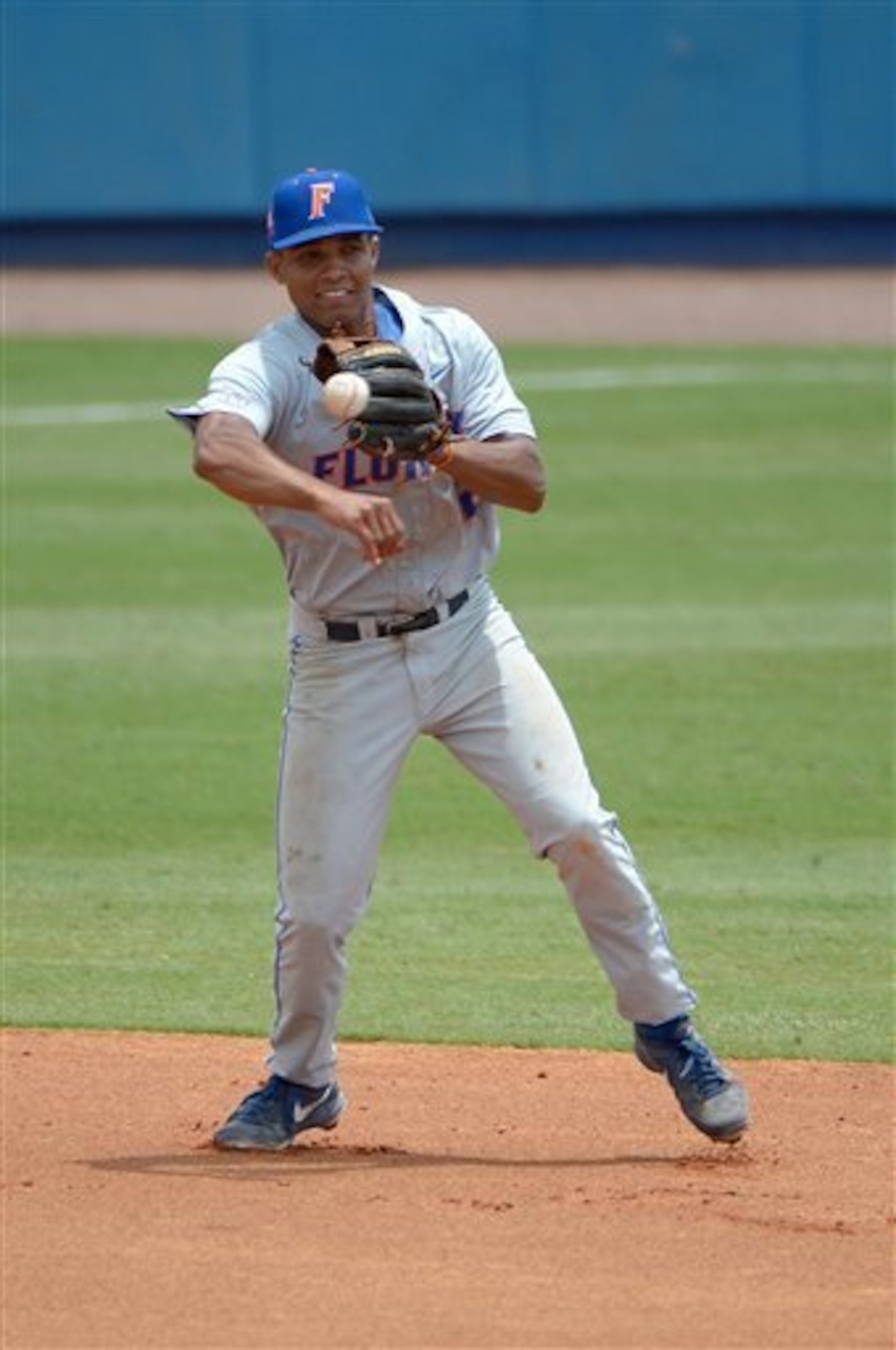
1.23: Richie Martin, SS, Florida
After trading away most of their top prospects in the last year, the Tigers will head into the 2015 draft targeting a young, high-upside position player in the first round like they did with Derek Hill last June.
Florida shortstop Richie Martin could be an option for them at No. 23, though he might already be off the board if he hits as well next spring as he did in the Cape Cod League. The 20-year-old stands out for his plus speed and defense, while his athleticism, range, hands and arm strength should allow him to stick at shortstop long term.
Martin’s bat will determine when he’s drafted, however, as teams that believe he will hit might be more inclined to gamble on him earlier in the first round.
24. St. Louis Cardinals
25 of 28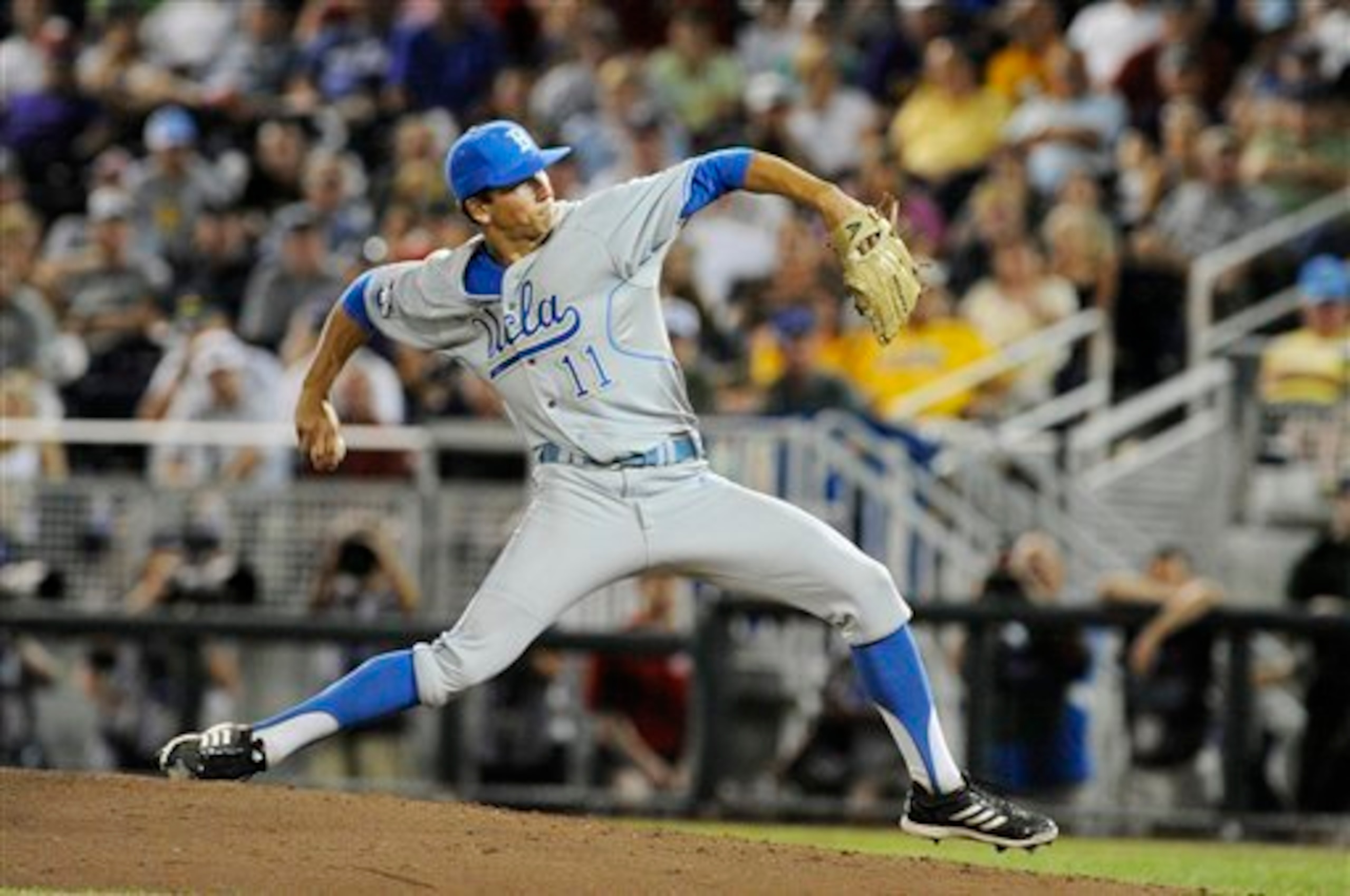
1.24: James Kaprielian, RHP, UCLA
The Cardinals had a pitching-heavy draft in 2014, grabbing arms with three of their first four picks, and the club could take a similar approach this year with another late pick in the first round.
UCLA right-hander James Kaprielian lacks overpowering stuff and doesn’t jump off the page as a draft prospect, but he fits the mold of a Cardinals pitcher, given his size, pitchability and strong command profile. The 20-year-old emerged as the Bruins’ ace last year in his first full season as a starter, using his deep, four-pitch mix to pace the Pacific-12 with 108 strikeouts.
25. Los Angeles Dodgers
26 of 281.25: Mike Nikorak, RHP, Stroudsburg HS (Pa.)
The Dodgers landed a steal last year in the first round, getting prep right-hander Grant Holmes with the No. 22 overall pick, and the team could face a similar situation in 2015 at No. 25 depending on which arms are still on the board.
Right-hander Mike Nikorak is one name that could be high on the list, especially if the 6’5”, 205-pound right-hander is able to build off his strong summer in the spring. The 18-year-old uses his size and athleticism to generate easy heat in the low-to-mid-90s, and he’ll also flash plus with his curveball and show some feel for a changeup.
College Commitment: Alabama
26. Baltimore Orioles
27 of 281.26: Demi Orimoloye, OF, St. Matthew’s HS (Ont.)
Baltimore’s prospect pool currently stands out for its depth on the mound—a reflection of the organization’s solid drafting since 2011. However, the Orioles are thin on talent elsewhere, especially in the outfield and at both middle infield positions, so I could see them grabbing the most intriguing bat still on the board.
At 6’4”, 225 pounds, Demi Oriomoloye is a physical specimen with impressive athleticism and loud tools. His best attribute is his prodigious power (see above video), which is a product of his bat speed, strength and leverage. While all of his tools project as at least average, Oriomoloye will need time to put all the pieces together and develop the baseball skills needed to be an impact big leaguer.
College Commitment: Oregon
27. Los Angeles Angels
28 of 28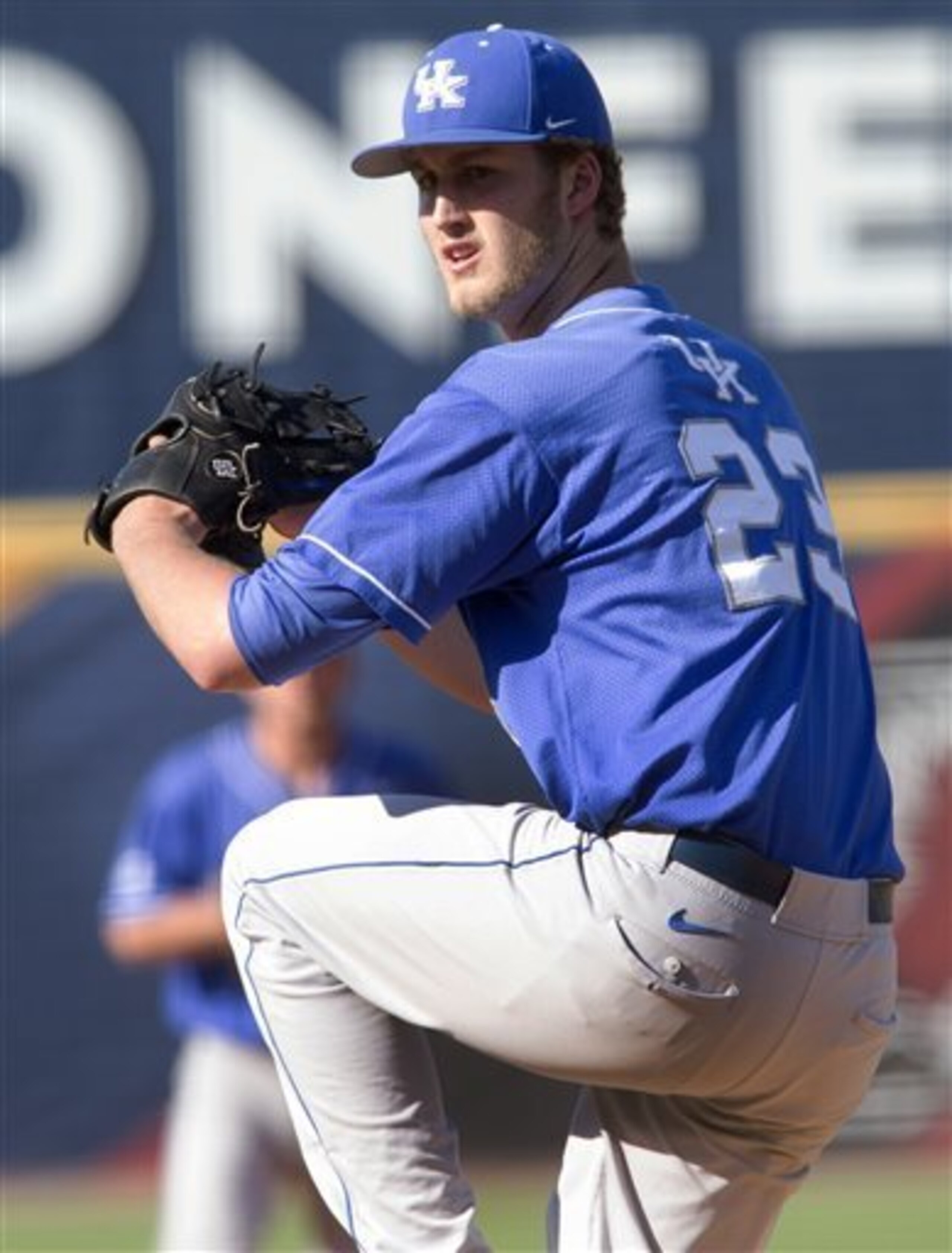
1.27: Kyle Cody, RHP, Kentucky
After loading up on pitching in the last few drafts, the Angels, who currently have the final pick before the compensation round, find themselves in a position to land another arm with their first-round pick in 2015.
Kentucky right-hander Kyle Cody could be an option here, especially if he falls due to concerns about his secondary pitches and command. Regardless, there’s a lot to like about his durable 6’7”, 245-pound build and mid-90s fastball.
.jpg?w=2560 "Chiefs, Steelers Eye WR Trades")