

Pro Football Hall of Fame 2015: Complete List of NFL Inductees to Canton
Saturday marked the inductions for the Pro Football Hall of Fame's class of 2015.
A 46-member selection committee pared down its long list of worthy candidates to join the ranks of the NFL's all-time greats in Canton, Ohio, to just 18 finalists. Sixteen former players or coaches were among them—including one senior finalist—as well as two other contributors. The Pro Football Hall of Fame had the announcement of the eight who survived the final cut.
Looking over the resumes of the many deserving prospective inductees, it's hard to imagine some of the game's legends being denied induction. That just goes to show how special the newest additions to the Hall of Fame were in their pro football primes.
Read on for a detailed analysis of Saturday's inductees and the type of impact they made on the NFL landscape that is still felt today—now to be immortalized in Canton.
Note: All statistics are courtesy of Pro-Football-Reference.com. Complete list of 2015 finalists can be viewed at ProFootballHOF.com.
Junior Seau, Linebacker
1 of 8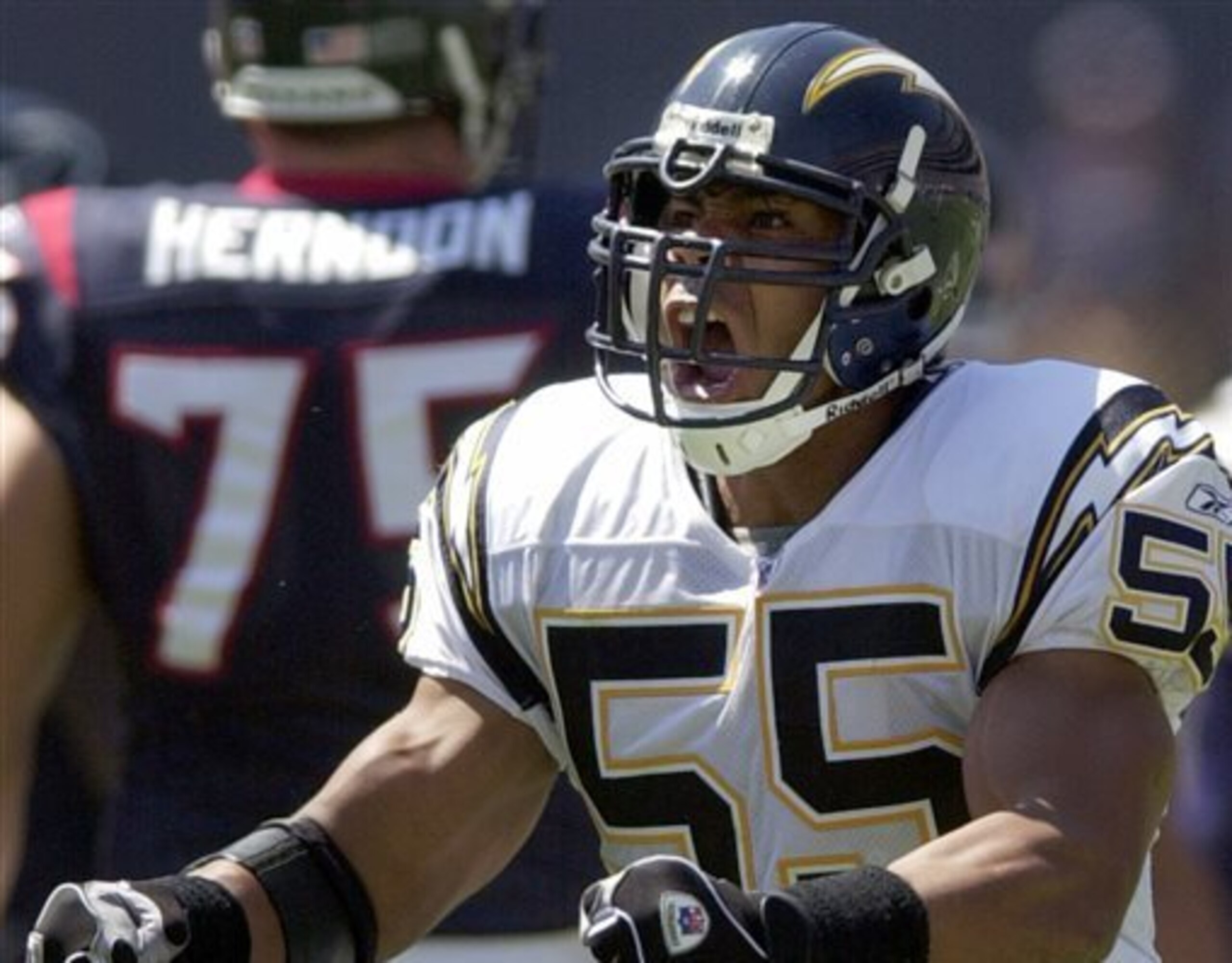
Tragedy struck when Junior Seau took his own life in May 2012, but his legacy on the gridiron will live on forever in Canton.
Seau was among the most dynamic, athletic linebackers in NFL history, with an extremely physical style of play and a relentless motor to match. The 12-time Pro Bowler was also named a first-team All-Pro six times in his 20-year career.
"This is a huge honor for our family," Tyler Seau said, per Frank Schwab of Yahoo Sports. "Definitely with heavy hearts accepting this, because it should be him. But he is here with us. Emotionally it's tough. We're missing a huge part. We're staying strong and this is a blessing. We're humbled to be part of this (Hall of Fame) family."
The San Diego Chargers chose Seau fifth overall in the 1990 draft. He played in San Diego through 2002 before joining the Miami Dolphins. One of his biggest highlights was being named Newspaper Enterprise Association NFL Defensive Player of the Year in 1992.
After announcing his retirement prior to the 2006 campaign, Seau reneged on walking away from the game just four days later, signing with the New England Patriots for the rest of his career.
Many lauded Seau for how hard he worked at perfecting his craft and the leadership he displayed during his playing days. That explains why he had so many productive years, and it was only a matter of time before Seau was enshrined as a Hall of Famer.
Will Shields, Offensive Guard
2 of 8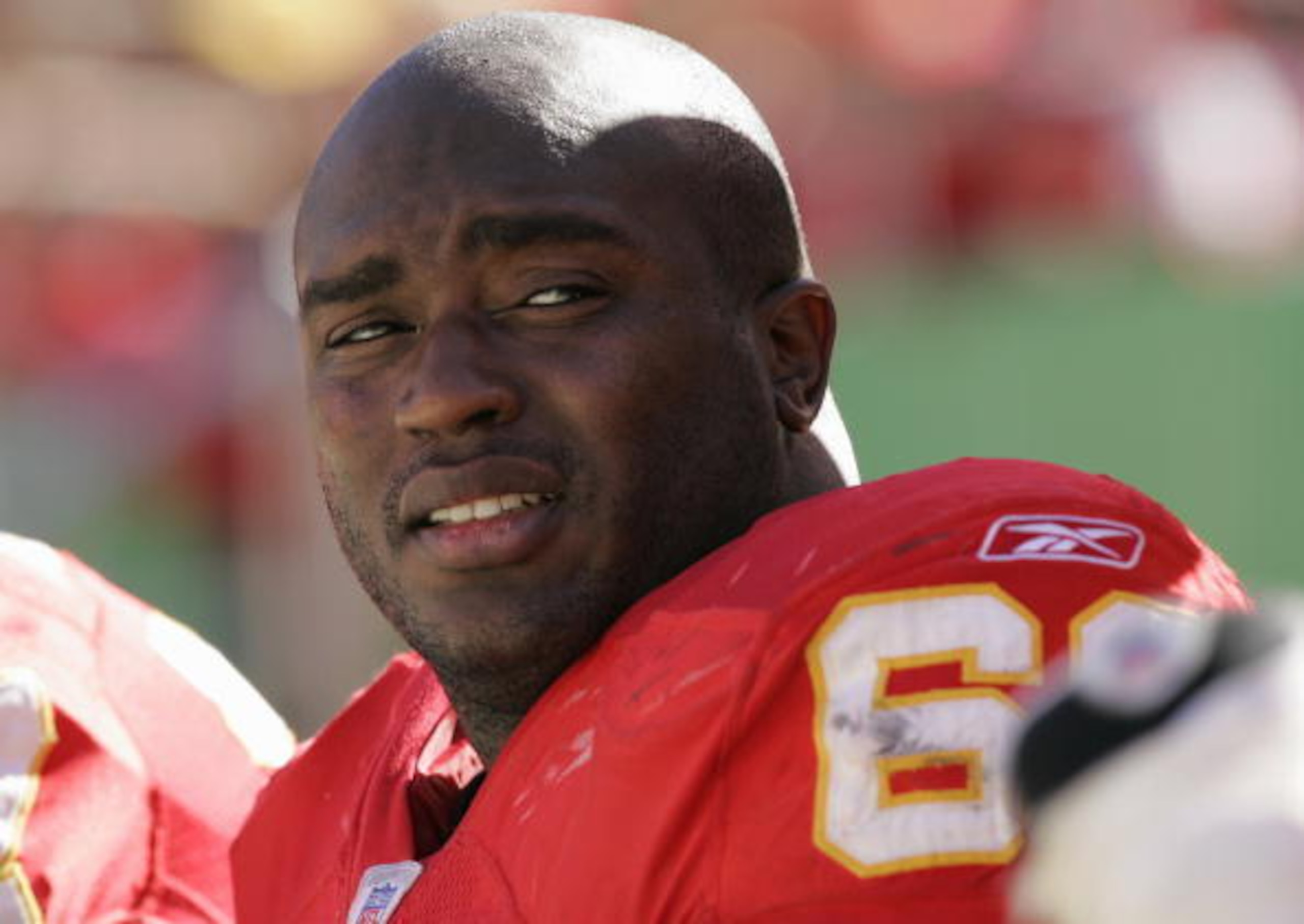
Aside from coming off the bench for one game as a rookie in 1993, offensive guard Will Shields started every game for the Kansas City Chiefs for his entire 14-year career.
For the number of violent collisions that occur up front and pileups that can result in awkward bodily contortions, it's amazing that Shields stayed so healthy and so great for so long. His 223 consecutive starts are fifth most in NFL history.
Shields' run-blocking prowess at right guard paved the way for ball-carriers such as Priest Holmes, who set a single-season record of 27 touchdowns in 2003 that has since been eclipsed.
Shields was named to 12 Pro Bowls, and he also earned the Walter Payton Man of the Year award following the historic 2003 campaign.
This was the fourth straight time Shields had been named a finalist for the Pro Football Hall of Fame, so it's due time for his induction after being overlooked, perhaps for playing a less glamorous position.
Jerome Bettis, Running Back
3 of 8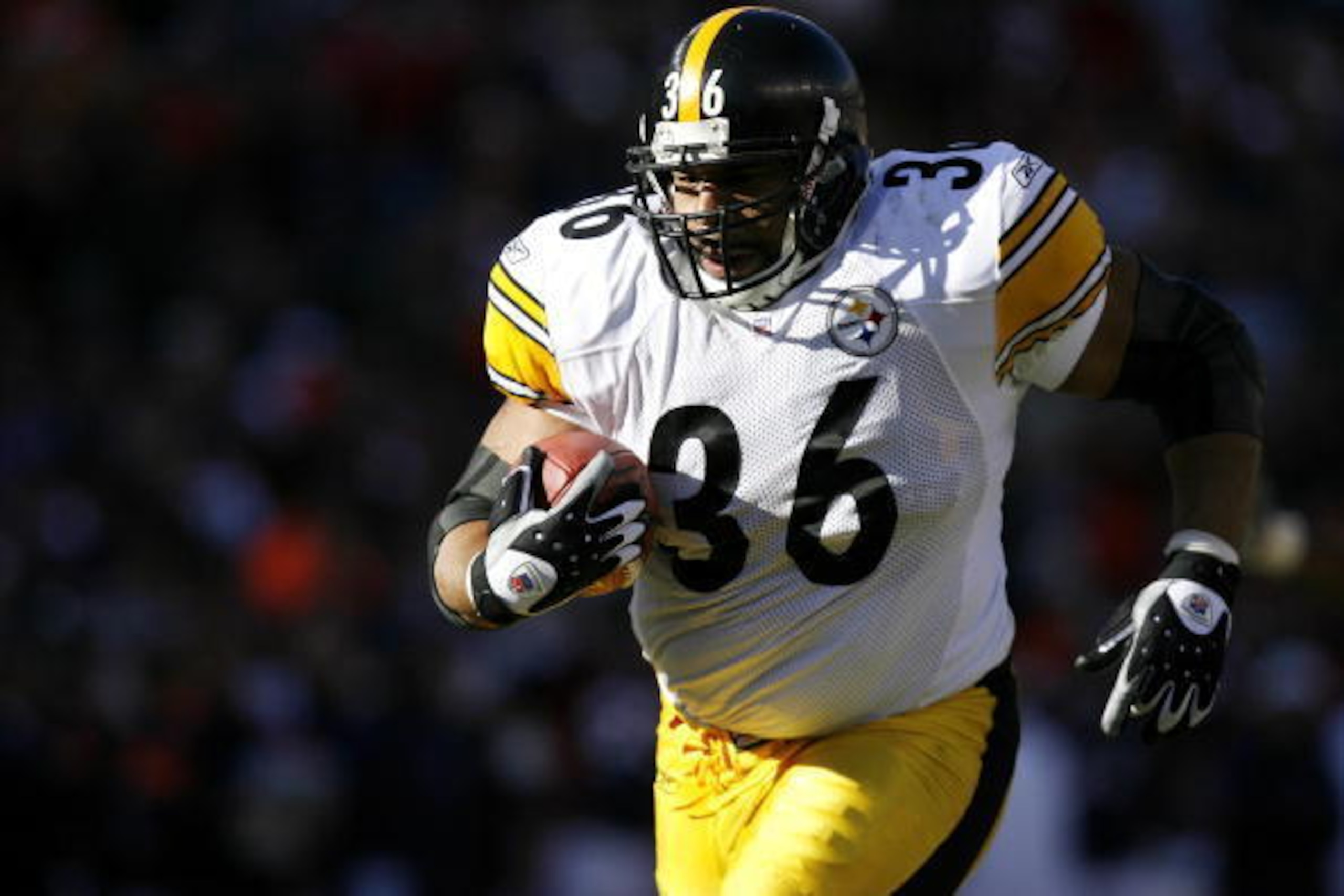
One couldn't help but be impressed with Jerome Bettis' special blend of characteristics that earned him the moniker "The Bus" when he rose to prominence with the Pittsburgh Steelers.
Bettis' powerful running and imposing physique were juxtaposed with outstanding quickness for his size and a kid-at-heart, jubilant personality.
Despite early success with the Rams as a tailback for Bettis, St. Louis wanted to move him to fullback before the 1996 season. Bettis refused, which led to him being traded to Pittsburgh. There, he helped the Steelers maintain their traditional, hard-nosed identity and strung together six straight 1,000-yard rushing seasons from 1996 through 2001.
The true definition of a workhorse back, Bettis finished with an average of just 3.9 yards per rush.
Defenses always had to account for him, though, and Bettis capped his career in style with his first Lombardi Trophy. At age 33, the bruising ball-carrier pounded his way to three touchdowns in four playoff games as the Steelers wound up winning Super Bowl XL in Bettis' home city of Detroit.
“I played the game of football with passion, with the desire to be a champion,’’ Bettis said, per Ed Bouchette of the Pittsburgh Post-Gazette. “And in that drive to become a champion I have now put myself on the most sacred ground that a football player could ever be in, and that’s the Hall of Fame. I am humbled and grateful to all the voters who saw my career as being worthy of a gold jacket.”
Bettis is one of the most notable personalities in recent NFL lore, and his numbers were strong enough to merit a Hall of Fame induction in his fifth year of eligibility.

Tim Brown, Wide Receiver
4 of 8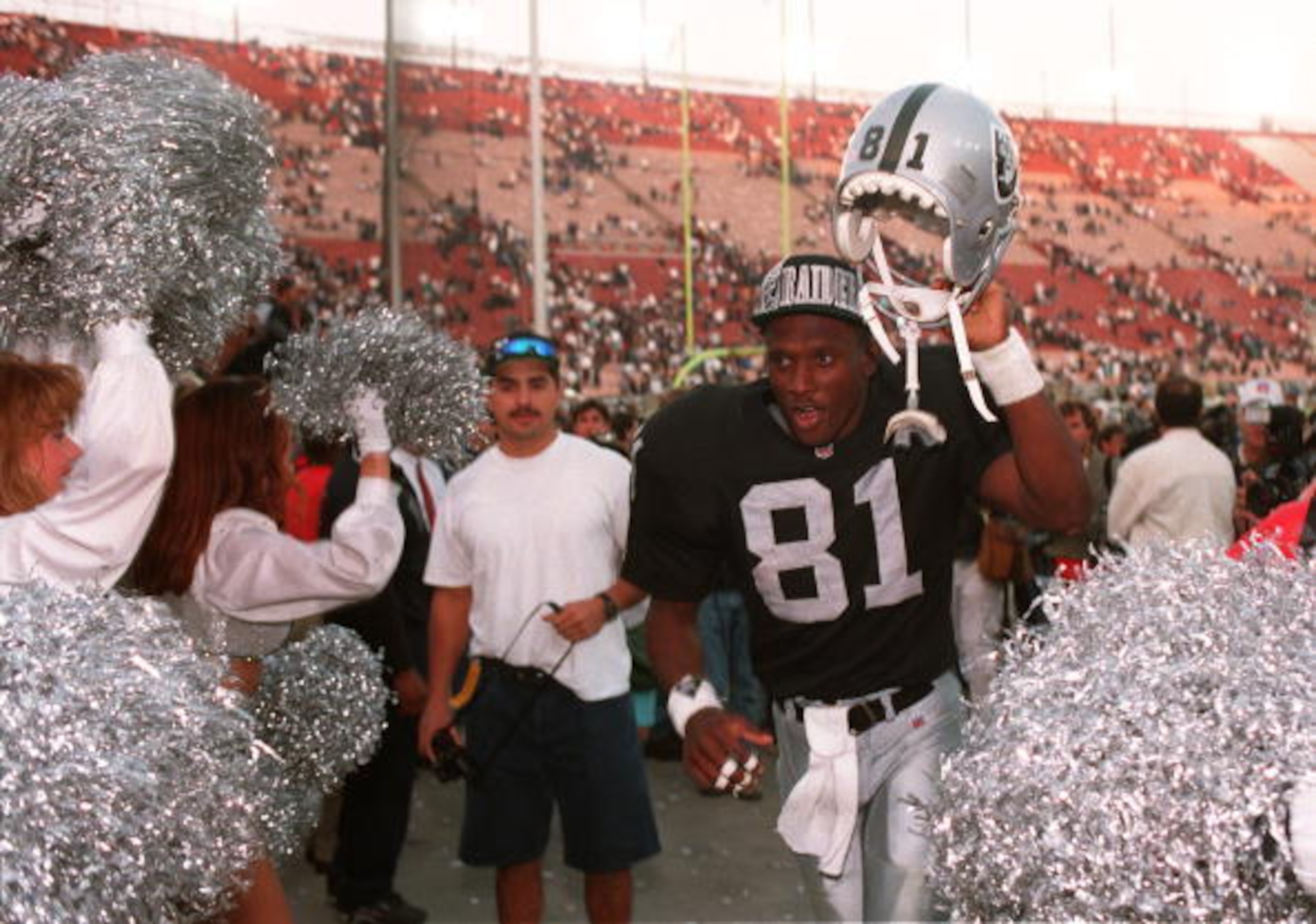
For the fifth year in a row, longtime Oakland Raiders star Tim Brown was named a Hall of Fame finalist. Saturday's announcement that Brown would be enshrined had to be a relief for the nine-time Pro Bowler.
Brown's longevity was most impressive. He began his 17-year career after being chosen sixth overall in the 1988 NFL draft by the Raiders. Nine straight seasons of 1,000 yards receiving or better from 1993 through 2001 indicate how consistent Brown was despite playing on mostly losing teams.
Even at age 36, he was still fit enough to bring in 81 receptions during the 2002 regular season and contribute 13 receptions in three games when the Raiders made it to Super Bowl XXXVII.
When Brown retired in 2004, he was second only to Jerry Rice on the all-time receiving list. He is sixth now.
That fact alone would appear to merit a Hall of Fame induction, but Brown, who was also an effective punt returner for the majority of his days in the NFL, has now been bestowed with the ultimate individual honor—even if it took longer than most expected it to materialize.
Charles Haley, Defensive End/Linebacker
5 of 8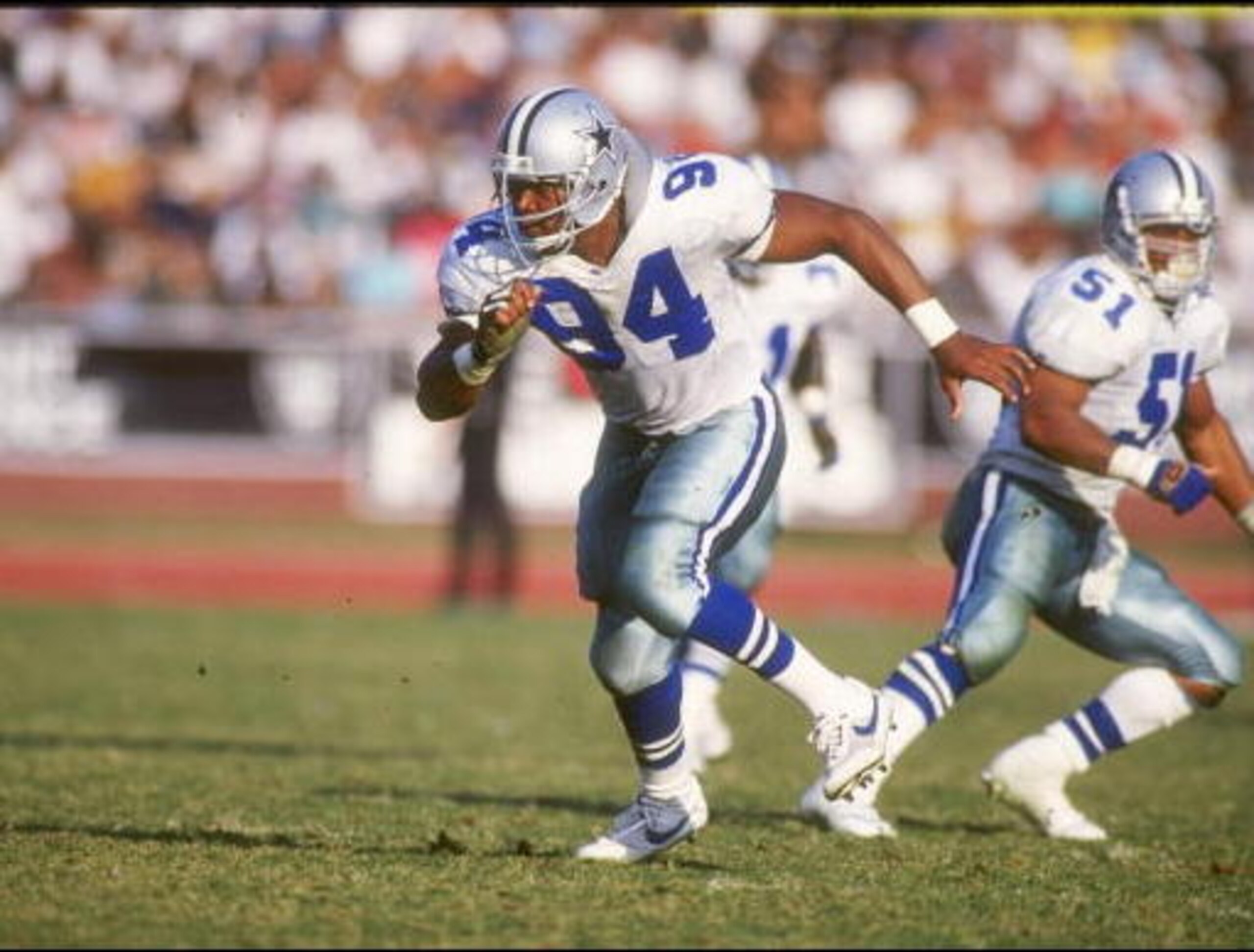
The only player ever to be part of five Super Bowl-winning teams, Charles Haley excelled as both a defensive end and outside linebacker in his 13 years in the NFL.
A fourth-round draft pick out of James Madison in 1986, Haley commenced his career with the San Francisco 49ers, where he starred as a pass-rusher. He was then traded to the Dallas Cowboys prior to the 1992 season, and America's Team won three championships in Haley's five years there.
Haley initially retired after the 1996 season but returned to San Francisco for the 1998 postseason and played the 1999 campaign before retiring for good.
The two-time United Press International NFC Defensive Player of the Year was named to five Pro Bowls and received two All-Pro selections, one as a defensive end and one as a linebacker.
Despite an unprecedented number of individual championship wins and the versatility to shine at multiple positions, Haley had been shut out of the Hall of Fame in five prior years. Many believe that had to do with his antics and personality, but there's no denying Haley is deserving of a spot in Canton.
Mick Tingelhoff, Center
6 of 8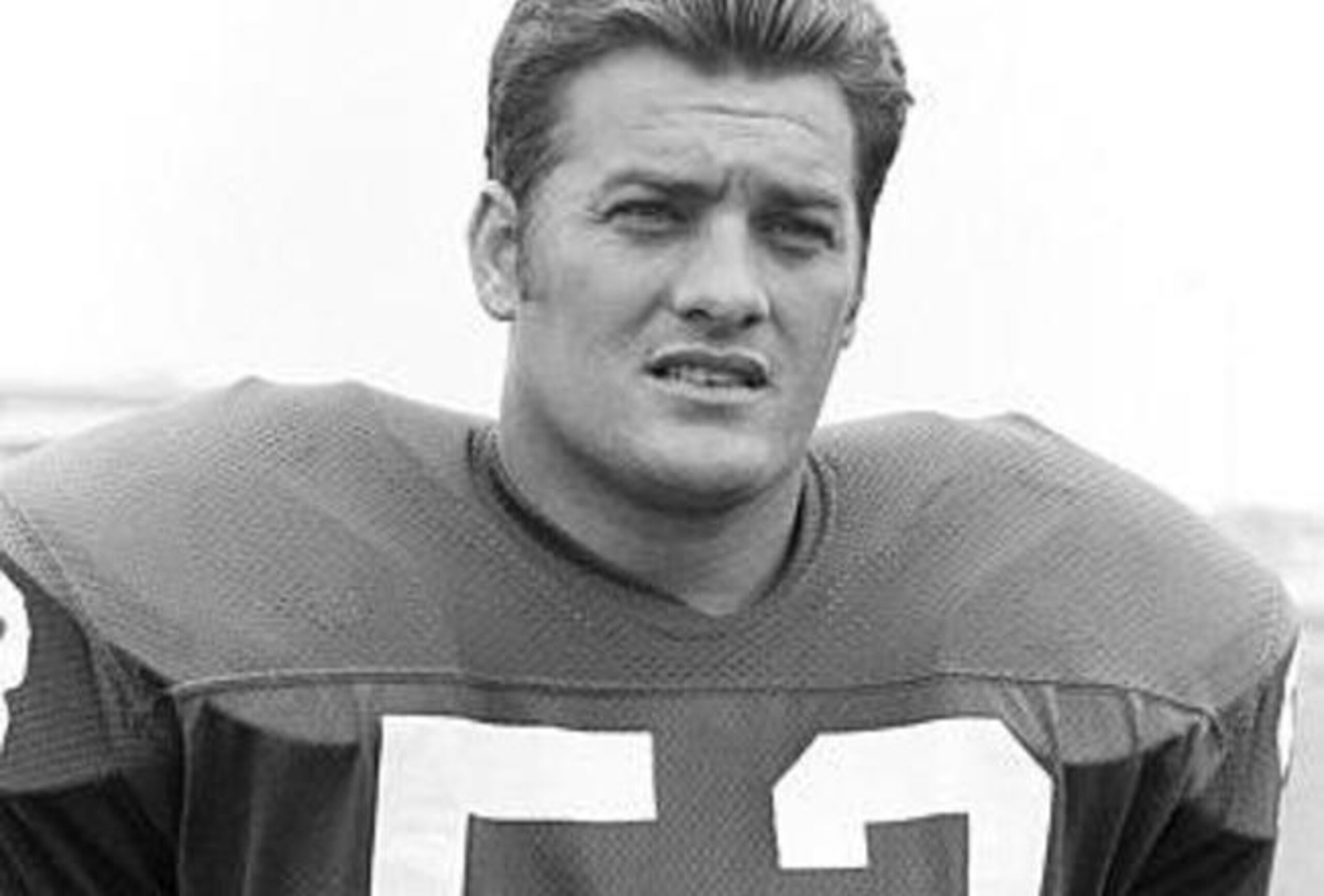
A career-long cornerstone for the Minnesota Vikings from 1962 through 1978, center Mick Tingelhoff's No. 53 is deservedly retired, and he's also a member of the Vikings Ring of Honor.
The Vikings won 10 NFC Central Division titles in 11 years from 1968 to 1978, with Tingelhoff serving as an anchor for the offensive line that drove Minnesota to those amazing results.
Tingelhoff was chosen by the Seniors Committee as a finalist for the Hall of Fame in August. He snapped the ball to legend Fran Tarkenton in both of the signal-caller's stints with the Vikings and didn't miss a single game or practice in his 17 years as a pro.
Minnesota advanced to four Super Bowls and won one NFL championship in 1969 in the time Tingelhoff played for the organization.
Five first-team All-Pro bids and six Pro Bowls are evidence of the caliber of player Tingelhoff was, and those from his era who nominated him for Canton certainly didn't forget his greatness.
Bill Polian, Contributor
7 of 8
Bill Polian has a tremendous track record as a general manager, making a major impact on three different franchises in his storied front-office career.
Taking over as Buffalo Bills GM in 1986, Polian built a team that developed for two years amid losing seasons before going on a historic run. The Bills made the playoffs every year from 1988 through 1993, advancing to the Super Bowl in the latter four seasons.
Then Polian helped the Carolina Panthers get off the ground as a fledgling franchise. Carolina's expansion year record was 7-9, but that was followed by a 12-4 mark in 1996 that resulted in a trip to the NFC title game.
Next up for Polian was a move to Indianapolis beginning in the 1998 season. It would be in the 1998 NFL draft that Polian would choose Peyton Manning No. 1 overall over Ryan Leaf and set the Colts up for a tradition of excellence for years to come, highlighted by a Super Bowl XLI win. Tony Dungy, another finalist, congratulated Polian:
"So happy for Bill Polian on his Hall of Fame induction. He was a great mentor and a great talent evaluator.
— Tony Dungy (@TonyDungy) February 1, 2015"
Polian was Indianapolis' general manager from late 1997 to 2009 and served as team president for two years longer. His massive contributions to three different organizations are well worthy of a place in Canton.
Ron Wolf, Contributor
8 of 8
In 23 years working with the Raiders franchise, Ron Wolf earned respect as a personnel man with a keen eye for talent.
What Wolf became most known for at the end of his career was the job he did as Green Bay Packers general manager, though. Green Bay had made just two playoff appearances since the 1970 AFL-NFL merger when Wolf took his GM post in 1991.
That soon changed, thanks in large part to two bold moves Wolf made shortly after his arrival. Wolf hired Mike Holmgren as head coach and made a trade to acquire Brett Favre from the Atlanta Falcons.
Two rebuilding years under Wolf preceded a run spearheaded by Holmgren and Favre in which the Packers qualified for the playoffs six straight times. They won Super Bowl XXXI following the 1996 season and advanced to the championship game again the next year, only to lose to Denver.
Wolf helped change the culture in Green Bay, getting the proud franchise back to its winning ways and establishing a Hall of Fame legacy of his own in the process.

.jpg?w=2560 "Rams Eagles Football")
.jpg?w=2560 "Grading WWE Raw 🔠")


.jpg?w=2560 "Injury-stricken Seahawks signing veteran RB")
