
Easy 1st Week Putting Novak Djokovic in Perfect Position at 2015 Australian Open
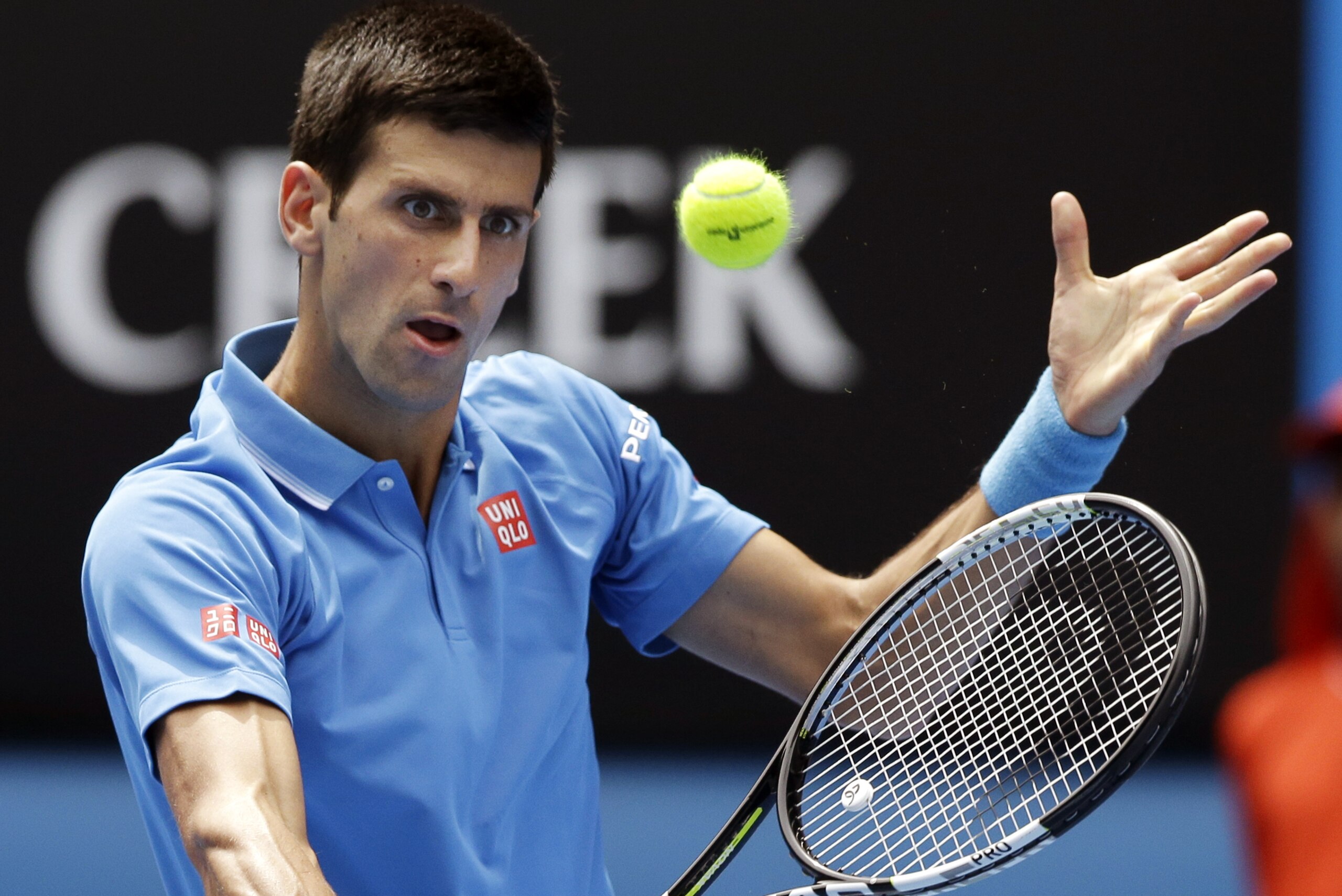
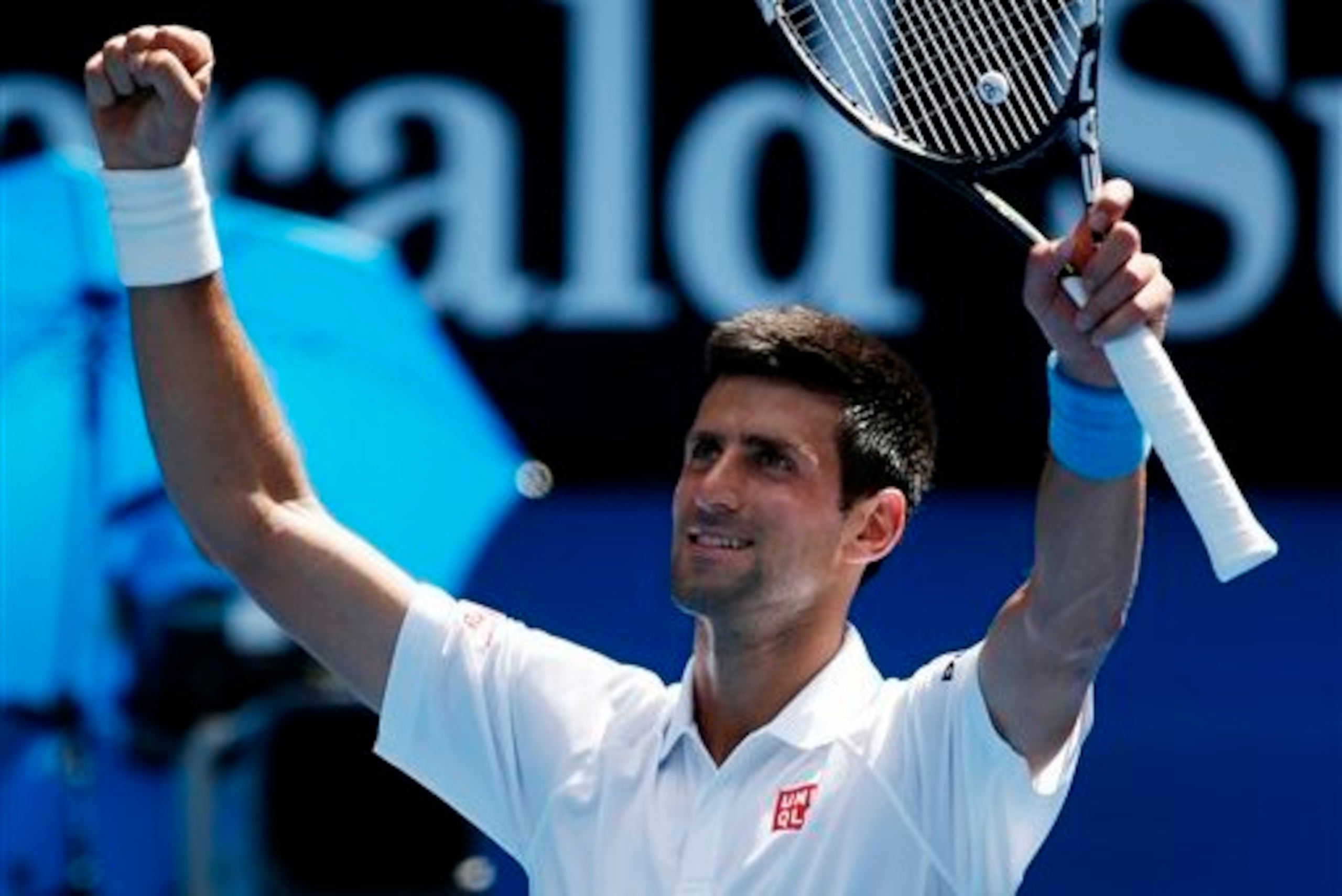
So far so good for Novak Djokovic as he cruises along in the first week at the 2015 Australian Open. The World No. 1, a solid if not outright favorite to win his record-breaking fifth title in Melbourne, is taking care of business the right way.
Djokovic is not looking for style points, but his crisp efficiency early in the tournament could be the difference in breaking away from his contending rivals. He swept through his overmatched opponents in the first two rounds like a fierce sun imposing its relentless heat upon the Outback.
In the first round, Djokovic pummelled Aljaz Bedene 6-3, 6-2, 6-4 in one hour and 49 minutes.
TOP NEWS
Rafa Playing Exhibition 🎾
.jpg?w=2560 "Seahawks Chiefs Football")
Chiefs, Steelers Eye WR Trades

J-Dub, Wallace May Miss Entire Season
It was merely a warm-up for beating up Andrey Kuznetsov 6-0, 6-1, 6-4, cutting his match time down to one hour and 24 minutes. That’s less time (one hour and 28 minutes) than it took Djokovic to lose the fourth set of the 2012 Australian Open final.
All very impressive, so just how much effect can winning easy in the opening rounds pay dividends in the grueling second week?
Win Now, Win Later
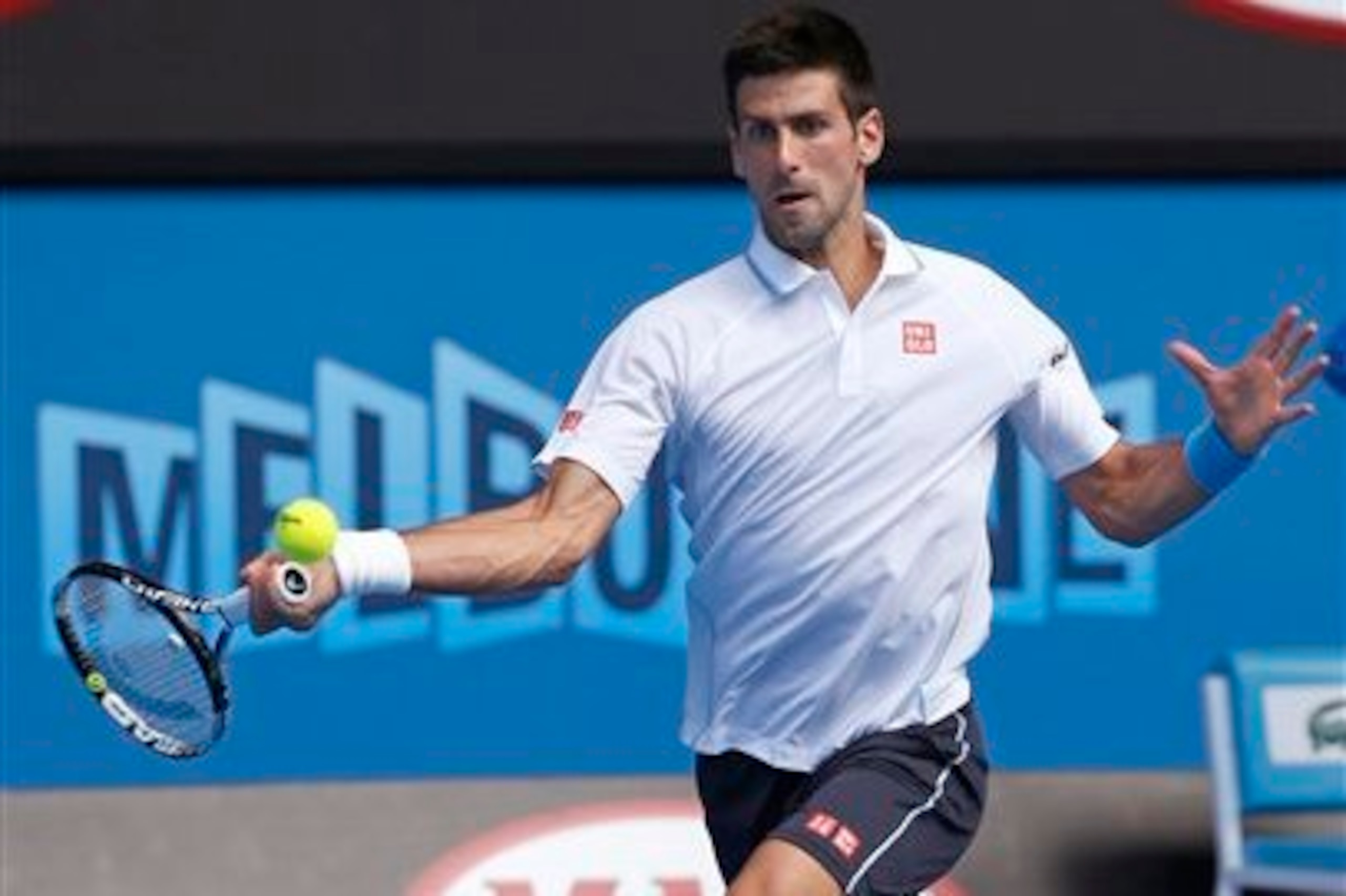
A great start in the Australian Open is a great sign for Djokovic. In 2011, the third-seeded Djokovic streaked to the title in only 20 sets. He swept through semifinalist Roger Federer with energy to spare, and he outclassed Andy Murray (who had to battle harder in two prior matches against Alexandr Dolgopolov and David Ferrer) in the final.
In 2012, Djokovic destroyed his first three opponents in a virtual walkover into the fourth round. It proved to be crucial, because Djokovic needed everything in reserve to outlast Murray in five tough semifinal sets Then he summoned up History’s ultimate marathon against Nadal in the final. That simply does not happen had his first week been a barn burner.
A year later, his first three matches were easy wins, and again this may have proved instrumental in stretching across the fifth-set finish line, 12-10 against Stanislas Wawrinka. He regrouped against Tomas Berdych, speared David Ferrer and was fresh enough to topple Murray once again.
Last year, Djokovic lost to Wawrinka in the quarterfinals, but to no fault of fatigue. He battled gamely in the fifth set, falling 9-7. He was rested enough after destroying his first four opponents, but lost on that day to a better opponent. Rest does not guarantee wins, but fresh legs and health are needed to battle when war comes calling.
Better to Dominate
Djokovic's early domination has been the catalyst to three titles in the last four years at Melbourne. His preliminary sketches have delivered several important brushstrokes to his portraits of championship conquests. Early in the tournament, he has established his tone:
- He has played with championship energy above his nearest contenders.
- He has played with confidence, breeds greater success.
- He has delivered a message of dominance to all opponents.
Some tennis fans might feel that it is an advantage for a top player to persevere through close matches, proving that he is battle-tested. There are certainly exceptional cases we can prove in hindsight, but most often players who dominate are much more likely to arrive in the winner’s circle.
Should Pistol Pete Sampras have played more five-setters at Wimbledon in the mid-1990s? He did have a few nail-biters, but most often he was not pushed to the precipice of a loss. More trouble means a greater chance of defeats.
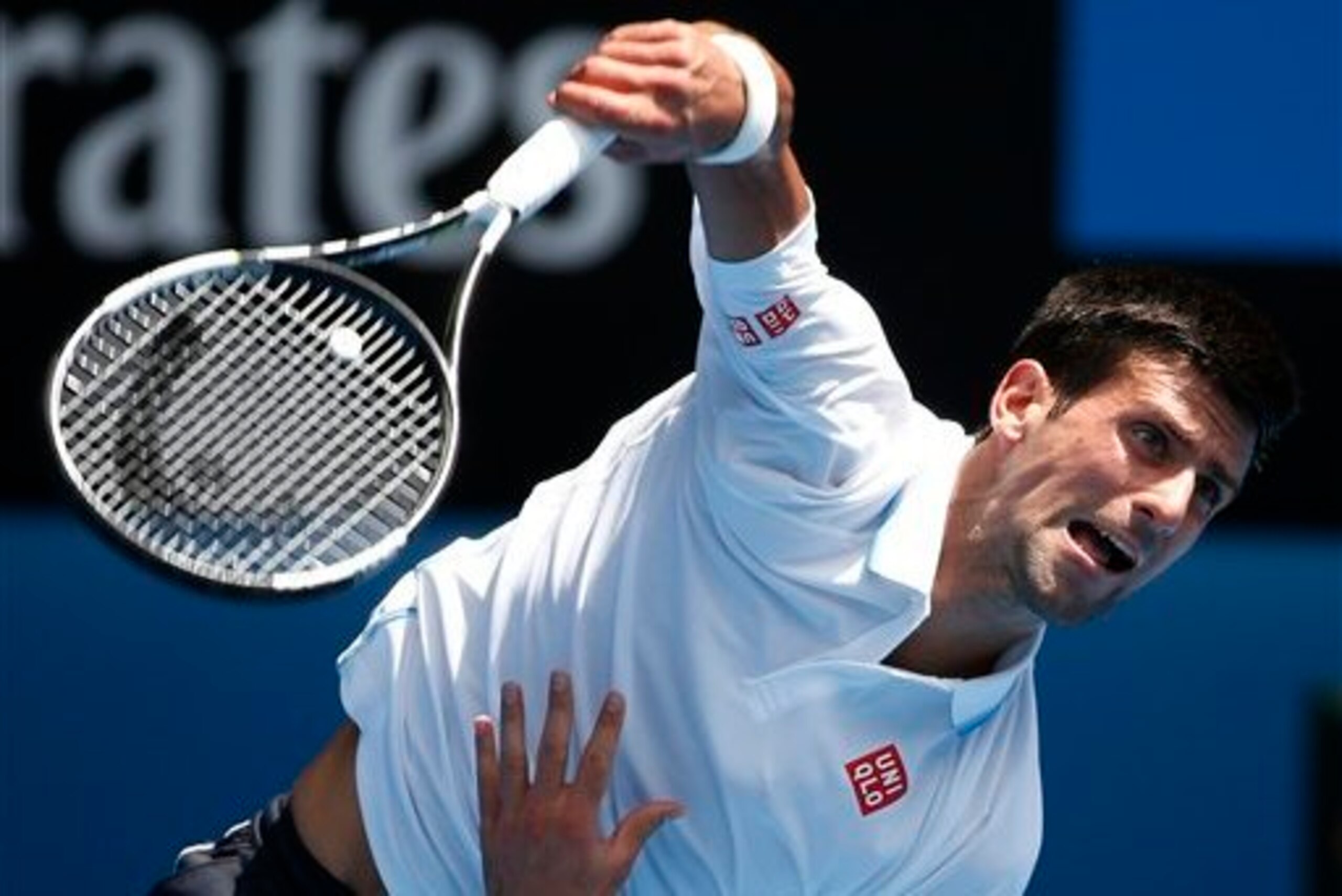
Did Roger Federer find it more difficult to win majors from 2004-07 when so many of his majors were won with epic domination? Crushing wins had the double effect of Federer rolling along with his game and of his opponents buckling at the knees.
How about Rafael Nadal at the French Open? Would he somehow be a better champion had he flirted with more five-setters? Had he given a few inches, perhaps it would have led to a couple more upsets. There’s no doubt that Nadal’s easy wins at Roland Garros is the real story of his near-perfect decade, notwithstanding his classic 2013 French Open semifinals versus Djokovic.
Stepping Further Ahead
While Djokovic pushes Apollo's chariot, his rivals have been slogging through humid matches, winning but looking mortal.
Struggling early in a major is usually ominous. Federer just got his pink slip in the third round, stung by Andreas Seppi in four sets. How much was this foreshadowed a round earlier when he found himself down a set to Simone Bolelli? Regardless of how Federer could have fared the rest of the tournament, the handwriting was painfully clear.
Players can lose championships early on. Even when they win as it’s often a barometer of their form and confidence.
Which brings us to Nadal. Winning his first-round match against tough veteran Mikhail Youzhny in straight sets must have been a huge boost, but a round later he had to fight through five sets against Tim Smyczek, a player ranked No. 112. There will be a physical price for Nadal, and certainly future potential opponents know that he is currently vulnerable.
Wawrinka was hardly pristine in the second round with his straight-sets battle over qualifier Marius Copil. There was as much struggle as success, but it’s also a pattern we’ve seen from Wawrinka. He can play uptight as a heavy favorite, but he could very well build momentum when he becomes the dog.
Kei Nishikori narrowly missed a fifth set in his second-round win over Ivan Dodig. Already trying to shake off a reputation for being at least slightly fragile, the Japanese star does not possess a big serve or fearsome weapon. He needs fresh legs and plenty of fight if he wishes to play late in the second week.
And so we come full circle to Djokovic. Always Djokovic. The Serbian has often been quiet in early rounds because it’s all so methodical, or so it seems. But he’s a cerebral player who understands that major championships can certainly find its foundation with some early, easy matches.