

Confusing Gabon Emerge as a Surprise Package at the Africa Cup of Nations
At the time of writing, we are at the midway point in the Africa Cup of Nations group stage.
Two of the groups, A and B, have already played their opening two matches, but in a tournament low on victories, there is everything to play for.
Of the eight matches played in these two pools, only three teams—Gabon, Tunisia and the Republic of Congo—have actually picked up a victory.


Gabon are the most confusing of the trio.
The Panthers were the first side to truly impress at the Afcon. With Pierre-Emerick Aubameyang a menacing presence up front, with Andre Poko energetic in midfield and with Bruno Ecuele Manga sturdy in defence, they looked to have the kind of spine that could underpin their status as tournament dark horses.
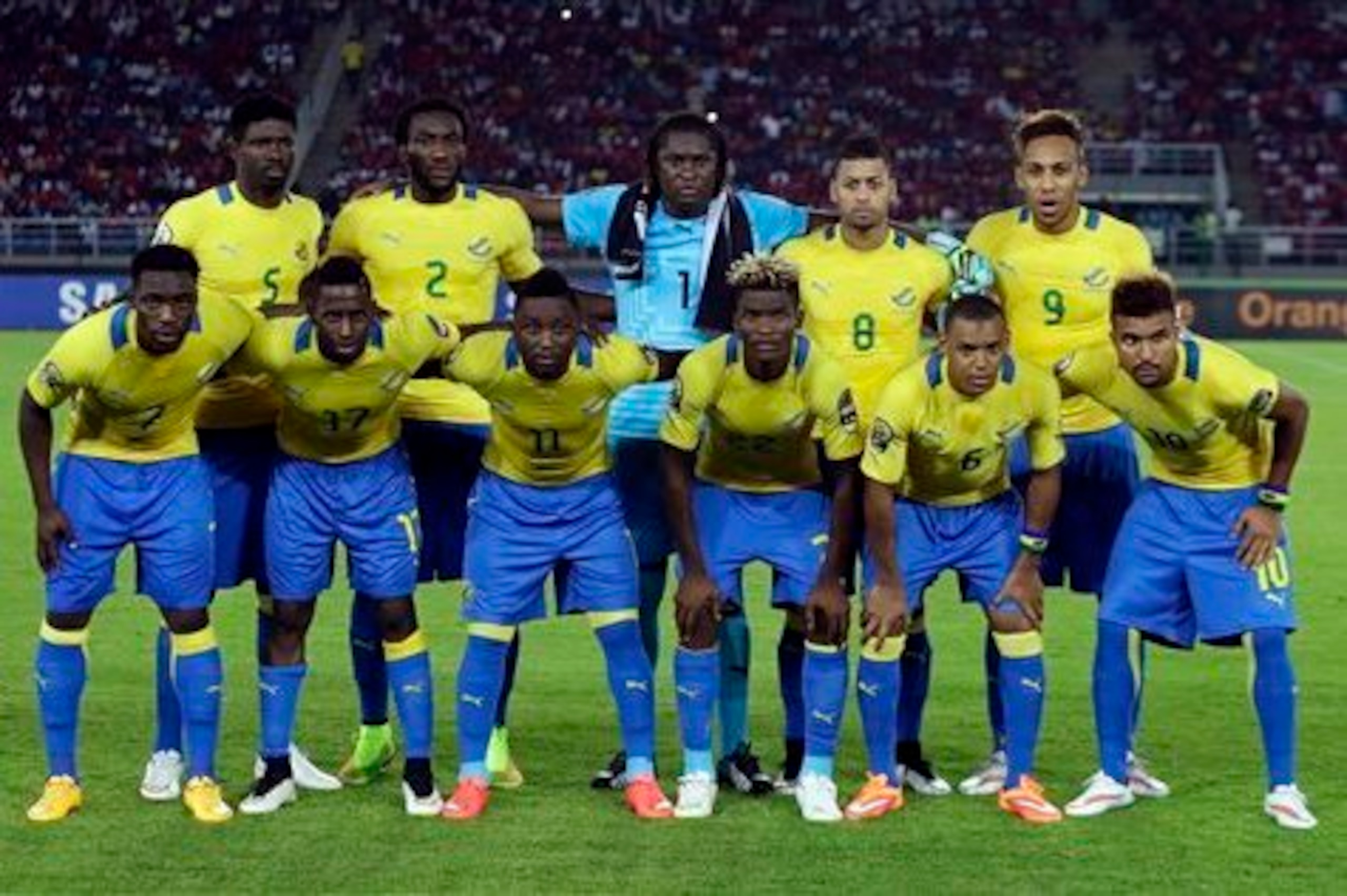
They began with an unexpected 2-0 victory over Burkina Faso, finalists in 2013 no less.
However, in that opening fixture, various concerning signs began to reveal themselves.
Malick Evouna, a striker of some promise, demonstrated an inability to remain onside, being flagged off on numerous occasions. Similarly, while Poko was full of endeavour, the man next to him, the highly rated Didier Ndong, appeared to struggle with Burkina Faso’s physicality and looked hesitant. Goalkeeper Didier Ovono may have made a few saves, but he demonstrated a worrying propensity to wander away from his goal line when pressure reared its menacing features.
Similarly, questions could have been asked about Aubameyang, who occasionally looked isolated on the right flank and perhaps wasn’t as involved in the action as manager Jorge Costa might have hoped.
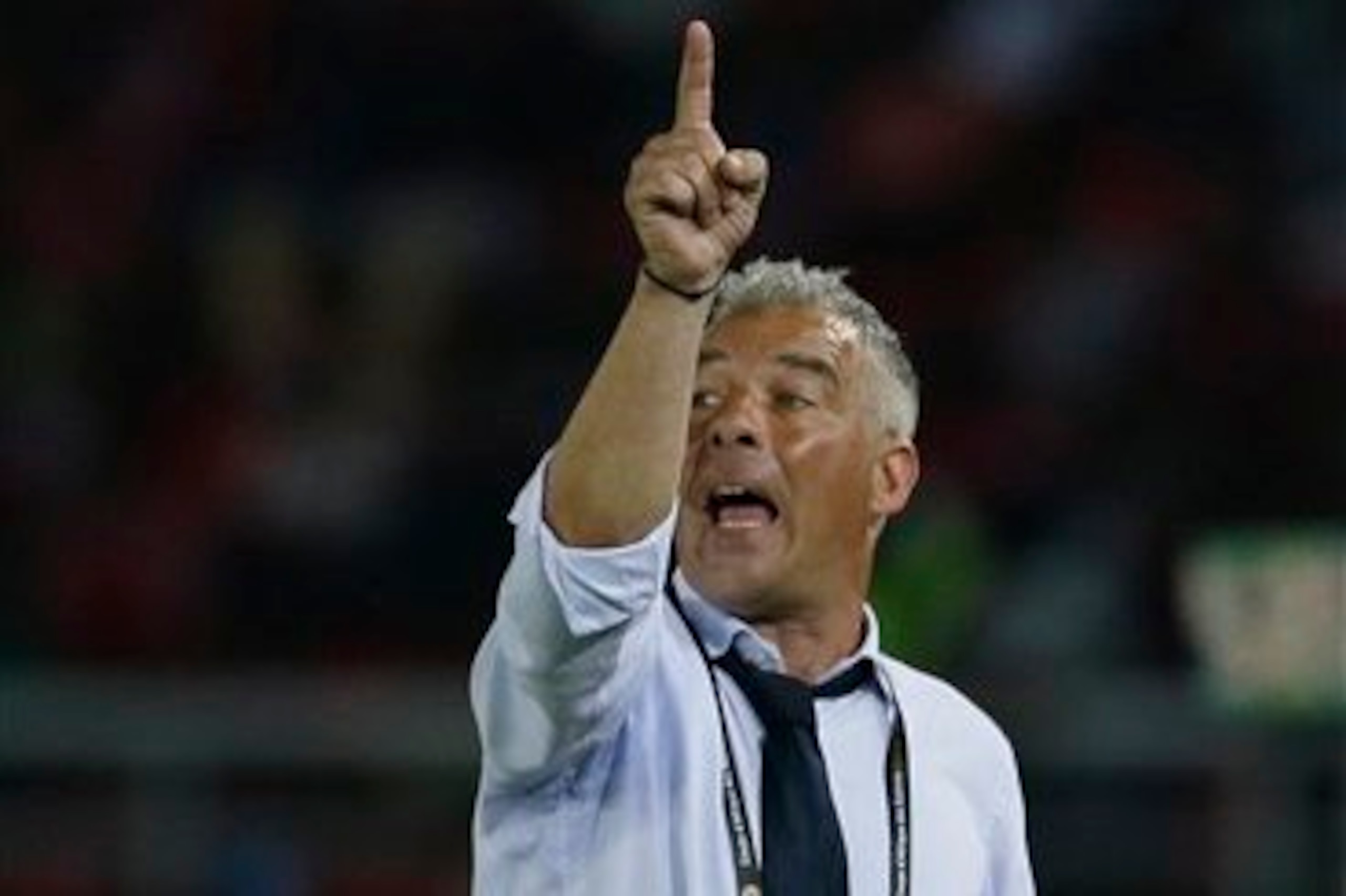
Gabon failed to build on their impressive opening victory, and looked devoid of ideas in their second match against the Republic of Congo when they were beaten 1-0.
That chastening defeat perhaps demands a reassessment of Gabon’s credibility at the Afcon, particularly with hosts Equatorial Guinea—so plucky and persistent—lying in wait in their final group bout.
While Gabon have drifted from the Ritz to the rubble, their recent opponents, the Republic of Congo, have seen their stock rise over the last match and a half.
The Red Devils, under the stewardship of the experienced Claude Le Roy, looked hopeless during the first half of their opener against the hosts.
They appeared to be defensively inept, while star striker Thievy Bifouma was anonymous. However, with every chance that their opponents missed, with every wrongfully called offside decision, Congo grew in confidence and eventually snatched an equaliser through the aforementioned Bifouma.
They took this resolve and rigour into their second fixture, against group-leaders Gabon.
Admittedly, they didn’t look like world-beaters against the surprisingly subdued Panthers, but a Prince Oniangue goal was enough to reward Le Roy and his troops with the three points.
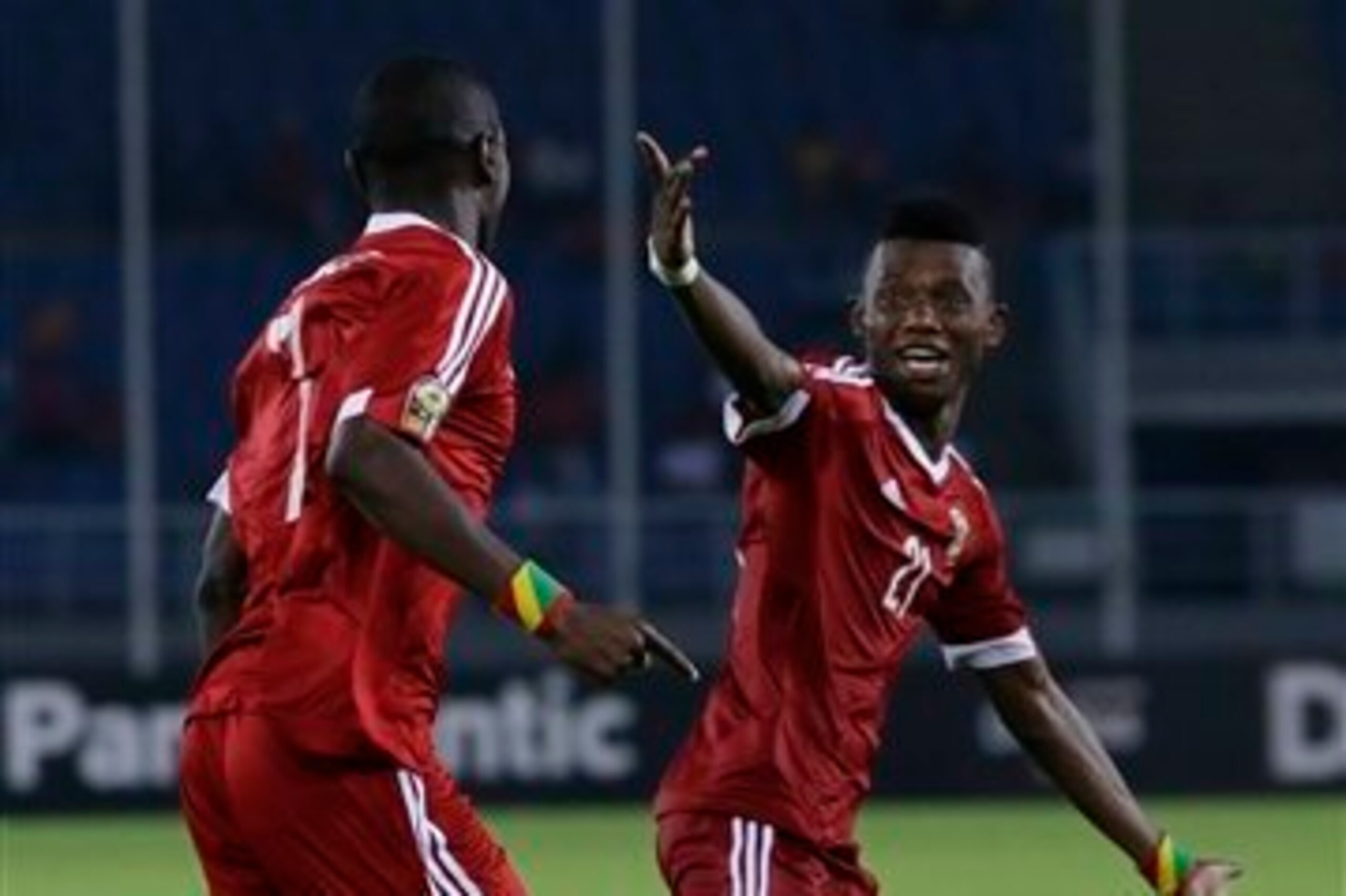
Amazingly, after two fixtures, Congo—who qualified for the Afcon ahead of champions Nigeria—sit atop Group A, with much-fancied Burkina Faso at the base of the pool.
Any of the four teams can, however, still progress to the last eight. It’s still hard to rule out 2013’s finalists, considering the quality they can offer and the drive they showed two years ago.
The two teams that escape from Group A will contest the quarter-finals against their counterparts from Group B…at this rate, any of the four sides that escape from these two groups would be confident of making the semi-finals.
Heading into the tournament, Group B was perhaps the least noteworthy and most evenly balanced of the four groups.
So far, it’s gone to form.
Tunisia—as the only team in the group to have won a match—are best-placed to progress, knowing that a draw against the Democratic Republic of Congo, in Bata, would guarantee a spot in the quarter-finals.
The North Africans have hardly been convincing and have profited greatly from Zambia’s naivety in their second group match.

Leading 1-0, and with Emmanuel Mayuka injured, the Zambians hesitated in making a substitute. Against 10 men, Tunisia took the initiative and equalised. Less than 20 minutes later they were ahead, Yassine Chikhaoui’s header following Ahmed Akaichi’s earlier effort.
Brittleness has been a quality of Zambia throughout the tournament—they have appeared tentative in defence and nervy in attack. Pivotal midfielder Nathan Sinkala was injured in the opener and is out for the tournament, while the prognosis can’t be good for Southampton’s Mayuka, stretchered off against Tunisia.
Zambia’s troubles will surely give succour to Cape Verde, against whom they compete in their group decider.

The Blue Sharks, one of the most balanced outfits in the tournament, have struggled to ignite, although they would have beaten the DR Congo but for some fine saves from goalkeeper Robert Kidiaba.
As things stand, I would tip Tunisia and Cape Verde to escape from Group B, although if Dieumerci Mbokani and Yannick Bolasie can strike up a relationship, the Congolese might unsettle the Eagles of Carthage.
As Groups A and B head into their decisive fixtures on Sunday and Monday night respectively, all eight sides involved will know that everything is to play for.
The quality hasn’t been high, and the offensive play, particularly, has largely lacked cohesion, but the final round of group games promise some high drama with any of the octuplet knowing that they can still secure a spot in the quarter-finals.


.jpg?w=2560 "Chiefs, Steelers Eye WR Trades")

.jpg?w=2560 "WWE Raw Live Grades 🔠")
.jpg?w=2560 "Multiple NFL Trades Predicted")


