
World Football Winners and Losers from Latest Deloitte Rich List Money League
Each year, finance company Deloitte publishes a world football rich list—or a Money League, as it terms the list—ranking the biggest clubs in the game by the revenue they generated over the previous season.
Per Deloitte's report, the latest of which was published Thursday, the ranking system is a measurable metric in which the focus is on the "ability to generate revenue from matchday, broadcast rights and commercial sources."
The top 10 can be seen below, but looking further into the facts and figures, we have come up with our own list of winners and losers from the latest publication beyond.
Top 10 for 2013-14:
- Real Madrid
- Manchester United
- Bayern Munich
- Barcelona
- Paris Saint-Germain
- Manchester City
- Chelsea
- Arsenal
- Liverpool
- Juventus
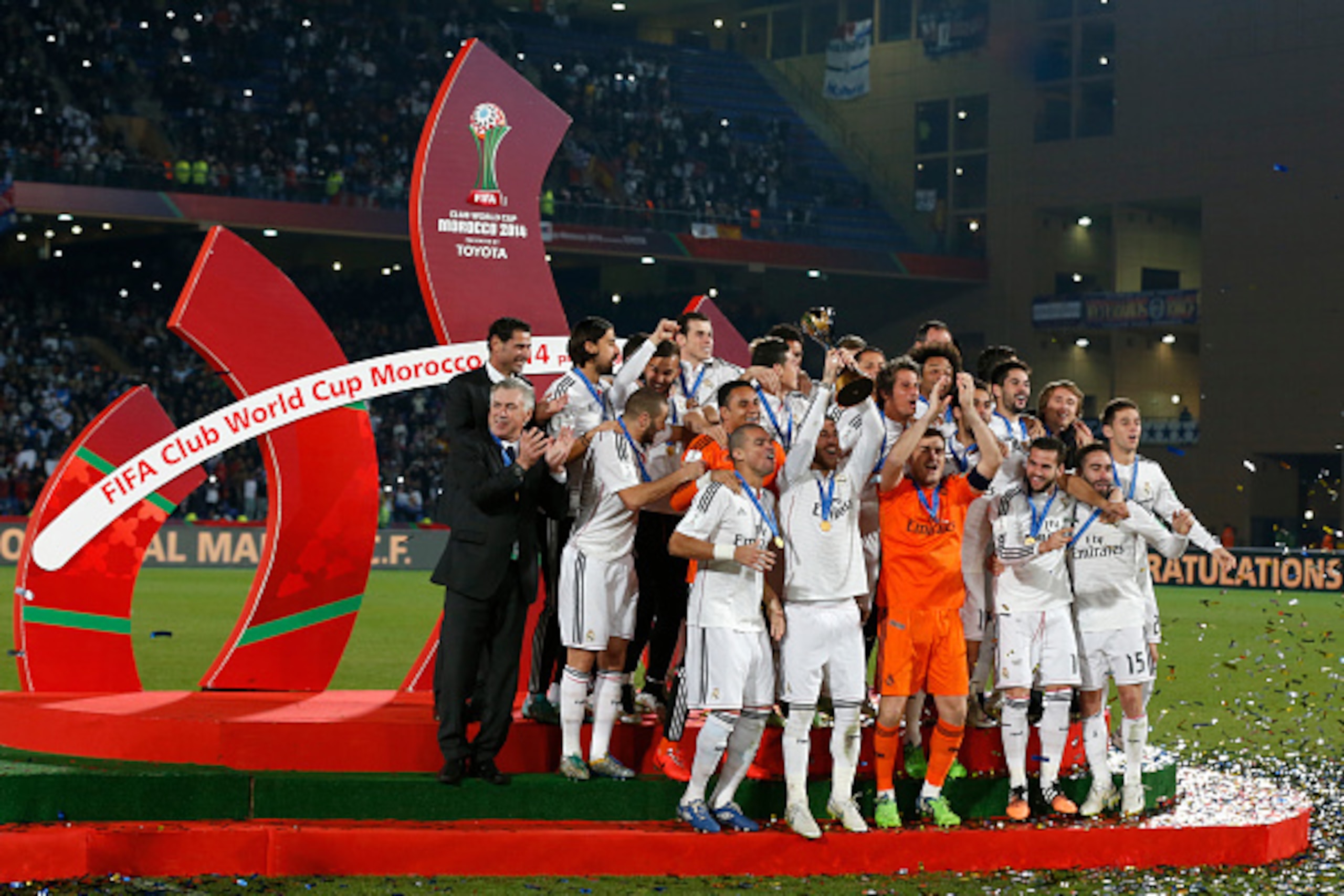
Winners: Real Madrid
1 of 10
Real Madrid, the "world's leading revenue-generating sports team," according to the Deloitte report, made it 10 years atop the Money League with total revenue of €549.5 million for 2013-14, an increase of over €30 million from last year.
It's not a huge increase, but when you're already the biggest moneymaker in the game, it doesn't have to be—especially when it's accompanied by sporting success, which the European Cup win in May ensured it was.
Pre-season trips, increases in shirt sales (star signing Gareth Bale likely contributing) and big commercial growth—including a shirt sponsorship with Emirates—were all credited as reasons for higher revenues. Their run to the Champions League final and a massive share of TV revenue in Spain meant they became the first team to rake in over €200 million in broadcasting over the course of a season.
Losers: Barcelona
2 of 10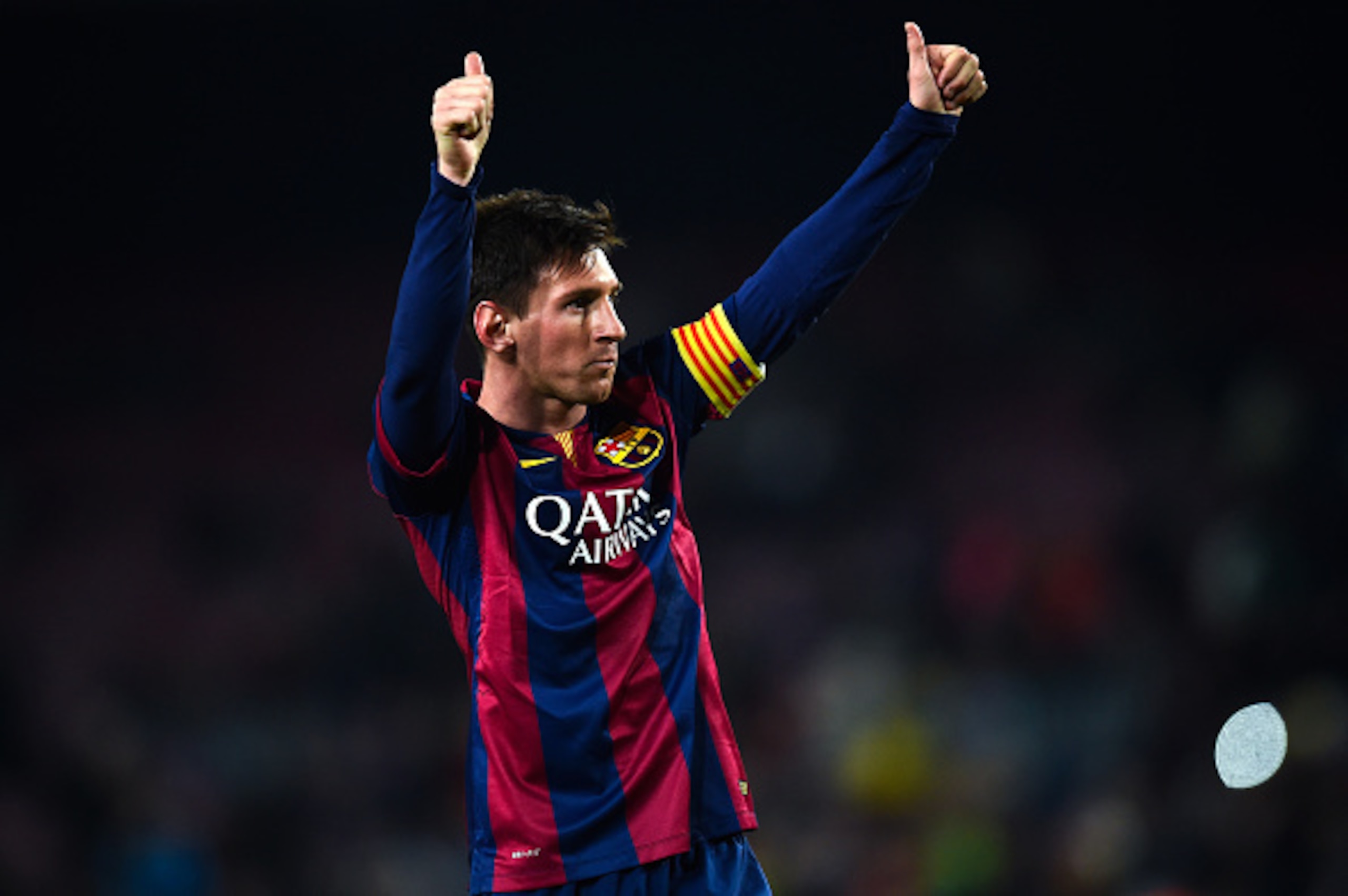
Barcelona dropped from second in last year's Money League to fourth this year, but it's not just about the positional drop. The Catalan club barely saw any revenue growth, with just a €2 million increase, while every other team in the second-to-seventh cluster saw growth of between €60 million and €100 million compared to the previous year.
That's the sort of real-terms comparison the biggest clubs have to deal with, and the fact that Barcelona couldn't match their competitors is what has resulted in their fall.
Indeed, there has been no "significant revenue growth" in the last three years for Barcelona. They generated more than direct rivals Real in matchday revenue, but in terms of commercial income, they fall woefully short.
Couple that with a transfer ban for the next two windows and losing the Liga title on the final day of the season in 2013-14, and it doesn't make pretty reading for the club.
Winners: Manchester United
3 of 10
Manchester United returned to the top two for the first time in six years despite a hugely disappointing season on the pitch, which saw them fall out of the Champions League places and replace their manager twice.
United's massive commercial appeal saw them rake in just over €226 million, comfortably the biggest in that regard within English football. Even bigger growth is on the cards in the next two years. The new Chevrolet shirt sponsorship kicked in from the present season, while Adidas will be the new kit maker from 2015-16, both on lucrative terms.
Of course, a return to the Champions League (or not) will also affect the numbers with regard to both broadcasting and matchday income. Despite a slight drop in the latter, Deloitte reports United to have "the highest matchday revenue of any club in the world."
Regional partners for commercial deals, rather than only global ones, are also cited as an impressive factor in the club's continued growth.

Losers: AC Milan and Inter Milan
4 of 10
Italian football has long since disappeared from the top-earning clubs, and gone are the days when the top Serie A clubs would set records for transfer deals.
Juventus dropped one place (from ninth to 10th), as their revenue remained at the same level as last time, but the two Milan clubs felt the keenest cut of decline. AC Milan dropped out of the top 10, falling to 12th, with revenue declining almost €14 million compared to the previous season. Inter Milan fell from 15th to 17th and saw a slight €0.5 million drop in income.
With both teams also failing to get themselves back on track on the pitch, both swapping managers either before this season or during it, there is little light ahead to improve matters with Champions League football.
Declining gates in Serie A are massively evident. Compare AC Milan's matchday revenue of less than €25 million and Inter's of less than €20 million with Borussia Dortmund's €46 million (11th in Money League), Tottenham Hotspur's €44 million (13th) and Galatasaray's €47 million (18th).
Winners: Liverpool and Atletico Madrid
5 of 10
2013-14 was hugely intriguing on the pitch in England and Spain, as two unfancied sides made charges for the title: Liverpool in the Premier League and Atletico Madrid in La Liga. The former ended second, and the latter won the championship.
Liverpool jumped from 12th to ninth, and Atleti rose from 20th to 15th—the two biggest risers in the top 20 this year. Again, though, it's not really about the positions but the numbers.
The English club had no European football yet saw a massive €50 million increase in revenue on the previous year, partly down to taking the highest share of TV money in the Premier League and a 6 percent commercial revenue increase. With Champions League football to come into effect for the next edition, broadcast revenue should only continue its growth.
More importantly, the club have started redeveloping Anfield stadium, which will eventually lead to far more matchday income. These two future streams will help close the gap on the Premier League's top teams, which continued to stretch the gap between themselves and the Reds.
Atletico, meanwhile, raked in just 25 percent of Barcelona's revenue in 2012-13 but increased that to 35 percent this year. It's an improvement, but it still shows the gulf in disparity between the top two and the rest in Spain—even if "the rest" in last year's case ended up winning the league.
A brilliant run to the Champions League final, which they almost won, aided Atleti's massive broadcast revenue growth, with both matchday revenue and attendances increasing during the course of the season.
Atletico's big challenge is to increase commercial income—the purchase of 20 percent of the club by Chinese billionaire Wang Jianlin is perhaps a step in that direction.
Losers: Chelsea?
6 of 10
Chelsea posted a total revenue increase of around €84 million for 2013-14 and remain in seventh place in the Money League, so at first glance, it seems odd to consider them losers. Of course, in the grand scheme of things, they're not losers at all; they had a title challenge last year and look best-placed to win the Premier League this season, but there are more factors to consider.
The gap between Chelsea and sixth-placed Manchester City last year, their title rivals and the team who overtook them in the 12-13 Money League, was less than €13 million. The gap this year between the two, sixth and seventh again, has more than doubled to €26.5 million.
While the Stamford Bridge side posted record revenues, every Premier League club did—that was the consequence of a new, record-breaking TV deal.
A full-to-capacity stadium prohibits any further matchday revenue growth, and their commercial revenue is miles behind both Manchester clubs. Deloitte notes the expiration of Chelsea's shirt sponsorship deal at the end of this season as one potential area for improvement, but beyond that, the London club will have to work hard to find new income streams—or relocate—if they want continued future growth.
Winners: Lower to Middle Premier League Clubs
7 of 10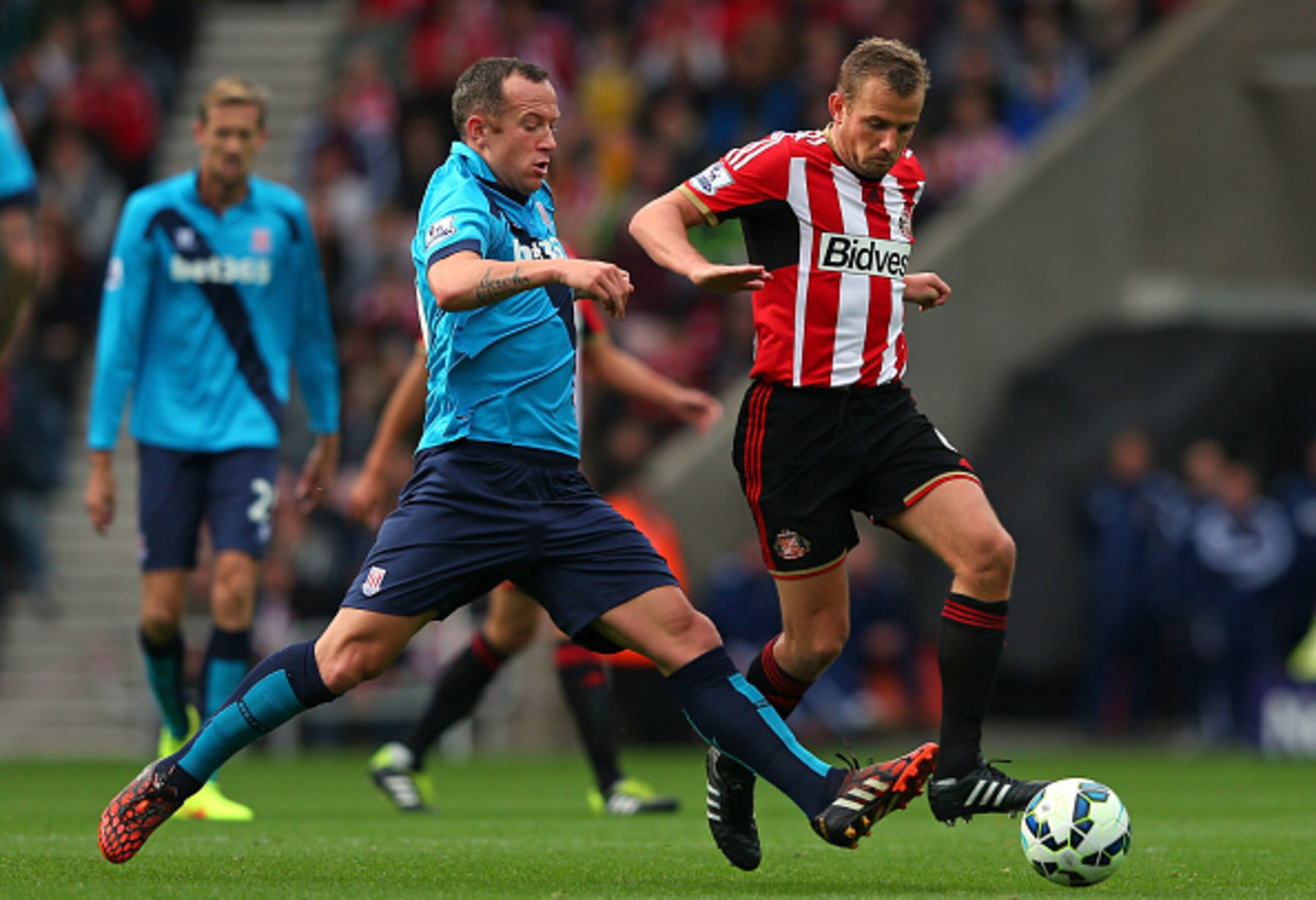
As mentioned in the previous slide, every single Premier League club posted record revenues for 2013-14, but the stats continue to amaze elsewhere.
The number of English clubs in the top 10 increased this year, the number in the top 30 increased by almost double, and all of the top 20 Premier League clubs are inside the top 40 richest clubs in the entire world.
Deloitte states that with another Premier League broadcast deal to be agreed during 2015, it is "likely that the Money League will have a predominantly English appearance in the coming years."
Is it a bubble or a sustainable growth pattern? Can the smaller clubs add commercial revenue by taking advantage of their broadcast appearances? One thing is for sure: With the money only going up in England, there can no longer be any excuse for badly run, financially ruined clubs in danger of administration.
Losers: Financial Muscle and Competition in France?
8 of 10
The top 20 is made up almost entirely of teams from the biggest leagues in Europe, but only one team from France made the grade: Paris Saint-Germain. Winners of the past two Ligue 1 titles, PSG are ranked fifth in the Money League for the second time running, with total revenues of €474 million, just behind Barcelona.
The standout statistic?
PSG raked in the biggest percentage of any top-20 club from commercial deals—a whopping 69 percent, or €327 million, is commercial-based income for the French team. Nobody else even reaches the €300 million mark, and only Bayern Munich, with their 60 percent income on commercial deals totalling €292 million, come close.
Preseason tours, new kit deals, several major organisational affiliations and, of course, the "wide-ranging commercial deal with the Qatar Tourism Authority" all boost PSG's income significantly, which is just as well, as the French Ligue 1 broadcasting rights are minuscule compared to their major rivals.
But what about the rest of Ligue 1?
Nobody figures in the top 20, and only Olympique Marseille, 23rd and €344 million behind PSG, make the top 30.
The difference in income is obscene, and even Monaco have stopped their brief charge toward attempting to head into a spending war with PSG. With no improvement in broadcasting money on the table for French clubs, there is little way to challenge the might of the Parisians—except on the pitch, where it is 11 versus 11.
Right now, PSG trail both Marseille and Olympique Lyonnais in the title race.
Winners: The Richest of the Rich
9 of 10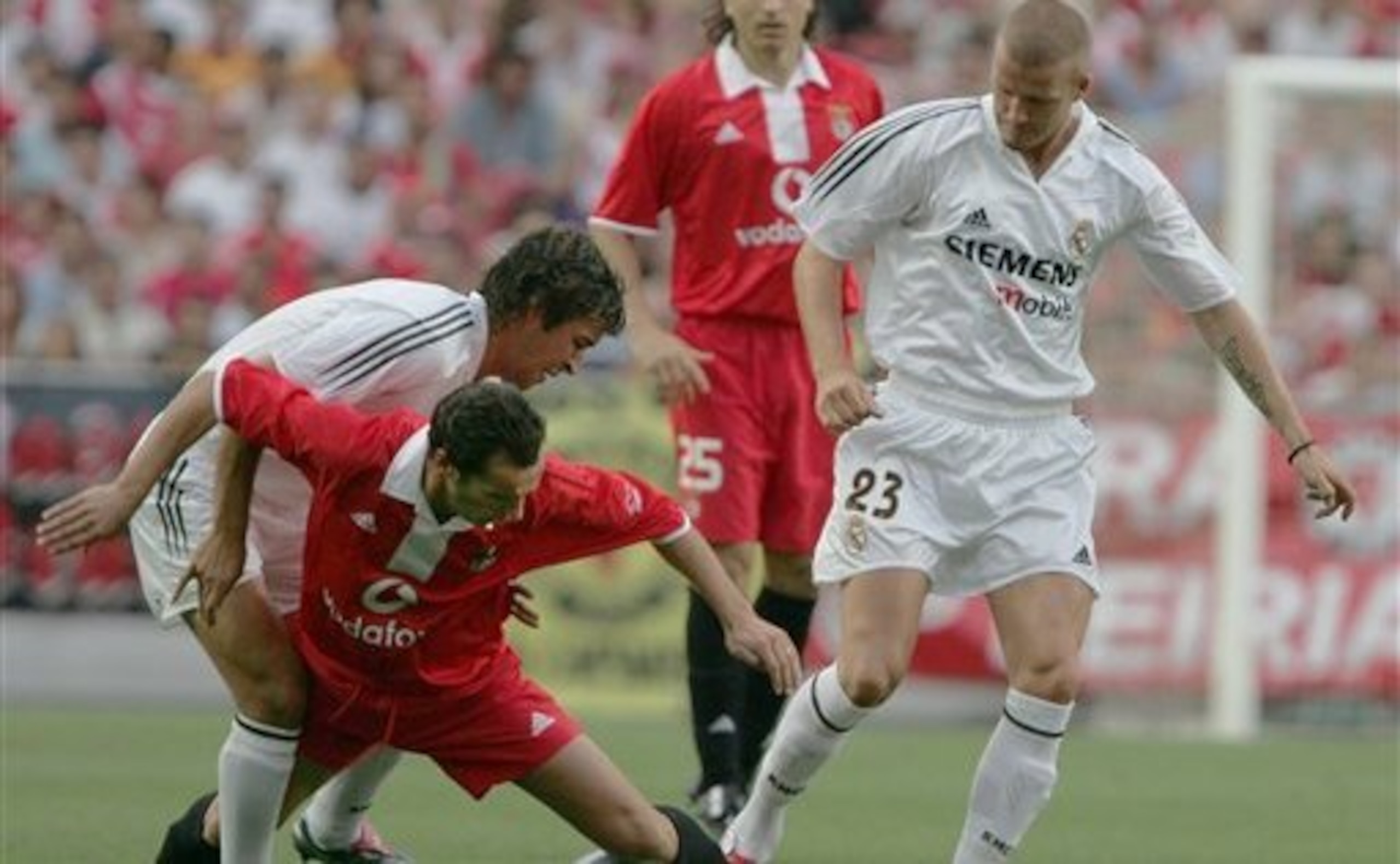
You'll need to take a look at the graph on page eight of Deloitte's report to fully appreciate what is happening here, but, essentially, the gap is getting wider—much, much wider.
This year's top 20, when plotted simply as an income revenue chart, shows a fairly straight line from 20th to 15th and then a steep incline from 14th-placed Schalke to Real Madrid in first.
In 2003-04, the difference between 20th and first was just €175 million. By 2007-08, it had increased to €262 million. The latest figures for 2013-14 show a range of €406 million between the two positions—a gap growth of over 230 percent in the past decade.
The Red Queen theory is out the window here. It's no longer a case of run as fast as you can just to stand still, as the evolution of the money side of the football world continues at a breakneck pace.
Losers: Leagues Outside of the Big Five, ENG, ITA, ESP, FRA, GER
10 of 10
Galatasaray: the only contributors to the top 20 outside of Europe's biggest five leagues, playing in the Turkish Super Lig.
Even stretching to the top 30, only one additional league provides a single additional team: Portuguese outfit Benfica, 20th less than a decade ago, sit in 26th. Otherwise, it's Premier League, La Liga, Serie A, Bundesliga and Ligue 1 all the way.
To put it another way, here's the breakdown for the one-off teams, top teams in their respective leagues, against the semifinalists of last season's Champions League:
- Galatasaray, €162 million
- Marseille, €131 million
- Roma, €127 million
- Benfica, €126 million
versus
- Real Madrid, €550 million
- Bayern Munich, €488 million
- Chelsea, €388 million
- Atletico Madrid, €170 million
With what consistency can sporting success overcome financial muscle? Teams are broken up by clubs with bigger buying power as soon as a group of players or an individual shows promise and ability.
It's this gap that makes it so hard for smaller leagues and clubs to battle the biggest around, and the gap is only getting wider.
And it also perhaps highlights what a fantastic achievement Atletico Madrid's run in 2013-14 was. Now, is it sustainable?
All quotes, facts and figures from Deloitte's report unless stated.

.jpg?w=2560 "Seahawks Chiefs Football")





