

2015 Australian Open: Burning Questions After the Early Rounds
The first week of a Grand Slam event provides the questions. The second week gives us some of the answers.
At the midway point of this year's Australian Open, a number of issues demand to be addressed based on the results of the first three rounds. Whether it was the start of a comeback story, a possible career-altering outcome or a challenge to history, what happened in the first week in Melbourne raised some burning questions.
We attempted to rank 14 burning questions based on the significance and immediacy of the issues.
14. Was Kei Nishikori's Run in the U.S. Open a Fluke?
1 of 14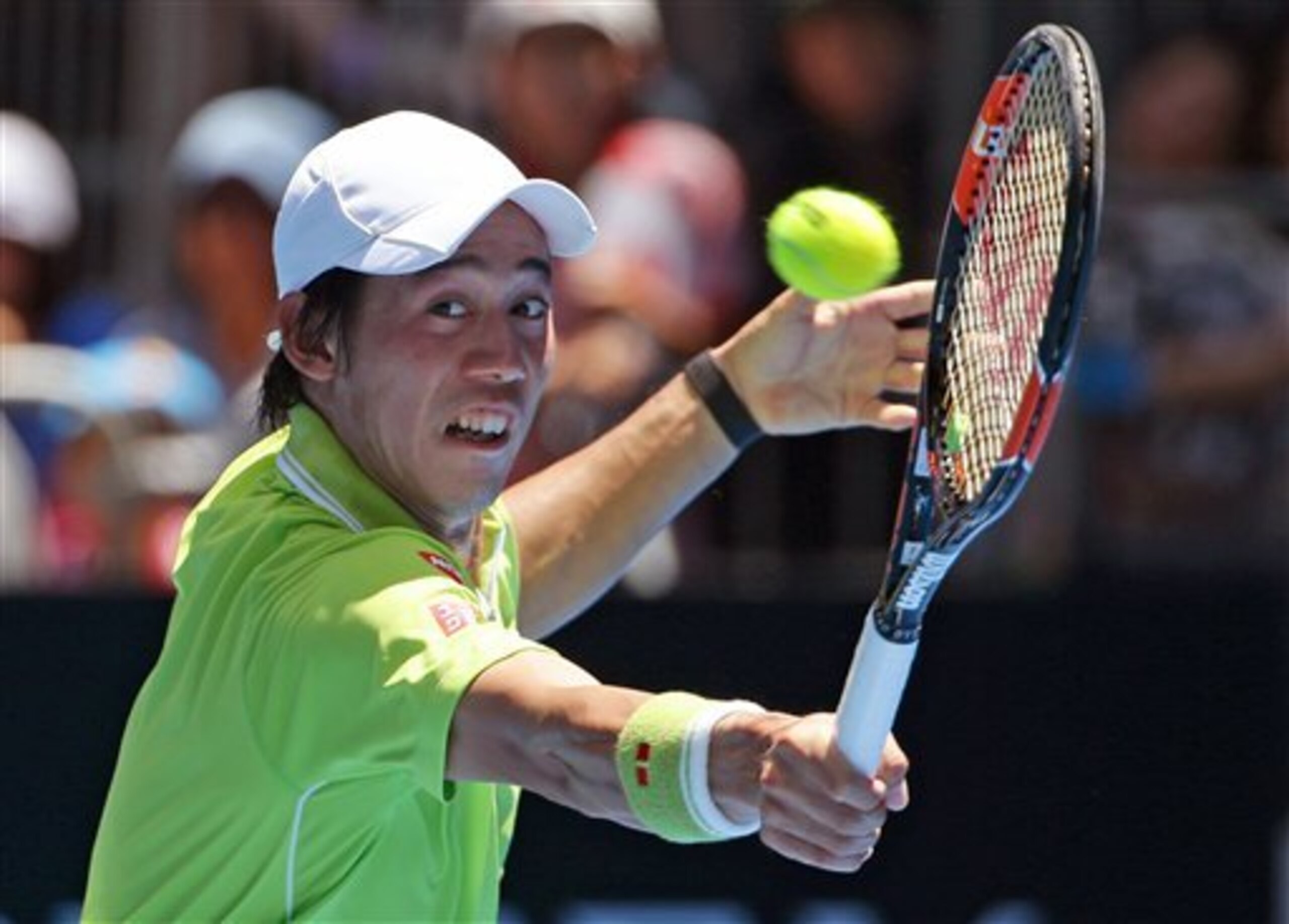
When Kei Nishikori beat Milos Raonic, Stan Wawrinka and Novak Djokovic in consecutive matches to reach the finals at the U.S. Open last year, it was the first time he got past the quarterfinals of a Grand Slam event and only the second time he had gone past the fourth round.
Was that a fluke, or should Nishikori be considered a contender for major titles from now on?
He dropped the first set in both his second- and third-round matches at this year's Australian Open, but he made it to the round of 16 for the fourth time in the last five Grand Slam events.
Nishikori just turned 25 last month, so he should be entering his prime right about now. His results the past few months indicate he may be making that jump to join Djokovic, Rafael Nadal and Roger Federer at the top of the heap.
However, questions remain about his game and whether Nishikori has the weapons needed to beat the top players on a regular basis. Nishikori has lost to Djokovic twice since his victory over the No. 1 player in New York. Federer also has won his last two matches against Nishikori, and Nadal is 7-0 against him.
Nishikori's consistency has lifted his ranking to No. 5. A fourth-round match against gritty David Ferrer will test his fortitude, and any subsequent matches in Melbourne will test whether he belongs among the elite of the game.
13. Is Simona Halep or Eugenie Bouchard Ready to Win a Major?
2 of 14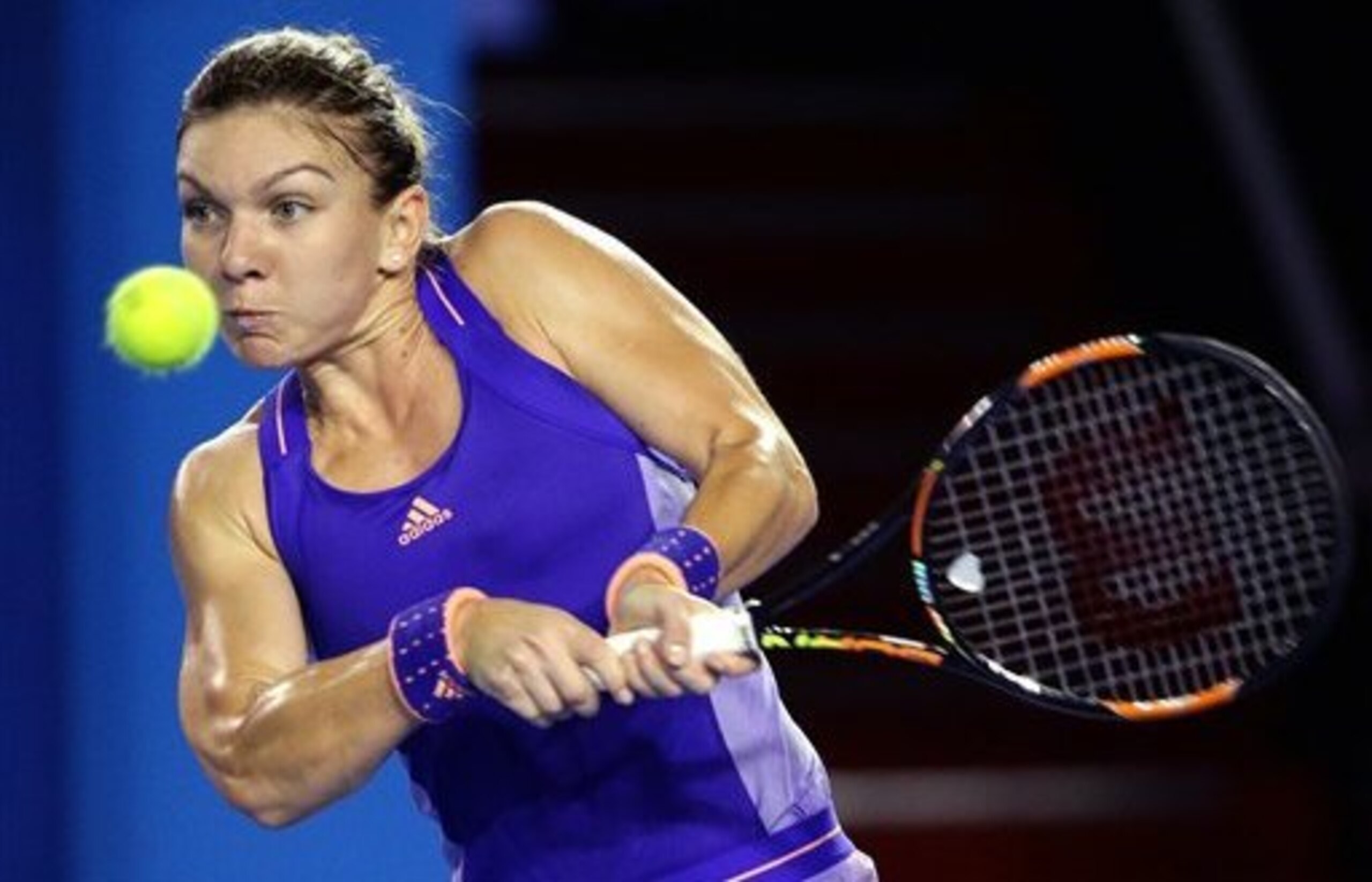
Simona Halep's meteoric rise from a No. 64 ranking in May 2013 to No. 2 in August 2014 led to the assumption that a Grand Slam singles title would be in her immediate future. But the 23-year-old from Romania has not taken that final step.
She reached the finals of a Grand Slam event for the first time at last year's French Open and got to the semifinals at Wimbledon. But the pressure of expectations seemed to affect her at the U.S. Open when she lost to qualifier Mirjana Lucic-Baroni in the third round.
The pressure again affected Halep in her third-round match in the Australian Open against Bethanie Mattek-Sands. Halep held a 6-4, 5-1 lead in that match but seemed to tense up, allowing Mattek-Sands to tie the second set 5-5. Halep gathered herself to finish off that set 7-5, but such lulls may doom her against better players.
Halep has the skills to win a major title; it's just a matter of whether she has the maturity yet.
Eugenie Bouchard, on the other hand, seems to thrive in the limelight of the Grand Slam events. She got to the round of 16 in all four majors last year, reaching the semifinals in three of them and the finals at Wimbledon. That's a remarkable run of consistency on the big stage for a player who was ranked No. 145 while losing in the second round of qualifying at the Australian Open just two years ago.
Bouchard, who turns 21 next month, seems to relish the exposure and big crowds provided by the majors. Her results at other tournaments have not been nearly as good. She certainly is not intimidated by the moment or by the opponent, and she will be a handful for Maria Sharapova in the quarterfinals if both get by their fourth-round foes.
Bouchard has the court presence of a Grand Slam tournament champion, and she might win a major before 2015 is over.
12. Is Nick Kyrgios the Next Great Australian Player?
3 of 14
Australia, much like the United States, has been thirsting for its next great tennis player. Nick Kyrgios could be it.
Only tennis aficionados knew his name when he was the No. 1 junior player in the world, but everyone took notice when Kyrgios, then ranked No. 144, beat Rafael Nadal to reach the quarterfinals of Wimbledon last summer.
Tennis history is filled with players who pulled off one major upset or had one impressive Grand Slam tournament. But Kyrgios is starting to back up that Wimbledon performance.
The spotlight of Grand Slam events obviously does not bother him. Kyrgios got to the third round of the U.S. Open and is through to the round of 16 in the Australian Open.
A little shaky at the outset, Kyrgios needed five sets to get past Federico Delbonis in the first round but then eliminated Ivo Karlovic, the No. 23 seed, in four sets in the second round and Malek Jaziri in straight sets in the third round.
Kyrgios benefited from Roger Federer's loss to Andreas Seppi, who is Kyrgios' fourth-round opponent, with Andy Murray or Grigor Dimitrov after that.
Kyrgios will have the full support of the Australian crowd, and with his bold, attacking game, he does not need much help.
Currently ranked No. 53 and still just 19 years old, Kyrgios could be on the brink of a breakout tournament that would prove his Wimbledon performance was no fluke.
.jpg?w=2560 "Seahawks Chiefs Football")

11. Can Stan Wawrinka Do It Again?
4 of 14
Can Stan Wawrinka possibly be the story of the Australian Open for the third straight year?
He was just another rank-and-file player until his epic 1-6, 7-5, 6-4, 6-7, 12-10 loss to Novak Djokovic in the fourth round of the 2013 Australian Open. It was one of the most exciting matches in Australian Open history, and it branded Wawrinka as a potential star despite the defeat.
Wawrinka went one better the next year, beating both Djokovic and Rafael Nadal on his way to his first Grand Slam singles title.
A late bloomer who turns 30 in March, Wawrinka saw his ranking climb to No. 3 last year before settling at the current No. 4 slot.
He has been almost unnoticed this year, quietly and efficiently steamrolling everything in his path without the loss of a set. He will be favored in his fourth-round match against Guillermo Garcia-Lopez, even though Garcia-Lopez won their only previous encounter on the French Open clay last year.
If Wawrinka gets to the semifinals, he would likely face Djokovic again. The two have played 10 sets of breathtaking tennis in the past two Australian Opens, and no one would be disappointed if they collided again in Melbourne.
10. Is the Andy Murray Tailspin Over?
5 of 14
Andy Murray was among the world's best players a few years ago. His status steadily climbed until he won Wimbledon in 2013 and became the first British man since 1936 to win the event. Winning that tournament eased a lot of pressure that had been building on Murray in Great Britain, but conquering that challenge also seemed to rob him of his psychological edge.
Certainly a back injury that required surgery contributed to his modest decline, but there also seemed to be letdown after he had scaled the Wimbledon mountain.
He did not reach the finals of any of his next 17 tournaments and got to the semifinals of only one. His ranking slipped from a high of No. 2 right after his Wimbledon victory in 2013 all the way down to No. 12 this past September.
Murray seemed to be getting his form back at the end of 2014, winning three of his final seven tournaments heading into this year's first Grand Slam event and getting his ranking back up to No. 6.
He has been impressive through three rounds of the Australian Open, winning all three matches in straight sets to keep him relatively fresh. Murray faces a challenging fourth-round match against Grigor Dimitrov, who won two of three matches against Murray in 2014, including a straight-sets victory at Wimbledon.
However, Murray is playing better now than he was in 2014, and if he gets past that match, the draw may open up for him. Roger Federer, who would have been Murray's quarterfinal opponent, is gone, and Rafael Nadal, who could be Murray's semifinal opponent, is not playing his best at the moment.
Some may claim Murray's November engagement to longtime girlfriend Kim Sears set him on a steady path toward a resurgence. Whatever the case, he seems to be a factor at majors again. Whether he is ready to contend for a Grand Slam title again is the question.
9. Has Sloane Stephens' Time Come and Gone?
6 of 14
Sloane Stephens is just 21 years old, still young enough to climb back up the rankings and make a splash at Grand Slam events.
But her 6-3, 6-2 loss to unseeded Victoria Azarenka in the first round of the Australian Open seemed symptomatic of a career in decline.
You may recall that when she beat Serena Williams to reach the Australian Open semifinals in 2013, it started a run in which she reached at least the round of 16 in six straight Grand Slam events. She became known as the next big thing in American tennis. Her ranking climbed as high as No. 11 in October 2013, and a rise into the top 10, maybe the top five, seemed inevitable.
But this Australian Open was the third straight major in which she failed to get past the second round, and that upward momentum has disappeared. She lost to players ranked outside the top 90 in the previous two majors, and she has done nothing of note since then. Although losing to a resurgent Azarenka in Melbourne is no embarrassment, she did not seem competitive in the match.
A wrist injury in September may be responsible for her recent slump, but the simple fact is that her ranking now stands at No. 32 and is headed in the wrong direction.
It's possible that unreasonable and unwarranted expectations and pressure were placed on Stephens two years ago because of this country's hunger for the next American star.
Will her drop out of the spotlight help her relax and prosper?
"It's not going to change because I lose and you guys are still here. You guys are still tweeting, you guys are still talking about me. It never really changes," she said after her loss to Azarenka, according to Jim Caple of ESPN.com. "Once you do something good and you're kind of—not that I'm bad at tennis and I haven't been great, but I'm a good tennis player, so there's something to talk about there. I don't think it goes away. Once it's there, it's there."
8. Is Maria Sharapova Capable of Breaking Through the Serena Barrier?
7 of 14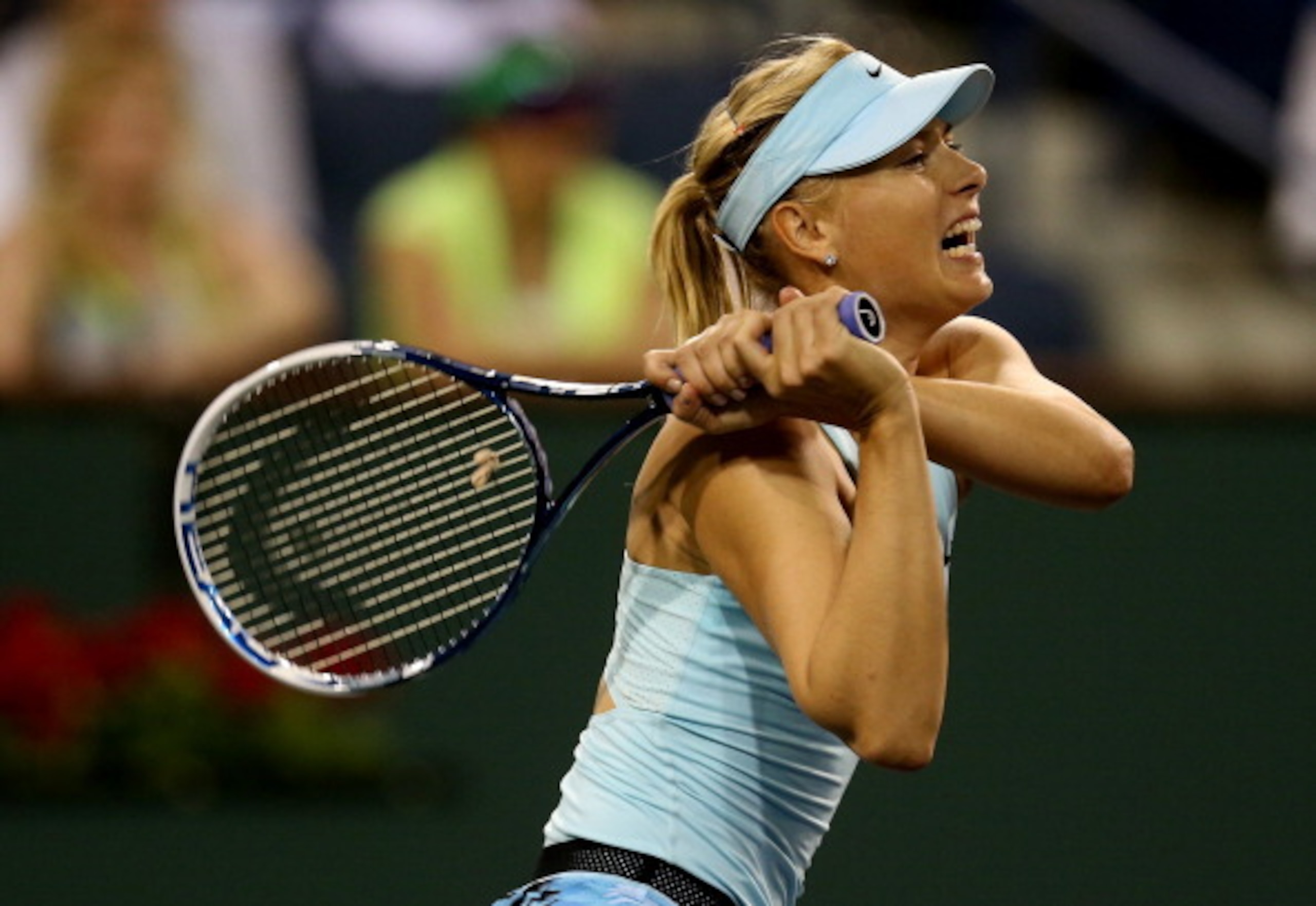
Maria Sharapova is No. 2 in the world, but even though she has closed the ranking-points gap between her and Serena Williams, Sharapova remains a distant No. 2 in people's minds.
Sharapova has some work to do to get to the Australian Open finals, possibly having to beat both Eugenie Bouchard and Simona Halep to get there. But if she gets to the finals and faces Williams, the big question will arise again: Does she have what it takes to topple her nemesis?
Williams has owned Sharapova, beating her 15 times in a row. That includes their last four encounters in Grand Slam events and their last nine meetings on hard courts. Sharapova has not beaten Williams since 2004 when she was 17, and most of her losses to Williams since then have been one-sided.
Sharapova has played well recently, and her No. 2 ranking matches her highest standing since she was No. 1 for seven weeks in 2005. However, you wonder whether she can ever get past the Williams hurdle when a Grand Slam title is on the line.
Although she had a three-set struggle against Alexandra Panova in the second round, Sharapova continues to look strong in the Australia Open. The fact that Williams has looked somewhat beatable recently may give Sharapova some confidence if she has to face the No. 1 player in the finals. However, the two play the same type of game, and Williams is a little more athletic, powerful and more successful in big matches, having won 18 Grand Slam titles compared to Sharapova's five.
Then there's that added psychological barrier: 15 straight losses over a span of 10 years is a lot of mental baggage to lug on the court for a Grand Slam final.
7. Is Djokovic Ready for Another Dominant Year?
8 of 14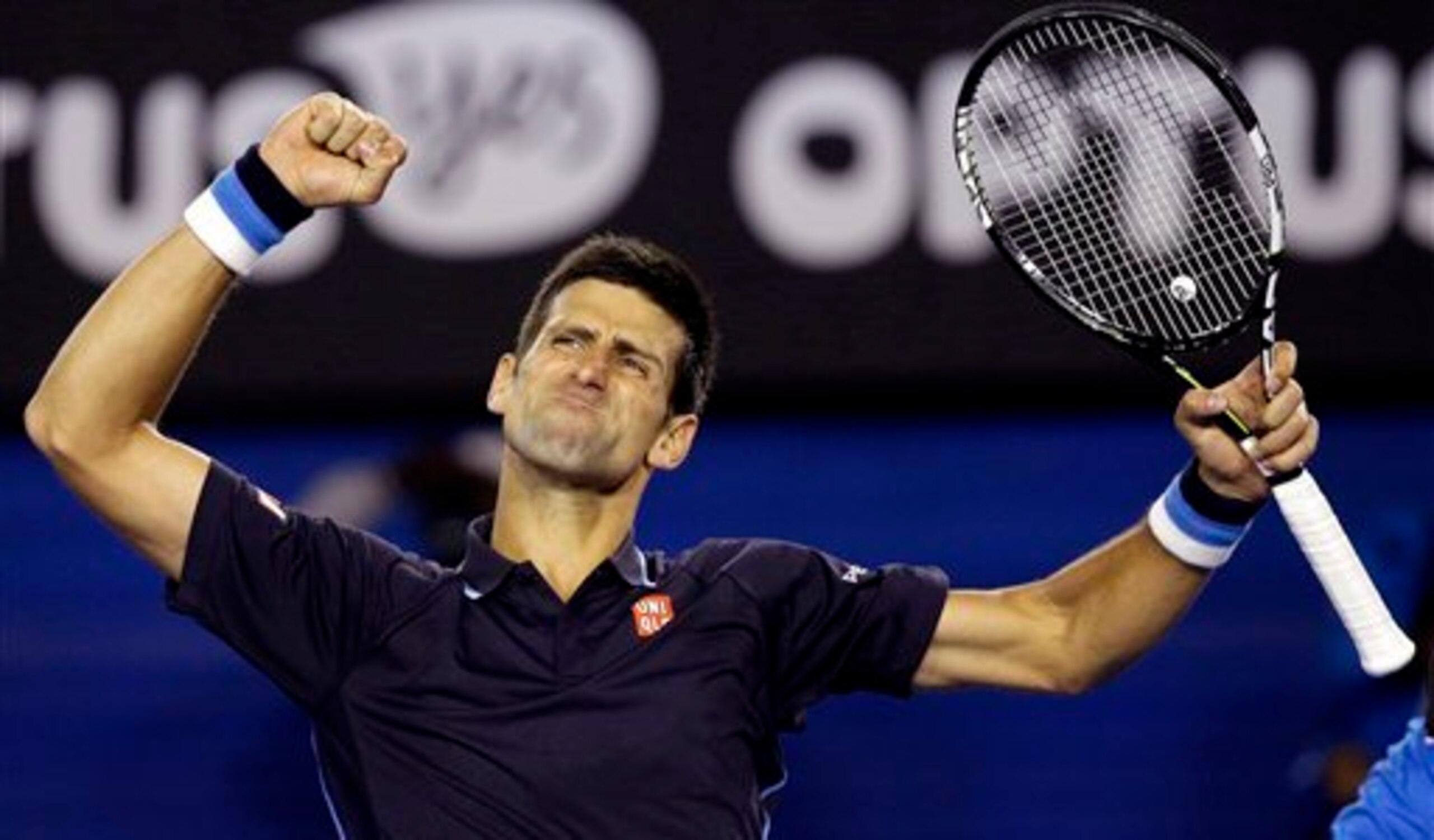
Novak Djokovic crushed the opposition in the first week of the Australian Open, making people wonder whether he is gearing up for a season as dominant as the one he had in 2011. He won three Grand Slam titles that year and was a semifinalist in the fourth. He won 10 tournaments and had a match record of 70-6 in 2011. When he added the 2012 Australian Open title, it gave him four titles in a span of five majors.
Djokovic was just 24 years old, and he owned the tennis world.
He is again the No. 1 player in the world, but his complete dominance of the sport is gone. His victory at Wimbledon last year was his only title in the past seven Grand Slam events. Rafael Nadal has beaten him the last four times they have met in a major.
However, things may be aligning for another Djokovic run. He won three of his final four tournaments of 2014, and although a loss to Ivo Karlovic in an Australian Open warm-up event at Doha was unexpected, he has been steamrolling foes in Melbourne. He has yet to lose a set in the tournament and has played a tiebreaker just once.
With Roger Federer already out and Rafael Nadal not in top form, Djokovic's toughest competition could come against Stan Wawrinka in the semifinals. The two have played breathtaking five-set matches the past two years at the Australian Open, and Djokovic's performance in a third straight meeting this year could indicate how his 2015 season will go.
6. Is Victoria Azarenka Back?
9 of 14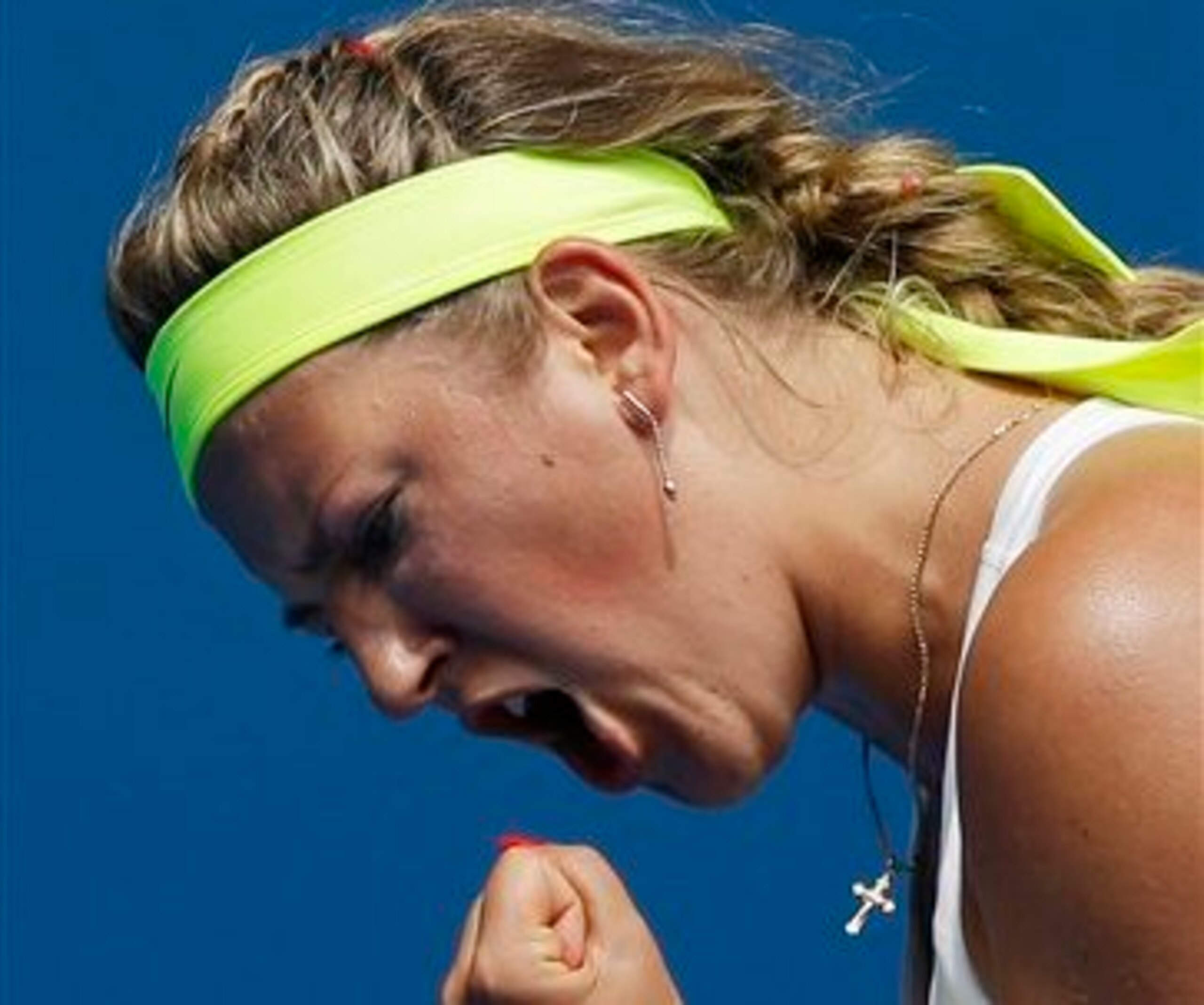
Injuries have played havoc with Victoria Azarenka's career in recent years.
Two years ago, she won her second Australian Open title and was ranked No. 1. In the finals of her next tournament she beat Serena Williams, and she beat Williams again in Cincinnati in August to capture another tournament title. She then lost a three-set match to Williams in the finals of the 2013 U.S. Open, and things went south from there.
An inexplicable slump that fall was followed by foot and knee injuries that limited her to five matches, four of which she lost, during a seven-month stretch from January to August 2014.
Azarenka was ranked No. 44 when this year's Australian Open began, but slowly she has been getting healthy, and slowly her results have improved. She has been particularly impressive in Melbourne, winning all three of her matches in straight sets, including a 6-4, 6-2, second-round victory over No. 8-seeded Caroline Wozniacki. She did a brief dance for the crowd after that big win, an indication the 25-year-old is feeling pretty good about herself these days.
Can she maintain that level of play through the rest of the tournament? Can she make it back to the top 10 this year, perhaps even the top five?
Is she back?
5. Can Venus Williams Muster Another Grand Slam Title?
10 of 14
There are times, even now, when 34-year-old Venus Williams resembles the player she was in 2002, when she was ranked No. 1. Those times seem to be occurring more often recently.
However, the last of her seven Grand Slam singles titles came seven years ago, and she has not been past the fourth round at a major since 2010.
Injuries have plagued her, and she has not been the same player since she was diagnosed in the summer of 2011 with Sjogren's syndrome, an autoimmune disease that, among other thing, robbed her of stamina. She dropped out of the U.S. Open as a result, and according to the Daily Mail, she told People, "I couldn't raise my arm over my head, the racket felt like concrete. I had no feelings in my hands. They were swollen and itchy. I realized it would be a miserable show."
She didn't play any tournaments for seven months, and her participation on the tour has been limited ever since. He ranking dropped out of the top 100, and it seemed her career was on a rapid decline. She was capable of playing outstanding tennis for a set, sometimes even an entire match, but seldom could she sustain it over several matches.
Recently, Williams has been playing more consistent tennis. She won the warm-up event at Aukland earlier this month, and her ranking is up to No. 18.
She has continued the upswing at the Australian Open. Perhaps the most encouraging thing about her 4-6, 7-6, 6-1 third-round victory over Camila Giorgi is that she played her best tennis in the late stages of the match. It's the first time she has reached the fourth round of a Grand Slam event since Wimbledon in 2011, shortly before she was diagnosed.
But does she have the strength to continue to play at the level needed to beat the players she will face the rest of the way? Can she be consistent enough to reach the Australian Open finals or possibly even win it?
Does she have the ability to be a factor in Grand Slam events again?
4. Is Nadal Ready to Win Another Major?
11 of 14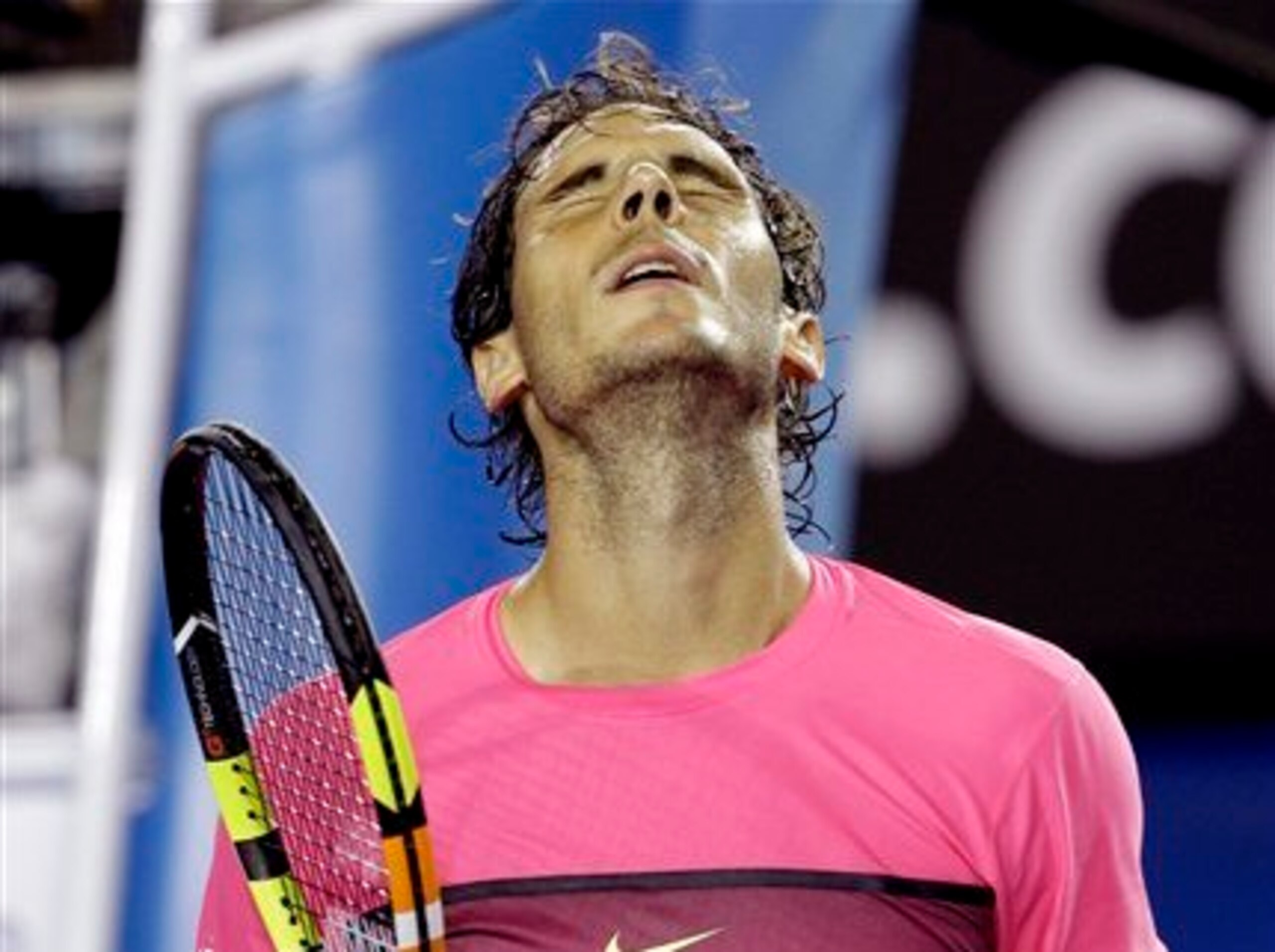
Rafael Nadal stated before the Australian Open began that he did not consider himself a contender for the title. It was easy to see why.
Health issues, such as the removal of his appendix and a recurring back problem that called for stem-cell treatment, had limited his activity since June. And when he did play, he did not play well. Nadal played just 10 tournament matches after winning his ninth French Open title in early June, and he lost to three players ranked outside the top 100 in those five tournaments, never getting past the quarterfinals.
When Nadal felt ill while struggling to get through a five-set victory over 112th-ranked Tim Smyczek in the second round of the Australian Open, it seemed a tournament exit was near and inevitable. But then, in typical Nadal fashion, he gathered himself and played his best tennis in months in a convincing 6-0, 6-1, 7-5 victory over Dudi Sela.
“I started playing well with not many mistakes, and Dudi was making more than usual in the first two sets, but I was playing much better than the other day,” said Nadal, according to The Guardian.
Sela, who is ranked No. 102, is not a great player, but Nadal's rejuvenated performance was a reminder of past Wimbledons. He typically struggles in the early rounds at the All-England Club but becomes dangerous if he makes it to the second week.
The Australian Open is different, of course. Nadal's problems in the first week at Wimbledon result primarily from the fact that the grass courts are slicker and faster early in the tournament, countering Nadal's strengths. By the second week, the footing becomes more solid and the courts become slower, working to his benefit.
Nonetheless, Nadal's mental toughness and tenacity make him difficult to stop in any Grand Slam event once he gets on a roll, and that victory over Sela may have provided the impetus. With Roger Federer now out, his path to the finals got a bit easier.
Is Nadal sharp or healthy enough to win a second Australian Open and 15th Grand Slam title?
3. Is American Tennis Finally Making a Comeback?
12 of 14
The question for the past decade has been the same: Where have all the great American tennis players gone?
Well, they are still absent on the men's side, but there have been hints the past several years that some young American women were about to make a breakthrough. It may be happening at the Australian Open.
Four Americans reached the round of 16 in women's singles, and at least one, and quite possibly three, will get to the quarterfinals. The last time four or more American women reached the second week in Australia was in 2003. The last time four American women reached the fourth round of any Grand Slam event was the 2013 French Open, and Serena Williams was the only one of the four to advance to the quarterfinals at Roland Garros that year.
Serena Williams will be favored to get to the quarterfinals in Melbourne, and Venus Williams would get there too if she beats No. 6-seeded Agnieszka Radwanska, an opponent she is very capable of beating. Either Madison Keys or Madison Brengle will get to the final eight as well because those two Americans play each other in the fourth round.
The most intriguing of the four is Keys, who turns 20 next month. She had reached the third round of a major event three previous times, but her 6-4, 7-5 victory over No. 4 seed and two-time Wimbledon champion Petra Kvitova was a significant breakthrough.
Keys simply beat Kvitova at her own game in a power-packed matchup of big hitters. Although she is ranked only No. 35 at the moment, she plays the type of aggressive power game that's apt to improve over the next few years, perhaps making her a threat to win Grand Slam events in the not-too-distant future.
If Keys beats Brengle, she could face Venus in the quarterfinals, which would provide an interesting clash of different generations of American tennis.
The results of a single tournament are not conclusive evidence of an American revival, of course. We are a long way from 2001 or 2002 when the top three female players in the world were American-born.
But the United States has a lot more going for it on the women's side than on the men's side, with no American male in the round of 16 in Melbourne. It's a far cry from 1979 when seven of the world's top 10 male players were from the United States, with a steady stream of No. 1-ranked players, from Jimmy Connors to John McEnroe to Jim Courier to Pete Sampras to Andre Agassi to Andy Roddick.
Is this current crop of American women on the brink of making a national statement?
2. Will Serena Williams Pass Navratilova and Evert in Grand Slam Titles?
13 of 14
Serena Williams is competing against history as well as other players these days, and that evokes many questions. The immediate question, one she may answer at this Australian Open, revolves around her status vis-a-vis Chris Evert and Martina Navratilova.
Williams' triumph in last year's U.S. Open gave her an 18th Grand Slam singles title, tying her with Evert and Navratilova. Will she get her 19th major title in Melbourne this year? She is certainly favored to do so, and there is no one in the draw she can't beat, although a potential quarterfinal match against resurgent Victoria Azarenka will be interesting.
If Williams does win the Australian Open, it will leave her just three Grand Slam titles shy of Steffi Graf's Open-era record of 22 major titles and five short of Margaret Court's all-time record of 24 Grand Slam singles titles.
Can she maintain her elite status long enough to catch them?
Williams is 33 years old, and her inevitable decline has to start sometime. But when? She started slowly in her second- and third-round matches in this Australian Open, having to fight off three set points in the first set of her 7-5, 6-0 victory over Vera Zvonareva and then losing the first set in her 4-6, 6-2, 6-0 victory over No. 26-seeded Elina Svitolina.
She finished each match with dominating tennis, but are the slow starts an indication of aging?
Navratilova won her last major singles title at age 33. Evert was 31. Graf was just 29 when she captured her final Grand Slam singles title, but she was still at the top of her game when she retired.
That leads to another question: How much longer will Williams keep playing? She has been No. 1 for 101 consecutive weeks, nearly two years, although she is not quite as dominant as she was two years ago.
If Williams does capture this Australian Open, the first question will be whether she can capture all four majors this year and become the fifth player to complete a Grand Slam. She has won each of the four majors at least twice, and she won three of them in 2003 when she did not compete in the Australian Open.
She still has those occasional days when she does not seem ready to play and loses to a much inferior player. However, at the top of her game, she is still clearly better than anyone else in the field.
Can she maintain that level through another major? Through three more?
1. Where Does Roger Federer Go from Here?
14 of 14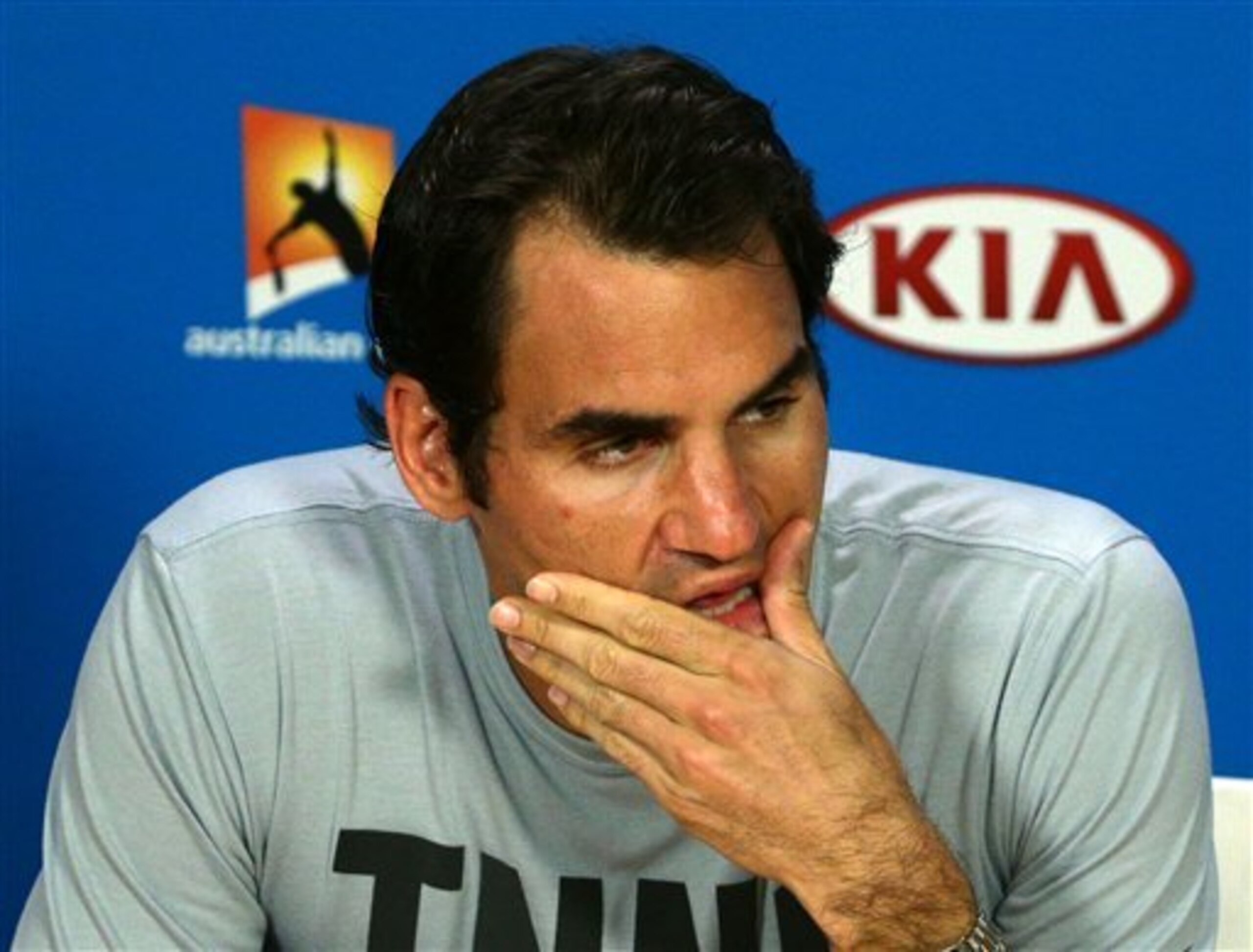
Roger Federer rolled into the Australian Open with loads of confidence, knowing he had a realistic chance to win his first Grand Slam title since 2012 and add to his record 17 major titles.
Federer and his fans were encouraged by his strong recent performances. He beat four players ranked in the top eight at the ATP World Tour Finals in November and then won the Australian Open warm-up event in Brisbane.
His ranking had climbed to No. 2, not too far behind No. 1 Novak Djokovic and well ahead of No. 3 Rafael Nadal. Perhaps more significantly, Nadal, Federer's longtime nemesis, had not played well or often since Wimbledon and looked beatable.
Federer had embraced the coaching of Stefan Edberg, who encouraged him to come to the net more, perhaps the only way he could get past Nadal and Novak Djokovic these days. Despite being 33 years old and facing a difficult draw at the Australian Open, Federer had every reason to be optimistic.
It didn't happen. Instead of recapturing past glory, he had one of his worse Grand Slam performances. He started slowly in a four-set, second-round win over Simone Bolelli and then never found his groove in a four-set, third-round loss to Andreas Seppi, who is ranked No. 46 and had lost all 10 previous matches against Federer.
It was the first time since 2003 that Federer failed to reach at least the semifinals of the Australian Open and only the second time in the last 43 Grand Slam events that he did not get at least to the round of 16.
A bigger concern is that Federer did not look good in his loss. He seemed sluggish throughout the match, and his typically flawless footwork betrayed him. He did not play the big points well and was at a loss afterward to explain what happened.
Chris Evert said in her post-match TV commentary that as players age, they are prone to inexplicable off days when they simply can't get into the proper frame of mind.
Instead of being a harbinger of a Federer resurgence, his showing was a reminder that he had now gone 10 consecutive Grand Slam events without a title. And this time he lost to someone outside the top 40.
TV commentator Darren Cahill said Federer typically snaps back from disappointments as well as anyone, and John McEnroe said he expects Federer to play several more years.
As he typically does, Federer is taking a break after the Australian Open and will not play a tournament until the Dubai event that starts Feb. 23. But he will turn 34 in August, and it seems to be getting more difficult for him to sustain the high level of tennis needed to win another major title.
Federer is ranked No. 2, but is he still capable of completing the challenging seven-match run to a Grand Slam title?





.jpg?w=2560 "Raiders Sticking with Cousins")