Word is you should never say never, but you can make exceptions. For example, I'm certain Ben Revere will never win the Home Run Derby, and equally certain Bartolo Colon will never hit an infield single.
Regrettably, I'm also certain that some players will never be voted into the Hall of Fame by the Baseball Writers Association of America. And not just any players, either. I'm talking about worthy ones.
Of the players currently on the ballot, there are seven who stand out as being totally deserving of a place in the Hall of Fame and totally screwed as far as their standing in the voting. Maybe they have a shot of getting into Cooperstown via a committee someday, but the writers clearly won't put them there.
If you'll follow me this way, we'll break 'em down in the order of (in my opinion) their worthiness.
7. Larry Walker
1 of 7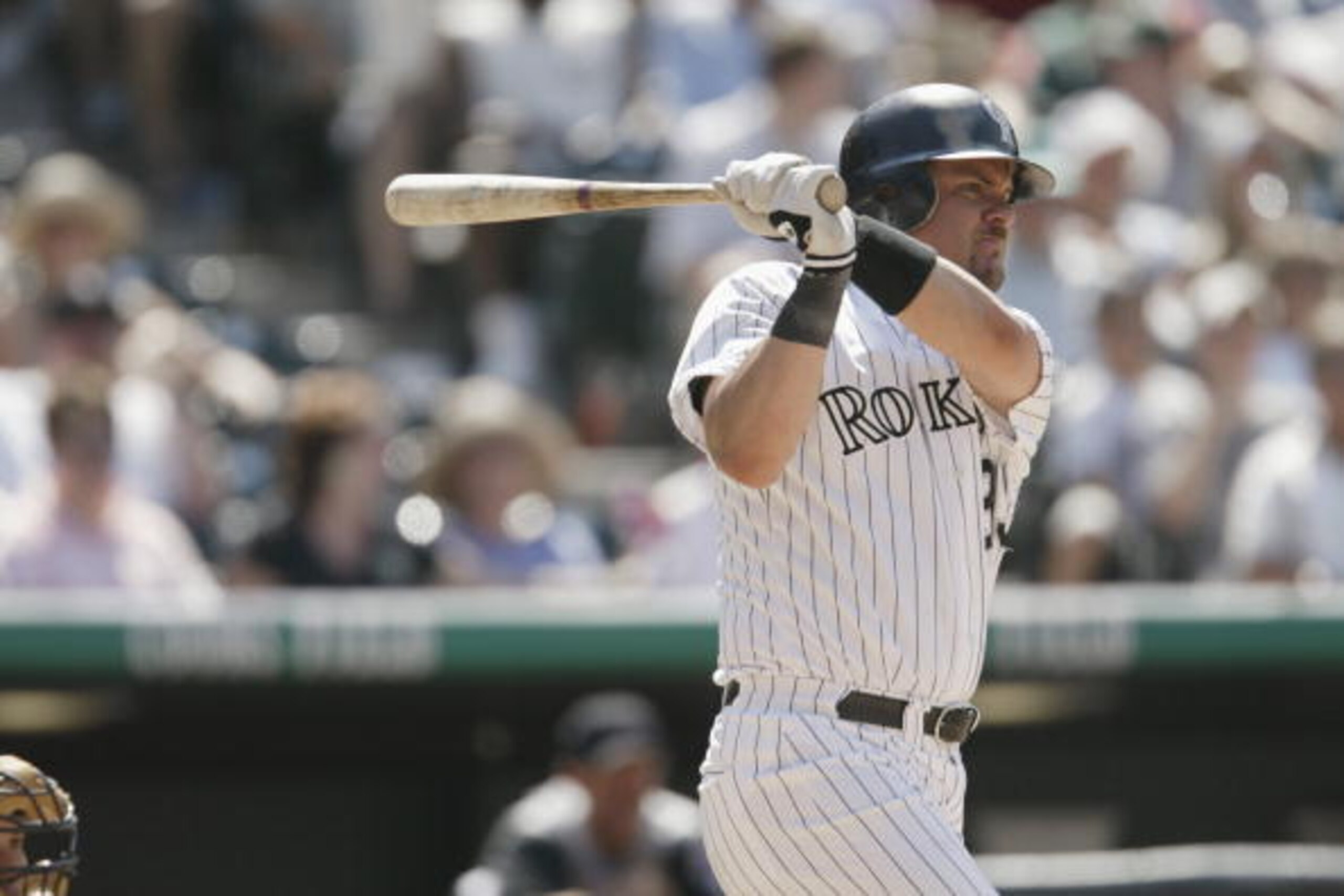
In a 17-year career that spanned over 8,000 plate appearances, Larry Walker hit .313/.400/.565. That makes him one of only 17 qualified players in the .300/.400/.500 club.
But the knocks against Walker are obvious. He only had one season in which he played in more than 150 games. Also, the bulk of his career production came in an offense-crazy era—and at Coors Field, no less. On that note, his career OPS there is 300 points higher than his career OPS elsewhere.
But even if you correct for those things with OPS+, you still find Walker tied with Chipper Jones for 32nd all time among qualified hitters at 141. And because he was a quality baserunner and defender, it's not surprising to see Jay Jaffe's JAWS system, which evaluates candidates based on a combination of their peak and career WAR output, rank Walker as the 10th-best right fielder ever.
Of course, you'd never know this from looking at Walker's support in the balloting. He got only 10.2 percent of the vote in his fourth year in 2014, and improved to only 11.8 percent in his fifth year in 2015.
There's a long trek to make between there and 75 percent, and little time for Walker to do it in. If anything, it's more likely he'll be falling off the ballot in the near future.
6. Alan Trammell
2 of 7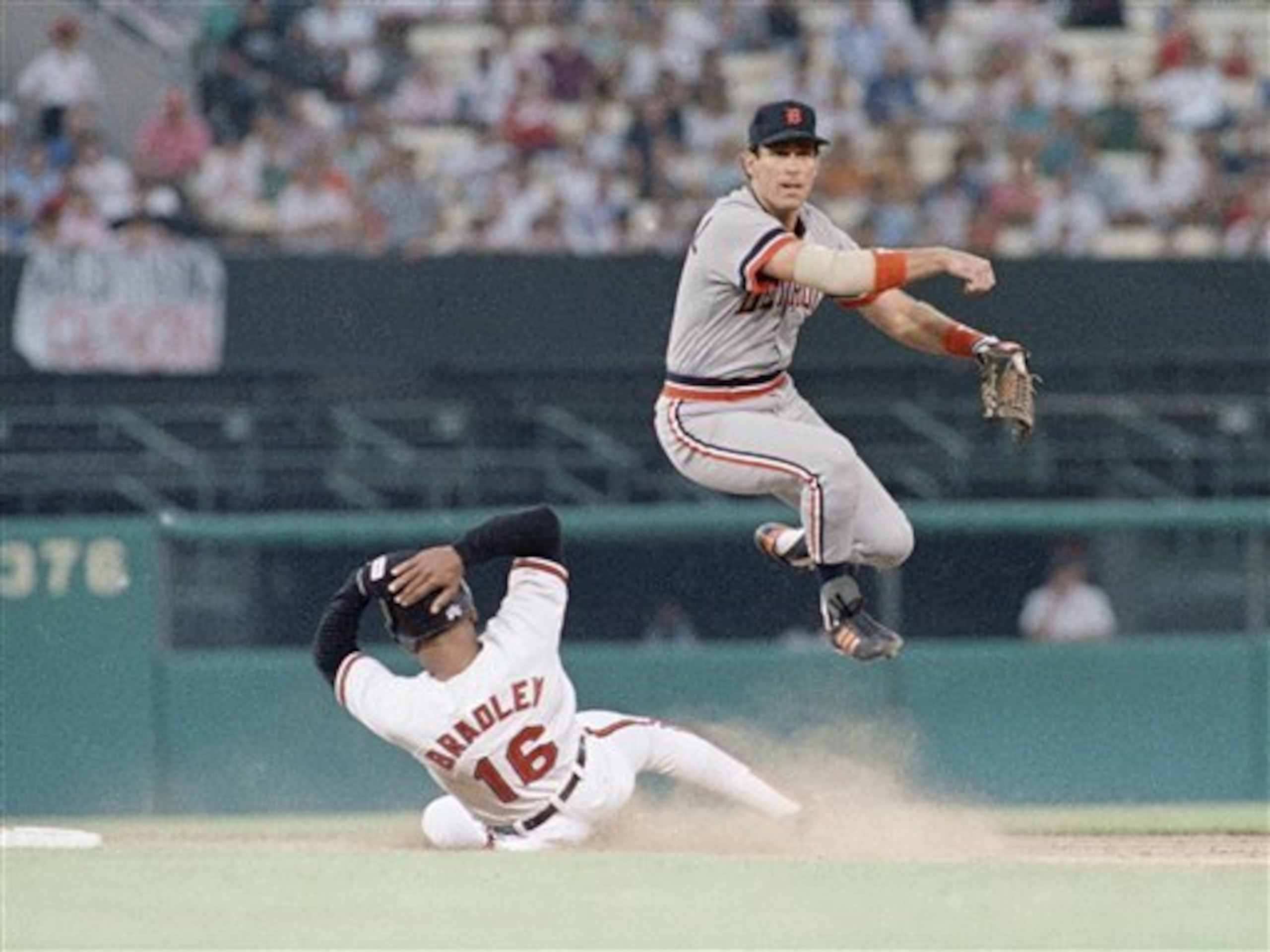
A couple years ago, I would have put Alan Trammell in the "Hall of Very Good" rather than in Cooperstown. But I wised up somewhere along the line, and now I get it with Trammell.
My hang-up in the past was just how darn inconsistent Trammell was throughout his career. However, he had more seasons with an OPS+ over 110 while playing shortstop than Ernie Banks and Cal Ripken Jr., and the only shortstop to author more 6-WAR seasons was the great Honus Wagner.
And as far as career WAR goes, Trammell checks in just behind Derek Jeter among shortstops. Switch the focus to the JAWS system, and Trammell places ahead of Jeter.
In light of stuff like this, ESPN.com's David Schoenfield has a point here:
"In a way, I'd argue Trammell has a case as the most underrated player in history. He was overshadowed by his contemporary Ripken while active and then overshadowed by all the big-hitting shortstops that came up right after he retired...But he had a Hall of Fame career and should have been elected long ago.
"
Sold on Trammell as a Hall of Famer?
Yes? Well, too bad. He only earned 25.1 percent of the vote in his 14th year on the ballot in 2015. There will be a push for him to be elected in his final year on the ballot in 2016, but him going from 25.1 percent to the requisite 75 percent just isn't happening.
5. Edgar Martinez
3 of 7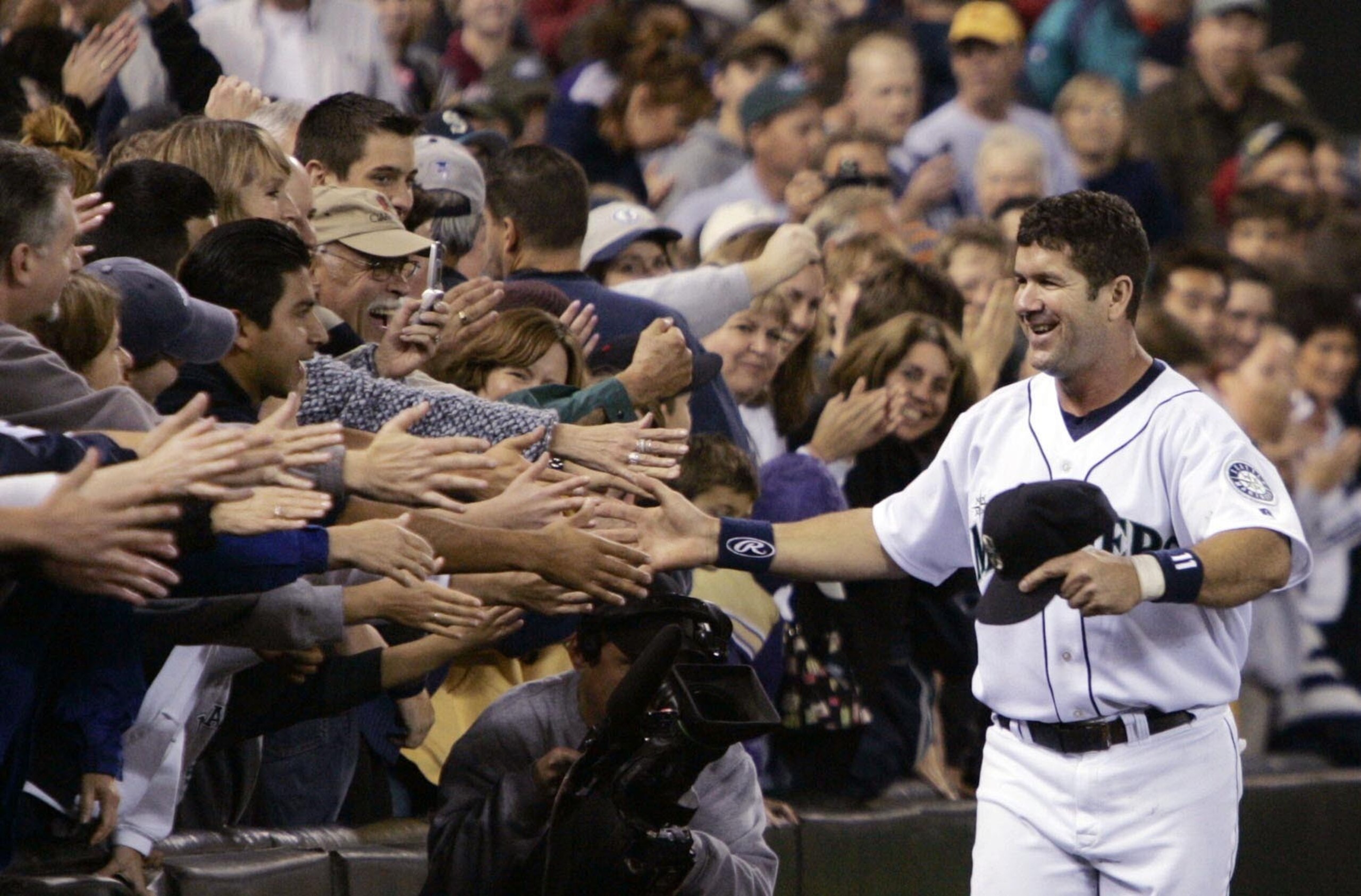
Remember how we highlighted Larry Walker as one of only 17 players in history to hit better than .300/.400/.500 over at least 8,000 plate appearances?
Meet another member of that club: Edgar Martinez.
Martinez finished his 18-year career with a .312/.418/.515 slash line. And while he did indeed play in the same offense-crazy era as Walker, he didn't play his home games at Coors Field. It's no wonder his career OPS+ is an even more impressive 147, which puts him among the 25 best qualified hitters ever.
True, Martinez did that largely as a DH, but he has a strong case as the greatest to ever play the position. His .959 OPS as a DH is the best among the qualifiers, and Jay Jaffe recently noted at SI.com that Martinez tops fellow great David Ortiz in OPS+ and WAR.
Sadly, Martinez isn't doing so well in the voting. He was stuck in the 30-40 percent range in his first four years on the ballot, and has been below 30 the last two years. Though he still has four years to go before his time runs out, that's very unlikely to be enough time to get him to 75 percent.


4. Mike Mussina
4 of 7
Mike Mussina's surface stats don't exactly scream "Hall of Famer!" His 270 wins are nice, but they're not 300. Then there's his good-not-great 3.68 ERA and modest 3.42 postseason ERA.
But you have to consider the era in which Mussina pitched, and also how he was consistently very good throughout his entire career.
It says a lot that Mussina is one of only a dozen pitchers with at least 10 qualified seasons with an ERA+ over 125, and both Baseball-Reference.com WAR and FanGraphs WAR rate him as one of the 20 best pitchers of the AL-NL era (since 1901). It's not a stretch to call him an all-time great.
Sounds like a guy who deserved to get more than 24.6 percent of the vote in his second year on the ballot, but that's all Mussina got in 2015. It was fellow ace Curt Schilling who got the big boost instead, as his percentage rose 10 percentage points from 29.2 to 39.2.
That wouldn't seem to bode well for Mussina. For while he still has eight years to get to 75 percent, maybe as many as three or four of those could be spent losing votes to Schilling. By the time voters start to come around, it's probably going to be too late.
3. Tim Raines
5 of 7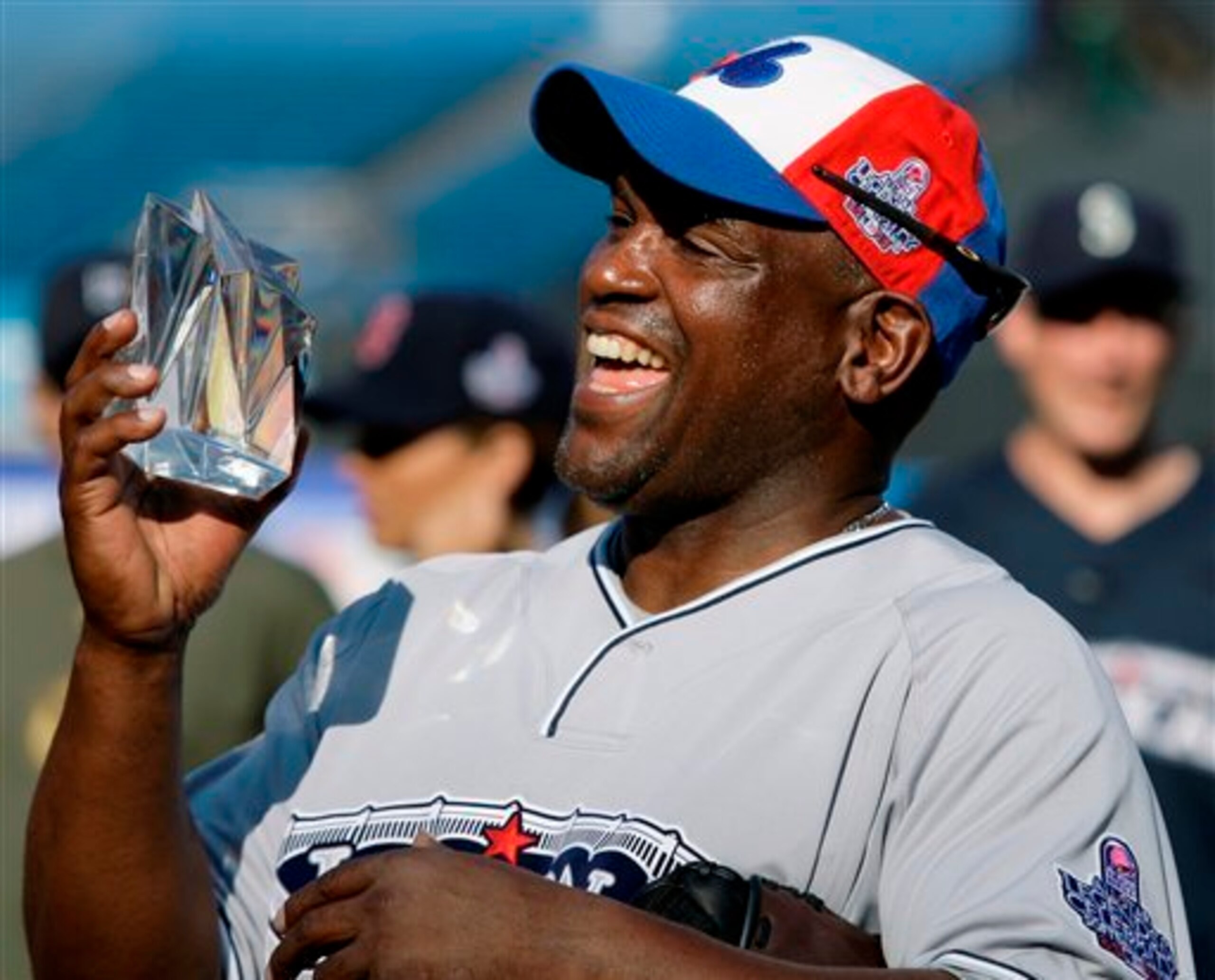
Alright, fine. I'll admit I'm going out on a little bit of a limb with this one.
Though, not when it comes to Tim Raines' Cooperstown worthiness, mind you. He'd get my vote based on his status as one of the best players of the 1980s and an all-time great leadoff hitter, baserunner and left fielder.
And right now, Raines is pretty close to getting there. He earned 55.0 percent of the vote in his eighth year on the ballot in 2015, putting him just 20 percent away from Cooperstown.
But time is not on Raines' side. He only has two more years left on the ballot, and Grantland's Jonah Keri noted that no candidate has ever gained 20 points in his final two years of eligibility. There will be a huge push for Raines to be the first, but it's doubtful that any push will be strong enough.
Why? Largely because Raines' case looks strongest through the lens of the advanced metrics. To that end, Hardball Talk's Craig Calcaterra is right that there's "a silent majority" of voters who just don't do advanced metrics.
Raines is a guy who will probably end up in Cooperstown eventually. But here's guessing it won't be thanks to the writers.
2. Roger Clemens
6 of 7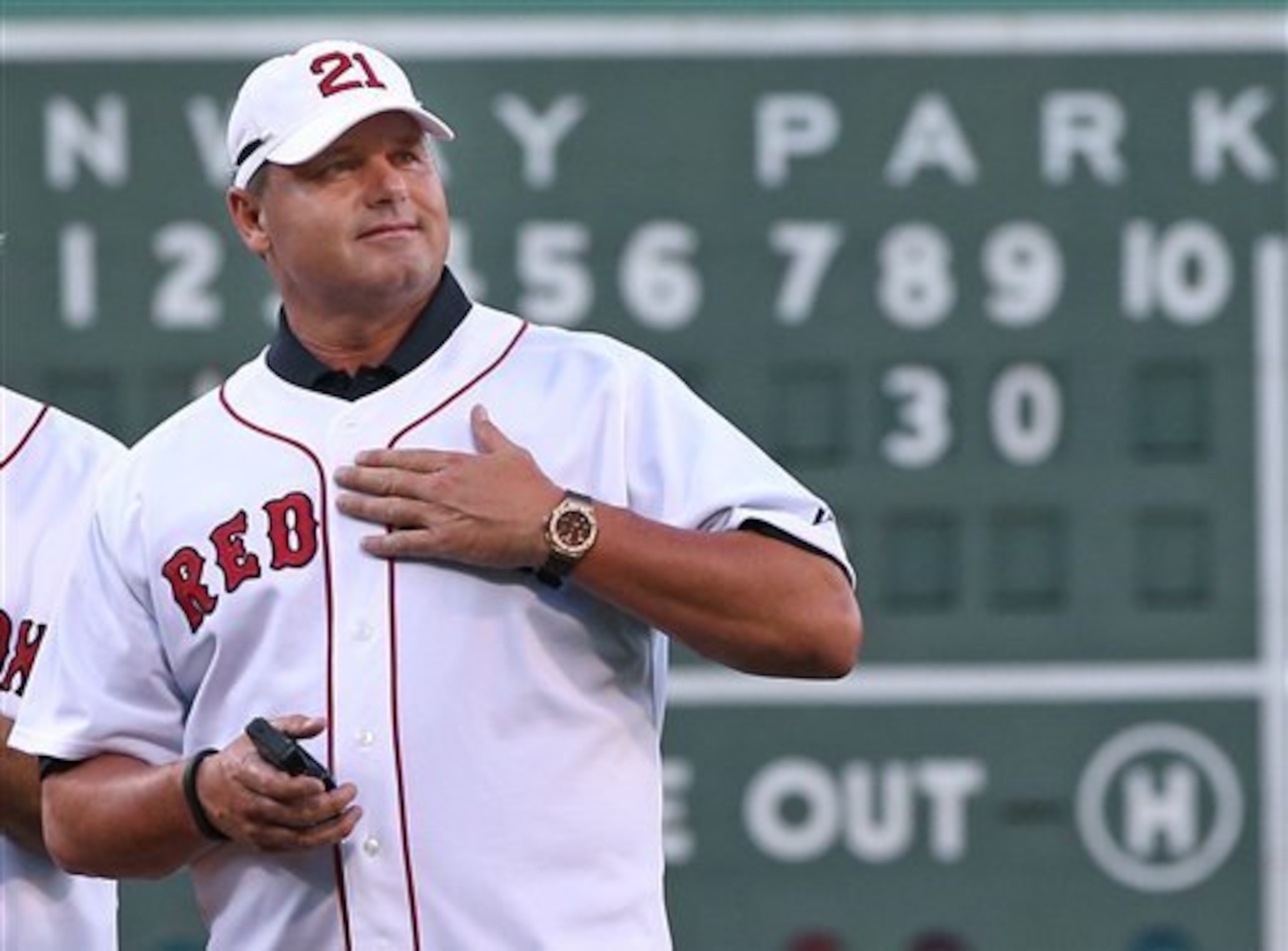
I don't need to sell anyone on the idea that Roger Clemens is worthy of the Hall of Fame from a numbers and accolades perspective. He's a seven-time Cy Young winner who's somewhere between one of the greatest pitchers ever and the greatest pitcher ever.
What really matters with Clemens is where you stand on his ties to performance-enhancing drugs. And for me, the notion that they should be an automatic Hall of Fame barrier is just silly.
Taking it for granted that Clemens actually used PEDs pretty much comes down to taking Brian McNamee's word for it. A jury couldn't do that. Why should any of us?
And even if Clemens did use, you have to consider the era. The further we get from the Steroid Era, the more obvious it's becoming that virtually everyone was using. If Clemens was among them, he wasn't exactly "cheating" in the truest sense of the word.
That's my bit on why Clemens is worthy of the Hall of Fame, and it's clear that 35-40 percent of the voters can agree with it. That's where Clemens has been in his first three years on the ballot.
That Clemens has remained in such a tight window, however, goes to show that support for him isn't growing. The PED stigma will have to lessen for him to get to 75 percent, and there's no indication that's going to happen any time soon.
1. Barry Bonds
7 of 7
Like with Clemens, Barry Bonds is an obvious Hall of Famer based on numbers and accolades. He's a seven-time MVP, the all-time home run king and arguably the greatest player ever.
Where Clemens and Bonds differ is that it's more apparent Bonds did indeed use PEDs and did indeed benefit from them. Without the juice, we're probably not talking about him as the all-time home run king.
But the same logic about the era that can be applied to Clemens can be applied to Bonds. There's also the reality that—unlike, say, Mark McGwire and Sammy Sosa—Bonds didn't need the juice to become a Hall of Fame-caliber player. He was an all-time great even before he ballooned to the size of building.
Like with Clemens, it's clear that 35-40 percent of the voters are thinking somewhere along these lines. That's where Bonds has also landed in each of his first three years on the ballot.
But once again like Clemens, that Bonds has been stuck in that range is not encouraging. Though he obviously has his supporters, their population is set rather than growing.
For what it's worth, Bonds is optimistic, telling MLB.com's Barry M. Bloom: "I don't see how it stays the way it's going. In my mind, in my head, I'm a lot more positive about it than I am negative. I think eventually they'll do the right thing."
I'd love to agree with Bonds. The actual balloting, however, makes it all too clear that he's kidding himself.
Note: Stats and voting figures courtesy of Baseball-Reference.com unless otherwise noted/linked.
.jpg?w=2560 "Chiefs, Steelers Eye WR Trades")