

The FA Cup Has Lost Its Magic, but It Is at Least Important Again
Apparently the magic of the FA Cup is like Santa Claus. Believe in it, and it exists. Or so goes the narrative in 2014. Of course, just like when it comes to Santa Claus, that’s not actually true. The enchantment that once made the competition so special faded long ago.
The FA Cup is now just another competition. Just another trophy. Although that’s not necessarily a bad thing. For the first time in a generation the FA Cup is relevant again but not in the way it used to be.
While it was once the domain of David versus Goliath battles, giving plucky, small-town outfits a glorious long-shot against the top-flight behemoths, now the FA Cup finds itself the preserve of the elite. The Crazy Gang probably wouldn’t have made it past the third round had they played in 2014.


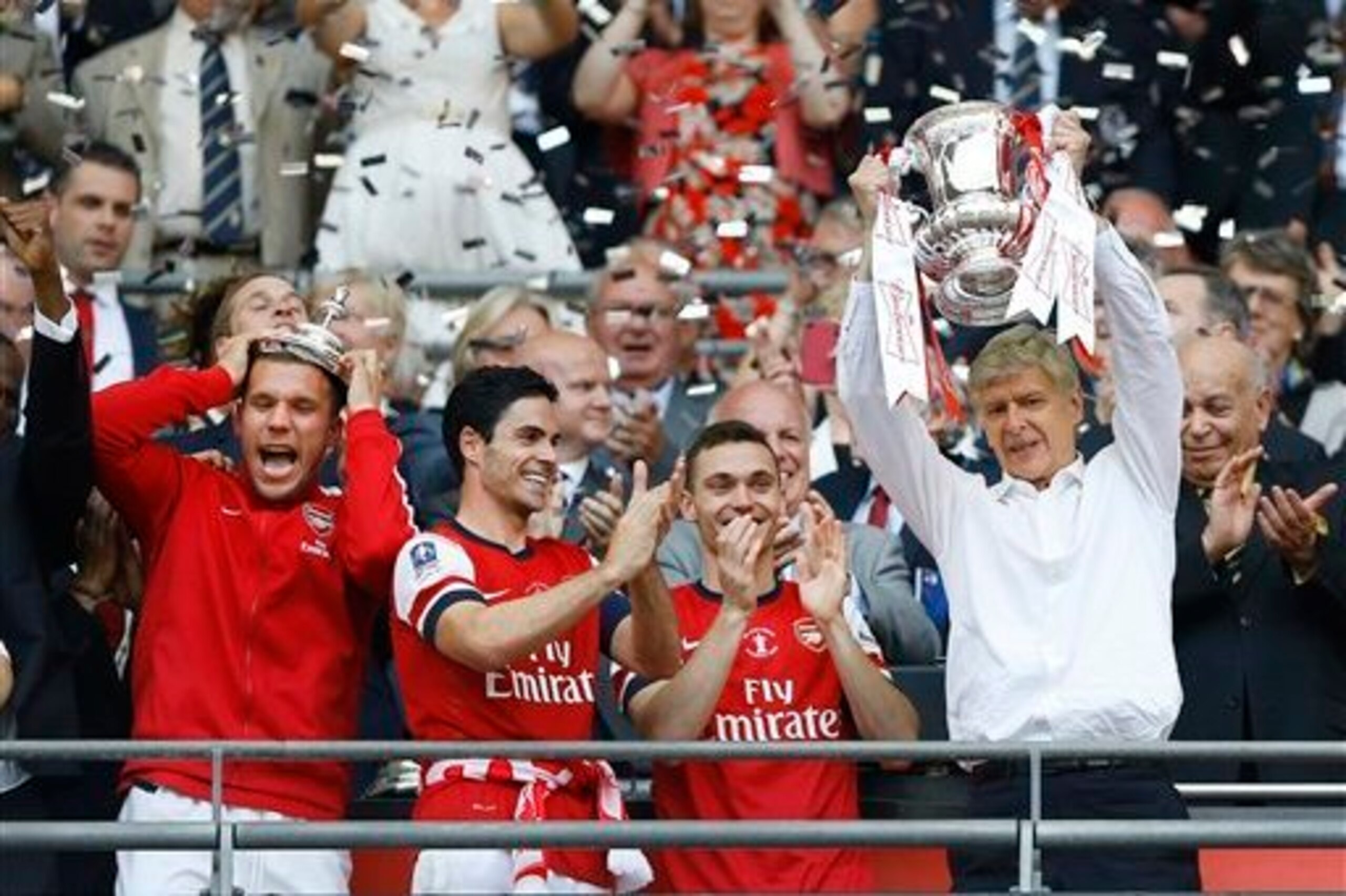
Of course, Wigan bucked the trend somewhat but barring the Latics’ unlikely triumph over Man City, five of the last six FA Cup finals have been won by top-end Premier League sides (Chelsea three times, Manchester City once and Arsenal once). And we’re still to believe that the magic of the FA Cup exists?
Last season Arsene Wenger essentially earned himself a new three-year contract as manager of Arsenal by winning the FA Cup, and that provides something of a microcosm for what the competition has become in recent times.
For struggling managers and teams falling short of expectations the FA Cup offers a degree of salvation. It can also provide a statement of progression for those in the midst of a project. Look at how Roberto Mancini used FA Cup success to underline that Manchester City were indeed on course to becoming a genuine footballing superpower.
And such a pattern looks set to continue this season, with a whole host of clubs looking to save their ailing seasons or prove progress targeting FA Cup success. Just like the Champions League, which is maligned for being overwhelmingly parochial, only around four or five clubs stand a realistic chance of winning the competition come May.

For Man Utd, the FA Cup could be their only shot at securing silverware this season, giving that they have already been knocked out of the Capital One Cup and are nine points adrift of Chelsea in the Premier League. Louis van Gaal, just like Mancini almost four years ago, needs some confirmation of his side’s development. The FA Cup can bring that.
Liverpool could also do with silverware this season, too, given their struggles this season. In fact, the FA Cup could be the only thing that saves Brendan Rodgers at Anfield, which perhaps goes some way to explaining why he fielded such a strong team against fourth-tier Wimbledon in Monday’s third-round tie.
Then there’s Arsenal, who have prioritised the FA Cup ever since they revoked their membership to the Premier League elite. It came to Wenger’s rescue last season and the Frenchman might need to win it once again to stave off the critics, who claim he should have called time on his Arsenal tenure at the end of last term.
The FA Cup in some sense is just as aristocratic as the Premier League or Champions League. Yet some still try to persuade themselves that the old magic of the competition still exists.

“I want to win this title again,” said Manchester United’s Juan Mata after the third-round win over Yeovil Town, as per ManUtd.com. “This was my first trophy in England and I’m very fond of it. Playing the semis and the final at Wembley is amazing. I hope that I can do it again because I love this competition.”
For many the FA Cup simply gets in the way. Newcastle United even announced last summer that the competition is of no interest to them, with Premier League survival more important to the North-East club and owner Mike Ashley. After all, winning the FA Cup is not especially lucrative.
But it is relevant again. The FA Cup, with its romantic third-round ties and occasional giant killing, might not be the competition it once was, but it at least matters.

.jpg?w=2560 "Chiefs, Steelers Eye WR Trades")






.jpg?w=2560 "Raiders Sticking with Cousins")