
Important 2014 MLB Trends That Will Continue to Impact MLB in 2015
From the rise of the super bullpen to the successful implementation of the instant-replay system, there was a lot going on in MLB in 2014.
While there were plenty of positive trends to focus on, there were also troubling developments that arose that simply can't be ignored. Power continued to vanish in ballparks all around the league, and a flood of Tommy John surgeries hit some of baseball's most talented arms.
Plus, in the closing days of 2014, there was a monumental shift that will drastically alter the landscape in one of MLB's most promising markets.
The Rise of Super Bullpens
1 of 5
2014 was the year of the bullpen.
Just ask the Los Angeles Dodgers and the Kansas City Royals.
The National League West winners bowed out of October, thanks primarily to a dismal relief corp, while the Royals nearly won the World Series courtesy of a historically dominant trio of bullpen aces.
Kansas City had three relievers—Greg Holland, Kelvin Herrera and Wade Davis—who all pitched at least 60 innings and recorded sub-1.50 ERAs.
According to Steve Gardner of USA Today, no team had ever had two pitchers, let alone three, who put up that stat line. As manager Ned Yost explained via Gardner: "There's no better weapon."
It wouldn't be surprising if other clubs around the league attempt to imitate the Royals' model in 2015. The New York Yankees are one team to keep an eye on. With Andrew Miller and Dellin Betances in the mix, the Yankees are on the way to building a super bullpen in the Bronx.
The Disappearance of Home Runs Hitters
2 of 5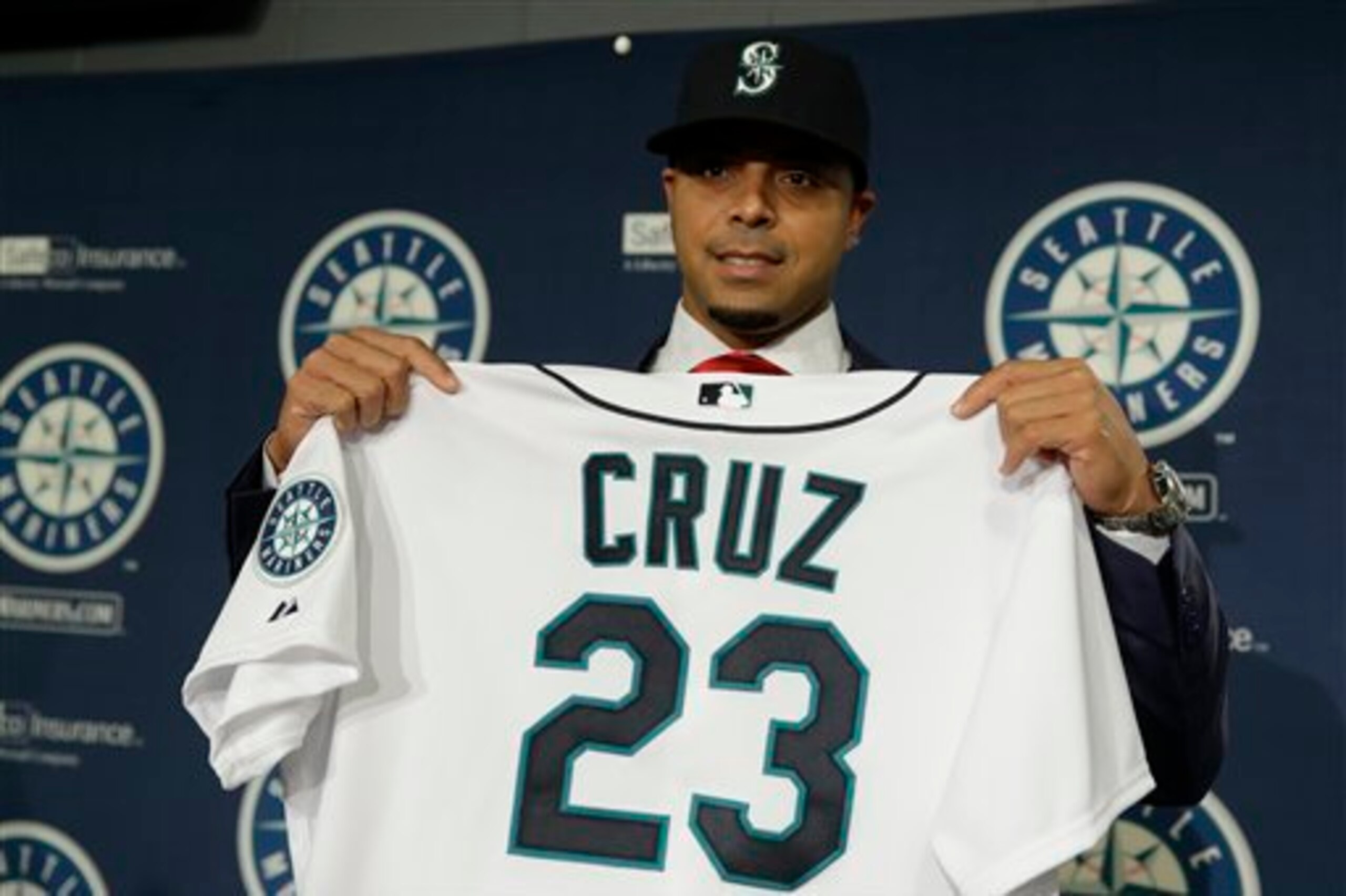
It's impossible not to notice.
Home run numbers are down all around baseball. Last year, Nelson Cruz was the only big leaguer to go yard 40 times. Overall, only 11 players hit 30 home runs. In 2013, 14 players topped that plateau, while 27 accomplished the feat in 2012.
With such a lack of pop around the major leagues, there's no question that power bats will be the most valuable trade chips at the 2015 deadline. That's great news for the teams who fall out of the race in the summer but who have a cleanup hitter to sell to the highest bider.
The Successful Implementation of the Instant-Replay System
3 of 5
Instant replay is here to stay.
During the 2014 regular season, there were 1,275 reviews, which works out to one every other game, per Paul Hagen of MLB.com. As a result of the new system, umpires were able to get way more close calls right. According to Hagen, 47.3 percent (603) of reviews were overturned last season.
Outgoing commissioner Bud Selig is a big fan of replay: "It makes me happy because we got it right. Instant replay worked out just beautifully. It couldn't have gone better," said Selig, via Hagen.
It's not exactly surprising that Selig would praise his own project, but he's also spot-on. Instant replay is already a major success. Selig has compiled an impressive resume during his tenure as MLB commissioner, but the successful implantation of instant replay will be one of the most important legacies of his 23-year reign.



The Unwanted Flood of Tommy John Surgeries
4 of 5
There's one phrase that no pitcher, team or fanbase ever wants to hear: elbow inflammation.
For Jose Fernandez, Jarrod Parker, A.J. Griffin, Patrick Corbin, Matt Moore, Brandon Beachy, Ivan Nova and an array of other big league pitchers, that was the diagnosis that ultimately led to the dreaded Tommy John surgery.
Yu Darvish has an idea for how baseball can curb the flood of elbow problems. Last summer at the All-Star Game, the Japanese right-hander told David Waldstein of The New York Times that he believes that switching to a six-man rotation would be a big step toward fixing the problem.
Darvish offered his suggestion just a few weeks before elbow inflammation put an end to his 2014 season.
The Expected Shift in the Cuban Market
5 of 5
According to Jon Paul Morosi of Fox Sports, the "revelatory shift in US-Cuba relations" is about to have a significant effect on the way in which players from that country arrive in the big leagues.
Currently, players from Cuba—stars such as Jose Abreu and Yoenis Cespedes—have had to defect from their homeland and establish residency in another country before becoming eligible to sign with a MLB teams. With the changes to relations between the two countries, Morosi expects the situation to play out in one of two ways.
The first option would be for MLB to create a posting system. As is the case with the markets in Japan and Korea, in such a system major league teams would have to pay a posting fee to a player's respective club before working out a deal. The other possibility, which Morosi describes as "more remote" would be to make the players eligible for the MLB draft.
For now, it's much too soon to know just how the situation will end up. Still, one certainty is that there will be far more Cuban players in the majors in the upcoming seasons.
Note: All stats courtesy of MLB.com.
If you want to talk baseball, find me on Twitter @KarlBuscheck.
.jpg?w=2560 "Chiefs, Steelers Eye WR Trades")





.jpg?w=2560 "Raiders Sticking with Cousins")