
MLB Teams' Big Weaknesses That Still Must Be Addressed This Winter
As general managers around baseball wake up on New Year's Day, they'd like to believe that they do so with a strong roster, one without any major holes or weaknesses.
Nobody actually believes that, of course, for it's simply not true.
There's always an area (or three) that can be improved upon. For some clubs, it's the lineup or bench. For others, its the starting rotation and bullpen—or maybe the defense behind that pitching staff—that needs to be addressed.
Identifying a team's weakness isn't difficult. Removing that liability, much less turning it into an area of strength, is—especially this late into the offseason. Quite frankly, it may be too late for some teams to do much of anything about what ails them.
What are the biggest weaknesses that each team is dealing with, and is there a feasible, potential solution available?
Let's take a look.
Arizona Diamondbacks: Starting Catcher
1 of 30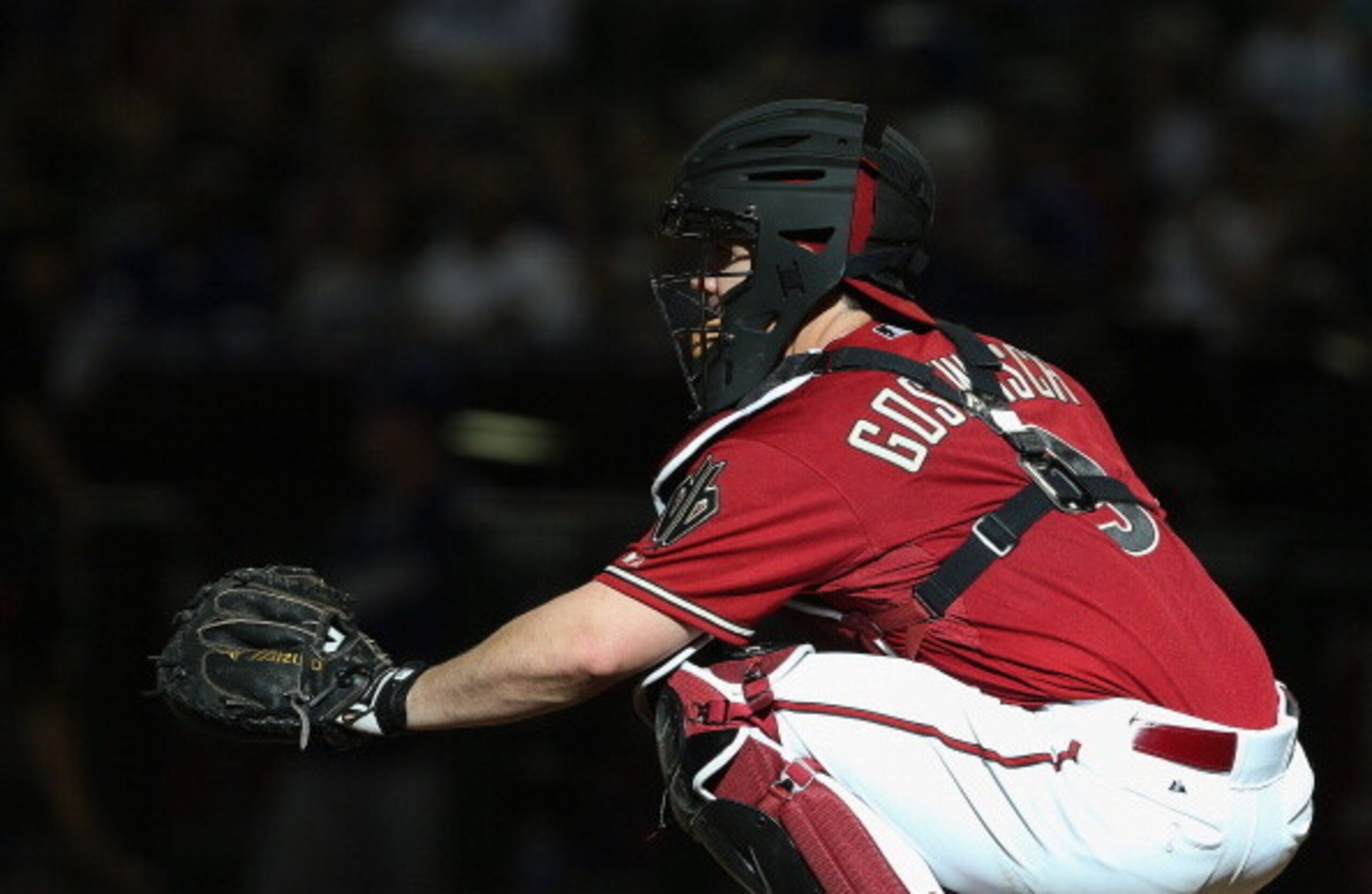
With longtime backstop Miguel Montero now a member of the Chicago Cubs, the Diamondbacks head into 2015 with 31-year-old Tuffy Gosewisch as their starting catcher.
Over his nine-year professional career, Gosewisch has never shown that he can be a consistent producer at the plate. He owns a woeful .213/.229/.287 slash line over parts of two major league seasons, and an only slightly better .239/.306/.370 line in the minors.
That's not a good. According to Baseball Prospectus, Gosewisch doesn't make up for his lack of offense with above-average pitch framing skills either.
Clearly, the Diamondbacks need to find a more suitable everyday option from outside the organization.
Shortly after announcing the Montero trade, general manager Dave Stewart held court with reporters—including Nick Piecoro of The Arizona Republic—at baseball's annual winter meetings and identified a pair of potential targets:
"GM Dave Stewart said Dioner Navarro and Alex Avila, catchers who could be available via trade, could be fits for Dbacks.
— Nick Piecoro (@nickpiecoro) December 11, 2014"
While neither one would be a long-term answer behind the plate, both have been the subject of trade rumors at various points this winter.
The Boston Globe's Nick Cafardo reported that Detroit was listening to offers for Avila in early November, while Navarro, according to CBS Sports' Jon Heyman, told Toronto that he'd like to be traded upon learning that the club had signed Russell Martin.
With no starting-caliber catchers left on the free-agent market, a trade—whether for one of the above named veterans or another potential target—is the club's only viable avenue to acquire one.
Atlanta Braves: Center Field and a Lack of Power on the Bench
2 of 30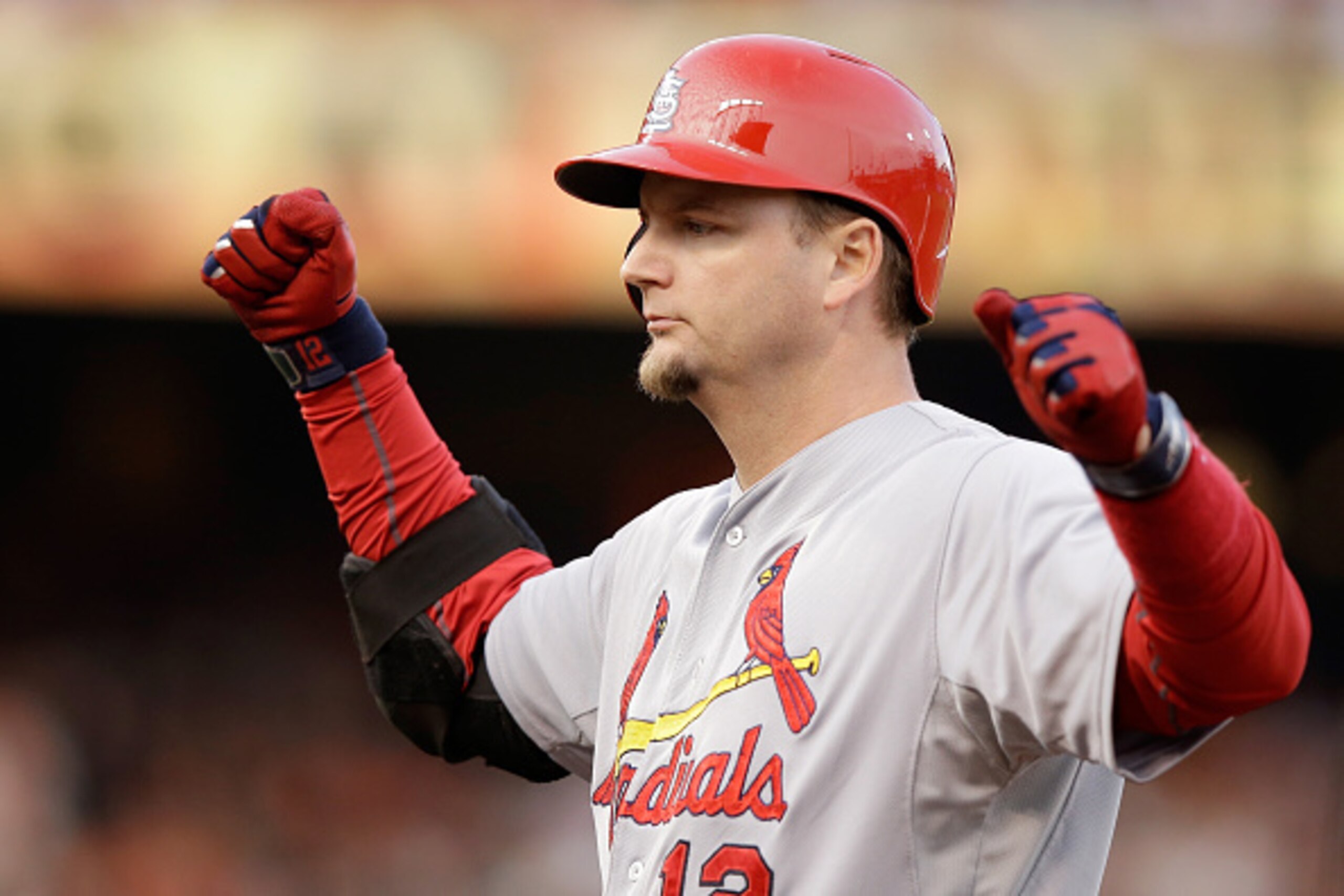
Of the five players that Atlanta figures to carry on their bench, only one, 38-year-old backup catcher A.J. Pierzynski, has ever hit at least 10 home runs in a single MLB season. The rest of the Braves reserves? They've hit nine home runs—combined—over the course of their MLB careers.
That said, there are a few options available that would not only provide some pop, but make sense for the club as well. One option could be free-agent outfielder Colby Rasmus, who at 28 years old still has some upside and could be the team's long-term answer in center field.
B.J. Upton has been a disaster for the Braves in center field, but considering that he's one of the most immovable players in baseball due to his lack of production and contract, which has three years and nearly $47 million remaining, Rasmus probably doesn't end up with the Braves.
Baltimore Orioles: Run Producers
3 of 30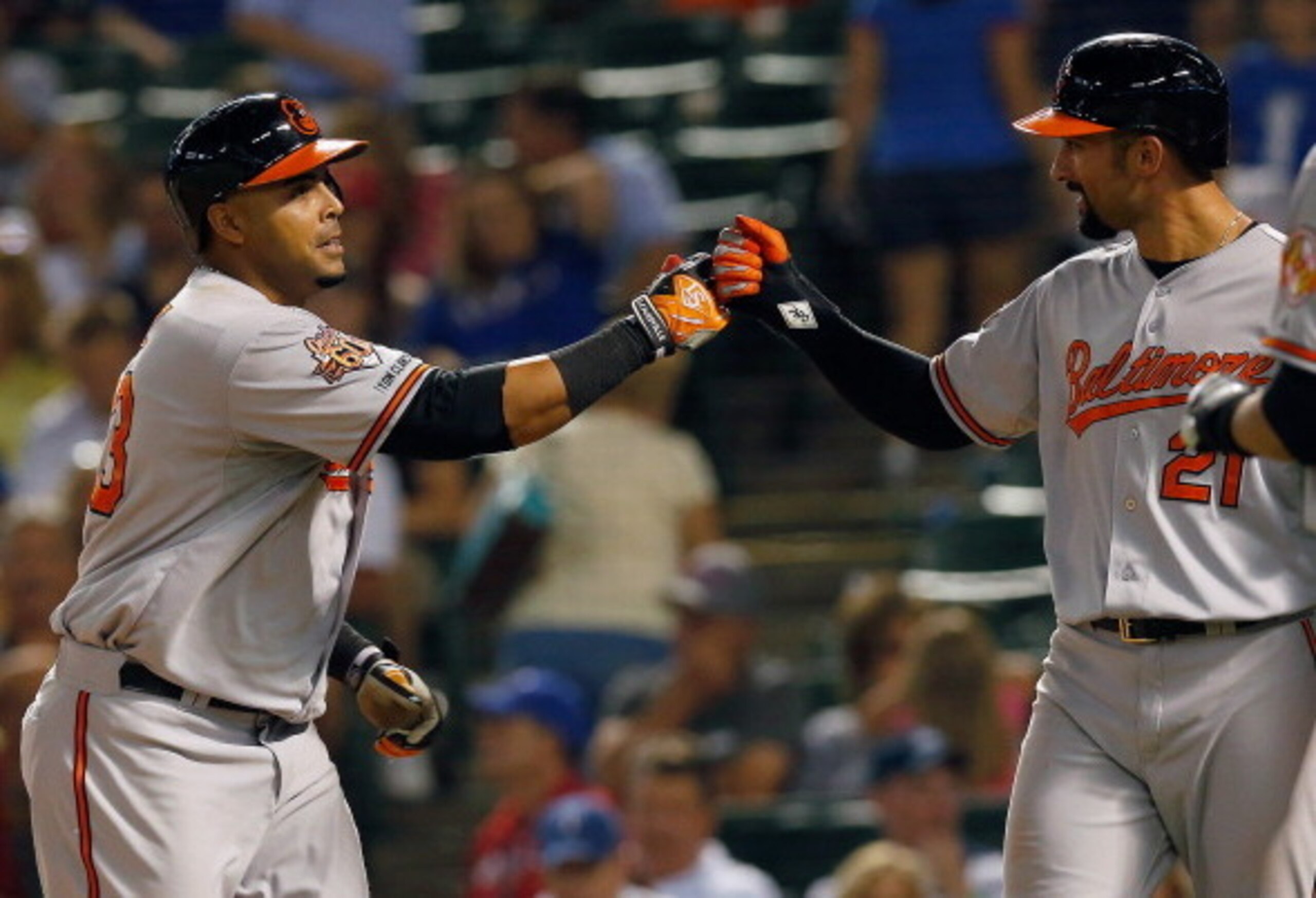
In the wake of losing Nelson Cruz and Nick Markakis this winter, Baltimore has sat back and done absolutely nothing to address their departure, a strategy that has been widely questioned and criticized.
Clearly, the Orioles believe that their current roster—when healthy and not facing sanctions from MLB—is capable of picking up the slack left by the pair's departure.
But think about what the Orioles are betting on for a moment:
- Chris Davis being able to replicate his 2013 form.
- Manny Machado's knees holding up for an entire season—something that has yet to happen as he enters his third full MLB campaign.
- Steve Pearce being able to build on his breakout performance over the second half of the 2014 season.
- Matt Wieters being able to pick up where he left off offensively before undergoing Tommy John surgery.
That's a whole lot of "ifs" right there.
While all four of those players could do exactly what the Orioles believe they can do, they could just as easily fail to meet even the most modest of expectations. That's going to leave the Orioles with Adam Jones, a suddenly powerless J.J. Hardy and not much else.
Adding a powerful bat in a corner outfield spot would be ideal, but of the free agents that the club has recently been linked to—Nori Aoki, Colby Rasmus or Ichiro Suzuki—only Rasmus has any power and he's played a total of 14 games in a corner spot over his six-year career.
Whether the team ultimately signs one of the available free agents left or swings a trade for someone like San Diego's Seth Smith, the Orioles will be hard-pressed to find truly suitable replacements for Cruz and Markakis in 2015.


Boston Red Sox: The Front of the Rotation
4 of 30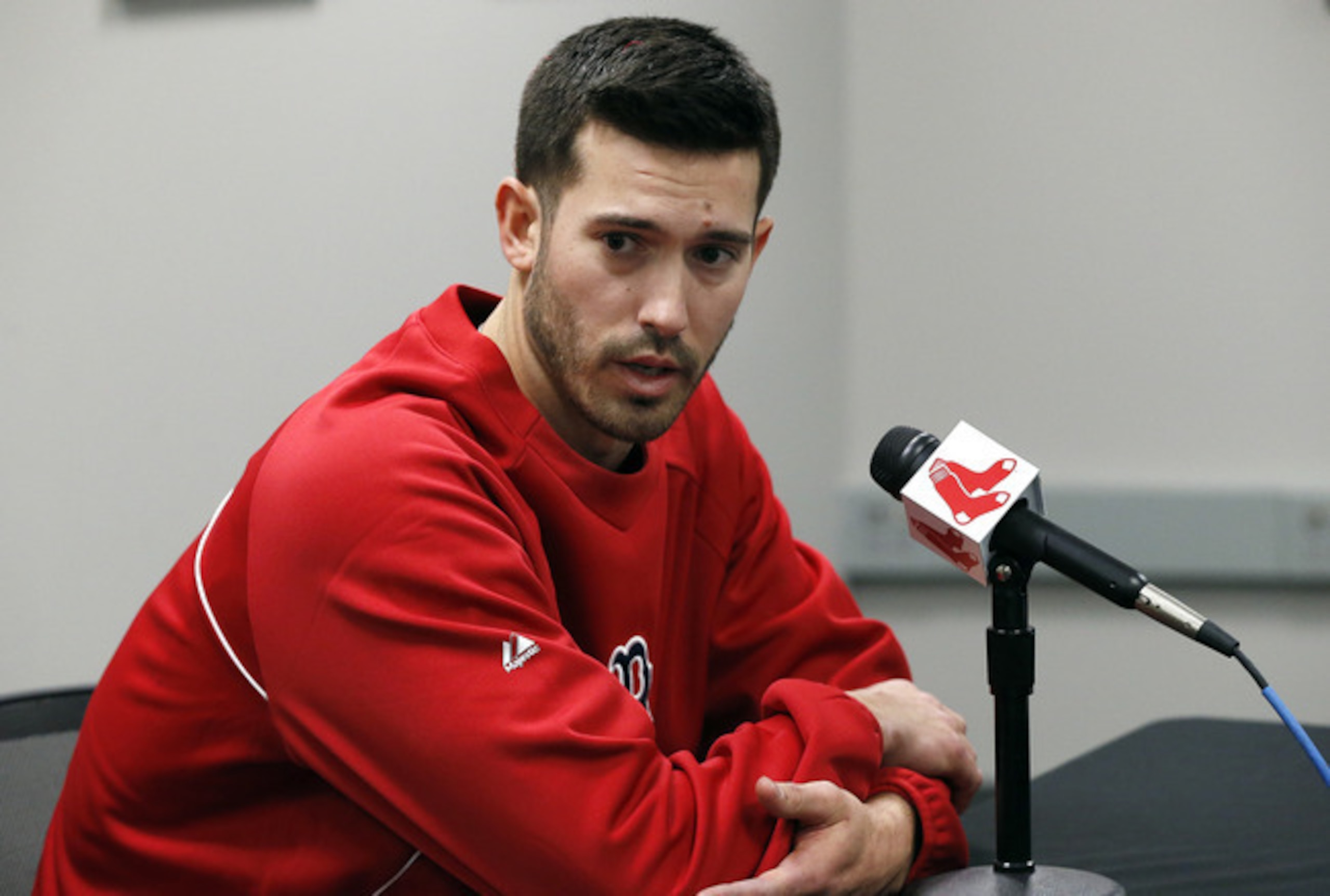
While Boston filled out its rotation with the likes of Justin Masterson, Wade Miley and Rick Porcello, none of them—nor holdovers Clay Buchholz or Joe Kelly—is the front-line starter that the club sorely needs.
Both Buchholz and Masterson have looked the part in the past, but neither one can reasonably be expected to return to their prior form given the awful years that they are coming off of.
Miley is a solid, innings-eating arm, but he's a No. 3 starter, not an ace. Porcello could thrive as the club's No. 1 now that he's out from under the shadows of David Price, Max Scherzer and Justin Verlander, but his ceiling may be that of a No. 2.
With a plethora of trade chips that they've yet to play, a trade for that front-line arm—Cole Hamels, perhaps—could still be in the cards.
Boston can't be ruled out of the running for Scherzer, either, but the team may not be willing to spend another $150 million-plus in free agency after dishing out nearly $200 million to Hanley Ramirez and Pablo Sandoval.
Chicago Cubs: Center Field
5 of 30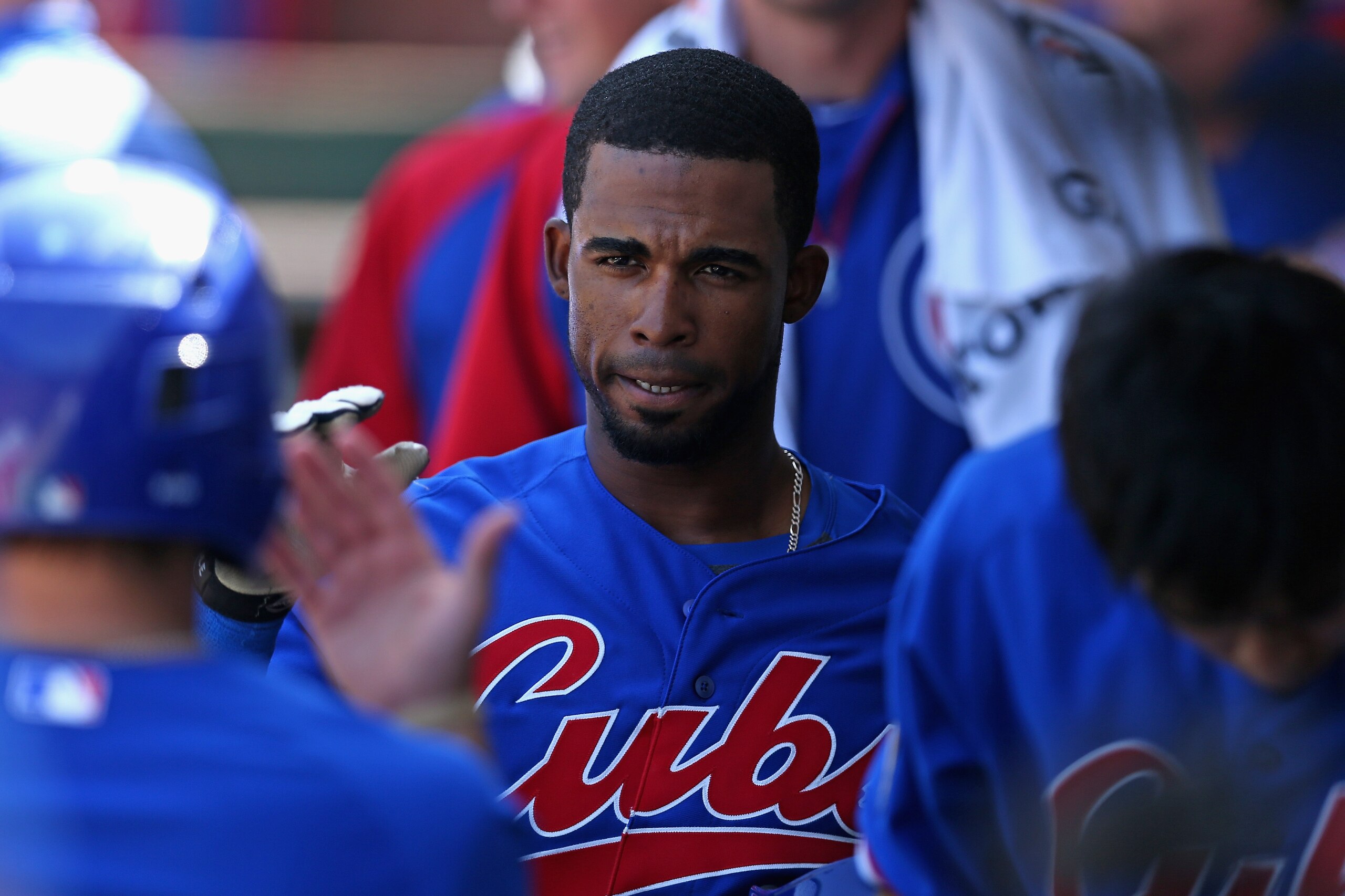
Chicago addressed its biggest needs of the offseason with the additions of Jason Hammel and Jon Lester to the rotation and Miguel Montero behind the plate, doing so without losing any of its high-profile, high-upside young talent in the process.
Yet the team's outfield situation, after Jorge Soler, leaves much to be desired.
Chris Coghlan, the 2009 National League Rookie of the Year, returned to relevance after a three-year stint that saw him play in only 174 games for two teams, hitting .224 with a .622 OPS. Can he really be counted on to replicate the .283 batting average and .804 OPS that he posted in Chicago last season?
Arismendy Alcantara, a middle infielder by trade, was thrust into center field action last season and, while he showed flashes of brilliance, looked completely lost at other times. Having him continue to learn on the fly at such a crucial position isn't something the Cubs can afford.
Adding a veteran such as Nori Aoki (for left field) or Colby Rasmus (in center), would go a long way toward shoring things up. Rasmus, given his age (28), power and typically above-average defense in center, would be an intriguing addition to a rapidly improving roster.
Chicago White Sox: Left-Handed Relievers
6 of 30
Few teams did as much to address all of their weaknesses as Chicago did, but if there's one area that the White Sox could still stand to improve, it'd be in the bullpen.
Chicago pitched to a 4.55 ERA (second worst in MLB) and 1.46 WHIP (worst) against left-handed batters in 2014. Adding Zach Duke to serve as the team's primary left-handed reliever was a smart move, but Duke could use some help.
With a number of veteran southpaws still available on the market, a list that includes former White Sox prospect Neal Cotts and Joe Thatcher, bringing in a second lefty would go a long way toward erasing one of the club's few remaining weak spots.
Cincinnati Reds: Left Field
7 of 30
While I'm not a fan of Cincinnati's decision to trade a young pitching prospect (Ben Lively) to Philadelphia for Marlon Byrd, I understand why the Reds did it. Faced with a platoon of Brennan Boesch and Kris Negron in left field, they had to find an upgrade—and fast.
But Byrd is 37 years old and, while he was productive for Philadelphia in 2014 (.263 BA, 25 HR, 85 RBI, .757 OPS), his numbers are trending in the wrong direction—and his defense is average at best:
| 2013 | .291 | .336 | .511 | .847 | 64 (24) | 31 | 144 | 137 |
| 2014 | .264 | .312 | .445 | .757 | 55 (25) | 35 | 185 | 109 |
Most troubling among those numbers is the massive jump in his strikeout totals. He whiffed in 29 percent of his at-bats, 2014's seventh-highest strikeout percentage among qualified batters. Of the six players who struck out more often, none had a lower walk percentage than Byrd's 5.5 mark.
Cincinnati would probably be content if Byrd could replicate his 2014 performance in 2015, but odds are that his numbers will continue to trend downward.
Cleveland Indians: Defense
8 of 30
We didn't need advanced defensive metrics to tell us that Cleveland's defense in 2014 was atrocious, but they do help to illustrate just how poor it was.
Only Houston (minus-12.3) posted a lower team UZR/150 than Cleveland's minus-9.7, while no club had a lower team DRS than the Indians' minus-75 mark, a 33-run shift in the wrong direction from 2013.
Adding Brandon Moss to handle right field duties will help things, as Moss graded out as one of the game's better defensive outfielders in 2014, but his addition alone won't solve what ails the Indians.
When it comes to the team's infield, only Jose Ramirez is an above-average defender, and he's going to be bumped off shortstop as soon as top prospect Francisco Lindor is ready. A double play combination of Lindor at short and Ramirez at second base would be ideal, but Jason Kipnis is entrenched at the keystone.
Ultimately, the Indians may have to seriously consider moving Kipnis off second base and into right field, allowing Moss to take over at first base and shifting Carlos Santana back to a full-time DH—a role currently occupied by Nick Swisher.
Colorado Rockies: Catcher
9 of 30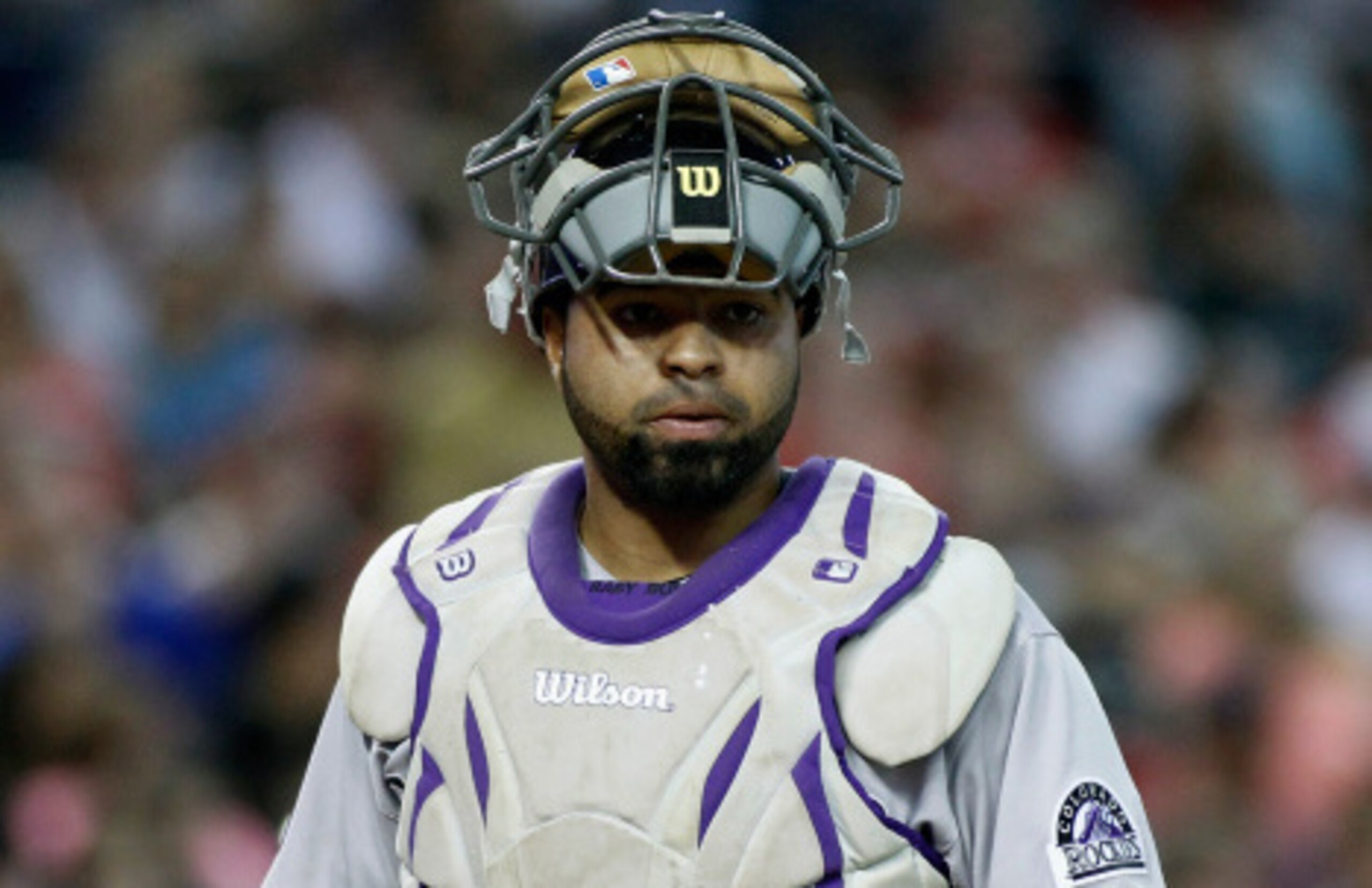
Widely regarded as one of the worst defensive catchers in the game, Colorado hasn't hidden its desire to move Wilin Rosario out from behind the plate—either to another position or another team, as Fox Sports' Ken Rosenthal noted earlier this winter:
"Sources: #Rockies trying to move Rosario. Poor defensive catcher, better fit for AL. Rox thought about playing him in RF last season.
— Ken Rosenthal (@Ken_Rosenthal) December 3, 2014"
It makes sense for the Rockies to be looking to move on from Rosario, especially when you consider that most of the team's high-upside, young pitching is either at the major league level or knocking on the door.
The last thing the Rockies can afford is for Rosario's defensive issues and poor game-calling ability to wreck the confidence of players like Eddie Butler, Jon Gray, Jordan Lyles and Tyler Matzek. Granted, Lyles and Matzek did pretty well with Rosario behind the plate last year, but think about how much better they may have been with a more competent batterymate.
Adding a veteran like Geovany Soto would make a lot of sense for the Rockies, who could then either revisit trade talks for Rosario (there's always a demand for right-handed pop) or utilize him as a part-time outfielder and powerful bat off the bench.
Detroit Tigers: Bullpen
10 of 30
Once again, Detroit's bullpen betrayed the club in the playoffs. Against Baltimore in the American League Division Series, the group allowed eight hits and 11 runs (10 earned) over only 4.2 innings of work.
Rather than blow the group up and rebuild it through trades and free agency, the Tigers opted to allow Joba Chamberlain and Phil Coke to depart as free agents, adding only long reliever Alex Wilson to the mix.
Once again, the Tigers will rely on the likes of Joakim Soria and Joe Nathan to lock down the eighth and ninth innings, respectively. But outside of Al Albuquerque and Blaine Hardy, the only two bright spots from a year ago, there's no reason to believe that any member of the team's bullpen will be up to the task.
Not signing at least one of the quality bullpen arms that was available this offseason could be a decision that proves to be very costly for Detroit in what appears to be a wide-open AL Central.
Houston Astros: Third Base
11 of 30
Nobody expects the Astros to contend in 2015, but the club must continue to improve, especially with top prospects Jon Singleton and George Springer about to embark on their first full MLB seasons.
Surrounding that duo with as much talent as possible without sacrificing any significant pieces from the team's loaded farm system is difficult to do, but Houston has cash to spend and a gaping hole at third base, where Matt Dominguez has been a massive disappointment.
Sure, he's got some pop in his bat, but he struggles to get on base consistently, hit for average and is a below-average defender at the position. Stephen Drew isn't a third baseman by trade, but he's capable of playing the position—as is newly signed shortstop Jed Lowrie.
A left side of the infield consisting of Drew and Lowrie, while not Gold Glove-caliber, would be a vast improvement over what the team currently has, and help to mitigate the defensive liability that Jose Altuve, the reigning AL batting champion, is at second base.
Kansas City Royals: Right Field
12 of 30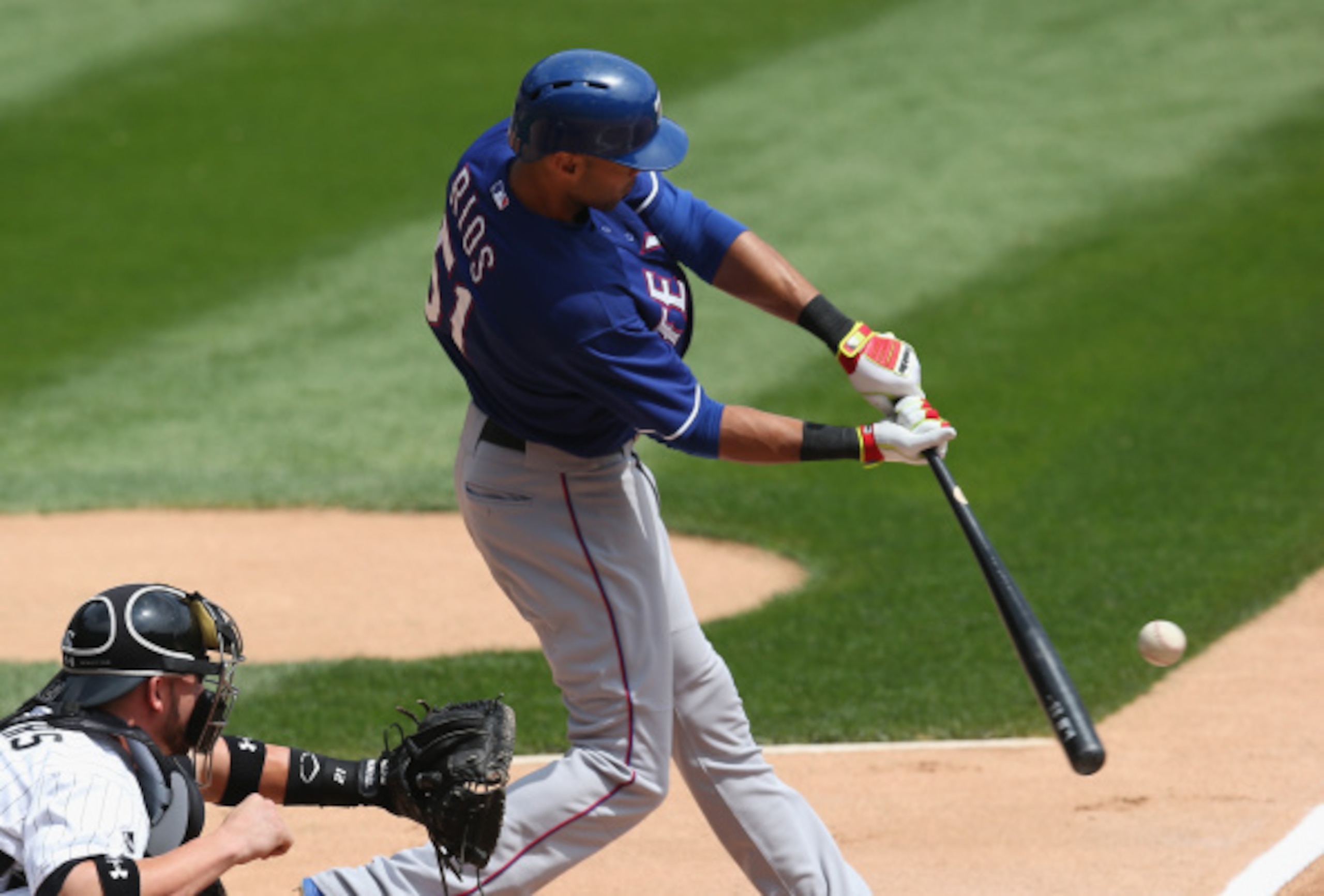
Despite riding his scorching hot bat into the playoffs and reaching the World Series with him, Nori Aoki was replaced by Kansas City with Alex Rios, a move that could pay dividends—or blow up in the club's face.
While Rios normally offers more at the plate than Aoki, a look at their 2014 numbers shows that, really, the Royals didn't upgrade at the position at all:
| Aoki | .285 | .349 | .360 | 29 (1) | 43 | 17-for-25 | 104 |
| Rios | .280 | .311 | .398 | 42 (4) | 54 | 17-for-26 | 92 |
Rios hasn't posted an on-base percentage as high as Aoki's mark last year since 2007—and his career .323 mark is 30 points less than Aoki's.
Could Rios bounce back from a down season and become a 20-20 player once again, something he did as recently as 2012? Sure.
But he could continue his downward spiral just as easily.
Los Angeles Angels: Second Base
13 of 30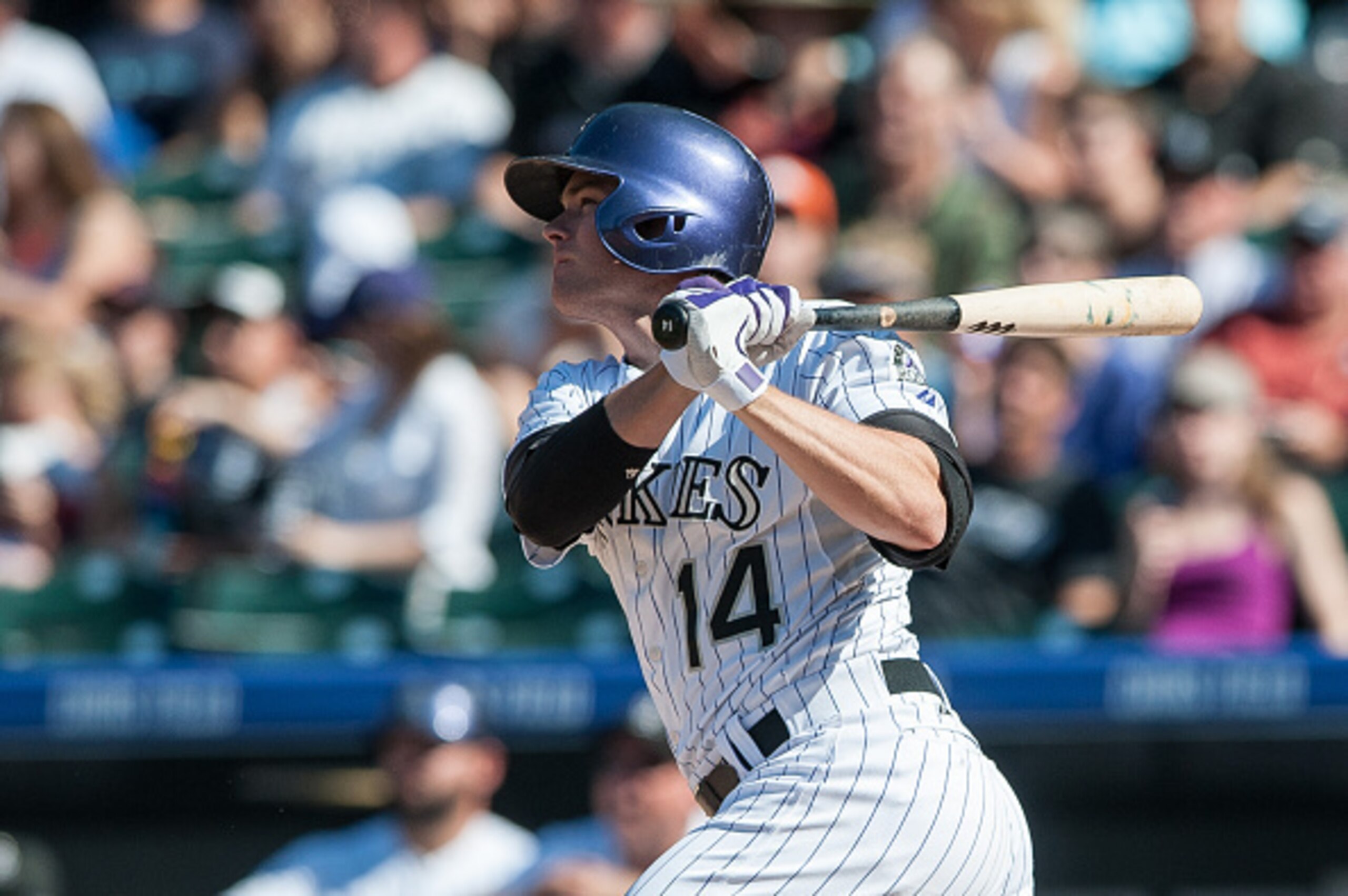
For the first time in a long time, second base is a major weakness for the Angels.
You can't blame Los Angeles for trading away the steady Howie Kendrick—when you have the chance to acquire a front-line pitching prospect like Andrew Heaney, you do so—but the hole he leaves behind at the keystone isn't easily filled.
It certainly won't be filled by Josh Rutledge, a horrid defender whose mediocre career numbers (a .259/.308/.403 slash line) are heavily influenced by playing half of his games at Coors Field in Colorado:
| At Coors Field | .287 | .339 | .448 | .787 | 85 |
| Away From Coors | .230 | .274 | .354 | .628 | 71 |
Those are some ugly splits—and they don't offer much hope that Rutledge will become a productive member of the Angels lineup. With prospect Alex Yarbrough still another year away from making an impact, it's understandable why the Angels opted for a stopgap option like Rutledge.
At this point, there isn't much the Angels can do in terms of an upgrade. The middle infielders still available via free agency either aren't much better than Rutledge or would command more money and years than the club is comfortable with, and trade options are few and far between.
Los Angeles Dodgers: Bullpen
14 of 30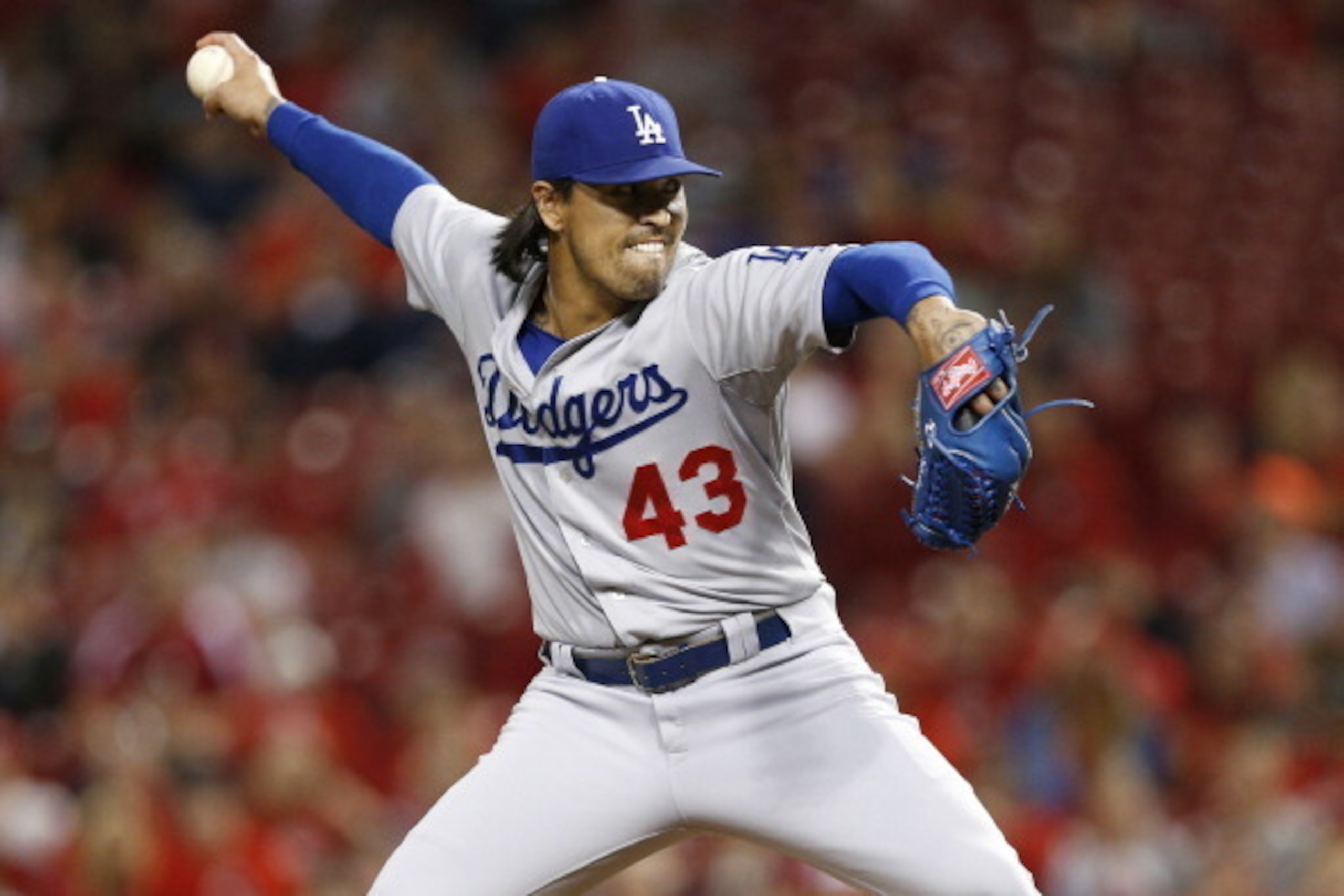
Los Angeles has already addressed its relief corps, parting ways with former All-Star closers Chris Perez and Brian Wilson, replacing the pair with Chris Hatcher and Joel Peralta while adding former Colorado starter Juan Nicasio to serve as the long man out of the bullpen.
Holdovers Pedro Baez, J.P. Howell and Brandon League were phenomenal in getting the ball to closer Kenley Jansen in 2014, but League doesn't exactly have a lengthy track record of success with the Dodgers. Lest we forget, it was only a season ago that he pitched to a 5.30 ERA and 1.55 WHIP over 58 appearances.
While the club has no shortage of potential reinforcements down on the farm, a group that includes Yimi Garcia and Paco Rodriguez, it might not be a terrible idea for the club to add another established veteran to the mix, if for no other reason than to serve as an insurance policy.
Miami Marlins: A Lack of Pop on the Bench
15 of 30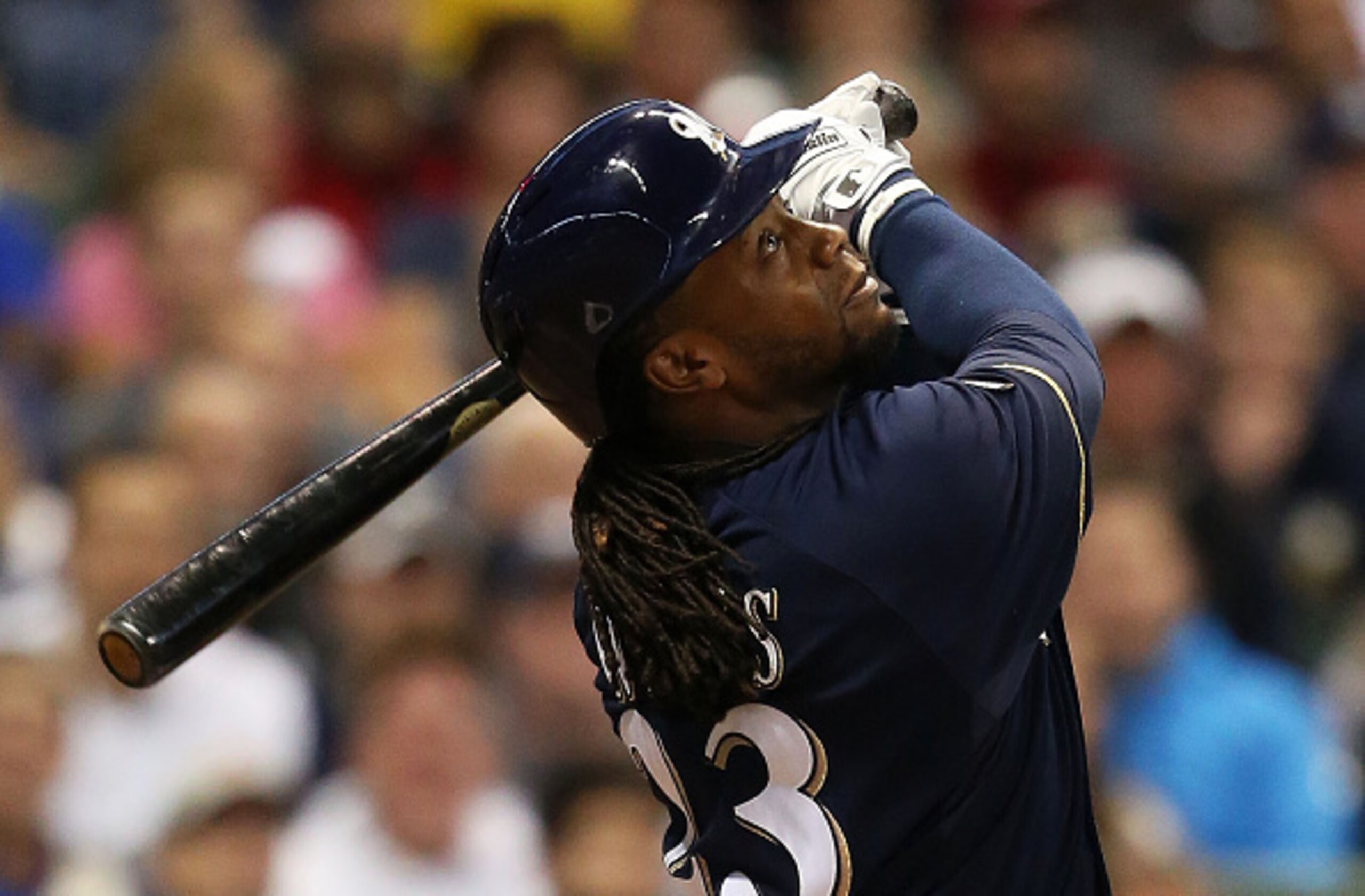
Miami has done a fine job of amassing talent to surround Giancarlo Stanton with this winter, adding Dee Gordon, Mike Morse and Martin Prado to the everyday lineup.
But the bench leaves something to be desired, especially in the power department. Justin Bour is an imposing physical specimen at 6'4" and 250 pounds who averaged 17 home runs a year in the minors from 2010 to 2014, but he's gone deep only once in 39 career MLB games.
Rickie Weeks, on the other hand, has gone deep 148 times over the course of his major league career and, for whatever the reason, seems to love hitting at Marlins Park, where he owns a career .313/.389/.594 slash line with three home runs in only 32 career at-bats.
Sure, he's a mess defensively at second base, but he'd provide the club with some insurance besides Donovan Solano should Gordon not live up to expectations. He'd also come cheap, given a relative lack of interest in his services this winter despite multiple teams having a need at the position.
Milwaukee Brewers: A Lack of Left-Handed Pitching
16 of 30
You'll have to excuse Will Smith if he happens to break out into Three Dog Night's classic "One," for he finds himself as the only left-handed pitcher—starter or reliever—on Milwaukee's pitching staff.
Gone are fellow relievers Zach Duke, who signed with the Chicago White Sox, and Tom Gorzelanny, who remains a free agent but isn't expected to return to the Brew Crew.
While Milwaukee doesn't have much in the way of spending cash, adding another veteran left-hander, such as Neal Cotts or Joe Thatcher, wouldn't be a major expense and could go a long way toward solidifying the team's relief corps.
Minnesota Twins: Center Field
17 of 30
Minnesota has its center fielder of the future in Byron Buxton, but injuries have slowed his development, making it difficult to put a realistic time frame on his eventual arrival at Target Field.
Finding a halfway decent stopgap option is something that Minnesota should be investigating, as Aaron Hicks has made it abundantly clear that he's simply not capable of handling major league pitching on a consistent basis.
A player like Colby Rasmus, who offers far more at the plate and in the field, would be an ideal addition. While he's never quite lived up to expectations, he'd give the Twins some extra left-handed pop, something that only Oswaldo Arcia currently offers the club.
New York Mets: Shortstop
18 of 30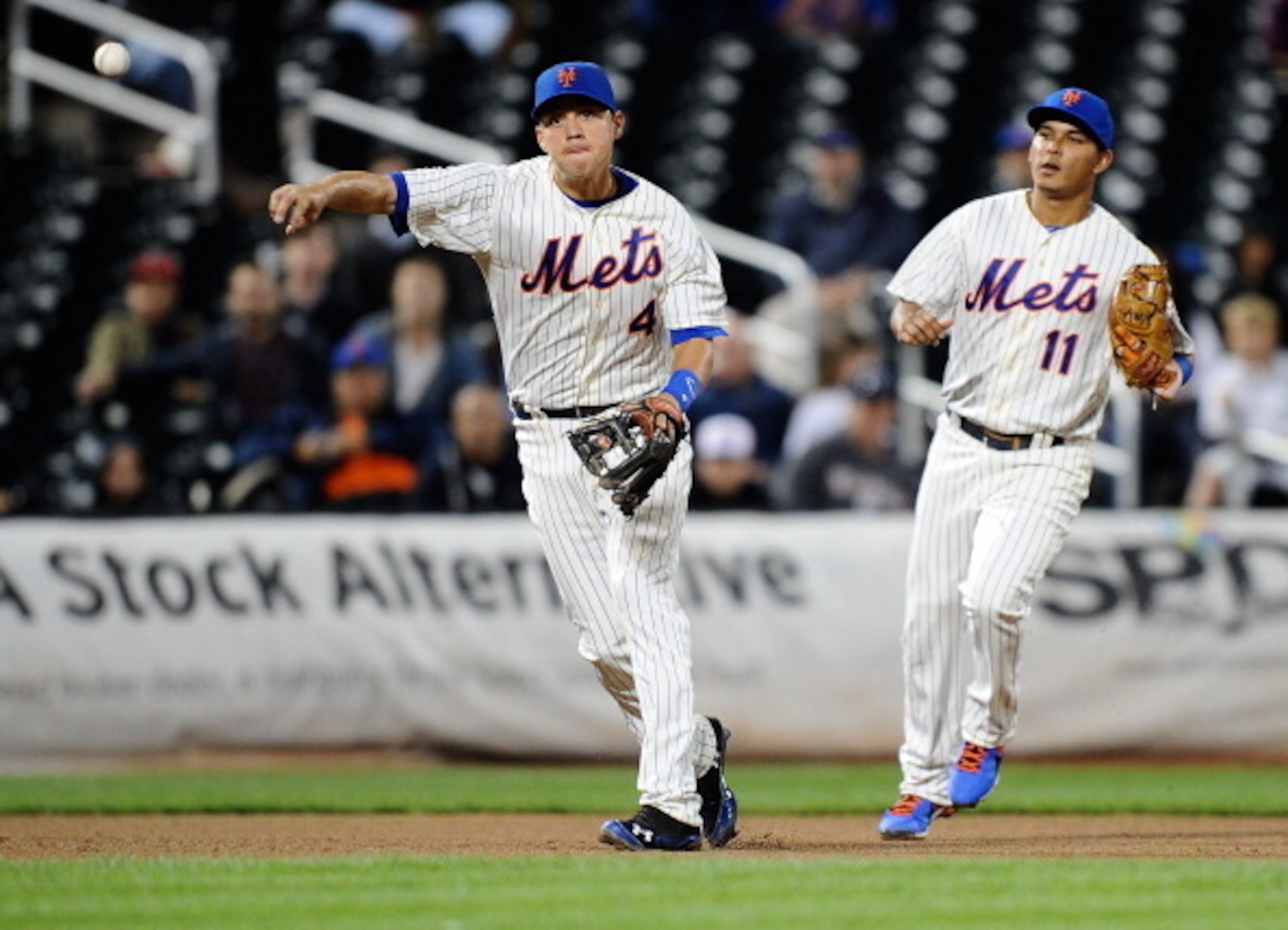
The Mets have so much confidence in Wilmer Flores and Ruben Tejada that they continue to check in with Colorado about a potential trade for the oft-injured Troy Tulowitzki, according to CBS Sports' Jon Heyman.
Adding Tulo—injuries be damned—would certainly be a major addition for the club, which many believe could be surprise contenders in a seemingly wide open National League East and go a long way toward placating a frustrated fanbase.
But if not Tulowitzki, the Mets have other options to consider. Everth Cabrera and Stephen Drew remain available as free agents, and its possible that Tampa Bay could be willing to move Yunel Escobar, given the team's recent signing of Asdrubal Cabrera.
Heading into 2015 without addressing the position—especially when there are other options available—is simply something that the Mets cannot do.
New York Yankees: Rotation Depth
19 of 30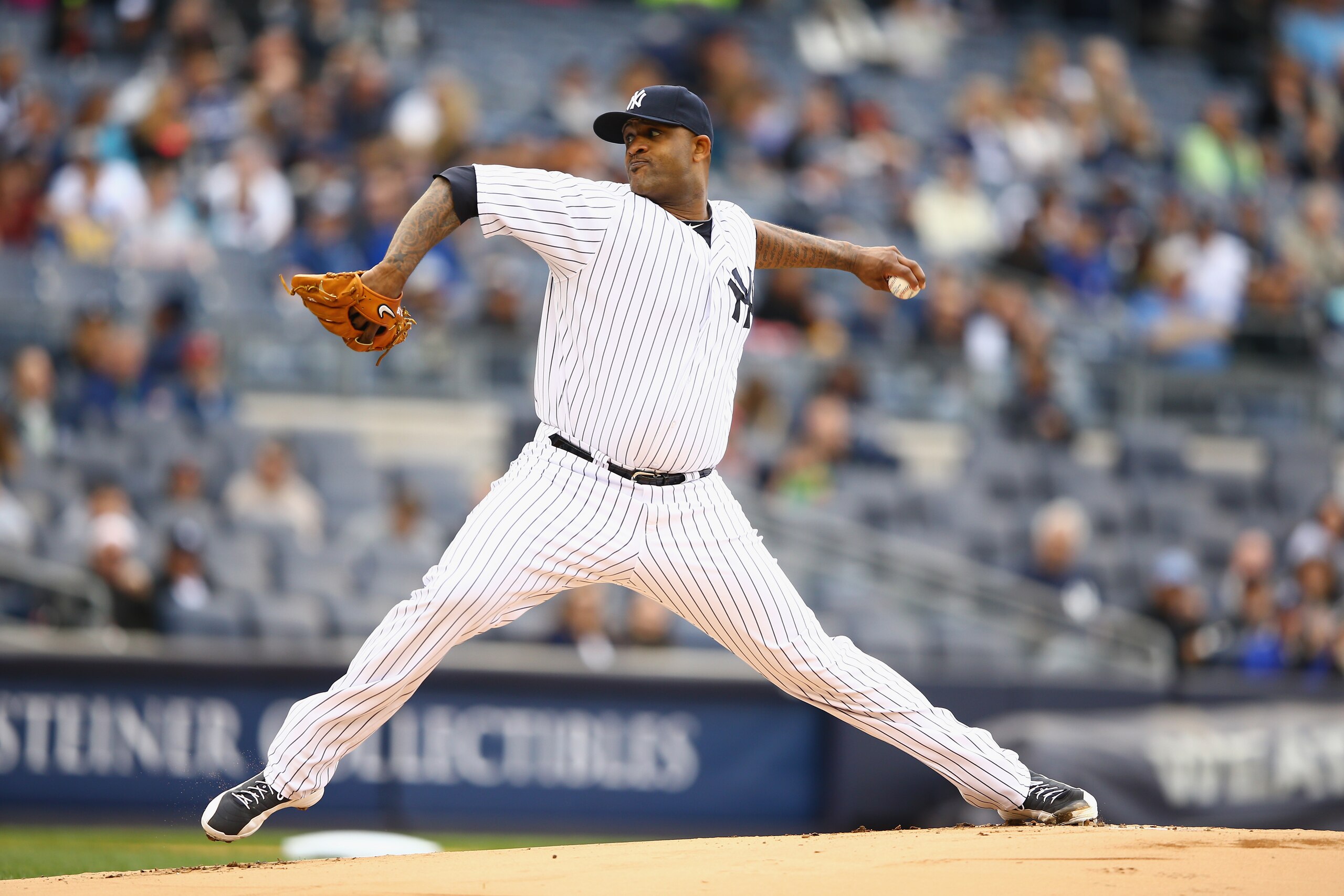
To be clear, I'm a fan of the approach that GM Brian Cashman has taken this winter—try to get younger, more athletic and add to the team's farm system.
Signing Max Scherzer or James Shields would be a mistake, as the club can no longer afford to surrender draft picks and get locked into long-term deals that rob the team of financial flexibility. But the club's rotation is one twang in Masahiro Tanaka's elbow away from being one of the worst in baseball.
The club can't count on Michael Pineda or CC Sabathia to last a full season, much less give them 175-plus quality innings on the mound. Ivan Nova, recovering from Tommy John surgery, probably won't be able to return until June—and nobody knows how effective he'll be when he does.
Chris Capuano is what he is, a back-end starter, and for all the talk about Nathan Eovaldi's upside and velocity, he's never figured out how to turn that heat into strikeouts and is now with his third organization in the past four years. That's troubling.
If and when Pineda and Sabathia go down, the Yankees are ill-equipped to replace them. Top pitching prospect Luis Severino won't be MLB-ready for at least another year, while Ian Clarkin is at least another two years away.
David Phelps, a swingman that the club turned to in the past, is now in San Diego. Adam Warren could fill that role, but he hasn't started a game in over a year. Short of dealing away one of its veteran bats for more pitching, there's little the club figures to do to address the situation.
Oakland Athletics: Second Base
20 of 30
Since 2013, only the Chicago Cubs have seen their second basemen post a lower OPS (.596) than Oakland (.608) has. Where the Cubs have the promise and upside of Javier Baez to look forward to as a reason for optimism, the A's have...Eric Sogard, owner of a career .613 OPS.
Nobody disputes that Sogard is a tremendous defender and a fan favorite, but smooth defenders who offer little at the plate don't have long shelf lives in the big leagues anymore—just ask Darwin Barney.
Joe Wendle, acquired from the Cleveland Indians in the Brandon Moss trade, offers far more with the bat but isn't nearly as sure a defender as Sogard and, as Baseball America wrote in their latest scouting report for him, his ultimate role in the majors might be as a utility player (subscription required).
Chad Pinder could be the team's long-term answer at the keystone, but the 22-year-old is still a few years away, having never played above High-A in the minors.
Philadelphia Phillies: Management
21 of 30
Before Philadelphia can seriously address the issues with its roster, it must first deal with issues surrounding the people in charge.
Sure, trading Jimmy Rollins was a step in the right direction, and kudos to general manager Ruben Amaro Jr. for finally making the correct decision. But he followed that up with what can only be called one of the more bizarre decisions any GM has made in recent memory.
He told one of his own—Ryan Howard—who Amaro gladly signed to a lucrative albeit misguided five-year, $125 million contract extension in 2010—to essentially take a hike, as Dan Toman of TheScore.com noted.
"We've talked to Ryan," Amaro said while a guest on 97.5 The Fanatic earlier in December. "And I told him that in our situation it would probably bode better for the organization not with him but without him. With that said if he's with us, then we'll work around him."
But in vintage fashion, he made sure to talk out of both sides of his mouth before he was finished.
"No one's going to release Ryan Howard," Amaro said. "That's not going to happen. Ryan Howard is too productive and too important a player to just release. You just don't do that with a player like that. But we don't have any designs on doing that."
Which is it? Is Howard a liability or an asset?
Is he part of the problem, or "too productive and too important a player" to part ways with? If the answer is the former, than it's on Amaro to figure out how to move him off the roster, for his presence will be a distraction.
If it's the latter, how in the hell can Amaro possibly say what he said to him in the first place?
As long as Amaro has a voice among the team's decision-makers, nothing will actually be accomplished in Philadelphia.
Pittsburgh Pirates: First Base
22 of 30
Pittsburgh enters the sixth year of its search for a permanent replacement for Adam LaRoche as the team's everyday first baseman.
Since parting ways with LaRoche as the 2009 trade deadline arrived, the Pirates have used a lengthy list of players at the position—employing platoons on more than one occasion—only to find that none of them was up to the task of providing anything but a short-term fix.
They'll be going with a two-headed monster at the position again in 2015, with former third baseman Pedro Alvarez set to split time with free-agent addition Corey Hart.
While Alvarez was considered one of the game's up-and-coming sluggers in 2013 when he led the National League with 36 home runs, he doesn't hit for average or get on base consistently, and his defense is average at best.
Hart, on the other hand, hasn't been able to stay healthy in more than two years and no longer bears any resemblance to the player that averaged 22 home runs, 80 RBI and a .819 OPS a season from 2007 to 2010.
There are no full-time first base options available, but taking a chance on someone like Boston's Allen Craig, who hit .311 with a .852 OPS for St. Louis from 2012 to 2013 and can also play the outfield, would have been a far better move for the club than signing Hart, who can't play the field any longer.
San Diego Padres: Lineup Balance
23 of 30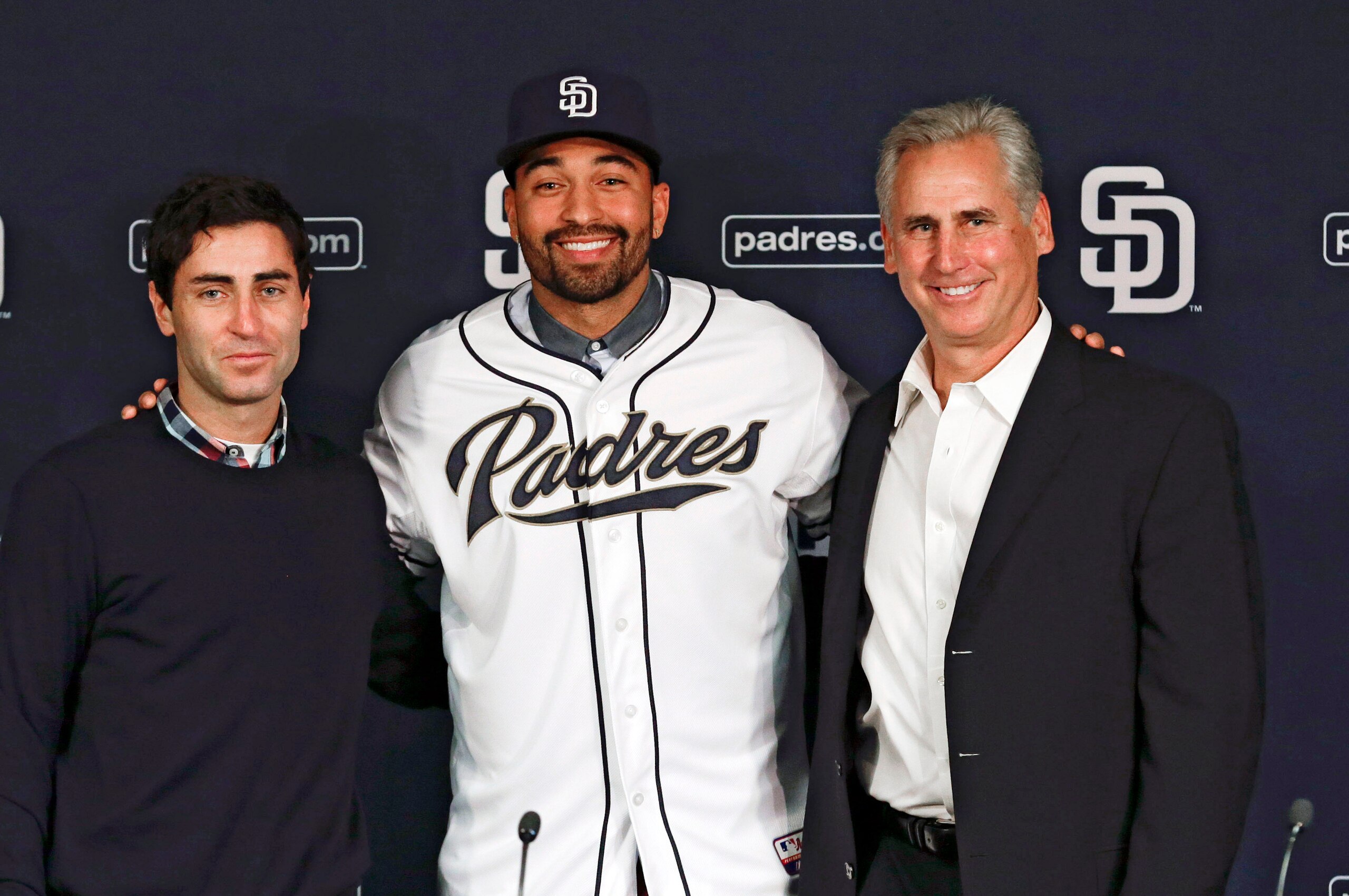
San Diego's biggest weakness was its lack of offense, so new GM A.J. Preller went out and remedied the situation, trading for Matt Kemp, Wil Myers, Derek Norris and Justin Upton. Aside from being All-Star-caliber talent, all four of them are right-handed hitters.
That leaves the Padres with a heavily imbalanced lineup—one that became even more lopsided after the team's trade of Seth Smith, one of its few competent left-handed bats, to the Seattle Mariners in exchange for pitcher Brandon Maurer. As if there was any doubt, Maurer is—you guessed it—a righty.
Adding a left-handed bat (or at least a switch-hitter) to the mix would be ideal. Someone like Tampa Bay's Ben Zobrist, who is believed to be available and is versatile enough to play multiple positions, would be an interesting addition to a vastly improved lineup.
San Francisco Giants: Left Field
24 of 30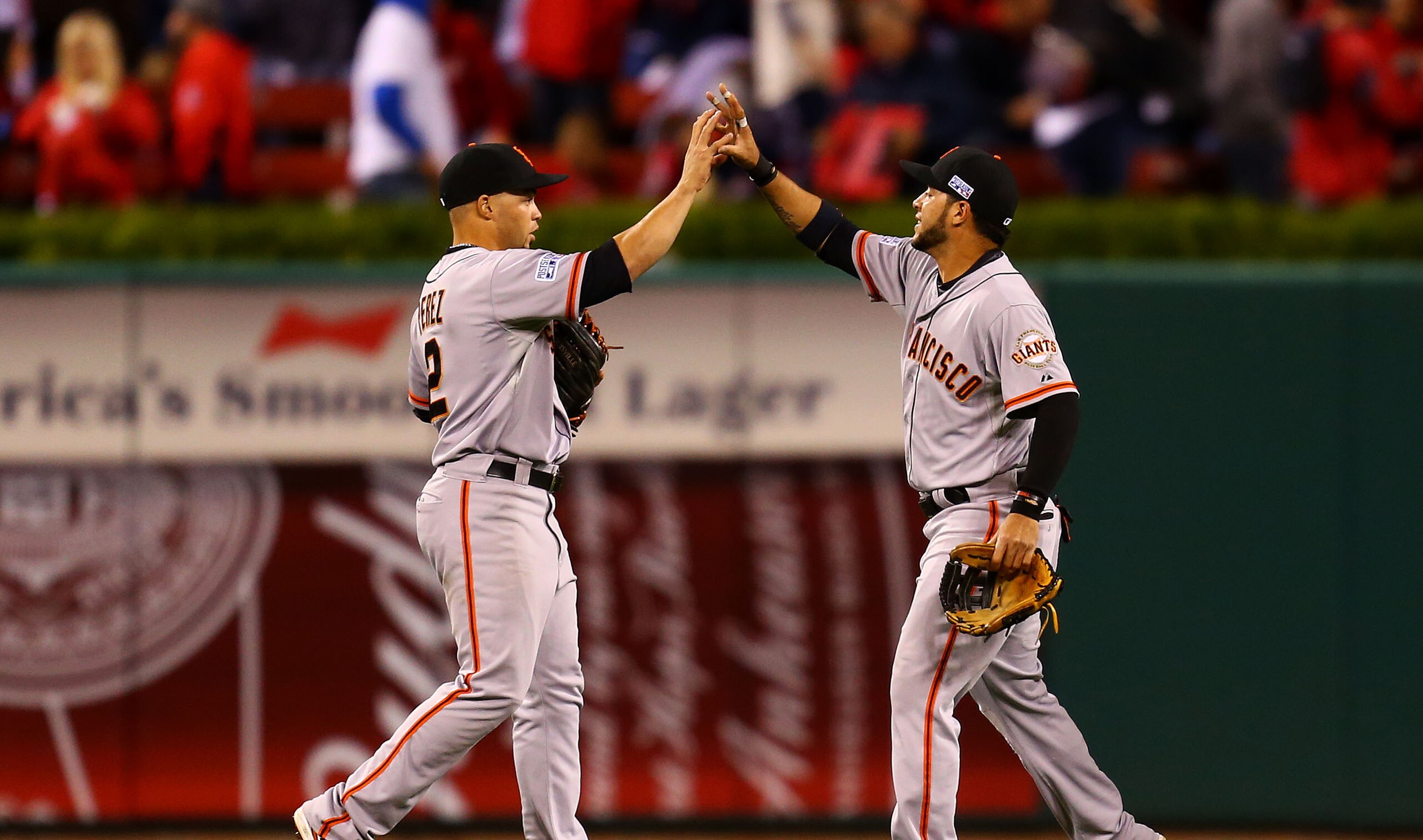
In the seven seasons since Barry Bonds retired, San Francisco has had six different players standing in left field on Opening Day, with only Fred Lewis—in 2008 and 2009—making consecutive appearances.
While the lack of a consistent option at the position hasn't stopped the Giants from winning three World Series crowns over that period of time, it's hard to argue that the club wouldn't benefit from an upgrade at the position.
Adding someone like Nori Aoki, for example, would help to lengthen the team's lineup. Aoki's combination of on-base skills and speed makes him an ideal No. 2 hitter, allowing the Giants to drop Joe Panik in the order—say to No. 6, behind Hunter Pence—where he'd have a chance to be more of a run producer than current left fielder Gregor Blanco.
Seattle Mariners: Left-Handed Bullpen Depth
25 of 30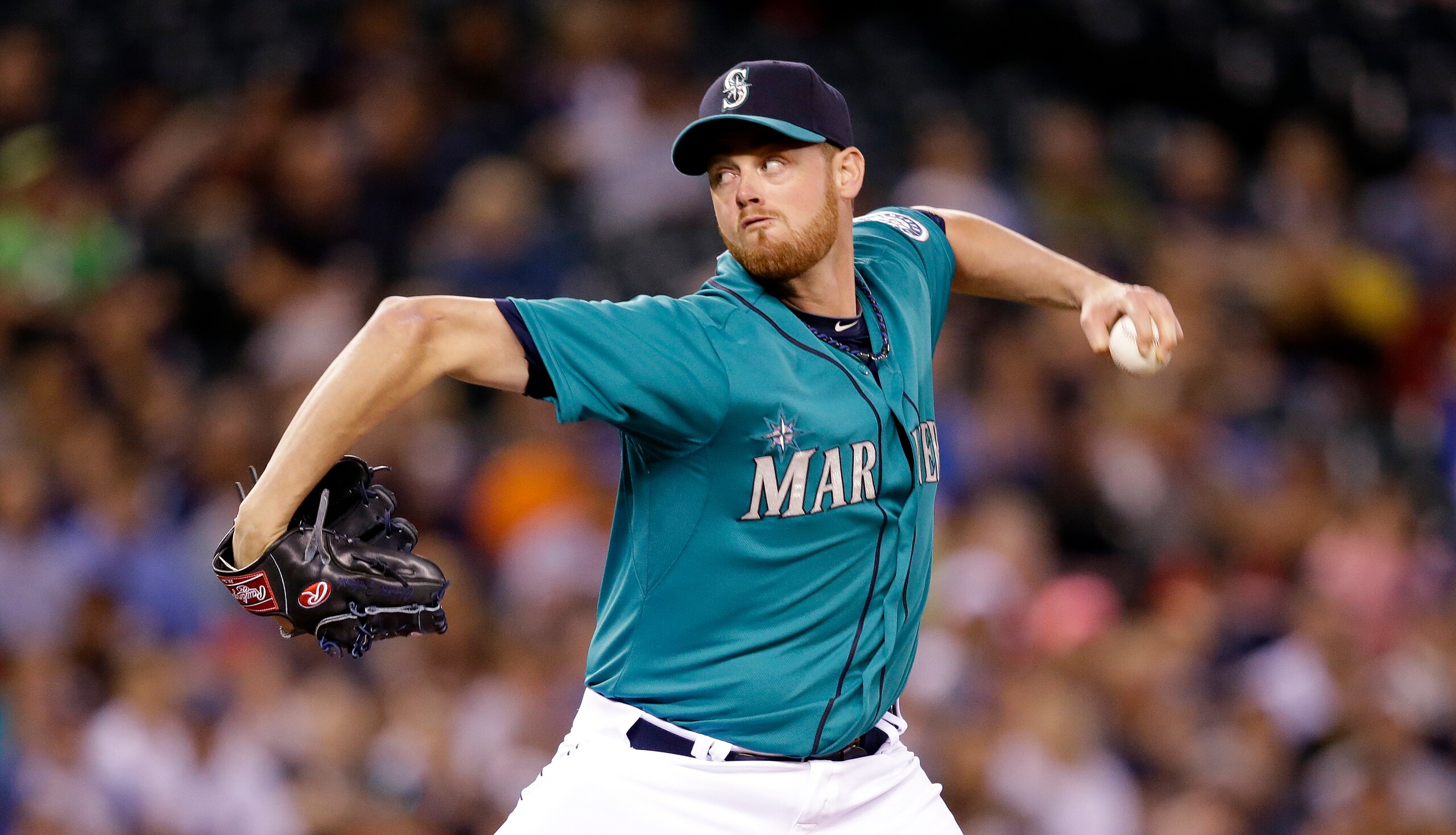
Making wholesale changes to a bullpen that was baseball's best in 2014 isn't typically something that a team would look to do, but a tweak or two is never a terrible idea.
Seattle heads into 2015 with only one left-handed reliever, Charlie Furbush. While the 28-year-old has been effective for the Mariners—he's pitched far better than his 3-11 record or 3.69 ERA over the past two years would indicate—it would be a good idea to give manager Lloyd McClendon a second lefty option.
There are still a number of veteran southpaws available via free agency, including Neal Cotts, Tom Gorzelanny and Joe Thatcher, none of whom would be overly costly to add to the roster.
St. Louis Cardinals: Bench Diversity
26 of 30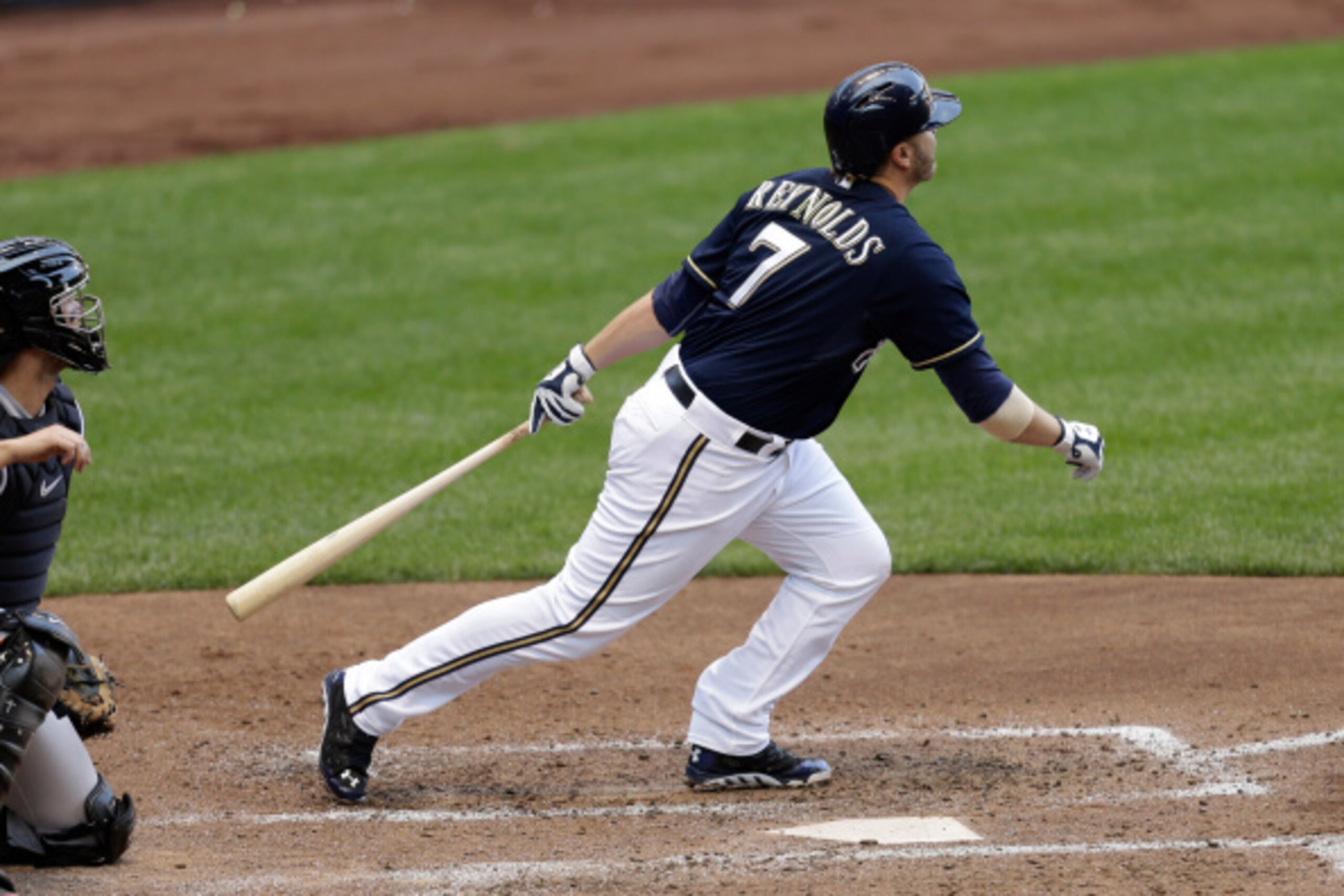
St. Louis is one of the few teams that doesn't have a glaring weakness on its roster. The club's biggest need heading into the winter—adding a bat with power to the bench—was handled with the signing of veteran slugger Mark Reynolds, who also provides insurance at the infield corners.
If there's anything the Cardinals could use, however, it'd be some diversity on the bench. As presently constituted, the team's bench is without a left-handed bat. Reynolds, backup catcher Tony Cruz, utility infielder Pete Kozma and outfielders Peter Bourjos and Randal Grichuk all hit from the right side.
Down on the farm, the club has a handful of versatile, utility player types that hit left-handed—Dean Anna and Greg Garcia, along with switch-hitter Ty Kelly—who could ultimately play their way into a bench spot in spring training.
Tampa Bay Rays: A Lack of Power
27 of 30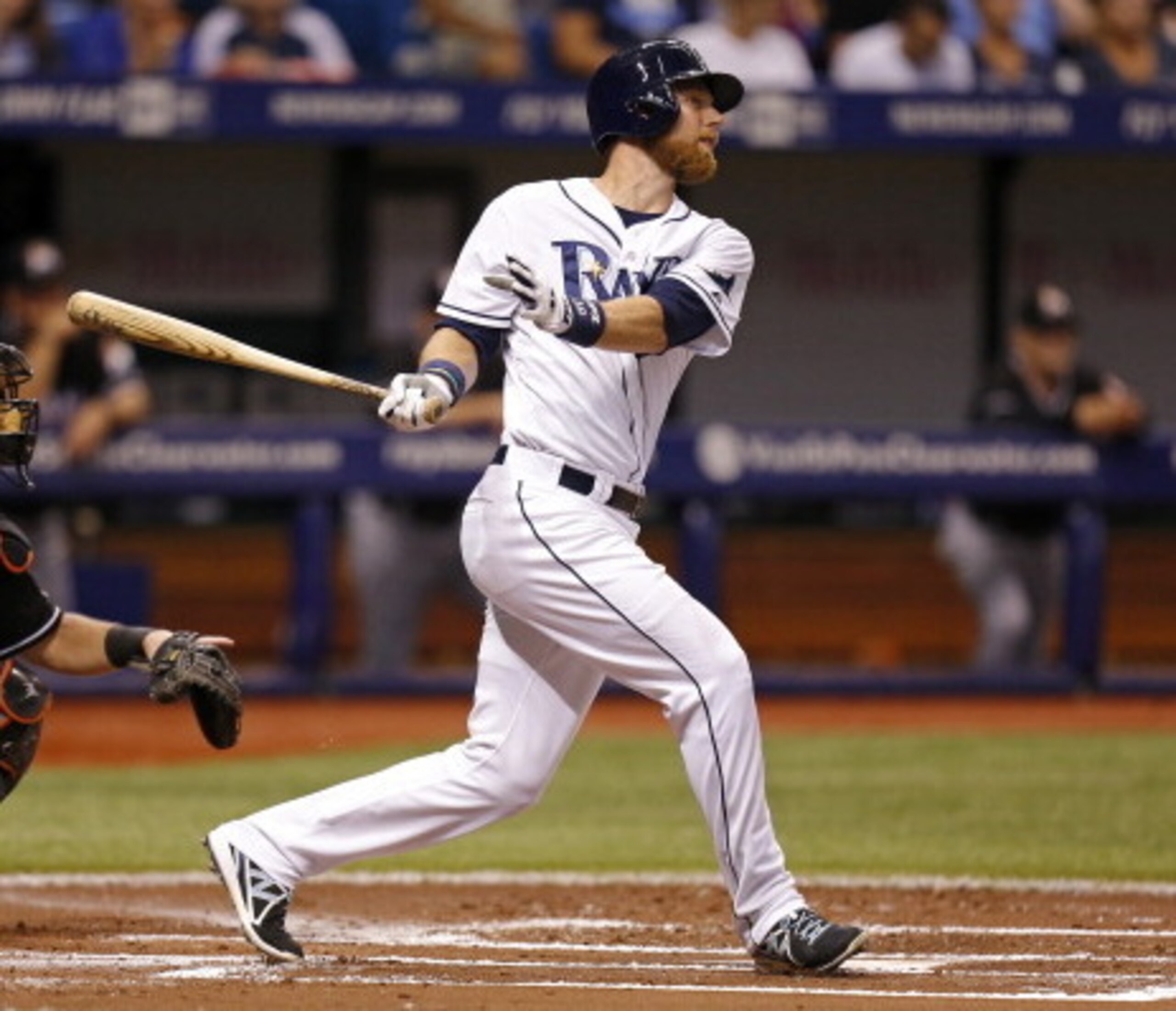
Only four teams—Kansas City, San Diego, St. Louis and Texas—went deep less frequently in 2014 than Tampa Bay did. The Rays had only five players crack double digits in home runs, with Evan Longoria's 22 leading the way.
Super utility player Sean Rodriguez, second on the club with 12 home runs, is now in Pittsburgh. Two more usual sources of power that were coming off of down years, Matt Joyce and Wil Myers, are also gone, now playing in Los Angeles and San Diego, respectively.
Ben Zobrist, who has hit at least 10 home runs for seven straight years (including three 20-home run seasons) and is a free agent after the season, could find himself playing elsewhere in 2015 now that the club has signed Asdrubal Cabrera to handle second base.
Cabrera, along with newcomer Steven Souza, should be able to help pick up the slack left in the power department by the departures of Joyce, Myers and S-Rod. But neither one is a lock to do so.
If and when the Rays decide to move Zobrist, the club must ensure that the package they receive includes a bat with power, preferably from the left side of the plate to help balance out a lineup that is heavy on right-handed hitters.
Texas Rangers: Starting Rotation
28 of 30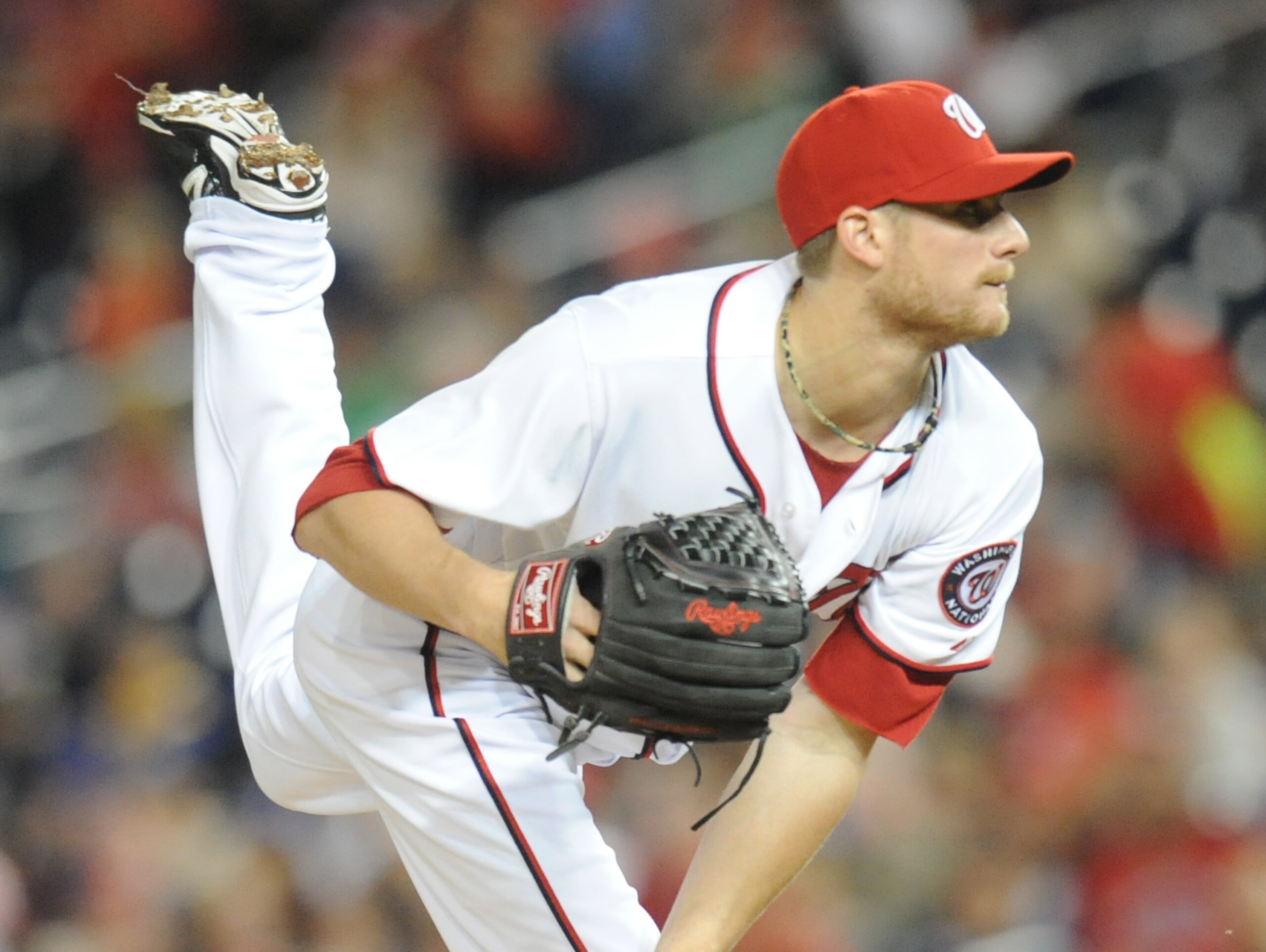
Ross Detwiler's arrival will certainly help a Texas rotation that was decimated by injury and ineffectiveness a year ago, but the Rangers need to be realistic in terms of what they expect from the 28-year-old lefty.
For a savior, he is not.
While in Washington, Detwiler bounced between the bullpen and the rotation, making more than 15 starts and throwing more than 80 innings in a season only once, in 2012. His fastball may sit in the mid-90s, but he's not a strikeout artist, never averaging more than six strikeouts per nine innings of work.
After Yu Darvish and Derek Holland, the team's rotation is full of more questions than answers, with Detwiler, Colby Lewis and Nick Tepesch rounding things out.
Tommy John surgery back in May leaves more questions about what, if anything, Martin Perez will be able to contribute to the cause in 2015, while nobody knows whether Matt Harrison will be able to continue his career after undergoing spinal fusion surgery in June.
So while Detwiler will help, he's not the durable innings-eater that the Rangers needed to plug into the middle of their rotation.
Toronto Blue Jays: Bullpen
29 of 30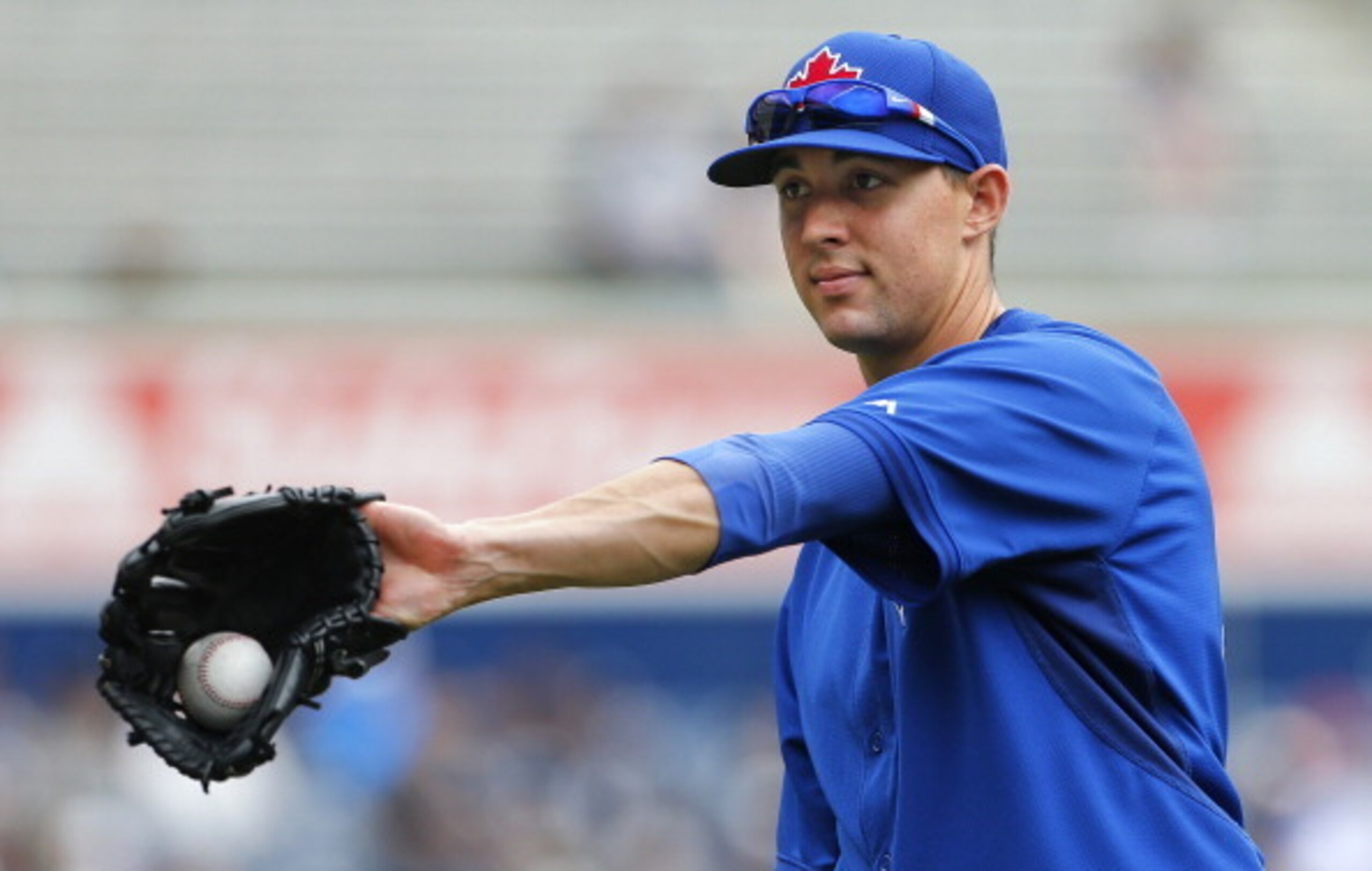
While the additions of RHP Marco Estrada and, to a lesser extent, LHP Scott Barnes will help, Toronto's bullpen is still in need of reinforcements before the 2015 season begins.
Specifically, the group could use a right-handed setup man and a veteran reliever with some closing experience. Players such as Burke Badenhop, Francisco Rodriguez and Rafael Soriano, among others, could all be potential free-agent additions.
Internally, Aaron Sanchez could fill either role, as GM Alex Anthopoulos told Sportsnet's Ben Nicholson-Smith, but the Blue Jays still envision him as a starter:
"Aaron Sanchez still SP long-term, but #BlueJays could add SP & use him in bullpen. AA: "That's definitely a scenario that could happen."
— Ben Nicholson-Smith (@bnicholsonsmith) December 12, 2014"
Southpaw Brett Cecil performed admirably in the ninth inning last year, pitching to a 3.00 ERA and 1.33 WHIP over 12 innings of work, but he's converted only 60 percent of his save opportunities since 2013.
Ideally, Cecil would return to his role as a setup man, pushing fellow southpaw Aaron Loup back into the seventh inning or as a weapon against left-handed batters for manager John Gibbons to call upon, seeing as how right-handed batters have an OPS more than 200 points higher against him than lefties do.
Washington Nationals: Second Base
30 of 30
Heading into 2015, Washington is faced with a platoon of Danny Espinosa and Dan Uggla at the keystone.
That has the potential to be ugly, if not downright terrifying.
While Espinosa isn't nearly the defensive liability that Uggla is, neither one is going to win awards for their work in the field. The more troubling reality of this platoon, however, is the damage that they can inflict on a team's offense.
The pair hit a combined .200 (95-for-474) with 29 walks and 168 strikeouts in 2014. Over 509 plate appearances, that works out, roughly, to a 6 percent walk rate and 33 percent strikeout rate. Neither one has posted an OPS above .700 since 2012, the last time either one was a team's everyday starter.
With last year's stopgap option, Asdrubal Cabrera, now in Tampa Bay, Comcast SportsNet's Mark Zuckerman opines that the Nationals could make a play for versatile Rays veteran Ben Zobrist, who has spent the bulk of his time at either second base or in right field over the past few years.
But Zobrist won't come cheaply, and other teams are sure to be in the mix for his services if the Rays decide to put him on the block. There's nobody close to Zobrist's skill level on the free-agent market, with Emilio Bonifacio, Stephen Drew and Rickie Weeks the best options still available.
Unless otherwise linked/noted, all statistics courtesy of Baseball-Reference and FanGraphs. All contract information courtesy of Cot's Contracts.
Find me on Twitter to talk all things baseball: @RickWeinerBR
_0.jpg?w=2560 "MLB playoffs")
.jpg?w=2560 "Chiefs, Steelers Eye WR Trades")





.jpg?w=2560 "Raiders Sticking with Cousins")