Liverpool's Gay Pride Curse and the 10 Strangest Curses in Football
While many would blame Liverpool's title challenge collapse last season on defensive frailties and bad luck, former UKIP candidate Paul Rimmer has implied a rather more controversial cause.
On his Facebook page, the far-right politician claimed that the Reds have been cursed by God for promoting homosexuality. The Liverpool Echo quotes:
"From the Bible, Sodomy defiles a Nation. Those who promote it will be punished & vomited out of the Land. Lev.18.23.
In 2012 Liverpool FC sponsored the City’s Gay Pride Parade. Unless they repent they will be under a continual curse.
"
Mr Rimmer's comments have been met with widespread condemnation—not least because the Bible verse he quotes refers to bestiality rather than homosexuality—but it is yet another example of a supposed curse being placed on a football team.
Here are 10 other (much more palatable) instances in which it has been claimed that a club has suffered some ill-fated hoodoo.
Birmingham's 100-Year Gypsy Curse
1 of 10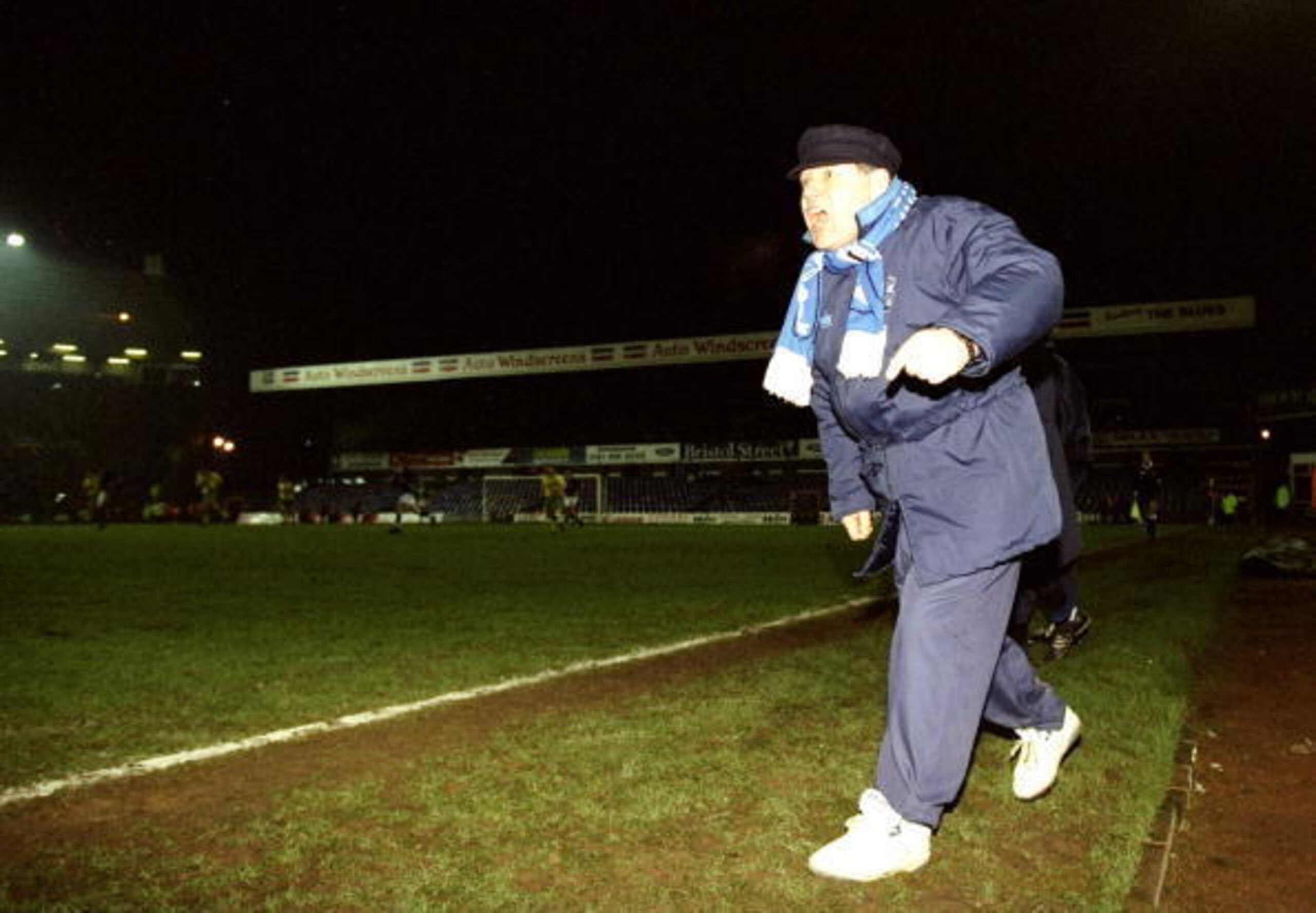
Birmingham City moved to St Andrews from nearby Muntz St on Boxing Day 1906, apparently making their new home on land previously occupied by gypsies.
It was thought that the previous occupants placed a 100-year curse on the land, with managers hanging crucifixes from the floodlights and painting players' boots red to try and lift it.
After a three-month winless spell, Barry Fry famously urinated in all four corners of the pitch as a last-ditch attempt. "We were desperate, so I p----d in all four corners, holding it in while I waddled round the pitch," he said in an interview with Four Four Two (via The Guardian).
Derby County's Gypsy Hex
2 of 10
Much like Birmingham, Derby County moved on to gypsy land when they moved to the Baseball Ground in 1895.
The Romany settlers who had been ousted in favour of the venue were said to have placed a curse dictating that the Rams would never win the FA Cup. They lost three finals between 1986 and 1903, giving credence to the vexation.
However, prior to their 1946 FA Cup Final with Charlton, club captain Jack Nicholson (no, not that one) paid the gypsies to lift the curse according to the Telegraph's Rob Smyth. When the score was 1-1, the ball burst, which many took as a sign of the curse lifting. Derby went on to win 4-1.
Hammerfest's Norwegain Unrest
3 of 10A 1999 Norwegian second-tier derby between Alta and Hammerfest ended 2-1 to the former, enraging the latter who believed that the referee made some poor decisions.
The official, Nils Mikkel Sara, demanded an apology for the criticism. When it didn't come, he placed a "gande" on the team that would cause them to lose the remainder of their matches and be relegated.
According to coach Terje Hansen, via the Guardian, Hammerfest proceeded to lose all their matches despite playing well. A herring sacrificing ritual came too late and they ended up dropping to the third tier.


The European Cup Trophy Touching Tribulation
4 of 10Note to all top-level professional footballers: If you reach the European Cup final, do not touch the trophy as you emerge onto the field.
According to the FIFA website, Monaco's Ludovic Giuly did it in 2004, Gennaro Gattuso took a touch in 2005 and Bayern Munich's Anatoliy Tymoshchuk brushed the silverware in 2012.
All three players tempted fate and ended up on the losing side.
America De Cali's 'Curse of Garabato'
5 of 10Colombian side America De Cali turned professional in 1948, much to the chagrin of owner Benjamin "Garabato" Urrea. "You can do what you want with America, but I swear before God that they will never be champions," he apparently said according to FIFA.com.
No one took him seriously, but the side then failed to win a championship for the next three decades. In 1978, a group of season ticket holders were desperate to reverse the curse and performed an exorcism on the field.
The following season, they won the championship and then picked it up six more times in the decade that followed.
The Socceroos' Witchdoctor Woes
6 of 10Before the Australia national team played a 1970 World Cup qualifier against Rhodesia, the players are said to have consulted a witch doctor to curse the opposition and bury bones near the goalposts according to The Age.
The Socceroos won the match 3-1, but apparently failed to pay their witchdoctor's $1,000 fee.
The occultist subsequently cursed the Aussies, who failed to reach the 1970 World Cup, failed to score at the 1974 edition and didn't qualify again until 2006.
In 2004, it is thought the curse was reversed when media personality John Safran headed to Africa for an episode of his show John Safran vs. God to hire another witchdoctor to undo the damage.
Benfica's Curse of Bela Guttman
7 of 10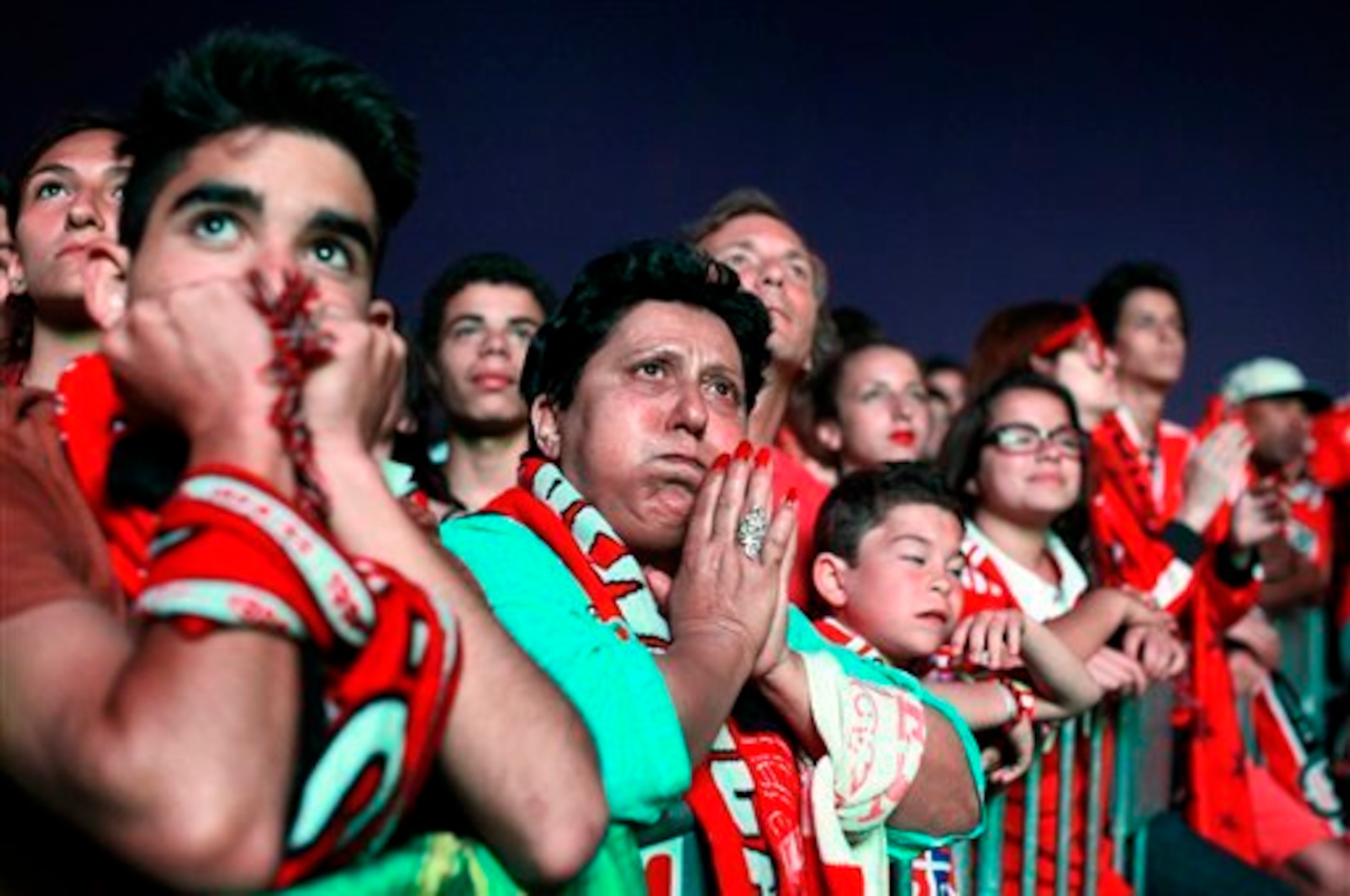
In May, Benfica lost their eighth straight major European final when Sevilla pipped them to the Europa League trophy on penalties.
Superstitious fans cited the curse of Bela Guttman, named after a manager who took charge of the Portuguese side in 1959.
After winning the Eagles consecutive European Cups, Guttman requested a pay rise. When no further money was forthcoming, he placed a curse, allegedly exclaiming: "Not in a hundred years from now will Benfica ever be European champion!" according to the Independent.
So, hold off on backing Benfica for European glory until at least the year 2060.
Southampton's Uneasy Start at St Mary's
8 of 10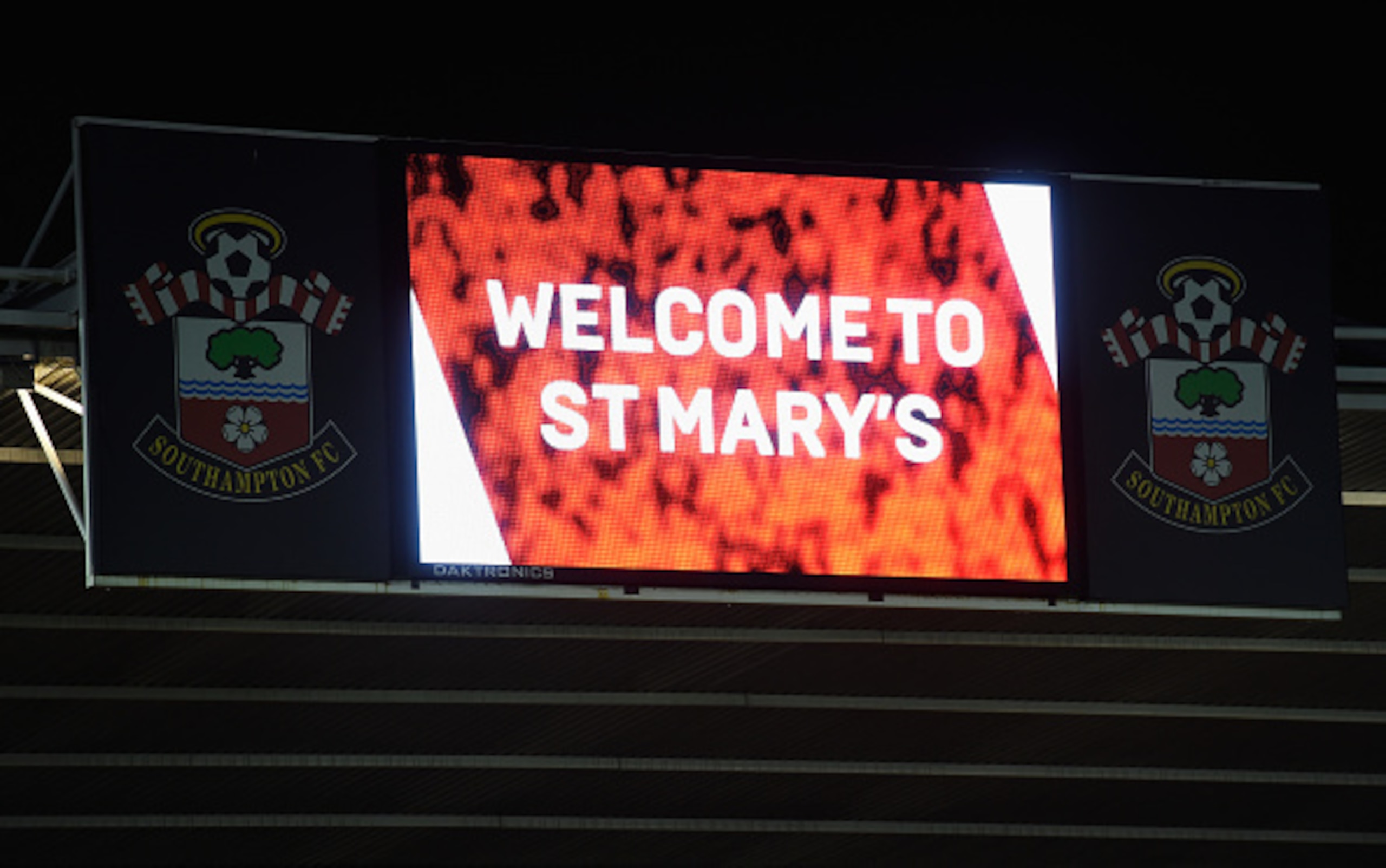
Southampton moved from the Dell to the St Mary's area of the city in August 2001, but Saints failed to win a game at their new home before November.
So, rather than making adjustments to the team or management, they took the practical route of hiring a Pagan witch to perform a Celtic ritual on the field according to John Ley of the Telegraph. Cerridwen "DragonOak" Connelly sprinkled water on the field to ward off evil spirits, shortly before the Saints stormed to a home win over Charlton.
Southampton's swanky new training facilities were threatened with a curse when a builder attempted to place a Portsmouth shirt within its walls. Thankfully, his dim-witted decision to film the incident meant it could be located and removed.
Racing Club's Cat Crisis
9 of 10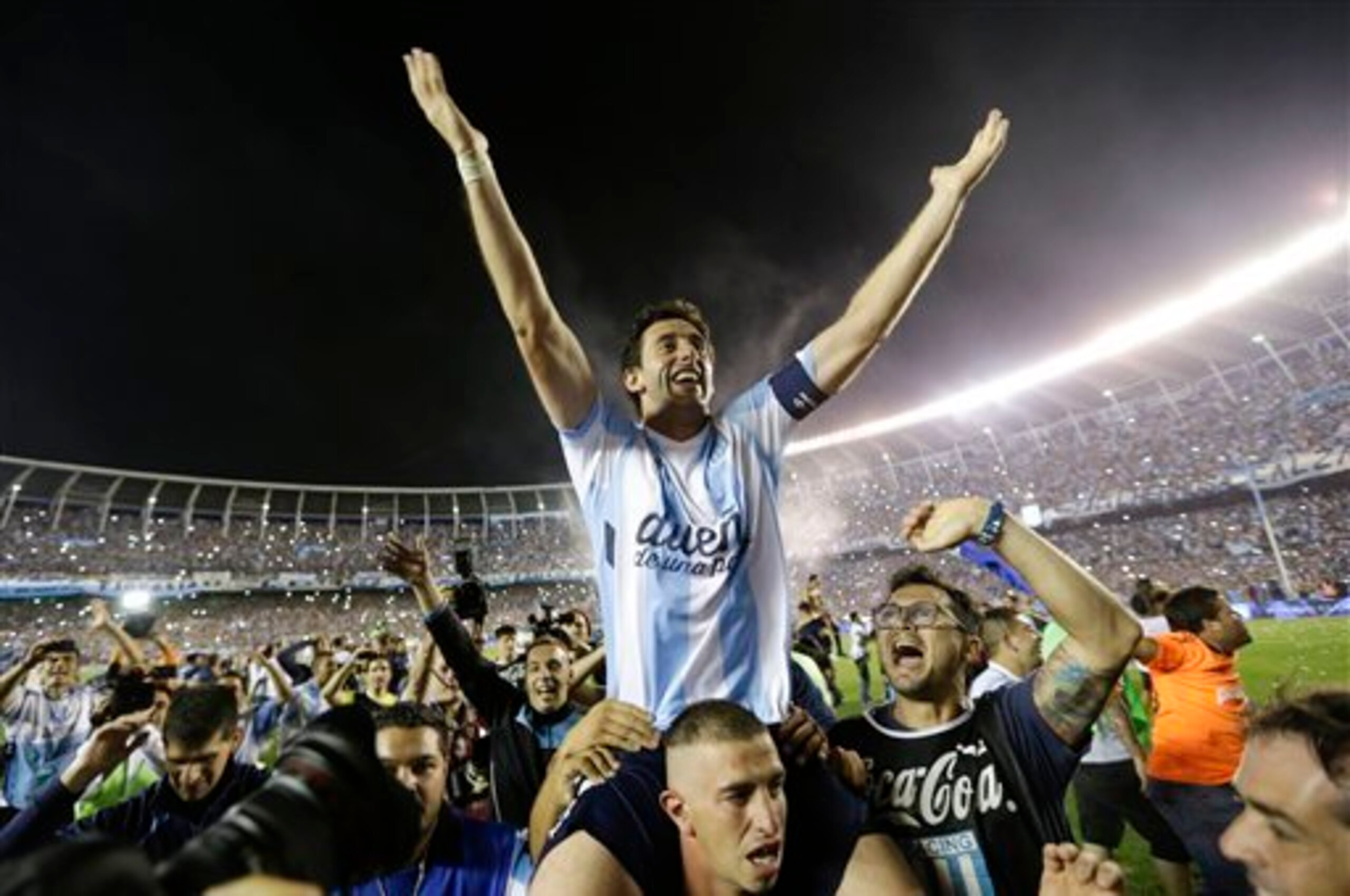
In 1967, fans of Argentinian side Independiente attempted to stop arch rivals Racing Club in their tracks by burying the corpses of seven dead cats at their El Cilindro stadium.
According to the Guardian, Racing Club did everything in their power to remove the curse, including an exorcism and and excavation of the pitch, during which only six of the cat corpses were located. In 2001, the seventh was finally found during stadium renovations.
That season, Racing Club ended their 34-year trophy drought by winning the league.
Earlier this week, the daughters of the club's owner took selfies on the field that once held a cat curse as La Academia won the league title once again.
The Elland Road Curse
10 of 10
Don Revie brought great success to Leeds United during his reign as manager, where he ruled with a strong sense of superstition. He always wore the same suit, took the same route to the dugout on match days and was so concerned with images of birds that he removed the peacock from the club crest and rid the stadium of all avian imagery.
When Elland Road was built in 1897, the club apparently faced similar threats from Romany gypsies as Birmingham and Derby. In 1971, Revie reportedly employed a gypsy to spiritually cleanse the ground according to the Daily Mail's Michael Walker, but the Whites ended up finishing second in the league that season by a single point, having led the charge for most of the campaign.
With the tumultuous goings-on at Leeds over the past few decades, it has been argued that Revie failed to lift the stadium's gypsy curse.
.jpg?w=2560 "NBA Gambling Charges")


.jpg?w=2560 "Aikman Blasts Cowboys WR 🫣")

.jpg?w=2560 "Jonathan Taylor Landing Spots")