
The Midterm Awards for This Decade in Men's Tennis
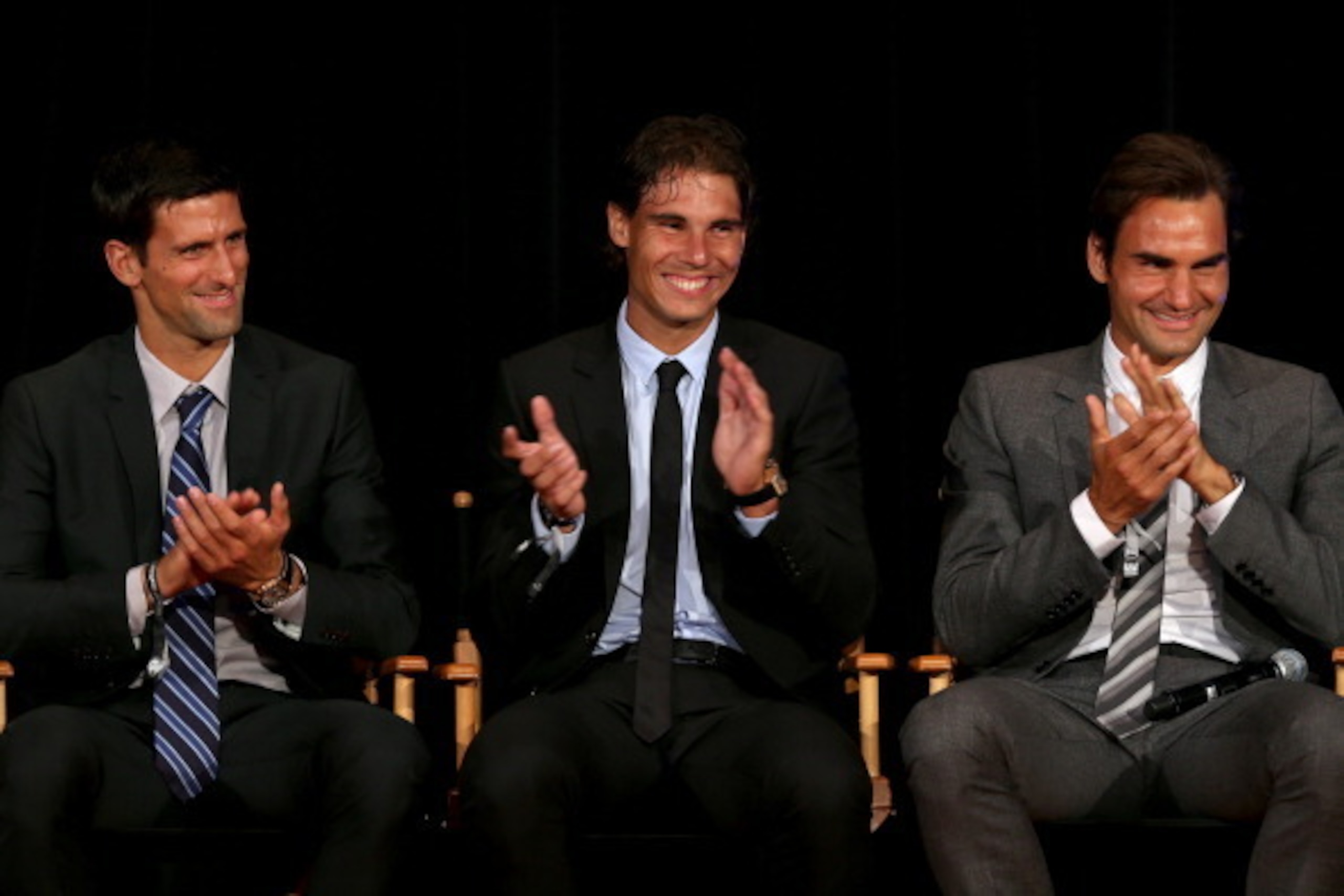
Men's tennis is halfway through the teens decade (2010-2019). We are all set to hand out awards for five years that have featured tennis excellence, primarily from its biggest superstars.
In the previous half decade (2005-09), Roger Federer and Rafael Nadal were the heavyweights who dominated the sport, taking 17 of 20 majors (Federer 11, Nadal 6, Marat Safin, Novak Djokovic, Juan Martin del Potro) and holding all 260 weeks with the No. 1 ranking (Federer 214-Nadal 46).
The theme of dominance has continued for 2010-2014, but it has shifted to Nadal and Djokovic with the supporting cast of Federer and Andy Murray. It's arguably a more competitive period for majors, Masters 1000 titles and the No. 1 ranking.
The awards we give will not include gimmick matches such as John Isner vs. Nicolas Mahut or more irrelevant labels such as biggest temper tantrum or fastest server. These kinds of awards are great for trivial tennis, but we are concerned with big-picture achievements over historical comparisons.
We have settled on 12 awards of recognition, culminating with our most thrilling major final and player of the first half of this decade.
Retire with Honor: Andy Roddick
1 of 12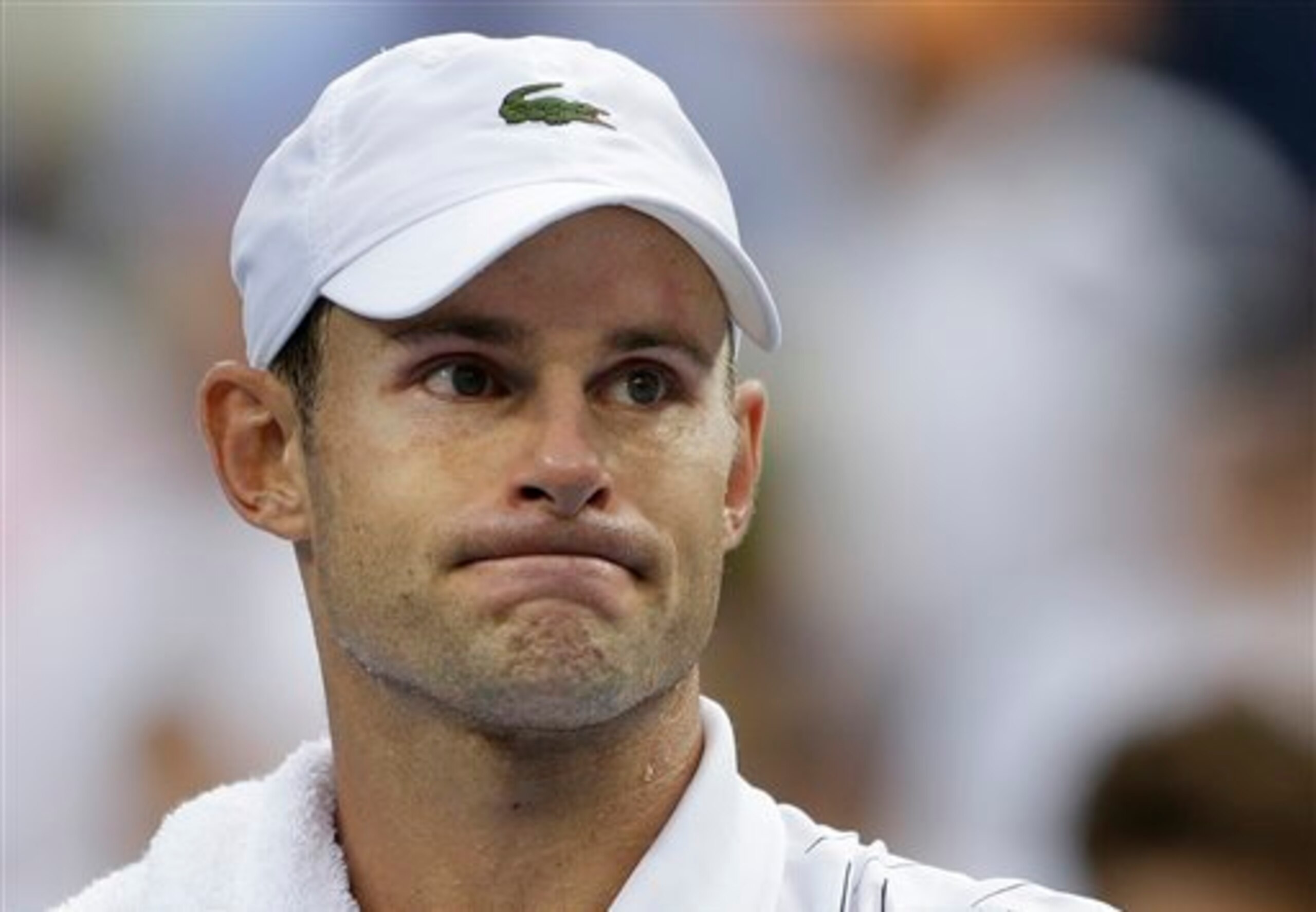
The last American to win a major (2003 U.S. Open), Andy Roddick was the most important player to retire in the past half decade. He bowed out at the age of 30 following his 2012 U.S. Open fourth-round loss to Juan Martin del Potro.
Roddick, best known for his massive serve, ball cap and frankness in delivering quotes, became an unfair symbol of America's decline in tennis, a reminder that he was not Pete Sampras or Andre Agassi. He was also a foil to the legendary rise of Roger Federer.
Nevertheless, Roddick was a big success, appearing in five major finals, losing Wimbledon three times to Federer (2004-05, 09) and the 2006 U.S. Open to Federer. He held the No. 1 ranking 13 weeks from November 2003 to February 2004.
Other noteworthy veterans who hung up their rackets included second-tier stars Ivan Ljubicic, David Nalbandian and Nikolay Davydenko.
Most Historical Moment: Andy Murray
2 of 12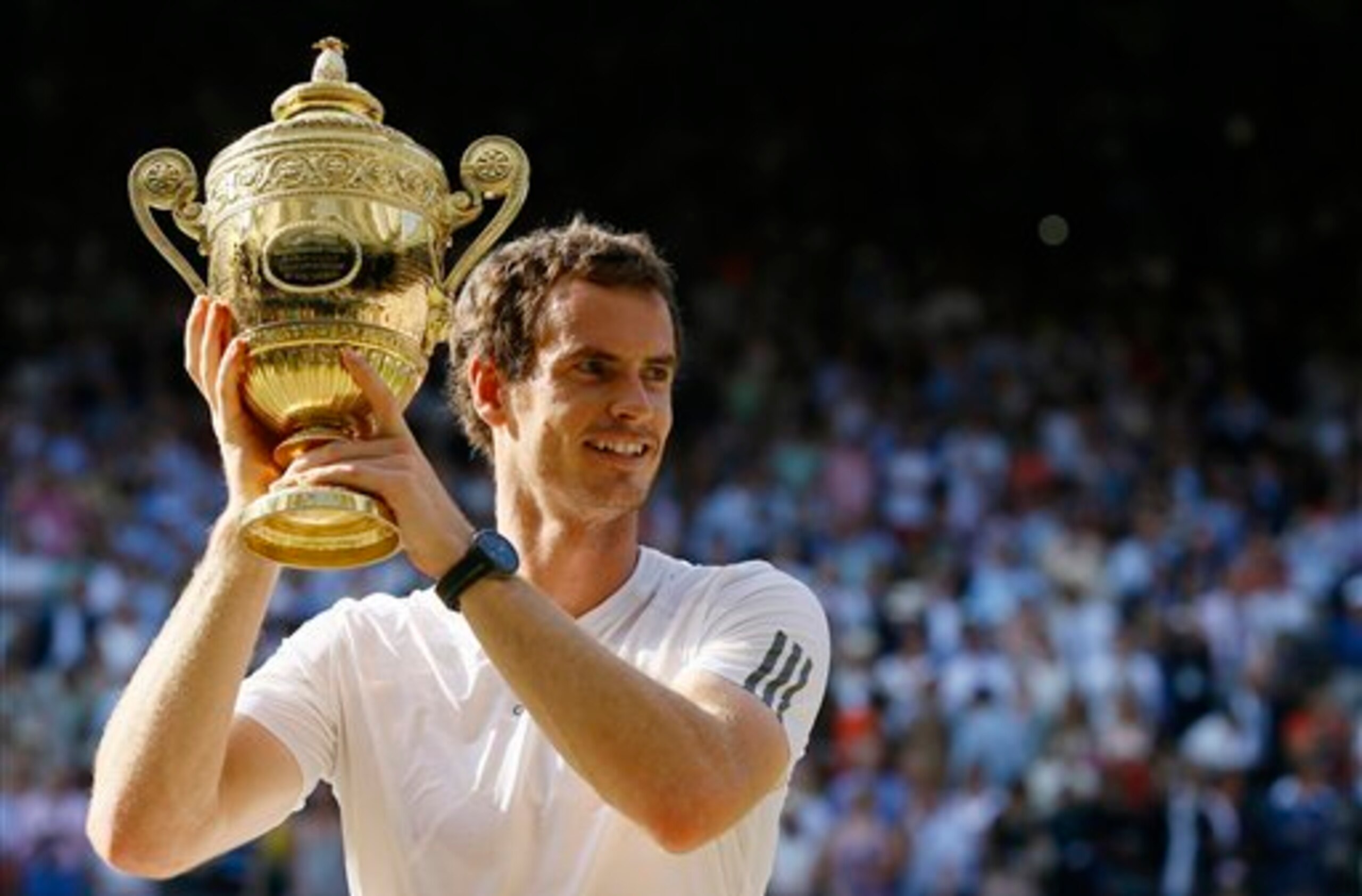
Andy Murray had chased away his Grand Slam frustration by winning the 2012 U.S. Open, but his 2013 Wimbledon championship was one for the ages.
Murray's final match, a straight-sets affair in hot weather against Novak Djokovic, was less memorable than the result. He obliterated Great Britain's long-suffering wait to crown a men's singles champion for the first time since Fred Perry's 1936 title. It was joy for nations, a career pinnacle for Murray and a bone for the unrelenting media and its endless penmanship and perspectives.
We now have the following list of Grand Slam venues and the last time its native son won the title:
Wimbledon: Andy Murray 2013
U.S. Open: Andy Roddick 2003
French Open: Yannick Noah 1983
Australian Open: Mark Edmondson 1976
Suppose we try and guess who has the best chance to alter this list in the next five years. Australians Nick Kyrgios, Bernard Tomic and Thanasi Kokkinakis might give Australia the strongest chance to hit Grand Slam paydirt.
Andy Murray for an encore at Wimbledon? Well, it's possible, but fairly unlikely right now. He will need to show a true return to his 2012-13 form, but lately the consensus is that he's on the decline. There are other rising young guns at Wimbledon such as Kyrgios, Grigor Dimitrov and Milos Raonic who will challenge the aging superstars. Murray has his work cut out for him.
Veteran French players are solid, but time and opportunity appear bleak for Jo-Wilfried Tsonga to win on clay even if he was a French Open semifinalist in 2013. He won't outlast Rafael Nadal or Novak Djokovic's careers.
U.S. players appear to be nowhere near to winning a major. However, a great population base of over 300 million and the right young player bursting through could bring back U.S. glory in the near future.
Lifetime Achievement Award: Roger Federer, Summer 2012
3 of 12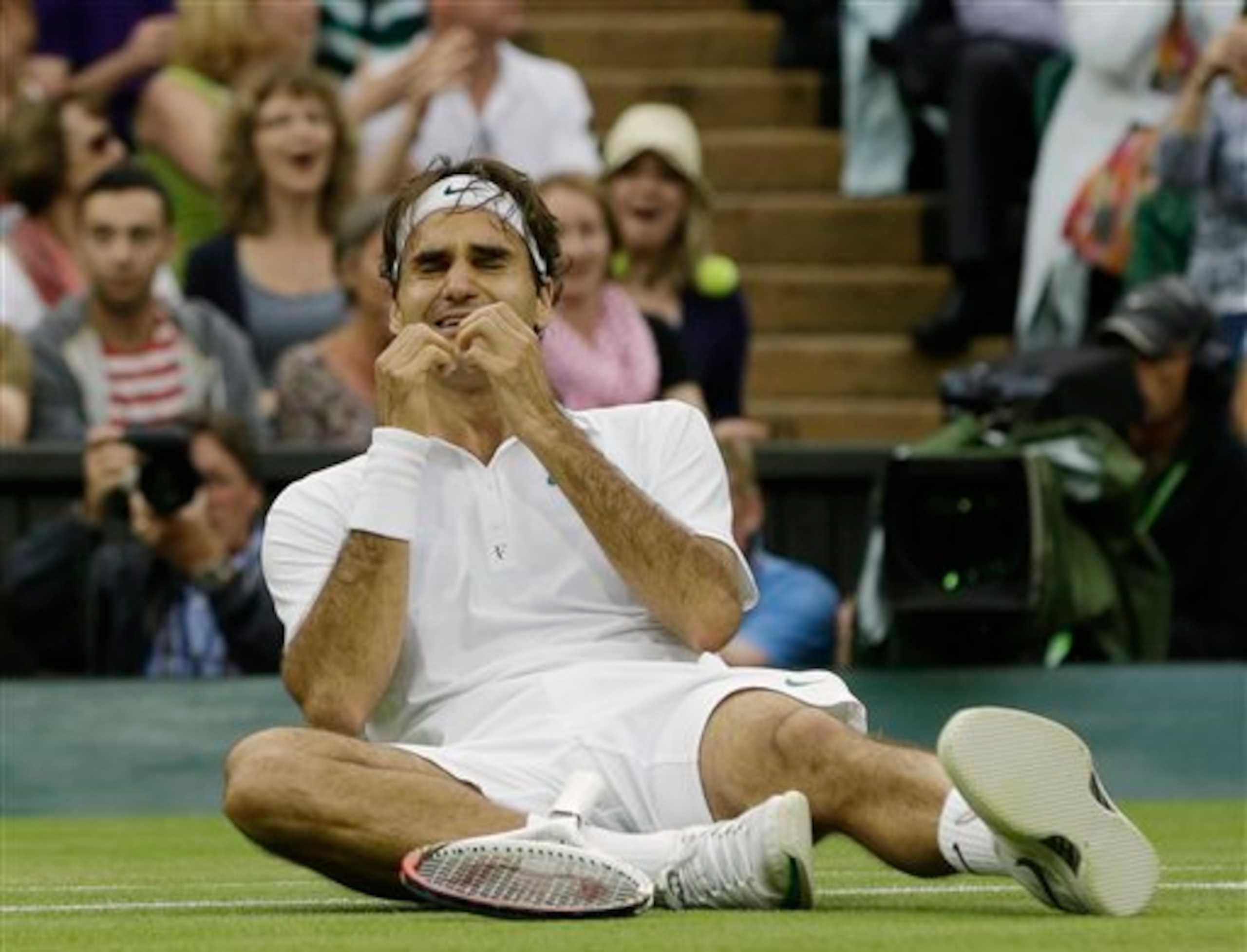
Roger Federer's summer of 2012 was a year in the making, so credit must be given to 2011 as well in order for him to get back to the No. 1 ranking for 17 weeks from early summer to fall. This was an important achievement because Federer had trailed Pete Sampras for career weeks at No. 1 (286).
So, Federer's summer allowed him to surpass Sampras, ultimately hitting 301 weeks, a record that could stand for years or decades to come unless Novak Djokovic can have an even bigger run at No. 1 than he had the first half of the decade.
Furthermore, Federer's 2012 Wimbledon title was his seventh crown there, tying him with Sampras and giving greater weight to those who feel he is the greatest grass-court player of all time.
Federer's 17th major is the most important standard for fans and media in comparing tennis achievements between great players. Unless Rafael Nadal is playing at his best for a few more years, it will be difficult for the Spaniard to win three or four more majors.
Federer won the first major of the decade, a convincing win over Australian finalist Andy Murray. Here is his breakdown by calendar half-decades:
2000-04: Four major titles
2005-09: Eleven major titles
2010-14: Two major titles

.jpg?w=2560 "NBA Gambling Charges")

Comeback Player: Rafael Nadal 2013
4 of 12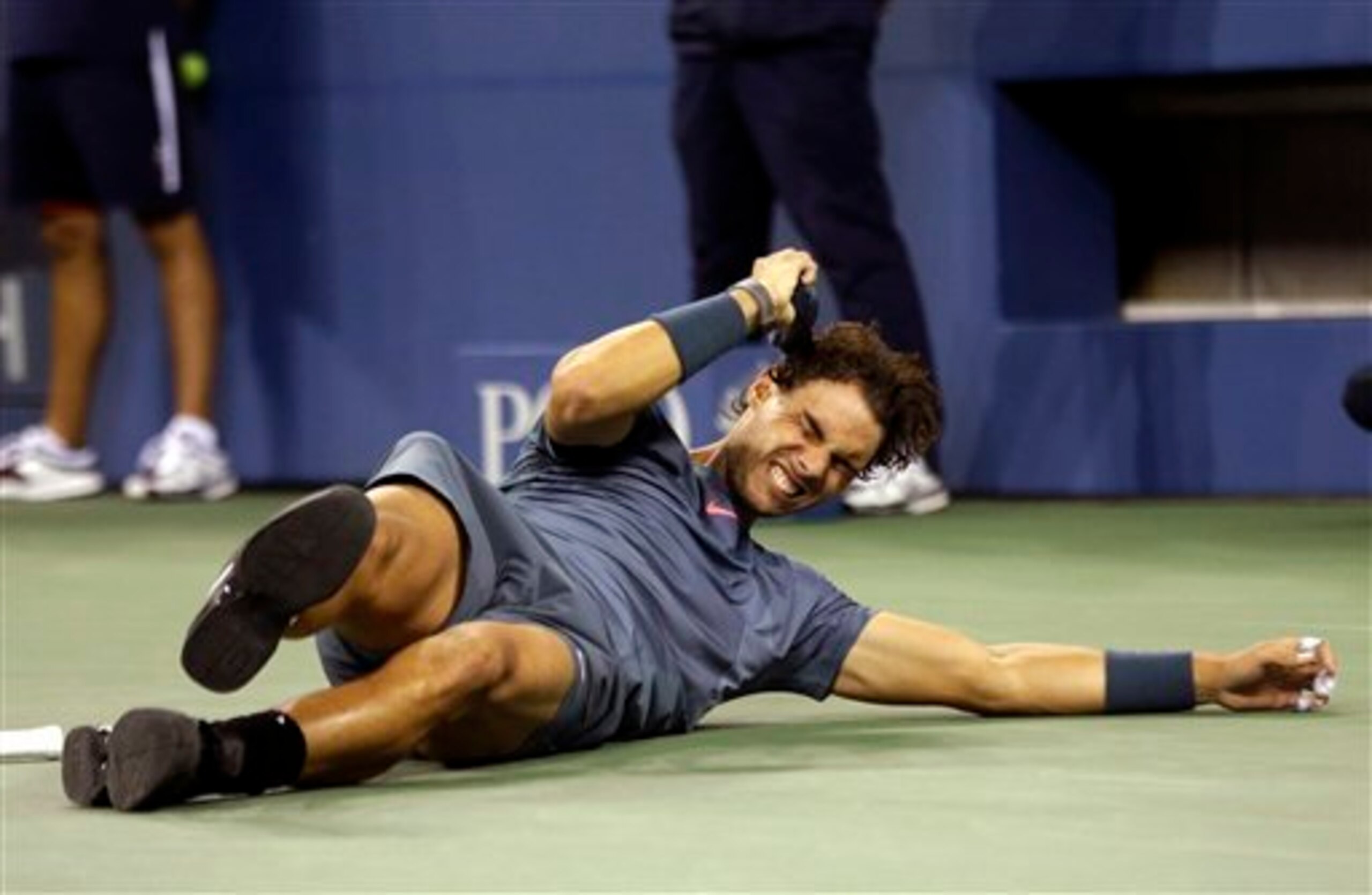
This is a strange kind of award, but one that is nonetheless presented to athletes in other sports who typically come back from injuries or other less-than-stellar off-field issues such as drugs and/or suspensions.
But comebacks are a very important part of sports. They emphasize resurgence, nostalgia and recovered potential. There is broad appeal for sports fans and comeback stories, if not outright fascination.
In tennis, Rafael Nadal could be handed a lifetime achievement award for "comeback player." He has had several bouts of injuries, beginning in 2004 before most people had heard of the teenager. There were setbacks in 2005, 2009, 2011, 2012 and 2014 derived from his body breaking down.
Above all, the 2013 Nadal comeback was remarkable. He had suffered a debilitating knee injury at 2012 Wimbledon, sat out for seven months and finally returned to clay courts in South America in February 2013.
Soon after, he went on a rampage, beginning with the Indian Wells Masters 1000 title. He won five Masters titles and grabbed two majors, continuing his run at Roland Garros and topping rival Novak Djokovic for the U.S. Open title. He also claimed the year-end No. 1 ranking and stayed at the top for 39 weeks.
Publications ranging from The Mirror ("the greatest comeback in the game has ever seen") and SI.com all paid homage to Nadal.
Legends such as Mats Wilander and Andre Agassi marveled at Nadal. Said Wilander in SI.com:
"I don't think anybody's played the game with the same kind of positive energy and emotion. No one. Not even Lleyton Hewitt and not Jimmy Connors. Even though they are the great fighters, apart from Nadal, they're not as positive as Nadal. He is always positive. He's just a new breed. We've never seen anything like him.
"
Agassi's comments in June 2013, predated his North American hard courts sweep, the first time in a decade this had occurred. Said Agassi in Deccan Chronicle:
"To watch him come back and do what he has done tells you a lot about his psyche, tells you a lot about how he spends time, tells you a lot about his decision making, tells you a lot about his heart, about his work ethic. To miss that kind of time and to do what he’s done, I’ve never seen it.
"
By May, 2014, Agassi tabbed Nadal to be his choice for "Greatest Player of All Time," according to his interview with Singapore newspaper Straits Times, via the Associated Press and Tennis.com.
Most Improved Player: Stanislas Wawrinka
5 of 12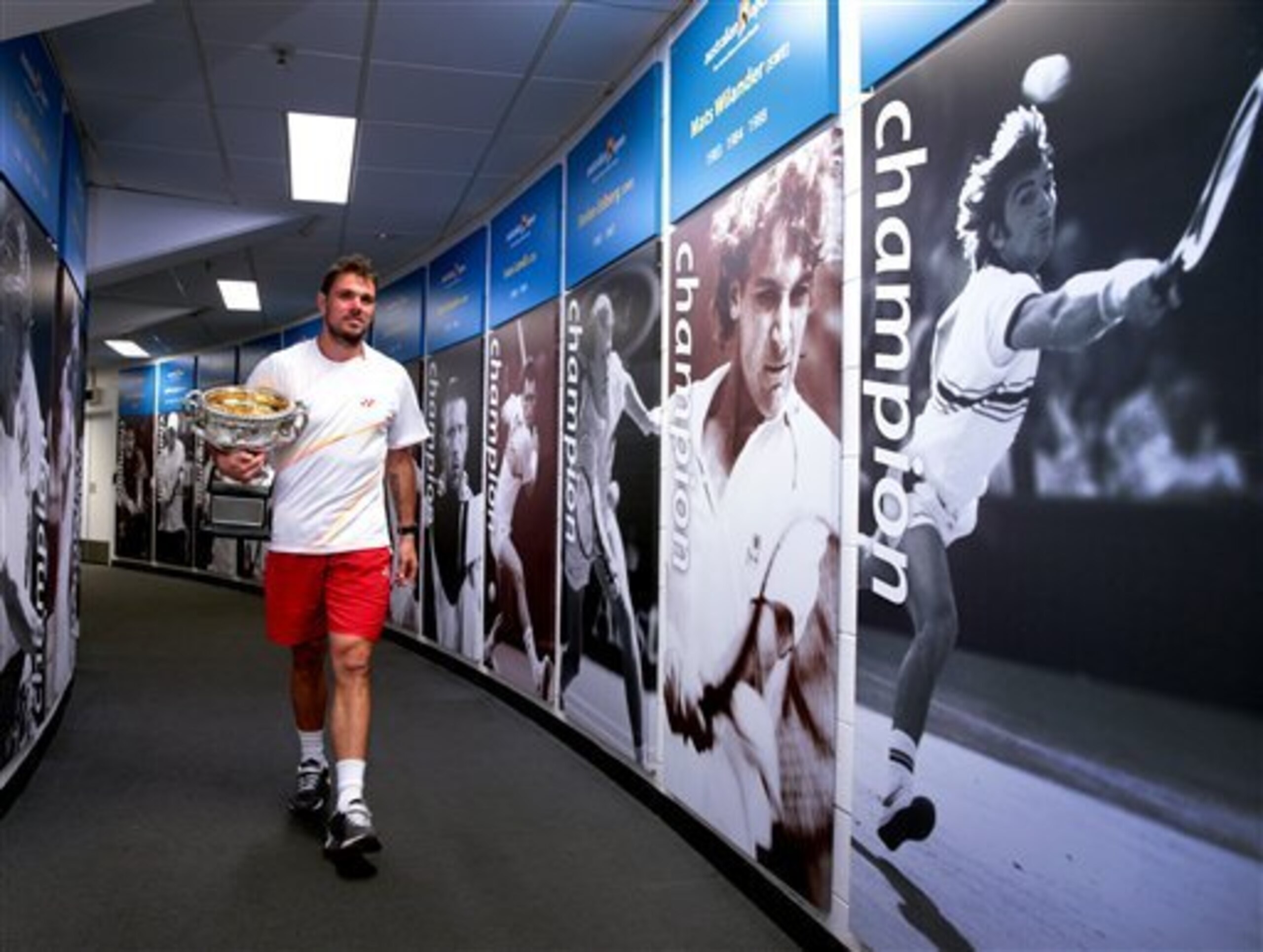
Eventually someone had to chip away at the near-total domination of Federer, Nadal, Djokovic and Murray. It would not be an upstart talent but the veteran Stanislas Wawrinka, a blocky figure with thick arms and big enough strokes to blast holes into the best players in the world.
Prior to 2013, Wawrinka usually hovered just inside the Top 20, good enough to win against just about everyone else, but often misfiring in big matches, pressing too hard with errors and lacking the defensive speed and conditioning needed to truly compete with the top stars.
He built his conditioning as much as his belief. It wasn't easy, because losing usually has a way of beating acceptance into its recipients.
Then he nearly outhit Novak Djokovic at the 2013 Australian Open. He hired coach Magnus Norman, and got an earful of positive direction. Confidence and fight became his inner mechanisms even while looking to creep up to the top of tennis.
By 2014, Wawrinka had worked himself into the kind of shape and mental toughness needed to overthrow Djokovic and Nadal. At the Australian Open, he did not waver. He defeated both superstars behind fierce baseline shots and his willingness to fight. He won the Australian Open, claimed Monte Carlo and spent the rest of the year at the No. 3-4 ranking.
Tennis observers might claim that Wawrinka has opened the door for the likes of Marin Cilic, Grigor Dimitrov, Milos Raonic and Kei Nishikori. Other players on the tour are looking to bolster their own talents and maturation with belief. It's one of the important subtopics of 2014.
Masters Champion: Novak Djokovic
6 of 12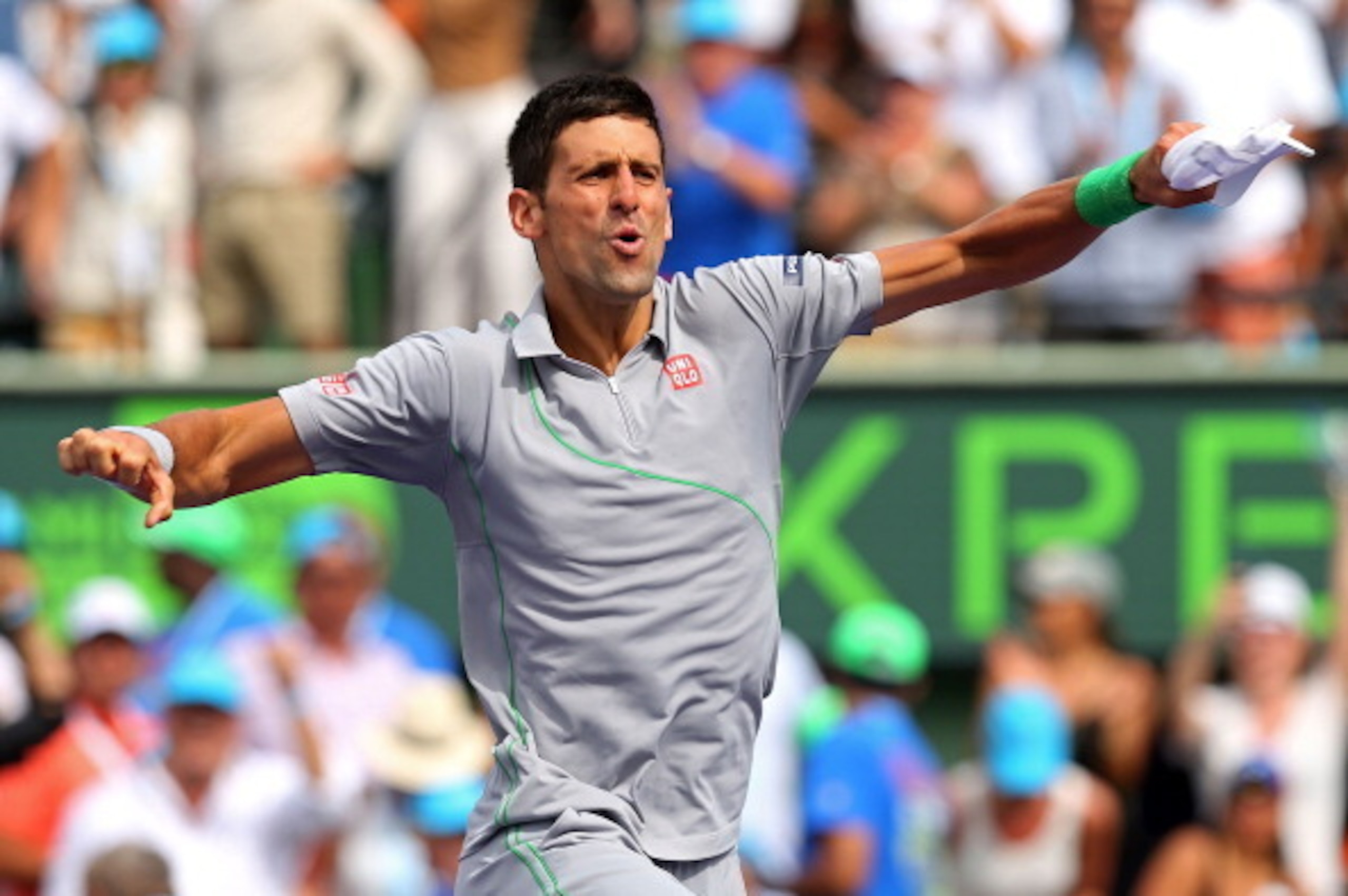
It's really not that close. Novak Djokovic is currently the most versatile and dominant player when all surfaces are considered. While Roger Federer has dropped somewhat on clay and Rafael Nadal is mortal the minute the U.S. Open trophy is handed out, Djokovic is the best bet for most Masters 1000 opportunities.
First their records in Masters 1000 finals for the past five years:
Djokovic (15-4)
Nadal (12-7)
Federer (7-7)
Murray (5-2)
Djokovic won 11 Masters 1000 titles on hard courts and four on clay. He only needs to win Cincinnati to claim all nine titles for his career resume, something no player to date has accomplished. Throw in three straight wins for London's WTF all-star spectacle and Djokovic is a runaway winner, master of all surfaces on a grinding tour that demands excellence month after month.
The Serbian also took care of Nadal with a 7-2 head-to-head record in Masters 1000 finals, including 4-2 on clay. When he was at his best, like the 2014 Miami Masters final, it was his tournament to lose.
Other notes:
Nadal went 15-6 in the 2005-09 half decade. The biggest difference was that he could handle Federer on clay last decade, but he met his match in best-of-three sets to Djokovic this decade.
Federer appeared in four finals in 2010 and five finals in 2014, his most prolific results of the five years.
Murray had two Masters finals appearances each of the first three years in this period, but only one appearance in the past two years combined.
Most Consistent Superstar: Novak Djokovic
7 of 12
The ATP No. 1 ranking is crafted upon a body of work that takes one calendar year. The computer never stops to look at style points or exaggerate a recent big win. There are no votes to decide who is the best player in the world. It takes wins and titles across the entire tour and globe. The No. 1 ranking is the benchmark for consistency in greatness.
The Big Three of men's tennis held all 260 weeks for the No. 1 ranking. We break down the numbers of weeks for each of their stints:
Djokovic: 53+48+26 (current through December)= 126 weeks
Nadal: 56+39= 95 weeks
Federer: 22+17= 39 weeks
Naturally, the Serb is likely to keep piling up weeks with the No. 1 ranking if he can stay healthy and motivated. Four more months would see him past Nadal's 141 career weeks, and a year and a half could see him crack the 200-week level, something accomplished by only four players since the ranking system started in 1973.
It's increasingly unlikely that Federer or Nadal could interrupt his hold at the top for more than a temporary stay. Federer's age and Nadal's durability are more questionable. With Andy Murray's recent fade from the top, it might take a new player to rise up and challenge Djokovic.
Biggest Major Title Surprise: Marin Cilic
8 of 12
Marin Cilic seemingly created his historical niche in three hot matches to close out his surprising 2014 U.S. Open title. But the big, talented Croatian has long flashed his potential. Two months earlier he nearly topped Djokovic at Wimbledon.
Tennis fans might remember that Cilic was an Australian Open semifinalist in 2010 to begin the decade, winning the first set before bowing out to Andy Murray.
So Cilic wasn't a fluke, but it was surprising to see him finish off his biggest title.
If we were to hand out this award for the Open era by half decades, we could get the following:
1970-74: Jan Kodes, 1973 Wimbledon
1975-79: Adriano Panatta, 1976 French Open
1980-84: Yannick Noah, 1983 French Open
1985-89: Michael Chang, 1989 French Open
1990-94: Michael Stich, 1991 Wimbledon
1995-99: Richard Krajicek, 1996 Wimbledon
2000-04: Thomas Johansson, 2002 Australian Open
2005-09: Juan Martin del Potro, 2009 U.S. Open
2010-14: Marin Cilic, 2014 U.S. Open
Best Wimbledon Match: Djokovic-Federer, 2014
9 of 12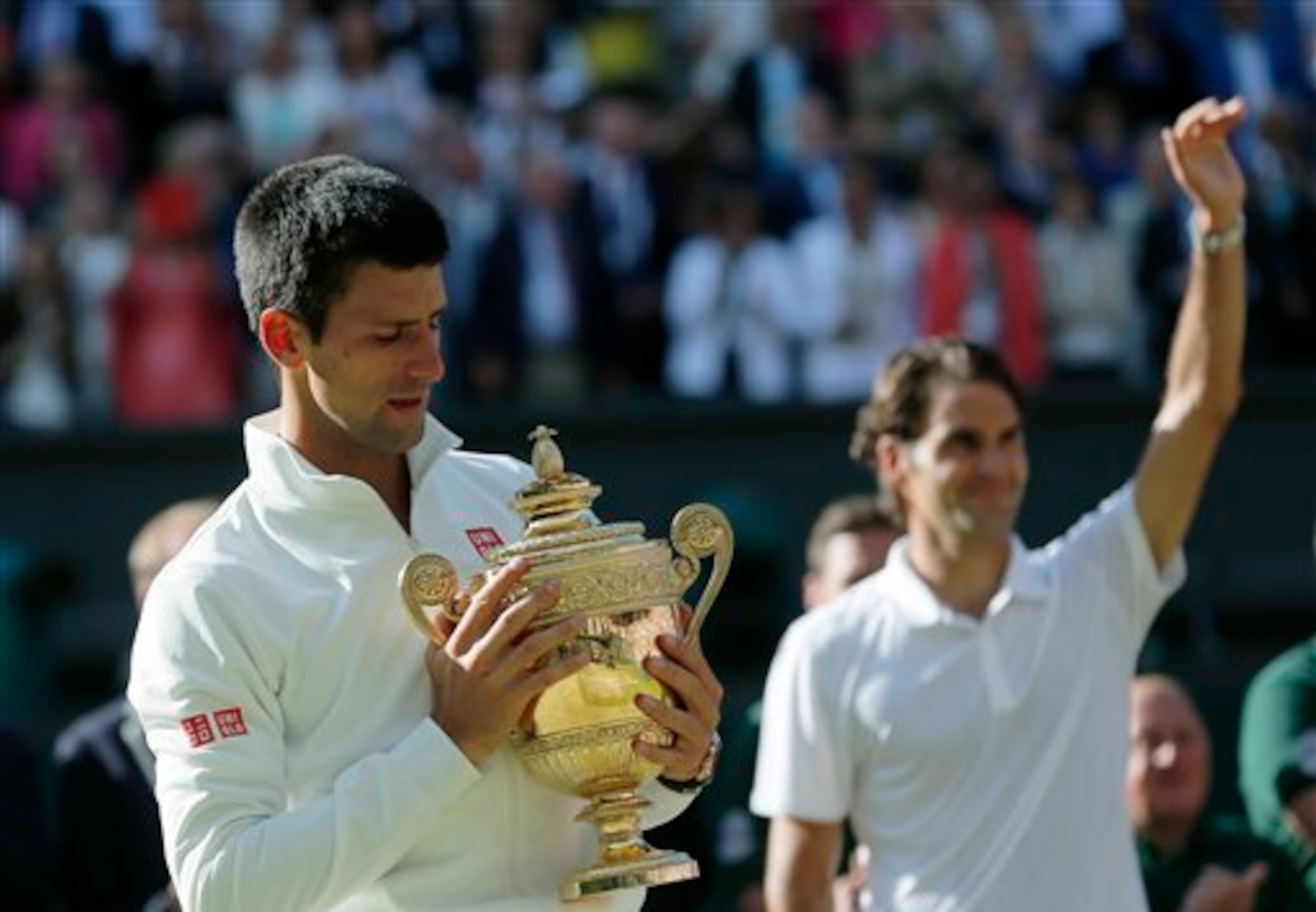
Wimbledon's tradition is the sport's ultimate showcase to all sports fans. It's an entirely separate and prestigious category than the other Grand Slam tournaments, labeled by all white attire and green grass. Memories of big matches often loom larger than anywhere else in the world.
This past half decade, Wimbledon could hardly live up to the epic trilogy of finals matches from 2007-09, but it had a variety of important moments.
There was the bizarre John Isner vs. Nicolas Mahut marathon in 2010; Roger Federer's return to glory in 2012; Andy Murray's historical run in 2013 that saw him rally against quarterfinalist Fernando Verdasco; Juan Martin del Potro's spirited fight to a fifth-set semifinal against Novak Djokovic.
All of this was memorable, but only one match will be remembered in all its legendary glory. Tennis fans will always cherish Djokovic vs. Federer in the 2014 final.
It saw Federer impose his offense with a blend of intelligent serve and volley tennis. It saw Djokovic rally back with precision groundstrokes and passes, so remarkable on grass' low bounces and Federer's angled slice.
Best of all, both combatants showed heart and courage. Djokovic could not hold back Federer's fourth-set comeback, but he regathered, plugged away and refused to break. Until he put away match point, the outcome was in doubt.
It was their finest performance against each other with the stakes never higher: Federer so close to major No. 18 and Djokovic desperate to break his major drought and recapture the No. 1 ranking from Rafael Nadal.
Djokovic won the five-set match, but Federer beat back time. Djokovic overcame his personal demons in closing out recent majors. It was high-quality tennis from two legends.
Some fans might dub it the match of the decade, but we chose another.
Most Thrilling Semifinal in a Major: Nadal-Djokovic, 2013 French Open
10 of 12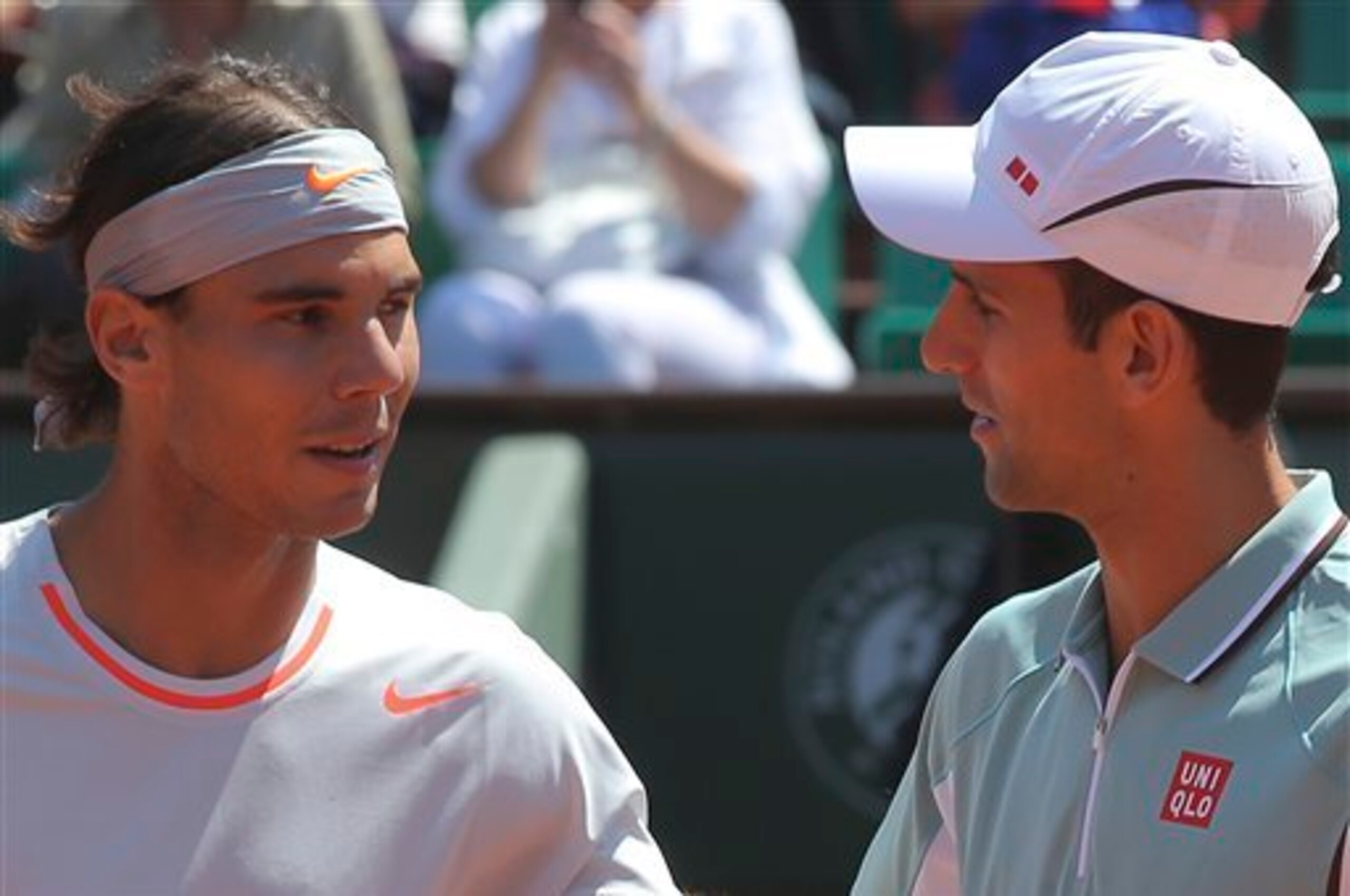
There are twice as many semifinals matches as championship matches. Here are some of the the decade's best to this point:
- Robin Soderling outslugged Tomas Berdych at the 2010 French Open. They bucked Roland Garros' penchant for defensive topspin by dealing out offensive thunderbolts. Soderling rallied to win the fifth set and gain his second consecutive finals opportunity.
- Djokovic and Federer dueled at the U.S. Open in two consecutive five-setters from 2010-11. The Serb won both of them, but 2011 was particularly memorable in how he staved off two match points to ultimately win his third major of the year.
- Federer got a measure of satisfaction in the 2011 French Open, cooling off a torrid Djokovic in perhaps the one match that stopped the Serb from a calendar slam. Of course, there is no reason to open up old cans of speculation about whether or not Nadal would have defeated Djokovic in the final.
- Djokovic outlasted Andy Murray at the 2012 Australian Open, setting up an even greater final.
- Murray outlasted Federer at the 2013 Australian Open.
- Del Potro pushed Djokovic to five grueling sets at 2013 Wimbledon, thereby assisting Murray's career triumph.
- Stanislas Wawrinka nearly took out Djokovic at the U.S. Open, but gathered more belief while showing that he could compete with the very best for a major title.
But our winner is an easy pick. Rafael Nadal won a classic French Open semifinal over Djokovic in dry, hot weather. It was ultimate heartbreak for Djokovic in the fifth set after botching an easy overhead and setting up Nadal to break back and ultimately win the match and eventually the title.
It was another enormous war that saw both players persevere with some of their best tennis. It also saw each player give a fatal inch—Nadal in losing the fourth set and Djokovic in dropping the fifth. Nevertheless, the heart, intensity and strength between these two rivals is unmatched when raw physical play and mental toughness are the measures.
It's fitting that the best two players of the decade displayed the two hardest fought matches, and perhaps the best matches, depending on fan preference and taste. It would also tip the balance in Nadal's favor to eventually be the year's best player. Tremendous match.
Most Thrilling Final in a Major: Djokovic-Nadal, 2012 Australian Open
11 of 12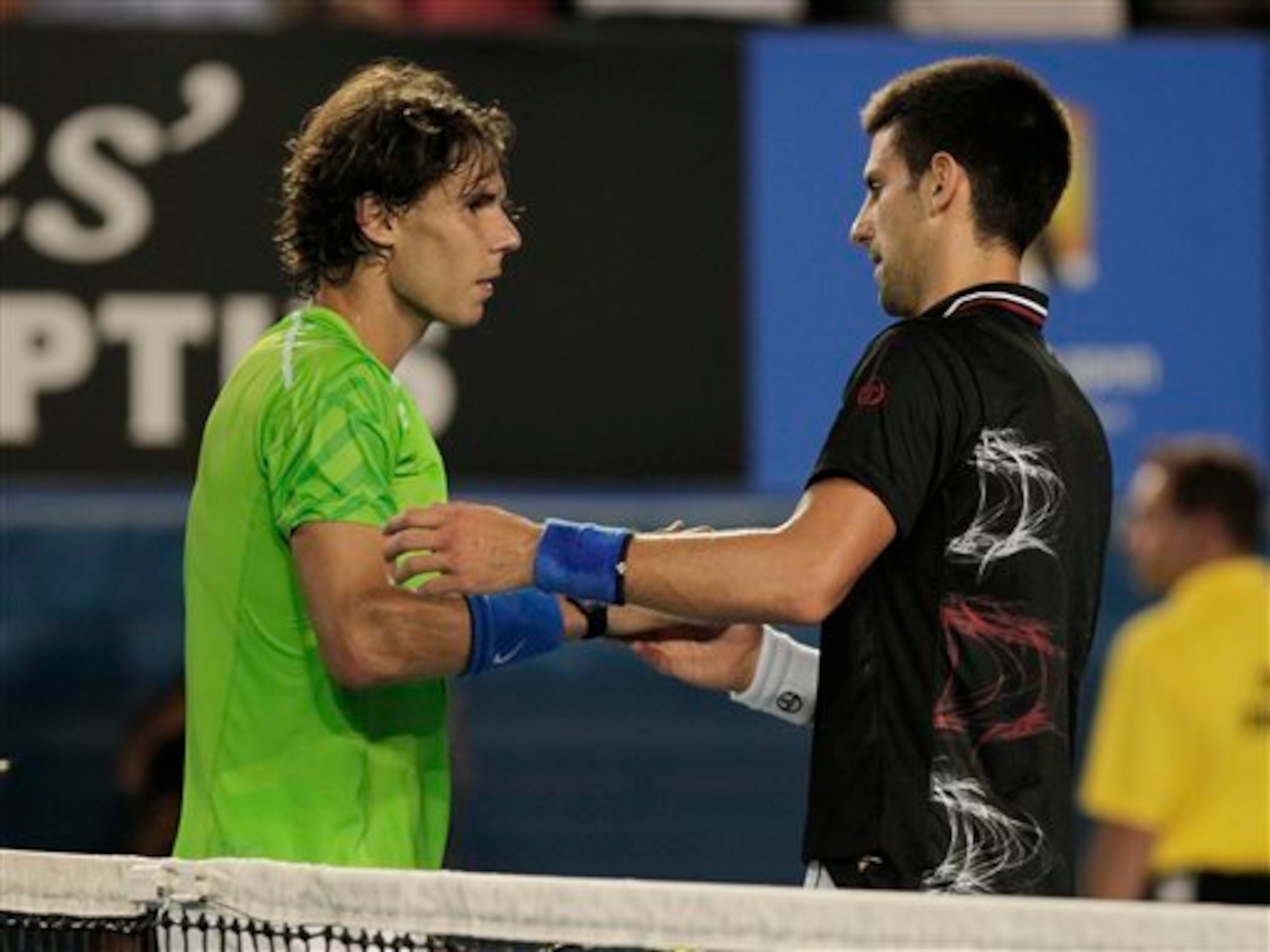
Many sports fans would prefer not to watch nearly six hours of tennis, but the 2012 Australian Open was the kind of war that will be documented somewhere alongside The Iliad. It's still hard to fathom the incredible energy and fight Djokovic and Nadal displayed.
Somehow, they were hitting harder by the fifth set, neither player willing to concede after some of the finest and most physical baseline tennis ever seen.
Djokovic prevailed because somebody had to win, but tennis was the real winner. It was the match that has most symbolized the style and condition of tennis. Players are fitter than ever. There are powerful baseline players who must be well-versed in defensive and offensive aggressiveness.
The style and direction of modern tennis is in the eye of the beholder, but there's no question that the effort and drive to win is as great as ever. Nadal and Djokovic are the leading men of this decade's midterm report.
OK Djokovic fans, this one is for you to answer. Australian final 2012 or Wimbledon final 2014: Which championship win would you rather keep if you had to give up the other? Would it be worth slicing into the Djokovic 2011-12 monopoly to keep this year's major? Which win and against which rival (Nadal or Federer) was more satisfying? Would you give up either of them for the 2013 French Open title?
Player of the Half-Decade: Rafael Nadal
12 of 12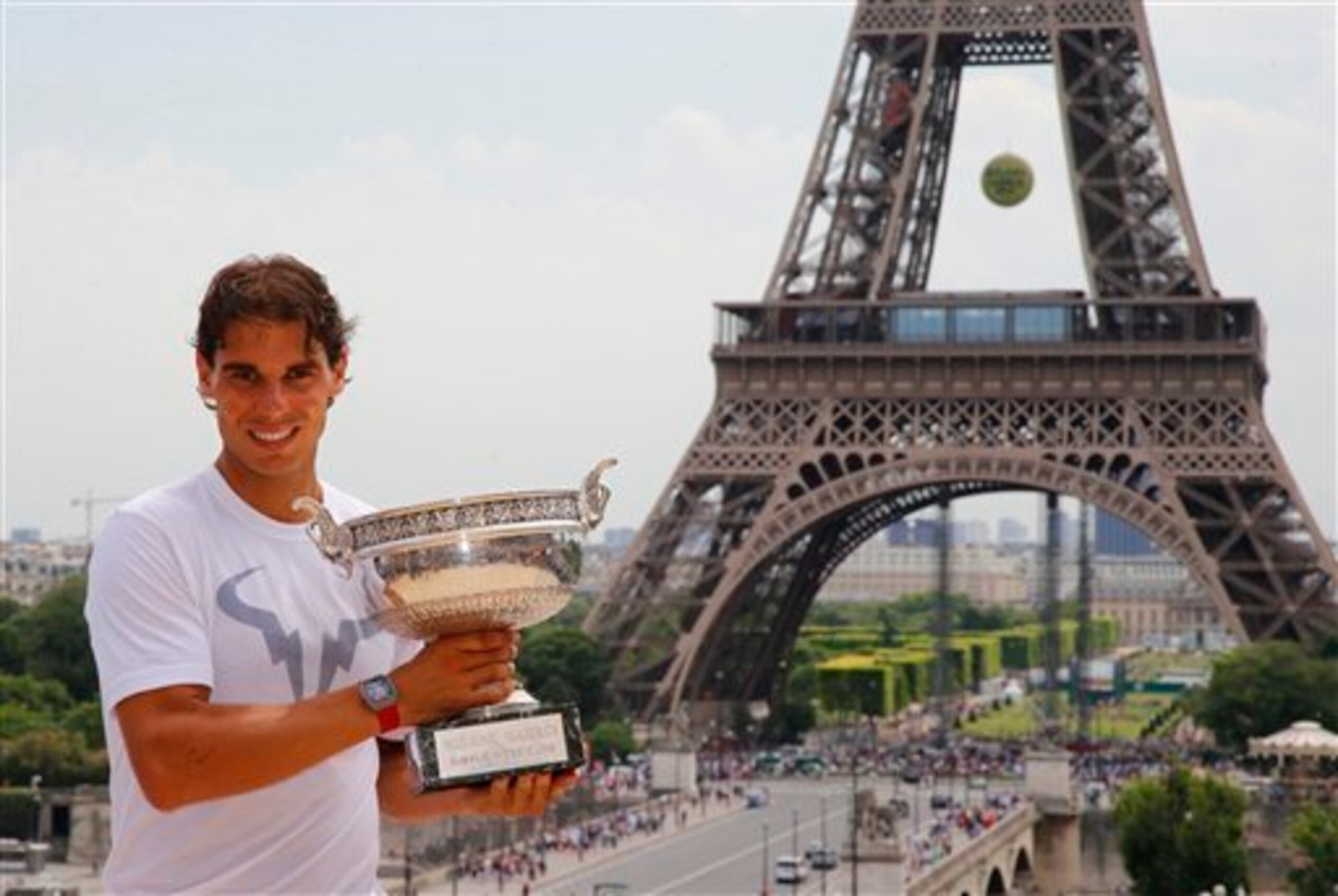
Nadal swept every French Open title for the first half of this decade.
He added the 2010 Wimbledon and U.S. Open titles. He won the 2013 U.S. Open.
Say that Nadal's 2010 and Djokovic's 2011 seasons are a virtual draw with three majors apiece. Nadal's count the last three years is four majors to Djokovic's three. Nadal held an 8-6 total advantage in majors from 2010-14.
Nadal's 2013 season was a notch better than any of the other Djokovic years. His sweep of the U.S. Open series and his Indian Wells title showed that his best form is still lethal on hard courts.
Djokovic carries the advantage with more weeks at No. 1 and more Masters 1000 titles, but the majors is the most important measurement for tennis greats. Nadal's 8-4 record in major finals this decade included a couple of painful losses (2012, 2014) at Australia, but he also escaped the 2013 French Open semifinal and nearly went down two sets to one at the 2013 U.S. Open.
So, Nadal's record is what he earned. (Djokovic is 6-6 in major finals this decade.)
Nadal still carries the best career records against his three chief rivals:
Nadal: Federer (23-10), Djokovic (23-19), Murray (15-5)= +27
Djokovic: Federer (17-19), Nadal (19-23), Murray (15-8)= +1
Federer: Nadal (10-23), (Djokovic 19-17), Murray (12-11)= -10
It will be more difficult for Nadal to approach this success for the second half of this decade. If healthy, he figures to keep contending at Roland Garros for a few more years, and maybe he can pluck another major at Australia or New York.
Look for Nadal to add a couple more lifetime achievements awards by the year 2020.
.jpg?w=2560 "Commanders 49ers Football")

.jpg?w=2560 "Jonathan Taylor Landing Spots")