Comparing Mauricio Pochettino's 1st Season at Tottenham to Andre Villas-Boas'
Tottenham Hotspur's appointment of Mauricio Pochettino this past off-season bore similarities to the hiring they made two years earlier.
Andre Villas-Boas was another highly regarded young coach whose reputation had been established managing in Europe. His own previous Premier League experience at Chelsea was far less happier than Pochettino's at Southampton.
Nonetheless, Tottenham chairman Daniel Levy evidently saw enough to place his club's immediate future in the man's hands.

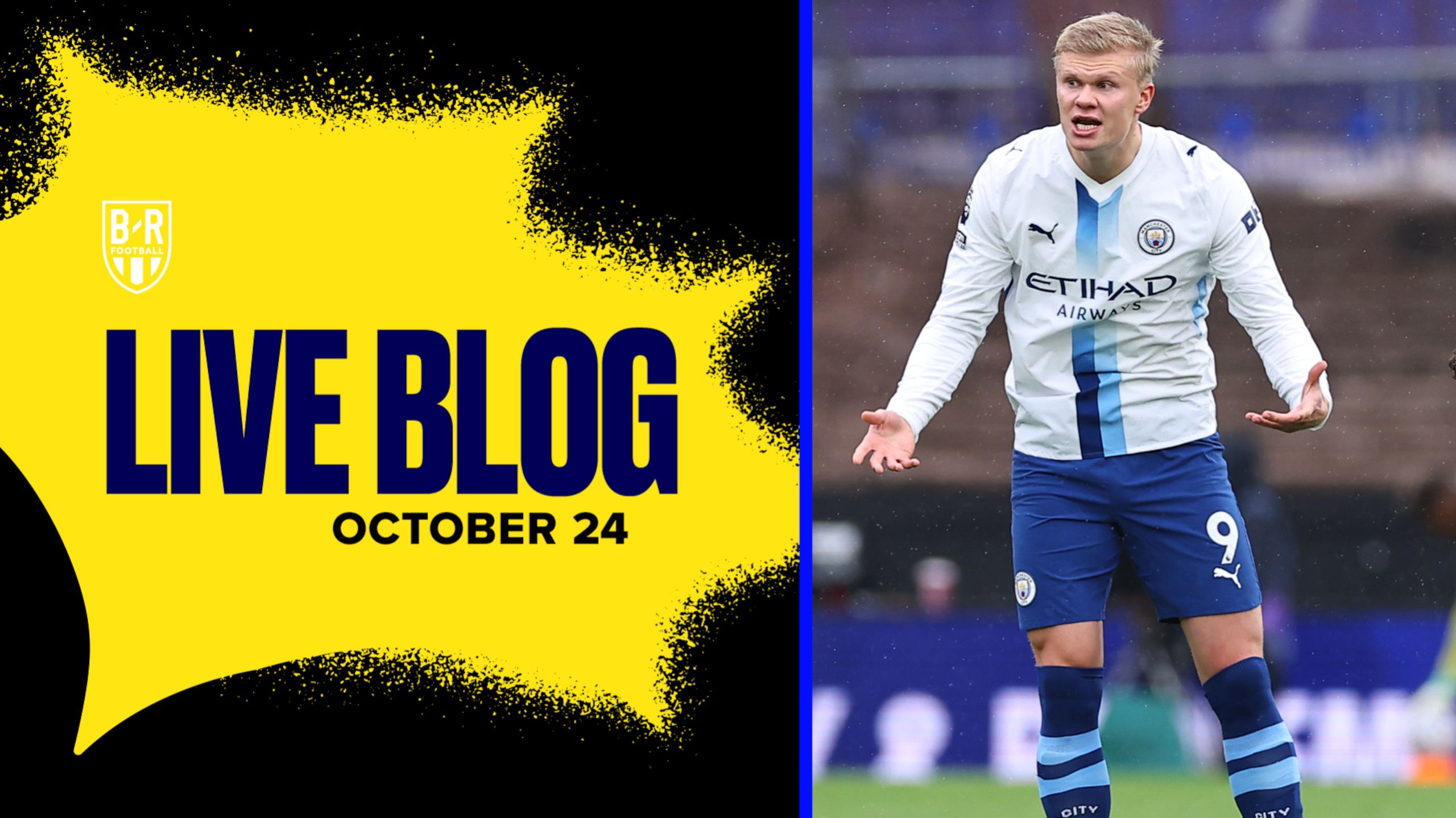

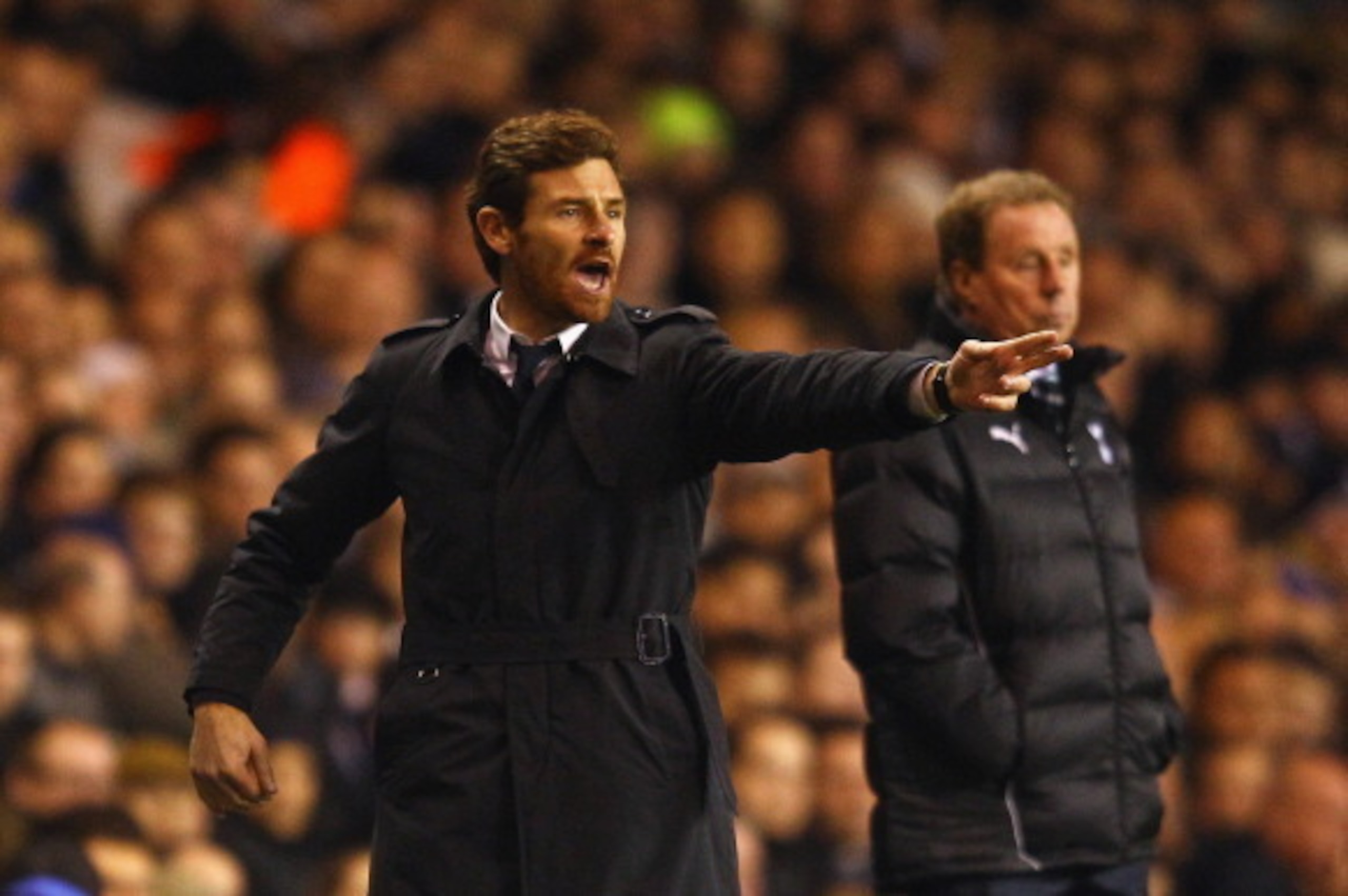
As with nearly all managerial appointments, the idea was to improve on what had gone before. The situation in which Villas-Boas was arriving is the first notable difference to Pochettino in the following comparison of their respective first few months at White Hart Lane.
Setting the scene
Villas-Boas joined Tottenham in the aftermath of the successful Harry Redknapp era. The Englishman had gone from rescuing the club in a desperate situation at the bottom of the Premier League to qualifying for the Champions League in just over 18 months.
Spurs reached the quarter-finals of the competition in 2010-11, notably beating Inter and AC Milan along the way. Successive failures to get the club back on European football's grandest stage ultimately cost Redknapp his job in May 2012.
Except it was a little more complicated than that. Spurs had still finished fourth and would have qualified had sixth-place Chelsea (from whom Villas-Boas had been sacked that season) not usurped them by winning the thing.
The way Spurs' previously excellent form tailed off to costly effect amid speculation linking Redknapp with the then-vacant England job was viewed as cause enough for the club's hierarchy to sanction change.
Spurs' subsequent continued failure to secure Champions League football was the overriding reason why a vacancy emerged this past summer. Villas-Boas had gone close in his first season but was deemed incapable of getting the club back there in the desired manner second time around (emphasised by crushing losses to rivals).
Interim manager in all but title, Tim Sherwood did not do enough in his brief time in charge to convince Spurs to overlook his top-flight inexperience and appoint him long term.
So in came Pochettino. The next man charged with turning Spurs into a consistent, viable player among the Premier League's elite.
Transfers and key personnel
As it eventually turned out, Villas-Boas had to replace three of Tottenham's best players heading into 2012-13. Centre-back and captain Ledley King retired, Luka Modric was bought by Real Madrid, and Rafael van der Vaart was allowed to return to his beloved Hamburg.

Jan Vertonghen, Mousa Dembele and Clint Dempsey were the signings expected to fill those respective voids. Hugo Lloris was also brought in to compete with Brad Friedel in goal while Gylfi Sigurdsson was added to the midfield ranks. The previous season's top scorer, Emmanuel Adebayor's loan from Manchester City was turned into a permanent deal.
While Spurs had lost some of their most important players, there was still a feeling the new signings and those who remained could get them back in the top four. Rising star Gareth Bale had signed a new contract while there was plenty of experience to call on in the likes of Michael Dawson, Jermain Defoe, Friedel, William Gallas and Aaron Lennon. High hopes were still held for young talents Steven Caulker and Kyle Walker, too.
The mandate for Pochettino in 2014 has not been so much about change (or overseeing a semi-revolution akin to the one which began Villas-Boas' second campaign) as it has been about getting the best out of those already at the club—chiefly the summer 2013 signings.
Christian Eriksen—the notable early success story from the crop—remains integral to Spurs' best form. Nacer Chadli and Erik Lamela have already played more prominent roles than last season while Roberto Soldado continues to feature heavily despite his continued struggles in front of goal.
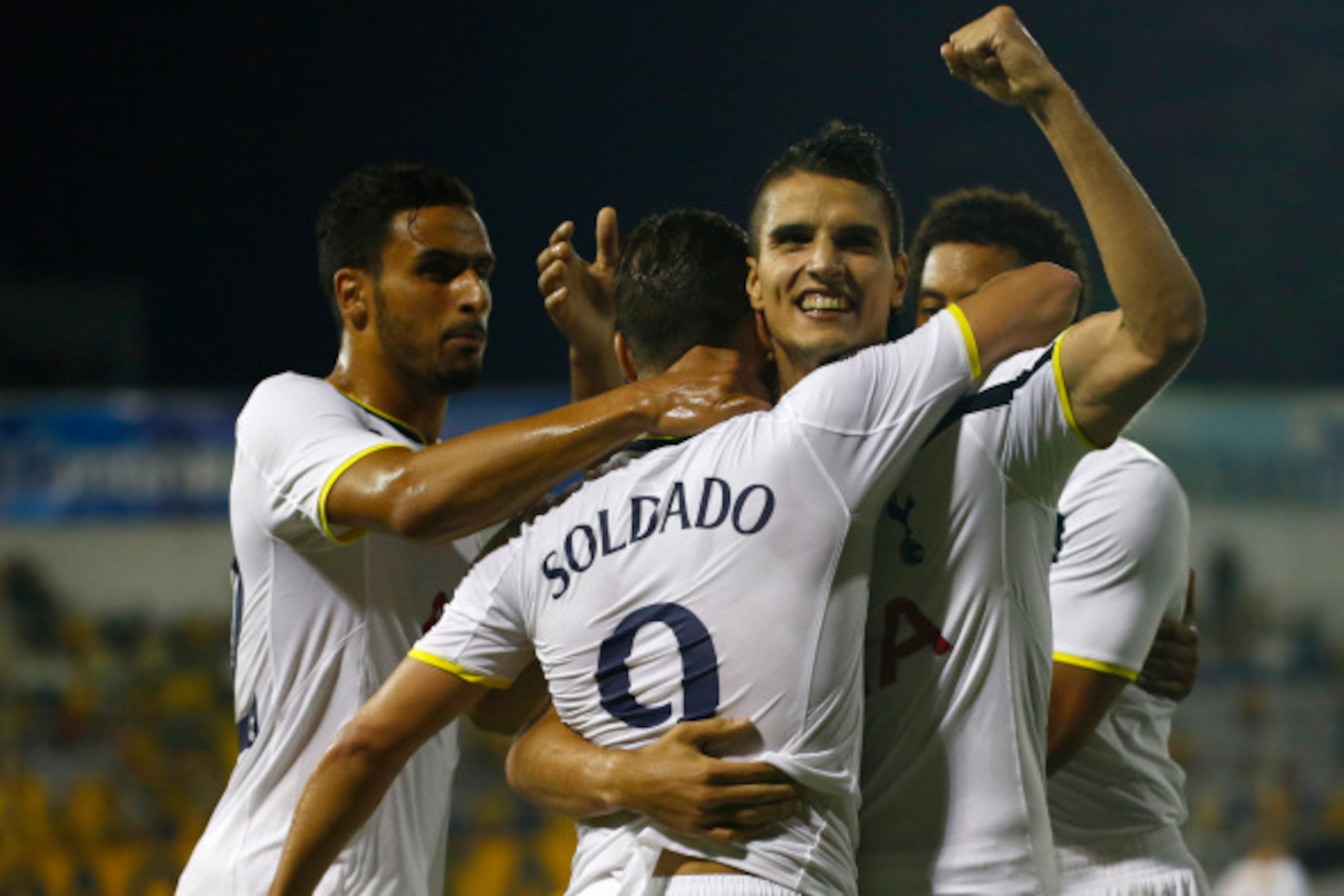
Vlad Chiriches has come back into contention after poor performances earlier in the campaign. Etienne Capoue initially started under Pochettino, but injury and mediocre form have seen others move ahead of him. Paulinho is a bit-part player at best right now.
Where alterations in the squad did take place, it has been primarily about reinforcement and allowing players not in the new boss' plans to move on.
Dawson, Zeki Fryers, Sandro and Sigurdsson led those departures. Ben Davies, Eric Dier, Federico Fazio, Benjamin Stambouli and Michel Vorm have joined the ranks.
Both Villas-Boas and Pochettino did/have made use of the good crop of youngsters coming through the club of late. The former frequently called upon Caulker and Tom Carroll in his first few months in charge. Ryan Mason has emerged as Pochettino's first notable call-up, while Nabil Bentaleb, Harry Kane and Andros Townsend have all been used to varying degrees.
Form and results
The key players involved and the overall situations have now been laid out. Before the intricacies of Villas-Boas and Pochettino's first seasons in charge are more closely examined, what follows here is each manager's record after the same amount of time.
The former's Spurs side had played a game more in the league, but with both facing Swansea City two weekends before Christmas, it seemed the logical cut-off point.
| Position | Played | Won | Drew | Lost | Goals Scored | Goals Against | Points | |
| Andre Villas-Boas—2012-13 | 5th | 16 | 8 | 2 | 6 | 29 | 21 | 26 |
| Mauricio Pochettino—2014-15 | 10th | 15 | 6 | 3 | 6 | 18 | 21 | 21 |
Spurs' key results under Villas-Boas by this point included a 3-2 win away at Manchester United (still with Sir Alex Ferguson in charge) and a 5-2 loss away at Arsenal in which their defence had been awful. Heading into December, they recorded three wins in a row over West Ham United (home), Liverpool (home) and Fulham (away) before a late loss at Everton stopped the run.
Pochettino's recent win over the Toffees at White Hart Lane is his side's marquee victory so far. Defeats of in-form pair West Ham United and Southampton were also noteworthy, as were more losses to hoped-for top-four rivals Liverpool, Manchester City and Chelsea (though they drew with Arsenal away).
The Argentinian has taken his team to the quarter-finals of the League Cup against Newcastle United (next week), one round further than Villas-Boas. Both of their teams finished second in their respective Europa League groups.
The football itself

Attacking football was on the agenda for both Villas-Boas and Pochettino, as laid out by Levy in statements following each man's hiring.
"He has an outstanding reputation for his technical knowledge of the game and for creating well-organised teams capable of playing football in an attractive and attacking style," Levy said back in July '12, via BBC Sport. Of course, the eventual dissatisfaction with the post-Bale struggles of the Portuguese's team to score led to Pochettino getting the call.
"In Mauricio I believe we have a Head Coach who, with his high energy, attacking football, will embrace the style of play we associate with our Club," said Levy earlier this year, per Spurs' official website.
Both coaches generally preferred a 4-2-3-1 formation early on, with the changing availability of their strikers prompting dalliances with 4-4-2. In both cases the latter was somewhat a reaction to each team's attack not clicking as successfully as was hoped. On the whole, though, Villas-Boas had more joy in these periods as he notably benefited from the presence of Defoe and Bale in the fledgling days of his tenure.
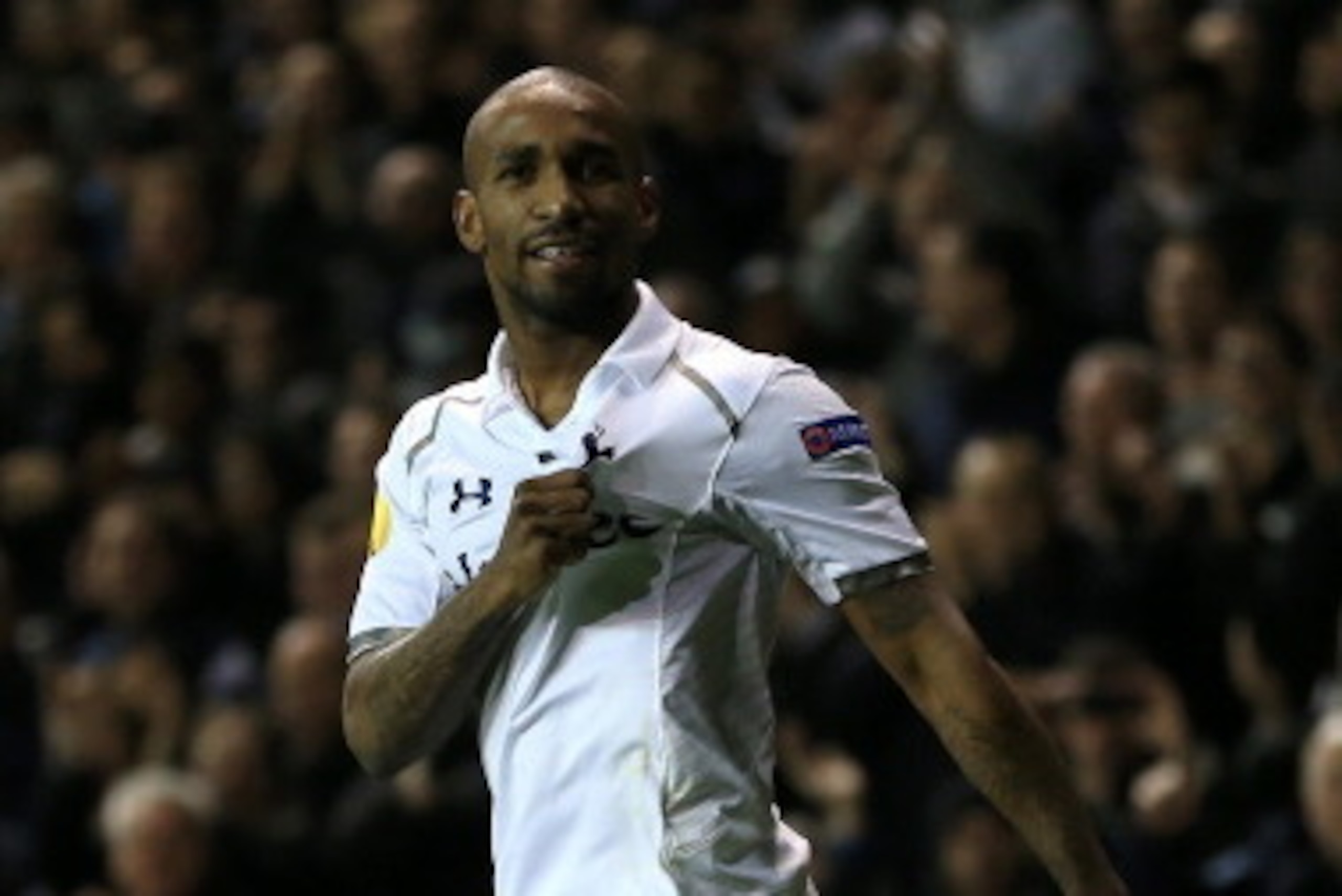
The striker relished the responsibility of leading Villas-Boas' attack in the absence of the initially unfit Adebayor, scoring 13 goals before the turn of the year.
Save for a hat-trick he scored against Maribor in the Europa League, it was noticeable Defoe did not do quite as well when Adebayor was beside him (something which would increasingly become the case post-Christmas in a barren spell for the England international).
Dempsey's presence in attacking midfield gradually grew into a focal point Defoe and the wide-men Lennon and Bale could link up with. Early on, the Welshman had not reached the incredible levels he would achieve later in the campaign. Opposition defences from the Premier League and abroad (such as Lazio's) were well aware of his threat down the left.
In September's win over Queens Park Rangers, there was a brief return to using Bale at left-back. It was quickly realised during the same game he was better used further forward. By the end of November, the goals started to come with greater frequency.
The biggest problems for Villas-Boas proved to be in midfield and defence. For the former, Spurs greatly missed the combined aggression and dynamism when either Dembele or Sandro was absent. It was demonstrated most notably in the early-November losses to Man City and Arsenal when the Brazilian and Tom Huddlestone proved too laid-back a pair in the face of players looking to dominate.
Fortunately for the team, Dembele (in probably his best spell for the club) was not absent too often. Defensively, though, Villas-Boas continued to shoot himself in the foot with the baffling preference for Caulker and Gallas over Dawson.
With the versatile Vertonghen often required to cover at left-back, the manager deemed that pair more suitable for a team looking to defend high up the pitch. He failed to take into account the youthful Caulker and the selfishly inclined Gallas had little to no organisational or leadership qualities about them.
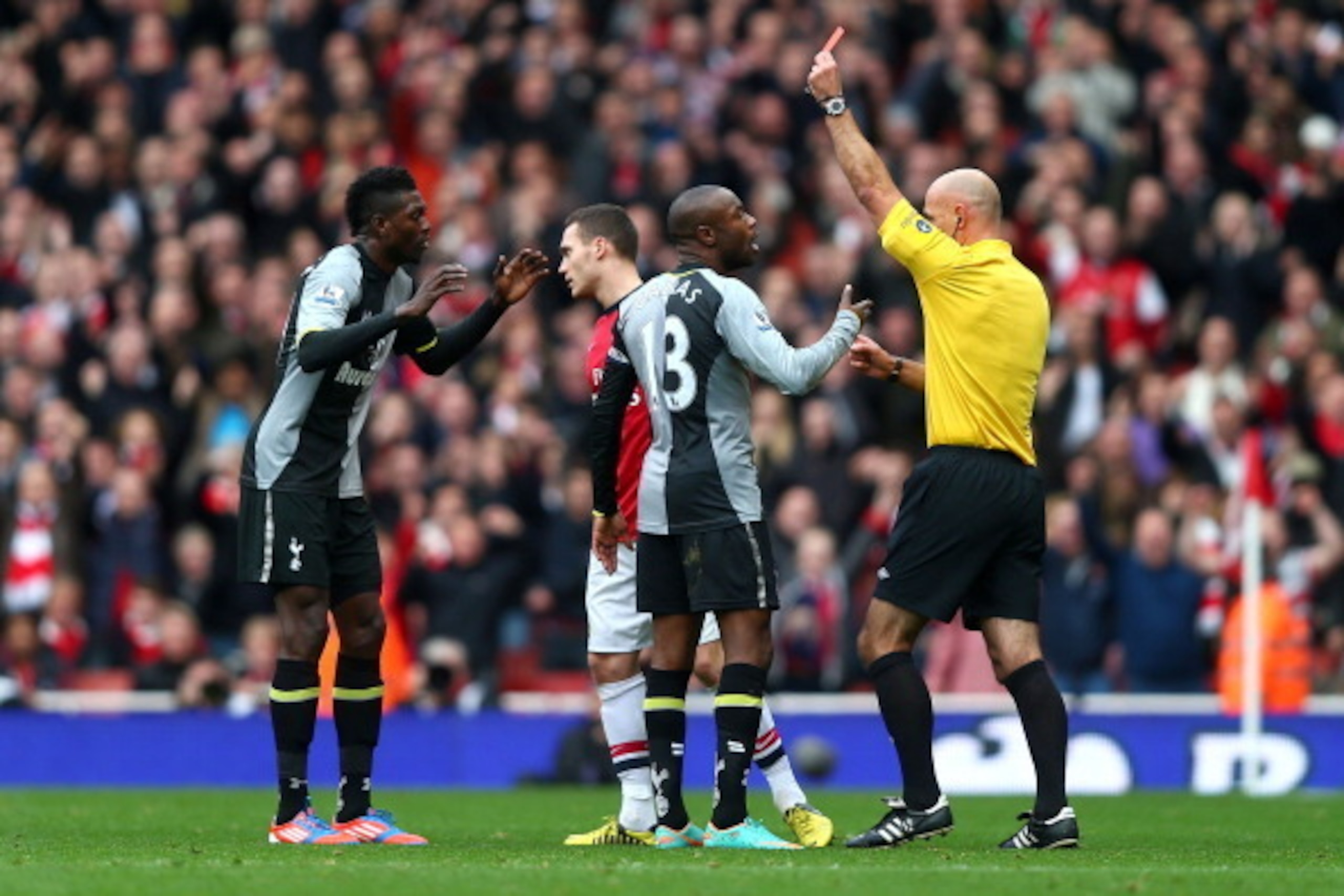
On their day they could perform well (see the win at Old Trafford), but mostly they were prone to ball-watching and letting players go by. The nadir was the 5-2 loss at Arsenal, in which they were spectacularly bad. They were not helped by Adebayor's sending off, but there was no excusing the ineffectual work of Gallas in particular.
Credit to Villas-Boas, he saw the error of his ways and soon brought Dawson back in from the cold. The difference was tangible in subsequent wins over West Ham and Liverpool. When the club captain was injured for Everton away, it was not all that surprising Spurs ended up conceding two costly late goals.
Trying to get an attack to click, a midfield which is too often reactive rather than proactive and a defence that has problems with concentration—it all sounds rather similar to the Tottenham that has begun 2014-15.
The issues are, to an extent, par for the course with a new manager trying to put his imprint on to a team. Both in terms of establishing his preferred personnel and imposing the style he wants them to play.
Spurs' improving defensive performances since Pochettino has settled on the Fazio-Vertonghen centre-back partnership are testament to the process of trial and error. The Argentinian has settled now and we are beginning to see the benefits of his focus and straightforward defensive style. An undoubted upgrade on earlier in the campaign when the erratic Kaboul was first choice here.
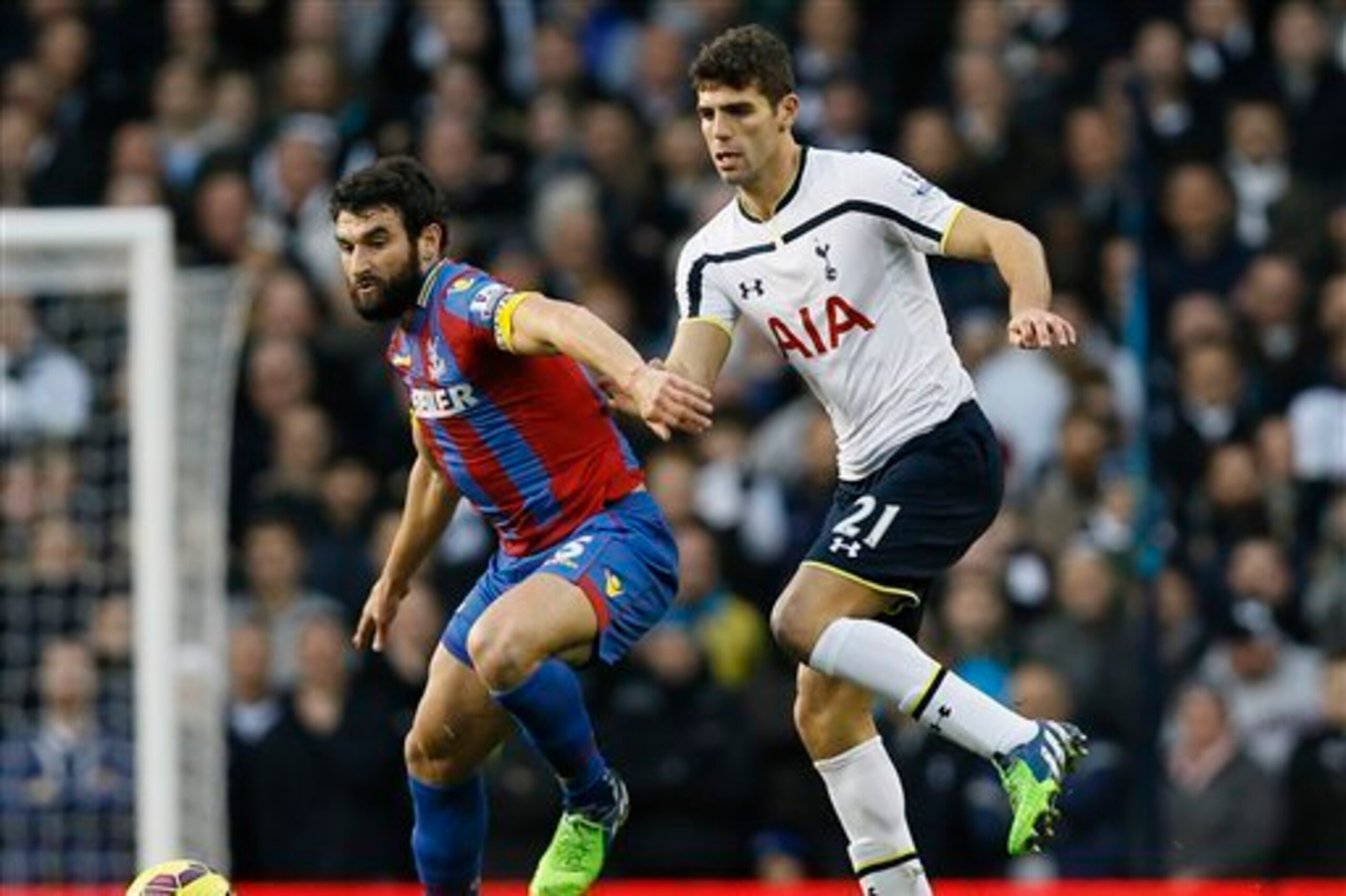
The emergence of the hard-working, positive Mason in midfield has been a breath of fresh air. There has been enough evidence that between Bentaleb, Eriksen and Stambouli, a satisfactory combination can soon be found there. One which Pochettino will hope provides a foundation for his inconsistent attack to build on.
He has not had a proven Premier League scorer like Defoe or a talent on the verge of being spectacularly realised quite like Bale's. But there is enough quality at his disposal that if he can find the right formula to incorporate the likes of Kane and Lamela (perhaps with one or two outside amendments), it could see Spurs find themselves soon enough.
Pochettino's Tottenham are five places behind where Villas-Boas' team were two years ago but only five points worse off having played a game less. Things could improve soon enough or maybe it will take more time.
Ultimately, while there are comparisons to be made and perhaps lessons to be learned in the early going from both coaches, it is the bigger picture that counts. It never quite took on the look Villas-Boas planned for. We will see if it does for Pochettino.

.jpg?w=2560 "NBA Gambling Charges")
.jpg?w=2560 "Aikman Blasts Cowboys WR 🫣")

.jpg?w=2560 "Jonathan Taylor Landing Spots")