
Grading, Analyzing Every Impact Deal of the 2014 MLB Winter Meetings
Now that Major League Baseball's winter meetings are in the rearview mirror, we can get to work breaking down all the impact deals that were made.
If you've been keeping up with the action in San Diego, you'll know that we have much to talk about.
The winter market was loud enough in the first few weeks of the offseason, but it truly exploded at the winter meetings. Between all the high-profile signings and trades that were made, we have over 20 transactions to analyze and grade.
Once you're buckled up, we'll start tackling these deals in the order (or close to it) in which they happened.
Note: Stats courtesy of Baseball-Reference.com and FanGraphs unless otherwise noted/linked. Salary arbitration projections courtesy of MLB Trade Rumors.
Signing: Jason Hammel to the Chicago Cubs
1 of 21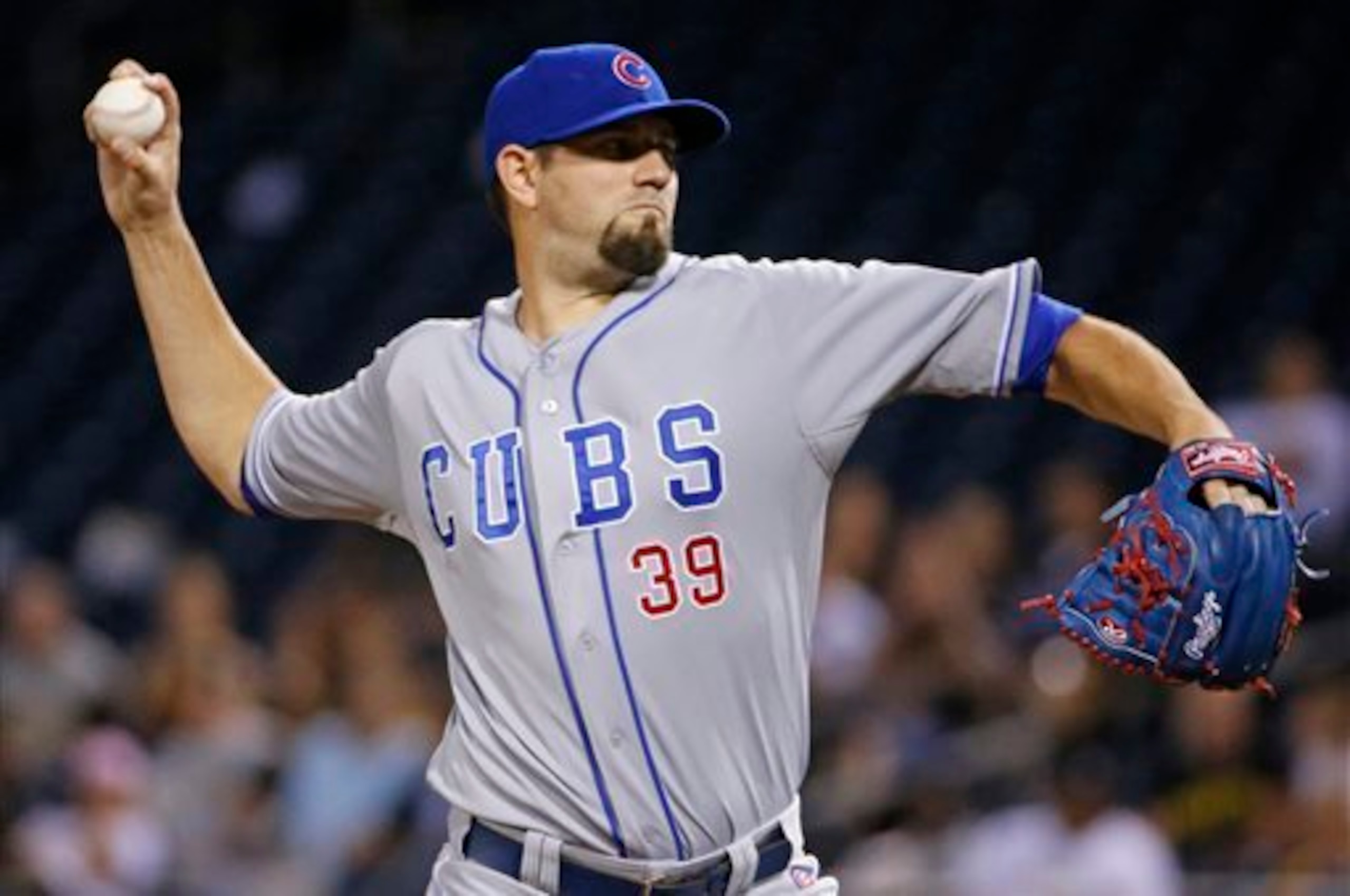
The Deal: Two years and $18 million with a third-year $10 million option ($2 million buyout)
Source: Jon Heyman of CBSSports.com
In signing Jason Hammel, the Cubs are bringing aboard a guy who was last seen posting a 4.26 ERA in 13 appearances with the Oakland A's. But before that, he had a 2.98 ERA in 17 starts with the Cubs.
That's not necessarily a misleading performance. Hammel's strong pitching in Chicago was backed by a 1.9 walks-per-nine-innings rate and an 8.6 strikeout-per-nine rate, with the rejuvenation of his slider (see Brooks Baseball) being a big factor.
However, Hammel doesn't come without drawbacks. He's a 32-year-old with an injury history, and his velocity has tumbled a bit from its 2012 peak. If that continues, he'll have a tough time fooling hitters without deviating from his usual fastball-slider approach.
Still, Hammel has the goods to at least be a No. 4 starter. Though not a steal, a rate of $9 million per year is a solid deal for a guy like that.
Grade: B
Trade: Brandon Moss to the Cleveland Indians
2 of 21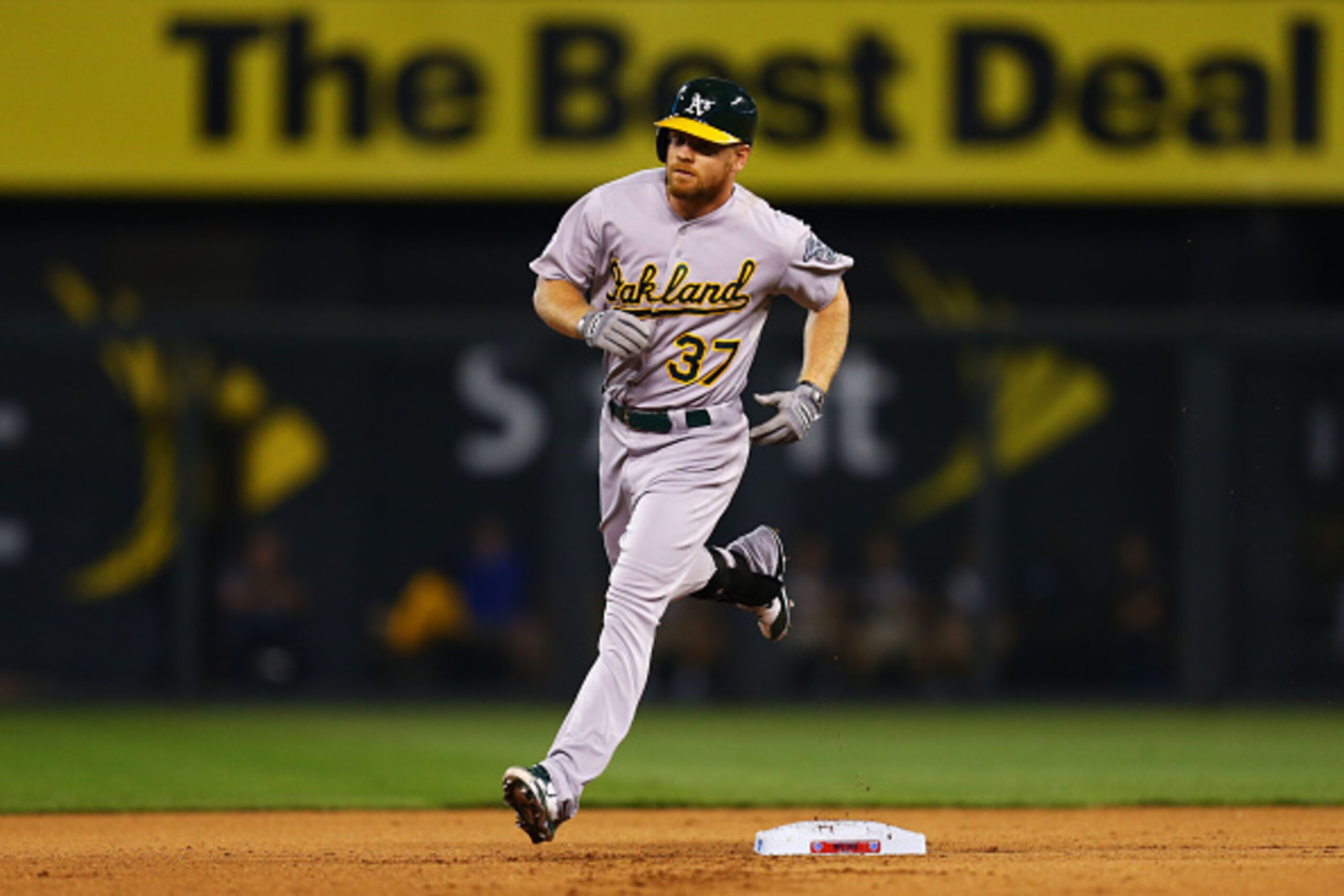
The Deal: Cleveland Indians get 1B/OF Brandon Moss, Oakland A's get MiLB INF Joey Wendle
Source: Jeff Passan of Yahoo Sports
For the Indians
The Indians have traded for a guy who's hit 76 home runs with an .844 OPS since 2012. Moss is also projected to earn just $7.1 million in arbitration, and he only cost a guy whom Baseball America didn't have among Cleveland's top 10 prospects in early November.
So yeah, it's hard to disapprove of this trade on the surface, especially knowing that the addition of Moss' bat makes an already solid lineup even deeper. With that offense backing a Corey Kluber-led rotation, the Indians have the look of a potentially dangerous team in 2015.
This isn't a highway robbery, though. Moss is 31 and coming off surgery to repair a hip injury that crippled his power down the stretch in 2014. If he's damaged goods, he'll be dead weight for two years.
Grade: B
For the A's
It must be understood that the main attraction of this trade for the A's is probably the money they're saving. A $7.1 million projected salary may not sound like much, but it's a lot for the A's.
As for Wendle, he's a soon-to-be 25-year-old prospect who has yet to advance beyond Double-A. He also hit just .253 with a .311 OBP at that level in 2014, and Baseball America's 2013 scouting report (subscription required) on him says he has merely "adequate range and arm strength" at second base.
That the A's are saving money in this deal is the good news, but it's only going to work out if they see something in Wendle that everyone else doesn't.
Grade: C-
Trade: Jeff Samardzija to the Chicago White Sox
3 of 21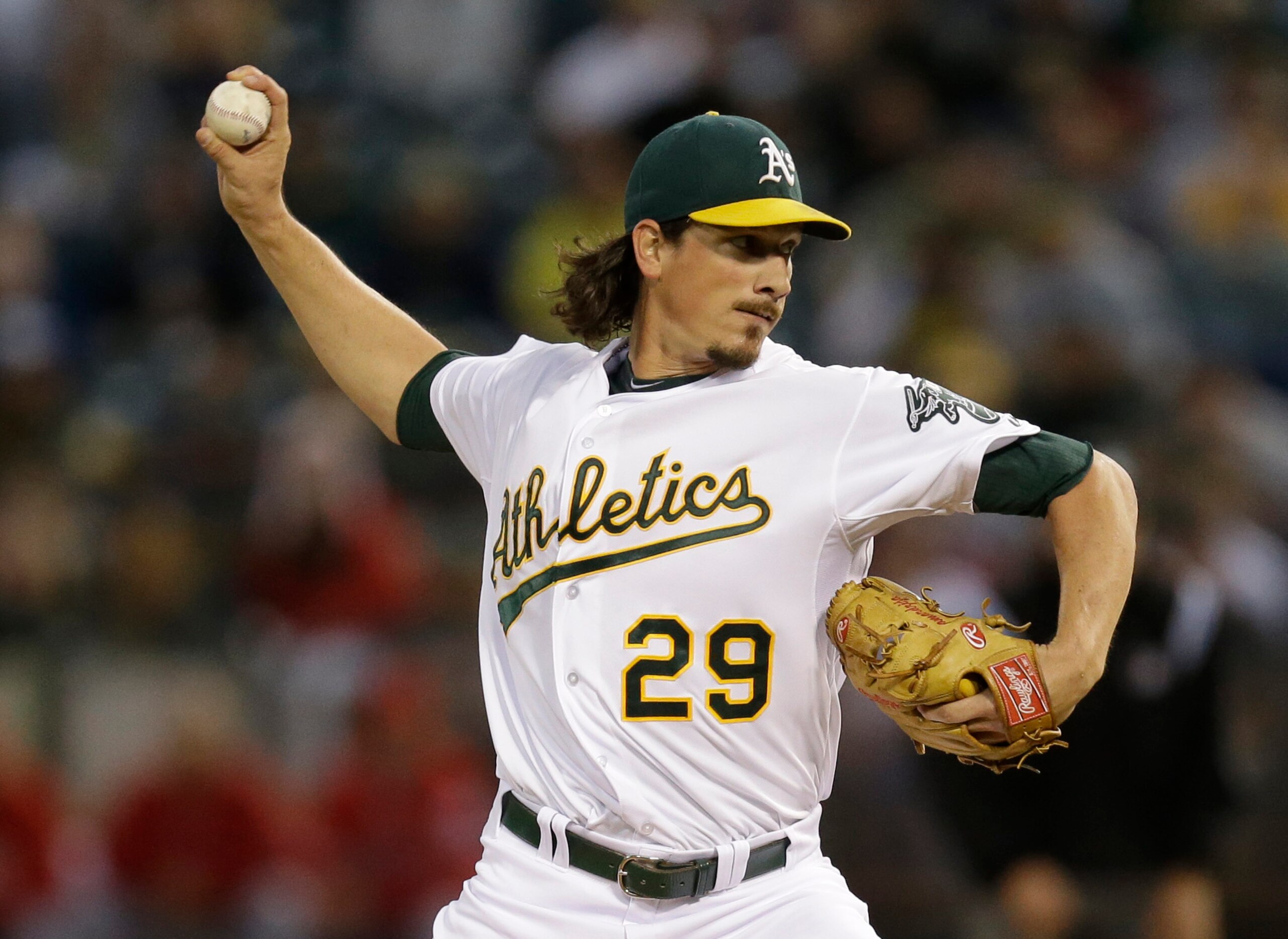
The Deal: Chicago White Sox get RHP Jeff Samardzija and MiLB RHP Michael Ynoa, Oakland A's get INF Marcus Semien, C Josh Phegley, MiLB RHP Chris Bassit and MiLB 1B Rangel Ravelo
Source: Bruce Levine of 670 the Score
For the White Sox
The White Sox only stand to get one year of Samardzija, but it should be a good year. He was already a good strikeout and ground-ball pitcher, but he added above-average control to the mix in 2014. Him pitching to a 2.99 ERA was no fluke.
Samardzija's age-30 season in 2015 should feature more of the same, and it could be even better if White Sox pitching coach Don Cooper has any clever ideas. Either way, Chicago's going to have an elite trio of pitchers with Samardzija slotting in between Chris Sale and Jose Quintana.
Samardzija's not coming cheap, however. He'll cost the White Sox about $10 million in arbitration, and the trade to get him cost them depth at second base and catcher while robbing them of their No. 10 prospect, Ravelo, according to Baseball America. It's a good deal, but not an all-out steal.
Grade: B+
For the A's
Like with the Moss trade, an attraction here is the savings for the A's. At the least, removing Samardzija's $10 million projected payout will make Billy Butler's new contract easier to fit.
But in Semien, the A's are also getting a 24-year-old middle infielder with solid power who's controllable through 2020. Phegley is older at 26, but he's hit well at Triple-A the last two seasons. Bassit had a 3.08 ERA across two levels in 2013 before injuries wrecked his 2014. Lastly, Ravelo is a 22-year-old who posted a solid .859 OPS at Double-A in 2014.
So beyond the savings, the A's got a haul of decent talent in this trade. That'll work.
Grade: B+
Signing: David Robertson to the Chicago White Sox
4 of 21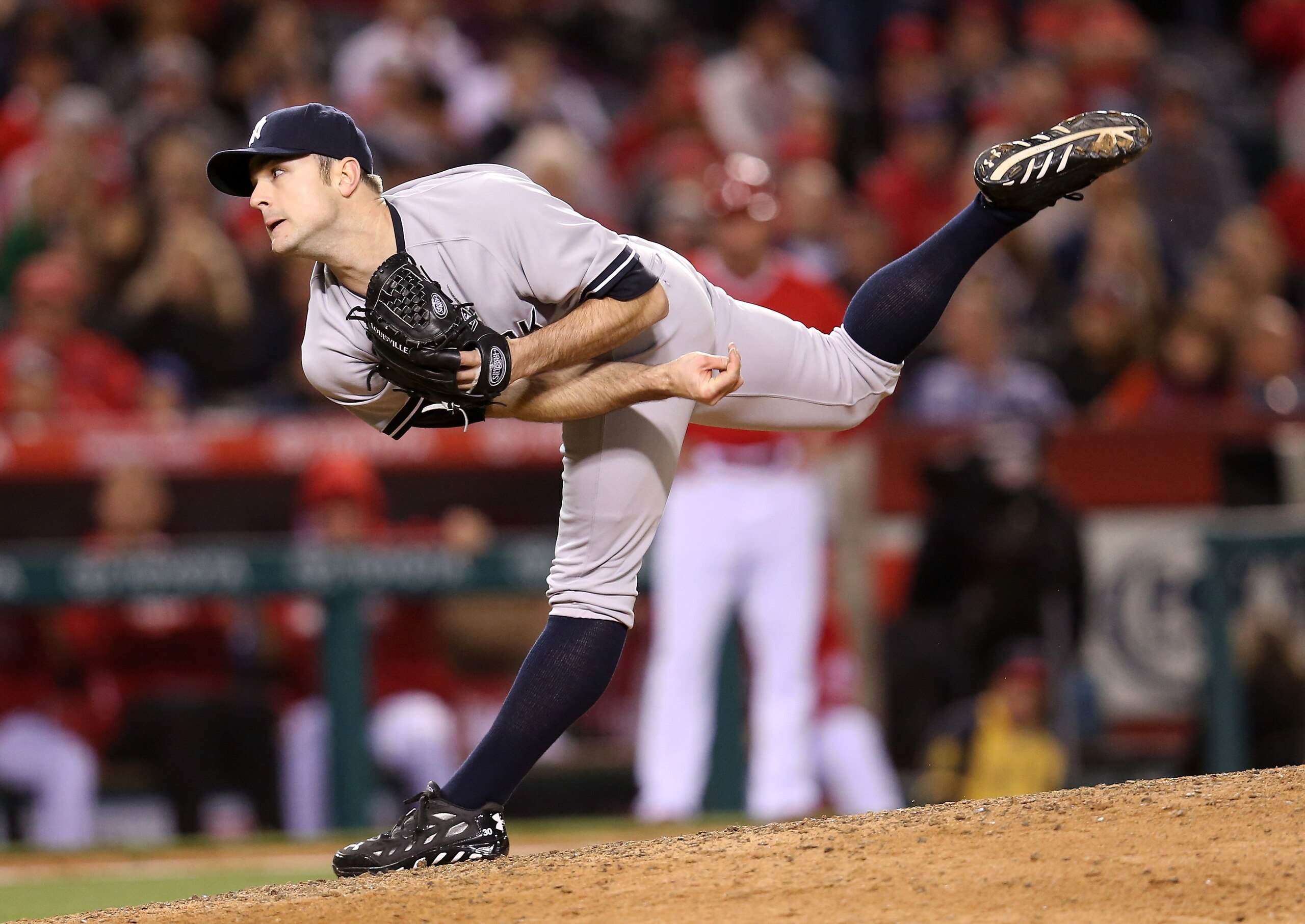
The Deal: Four years and $46 million
Source: Bob Nightengale of USA Today
A November report from Andrew Marchand of ESPNNewYork.com claimed David Robertson was seeking "Papelbon money" in free agency. It was easy to scoff at that at the time, but the deal the White Sox gave him landed only $4 million short of Jonathan Papelbon's $50 million payout from 2011.
Just as noteworthy is that Andrew Miller only got $36 million over four years from Robertson's old team, the New York Yankees. It can be argued that Robertson is better than Miller, but not $10 million better.
He is, after all, coming off a modest 3.08 ERA that was brought about largely by command (3.22 BB/9) and home run (0.98 HR/9) problems. That's not a performance that should have earned him "proven closer" money, but that's what the White Sox gave him.
And yet, the deal is defensible. The White Sox have paid a premium for Robertson, but they did so to help patch up a bullpen that was among the worst in baseball in 2014. The state of the AL Central also makes it hard to fault them for wanting to go for it in 2015, and Robertson will aid the quest.
Grade: B-
Signing: Francisco Liriano to the Pittsburgh Pirates
5 of 21
The Deal: Three years, $39 million
If three years and $39 million sounds cheap for a 31-year-old left-hander with a 3.20 ERA over the last two seasons, well, there are good reasons for that.
One is that Liriano has produced that 3.20 ERA primarily at one of MLB's most pitcher-friendly environments, PNC Park. Another is that his control went back to being an issue (4.5 BB/9) in 2014. Another still is that he's no workhorse, as he's never pitched 200 innings and has managed only 160-odd innings two years in a row.
These things noted, however, I'm with Dave Cameron of FanGraphs on this one: "You don’t sign Francisco Liriano for durability or innings. You sign him because when he’s on the mound, he’s really quite good."
Ballpark and control issues aside, Liriano's excellent slider and changeup have had a big hand in him striking out more than a batter an inning since he joined Pittsburgh. The Pirates also made him into an extreme ground-ball pitcher by convincing him to put more trust in his sinker.
The Pirates likely haven't bought innings, but the innings they will get should be good innings.
Grade: B+
Trade: Miguel Montero to the Chicago Cubs
6 of 21
The Deal: Chicago Cubs get C Miguel Montero, Arizona Diamondbacks get MiLB RHP Jeferson Mejia and MiLB RHP Zack Godley
Source: Bruce Levine of 670 the Score
For the Cubs
Welington Castillo was Chicago's primary catcher in 2014, and he disappointed in two notable ways. He only managed a .686 OPS and, per Baseball Prospectus, was one of MLB's worst strike framers.
Montero is an upgrade in both respects. His OPS was at .740 as late as Sept. 3 before he ran out of gas. He was also a top-10 framer, something that should excite Chicago's starting pitching staff.
The downside is that the Cubs jettisoned two pitchers from a prospect base that's short on pitchers, and they'll also be on the hook for all of the $40 million Montero is still owed. Fortunately, they can easily afford that, and the contract will be off their hands by the time their youngsters are ready to be paid.
Grade: A-
For the Diamondbacks
The Diamondbacks are in a transition phase, so it made little sense for them to hold on to a 31-year-old catcher with a big contract while he still had value. Them going for payroll relief was the right idea.
As for the two prospects Arizona got from the Cubs, Mejia comes with a decent amount of promise. He's a right-hander who's only 20 years old, and the MLB.com book on him says he can already throw as high as 97. Once his 6'7" frame fills out, he may be able to sit at that velocity.
Getting rid of a $40 million contract and getting a decent pitching prospect in return? That's a solid deal.
Grade: B
Signing: Jon Lester to the Chicago Cubs
7 of 21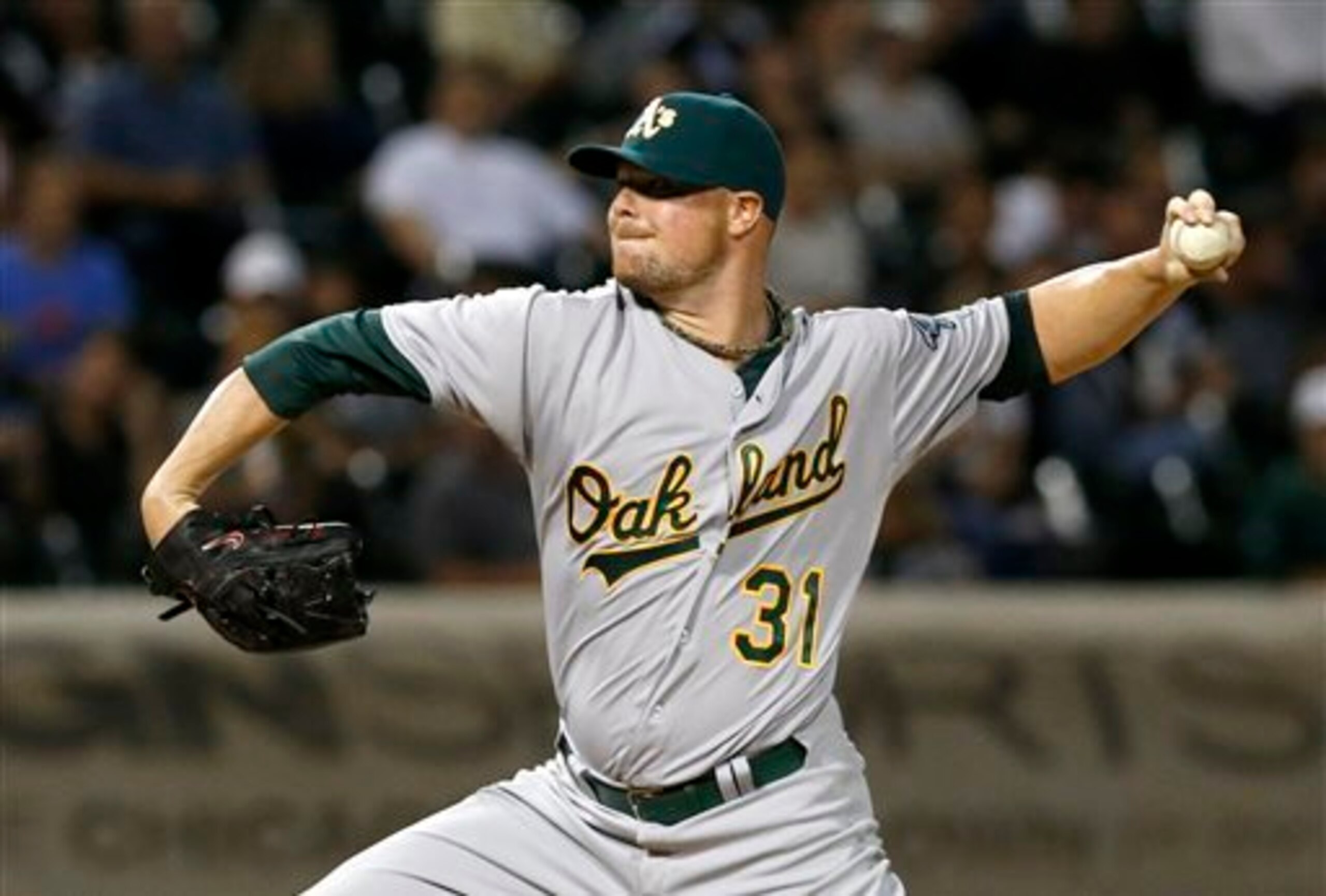
The Deal: Six years and $155 million with $25 million seventh-year vesting option
Even after adding Hammel to a rotation that already featured the very, very good Jake Arrieta, the Cubs needed at least one more pitcher. Enter arguably the best hurler on the free-agent market.
Lester is fresh off a career-best 2.46 ERA, and he's really been on a roll ever since midway through 2013. Go back over his last 51 starts, and he has an ERA in the mid-2.00s.
If there's a concern, it's that Lester is a soon-to-be 31-year-old with almost 1,600 innings on his arm. Fortunately, he has a low-effort delivery and his style is now more about movement, location and sequencing than about velocity. In essence, he's turned into Cliff Lee.
"It's not often you get to win the lottery," said new Cubs manager Joe Maddon to Bob Nightengale of USA Today. "We won the baseball lottery so far this year."
Granted, Lester's contract is pricey enough to a point where he probably won't outperform it. But if he ages as well as he should and helps lead the Cubs to a few Octobers, it will be money well spent.
Grade: A
Signing: Luke Gregerson to the Houston Astros
8 of 21
The Deal: Three years and $18.5 million
Source: Bob Nightengale of USA Today
Luke Gregerson has been a reliable reliever for a while now, posting a 2.47 ERA over the last four years. His 2014 season was arguably the best of the bunch, as he posted a 2.12 ERA with a 3.9 K/BB ratio.
For reliability like that, roughly $6 million a year over three years sounds fair. Particularly for a club that desperately needed to find bullpen help, as the Astros' 4.80 relief ERA was the worst in MLB in 2014.
And yet, issue can be taken with this deal's timing. With Houston likely still a couple years from contention, spending big on a reliever feels pointless. And as reliable as Gregerson is, he's also a 30-year-old with a declining strikeout rate and decreasing velocity.
If those patterns keep up, Gregerson won't do the Astros much good as a reliever or as a trade candidate. His contract is an unnecessary risk.
Grade: C
Signing: Pat Neshek to the Houston Astros
9 of 21
The Deal: Two years and $12.5 million
Not long after the Astros spent roughly $6 million per year on Gregerson, they gave roughly the same amount to Pat Neshek in a two-year deal.
That Neshek is 34 years old explains why his deal is the shorter of the two, but it's fair that he's getting the same average annual value. Though he doesn't have Gregerson's track record, he's coming off a dominant 2014 characterized by a 1.87 ERA.
Neshek should at least be useful against right-handed batters, as he held righties to a mere .442 OPS in 2014. But him continuing his 2014 dominance is possible if he continues assaulting the strike zone while also relying less on his slider and trusting his changeup.
Both the Gregerson and Neshek signings pose some risk for the Astros. But between the two, the Neshek deal is easier to like.
Grade: B-
Trade: Jimmy Rollins to the Los Angeles Dodgers
10 of 21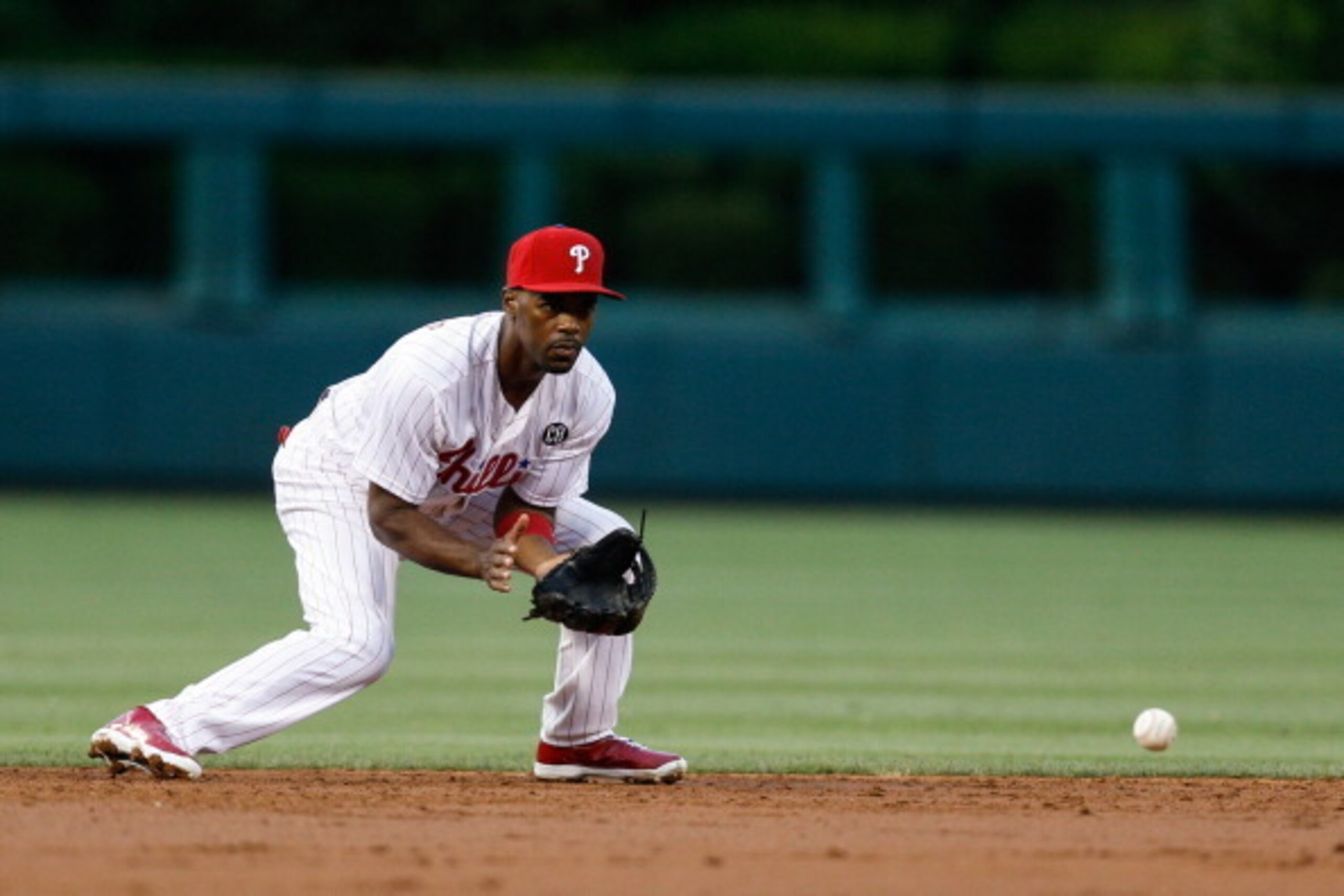
The Deal: Los Angeles Dodgers get SS Jimmy Rollins, Philadelphia Phillies get MiLB RHP Zach Eflin and MiLB LHP Tom Windle
Source: Jim Salisbury of CSN Philly
For the Dodgers
To replace Hanley Ramirez at shortstop, all the Dodgers needed was a one-year stopgap who could serve as a bridge to their next shortstop: 20-year-old super-prospect Corey Seager.
Rollins fits the bill perfectly. The 36-year-old veteran is only under contract for one more season and should be serviceable on the field. The Dodgers are getting him off a season that featured a .717 OPS, 17 home runs and 28 stolen bases, as well as characteristically strong defense.
Taking on all of Rollins' $11 million salary for 2014 isn't an issue for the Dodgers. And though the deal is costing them pitching prospects, neither is close to being MLB-ready. For them, this is a low-risk swap.
Grade: B+
For the Phillies
At the least, the Phillies are getting Rollins' $11 million salary off their hands. In light of that sum and his age, that they managed to get prospects in return for him is a victory unto itself.
That the two prospects the Phillies are getting have some promise heightens the victory. Eflin, who is coming from the San Diego Padres' system, was ranked by Baseball America as San Diego's No. 14 prospect after 2013. Windle was the Dodgers' No. 12 prospect after 2013.
Neither handled the leap from Single-A to High-A in 2014 especially well, as Eflin's ERA rose over a run and Windle's rose a run-and-a-half. But since Eflin's only 20 and Windle's only 22, there's a lot of time for the Phillies to get them back on track.
Grade: B
Trade: Dee Gordon to the Miami Marlins
11 of 21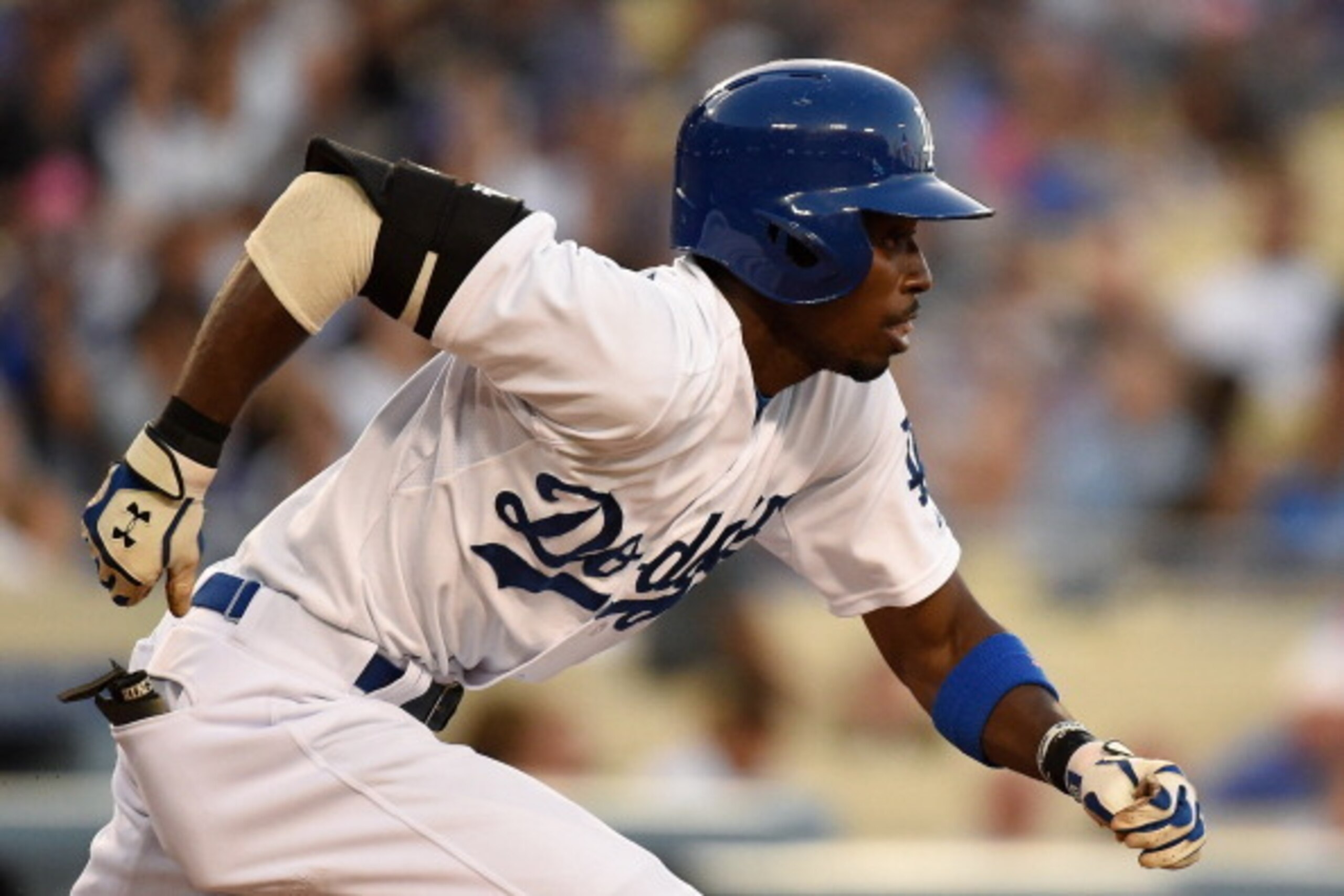
The Deal: Miami Marlins get 2B Dee Gordon, RHP Dan Haren and INF Miguel Rojas, Los Angeles Dodgers get LHP Andrew Heaney, RHP Chris Hatcher, INF Enrique Hernandez and MiLB C Austin Barnes
Source: Andy Martino of the New York Daily News, Clark Spencer of the Miami Herald and Joe Frisaro of MLB.com
For the Marlins
This is a complicated trade for the Marlins, but it centers mainly on them betting that Gordon can repeat his breakout 2014 season. If he does, they're getting a .290-ish hitter who can steal tons of bases and play a solid second base. And he's controllable through 2018 to boot.
However, Gordon's 2014 ended with him reverting to the low-OBP hitter he was before 2014. There's also no guarantee that Haren will even pitch for the Marlins. Rojas is a light-hitting utility infielder. And to get these guys, the Marlins gave up their best prospect and several other controllable assets.
The bright side, according to ESPN.com's Buster Olney, is that the Marlins are getting $10 million from the Dodgers for Haren even if he retires. But the deal working out for them hinges on Gordon living up to his 2014 season. It's a decent gamble, but it's a gamble all the same.
Grade: C+
For the Dodgers
This trade essentially boils down to the Dodgers selling high on Gordon and getting Haren out of their rotation. Those were two good ideas, and L.A. did well in acting on them.
Hatcher, who posted a 3.38 ERA in 2014, is a solid addition to the Dodgers' bullpen depth. Hernandez bolsters their infield depth, and Barnes is a 24-year-old catcher who OPS'd .870 across two minor league levels in 2014. He's the upside play of this trade.
Of course, it initially looked like Heaney was the upside guy. He was Miami's top prospect, so he could have served the Dodgers as a rotation piece or a trade chip. To that end, we all know what happened.
Grade: B
Trade: Howie Kendrick to the Los Angeles Dodgers
12 of 21
The Deal: Los Angeles Dodgers get 2B Howie Kendrick, Los Angeles Angels get LHP Andrew Heaney
For the Dodgers
Since the Dodgers could have controlled Heaney through 2020, it may not look great at first glance that they flipped him for a second baseman who's only under contract for one more season.
But this particular second baseman is a very good one. Kendrick's a lock for a .290-ish average and an OBP in the .330-.350 range, and he also brings solid pop, speed and defense to the table. By FanGraphs WAR, the Dodgers have acquired a guy who's been a top-five second baseman since 2011.
Granted, it can be argued that the Dodgers erred in turning a high-ceiling arm into an impact rental. But with their win-now window wide open, you can't fault them for thinking short-term.
Grade: B+
For the Angels
With Garrett Richards (knee) and Tyler Skaggs (Tommy John) rehabbing from major surgeries and Jered Weaver (32) and C.J. Wilson (34) getting old, it was in the Angels' interest to find a controllable starter.
To this end, Heaney's a darn good find. The 23-year-old southpaw's first taste of major league action in 2014 consisted of an ugly 5.83 ERA in seven appearances, but he entered the year as a consensus top prospect. Baseball Prospectus (subscription required) recently pegged him as a possible No. 2 starter.
The downside? The Angels just lost a top second baseman and don't have a clear replacement for him. Not ideal for a team that's in win-now mode.
Grade: B
Signing: Brandon McCarthy to the Los Angeles Dodgers
13 of 21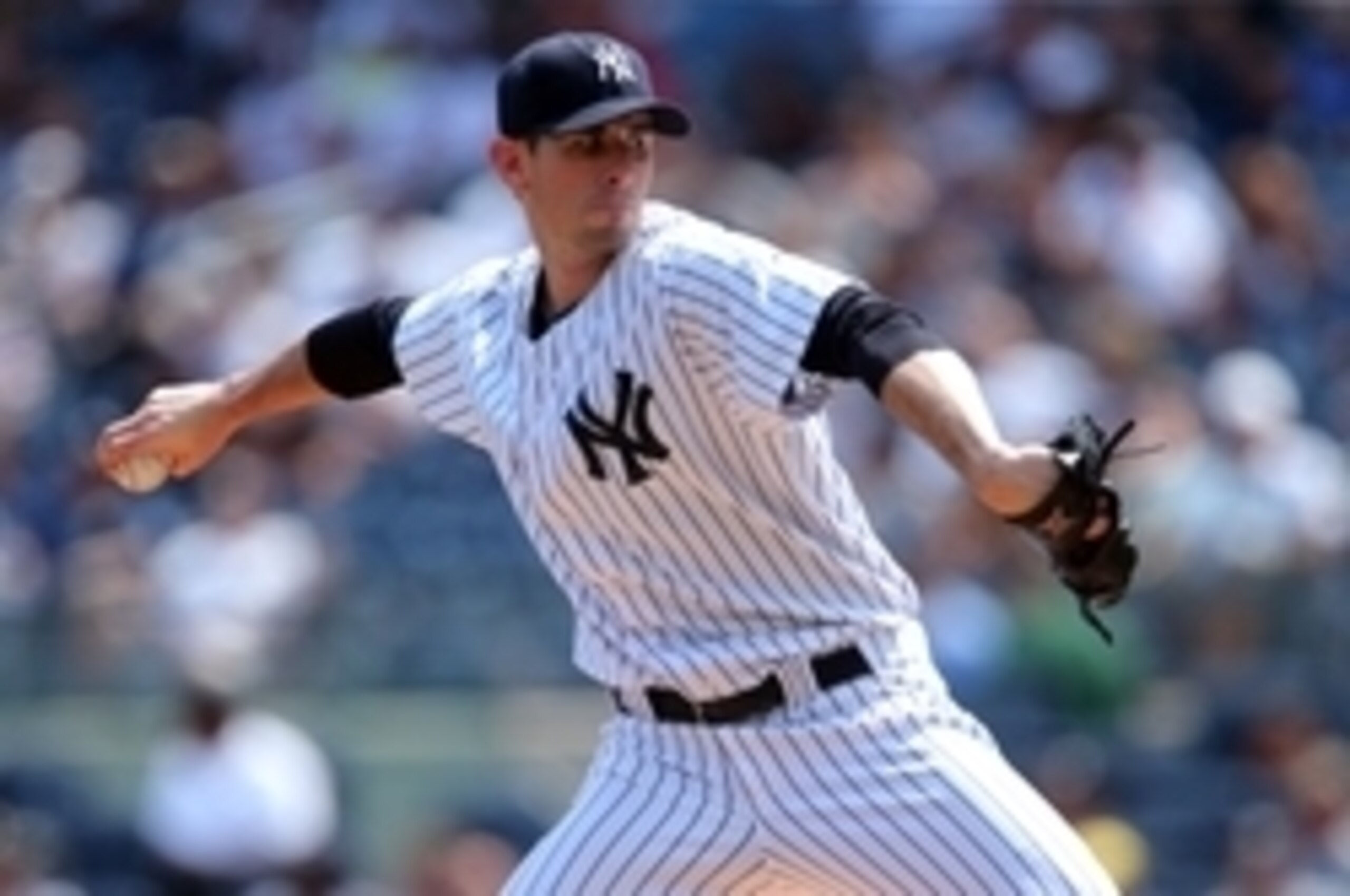
The Deal: Four years and $48 million
Source: Ken Rosenthal of FoxSports.com
Brandon McCarthy was last seen posting a 2.89 ERA and 6.31 K/BB ratio in 14 starts for the Yankees.
The Dodgers are clearly putting stock into that performance, and that's not as dumb an idea as you might think. McCarthy's success in New York was the product of a series of adjustments, including throwing his cutter more and, as FanGraphs' Jeff Sullivan highlighted, being less predictable with his location.
This is not to say the Dodgers have landed a steal, however. McCarthy's strikeout spike in 2014 was aided by a big velocity increase, which may not be sustainable in his age-31 season and beyond. And though he pitched 200 innings in 2014, his injury history suggests he may not do that again.
The Dodgers are bringing aboard a guy who just plain knows how to pitch. But with the assorted question marks at play, four years at nearly $50 million is an overpay.
Grade: B-
Trade: Wade Miley to the Boston Red Sox
14 of 21
The Deal: Boston Red Sox get LHP Wade Miley, Arizona Diamondbacks get RHP Rubby de la Rosa, RHP Allen Webster and unidentified MiLB pitcher
For the Red Sox
Miley is no Jon Lester, but he should be a decent addition to the back end of Boston's rotation.
Though Miley is coming off a pedestrian 4.34 ERA in 2014, he did pitch better than that indicates. Increased use of his slider helped him raise his K/9 from 6.53 to 8.18, and he was once again a very strong ground-ball pitcher. That's largely a product of how he lives at the bottom of the zone.
The worry with Miley is that the home run issue in 2014 (1.0 HR/9) will get even worse in the American League. But he should still be a serviceable innings eater until he hits free agency after 2017, and the pieces the Red Sox gave up to get him aren't pieces they're going to miss.
Grade: B
For the Diamondbacks
One thing this deal does is save the Diamondbacks from paying Miley. He was going to cost them about $4 million in arbitration, and that figure only would have gone up in subsequent years.
Instead, Arizona is welcoming two pitchers who aren't arbitration-eligible yet and who are ready to contribute right away. Both de la Rosa and Webster got a decent taste of major league action in 2014.
There's work to be done, however. De la Rosa has a big arm but needs to learn how to pitch. Webster has excellent raw stuff but no idea how to control it. If the Diamondbacks want them to contribute in 2015 and beyond, they have some fine-tuning to do.
Grade: C+
Trade: Matt Kemp to the San Diego Padres
15 of 21
The Deal: San Diego Padres get OF Matt Kemp, C Tim Federowicz and $32 million, Los Angeles Dodgers get C Yasmani Grandal, RHP Joe Wieland and MiLB RHP Zach Eflin
For the Padres
After scoring about 40 fewer runs than anyone else in 2014, the Padres desperately needed to find a big bat this winter. In Kemp, they've certainly done that.
Kemp is coming off an .852 OPS with 25 home runs in 2014 and could do better than that going forward after looking like his old self in a scorching-hot second half. And though he comes with defense, age and injury red flags, the Padres are only on the hook for $75 million of the $107 million he's owed over the next five seasons.
And yet, this isn't a slam dunk for San Diego. Grandal is a good catcher who's under control through 2018, and Baseball Prospectus had Wieland as a top-100 prospect as recently as 2012. And as much as the Padres would like to win now, they're going to need more than Kemp to do so.
Grade: B-
For the Dodgers
The Dodgers didn't rid themselves of all of Kemp's $107 million, but for a team that loves to spend, getting $75 million off its hands is a pretty big deal.
With that much money off the books, the addition of Grandal feels like the cherry on top. He's better than you probably think, as he gets on base, hits for power and is a terrific strike framer behind the dish.
Also keep in mind that Eflin helped the Dodgers land Rollins, and that the 24-year-old Wieland is young enough to put some bad elbow issues behind him. In all, the Dodgers did well.
Grade: B+
Trade: Yoenis Cespedes to the Detroit Tigers
16 of 21
The Deal: Detroit Tigers get OF Yoenis Cespedes, RHP Alex Wilson and MiLB RHP Gabe Speier, Boston Red Sox get RHP Rick Porcello
Source: C.J. Nitkowski of Fox Sports and MLB Network and Alex Speier of WEEI.com
For the Tigers
Torii Hunter signing with the Minnesota Twins put the Tigers in the market for a corner outfielder. In Cespedes, they've landed a good one.
Though Cespedes struggles to get on base and isn't much of a baserunner, he's one of only a few right-handed hitters to hit at least 20 dingers in each of the last three seasons. And though right field will be new for him, he definitely has the arm for the position.
But you wonder about the rest of the deal. Wilson and Speier are throw-ins, and losing Porcello leaves Detroit's rotation looking shaky. David Price is excellent, but Shane Greene and new addition Alfredo Simon are merely solid, and Justin Verlander and Anibal Sanchez are coming off lost seasons.
The Tigers have improved their offense, but they've signed up for unpredictable pitching in the process.
Grade: C+
For the Red Sox
With Hanley Ramirez locked into left field and Rusney Castillo, Mookie Betts and Shane Victorino among those squabbling for playing time elsewhere, the Red Sox didn't need to keep Cespedes. They won't miss him, nor will they miss Wilson and Speier.
And while Porcello may not be as good as the 3.43 ERA he posted in 2014, he has a track record of durability and has become more of a diverse pitcher every year. As Brooks Baseball can vouch, he no longer needs his sinker to do everything for him.
With this deal, the Red Sox dealt from a surplus to improve a weakness. Job well done.
Grade: B
Trade: Alfredo Simon to the Detroit Tigers
17 of 21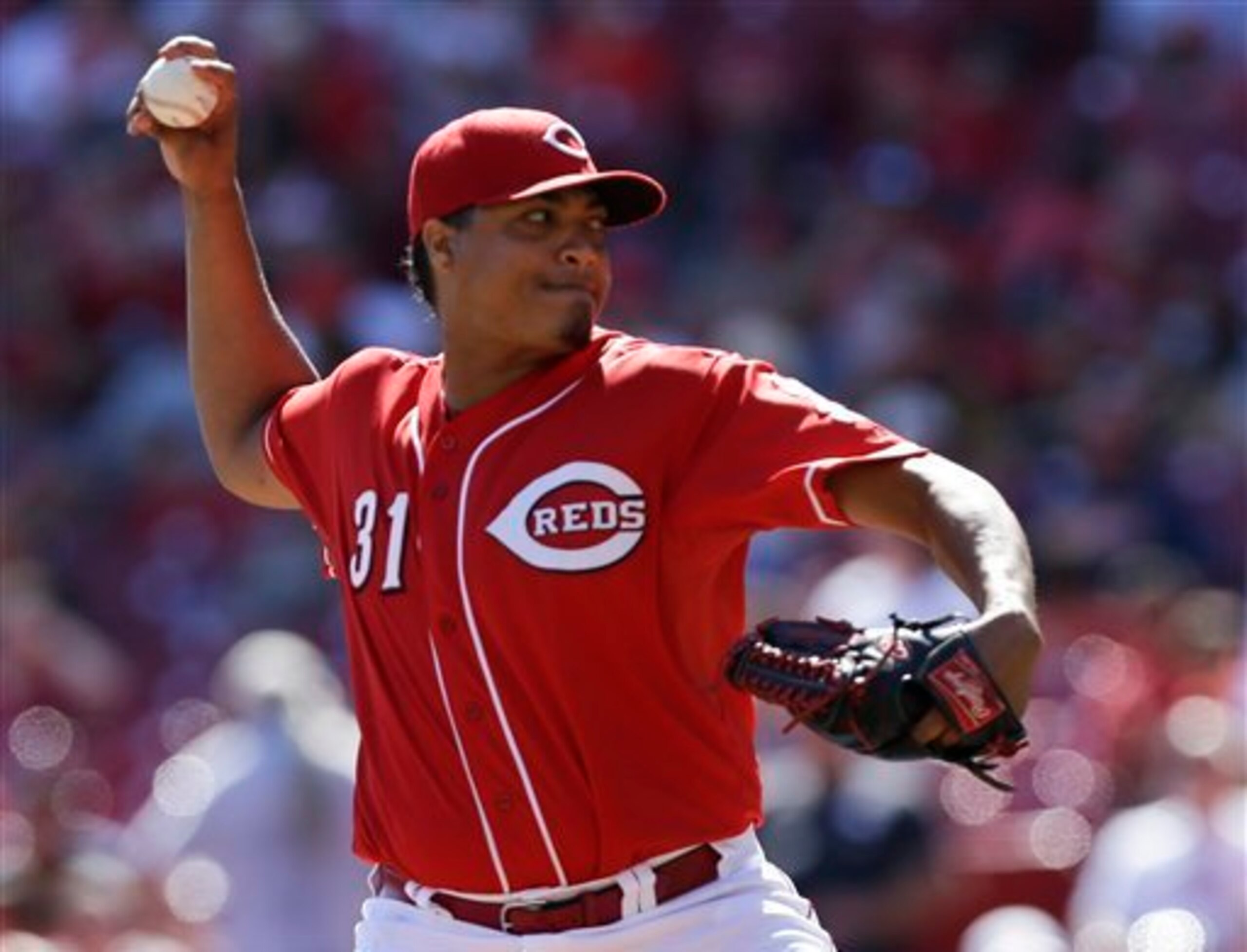
The Deal: Detroit Tigers get RHP Alfredo Simon, Cincinnati Reds get INF Eugenio Suarez and MiLB RHP Jonathon Crawford
Source: Detroit Tigers on Twitter
For the Tigers
The Cespedes trade left the Tigers in need of a starting pitcher, and this is the deal they made to address that. Simon will slide into their rotation, specifically at the back end.
Maybe it sounds like I'm underrating a guy who was an All-Star in 2014, but Simon's All-Star Game appearance is misleading. He had a 2.70 ERA in the first half but also a slim K/BB ratio and an unsustainably low batting average on balls in play. It was no surprise when Lady Luck ditched him and his ERA ballooned to 4.52 in the second half.
Still, Simon works as a back-end starter. Shortstop Jose Iglesias' impending return made Suarez expendable, and Ben Badler of Baseball America thinks Crawford only profiles as a back-end starter at this point.
Grade: B-
For the Reds
The Reds had incentive to move Simon, as he's due for free agency after 2015 and is projected to earn about $5 million in arbitration. Dealing him was a chance to save money and bolster the team's future.
To the latter end, the Reds did well enough. Suarez is an intriguing alternative to Zack Cozart at shortstop if the incumbent's bat continues to decline, and Crawford is now part of a stable of pitching prospects that includes Robert Stephenson, Michael Lorenzen and the newly acquired Anthony DeSclafani.
After Simon's second-half decline, this is probably as good as the Reds were going to get for him.
Grade: B+
Trade: Mat Latos to the Miami Marlins
18 of 21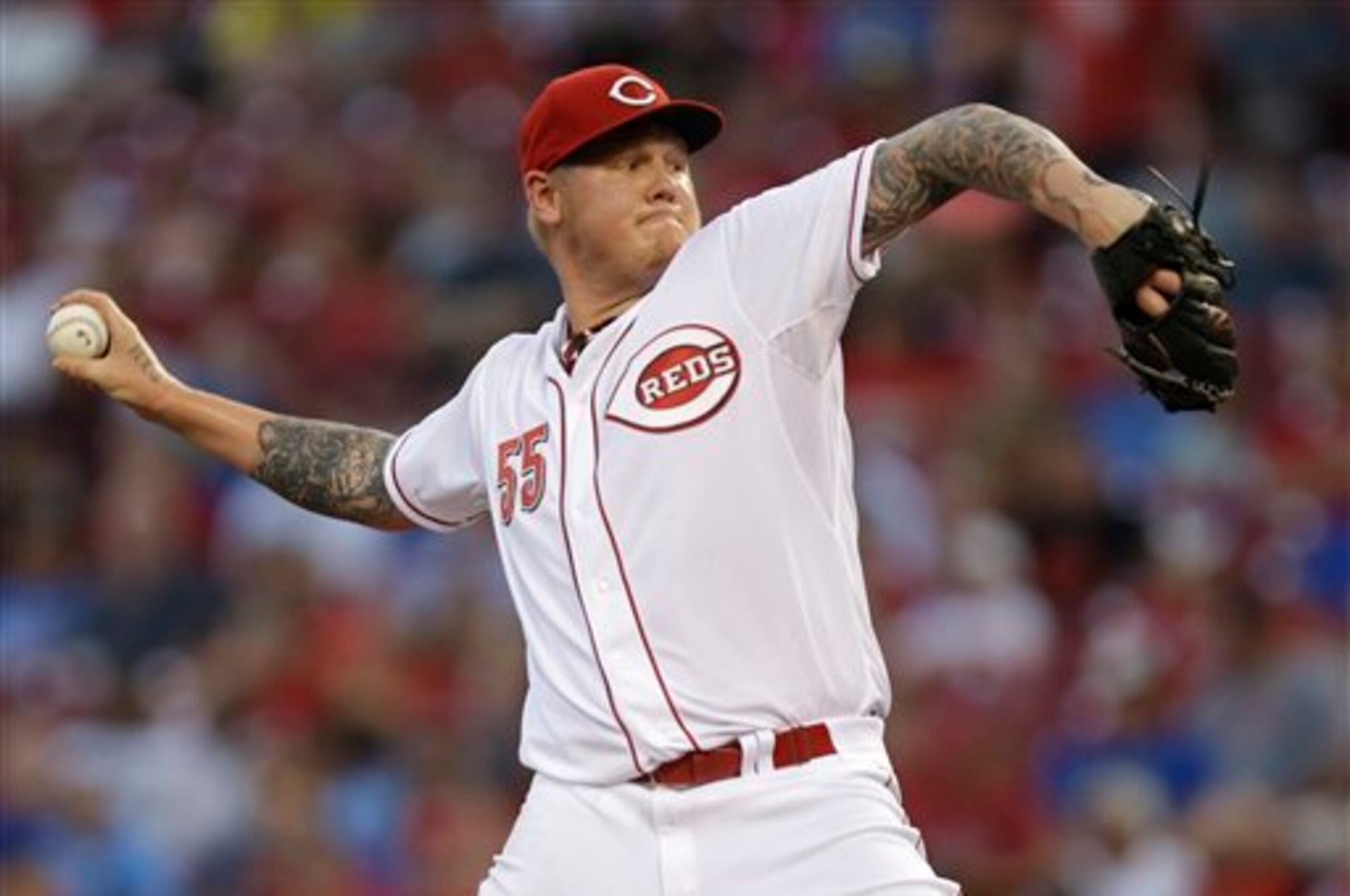
The Deal: Miami Marlins get RHP Mat Latos, Cincinnati Reds get RHP Anthony DeSclafani and MiLB C Chad Wallach
Source: Ken Rosenthal of FoxSports.com
For the Marlins
Even without the rehabbing Jose Fernandez, the Marlins have a rotation full of intriguing young arms. A veteran presence would have been a nice addition, though, and the Reds are getting one in Latos.
Despite spending the last three seasons in an extreme hitters' park, the 27-year-old right-hander posted a solid 3.31 ERA and 3.01 K/BB ratio across 81 starts and 522.1 innings. That's above-average stuff, so a move to Marlins Park could make him a legit No. 1.
That's if he's past the knee and elbow problems that plagued him in 2014, however. If not, Latos may feature modest velocity and be hesitant to use his slider again. With a talented pitching and catching prospect going out the door, the Marlins are rolling the dice with this deal.
Grade: B-
For the Reds
Like with the Simon deal, money was a big reason for the Reds to seek out a swap for Latos. With him out of the picture, they stand to save as much as $8.4 million in arbitration.
That the Reds got a solid haul almost feels like a bonus. MLB.com already has DeSclafani rated as Cincinnati's No. 5 prospect, and the 24-year-old is definitely ready to contribute now. Wallach needs more seasoning, but it's encouraging that he's coming off an .888 OPS across two levels in 2014.
You can argue that the Reds should have done better for a guy with Latos' track record. But after his iffy 2014 season, the Reds actually did pretty well.
Grade: B
Signing: Justin Masterson to the Boston Red Sox
19 of 21
The Deal: One year for $9 million
Source: Bob Nightengale of USA Today
Justin Masterson put himself in a position to be a reclamation project with his 2014 season as he went from being a very good pitcher to posting a whopping 5.88 ERA. That didn't happen by accident, as he was plagued by diminished velocity and poor control.
It wasn't all bad for Masterson in 2014, however. Brooks Baseball can show that his slider remained an excellent swing-and-miss pitch, and he didn't lose his elite ground-ball talent. If he can fix his velocity and control, the Red Sox will have something.
Masterson's right knee is the key. It bothered him in 2014 and seemed to affect his mechanics. If that knee is healthy, Masterson is in line for a huge rebound.
The Red Sox are gambling on that, of course, but $9 million is hardly an unreasonable sum to put on the table. That's only $1 million more than Josh Johnson got last year, and he was a far bigger gamble.
Grade: B+
Signing: Kendrys Morales to the Kansas City Royals
20 of 21
The Deal: Two years and $17 million with a third-year mutual option
Source: Jeff Passan of Yahoo Sports
When the Royals lost Billy Butler to the Oakland A's, they lost a designated hitter who suddenly couldn't hit all that well. In adding Kendrys Morales, they're adding…well, pretty much the same thing they lost.
Morales was an easily above-average hitter in 2012 and 2013, OPS'ing .786 despite playing mainly at two extremely pitcher-friendly ballparks. But he couldn't get back on that track after a late start to 2014, hitting .218 with a .612 OPS in 98 games with the Twins and Mariners.
An optimist will point to how much Morales' late start screwed him up as justification for the Royals betting $17 million on a turnaround. In the end, that optimist could be right.
But that's the only defense for this deal. At 31, it could be Morales is past his prime. If he is, then the Royals will be paying $17 million for a past-his-prime hitter who can't run or play defense.
Grade: D
Signing: Ervin Santana to the Minnesota Twins
21 of 21
The Deal: Four years and $55 million with a fifth-year vesting option
Source: Jeff Passan of Yahoo Sports
Though Phil Hughes was outstanding, he wasn't able to save Minnesota's starting pitching from being the worst in baseball in 2014. Twins starters were the only ones to go over the 5.00 ERA threshold.
Fortunately, Ervin Santana can help.
It doesn't look good that Santana boosted his ERA from 3.24 in 2013 to 3.95 in 2014 despite moving to the National League, but he actually pitched better than that. His 2.89 BB/9 was solid, and his 8.22 K/9 was his best since 2008. As Brooks Baseball can vouch, the his changeup's development was a big factor.
Where things get iffy is the years. Santana has a strong track record of durability, but he's also turning 32 soon, and it may only be a matter of time before so many sliders over the years catch up with his elbow.
Still, the Twins had more incentive to overpay for a good starter than anyone else. And for what it's worth, their protected first-round pick means they're only losing a second-rounder in 2015 to sign Santana.
Grade: B
.jpg?w=2560 "OBJ Calls Out Giants After Release")




.jpg?w=2560 "Saquon Out for Game")
