Spanish Football Must Find Fundamental Cultural Change to Rid Game of Hooligans
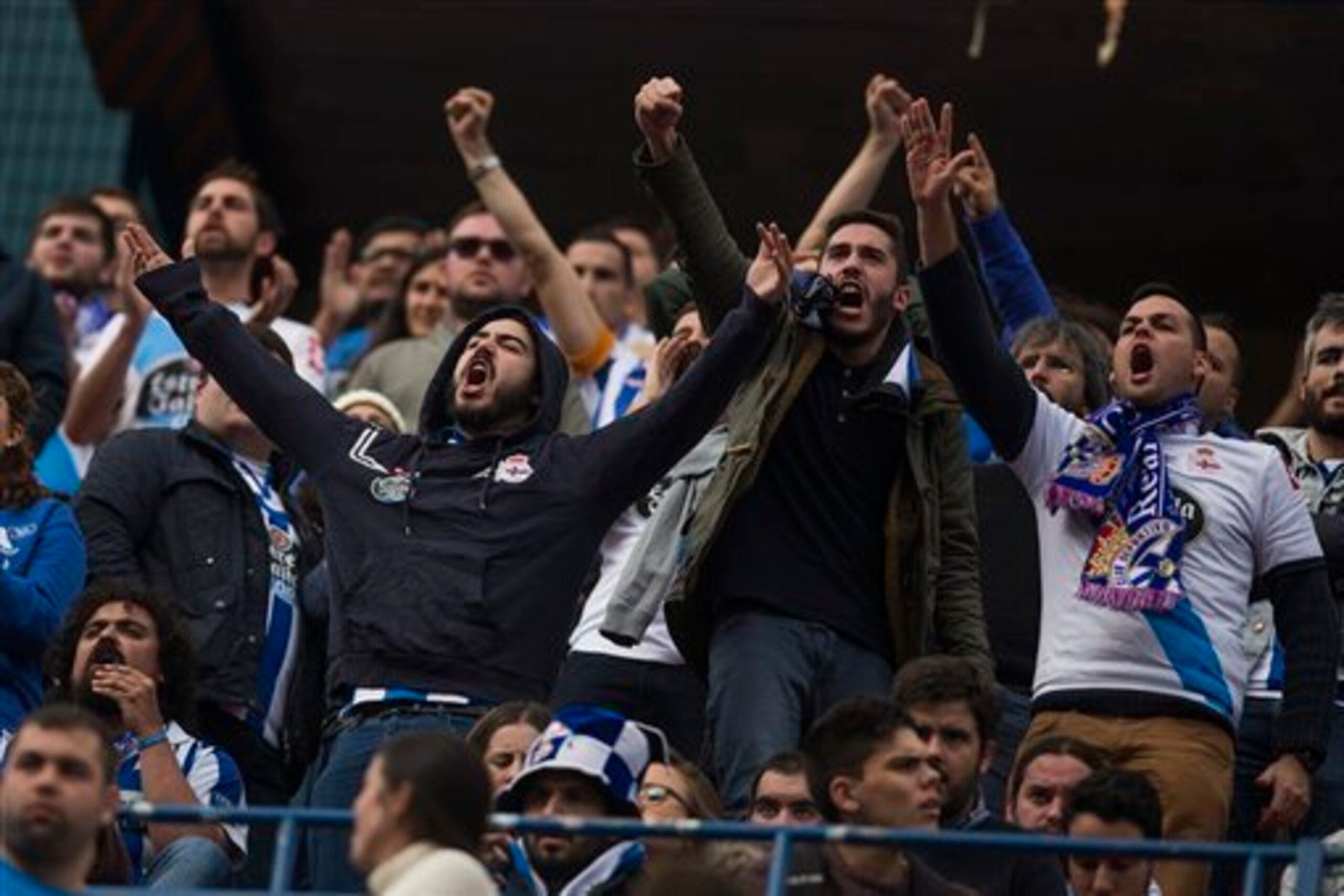
The one thing we can be certain of is this: The dreadful finale to the terrible scenes that unfolded last Sunday before the Atletico Madrid vs. Deportivo game was no accident, but rather, a disaster waiting to happen.
A man was killed, three people were stabbed and 11 injured during a fight between Atletico Madrid and Deportivo supporters.
We know now the correct measures to deal with situations like this were not in place, there was a shortage of police officers on duty and, for too long now, groups such as these had been treated with far too much consideration.


This is what we have heard in the hours following the incident, so surely we can at least agree on that.
We have in place a law instigated in 2007 sufficiently specific to prevent access to stadiums and to identify the potential "ultra" troublemakers.
Unfortunately, it is not being applied with the appropriate enthusiasm from the relevant authorities, and the clubs themselves wash their hands of any culpability, simultaneously turning a blind eye to the responsibility they have to the vast majority of their law-abiding fans. Perfect!
Now the time has come to talk about the painful realities, the time to be brave and grasp the nettle as we analyse and reflect on a problem that has reared its ugly head in many other parts of the world. This look at the uncomfortable truths was done in England with huge success. We must do it now.
The time has come to realise this is not specifically a problem of Spanish violence, but rather, one that has occurred in many other countries. We could learn from those countries.
We must also realize the fact that in our footballing culture, the fans are both the problem and the solution.
Our stadiums are a cacophony of racist, homophobic and generally reprehensible and indictable chants. So suddenly, it becomes OK to call Leo Messi "sub-normal" or Cristiano Ronaldo "queer" without fear of repercussion.
There is no room for respect, as insults and abuses you would never permit your children to utter are spewed out with impunity. That behaviour is the food in which the violent fans feed.
I’m not saying the foul-mouthed behaviour of a minority of fans leads to deaths. What I am saying—and this did happen—is that it is a profoundly unhealthy club and culture that permits, during a training session, some of its ultra fans to knock down a wall, intimidate and abuse the players and then, driven by fear, not even inform the police about the incident.
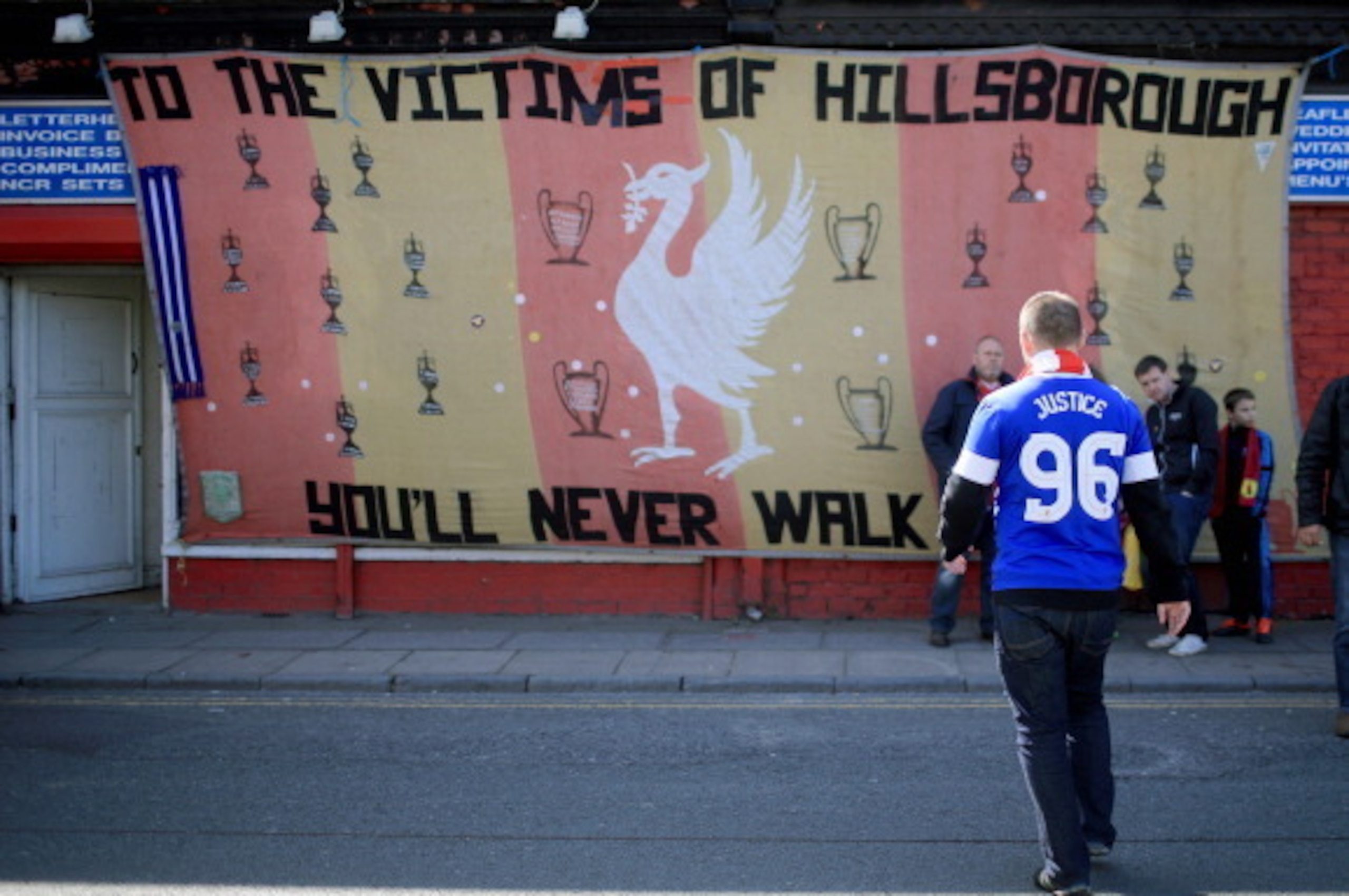
In England, everything changed after the disasters at Heysel and Hillsborough. Those events led to greater government policing of the game, culminating in Margaret Thatcher’s attempt to impose identity cards on the entire population so soccer hooligans could be identified.
Such was the reaction against compulsory ID cards by the vast majority of the country that she was eventually compelled to withdraw the plan.
But what did come about was a radical cultural transformation within football that realised the time had come for it to control and police itself.
In the wake of the Hillsborough disaster in 1989, the Taylor Report imposed a number of structural changes on the sport. Compulsory all-seater stadiums became the norm, but over and above that, there were changes to the law as well.
The police received training that concentrated more on the positive aspects of fan control, but there was also a fundamental change when fans finally realised there were certain things you could not do or say just because you were in a football ground.
But dealing with these ultras is not the only part of the solution.
When analysing in any great depth and detail exactly where such violence, vitriol and total lack of respect emanates, for many years, a number of the old cliches had been regularly trotted out, and there were assumptions made about things which had not been studied properly.
Consider the words of one of the main investigators into soccer violence, Clifford Stott, who said, “The problem of organised groups is much more complex than is generally reported.”
His conclusion is these were not just violent thugs who had to be driven out of football.
Yes, let’s do that for sure, but Clifford thinks—and I fully agree—these ultras are also "a sign of the times," sons of a culture prevalent in Spanish football.
*Information and quotes sourced firsthand.
.jpg?w=2560 "NBA Gambling Charges")



.jpg?w=2560 "Jonathan Taylor Landing Spots")

.jpg?w=2560 "Aikman Blasts Cowboys WR 🫣")