
Nebraska Fires Bo Pelini 1 Year Too Late
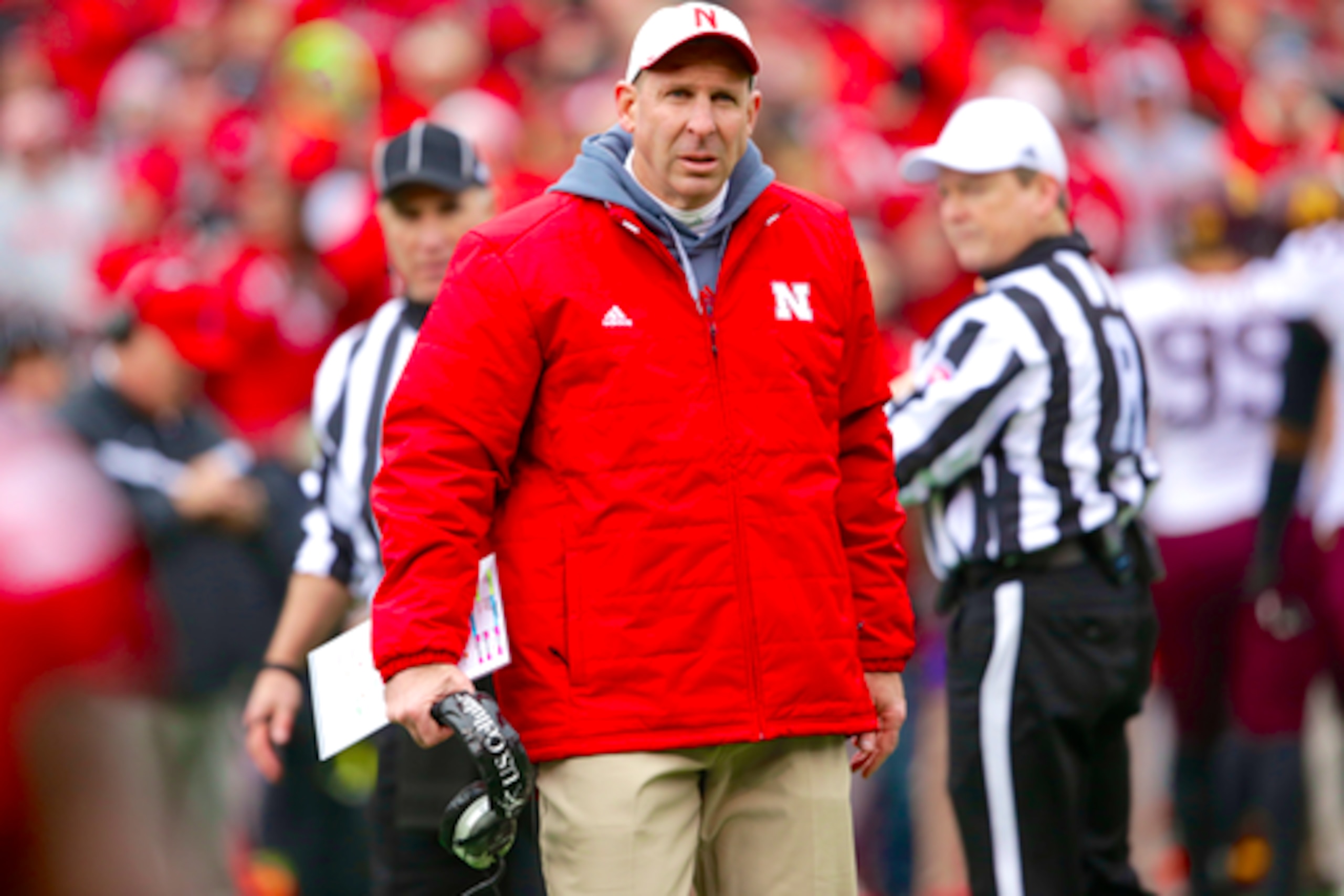
Nebraska and head football coach Bo Pelini were always going to part ways, it was just a matter of when. With the news of Pelini's dismissal on Sunday morning, however, it feels like the decision was made a year too late.
"Coach Pelini served our University admirably for seven years and led our football programs transition to the Big Ten Conference," athletic director Shawn Eichorst said in a statement. "We wish Coach Pelini and his wonderful family all the best and thank him for his dedicated service to the University."
Consider for a moment what Pelini has accomplished, both this year and every year since taking over the program in 2008. His body of work has been remarkably consistent for better and for worse.


Pelini's overall record with the Huskers was 67-27, and he never won fewer than nine games a season. This year, Nebraska went 9-3, highlighted by a thrilling season-ending win over Iowa and marred by stinging losses to Wisconsin and Minnesota.
Pelini led his teams to a few conference championships spanning the Big 12 and Big Ten, but never quite got his teams to the level Nebraska wanted. That was Pelini's career in a nutshell: a lot of wins, but few of real quality and some embarrassing losses.
Coaches can, and often do, get fired for a series of declining seasons; see Florida and head coach Will Muschamp, for example. Pelini was getting paid $3.1 million a year to win. The thing that stands out about Pelini and Nebraska, though, was that the Huskers technically never got worse with him on the sidelines.
As Doug Samuels of Footballscoop.com notes, though, this decision was allegedly about more than wins and losses:
"Per sources, Bo felt that change needed to happen for Nebraska football to move forward. He planned to meet with the very top administration to share his feelings and his plan; most importantly he felt that he needed the administration clearly 100% with him, or they needed to go a different direction. It was clear to Pelini that Harvey Perlman (Chancellor) wasn’t giving him any support and that was creating an untenable situation for all. Pelini was willing to go over Perlman’s head (to the Board of Regents) if necessary.
"
That kind of reported tension within a program isn't healthy for anyone. If Nebraska was going to part ways with Pelini, last year in the height of "audio-gate" would have been the time to do it. Pelini, in a thought-to-be moment of privacy in 2011, ripped Nebraska fans and media while unknowingly being recorded. It wouldn't have made that decision right or wrong, per se, but it would have given Nebraska an out. It also would have allowed Pelini to move on.
Pelini himself even gave Nebraska permission. "If they want to fire me," Pelini said after a season-ending loss to Iowa in 2013, "then go ahead."
Firing Pelini now makes far less sense. If anything, it was an unnecessary delay of the inevitable.
That's a shame. Pelini is good coach who by all appearances runs a clean program and genuinely cares about his players, even if his outlandish sideline demeanor suggests otherwise. The disbelief from Nebraska players has begun, led by quarterback Tommy Armstrong:
In August, B/R colleague Adam Kramer profiled the side of Pelini no one knew, the side with an unexpected sense of humor, the side that would do anything for a former player or coach, the side that loves cats.
Where Nebraska goes from here remains to be seen. Winning nine or 10 games regularly is something a lot of programs would be happy with, and letting Pelini go after another 9-3 season without controversy isn't a great look.
Sure, the Huskers have options. The Nebraska brand isn't what it used to be, but it still carries plenty of weight nationally. Landing a high-profile coach or coordinator is realistic.
The question is whether that next coach will be able to take the program to the levels it could never achieve under Pelini. Recruiting in Nebraska and the Midwest isn't what it used to be. As Andy Staples of Sports Illustrated tweeted, whoever takes over the program better be ready to concentrate on player development and not on landing 5-star recruits.
Firing a coach is the easy part. The difficult part is having the plan going forward. Nebraska fired former coach Frank Solich after a nine-win season in 2003 and hired Bill Callahan with disastrous results.
Will that history repeat itself with Pelini? Perhaps, but the fact remains that this was never going to be a long-term match. It would have been better if at least one side had reached that conclusion earlier. It would have made for a lot less discomfort.
Both sides at least deserve that much.
Ben Kercheval is a lead writer for college football. All quotes cited unless obtained firsthand.

.jpg?w=2560 "Jaguars Colts Football")
.jpg?w=2560 "Malik Beasley Negotiating Plea Deal (AP)")
.jpg?w=2560 "Aikman Blasts Cowboys WR 🫣")

.jpg?w=2560 "Jonathan Taylor Landing Spots")