
10 Bold Suggestions to Make F1 Competitive at All Levels
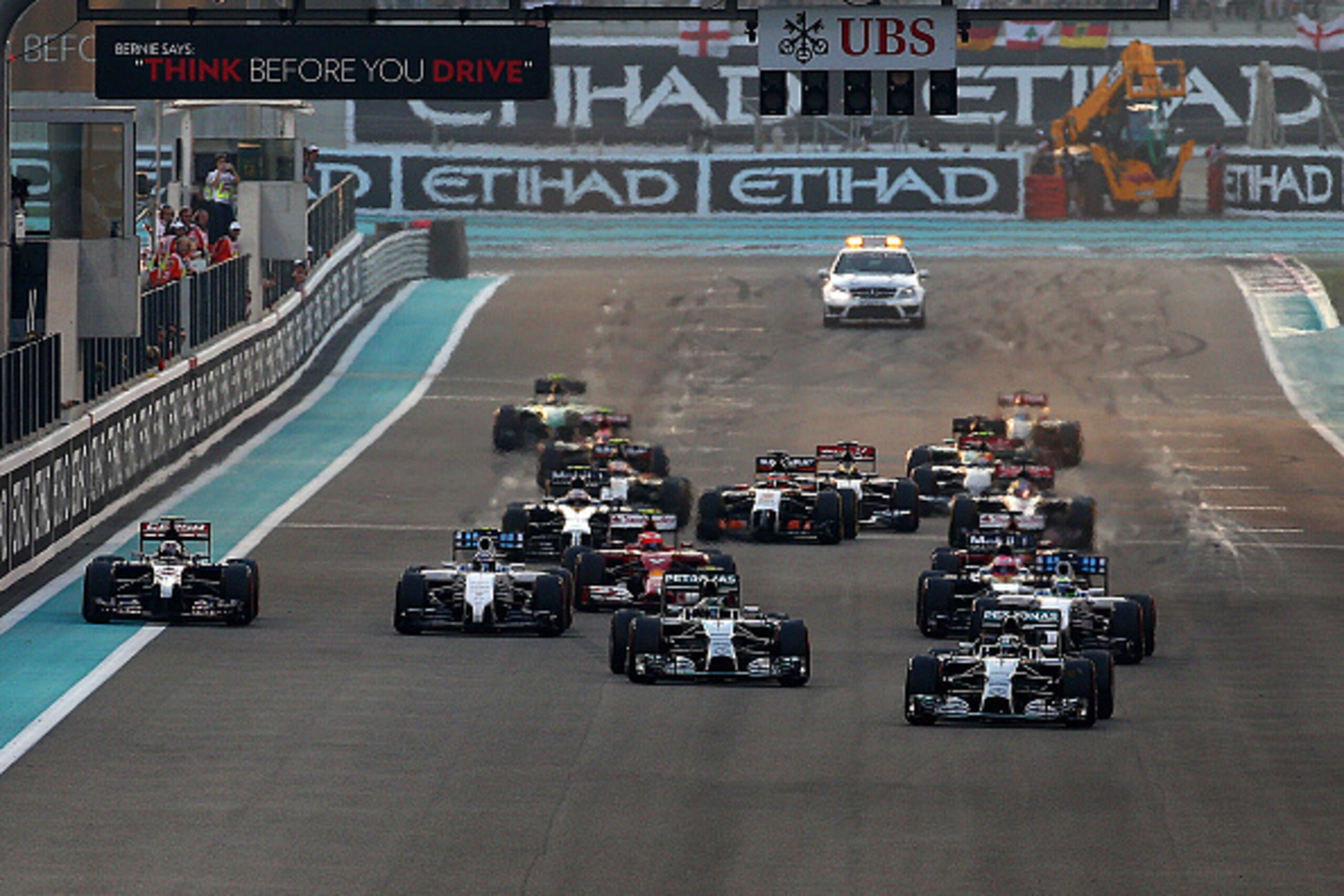
The 2014 Formula One season was one of the most exciting, tense campaigns in recent memory—but one could never describe it as unpredictable.
In the end, only two teams and three drivers—Mercedes' Lewis Hamilton and Nico Rosberg, and Red Bull's Daniel Ricciardo—took to the top step of the podium, with the remaining outfits forming an orderly queue behind.
Although the racing throughout the field was of a high standard, a gulf in class is highlighted by the fact that four of the pit lane's 11 teams failed to score more than 10 points. Sauber and Caterham failed to register a single point between them in 19 grands prix, while new world champions Mercedes ended the year with 701.
Clearly, there is a substantial gap between the front-runners and the backmarkers, so here are 10 suggestions—from sporting and technical regulation changes to some business advice—to help F1 become a more competitive sport.
Reverse Grids
1 of 10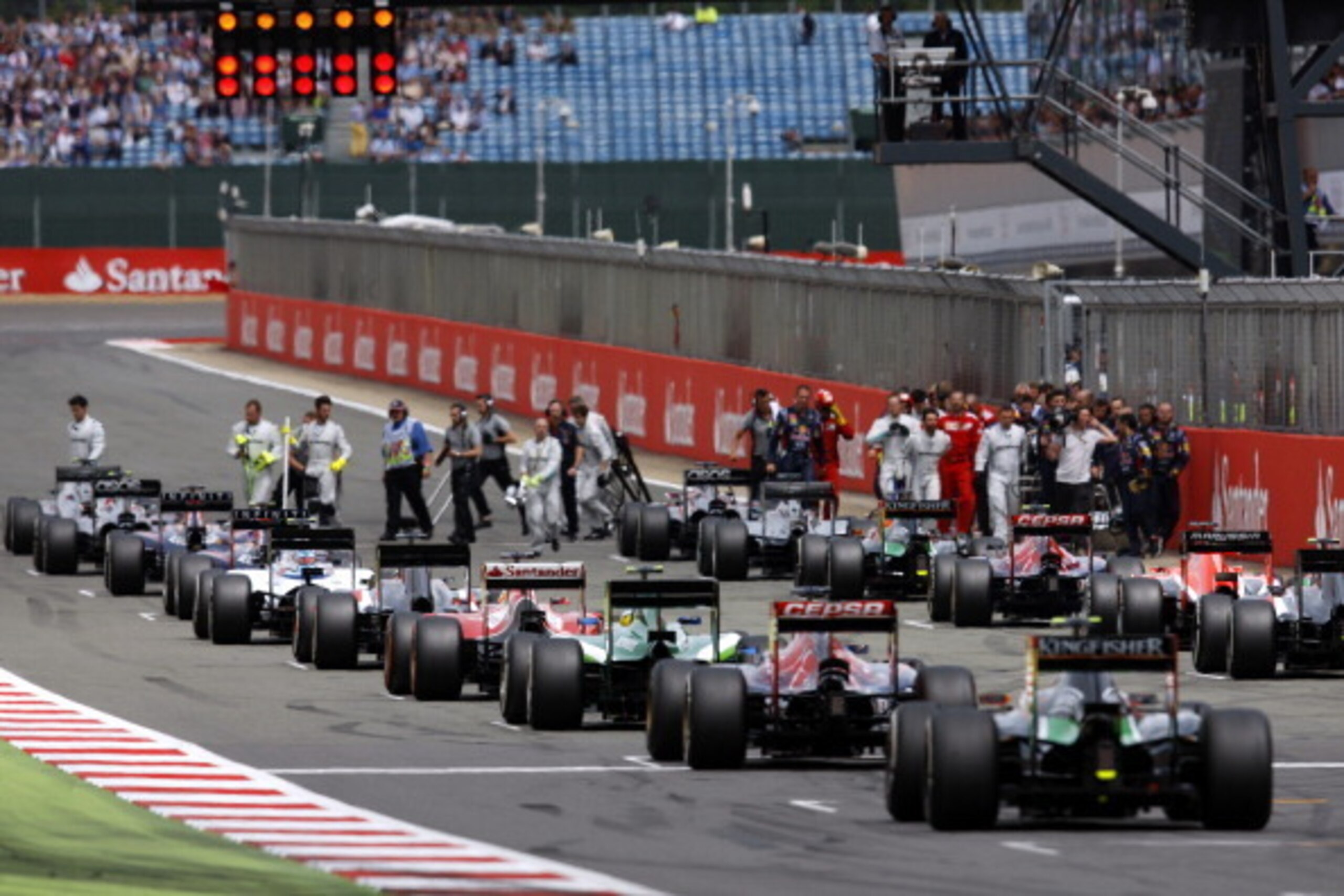
Reverse grids have been mooted for several years, with former Renault team principal Flavio Briatore telling BBC Sport of his desire to have them introduced in 2007.
Although the appeal of the fastest cars starting at the rear of the field cannot be denied—arguably the finest race in history, the 2005 Japanese Grand Prix, began with the front-runners rooted at the back of the grid—it is difficult to imagine how the system could be implemented.
And that's before you consider the reaction to reverse grids, which would be viewed as even more artificial than 2014's double-points rule and make pole position records—a marker of a driver's absolute speed throughout the sport's history—completely irrelevant.
Or Bring Back One-Lap Qualifying, but with a Difference
2 of 10One-lap qualifying was last used in Formula One in 2005 and presented a greater test of a driver's skill and nerve than the current three-part format, which allows competitors to post as many laps as they desire.
The idea of having a single shot at securing a good result, and the knowledge that the slightest mistake could ruin an entire weekend, made qualifying a far more compelling spectacle than today's get-up-and-go-again system.
But there was one problem.
The running order pandered to the leading runners, with the winner of the previous grand prix recording his solitary lap at the very end of the session when the track surface was at its best—giving him a crucial advantage over the rest of the field.
A structure which would see the slower cars cross the line last—although unlikely to set the pulse racing and impress race promoters—would have a similar effect to reverse grids but in a far more subtle fashion, particularly at dustier circuits where track evolution is key.
Several Races Per Weekend
3 of 10
Coming back to our first suggestion, one way that reverse grids could work is if traditional grands prix were scrapped in favour of multiple races.
With television audiences falling, one way to bring fans back would be to stage three races of 20 laps, rather than the tiring 60-odd lap events we currently have.
Another leaf out of the touring car book, a first race could take place on the Sunday morning, with the grid for the second race decided by the finishing positions of the opening event.
For the final race, taking place late in the afternoon, the cars will line up in reverse order, giving the minnows a chance to impress.
Although it is unlikely to happen, logic dictates that the more races there are, the more opportunities there are for more teams to win.


Penalty for Success
4 of 10
Despite operating with a third less fuel than in previous years, 2014-spec Formula One cars have been just as fast, or even faster, than the machines of recent seasons.
Concerns that races would become mere fuel-saving exercises were extinguished at an early stage of the campaign as the sport's technical excellence shone through.
But why stop there?
Fuel-saving could become an integral part of an F1 race if, for instance, the top-10 finishers of one grand prix were forced to significantly under-fuel their car for the following event, encouraging drivers to manage their pace.
The remaining competitors, meanwhile, could fill their tanks as normal and drive flat-out for most, if not all, of the race, increasing the chances of having a wider range of winners.
Standard Power Unit Parts
5 of 10Until 2014, the difference between a fast car and a slow one was found almost exclusively in aerodynamic performance.
This year's introduction of V6 power units, however, has made a Mercedes engine the must-have gadget for success, with the Renault and Ferrari equivalents lacking in both pace and reliability.
Power units, unlike front and rear wings, can hardly be updated during a given campaign with an engine freeze in place, while development is limited in the off-season.
The disparity in performance led to Christian Horner, the team principal of Red Bull-Renault, telling an FIA press conference of his desire to see a "simplified" engine introduced with a "standard energy recovery system."
Not only would standard power unit elements reduce costs, it would reduce the gap in performance between each engine and therefore lead to more competitive racing.
FanBoost
6 of 10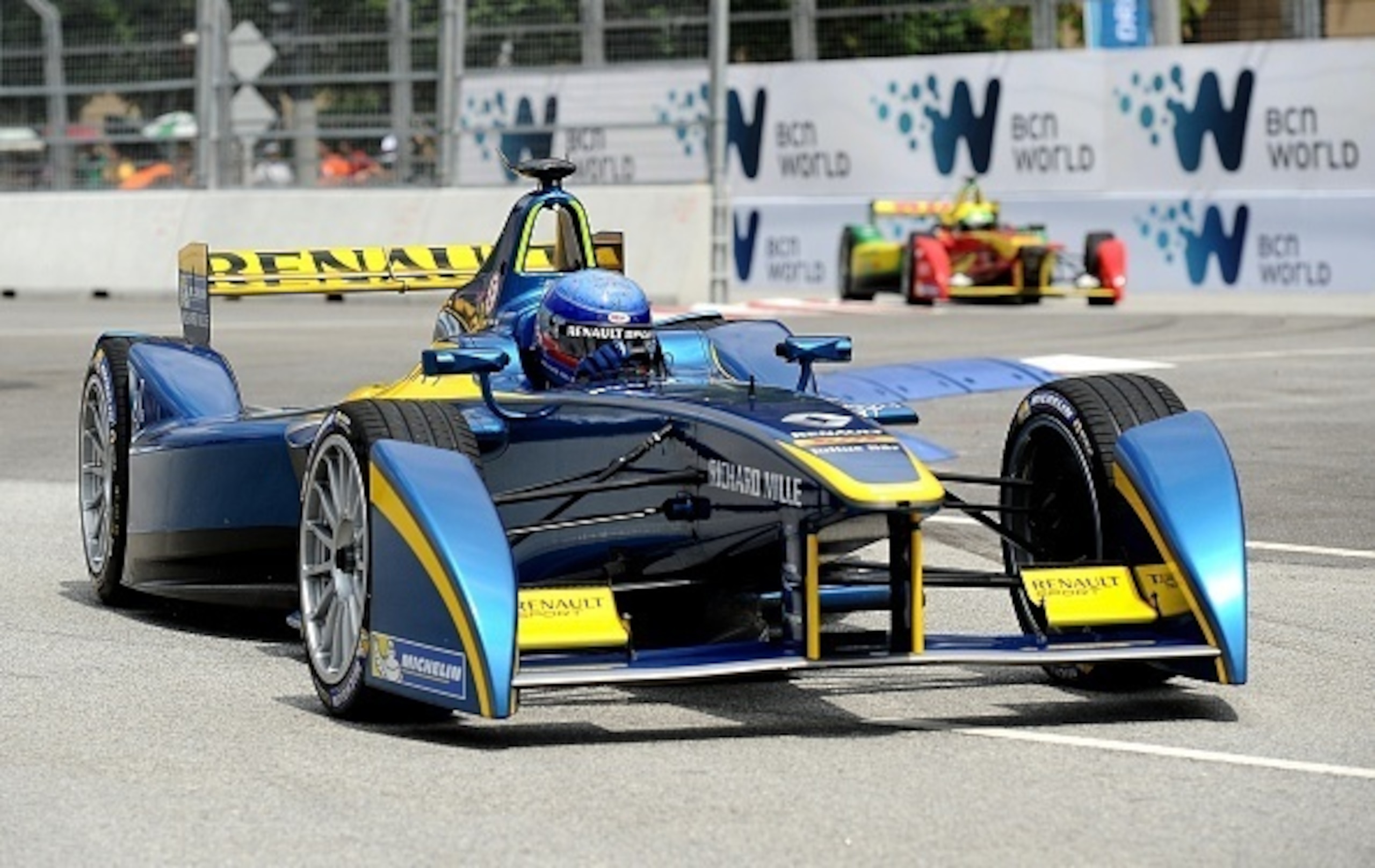
Formula E, the new electric-powered racing series, raised eyebrows earlier this year when it revealed plans for a "FanBoost" system, which gives fans the power to change the course of races from their own homes.
By voting for their favourite driver, spectators can aid their hero's chances of victory, with the three most popular competitors rewarded with a temporary increase in their car's power.
A similar initiative could occur in Formula One, where the three winners would be announced an hour before the start of the grand prix and then be presented with a choice of reward in a pre-race podium ceremony.
Unlimited use of DRS, an extra set of tyres (of a compound of the drivers' choice) and the chance to jump five places up the grid could all be up for grabs.
It could kill several birds with one stone, with F1 increasing its levels of fan interaction, addressing its struggles with social media and, of course, giving the plucky, popular runners the opportunity to race at the sharp end.
Three-Car Teams
7 of 10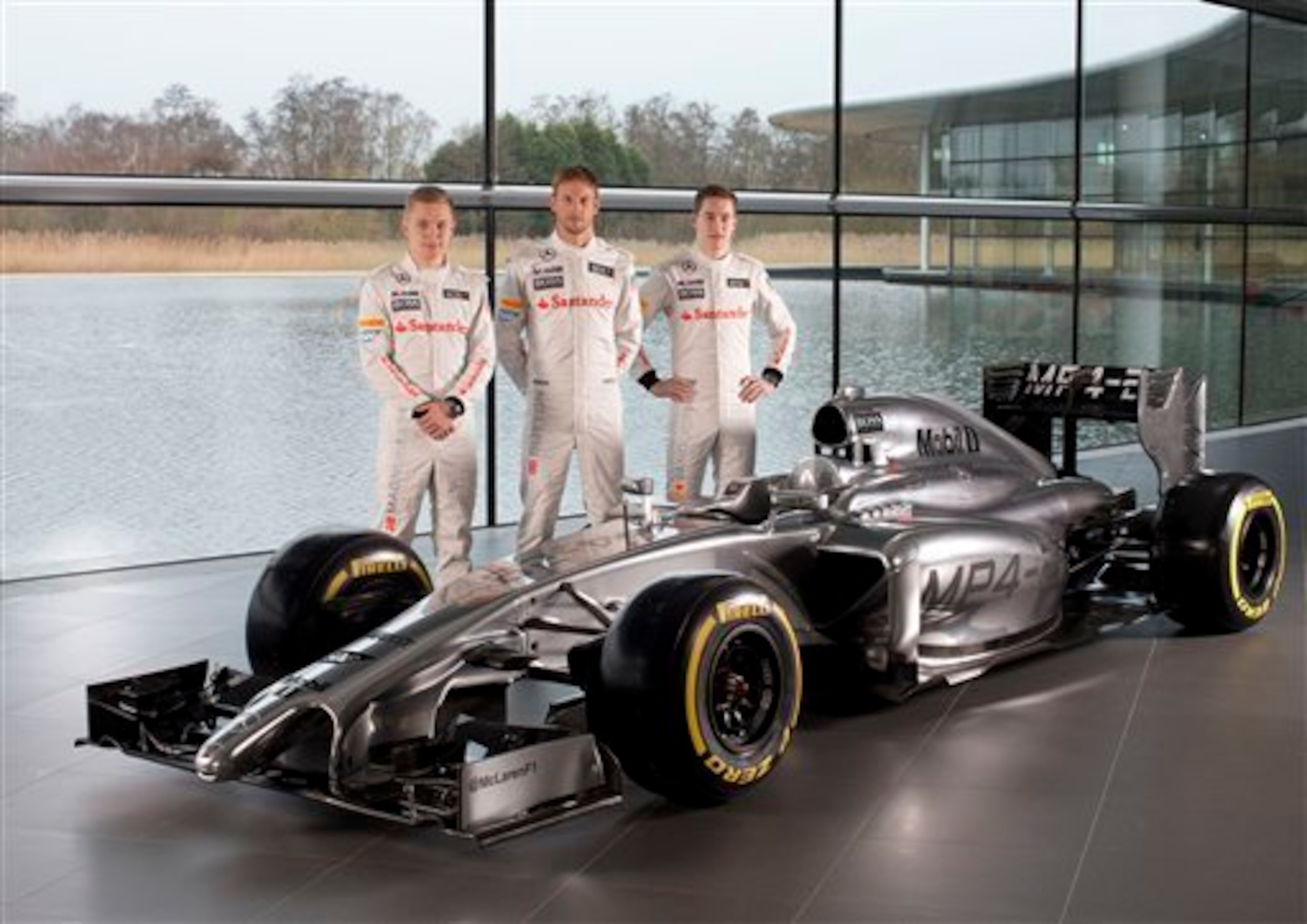
The subject of three-car teams has dominated the off-track headlines in the latter stages of 2014, with Bernie Ecclestone making no secret of his desire to see them introduced.
Although widespread concerns have been expressed over the potential switch from two-car outfits, there is no question that fewer teams would increase the competitiveness of F1.
So get rid of the disposable pleasures—Lotus, Force India, Sauber and Toro Rosso—and let's see Mercedes, Red Bull, Ferrari, McLaren and Williams run three cars.
But it has to be done the right way.
We want to watch the likes of Lewis Hamilton, Fernando Alonso and Sebastian Vettel in the same machinery—not Hamilton, Alonso and some whippersnapper from a young driver scheme.
Without a B-team, Red Bull would be discouraged from toying with the careers of their graduates, only promoting their prodigies when absolutely convinced that they are ready to step up.
And what of drivers such as Romain Grosjean and Nico Hulkenberg, who would find themselves out of a job as Lotus and Force India fade away?
They'd have no problem finding alternative employment, with teams finally able to sign drivers on merit.
Distribute Money Evenly
8 of 10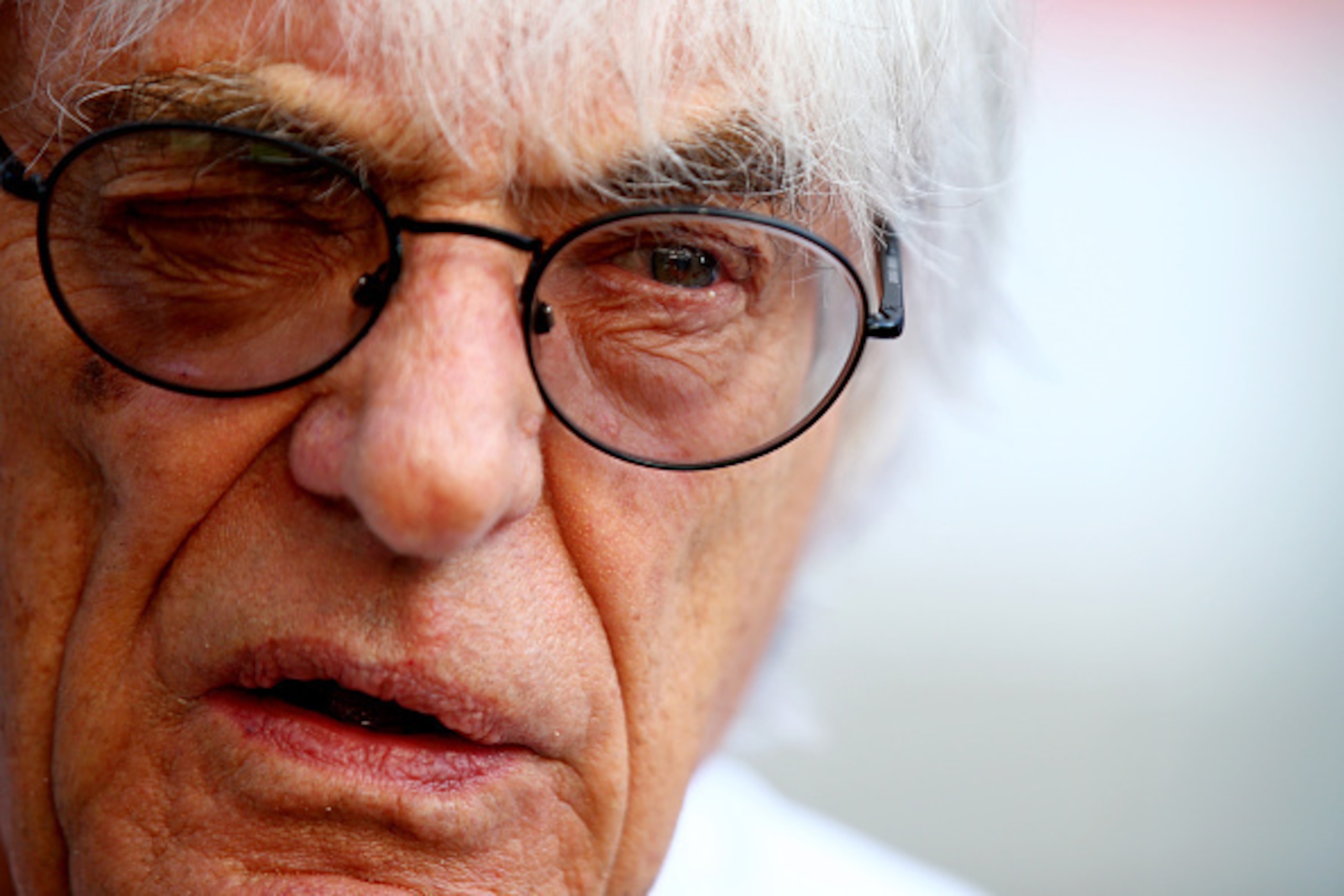
The demise of Marussia and Caterham has led to calls for Formula One's smaller teams to receive a greater slice of the revenue pie.
According to ESPN F1, Red Bull, Mercedes, Ferrari, McLaren and Williams received 63 per cent of F1's underlying revenues last year, which left the remaining six outfits fighting over a mere 37 per cent.
Such a staggering imbalance is precisely why the same teams win again and again, and why the unfancied teams never join the elite.
A change in this area could be crucial to the smaller teams punching above their weight, but "The Big Five" need to be protected.
Let Pirelli Be Aggressive Again
9 of 10
Pirelli's decision to stiffen each of their compounds in 2014 helped grands prix take a more natural direction, with high tyre degradation only occasionally an issue for teams and drivers alike.
But with only two teams winning a race, it didn't improve the level of competition in F1.
Pirelli's delicate rubber led to seven drivers winning the first seven races of the 2012 campaign, with four different drivers victorious in the opening six grands prix of 2013.
With teams likely to find more downforce in the coming years as their understanding of the current power units grow, Pirelli may need to revert to their old tricks to mix up the field.
Tighten the Regulations
10 of 10Mercedes' innovative split-turbo design was arguably the key to their success in 2014, with the compressor's position at the front of the engine giving the car several benefits.
It is just one of a number of technical masterstrokes in Formula One history which have provided teams with a big advantage over their opposition, with the Brackley-based outfit, then under the guise of Brawn GP, also leading the way in the double-diffuser department in 2009.
Although the creative intellects of F1 designers and engineers seem to know no bounds, perhaps more could be done to prevent them highlighting loopholes in the regulations and building their cars around these game-changing devices.
With less room for manoeuvre, each car on the grid would be built to a similar specification.