Imagining the Chelsea Side Had Roberto Di Matteo Remained in Charge
It’s rather coincidental that Chelsea should face Schalke in the Champions League next week.
The Bundesliga outfit are now coached by Roberto Di Matteo, the former Chelsea manager who, in less than a year in charge at Stamford Bridge, helped the club make history twice in the competition.
Not only does Di Matteo have the honour of being the first and only Chelsea boss to lift the Champions League trophy, but six months after achieving that feat, he became the first to suffer the disappointment of watching the holders knocked out in the group stage.
TOP NEWS

Adams Named USMNT Captain 🫡
.jpg?w=2560 "Chargers Mack")
Every Trade's Best Trade Asset 🔁
.jpg?w=2560 "Green Bay Steelers Football")
Insiders: Cowboys Overpaid for Porter
Chelsea’s defence of their title in 2012 was feeble in the extreme, and two years ago this week, Di Matteo lost his job as a result.
Indeed, the Italian’s brief reign was one of incredible highs and equally miserable lows.

The club was all but on its knees when he stepped in after Andre Villas-Boas was sacked in March that year.
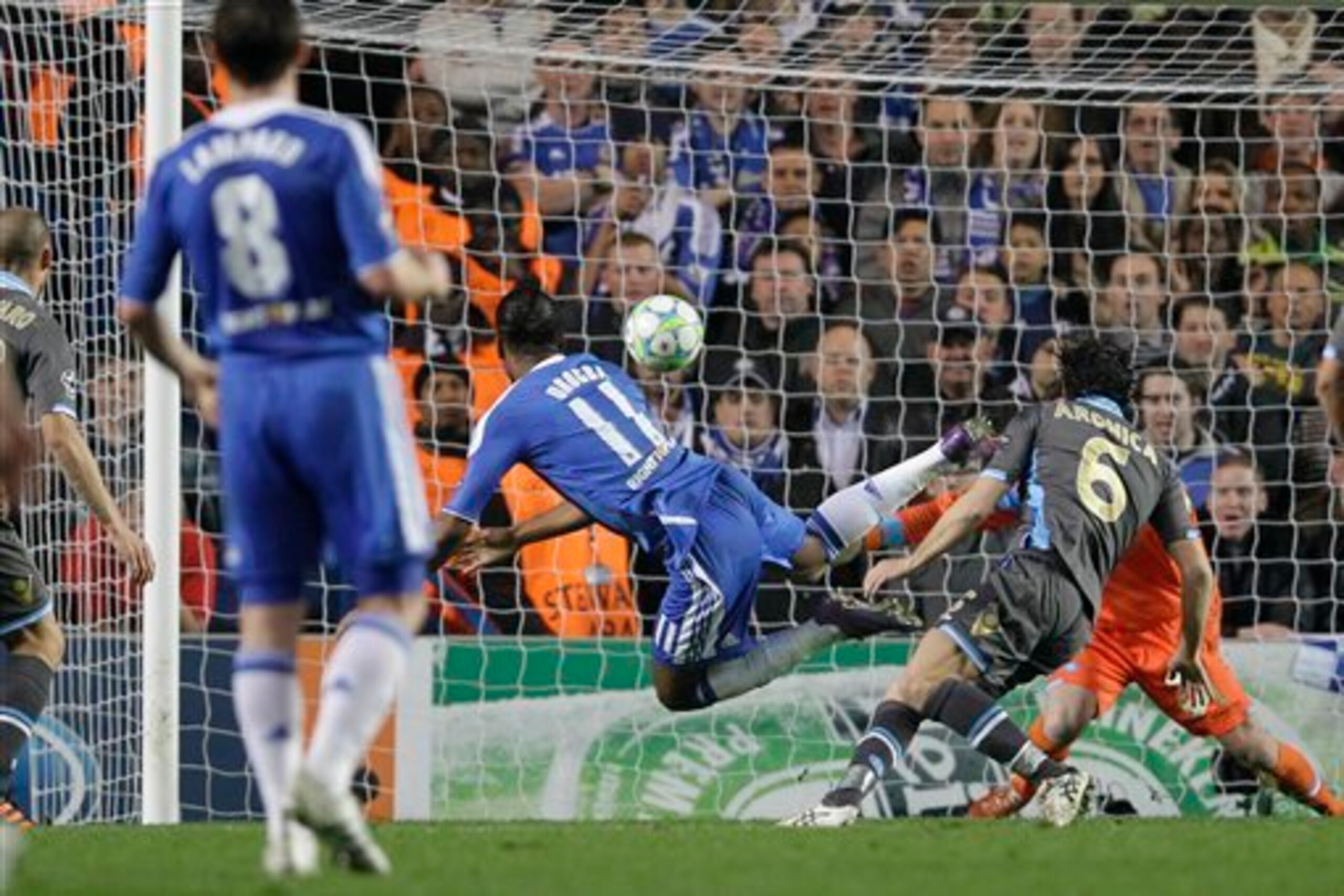
Chelsea were well off the pace in the Premier League title race and staring down the gun of Champions League elimination, trailing 3-1 after the first leg of their last-16 tie against Napoli.
With a hint of fortune, Chelsea came through the second leg at Stamford Bridge with a dramatic extra-time victory that lit the blue touch paper.
Di Matteo’s team was up and running, carrying the momentum from Napoli through to the end of the campaign when they also lifted the FA Cup.
In hindsight, that Napoli victory would sum up Di Matteo’s time as manager. It all seemed panicked; things were achieved more in hope than expectation. It was a breathtaking ride, sure, but chaotic nonetheless, and it’s something that continued for the next nine months.
Di Matteo was thrust under a spotlight that he perhaps wasn’t ready for. He had been Villas-Boas’ assistant, yet his experience in management up to that point was limited to stints at Milton Keynes Dons and West Bromwich Albion.
They were outposts that would hardly prepare him for life at Chelsea, regardless of his high-profile playing career.
Whereas we see a clear formula under Jose Mourinho at Chelsea right now, it was lacking in 2012.
Clubs such as Chelsea, with the media attention and expectation that follow them everywhere they travel, require a powerful figure at the helm. They need a strong character, a manager confident in his own ability to deliver when it matters.
It seems folly to suggest Di Matteo didn’t have that considering he won two major trophies in such a short space of time, yet look at the facts and it becomes evident.
When the season ended and the momentum succumbed to its inevitable death, what was left at Chelsea?
Not much.
Players were coming in—Eden Hazard and Oscar were both signed for considerable fees—but where was the plan? Where was the method to combine everything and build on Chelsea’s success to ensure they could challenge Manchester United for the title once more?
There wasn’t one, and despite the outpouring of emotion that followed when Roman Abramovich sacked him, Di Matteo’s dismissal has proved to be the correct one.

It’s taken Mourinho a season to achieve it, and now Chelsea have their shape back. There’s a balance, and the coach has reined in the free-for-all that was their transfer policy.
He says so himself—Mourinho doesn’t have total control at the club these days, but his influence has played a big part in their return to the top.
Mourinho has reinstalled that famed mettle that has seen Chelsea remain unbeaten this season. In fact, you have to go back to Apr. 30 for their last defeat, coming against Atletico Madrid in the Champions League semi-final.
Chelsea circa 2014 are resilient, pragmatic and, above all else, stylish. Under Di Matteo, it wouldn’t be the case.
Schalke’s current manager has made no secret of his affection for Chelsea. It was the club where he enjoyed his best days as a player, so it was no surprise to see him so exhilarated to take on the job when he got it.
It was a decision that was close to giving a fan the keys to the kingdom, however, and Di Matteo was wide-eyed.
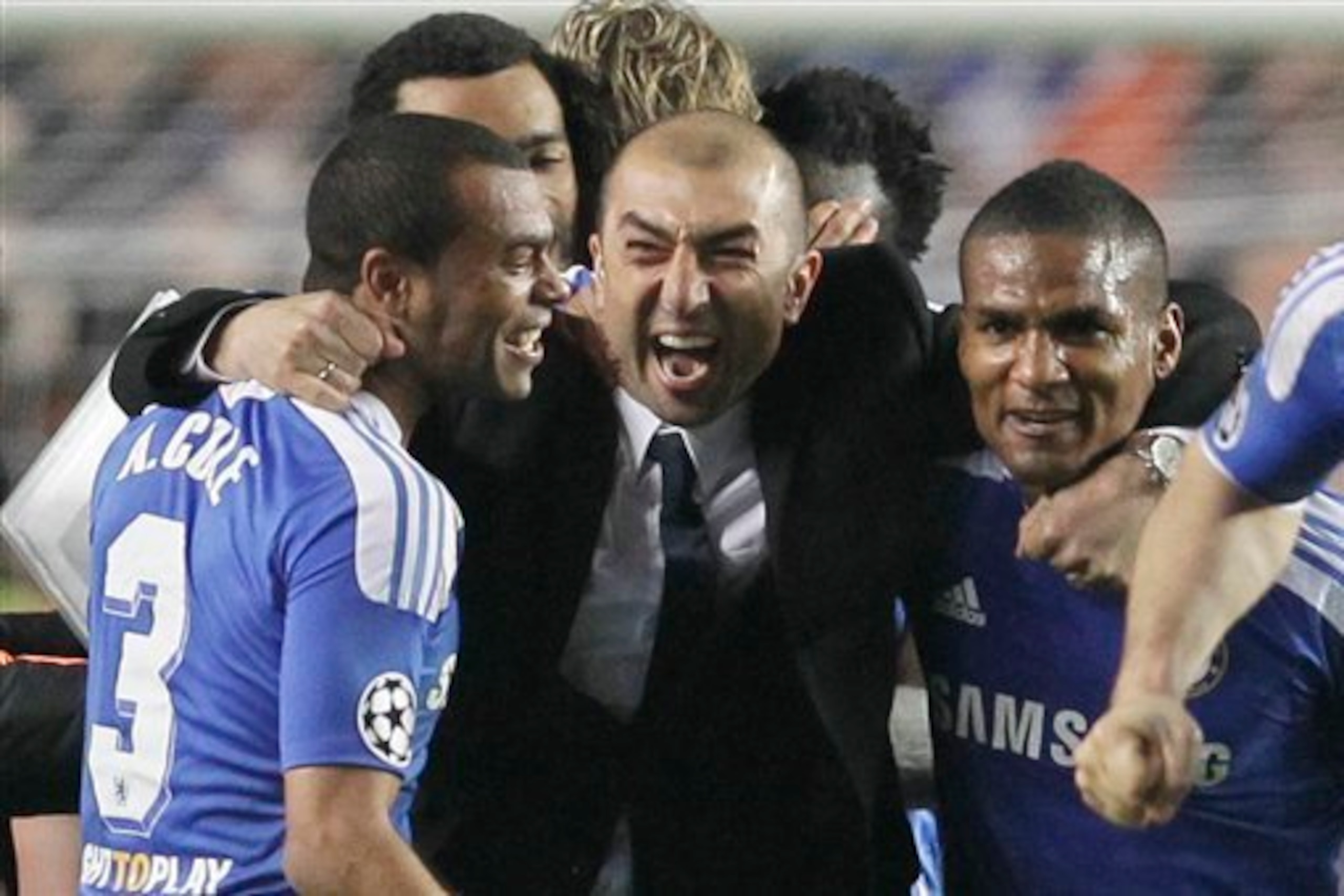
The scenes of celebration against Napoli were memorable. The passion from the terraces spilt over on to the pitch and the players revelled in it all.
Everybody inside Stamford Bridge that night knew they had pulled off the unexpected. Chelsea had been written off, and after everything they had shown throughout the campaign, their chances were small.
The referee’s final whistle was a cathartic moment that reminded us of how special the Champions League can be.
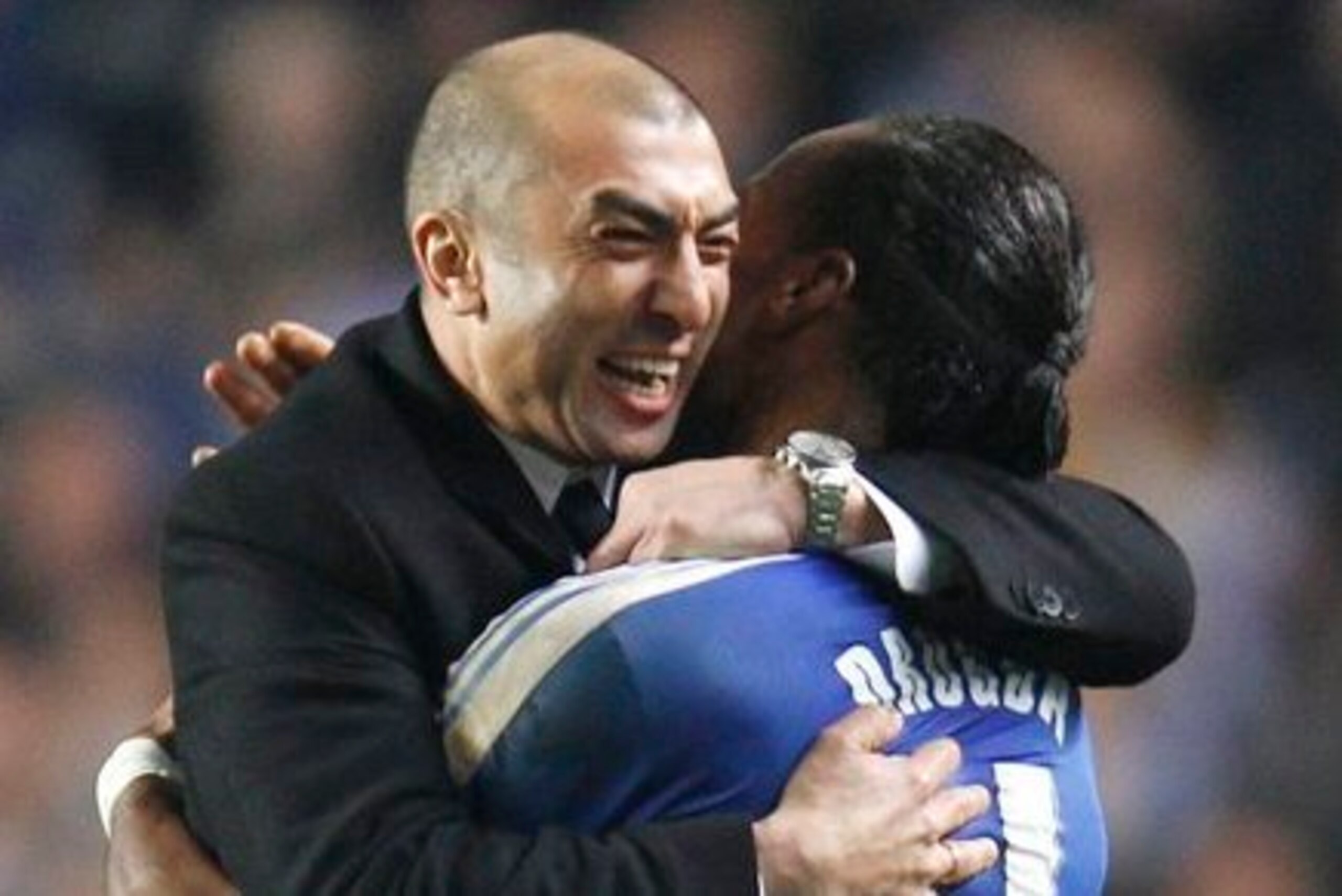
Leading the celebrations was Di Matteo. Leaping on his players, pointing to the heavens—he was ecstatic.
Where was the control, the composure you expect to see from a manager?
He came in with a job to save Chelsea’s season; victory that night was low on the list of expectations.
Chelsea weren’t favourites, but they weren’t the underdog in the way we could describe the likes of Maribor this season.
There was parity between Chelsea and Napoli—the only difference between them being that one team was dreadfully out of form, the other peaking.
The style in which the manager celebrated that night, it was as though Chelsea had claimed a major scalp. The impression was of a team who didn’t necessarily belong among the elite and were simply taking their chances to see how far they could go.

The belief that Chelsea were a big club had disappeared. The aura was different and had Di Matteo remained as boss beyond that 3-0 defeat to Juventus in Turin two years ago, it’s a belief that would have remained.
Juve bossed Chelsea that night. Chelsea had their Champions League campaign on the line and offered very little in return. They seemed scared, frightened of stepping inside the lion's den of Juventus Stadium.
For everything he delivered in that short space of time, Di Matteo couldn’t install a culture of success. He failed to make the players believe they could go further than the Champions League glory in Munich.
Since Mourinho’s first spell in charge came to abrupt end, Chelsea had been searching for a manager to replicate his success.

Seven, either permanent or interim, have passed through the doors since, and only Carlo Ancelotti has looked the man able to achieve that. Like Mourinho, his spell unfortunately ended too soon, also.
Now Mourinho is back, Chelsea are back. The problems from two years ago are a distant memory, wounds healed by time.
Facing Di Matteo next week is a reminder of how far they have come since, and despite his tenure yielding two major trophies, Chelsea fans will do well to remember just how bad things could have turned out.
Garry Hayes is Bleacher Report's lead Chelsea correspondent. All quotes were obtained firsthand unless otherwise noted. Follow him on Twitter @garryhayes
.jpg?w=2560 "MHJ's Potential Trade Value 📉")