
Meet the NBA's Most One-Dimensional Teams This Season
There are two sides to every basketball court.
Did you know that? OK, good. Some NBA teams do not. Or at least, some NBA teams acknowledge there are two sides to every basketball court more often than others. Certain squads—the one-dimensional contingents—can be oblivious to such intel.
Not all of them, though. Just as every NBA team is different, every one-dimensional team has its own reasons for being one-dimensional.
Some units rely too heavily on offense or defense without regard for the other. Then there are the ones that are just so dominant on one end that the other end, however respectable, simply cannot compare. And finally, there are the teams that are so unfathomably bad at offense or defense that it overshadows how bad they are at the other end.
The NBA houses all kinds of these teams this year. Most squads are one-dimensional in some aspect. They have a specialty and/or weakness. Rare is the team that's perfectly balanced.
Is that good? Bad? Irrelevant?
Using our trusty index of offensive and defensive data, let's allow the early-season company it produces—which we'll limit to seven teams for exclusivity swag—decide for us.
The Process
1 of 8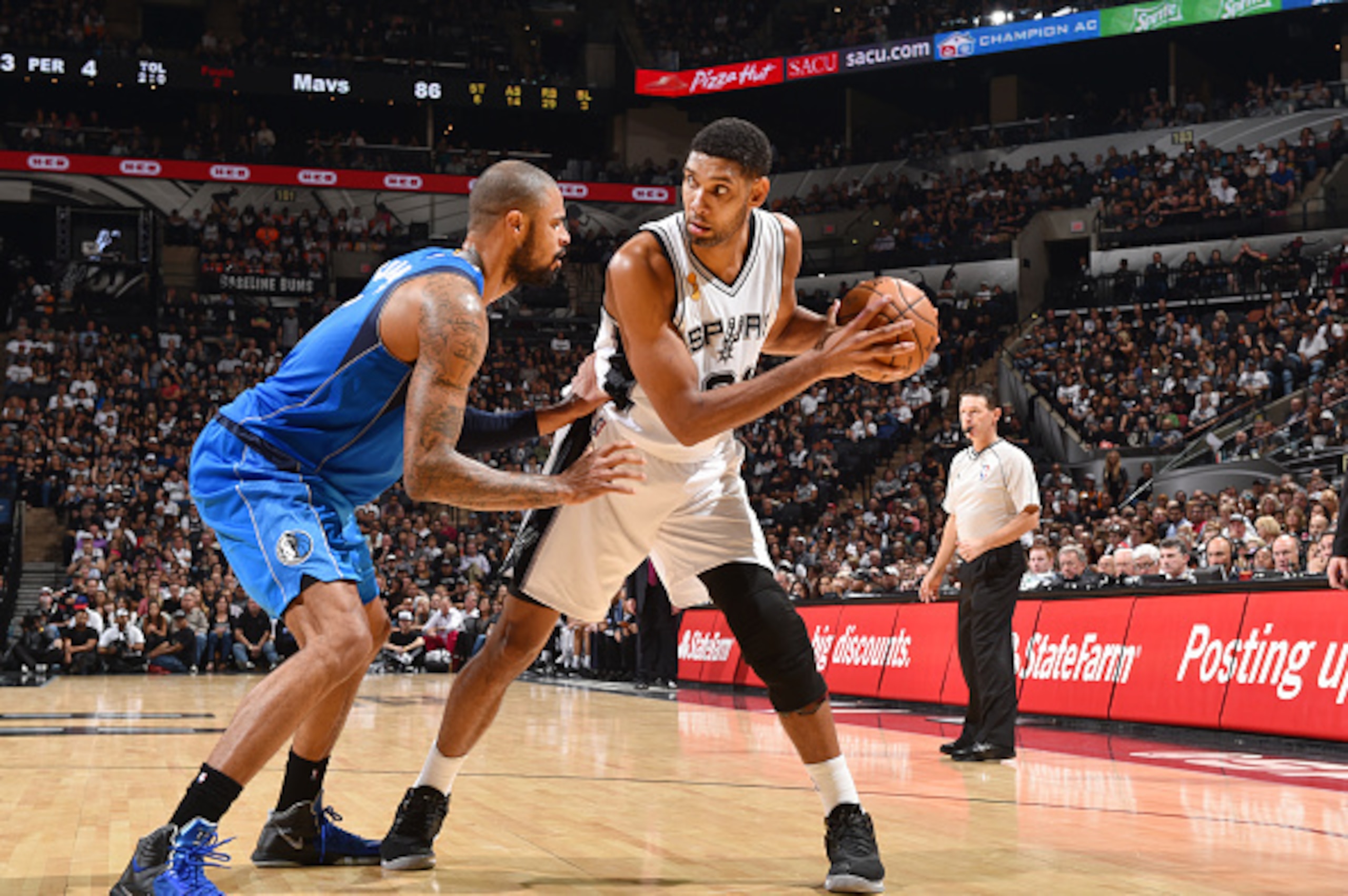
The best way for us to identity the NBA's most one-sided teams is by using ORTG+ and DRTG+ metrics.
These numbers essentially reveal a team's offensive and defensive standing as it relates to the league average. For more on this, we turn to Bleacher Report's statistical sage Adam Fromal, who riffs on ORTG+ here:
"Calculating it isn't particularly difficult; just divide the team's offensive rating by the league-average offensive rating from the year in question, then multiply the result by 100. If a team scores 10 percent more than the average squad that year, it'll have a 110 ORtng+. If it scores 10 percent less, it'll have a 90 ORtng+.
"
It's the same process on the defensive side of things. A team's defensive rating is divided by the league average defensive rating, the result of which is multiplied by 100.
To find a one-sidedness score, we'll simply calculate the absolute value of the difference between a team's ORTG+ and DRTG+. The larger the number, the more one-dimensional a team can be considered.
Let's use the Golden State Warriors as our guinea pig.
According to Basketball Reference—from which all of our offensive and defensive numbers will come—the league average for offensive and defensive rating is 105.9. The Warriors are posting an offensive rating of 108.8. Divide those numbers by the league average of 105.9, then multiply it by 100, and you see that their ORTG+—when rounded to the nearest one-tenth—is 102.7. Repeat this process for their defensive rating of 98.4, and you get a DRTG+ of 107.6.
Now take the difference between 102.7 and 107.6, which is 4.8. That's their one-sided score. It ranks 17th on our one-dimensional scale and therefore won't be making another appearance on this list.
Get it? Got it? Love it?
Good.
*Note: Actual rounding of results won't take place until the very end of calculations. The Warriors' ORTG+ and DRTG+ were only rounded that early for simplicity's sake. Their actual one-sidedness score, before rounding, is 4.883518736, which becomes 4.9.
7. Cleveland Cavaliers
2 of 8
One-Sidedness Score: 9.1
Surprised? Of course, you aren't. The Cleveland Cavaliers are one of the NBA's most imbalanced teams. Their offense, even as they go through the synergistic motions, is incredible. It ranks in the top four of efficiency thus far and has yet to peak.
Defense has been the detriment. David Blatt's point-piling paladins rank 24th in defensive efficiency and have yet to master—or even attempt to understand—the art of interior protection. They're allowing opponents to shoot 56 percent at the iron, which ranks as the league's fifth-worst mark. They're also running lineups in which Love is their last line of paint protection. He's permitting shooters to convert 67.9 percent of their attempts within six feet of the basket.
Which begs the question: Will New Orleans trade Anthony Davis to Cleveland for a trade exception? Can the Cavaliers win a championship playing like this?
One-dimensionality doesn't have to be a bad thing. Let's make that clear. People—even myself—overstate the importance of balance. The real goal should be to rank in the top half of both offensive and defensive efficiency. The last champion to lie outside the top 15 in offensive or defensive efficiency was the 2003-04 Detroit Pistons, so that's how our offhand use of "balance" should be interpreted.
At the same time, it doesn't look great for the Cavaliers if nothing changes. Fromal informs yours truly that the average one-sidedness score for title-toters is roughly 4.4. If you remove Bill Russell's Boston Celtics from the equation—they are, per Fromal, outlandish outliers—that number falls to around 3.1.
In other words, if the Cavaliers want to win this season, general manager David Griffin should brush up on his trade-target reading.
6. Milwaukee Bucks
3 of 8
One-Sidedness Score: 9.6
In a surprising turn of events, the Milwaukee Bucks are not holding Eastern Conference doldrums-dwelling marshmallow roasts with the Philadelphia 76ers. They're playing inspired basketball instead.
Especially on the defensive end.
Milwaukee's defense ranks in the top four of efficiency and has buoyed the team's above-.500 start, incidentally giving Jason Kidd's young guns the East's fourth-best record (7-5). Most of the Eastern Conference is made up of teams that Western Conference squads would auction off at garage sales, sure. But the Bucks have the defensive chops to hang tough, perhaps contending for a playoff berth few saw coming.
And they can improve their chances by scoring more against all opponents, not just the New York Knicks. They rank in the bottom five of offensive efficiency and bottom three in deep-ball shooting (30.4 percent).
Something has to give on that end of the floor. Only two teams have made the playoffs while also finishing in the bottom five of offensive efficiency since 2010: the 2013-14 Chicago Bulls, and the 2011-12 Celtics. Conforming to the rule is, in this case, more valuable to the Bucks than trying to become another exception.

5. Dallas Mavericks
4 of 8
One-Sidedness Score: 9.9
These 2014-15 Dallas Mavericks can score. Really score. Like, they're on pace to average the most points per 100 possessions (116.7) of any team in NBA history and everything.
Throwing out words and phrases such as "historical" and "best ever" is dangerous this early into the season, but the Mavericks have earned every bit of offensive praise they're generating. And as Mavs Moneyball's Kate Crawford writes for Bullets Forever, they're so deserving that they've even safeguarded themselves against regression:
"But still, the Mavericks’ offense is beautiful to watch. They’ve assembled a lot of great individual players and put them to work in a flexible, free-flowing offense that takes advantage of everyone’s individual talents and focuses on finding smart shots. Even if they slow down a bit, it’ll be tough to find a team that’s more fun to watch this season.
"
Indeed, they have plenty of wiggle room on the offensive end. Even their defense has left some margin for error; this one-sided ranking is more of a testament to their unparalleled offensive potency. They've recently climbed into the top half of defensive efficiency, thanks in no small part to playing three bottom-10 offenses over the last four games in the Charlotte Hornets, Washington Wizards and Sixers.
Tougher tests will offer better insight into the actual two-way potential of this team. The Mavericks have faced five top-10 offenses already this season—Utah (twice), New Orleans, Portland and Boston—and are letting up an average of 106.4 points in those games. Though they're 4-1 on such occasions, they were 12-27 when relinquishing 106 or more points last year.
If this group actually plans on flirting with Western Conference supremacy, the Mavs will need to become a little less one-dimensional and a little more defensively inclined.
4. Houston Rockets
5 of 8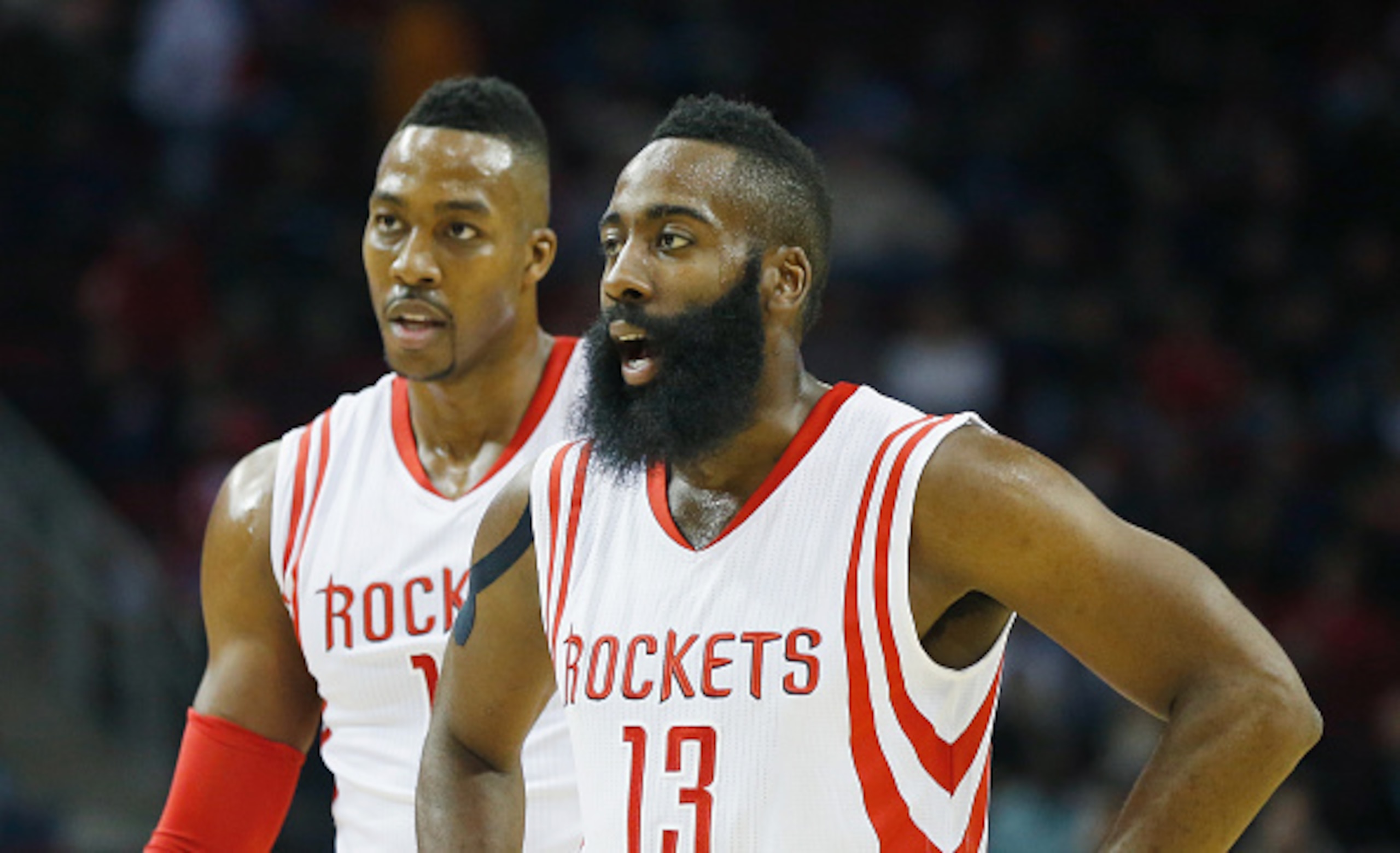
One-Sidedness Score: 10.1
Blame the offense. Seriously.
For a Houston Rockets team that has James Harden notching 20-plus points regularly and Trevor Ariza shooting nearly 40 percent from deep, offense is somehow the problem.
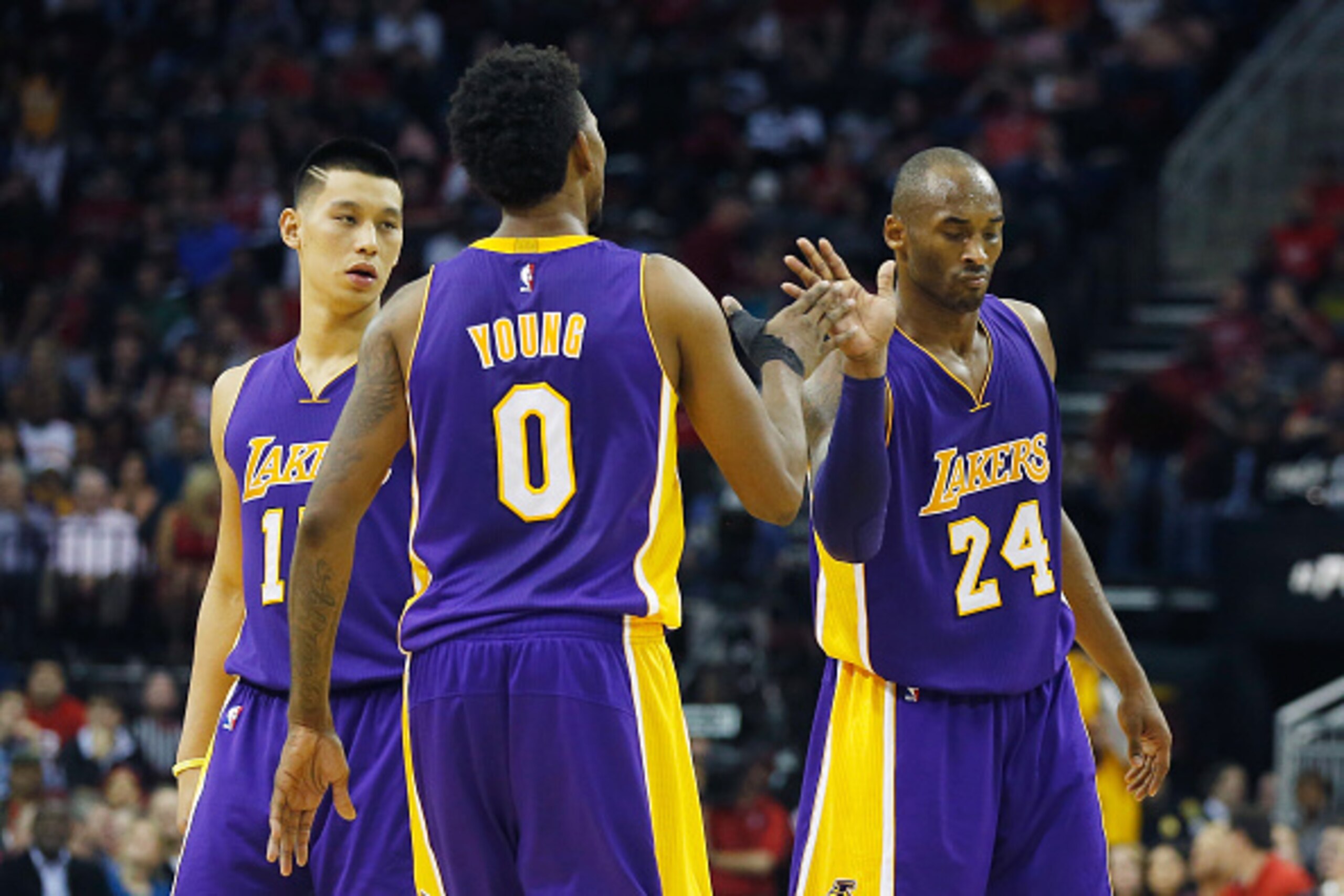
Even after being obliterated by the Memphis Grizzlies and falling to Kobe Bryant, Nick Young and a bunch of raffle-ticket winners, the Rockets remain tied with the San Antonio Spurs for the NBA's best defensive rating. They're holding opponents to 50.4 percent shooting at the rim (sixth), and Dwight Howard looked five years younger before sitting against the Los Angeles Lakers.
Ariza also has the entire team—Harden included—playing inspired perimeter defense. Opponents are hitting just 28.8 percent of their three-pointers against the Rockets, whose rotations and close-outs have been consistent and effective.
But the team is still a few offensive pieces short. Houston lost its No. 3 (Chandler Parsons) and No. 4 (Jeremy Lin) scorers over the offseason, and now Terrence Jones, this year's No. 4 scorer, is sidelined with nerve issues in his right leg. As a result, Harden, Howard and Ariza are carting heavy burdens, while anyone with range bombs away from deep—which, in turn, has earned the Rockets a bottom-10 offensive showing.
Sources have since told the Houston Chronicle's Jonathan Feigen that general manager Daryl Morey is working feverishly to acquire help. Good thing, too. The Rockets, for all their dazzling defense, need it.
3. Los Angeles Lakers
6 of 8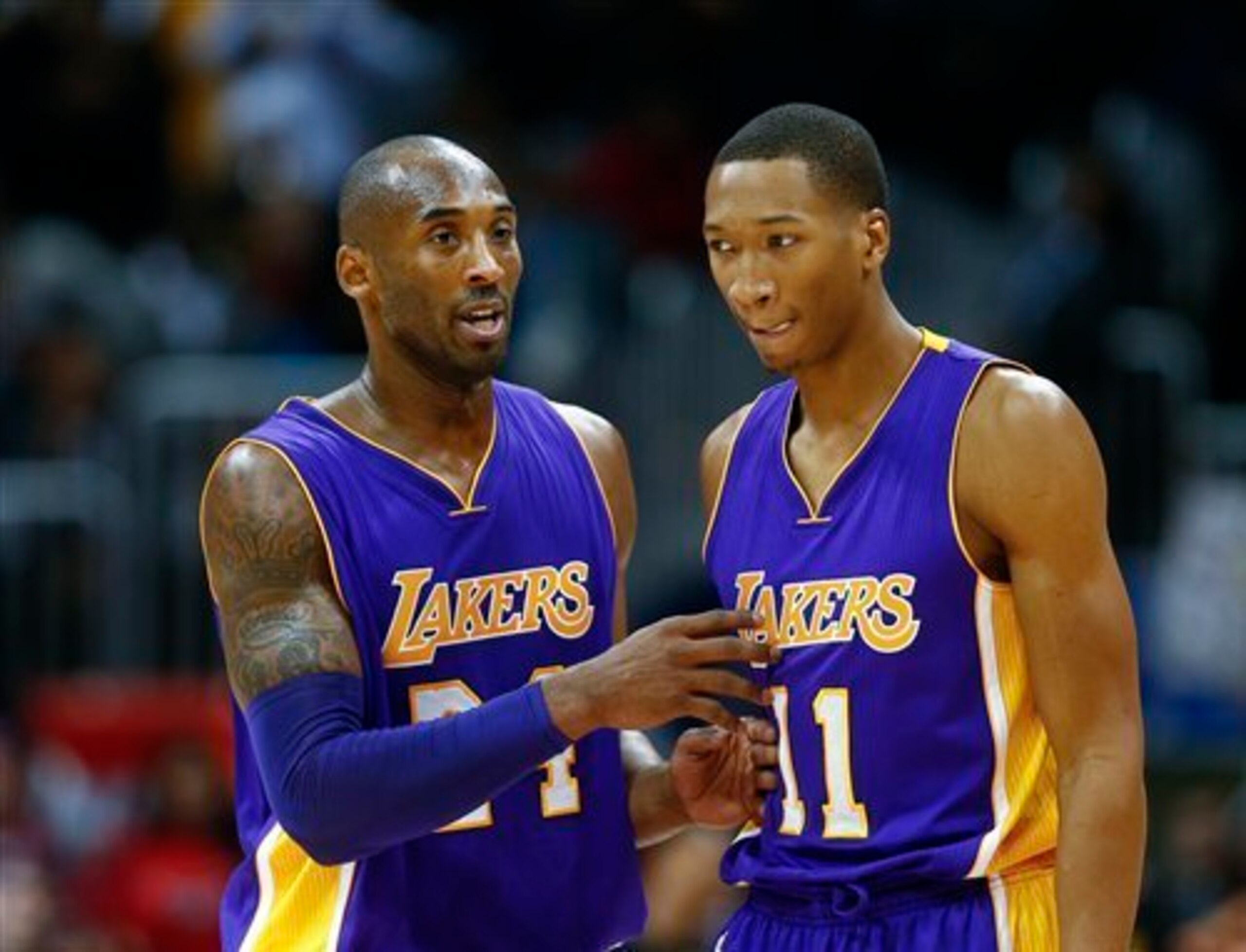
One-Sidedness Score: 10.8
Lakers fans can find comfort in this appearance. Registering on our one-dimensional barometer means they cannot be historically horrible on offense and defense.
So, it's just defense then.
Assuming the Lakers continue to allow a league-worst 116.2 points per 100 possessions—not entirely absurd given their lack of established and interested defenders—they'll have registered the worst defensive rating in NBA history.
Any thoughts on this, Mr. Byron Scott?
“You either want to do it, can’t do it or won’t do it,” he said of the Lakers defense after a 136-115 loss to Golden State, per the Los Angeles Daily News' Mark Medina. “I got to assume that when I see guys jogging, that you’re tired. If I assume that, I have to make changes.”
The Lakers have (slightly) improved since then—they allowed just 92 points to the Howard-less Rockets—but it's been their offense that's removed them from the 0-for-Thanksgiving running. They rank 11th in potency, a pretty incredible feat given that Bryant has gone full 2005 (sans efficiency) for most of this season, shooting anything and everything defenses give him.
Still, the Lakers desperately need to play better defense. The last team to allow north of 114 points per 100 possessions for an entire season, the 2008-09 Kings, won just 19 games. That's no bueno—though on the bright side, it could be enough for them to retain their top-five-protected first-rounder in the upcoming draft.
2. San Antonio Spurs
7 of 8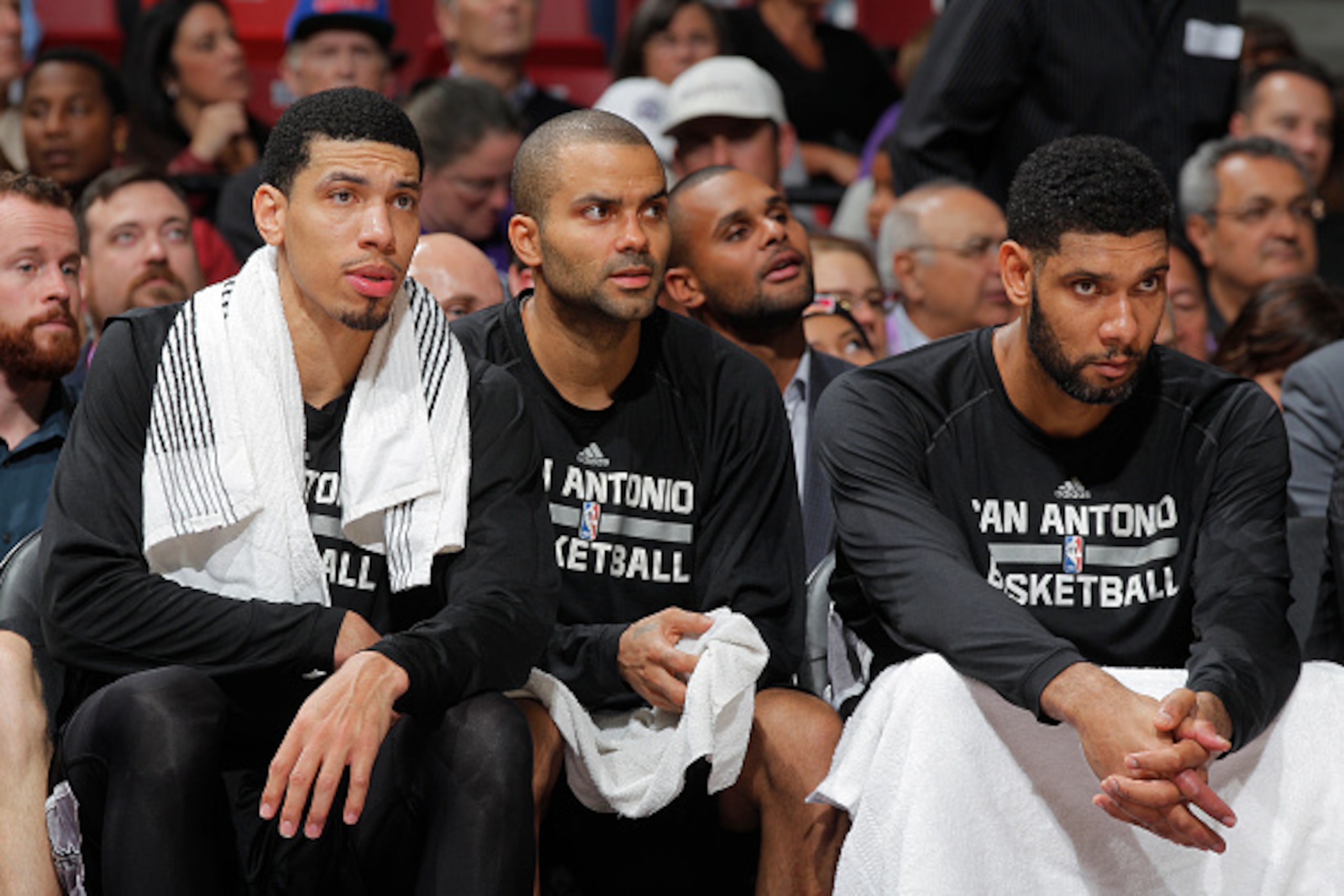
One-Sidedness Score: 12.2
Call this a case of early-season tomfoolery. This is a huge score for the Spurs that isn't going to hold. For those wondering if it still might, here's their one-sidedness scores for the previous five seasons:
| 2013-14 | 110.5 | 102.7 | 106.7 | 7.3 |
| 2012-13 | 108.3 | 101.6 | 105.9 | 6.3 |
| 2011-12 | 110.9 | 103.2 | 104.6 | 7.4 |
| 2010-11 | 111.8 | 105.6 | 107.3 | 5.8 |
| 2009-10 | 104.5 | 107.6 | 107.6 | 5.1 |
Eventually, the Spurs should improve to their own, personal, dynastic mean. For now, though, it's their startlingly stagnant offense that has them here.
Coach Gregg Popovich's crew currently ranks in the bottom seven of offensive efficiency. That hasn't happened over an entire season since before you were born—provided you were born after the 1996-97 campaign, when the Spurs, being the contemporary geniuses that they were, did their best Sam Hinkie impression for the rights to draft Tim Duncan.
That the Spurs remain above .500 in the crazy-competitive Western Conference while playing like the anti-Spurs on offense and facing the league's sixth-toughest schedule is kind of amazing. Their defense has straight carried them. They're tied with the Rockets for the league's best defensive rating (98.1), and they're guarding against three-pointers like opposing offenses don't know shots inside the arc count.
As for the offense, it will come. It has to come. They're the Spurs. And once they start scoring like the Spurs, we can expect them to shimmy on down this list—out of the top seven and into the more balanced existence they've come to define.
1. Philadelphia 76ers
8 of 8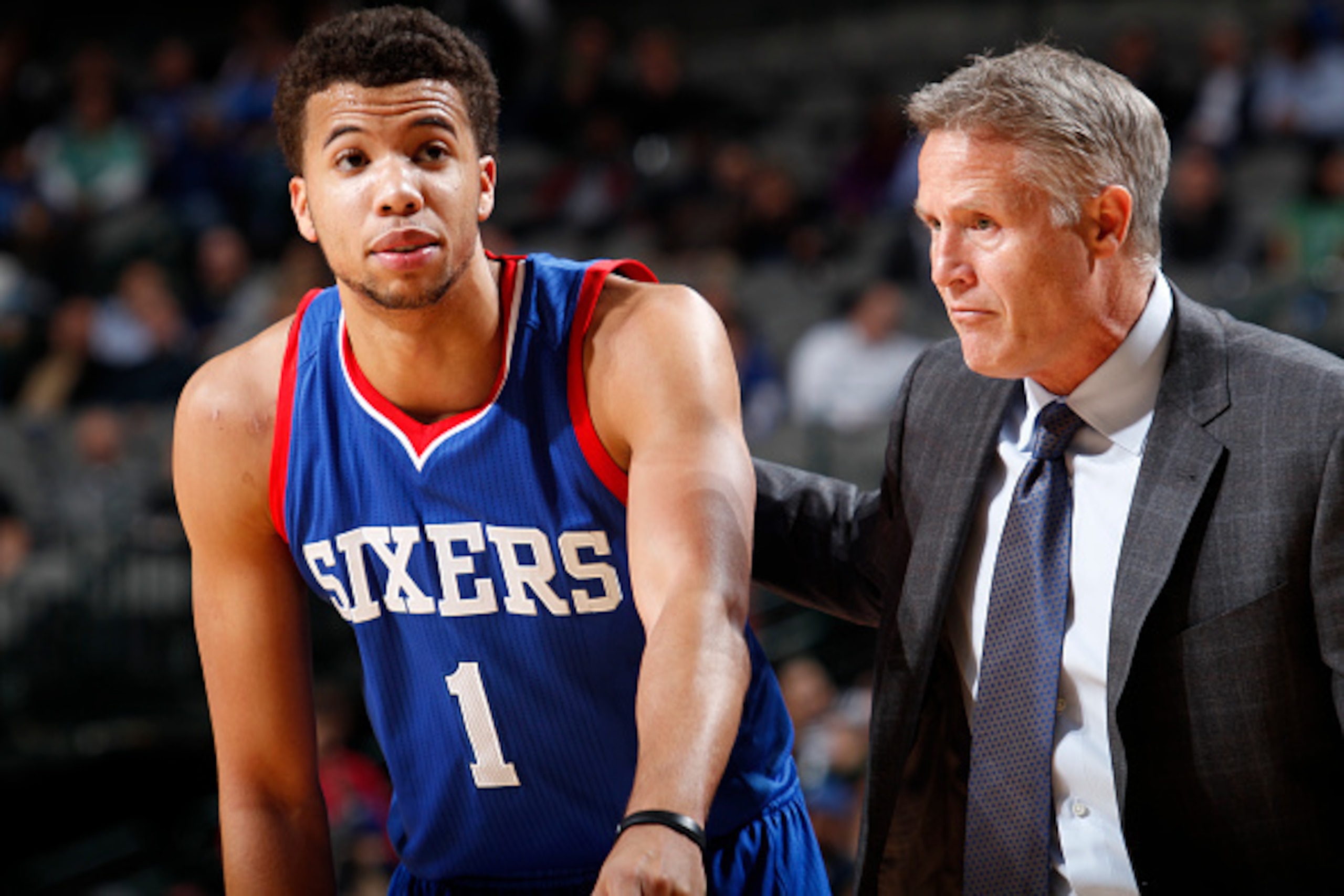
One-Sidedness Score: 14
To the Hinkiemobile!
This is almost an attempt at lauding the Sixers defense. To qualify for this list, a team has to be semi-respectable on at least one end of the floor. That's typically how you account for such major disparities.
Well that, or said team is just really, really, ridiculously awful on one end of the floor and only plain awful on the other. I'll let you decide where the Sixers lie.
They're giving up 106.8 points per 100 possessions on defense, which ranks 19th in the league. On offense, meanwhile, they're pumping in a mind-bogglingly bad 90.2 points per 100 possessions. The next closest team is the Oklahoma City Thunder, who are putting in 98.8 points per 100 possessions.
"The Sixers are not a good offensive basketball team," Liberty Ballers' Matt Carey wrote after they fell to the Spurs. "That's not a secret. They have the worst offensive rating in the league by far, and their effective field-goal percentage and true shooting percentage are both worst in the league as well. In a macro sense, the Sixers have a bad offense, no, the worst offense."
In NBA history.
Should the Sixers' offensive listlessness continue, they'll be the first team in NBA history to average less than 92 points per 100 possessions. So, yeah, in a macro sense, it's almost like the Sixers do have the worst offense ever—because that's exactly what they have. For now.
It's almost like they're not planning on winning a championship this year or something.
*All stats courtesy of Basketball-Reference and NBA.com unless otherwise cited, and are accurate as of games played on Nov. 19, 2014.
.jpg?w=2560 "Every Trade's Best Trade Asset 🔁")
.jpg?w=2560 "Insiders: Cowboys Overpaid for Porter")
.jpg?w=2560 "Top NFL Trade Targets")