
5 Bold Ideas to Make Cricket Huge in England Again
Following a summer where England's resurgence was watched by disappointingly low crowds outside of London and the England and Wales Cricket Board's announcement that participation levels have dropped markedly, we consider five bold ideas to make cricket huge in England again.
In 2005, more than 10,000 people missed out on Day 5 tickets for the Old Trafford Ashes Test with many queuing overnight in desperation for tickets, as reported by BBC Sport.
Lancashire County Cricket Club's marketing manager Geoff Durbin noted at the time just how huge cricket had become in the national consciousness that glorious summer: "The only disappointment is that we have had to lock the gates and turn away so many people. It's unbelievable the heights cricket can reach—at the moment it's even putting soccer in the shade."
Fast-forward nine years and Nick Hoult was reporting with regret in The Telegraph that "England's return to form on the field has not sparked interest off it, with a crowd lower than 5,000 watching the team’s best day of Test cricket for nearly a year."
Here we look at five bold ideas that might just help to bring back the buzz of 2005, ranging from ideas to boost the audience watching at grounds and on TV to domestic competition formats and selection in the national team.
The likelihood of each idea will be considered and given a rating on a sliding scale out of 10, where one equals no chance whatsoever and 10 means it is inevitable.
1. Return International Cricket to Free-to-Air TV
1 of 5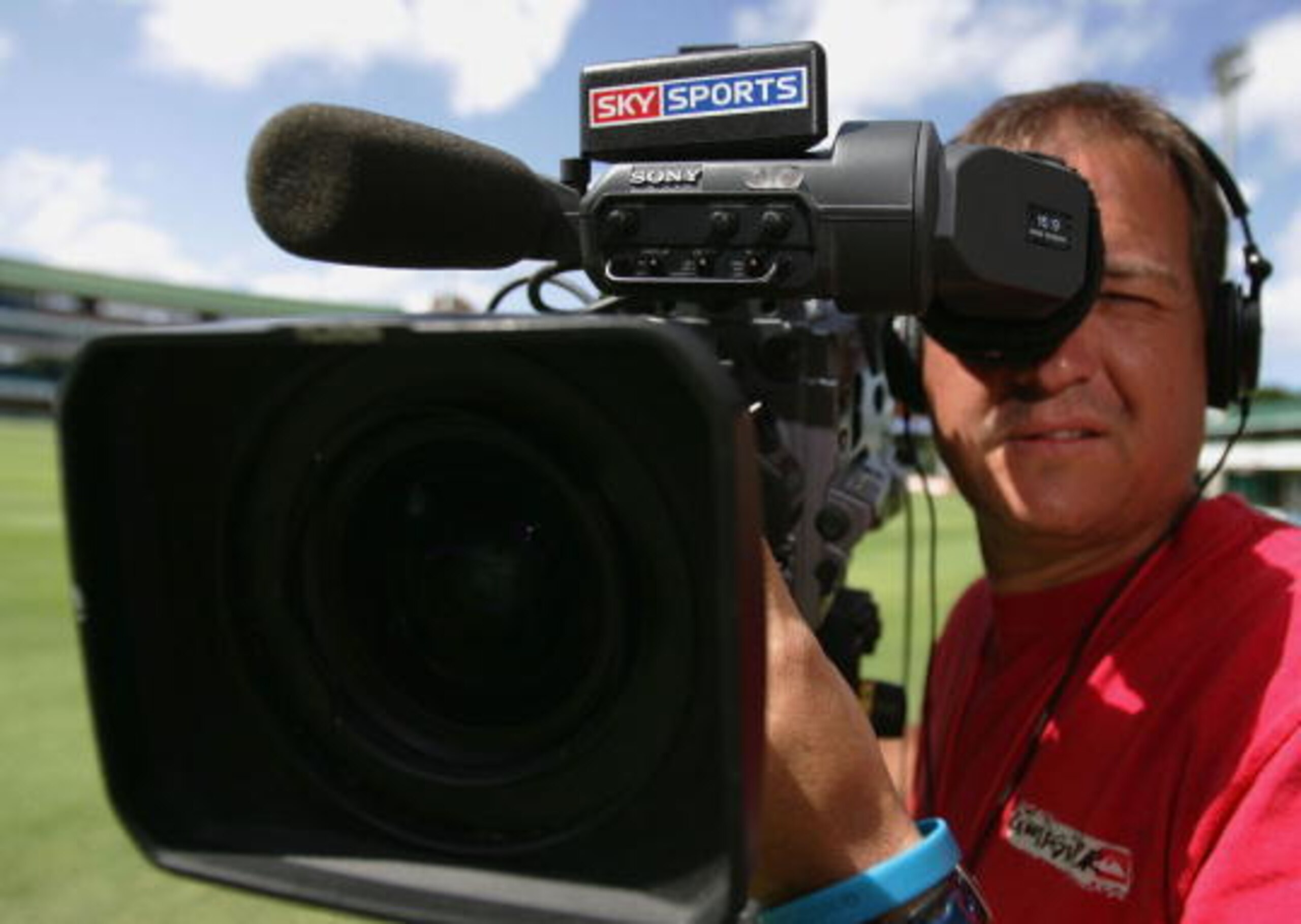
The 2005 Ashes captured the public imagination not only in part due to the incredibly high standard of cricket and the desperately close nature of the contest but also due to the fact that anyone could turn on the TV and watch it. In fact, 7.4 million people did, according to The Daily Mail.
The following year coverage reverted to Sky, and the same article in The Daily Mail reported a climax of the 2009 Ashes series was watched by fewer than two million paying Sky subscribers.
Stephen Brenkley highlighted the concerns of many in The Independent that "too many people, who may not be sports nuts but quite like the odd session or two, are being deprived of the chance to watch it and that in the long run the game will wither."
George Dobell, in a piece that largely praised the impact of Sky's investment in cricket and the quality of their coverage, noted on ESPN Cricinfo the potential missed opportunities from restricted coverage:
"No amount of grass roots initiatives, no amount of investment in coaching schemes and improved facilities and school visits and photo shoots, can replace the inspirational value of one gripping game on TV witnessed by a fascinated child.
"
The crux of the issue is that the four-year broadcast deal with Sky is worth some £260 million to the ECB, as per The Telegraph, and this is seen as essential to the country's cricketing infrastructure.
In 2009 The Daily Mail reported that "the ECB says that cutting satellite channels out of the market would have a knock-on effect for the funding of county cricket and the grassroots game."
Yet if cricket wishes to re-connect with the English public on a grand scale, as was the case in 2005, there needs to be a balance between the funds brought in through Sky and the accessibility offered by free-to-air broadcasting.
Cutting exclusivity would have an impact on the price Sky is willing to pay, but a split broadcasting deal could offer the best of both worlds.
Such packages exist with Premier League football where BT Sport has rights to show a smaller share of games or Formula 1 which has a similar deal involving Sky and the BBC.
One key Ashes Test in an exciting series or a few World Cup or World Twenty20 games in a tournament where England excel could recapture the imagination of a public as well as having a positive effect on crowds attending cricket across the country.
For proof of the potential impact this could have, the ECB could do worse than look down under where their domestic T20 competition has proven a huge hit on free-to-air television, as reported by Andrew Murfett in The Guardian:
"By all measures, this year’s iteration of Big Bash cricket has been a remarkable success. Crowds are markedly up on last year, but possibly more gratifying for organisers has been its rapid ascent as a blockbuster television hit. It’s no coincidence this occurred during the first season Big Bash moved from pay TV to primetime free-to-air.
"
Likelihood of this happening: 3/10—English cricket it too reliant on Sky funds to turn back now, and the current deal runs to 2019, though a split deal with at least one Test free-to-air is not beyond the realm of possibility next time the rights are up for grabs.
2. Kids Go Free Offers at Test Matches
2 of 5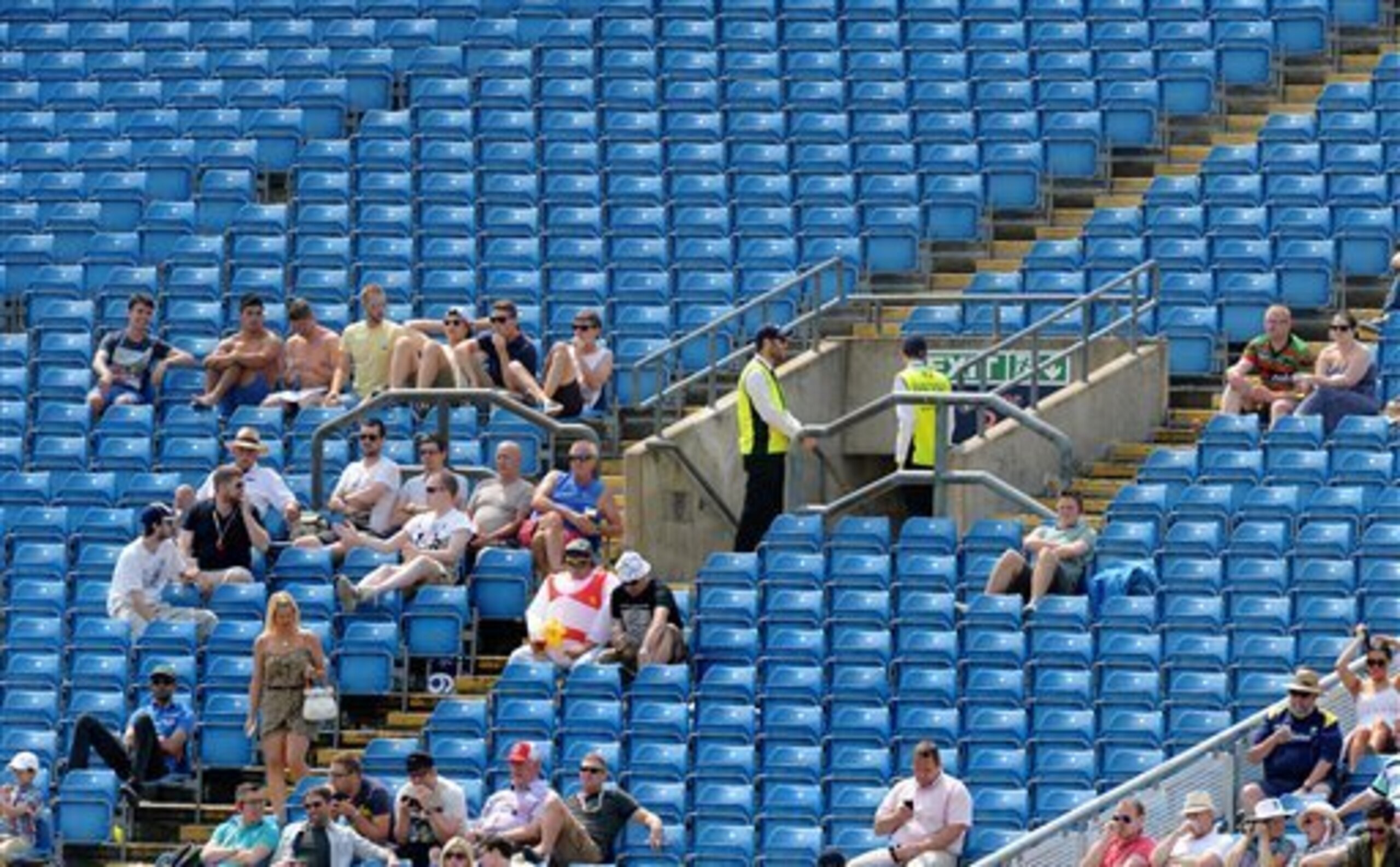
Linked to the previous issue of cricket potentially losing a generation of young people that cannot watch Tests on free-to-air television is the issue of poor crowds at Test grounds outside London.
The Yorkshire Post reported Yorkshire Chief Executive Mark Arthur's concern that Headingley would lose the right to host Tests in the future following low attendances against Sri Lanka in June.
"There are 5.5 million people living in Yorkshire and only 11,000 have turned up to watch the opening day of the Test,” said Arthur. “You have got to be honest – an 11,000 gate is not good enough." The Daily Mail's Paul Newman discussed Yorkshire's low attendance:
"Really poor crowd at Headingley. Yorkshire is so rich in cricket tradition and interest but they can't sell Test cricket these days...
— Paul Newman (@Paul_NewmanDM) June 20, 2014"
Later in the summer Nick Hoult reported in The Telegraph that Hampshire were also dogged by underwhelming attendances in hosting India at their Southampton ground.
Hoult reported "the official crowd figure on Wednesday was 4,784, lower than many county Twenty20 gates this season and an embarrassing sight when England are hosting the powerhouse of world cricket."
Interestingly, Hoult added that "supporters on social media have hit out at the cost of tickets for Test cricket, which were priced at £45 here."
One potential solution is for Tests unlikely to sell out against sides with lower box office appeal such as Bangladesh to run a "kids go free" offer for under 15s accompanied by a paying adult on weekend days at Test matches.
The ECB promoted a similar initiative in 2013 for domestic cricket, with Chief Executive David Collier telling the ECB website "We are delighted to offer this unique opportunity to young cricket fans this summer as we look to take advantage of the increased interest cricket enjoys during an Ashes summer."
However, this was restricted to County Pro40 games, an unloved format dropped at the end of that season.
What better way to capture the imagination than to offer young people the chance to experience cricket at the highest level with offers involving Test matches, One Day Internationals and T20 internationals?
Such an experience is far more likely to get young people talking about cricket, playing cricket and ultimately coming back to watch international cricket as paying customers in adulthood. It would surely be better than leaving thousands of seats unsold.
Likelihood of this happening: 6/10—The ECB have already experiment with such initiative for domestic cricket, and the recognition by the likes of Yorkshire that they need to do more to engage crowds could lead to better value offers to engage families and young people for international games in the future.
3. Day-Night Test Matches
3 of 5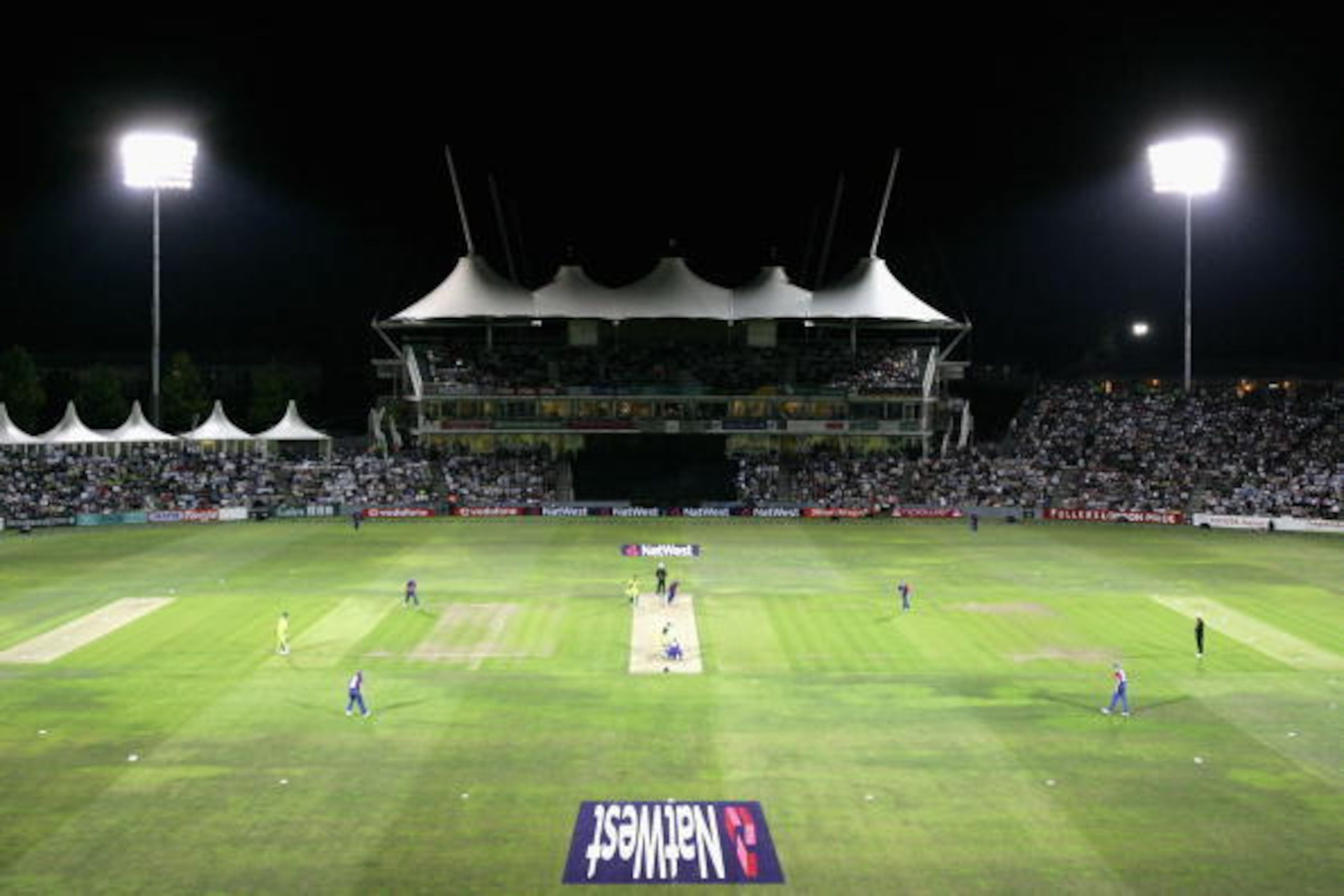
Australia have already schedule the first ICC-backed day-night Test to be played against New Zealand in November 2015, and this innovation is another option to help boost attendances and TV audiences in England to rebuild the popularity of the sport.
The decision by Cricket Australia, reported by BBC Sport, was highly motivated by the need to reach out to a broader range of fans. In light of disappointing attendances this summer, English cricket should not be averse to such bold ideas. Mike Haysman tweeted his support of Cricket Australia's decision to use the day-night Test format:
"Like the idea that Cricket Australia want to have a day-night Test match against New Zealand, maybe as early as the 2015/16 season. #Future
— Mike Haysman (@MikeHaysman) June 30, 2014"
Cricket Australia Chief Executive James Sutherland noted the challenge "to make Test cricket more accessible for fans" and felt that day-night Tests could be a solution to a particular problem.
"There are many Test matches played during non-holiday periods when adults are at work and kids are at school. That's not an ideal way to promote the highest form of the game."
Not everyone is supportive of the idea with many players against the idea, largely due to the perceived inadequacies of the pink ball required in place of the traditional red cherry for better visibility.
Andy Bull writes in The Guardian that only 11 percent of Australian cricketers who played first-class domestic day-night games felt they were a success and only 24 percent felt it could work for Test cricket. Kevin Pieterson described the day-night match format as "a joke":
"Day/night Test cricket - what a joke! Hope all statistics start again then!
— Kevin Pietersen (@KP24) July 1, 2014"
Bull goes on to note that this is partly driven by the financial incentive of prime-time TV slots, but ultimately credits the administrators in Australia and New Zealand for at least trying to positively impact on falling attendances:
"As ever, the issue is as much about making more money as it is anything else. Still, it would be churlish to criticise them for being so proactive in their attempt to increase attendances at Test matches, especially given how much everyone carps about the health of the game.
"
Ultimately this attitude should prevail in England. As Shane Warne told the Lord's website, "Anything to keep people interested in Test cricket whether that’s in person or on TV is great."
Given the slew of empty seats at many internationals this summer, it must surely be worth a trial.
Should it fail, it can be consigned to the archives as a curio that will keep future cricket historians more interested than games such as the dull draw played out on a lifeless Trent Bridge track by England and India this summer. If it succeeds, cricket could thrive, and if it flops, cricket will survive.
Likelihood of this happening: 8/10—Given the fact that the first day-night match is already in the calendar and the MCC, bastions of Lord's, have been the driving force behind pink-ball, day-night cricket with annual games since 2010, it seems a case of if rather than when. A disastrous debut in Adelaide next year could quickly put the skids on the idea, however.
.jpg?w=2560 "Chargers Mack")
.jpg?w=2560 "Green Bay Steelers Football")
4. Reboot the Twenty20 Blast with Privately Owned City Franchises
4 of 5
In 2003 Twenty20 cricket was developed to boost the flagging domestic game and has been a resounding success in this regard, but to reach a whole new audience, a franchise system echoing that so successful in India and Australia could help to make English cricket huge on a whole new level.
It would be hugely controversial. Previous moves in this direction, necessitating a smaller league than the current 18-team competition, were quashed by smaller counties who would be excluded by such plans.
The Telegraph reported in 2010 that the idea was back on the table after a 2008 proposal "was scuppered by opposition from the smaller counties, who feared being sidelined, and their support will be crucial if the working party again proposes a franchise system."
Ultimately the plans came to nothing, and the resistance of smaller counties remains. A recent debate on All Out Cricket's website saw Jack Sheldon posit the familiar argument.
"Taking the county game’s biggest money-spinner away would also surely have a devastating financial impact," insisted Sheldon, "even if sops such as shares in the local franchise and participation in a second tier competition were offered."
However, to build on the success of T20 in a way that would make cricket a truly huge draw for punters, a smaller competition with 10 or fewer privately owned city franchises could push the envelope that bit further.
Kevin Pietersen, who has experienced such models from India to the Caribbean via Australia, told All Out Cricket he is convinced the system would be a huge success in England:
"Of course franchise cricket would work in the UK. I am dumbfounded that it hasn’t happened before now. You can have two London franchises, a Manchester franchise, a Birmingham franchise. You can get bigger crowds, all of the best players together in the middle of summer and you can get massive global coverage."
In addition to the star power on the field, private ownership could attract celebrity owners who transcend cricket, bringing added publicity that could widen the game's appeal to vast new audiences.
In India, A-list stars such as actress and model Shilpa Shetty and "King of Bollywood" Shah Rukh Khan have taken part ownership in Indian Premier League franchises to great fanfare.
In terms of sheer column inches and publicity, franchises part-owned by celebrity cricket fans such as Piers Morgan, Mick Jagger, Daniel Radcliffe and Lily Allen would surely catapult cricket's profile to a level currently out of reach.
It is difficult to determine whether this would yield long-term popularity for the game in England in the way that the 2005 Ashes series ultimately did not.
But it would certainly provide a shot in the arm for a format which revolutionised the county game but has since been utilised more effectively to rouse the interest of the wider public in other countries.
Likelihood of this happening: 4/10—The fact that larger counties have on more than one occasion attempted to develop such a plan suggests it is possible, but this is counterbalanced by the cadre of smaller counties that have resisted it and will continue to do so. Any model that works financially for all counties would be hugely complex.
5. Recall Kevin Pietersen to the England Side
5 of 5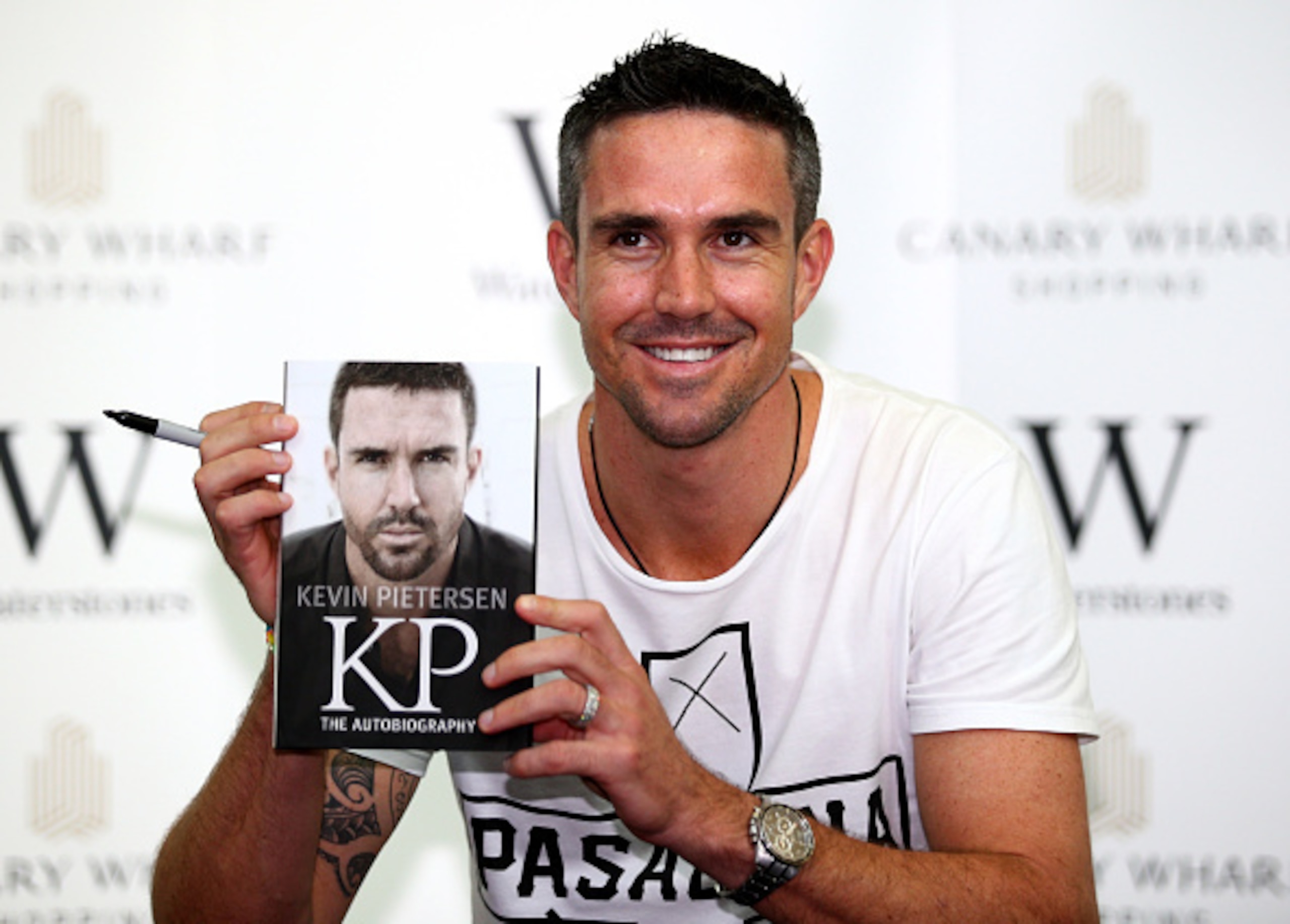
This seems purely from the realms of fantasy, but as his book launch proved, Kevin Pietersen is the one English player with the ability to create headlines beyond the cricket pages and an unlikely comeback for England would certainly be a bold move that would create waves.
Following Pitersen's sacking, former England captain Alec Stewart told BBC Sport that "many people will have enjoyed watching him bat—a box-office cricketer."
England have proven performers such as Alastair Cook and James Anderson and relative newcomers Joe Root, Gary Ballance and Jos Buttler have done enough to suggest there is no shortage of talent, but genuine box-office appeal is somewhat lacking from the new-look England side.
Andy Wilson wrote in The Guardian that one potential reason for slow ticket sales and empty seats at grounds such as Headingley, Old Trafford and Southampton this summer was the lack of connection with the public.
Pietersen's exit is cited as one of the factors, as Wilson explains "the England team have also become a tarnished brand, mostly because of the winter’s Ashes shambles but also unsavoury episodes such as the messy divorce with Kevin Pietersen."
"Horrendous bowling, another awful defeat... yet still we persist in leaving out our best player. I merely ask again, WHY? #BringBackKP
— Piers Morgan (@piersmorgan) March 11, 2014"
Alan Tyers commented in The Telegraph that "the relationship between the team and their supporters in England is at a low ebb" and makes a case for the importance of Pietersen in the modern game:
"Like it or not, we live in an age where image is important and, if you are going to charge people 50 quid a month to watch the cricket on TV, or double that to go to the ground, then you have to accept that you are a part of the entertainment industry.
"
Pietersen is nothing if not an entertainer, and with more than two million Twitter followers and a book that, according to The Guardian, reached No. 2 in Amazon's best-sellers chart, he clearly holds the sort of mass appeal that currently eludes English cricket.
Any comeback has been rendered virtually impossible by the fallout from this book, but if England wanted to be bold, recalling Pietersen for the World Cup or next summer's Ashes would certainly make English cricket hard to ignore.
Likelihood of this happening: 1/10—So long as Pietersen maintains he is available and England have fixtures, it could happen, but in the real world there is far too much bad blood between KP and the ECB for this scenario to become even a remote possibility.
.jpg?w=2560 "Top NFL Trade Targets")